
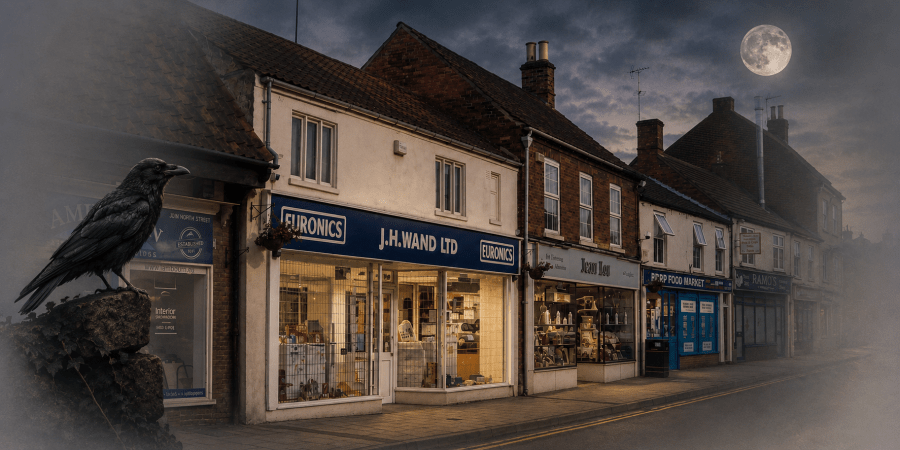
The Story of Jack Wand MBE
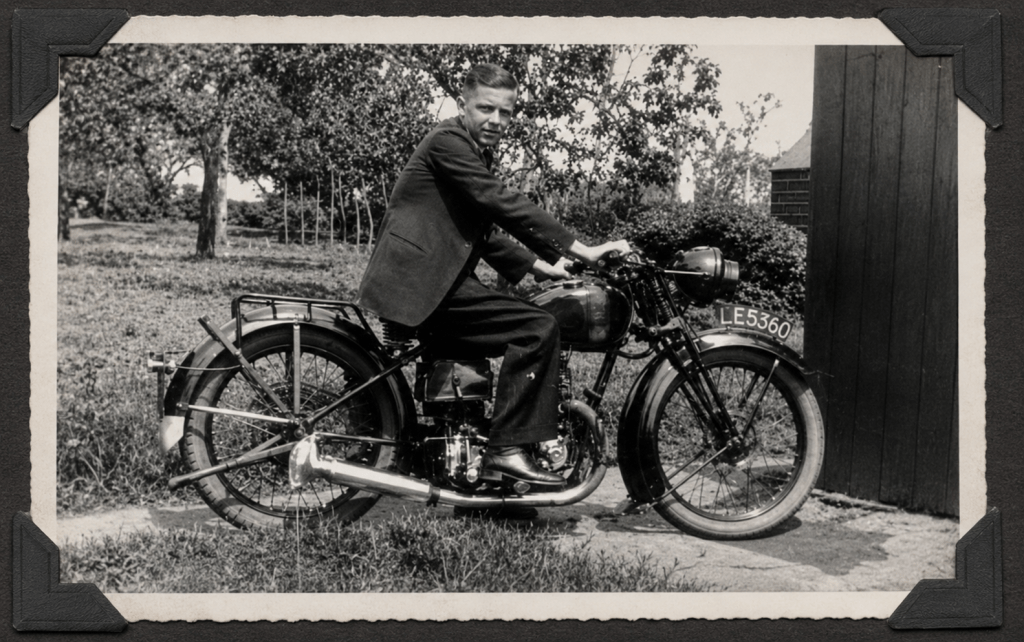
I WAS BORN in the same south Lincolnshire village in which Jack Wand opened his first shop.
As a child, I must have passed that modest storefront countless times — on my way to junior school, or when accompanying my mum on errands to the nearby Co-op — never giving it more than a passing glance.
To me, the unassuming store was simply part of the familiar scenery of village life; one more doorway among many that framed my childhood.
I could not have known then that behind that shop stood a man who had overcome considerable physical adversity to build a successful electronics business, nor that one day his achievements would be recognised with an MBE at Buckingham Palace.
Least of all could I have imagined that this determined local businessman was, in fact, my cousin.
Sometimes the most remarkable stories are not those hidden from view, but those that have stood in front of us all our lives.
IN EVERY MARKET town there are figures who naturally become part of the landscape.
I’m not talking about ‘celebrities’ here. Nor household names. But people whose determination, vision and sheer hard work leave a mark on a community long after they are gone.
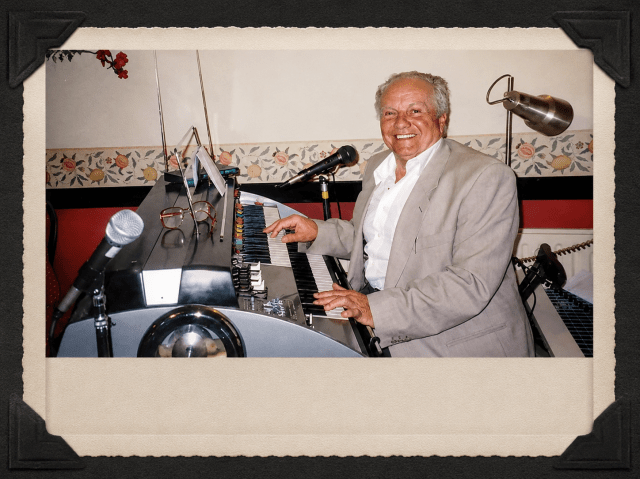
In Bourne, south Lincolnshire, one such man was John Holliday Wand — known to almost everyone simply as Jack Wand.
For decades, the name J.H. Wand was synonymous with televisions, radios, electronics and technical expertise throughout the region.
Yet behind the success story lay something even more remarkable: Jack Wand built his business while overcoming a serious childhood disability, refusing to allow physical limitation to define the course of his life.
It is precisely the sort of story that deserves remembering.
BORN AT RIPPINGALE near Bourne on 4 January 1925, Jack’s early years could easily have led to a very different future. According to local historical records, he suffered a disability as a child severe enough that his family later recalled he did not begin walking and running until around the age of ten.
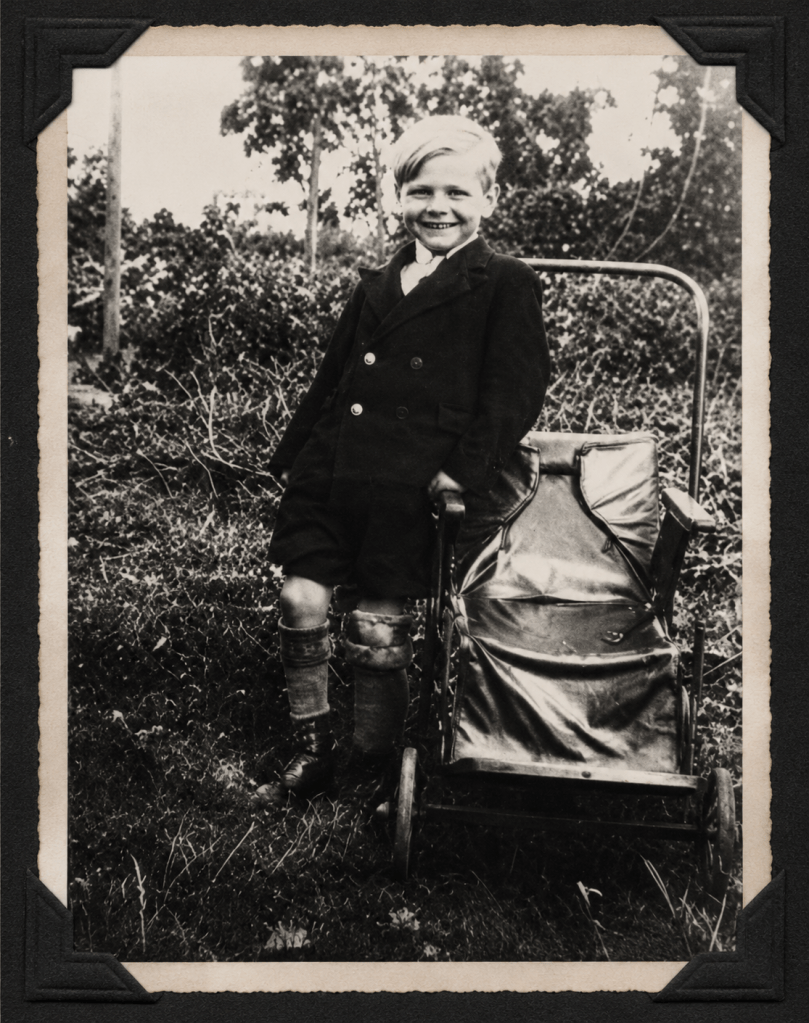
For many people in rural England during the interwar years, such a challenge might have closed doors permanently. Opportunities for disabled children were limited, public attitudes were often unforgiving, and social mobility in small agricultural communities could be painfully narrow.
But Jack Wand possessed a determination that would not easily yield. He belonged to a generation shaped by resilience.
By the late 1940s Britain itself was rebuilding after war, and a new technological age was beginning to emerge.
Wireless radios had already transformed family life. Television was still a novelty in many homes. Electronics remained a specialist trade requiring both technical skill and entrepreneurial courage.
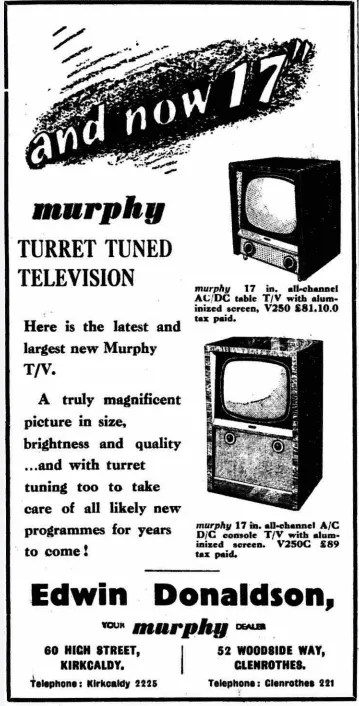
Jack recognised the opportunity.
IN 1948 HE founded what would become the J.H. Wand Group.
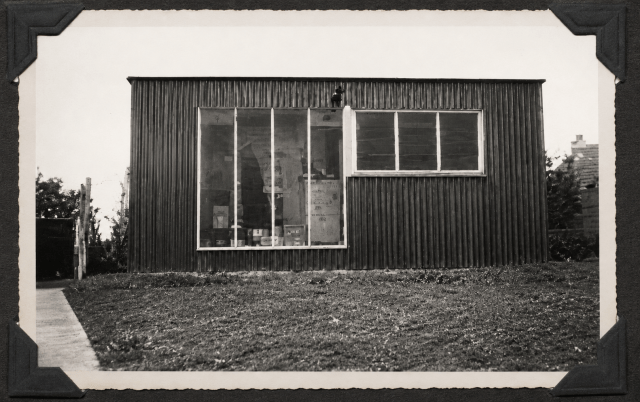
Local history accounts describe the business beginning in little more than a shed.
These were the modest origins that would become the foundation of a significant regional enterprise.
Expansion followed steadily. The company opened its first shop in Billingborough in 1960 and later acquired Burton’s Radio and TV business in Bourne during the early 1970s.
At a time when television ownership was rapidly spreading across Britain, firms like J.H. Wand became essential to everyday life.
Families relied on local engineers not merely to sell televisions, but to install, repair and maintain them. Before the era of disposable electronics, skilled service engineers were highly respected members of the community.
And Jack Wand earned that respect in abundance. His business grew into a well-known electronics company serving south Lincolnshire for decades.
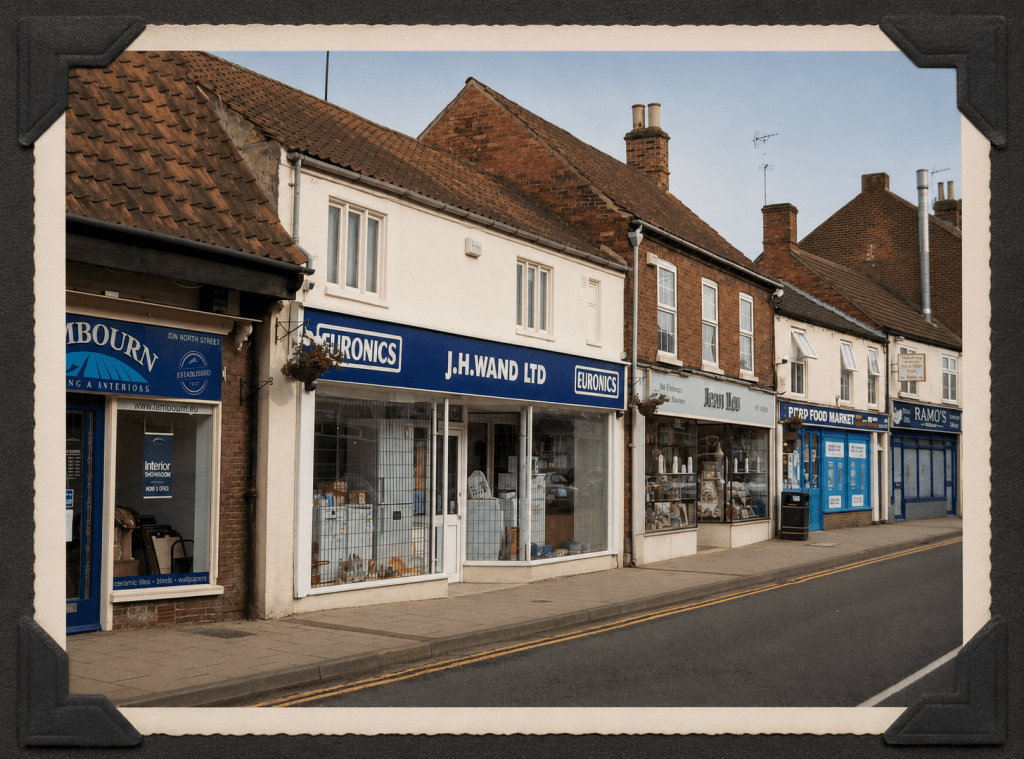
The North Street premises in Bourne became a familiar landmark to generations of local people.
Even years after the company’s closure, community memory of ‘Wands’ remained strong enough to prompt nostalgic discussion on local history forums and social media pages.
WHAT MAKES JACK’S story especially compelling is that his achievements were never simply commercial.
This was not merely a man who made money selling televisions. This was a man who refused to be defined by disadvantage.
Those who build successful businesses often speak about obstacles in metaphorical terms. For Jack Wand, obstacles had been literal from childhood onward.
Despite this, he developed not only technical knowledge, but the persistence and confidence necessary to establish and grow a company during a period when independent regional businesses faced constant competition and economic change.
His determination did not go unnoticed nationally.
In the 1999 New Year Honours, John Holliday Wand was awarded the MBE — Member of the Order of the British Empire — for ‘services to the Electronics Industry.’
For any entrepreneur, an investiture at Buckingham Palace represents a profound moment of recognition. For someone who had once struggled simply to walk as a child, the symbolism feels especially powerful.
One imagines the journey from a small Lincolnshire village to Buckingham Palace must have carried considerable emotional weight.
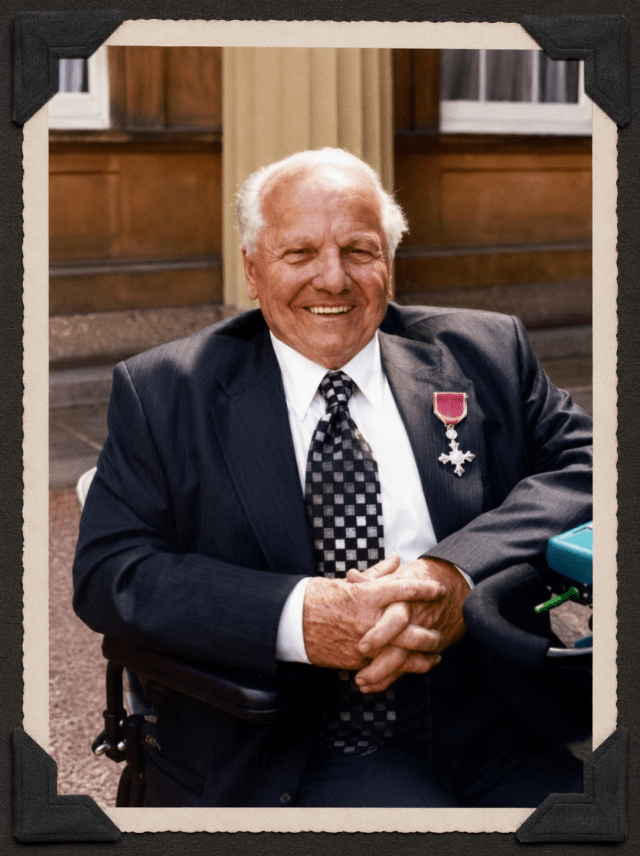
The honour acknowledged not only commercial success, but contribution — contribution to industry, employment, local life and technological progress during a period of enormous social transformation in Britain.
Jack Wand died peacefully at home on 12 October 2013 at the age of 88. His obituary described him simply and affectionately as ‘Husband, Dad, Grandad and Great-Grandad. Loved by all.’
There is something fitting in that understated wording. Men of Jack Wand’s generation often wore achievement lightly. They tended not to cultivate public profiles or personal mythologies. Their legacy was measured instead in businesses built, families supported, customers served and communities shaped.
BEFORE THERE WAS the businessman, there was the family.
These images of Jack Wand’s parents and grandparents offer a glimpse into the rural Lincolnshire that shaped him. It was a world built on hard work, modest expectations and tenacious resilience.
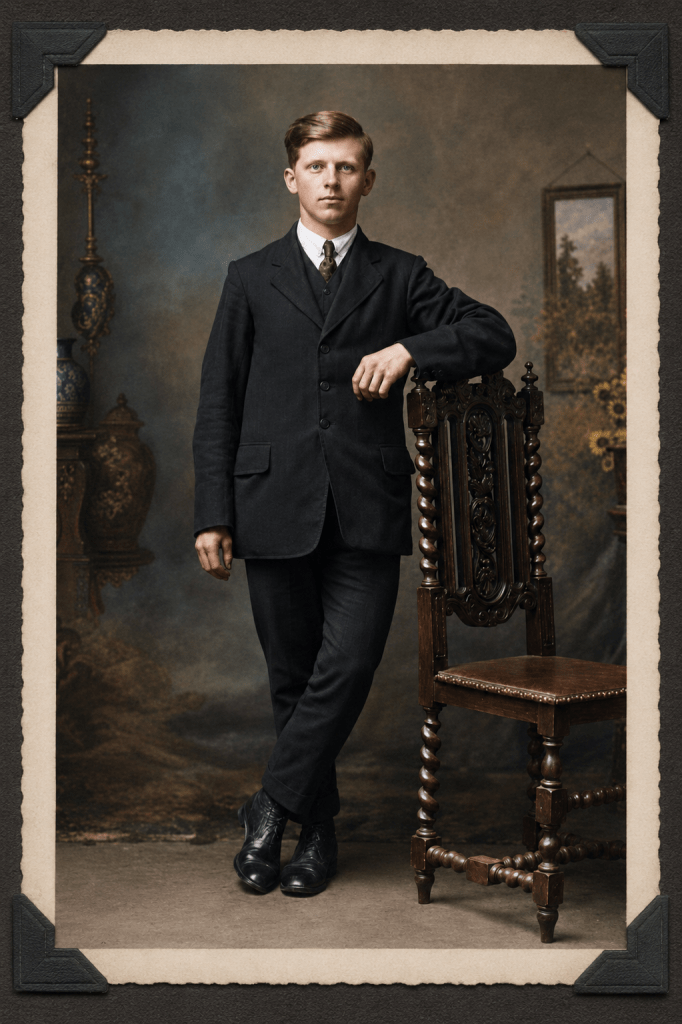
Jack’s father – my Great Uncle – Arthur Wand, waggoner and groom of Rippingale
Jack’s mother, Olive Lydia Wand (née Holliday)
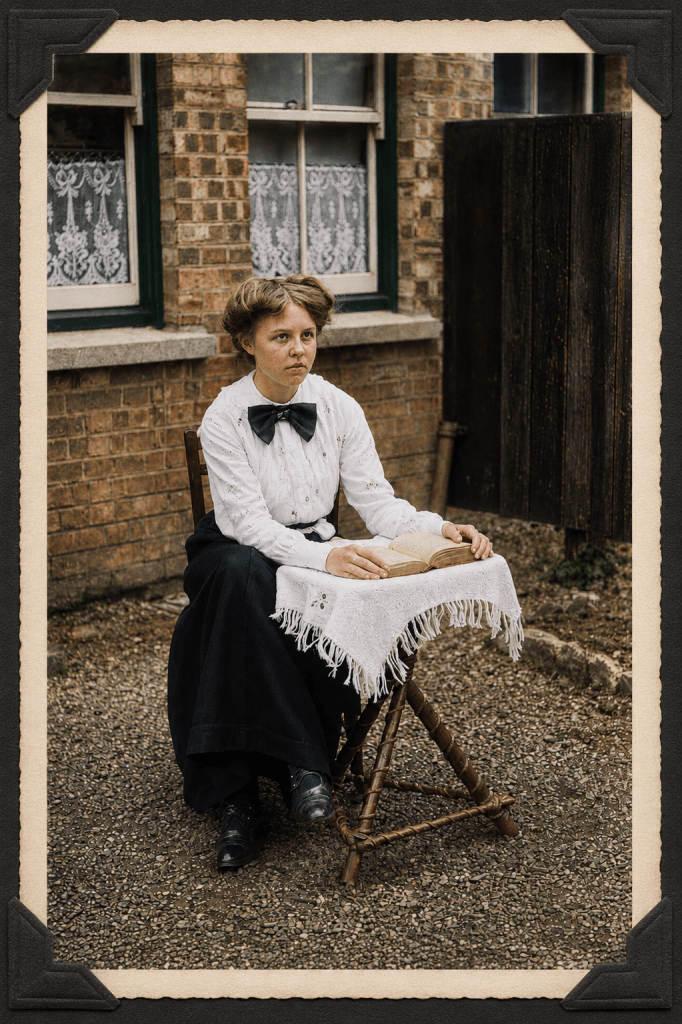
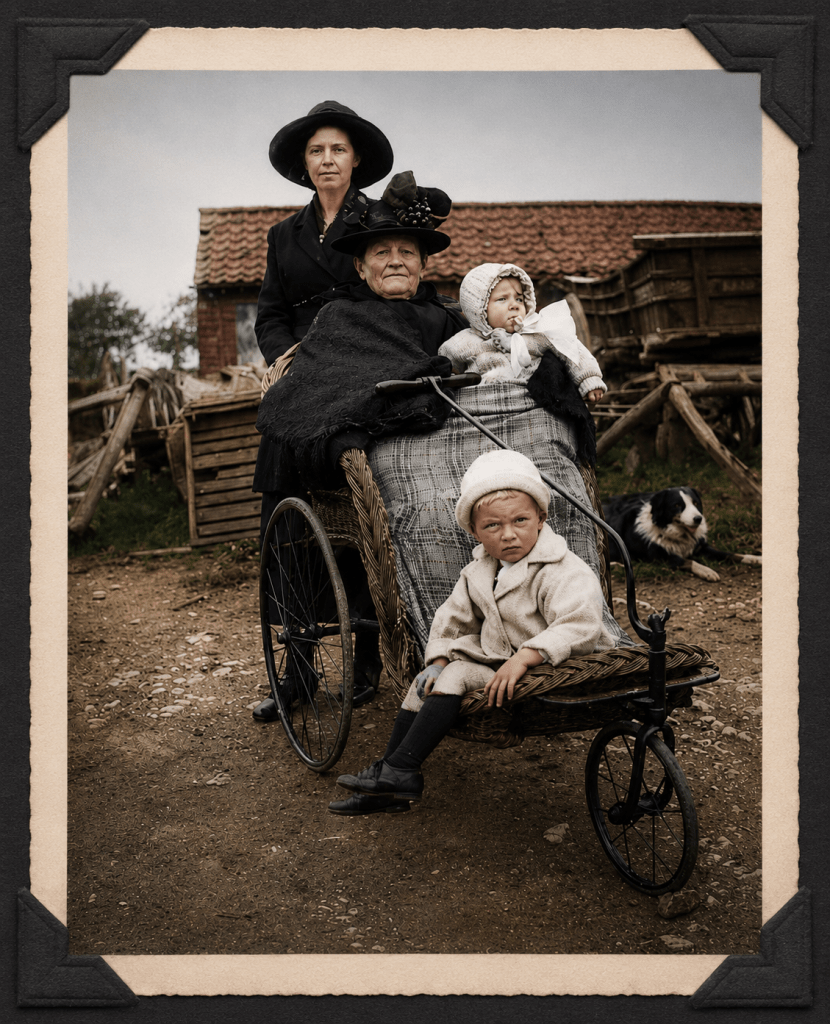
Jack’s mother, with his grandmother, Jane Holliday (nee Caunt) & siblings Eric and Lilly
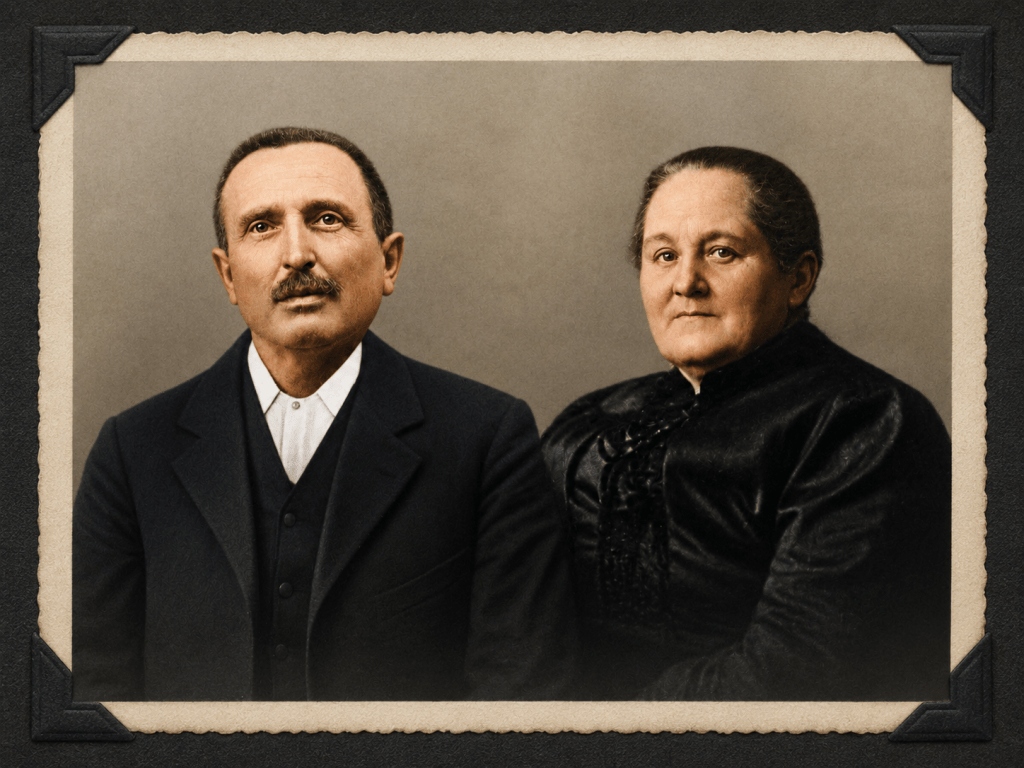
It is perhaps no surprise that someone raised among such people would grow to face adversity with determination and go on to build something lasting of his own.
TODAY, MANY SUCH regional pioneers risk fading from public memory because their stories were never fully digitised or widely documented. Yet local enterprise helped build modern Britain every bit as much as the famous industrial giants whose names fill history books.
Jack Wand’s story reminds us that entrepreneurship is not always the creation of gleaming, high rise cities or venture capital boardrooms. Sometimes it begins in a shed in Lincolnshire.
Sometimes it is driven by necessity, grit and steadfast refusal to surrender to circumstance.
And sometimes the most extraordinary lives are lived by people who never considered themselves extraordinary at all.
 RAVEN MOON
so great to hear the story again and written in your words. I remeber the shop in billingborough and bourne . Often purchasing household equipment from the bourne shop.
LikeLike
Thanks for taking the time out to read the post and add your own personal reflection, Claire. Once I’d confirmed the family connection (there was never really any doubt, but these things need validating), I wanted to tell his story in my own way. I was captivated by his determination to overcome personal setbacks, and to refuse to be defined by them. A giant of a character. Its a shame I never met him.
LikeLike
a truely inspiring gentleman who overcame so much to achieve what he did.
LikeLike