

SEVERAL DAYS AGO, in my post ‘Medieval Monastery Murder Mysteries,’ I wrote of the Brother Cadfael whodunnits by writer, Ellis Peters ― a fiction series which had delighted me in the 1990s. That reflection had been prompted by my recent re-read of ‘The Leper of Saint Giles,’ book five in that series.
Through the story’s link to lepers and leprosy I was prompted to recall another book series that had also captivated me ― once again in the 90s.
This post doesn’t seek to review that series, which I consider to be a remarkable work of fantasy fiction, it merely explores its core concept, one which I believe is unique. And believe me, I’ve read a lot of fantasy over the years.
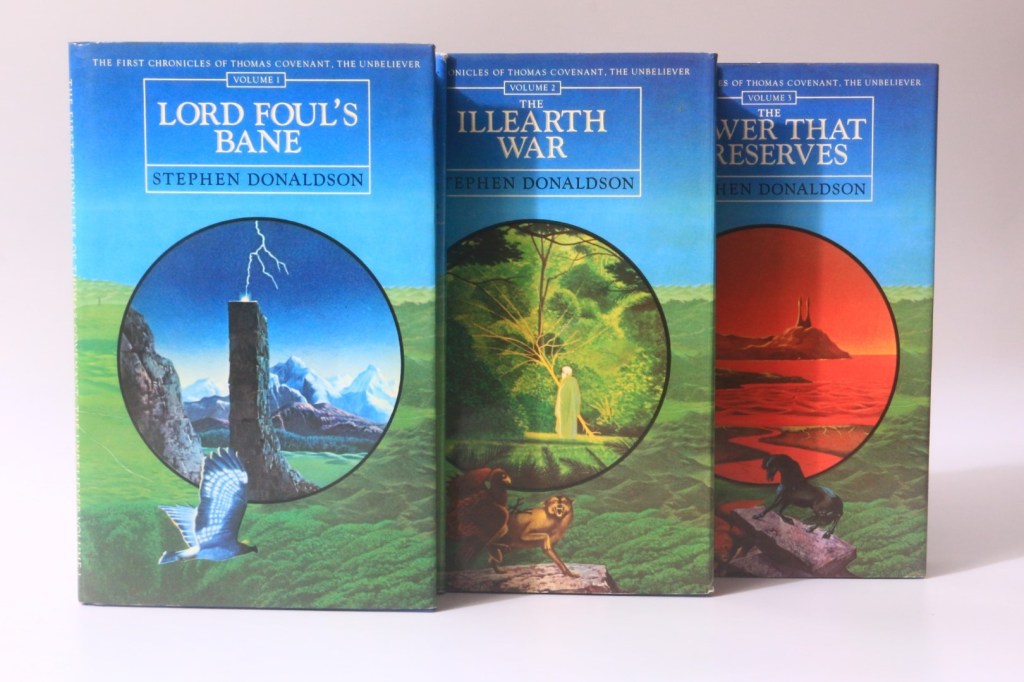
FEW WORKS OF fantasy divide opinion quite as sharply as Stephen R. Donaldson’s The Chronicles of Thomas Covenant the Unbeliever. First published in 1977, the series has been praised by some for its psychological depth and moral gravity — whilst criticised by others for its deeply uncomfortable protagonist.
I believe it is the author’s refusal to offer an easy hero, and the discomfort this generates, that has allowed The Chronicles to endure as one of the most challenging yet rewarding works in the genre.
At the heart of the series lies a paradox: a man who is revered as a saviour in a mystical land, yet who utterly refuses to believe that the land—or his role within it—is real.
Forged from Experience
THOMAS COVENANT IS no conventional fantasy hero. He is a present-day writer now suffering from leprosy (Hansen’s disease), a condition that has cost him his marriage, his career, and his place in society.
As a consequence of his condition he lives in a state of rigid emotional and physical self-defence. It is a state governed by strict adherence to routines designed solely to keep him alive. Hope, generosity, and trust are luxuries he cannot afford.
Author Donaldson did not choose his protagonist’s condition randomly or unwittingly.
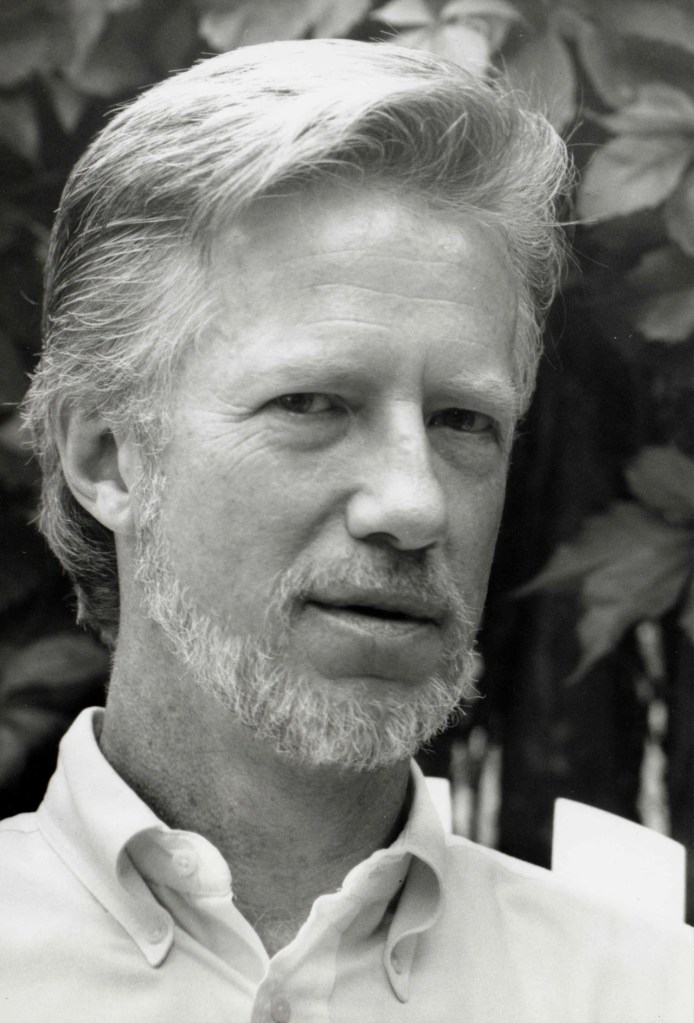
His father had worked extensively with people affected by leprosy in India. Donaldson therefore grew up with a clear understanding of the disease—not merely its physical symptoms, but its profound social and psychological consequences.
Leprosy, particularly in the mid-20th century imagination, represented isolation, stigma, and a slow erasure of identity. By making Covenant a leper, Donaldson ensured that his protagonist would be defined not by strength or destiny, but by loss, fear, and alienation.
This background matters. Covenant’s bitterness and emotional brutality are not narrative gimmicks; they are the logical result of a man whose world has taught him that attachment leads only to pain, and that belief itself can be lethal.
Refusal to Believe
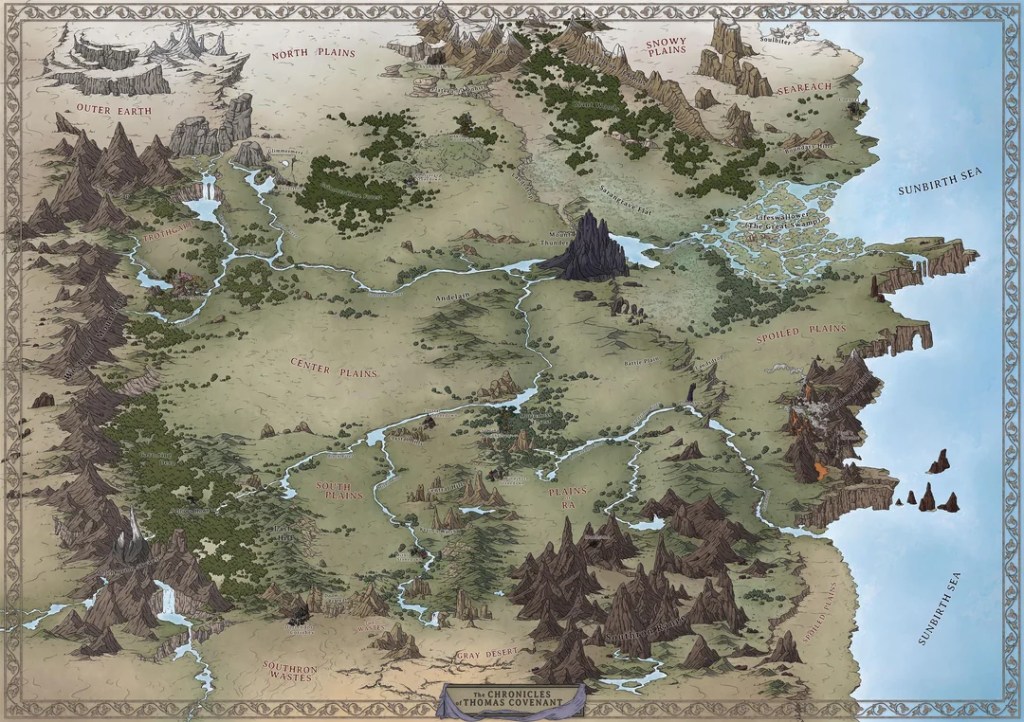
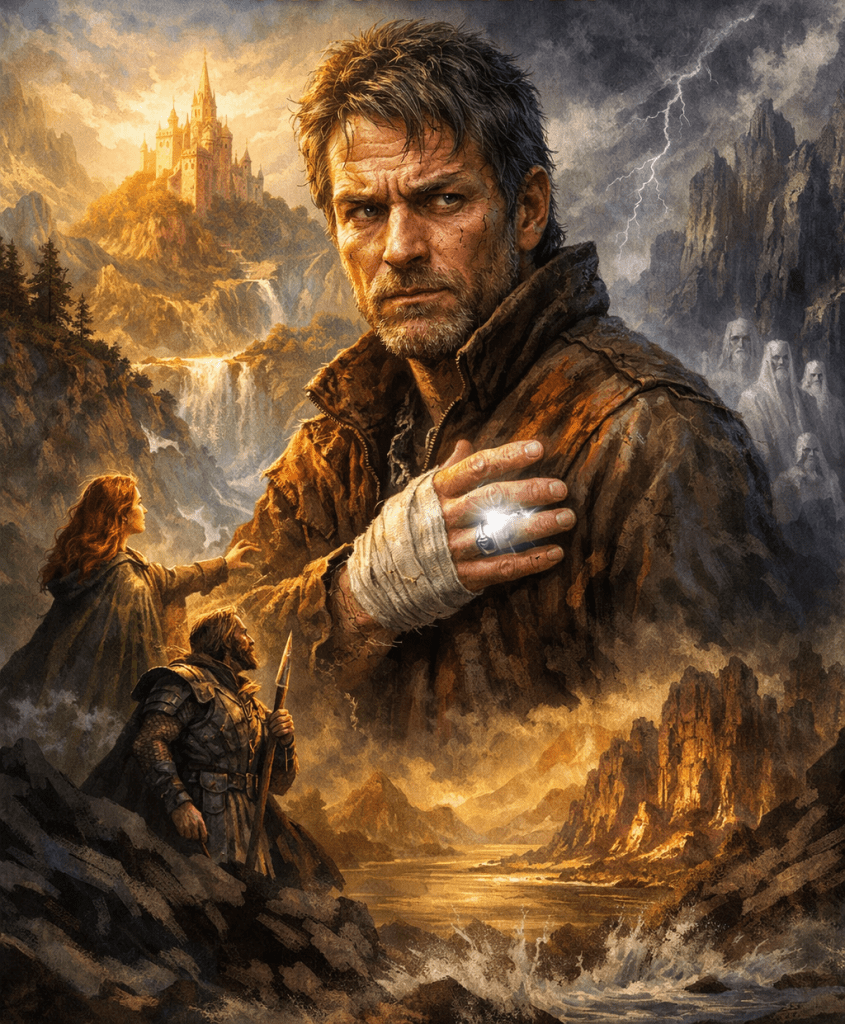
WHEN COVENANT IS mysteriously transported to The Land—a world of immense beauty, ancient lore, and deep ethical solemnity—he encounters people who immediately recognise him as their long-awaited saviour, the wielder of wild magic and bearer of white gold.
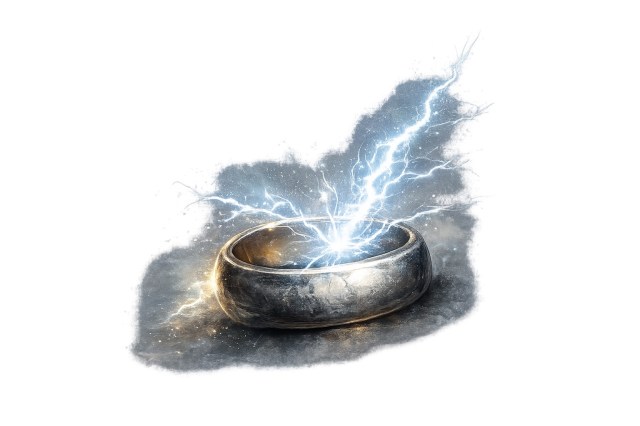
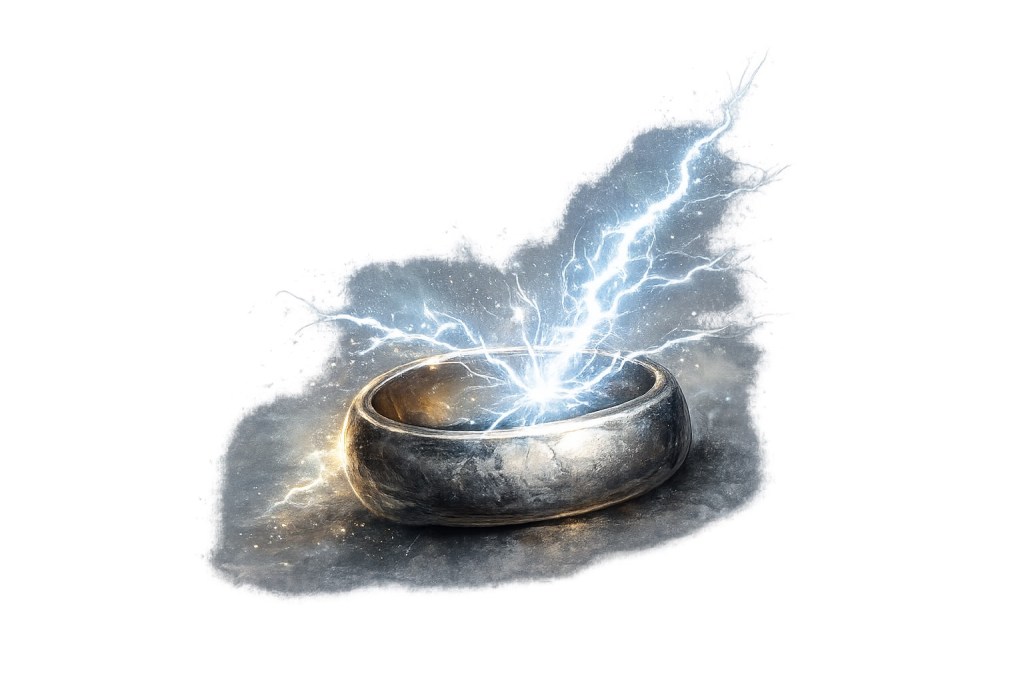
Covenant has already lost two fingers to leprosy, and with the white gold wedding ring he still wears, this maiming causes the people of the Land to see him as the reincarnation of a long-lost hero: Berek Halfhand. To them, he is a man destined to save them from destruction.
Covenant’s response is not wonder, gratitude, or even curiosity. It is denial.
To him, believing in The Land is dangerous. If it is real, then he can be hurt. If it is real, then hope is possible—and hope, in his experience as a leper, is a prelude to devastation. He therefore clings to the belief that The Land is a hallucination, a dream, or a cruel delusion produced by his damaged mind. This refusal is not scepticism; it is self-preservation.

And here lies the series’ central tension: while Covenant denies the reality of The Land, his actions within it have real and often devastating consequences. The people who love and trust him suffer because of his disbelief.
Covenant’s power, whether he acknowledges it or not, shapes the fate of an entire world.
An Unwilling Saviour
FANTASY LITERATURE IS littered with chosen ones—figures who may doubt themselves briefly, but ultimately rise to their destined role. In ‘The Chronicles,’ Donaldson dismantles this trope entirely. Covenant does not want to save The Land. He does not believe it deserves his sacrifice, because to him it does not exist.
Yet despite his repudiation of it, The Land persists.
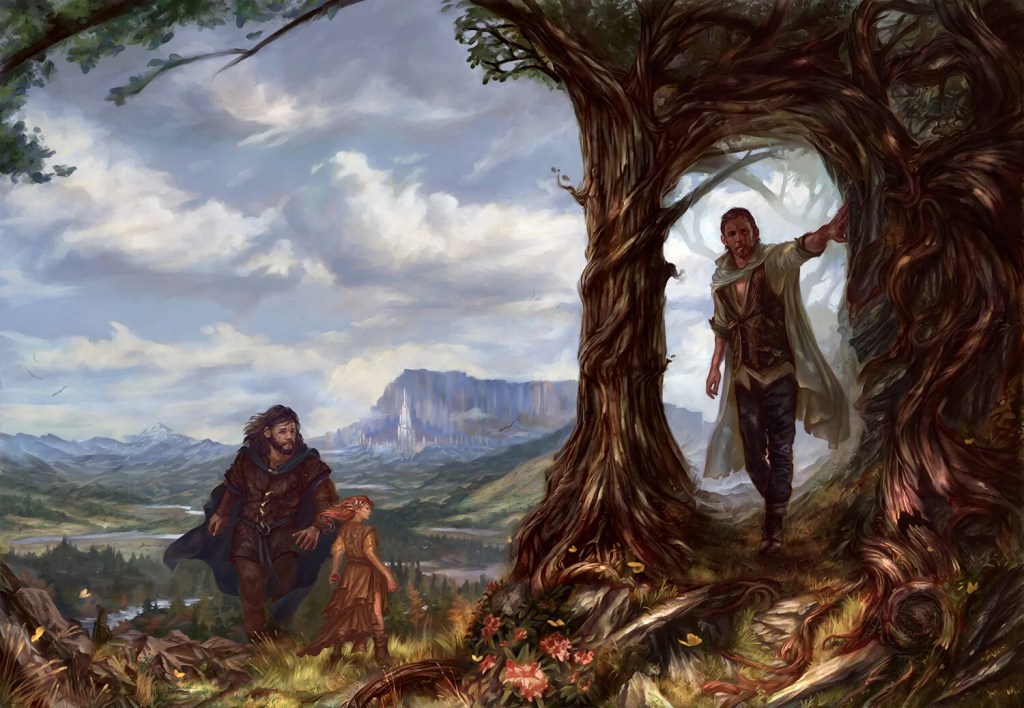
Its beauty is described with almost aching reverence: its living stone, its forests, its deep traditions of care and responsibility.
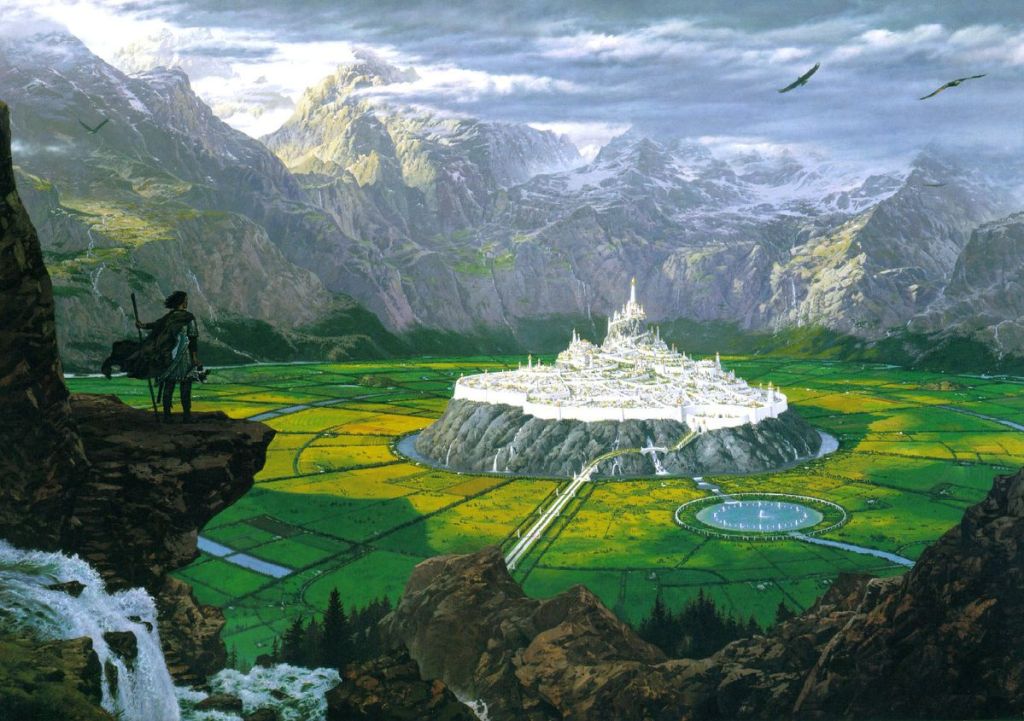
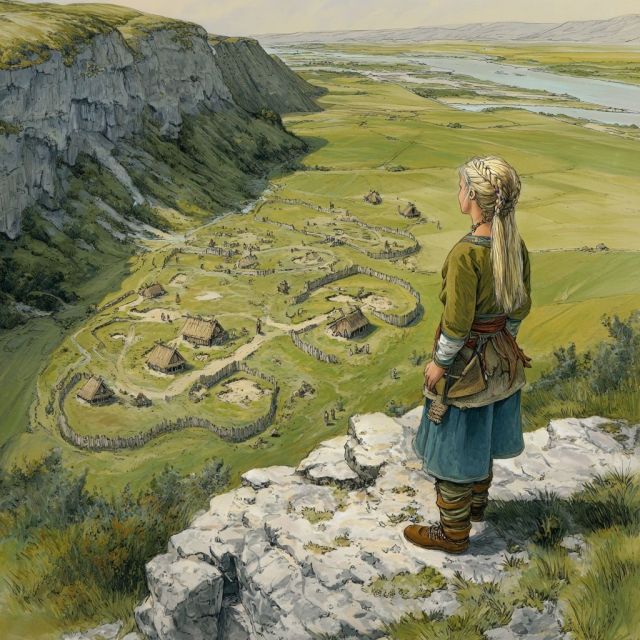
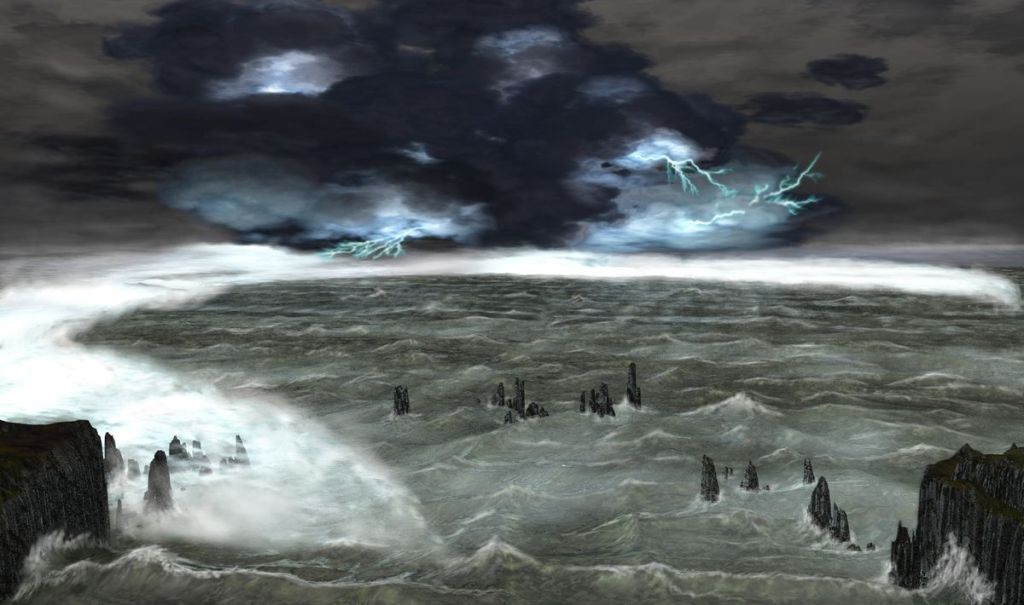


The more Covenant rejects it, the more morally real it becomes to the reader. This inversion is deliberate, and through it Donaldson forces us to ask uncomfortable questions:
- What if power rests in the hands of someone who refuses responsibility?
- What if belief—not strength—is the rarest and most necessary virtue?
- And what does it mean to be a hero in a world where certainty itself is questionable?
Fifty Years On
NEARLY FIFTY YEARS after its publication, The Chronicles of Thomas Covenant the Unbeliever remains strikingly relevant. To those of us living in an age marked by cynicism, distrust of narratives, and fear of commitment—whether it be to ideals, communities, or futures—Covenant feels disturbingly modern. He is also uncomfortably relatable.
His unbelief perhaps mirrors our own reluctance to engage fully with the world, or to risk belief in anything that might make demands of us. The Land, with its insistence on ancient lore, stewardship, and moral consequence, stands as a rebuke to indifference.
That the fate of this beautiful land rests in the hands of a man who cannot—or will not—believe in it is the series’ most tragic and compelling irony.
Donaldson did not write a comforting fantasy. He wrote one that explores the cost and the damage wrought when self-protection becomes the paramount philosophy.
Thomas Covenant is not meant to be liked. He is meant simply to be understood—and, perhaps, recognised.
 RAVEN MOON
Great information, very objective. I love objectivity.
LikeLiked by 1 person