
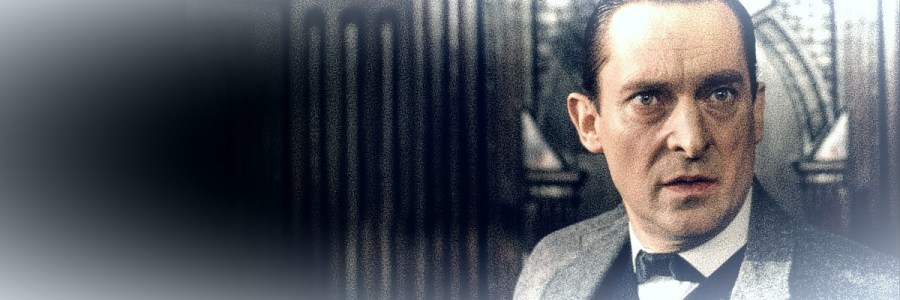
Jeremy Brett and the Price of Being Holmes
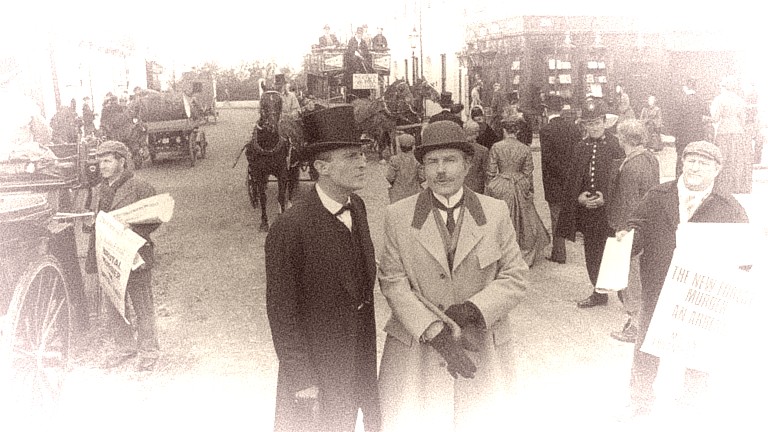
WHEN WRITING my two previous posts — ‘The Timeless Detective‘ and ‘The Melancholy Moor‘ — I was prompted to reflect on the actor who, for me, epitomised perfectly the precision and intensity of the Sherlock Holmes character.
His was a performance that redefined the role for my generation. It was, however, one that came at an immense cost.
THERE HAS never been a Sherlock Holmes quite like Jeremy Brett’s.
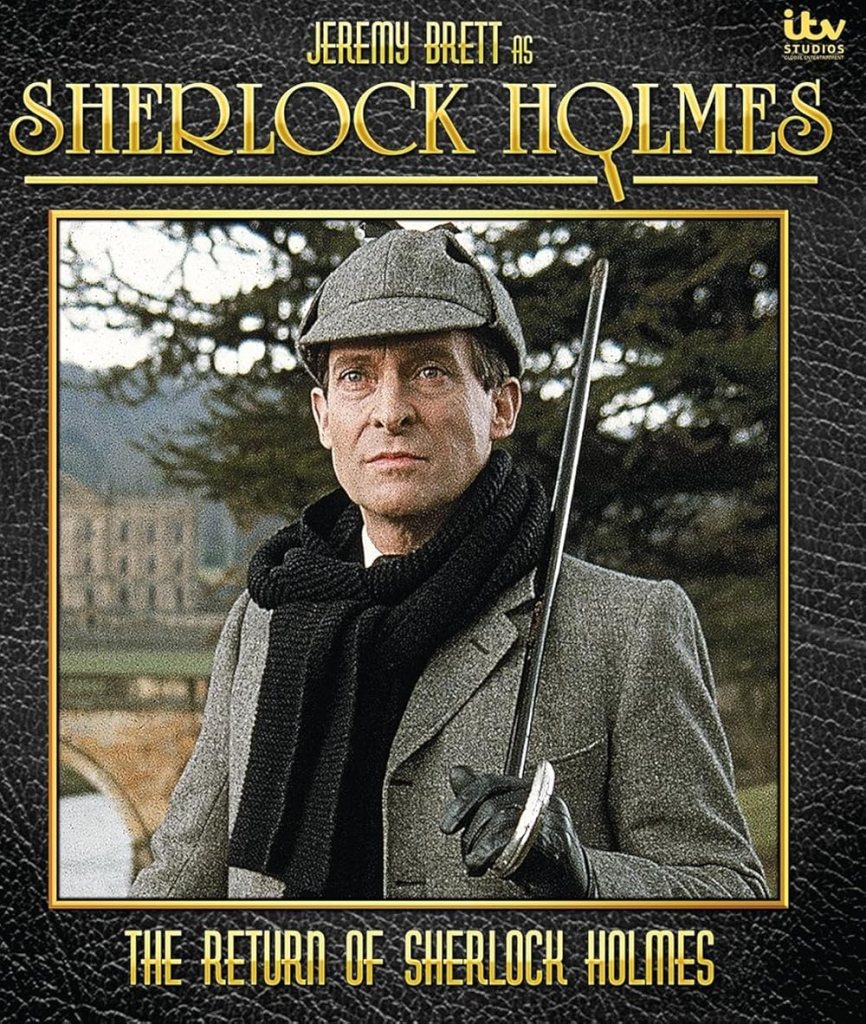
When Granada Television began its definitive series of adaptations in 1984, Brett approached the role with a scholar’s precision and an actor’s obsession.
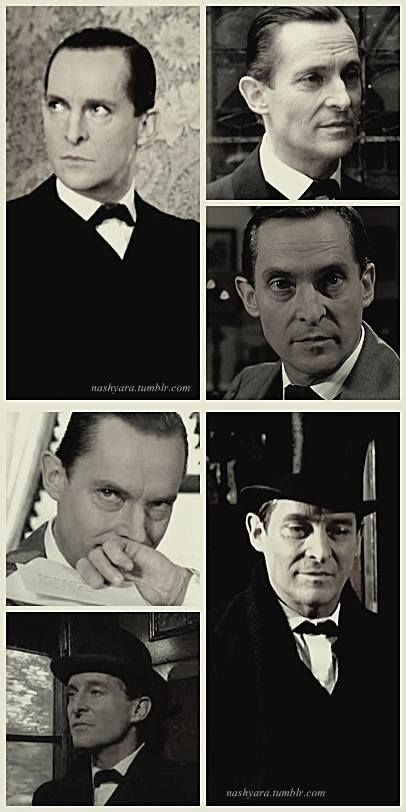
His Holmes was no pipe-puffing caricature but a man of fierce intellect, tempestuous mood, and brittle grace.
Every gesture seemed charged with nervous energy: the quick flick of his fingers, the sudden glint in his eye, the restless pacing before a revelation.
He gave us the detective as Doyle wrote him — brilliant, unpredictable, and unsettlingly human.
‘The provocation with Holmes is the fact that he’s described by Doyle as a man without a heart – all brain… and that’s very difficult to play, or even indicate.’
– Jeremy Brett on playing Holmes
Yet the performance that enthralled millions for a decade would take a heavy toll on the actor who gave it life.
BRETT WAS, by all accounts, consumed by Holmes. He once described playing the detective as:
‘ … like holding a very high-tension wire …’
There was truth in that metaphor. He kept a set of notebooks filled with what he called ‘Holmes’s tics and twitches,’ meticulously noting physical mannerisms, vocal tones, and moods.
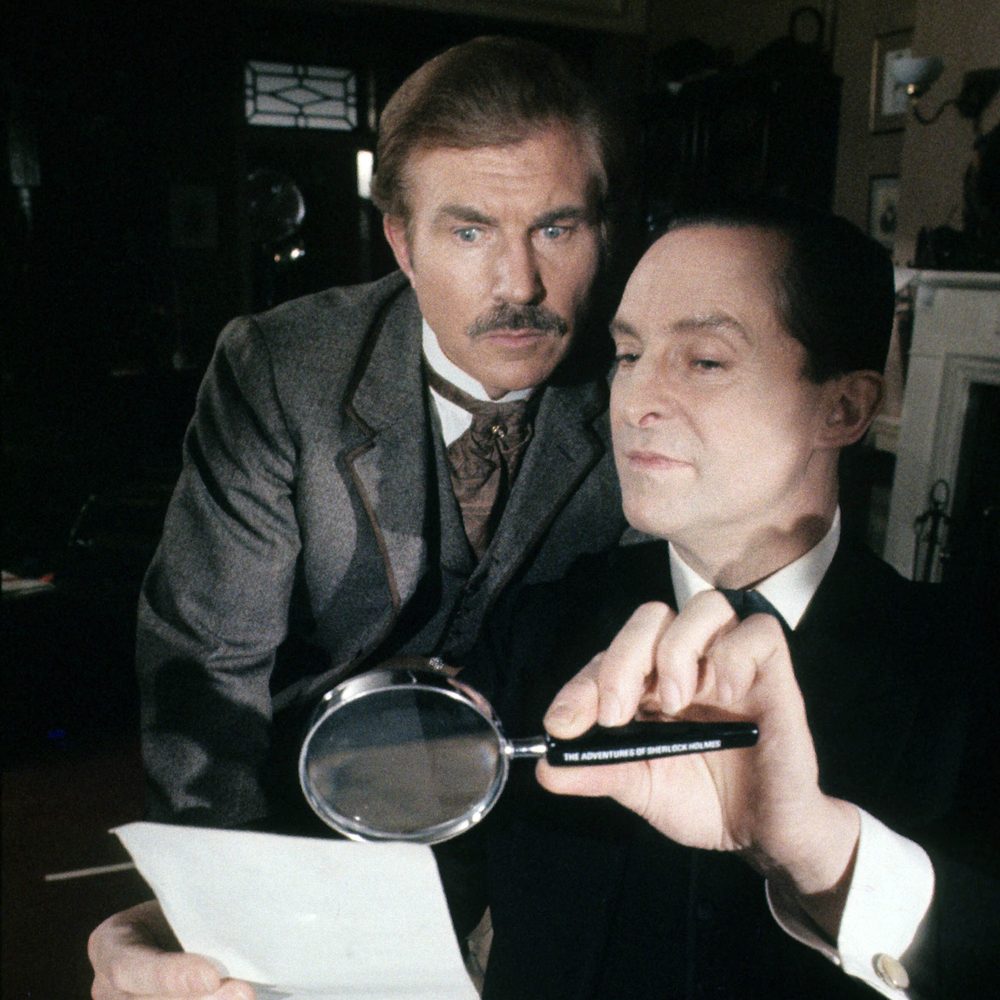
He spoke of Holmes’s ‘black depressions and fits of mania’ long before such language was common in popular culture, recognising that Doyle’s genius detective exhibited symptoms that today might be read as a manic-depressive psychosis.
This insight gave Brett’s performance its extraordinary authenticity — and its danger. The more deeply he explored Holmes’s inner turbulence, the more it seemed to mirror his own.
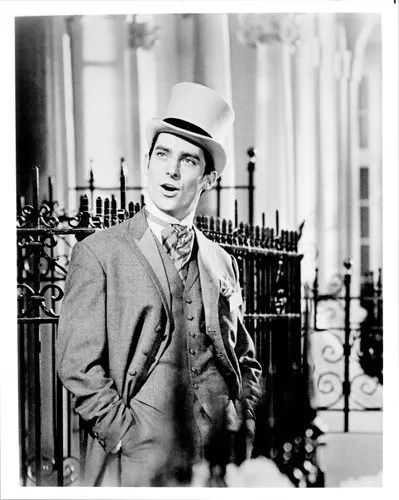
BEFORE GRANADA, Brett had been a distinguished stage and screen actor, known for his elegant turn as Freddy Eynsford-Hill in My Fair Lady and for a succession of Shakespearean roles.
(Left) Brett in ‘My Fair Lady’ – 1964
But the mid-1980s brought profound personal tragedy. The death of his wife, Joan Wilson, left him devastated.
When filming resumed soon after, the line between Jeremy and Sherlock began to blur. The role became both a refuge and an emotional crucible. Friends and colleagues spoke of his intensity on set, how he would remain in character between takes, pacing in silence, muttering deductions under his breath.
He was chasing a kind of truth — not merely to play Holmes, but to become him.
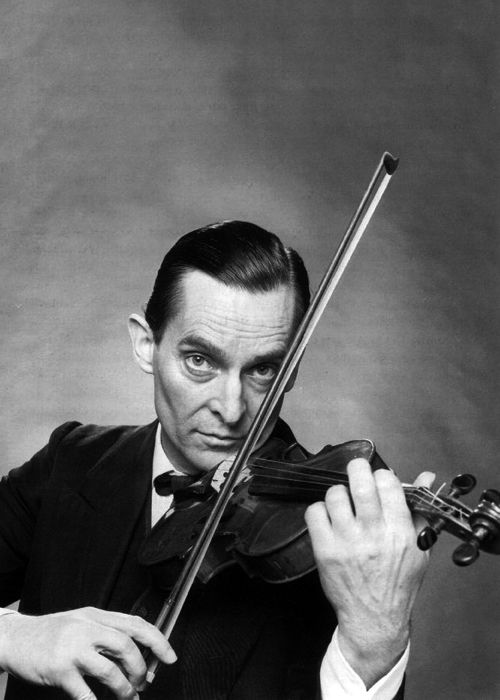
THAT DEDICATION, while artistically brilliant, exacted a heavy cost. Brett’s mental health faltered in the late 1980s, and he was diagnosed with bipolar disorder.
Medication affected his appearance and energy, and in later episodes — such as The Creeping Man and The Last Vampyre — the once-hawkish Holmes seems visibly weighed down, his face fuller, his movements slower. Yet this physical transformation only deepened the poignancy of his portrayal.
(Right) Jeremy Brett in ‘The Last Vampyre’ – 1993
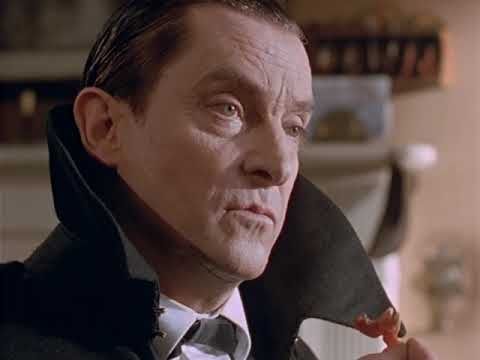
There is something haunting in those later performances, as though Holmes himself is fading under the weight of his own brilliance. Tragically, Brett’s suffering lent the character a mortal vulnerability Doyle never quite showed.
OTHER ACTORS have spoken of the peculiar burden of playing Holmes.
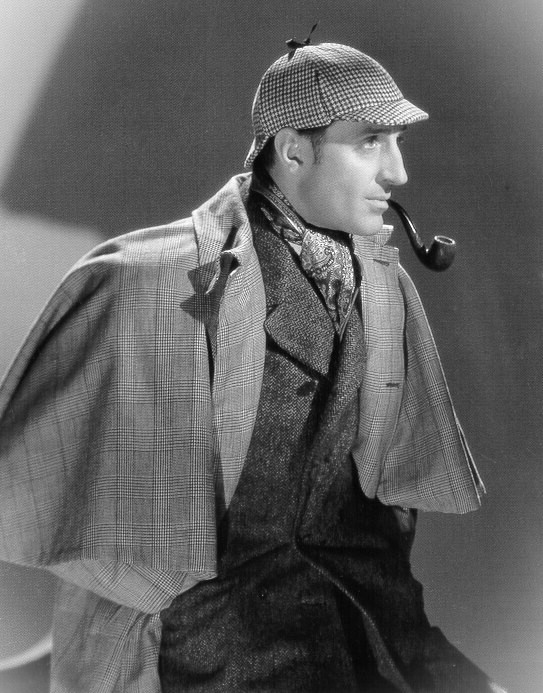
Basil Rathbone, who embodied the detective through the 1930s and 40s, found himself typecast and professionally stranded, forever identified with Baker Street.
Peter Cushing, who succeeded him, admitted the role’s intellectual rigour left him exhausted. Even in modern incarnations, the strain remains. Benedict Cumberbatch has described the character’s ‘burning energy’ as both exhilarating and depleting, a state of hyper-awareness that is difficult to shed at the end of a day’s filming.
‘Immediately as an actor I wanted to understand who [Sherlock] was, what his parents were. … there’s a process I’ve got to go through. I’ve got to understand how I became this person.’
‘Where’s his weakness?’ Because no human being doesn’t [have one]. And however much [Sherlock] tries to convince himself he’s not human, he is.’
Benedict Cumberbach
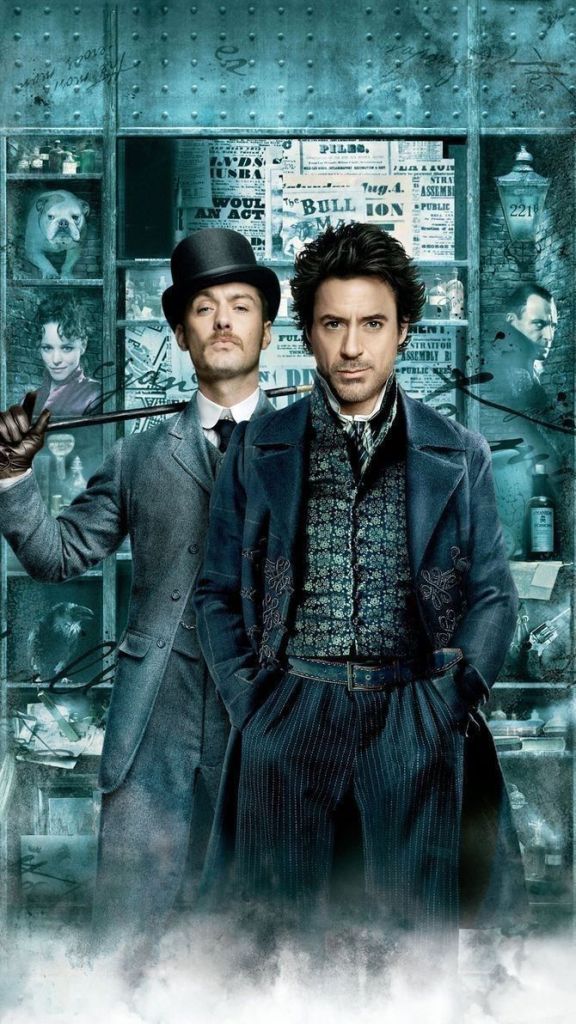
Robert Downey Jr., in his cinematic reinvention of Holmes, noted that the detective’s obsessive, addictive nature was not far from the method actor’s own compulsion to stay in character.’
Perhaps this is the paradox of Sherlock Holmes: he offers his interpreters brilliance and acclaim, but demands from them a share of his isolation.
JEREMY BRETT’S Holmes remains, for many (including me), the definitive portrayal — a perfect fusion of authenticity and emotional depth. He insisted on using Doyle’s dialogue verbatim wherever possible, arguing that ‘the music of the language’ was essential to the character.
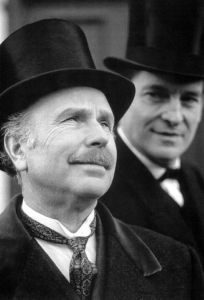
His collaboration with David Burke and later Edward Hardwicke as Dr. Watson added warmth and balance; their portrayals grounded Brett’s quicksilver energy, creating one of television’s unforgettable partnerships.
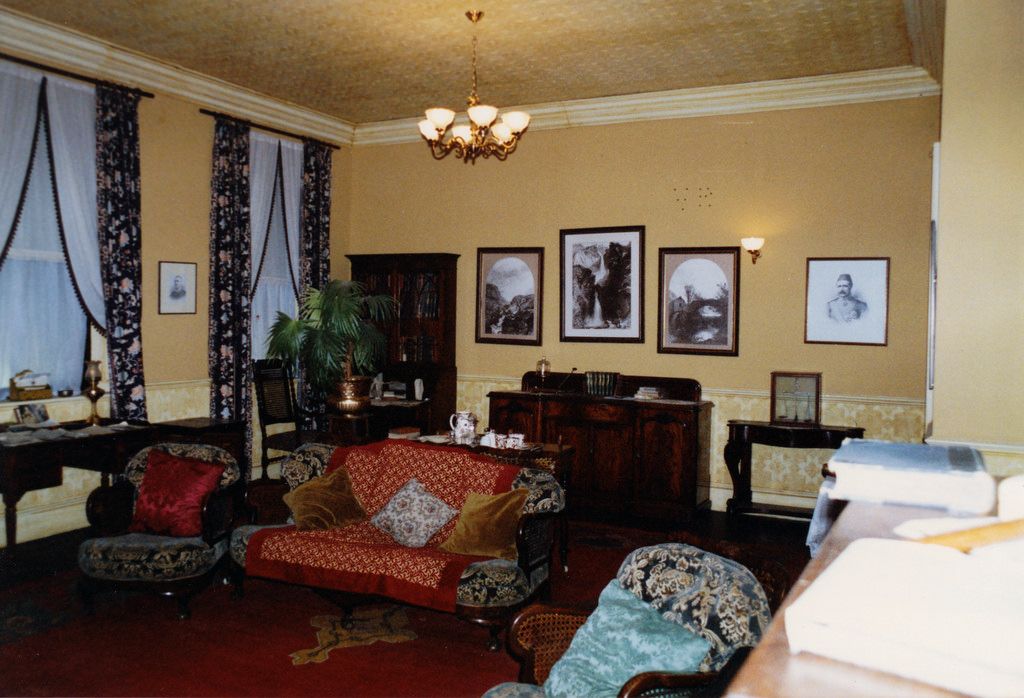
Granada’s meticulous production values, faithful period design, and adherence to the original stories gave Brett the canvas he needed to paint the most complete portrait of Holmes ever committed to screen.
WHAT DISTINGUISHES Brett, above all, is his insistence that Holmes was not a cold machine of logic, but a man driven by passion — for truth, for justice, for the thrill of the chase.
He found, beneath the intellectual armour, a deeply emotional being: capable of friendship, despair, even joy. In doing so, he humanised a figure often dismissed as detached and mechanical.
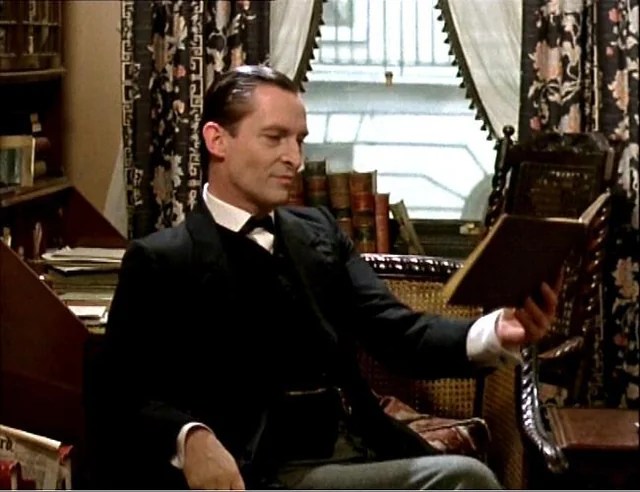
That is why Brett’s Holmes endures — because he reveals not only the brilliance of the mind, but the fragility of the soul behind it.
BY THE TIME the series concluded in the early 1990s, Jeremy Brett’s health was in decline. He died in 1995 at the age of sixty-one, leaving behind a legacy both remarkable and yet tragic.
For many fans, his image — the aquiline profile, the piercing eyes, the elegant hands — is Sherlock Holmes.
Later interpretations owe much to the psychological realism Brett brought to the role. He made Holmes not merely a legend, but a man.
JEREMY BRETT paid dearly for that achievement. Yet through his art, he transformed the great detective into something greater still: a mirror for the human condition, reflecting genius and madness, triumph and loss.
His performance remains a testament to his courage as an actor and to the enduring allure of Doyle’s creation. So much so that, more than thirty years on, Brett’s Holmes still walks the gas-lit streets of my imagination — elegant, restless, and utterly unforgettable.
‘I’ve done 33 Sherlock Holmes stories and bits of them are all right. But the definitive Sherlock Holmes is really in everyone’s head. No actor can fit into that category because every reader has his own ideal.’
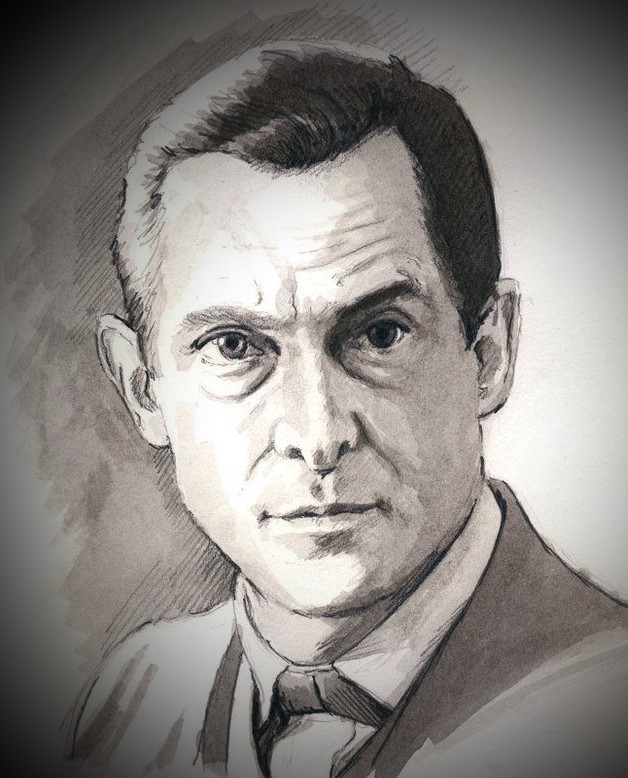
 RAVEN MOON