Ravens: Observers at the Edge
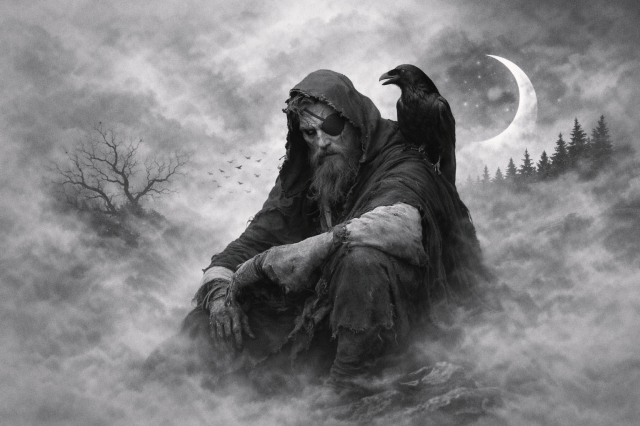
IN JUNE, 2023 I was visited by a Raven. I wrote of this experience and the life-changing transformation heralded by the bird’s appearance in my June ’25 post, ‘The Raven.’
In that post I wrote about the raven as symbol and companion—an archetype that has dwelt beside humanity for centuries. But there is something more I want to touch on here.
Not what the raven represents, but what it might know.
For there are some creatures that seem to not only live in the world, but occupy the otherworldly hinterland beside it.
The raven is one of them.
Intelligence that Watches
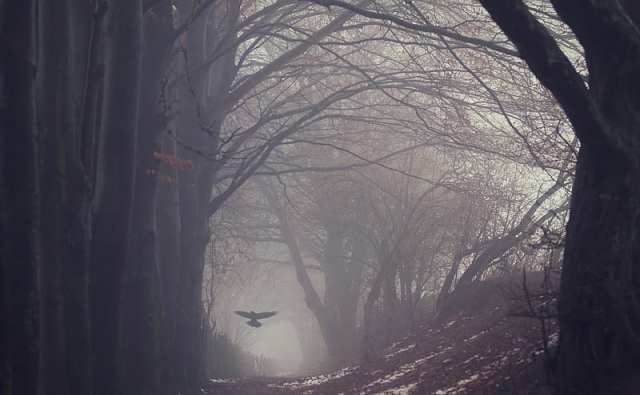
RAVENS ARE NOT merely passive creatures of instinct. They solve problems, recognise faces, remember encounters. They learn. They adapt.
But intelligence alone does not explain the incredible depth of the Raven’s awareness.
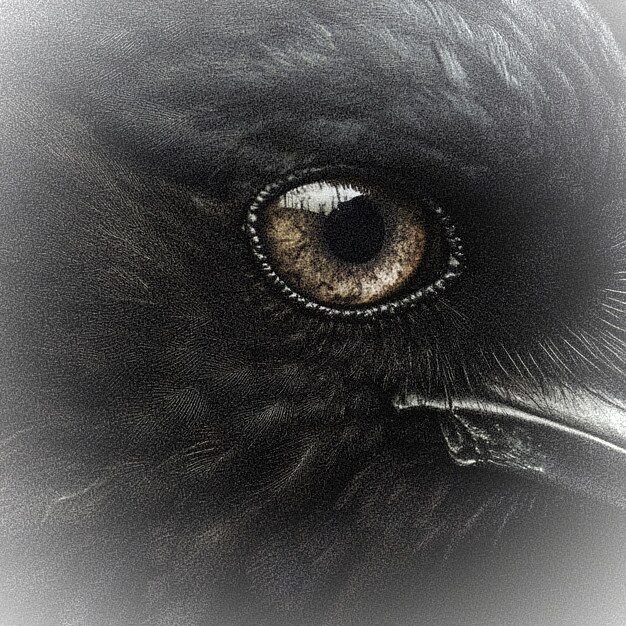
There is an esoteric quality to their attention that feels … deliberate. Reflective, even. It is as though the raven does not simply see the world—it regards it.
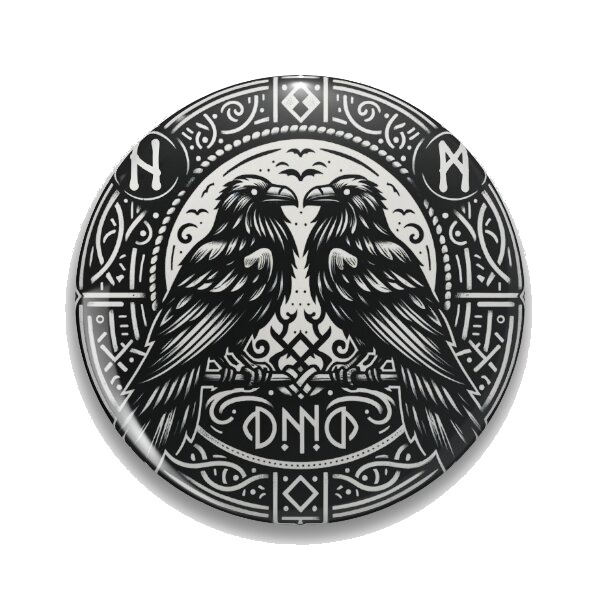
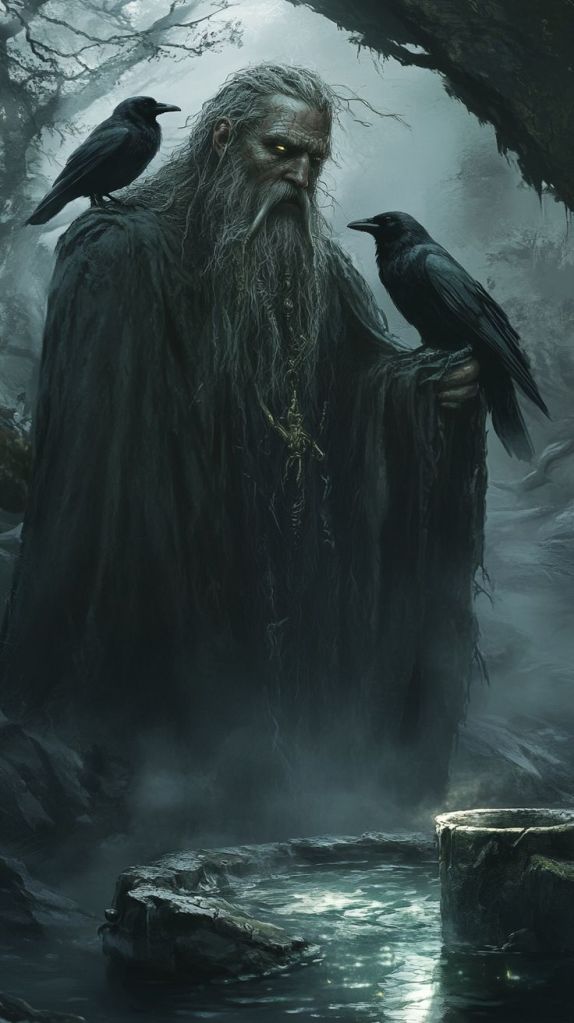
In myth, this has long been understood. The two ravens of Odin, Huginn and Muninn —Thought and Memory—circle the world and return to the Allfather each morning with knowledge.
What they deliver, however, is not merely information but a distillation of something greater. Something interpreted.
And perhaps that is the distinction.
The raven is not merely a collector of sights. It is, in some deeper symbolic sense, a witness.
Between Worlds
ACROSS CULTURES, RAVENS occupy thresholds; nebulous margins where worlds and times meet and merge.
They appear at battlefields and burial grounds. They are linked with death—not simply as an ending, but as a passage. A crossing.
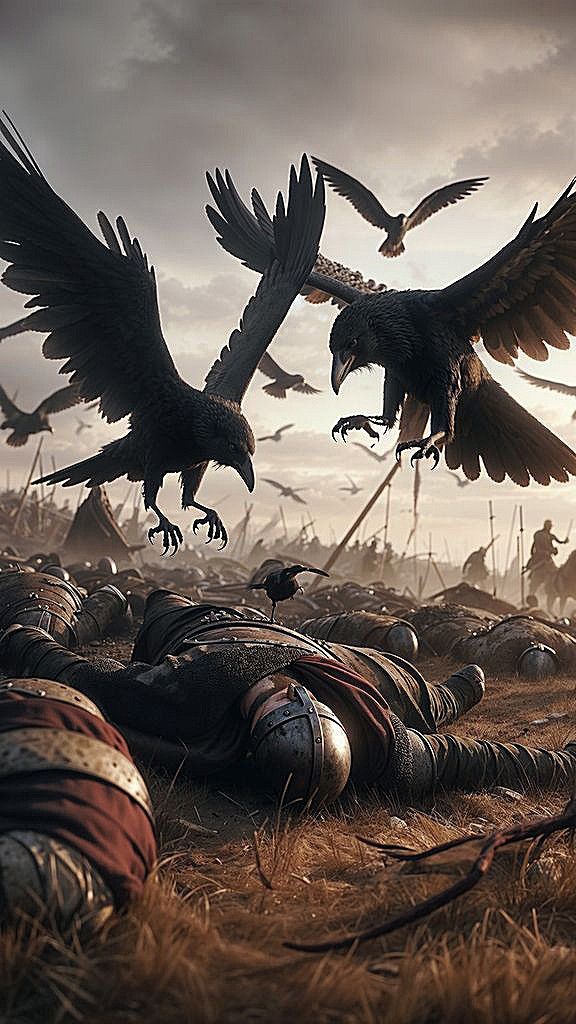
In Celtic traditions, they move with the currents of fate and conflict, companions to forces larger than the individual.
In other traditions, they are creators, tricksters, luminaries and heralds—beings who move effortlessly between dark and light, between voids.
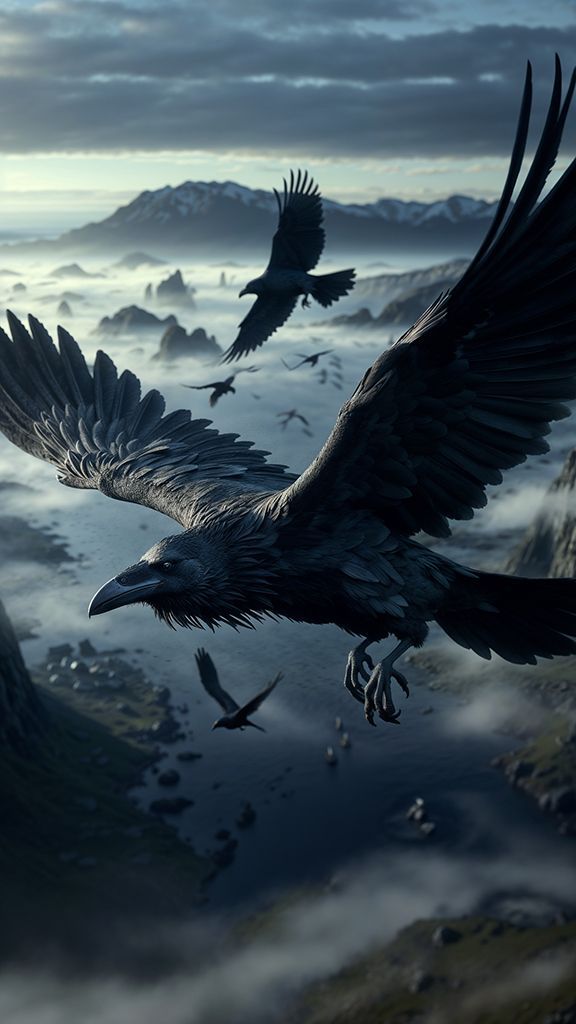
It is tempting to see contradiction here.
Restrictions created by language suggest this. But the raven is not bound by such impediments, and does not divide the world as we do.
Life and death. Beginning and ending. Known and unknown.
To the raven, these may not be opposites at all—but interwoven patterns within a formless tapestry.
The Edge of Meaning
THERE IS A place the human mind does not easily dwell:
An undefined place just before meaning forms.
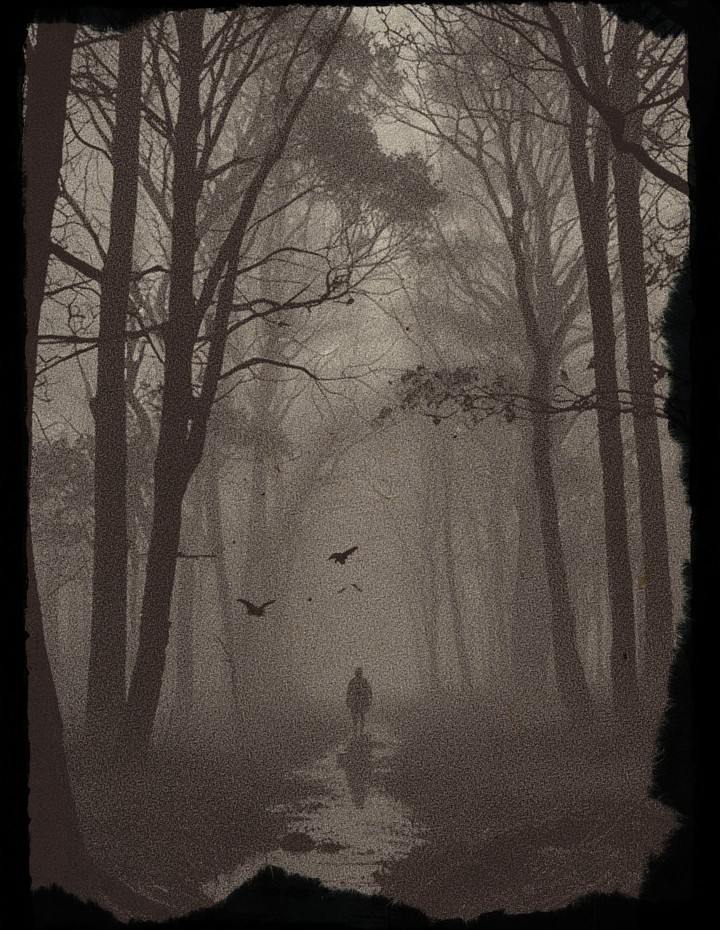
Before we name something, before we explain it, categorise it, before we reduce it to language, it is raw, unshaped, and often discomfiting. We turn away quickly. We fill the silence.
But it is there the raven seems at home.
In some symbolic traditions, the raven is not the darkness itself, but the intelligence within the darkness—the insight that arises from the unformed.
Whilst we demand the surety of clarity, the raven finds comfort in the tension of possibility. Unlike us, the raven does not rush to resolve mystery or identify the obscure. It has no need of haste.
It waits.
A Companion at the Threshold
THERE ARE TIMES in life when we are brought to that same edge.
Loss. Illness. Transformation. Those moments when the familiar structures fall away and something unnamed takes their place.
It can feel like disintegration. Feel like, perhaps. Now, consider the raven’s viewpoint.
What seems like an ending may also be a form of opening.
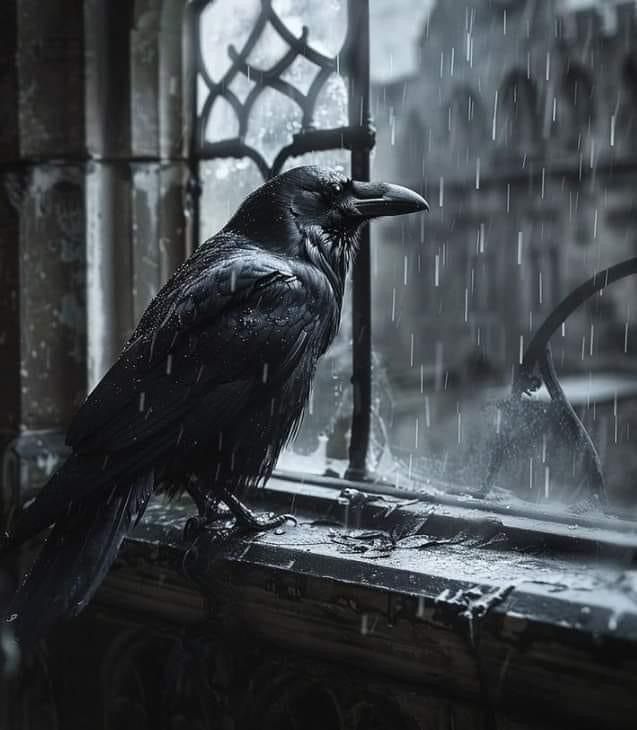
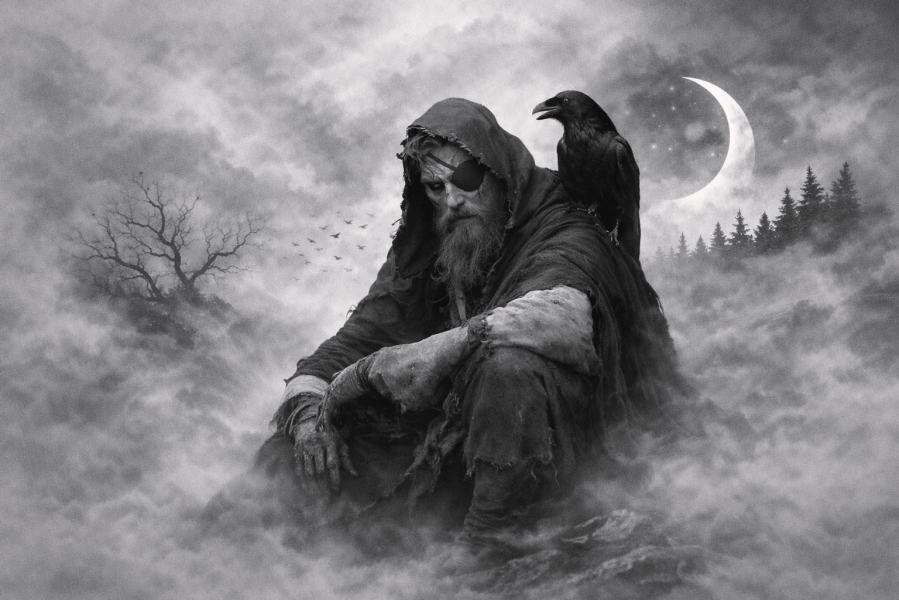
The raven, in its unhurried, watchful way, seems to accompany such moments. Not to guide, not to rescue—but to witness. To remain where we may fear to stand our ground.
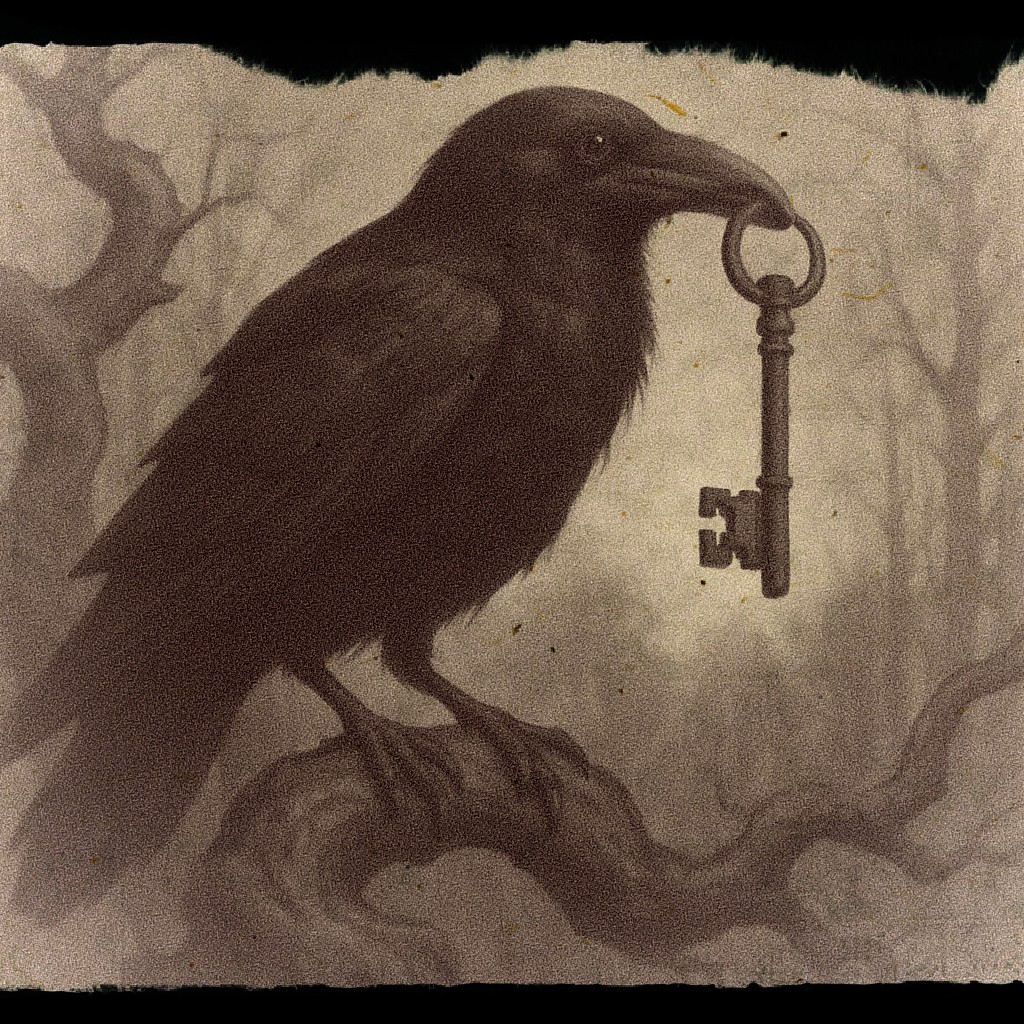
And in doing so, it offers something subtle but profound:
Permission.
Permission to not yet know.
Permission to stand in the in-between.
Permission to let meaning arrive in its own time.
What Ravens Know
PERHAPS THIS IS what the raven knows:
That not all knowledge is clarity.
That not all darkness is absence.
That observation itself—pure, undisturbed attention—is a form of participation in the world.
And:
It’s okay to watch without grasping at meaning.
To remain without naming, analysing or assessing.
To stand, as the raven does, within that tension of possibility.
And not turn away.
 RAVEN MOON