

When the Mind Turns Against Itself
AS I’M SURE you know, the human brain is often described as the ultimate supercomputer. Not only is it extraordinarily efficient and adaptable, it possesses a processing power which beggars belief.
Our brain’s 86 billion (or so) neurons each form thousands of connections, processing vast amounts of information simultaneously while using only about 20 watts of energy.
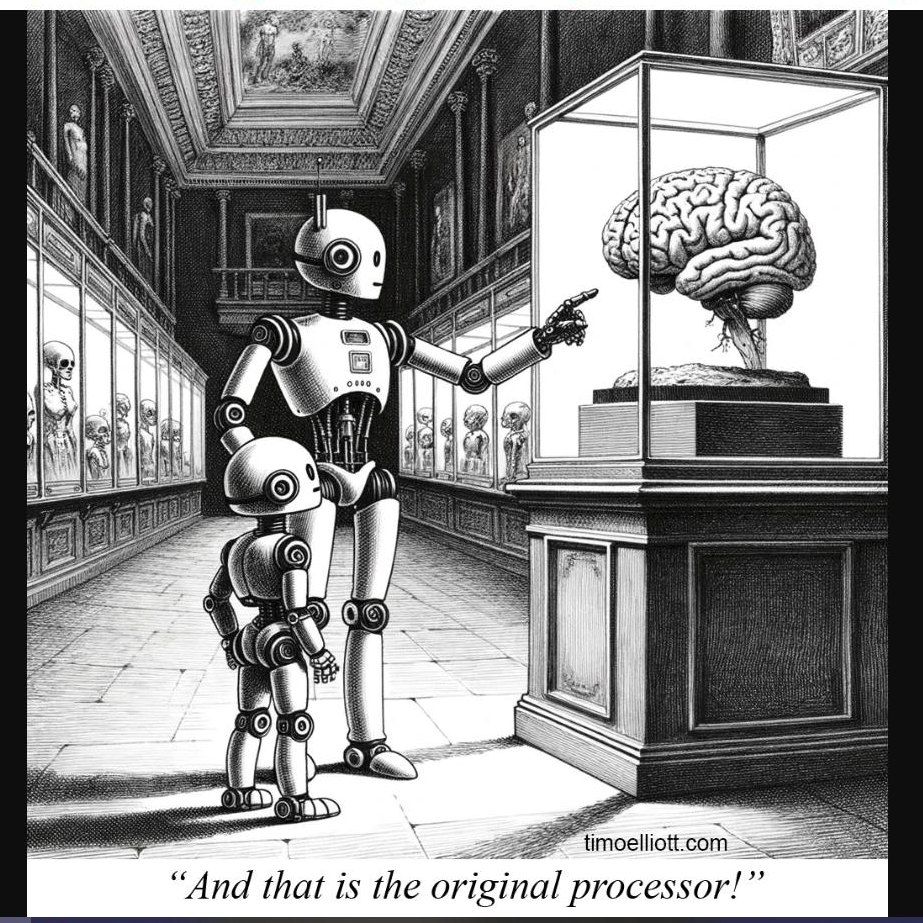
Unlike traditional computers, the brain learns, rewires, and evolves through experience, enabling creativity, intuition, and emotional understanding alongside logic.
With such preternatural power, thank heaven that the human mind is there to help us.
After all, it solves problems. It plans. It makes sense of the world. (Or at least tries to.) And for the most part, it’s a useful and reliable companion.
Until, at some point, it isn’t.
Until life pitches a curve ball and instead of helping, our mind begins to circle.
Thoughts repeat. Concerns grow louder rather than quieter. Small uncertainties expand into something much larger than they need to be.
And the strange thing is this: the more we try to think our way out of it, the worse it can sometimes become.


It’s as though the mind has turned in on itself. Paradoxically, it is at times like these that we understand how powerful our minds truly are.

The Loop
IF YOU’VE EXPERIENCED this, you’ll recognise the pattern.
A thought appears — often something quite ordinary.
What if something is wrong?
How can I resolve this?
The mind, trying to be helpful, starts analysing. After all, it’s a ‘fixer,’ geared towards troubleshooting and problem solving.

But instead of reaching a conclusion, it generates more questions. And each answer leads to another possibility, another angle, another doubt.
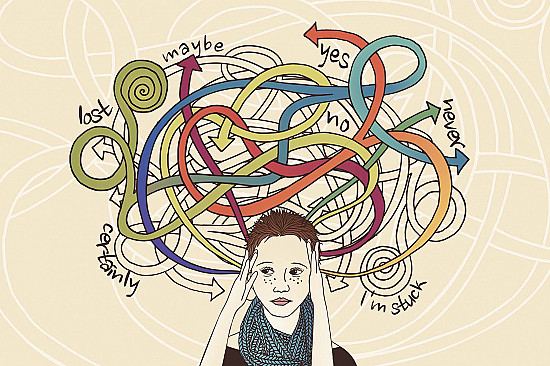
Round and round and round it goes, in ever-decreasing, ever-tightening spirals.
This is rumination — the mental loop that feels productive but rarely is.
It gives the impression of progress while, at the same time, deepening the sense of unease. The mind may be loud, but it isn’t always right.
The Body Joins In
AT SOME POINT, the body often becomes involved. After all, body and mind are inextricably linked; two expressions of the same system. So, what the mind cannot hold, the body will often carry.
Tension creeps in. Sleep becomes unsettled. This may herald fatigue, restlessness, or a sense that your system is out of kilter.
What makes this particularly unsettling is that the physical sensations seem to confirm the mind’s concerns.
And so the loop tightens.
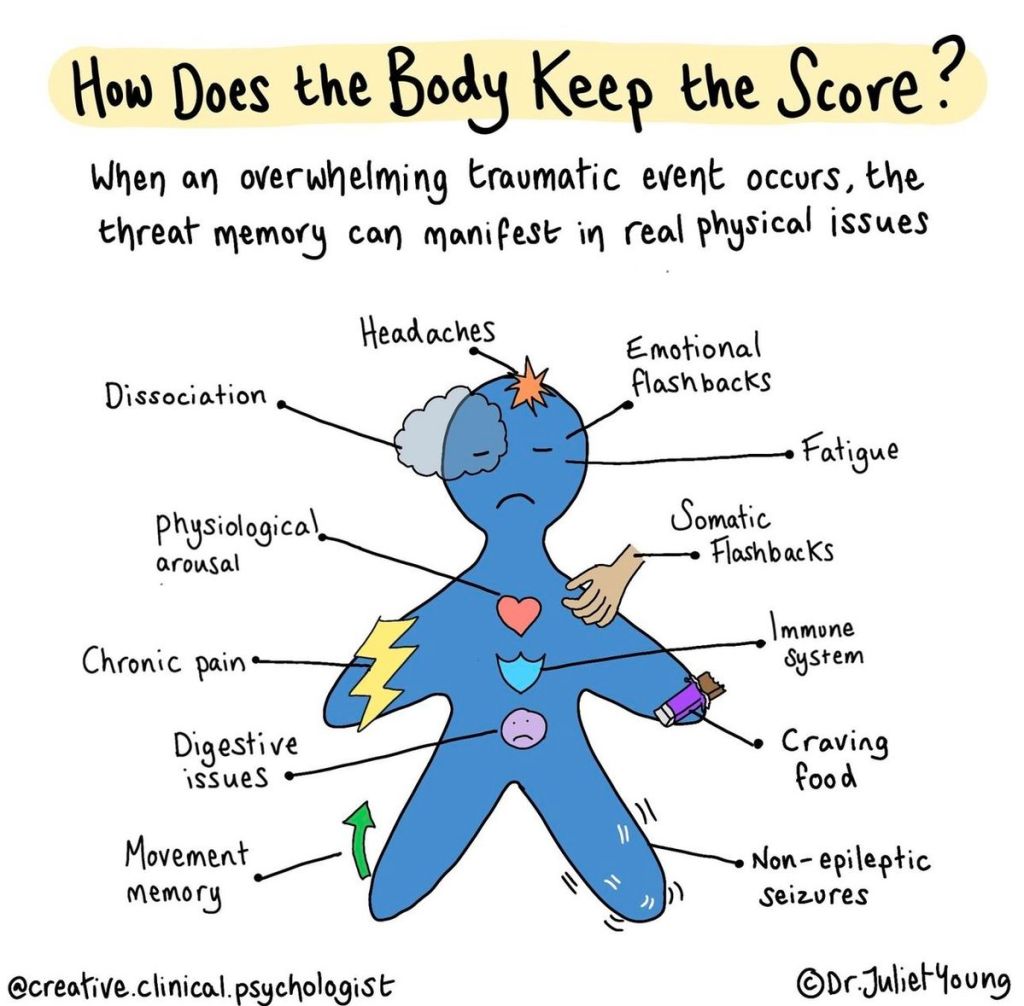
The mind notices the symptoms. The symptoms reinforce the thoughts. The thoughts heighten the symptoms.
And so the cycle continues.
Be Kind to Your Mind

IT’S NATURAL, AT this point, to become frustrated with the mind. Why is it doing this? Why won’t it stop?
What’s needed here is a change of perspective.
The mind isn’t trying to cause distress. It’s trying — albeit rather clumsily — to protect you.
It scans for potential problems because that’s what it evolved to do. It looks for patterns, anticipates risks, and tries to keep you safe.
The difficulty arises when that protective instinct becomes hyperactive. Instead of responding to real danger, it begins reacting to possibilities.
And possibilities, as we know, are endless.
Allow, Don’t Resist
ONCE THE MIND becomes caught in such a loop, the instinct is often to fight it. We try to argue with our thoughts. To push them away. To find the perfect answer that will make them stop.
But this tends to keep the loop going. It’s like pouring petrol onto an already blazing fire.
A different approach is to step back rather than push back. To notice the thoughts without immediately engaging with them.
To recognise: this is a pattern my mind is running.
This doesn’t mean ignoring genuine concerns. It simply means not getting pulled into every thread the mind offers. It’s a subtle shift, but an important one.
Sure, your mind may have a voice. Just don’t give it a megaphone.

Adopt Awareness
BENEATH THE NOISE of constant thinking, there is often something quieter.
A steadier awareness that isn’t caught up in every passing thought.

You might notice it in moments of stillness — during a walk, while out in nature, or while simply sitting quietly for a few minutes.
It doesn’t shout. It doesn’t argue.
But it has a different quality to it. The brain fog begins to part and light filters in. Some people might describe this as simple awareness. Others may see it as something deeper — a more stable, observing part of the self.
Either way, it offers a way of stepping out of the loop. The loop remains, but you are no longer embroiled in it.
Not by solving every thought, but by changing your relationship to them.
Step Back
WHEN THE MIND turns against itself, it can feel deeply unsettling.
But it’s also, in a strange way, a sign of something else.
A sign that the mind is working hard — perhaps too hard — to make sense of things. It’s doing exactly what it was created to do. It’s how we’ve survived as a species.
The task isn’t to silence it completely.
It’s to rebalance the relationship.
To allow thinking when it’s useful.

And to step back when thinking becomes noise.

That balance isn’t achieved all at once. It’s something that develops gradually, through small moments of awareness.
And sometimes, simply recognising what’s happening is the first and most important step.
Not every thought needs an answer.

 RAVEN MOON