Using Tarot to Explore the Inner Life
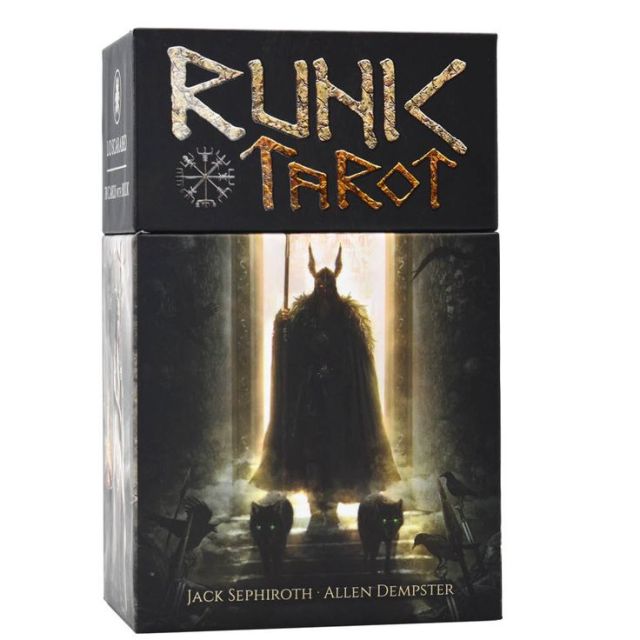
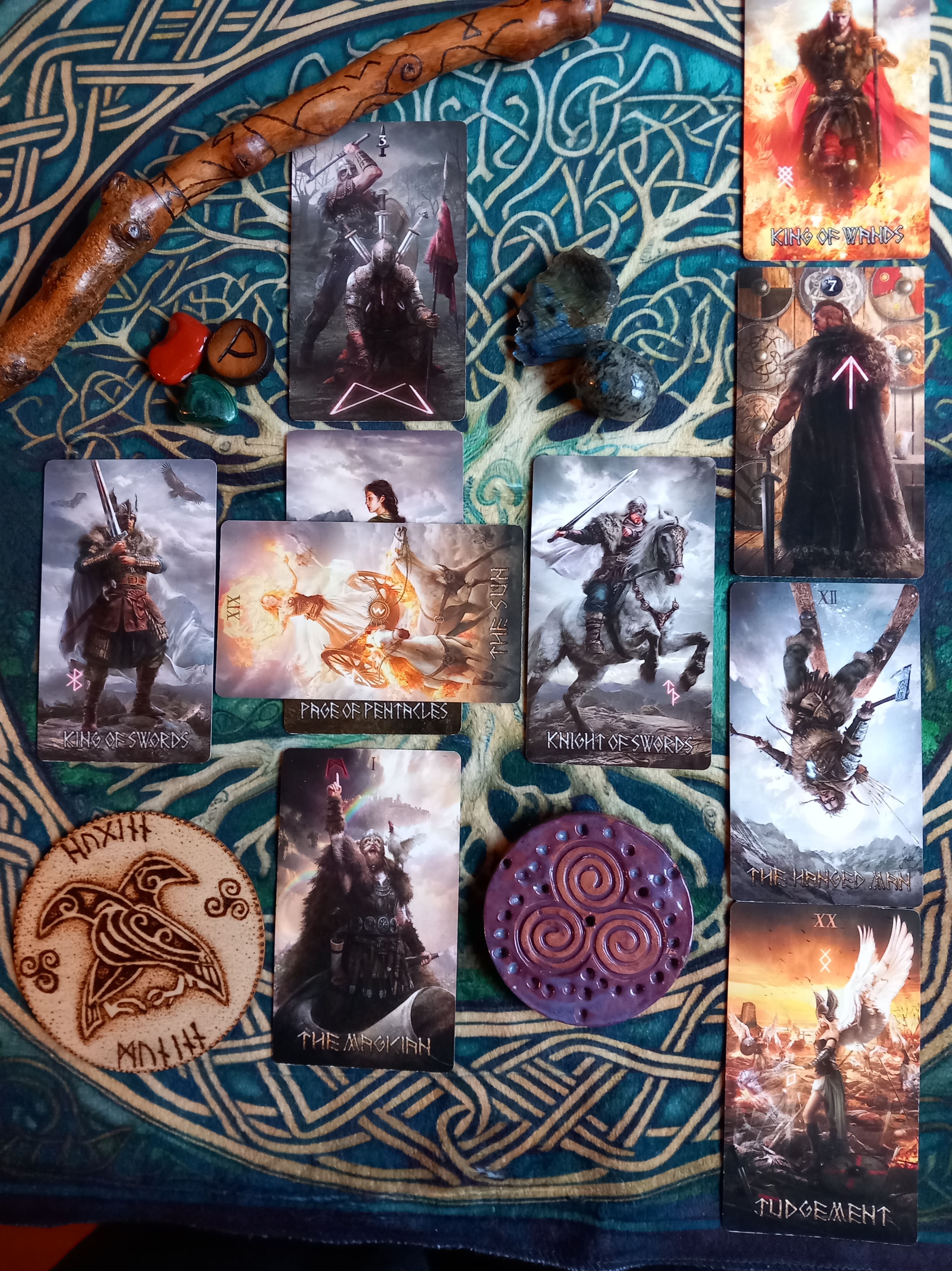
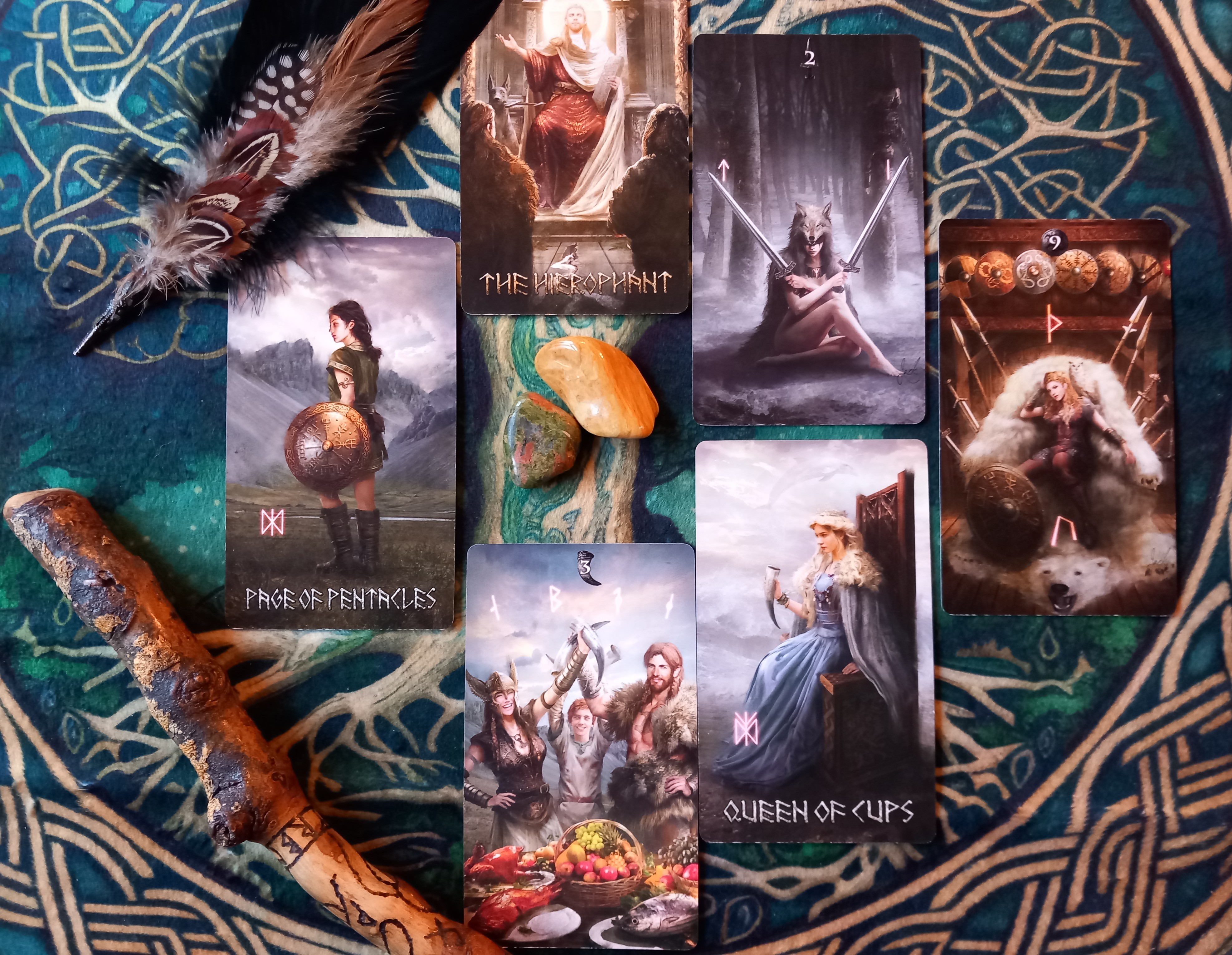
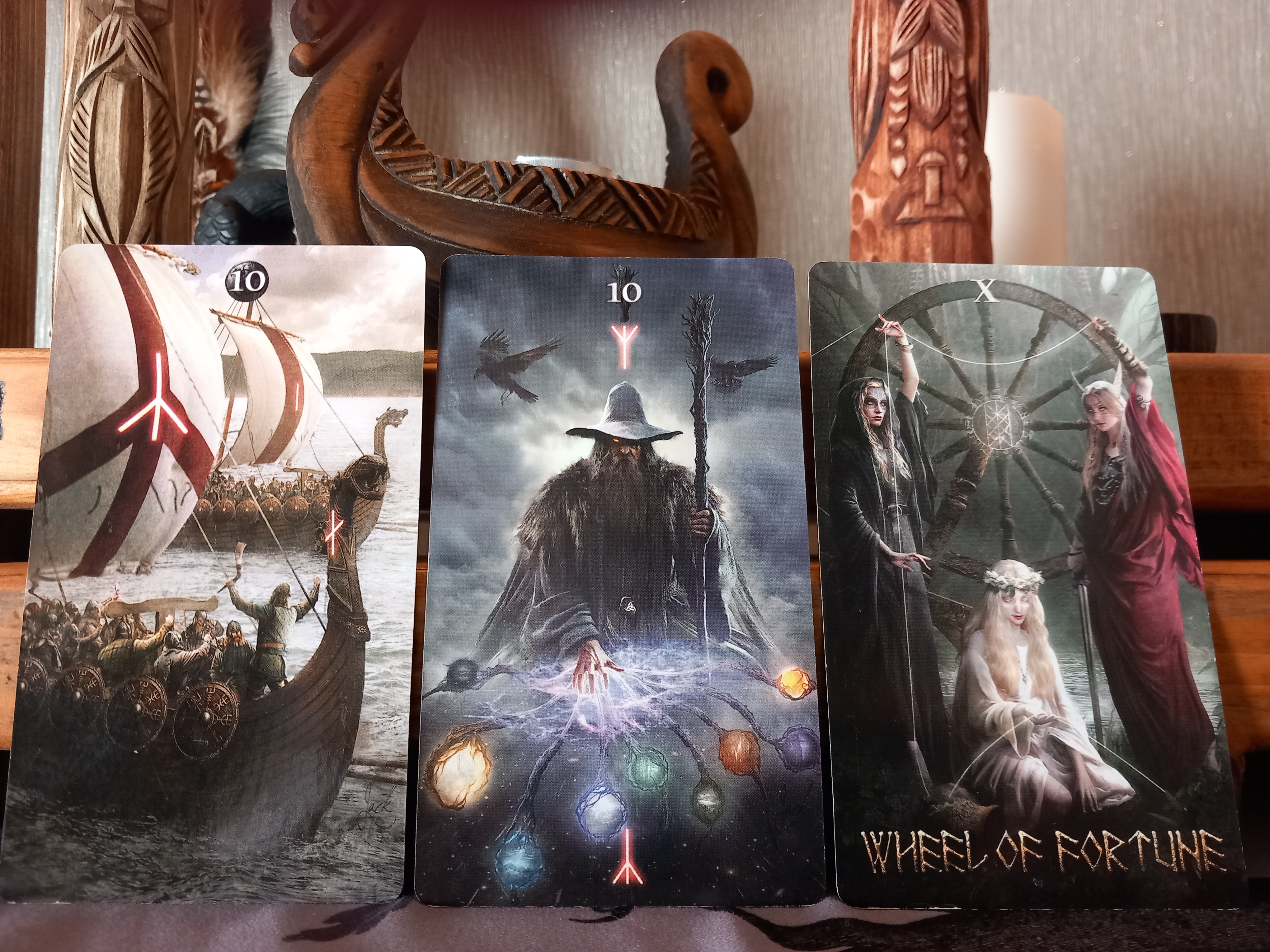
IN OCTOBER last year I published my post titled ‘Threads of Fate.’ It’s purpose was to showcase the Tarot deck I use — the Runic Tarot — and to explain how it combines two divination traditions, Tarot and Runes, to create a unique and comprehensive system:
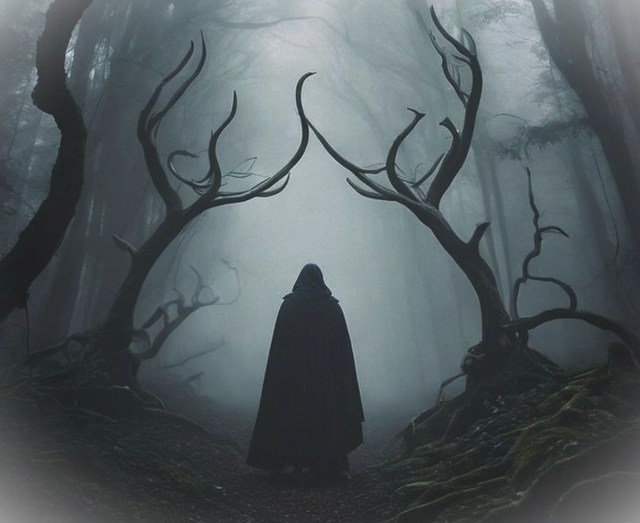
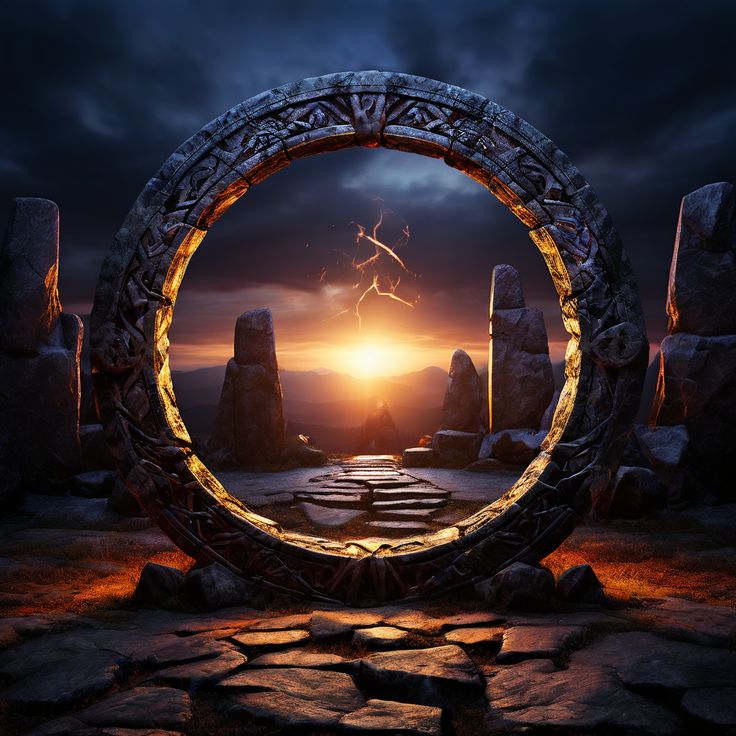
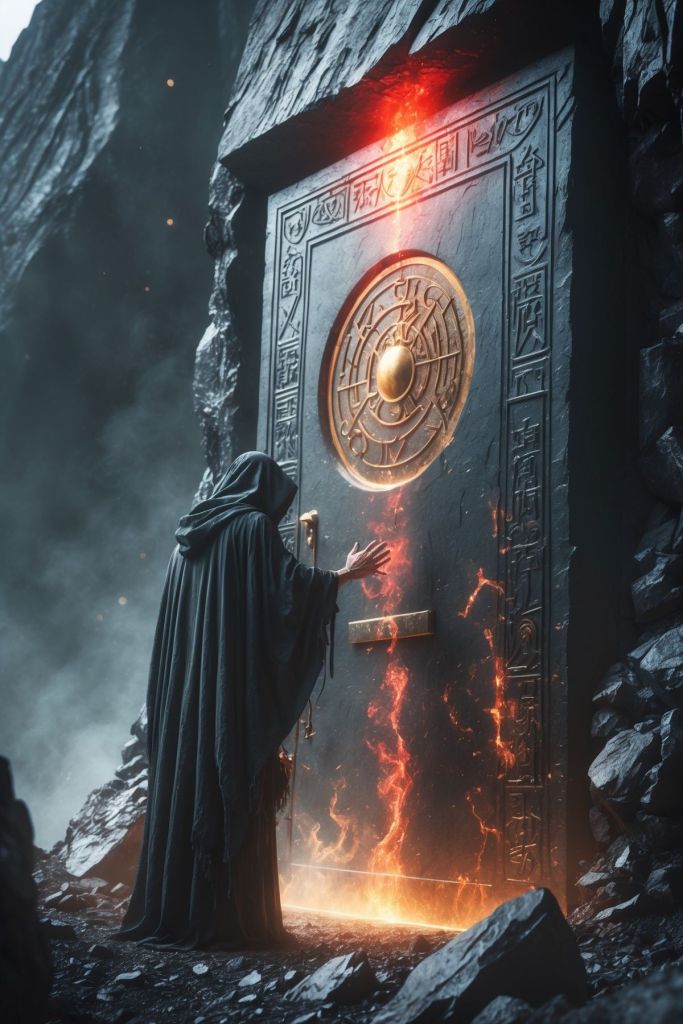
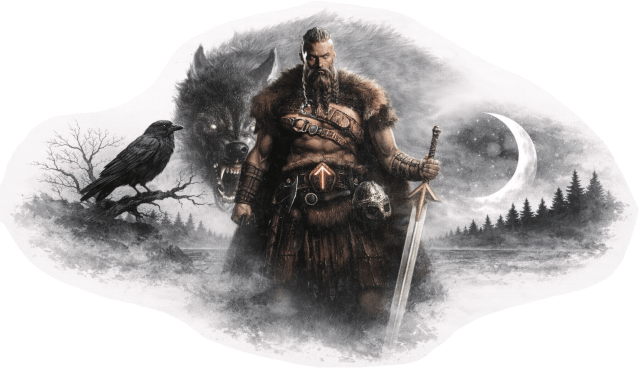
‘Each card was nothing less than a portal—a mystical, rune-carved doorway into the northern winds of myth: gods, heroes and ancestors, ravens and wolves, symbols carved in frost and flame.‘
In this post, I explain how I use this powerful tool—not to predict the future, but to support a reflective practice of spiritual discernment.
First: Tarot Isn’t About Predicting the Future
I NEVER MAKE a secret about using the Tarot. However, mention Tarot cards in polite conversation and it’ll solicit one of two reactions.
Some people may be genuinely fascinated, engage in conversation and appear genuinely curious. Others will lean back with a polite but unmistakable, glassy-eyed scepticism.
For some, images spring quickly to mind: mysterious fairground hacks, candlelit rooms and theatrical mumbo-jumbo about fate and destiny. And for many people, the whole thing sits firmly in the same category as crystal balls and Mystic Meg.
Which is understandable. I was once such a sceptic. So I get it.
Tarot carries a certain reputation — dramatic predictions, questionable glimpses into the future. Wild ethereal claims that sit somewhere between superstition and pantomime.
For a long time, I would have understood that reaction. But over recent years, my experience of Tarot has taken me somewhere rather different.
It has been a journey, not into prediction, but into some place deeply personal, and — in its own way — more meaningful.
More Than Just Cards
AT ONE LEVEL, Tarot is simply a deck of illustrated cards. Each one carries symbolic imagery — scenes and archetypes that reflect familiar aspects of the human experience: uncertainty, resilience, loss, growth, change.
But that description, while accurate, doesn’t quite capture the experience of working with them.
Because when I sit with the cards, especially in a quiet and reflective state, it often feels as though I’m not just looking at symbols.
It feels more like I’m in conversation with something far greater than myself.
Call it the subconscious, if you prefer. Or intuition. Or perhaps something a little less easily defined — a deeper layer of awareness that isn’t always accessible in the chattering rush of everyday thought.
Some might describe it as the higher self.
Others may use more explicitly spiritual language — the spirit realm, or a guiding presence beyond ordinary perception.
I don’t feel a pressing need to define it too precisely. What matters is the experience.
A Hushed Conversation
THERE ARE MOMENTS, when working with Tarot, when the boundary between ‘random card‘ and ‘meaningful and deliberate message‘ feels … let us say, thinner than expected.
A card appears, and something in it resonates immediately.
It resonates not in a vague or general way, but with a kind of whispered yet powerful recognition. As though the image is reflecting something already known at a deeper level, but not yet fully acknowledged.
In those moments, the cards feel less like tools you are using, and more like a transmission to which you are suddenly attuned.
Not a voice, exactly. Nothing quite so dramatic or external. More like a subtle alignment between the symbol, the moment, and your own inner awareness. And whether that is understood psychologically or spiritually may depend on the individual.
But either way, the effect can be the same:
A pause.
A shift in perspective.
A sense that something has been gently, and helpfully brought into focus.
The Role of Symbol and Intuition
TAROT WORKS THROUGH symbols, and symbols have always played a central role in spiritual life.
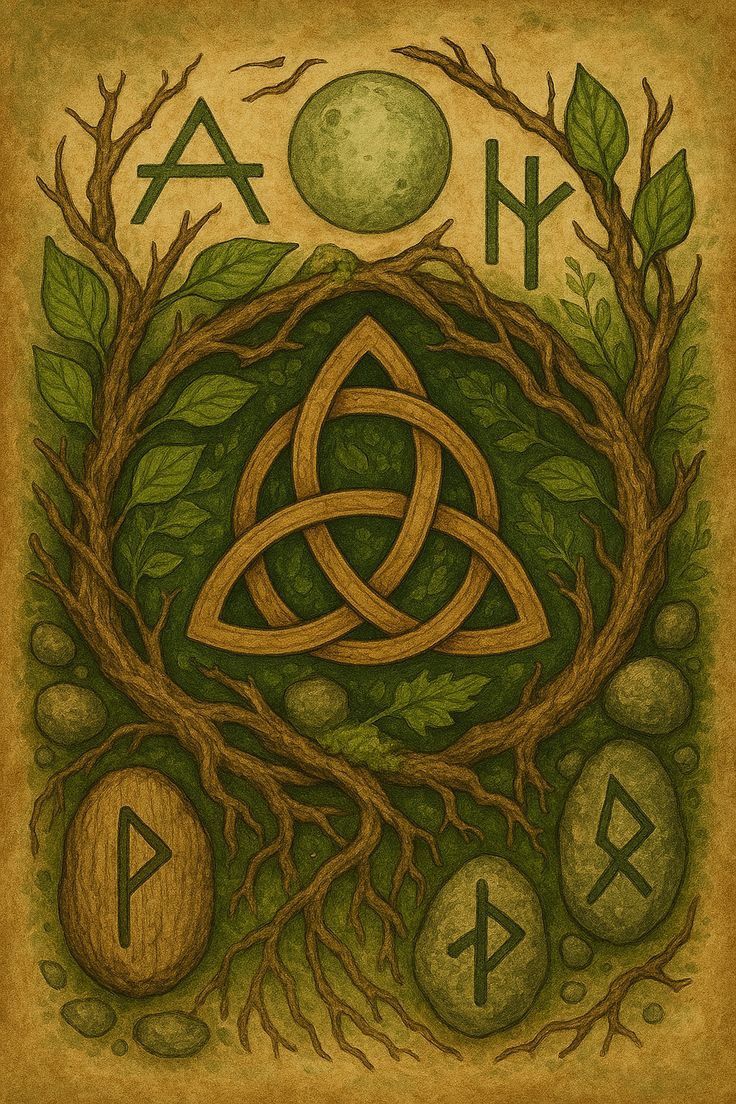
Long before modern psychology, people used imagery, myth and story to explore questions of meaning, purpose and identity. Symbols have a way of reaching parts of the mind — or perhaps the self — that logic alone cannot easily access.
When you combine symbol with attention and intention, something interesting begins to happen.
The cards become more than static images.
They become junction points — intersections in an unfolding narrative.
A card drawn at random may still be random in one sense.
But the meaning that emerges from it — the way it speaks into a particular moment — often feels anything but random.
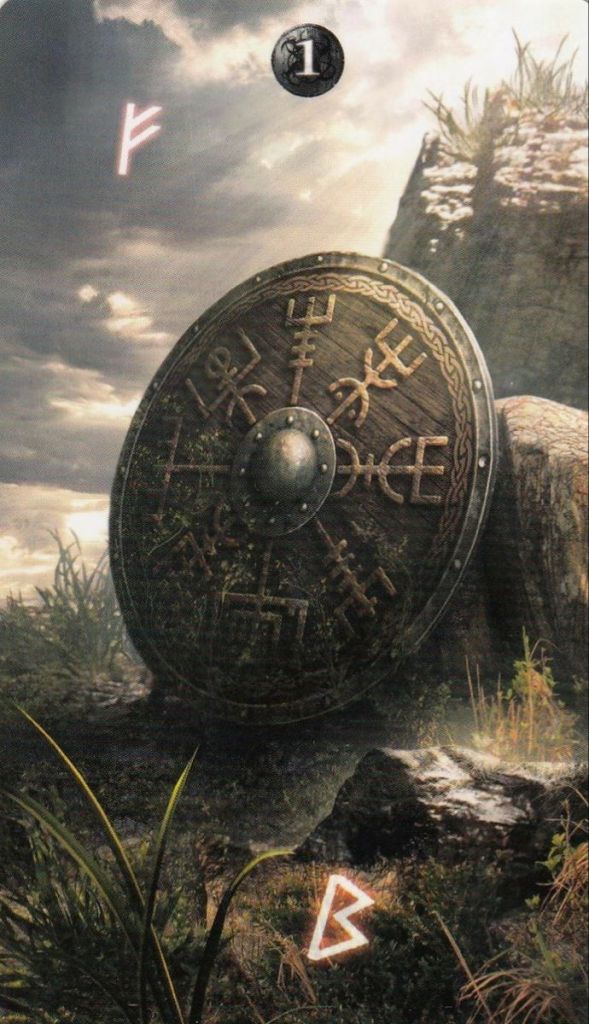
This is where intuition enters.
And for those open to it, it’s something that feels serenely spiritual.
Not Prediction, But Connection
THIS IS WHY the idea of Tarot as a tool for predicting the future feels, to me at least, like a misunderstanding.
The real value lies elsewhere — in connection.
Connection to your own inner landscape — thoughts, feelings, patterns that may not yet be fully conscious.
And sometimes, perhaps, a sense of connection to something beyond that. Something wiser, calmer, less entangled in the noise of day-to-day thinking.
Whether we call that the higher self, the soul, or something more mysterious is a matter of personal language. Personally, I regard it purely as an ‘unseen alliance.’
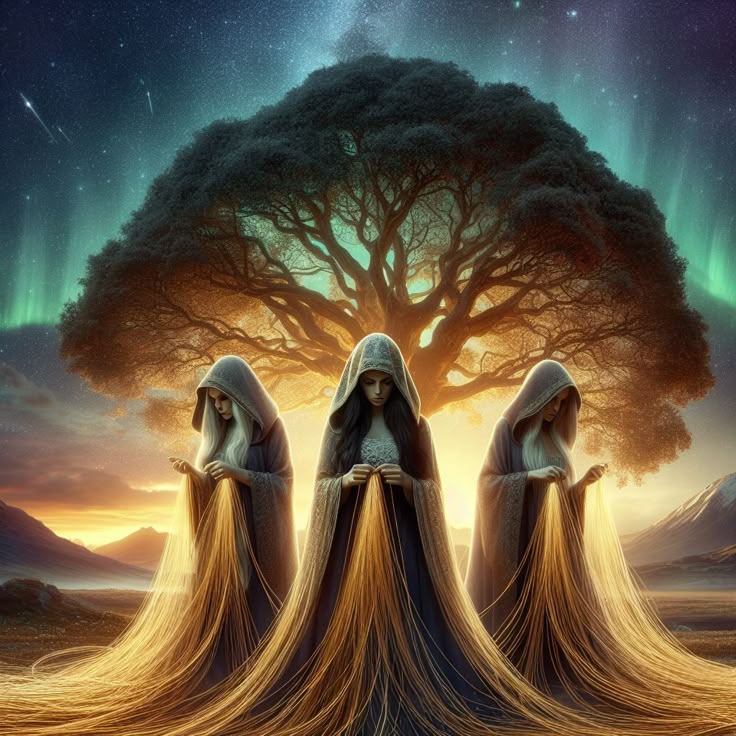
The experience itself tends to be simple. A feeling of being gently guided toward reflection.
Why This Still Matters for Sceptics
FOR THOSE WHO remain cautious about anything that sounds spiritual, it’s worth saying that none of this requires blind belief.
You don’t have to assume the presence of unseen forces to find value in the practice.
At the very least, Tarot offers a structured way of engaging with symbols, intuition and reflection.
At most, it may open the door to an experience that feels … a little deeper than expected.
The experience is something that doesn’t quite fit into neat categories of rational or irrational.
It is, however, something that simply invites attention.
A Small Practice
ONE OF THE simplest ways to approach Tarot is also the most revealing.
Draw a single card.
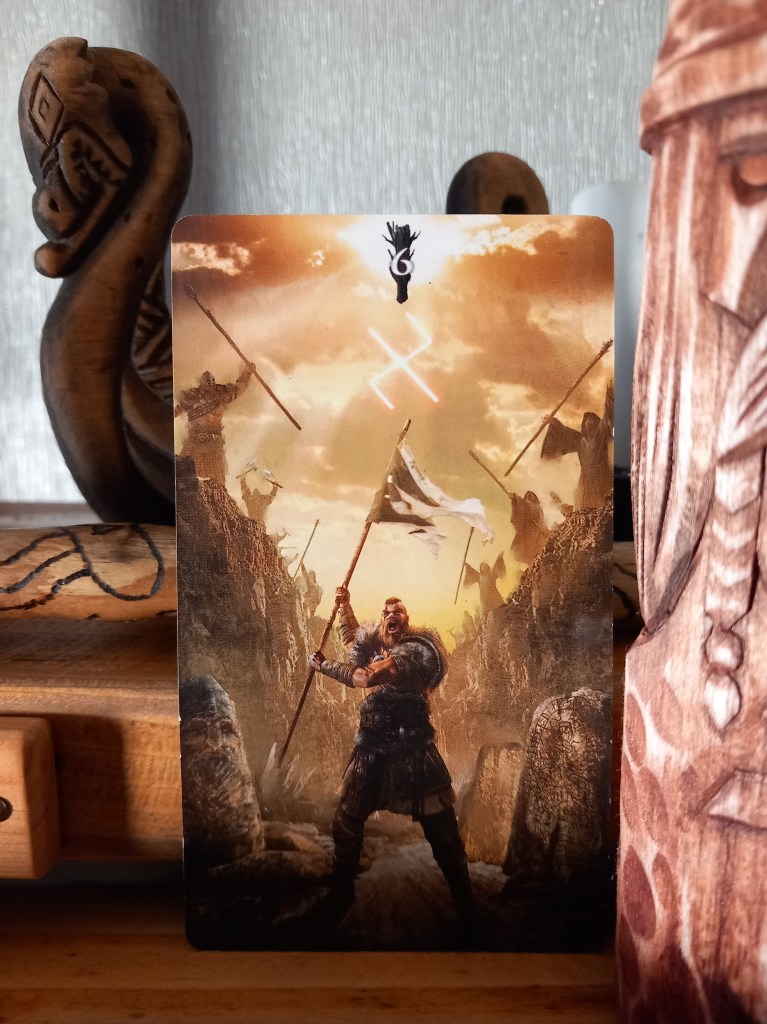
Sit with it for a few minutes.
Notice your response — not just what you think about the image, but what you feel. What it brings to mind. What it seems to nudge you toward.
There’s no need to force meaning.
If nothing resonates, that’s fine.
But sometimes — and this is where it becomes interesting — something does. A thought surfaces. A realisation forms. A subtle shift takes place.
And in that moment, the card has done its work.
A Tool, or Something More?
IN THE END, Tarot can be approached in different ways.
It can be seen as a psychological tool, a set of symbolic prompts for reflection.
Or it can be experienced as something a little more open-ended — a way of entering into a quiet dialogue with the deeper layers of the self, or perhaps with something beyond it.
For me, it sits somewhere between the two.
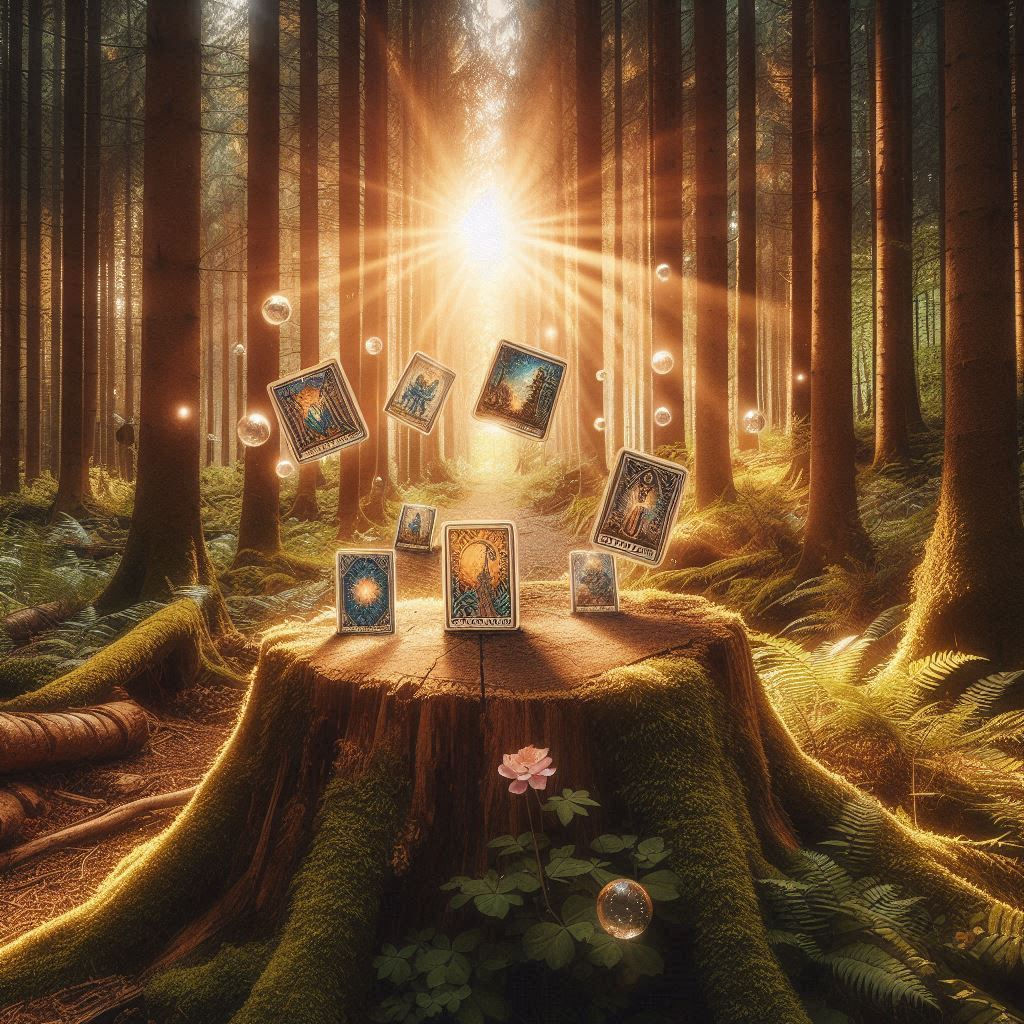
Grounded, but not entirely explainable. Simple, but never trivial. And occasionally — when the moment is right — it feels as though the cards are not just helping me think more clearly.
But helping me listen more carefully.
 RAVEN MOON