
Bruce Springsteen’s Painful Reveal in ‘The Tunnel of Love’
FOR BRUCE Springsteen, 1985 was one hell of a year. After storming the global music charts with his seventh studio album, ‘Born in the USA,’ he blazed a trail around the world with a sensational sell-out tour.
[For my own personal reflection of that tour, see also ‘One Last Chance to Make it Real‘]

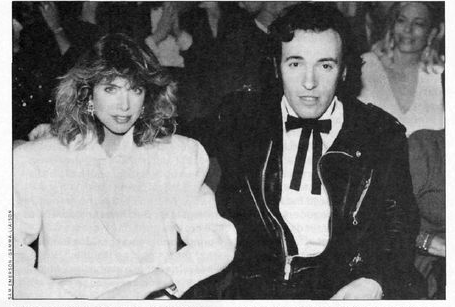
Later that same year he married Julianne Phillips, a marriage which, on paper, looked like the classic American love story—rugged rock icon meets glitzy actress.
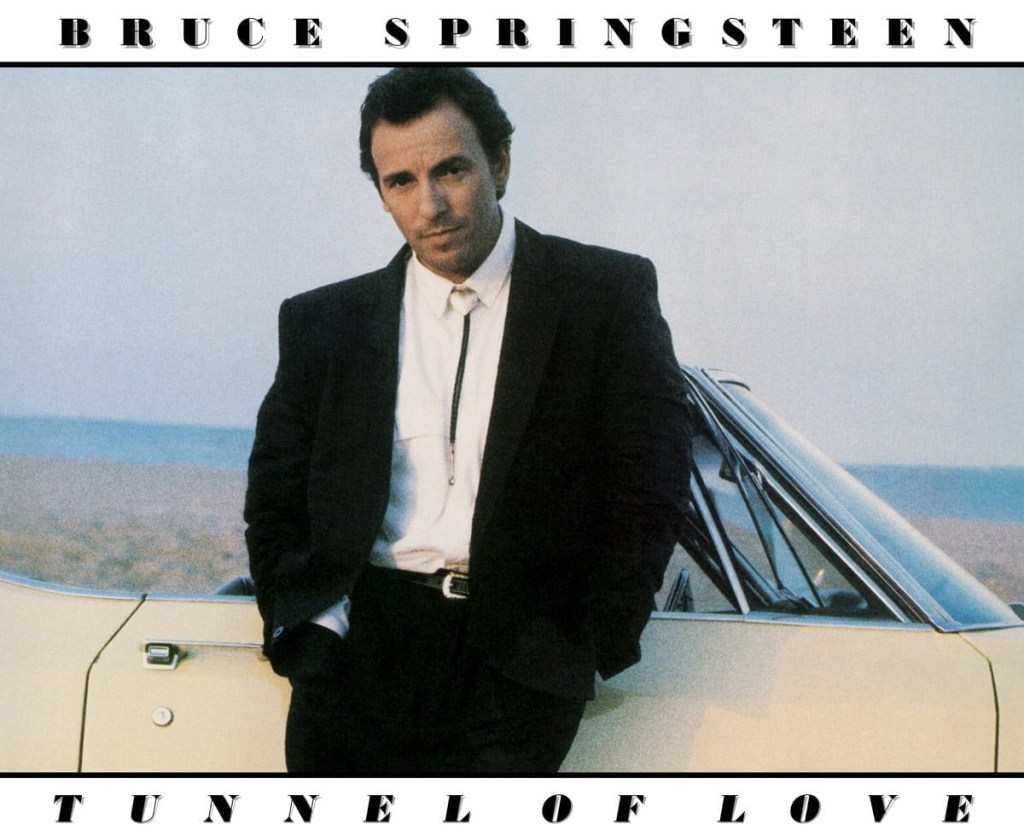
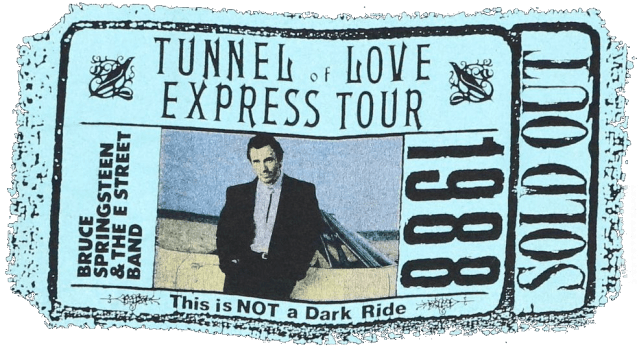
But by 1987, when Springsteen released the ‘Tunnel of Love‘ album it was apparent that something had shifted.
I bought the album as soon as it came out. After ‘Born in the USA’ I expected another bold, outward-looking catalogue of punchy rock anthems. What I heard instead was something muted, more intimate … and deeply uneasy.
Even then, without knowing anything of what was happening in Springsteen’s personal life, it appeared clear to me: this was not the sound of a man in a settled, happy marriage.
Doubt
FROM THE opening moments, there’s a sense of dislocation. The confidence that defined Springsteen’s earlier work gives way to something far more fragile.
In Brilliant Disguise, that fragility is laid bare:
'I wanna know if it's you I don't trust
'Cause I damn sure don't trust myself'
There’s no accusation here; what we have is introspection. The ground beneath the relationship is shifting, and he can feel it—but can’t quite name where the fault lies.
And then, the song ends with a line that cuts to the core:
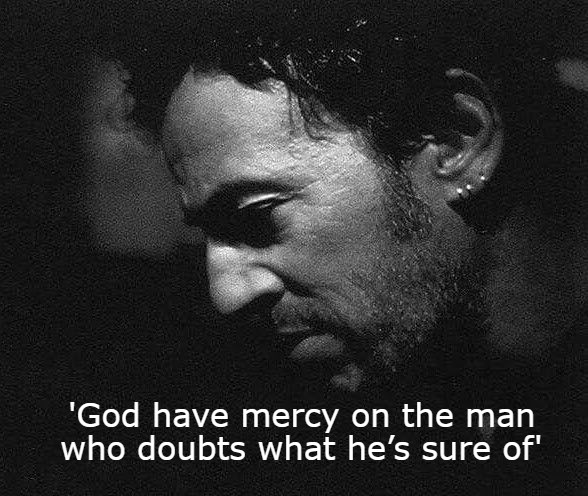
'God have mercy on the man who doubts what he’s sure of'
This is not simple suspicion. It’s something way deeper. Something far more painful—it is nothing less than a loss of certainty itself.
Erosion
WHAT MAKES Tunnel of Love so affecting is that nothing dramatically collapses. Instead, things wear down.
In One Step Up, the imagery is domestic, almost ordinary—but it is all the more powerful for that:
Woke up this morning, the house was cold
Checked the furnace, she wasn't burnin'
Went out and hopped in my old Ford
Hit the engine, buddy, she ain't turnin'
Given each other some hard lessons lately
But we ain't learnin'
We're the same sad story, that's a fact
One step up and two steps back
There’s a lot to unpack in those highly revealing lines. Whilst the imagery may indeed be domestic, it clearly isn’t bliss. More unsettling imagery follows, punctuated by a further introspective gut-check:
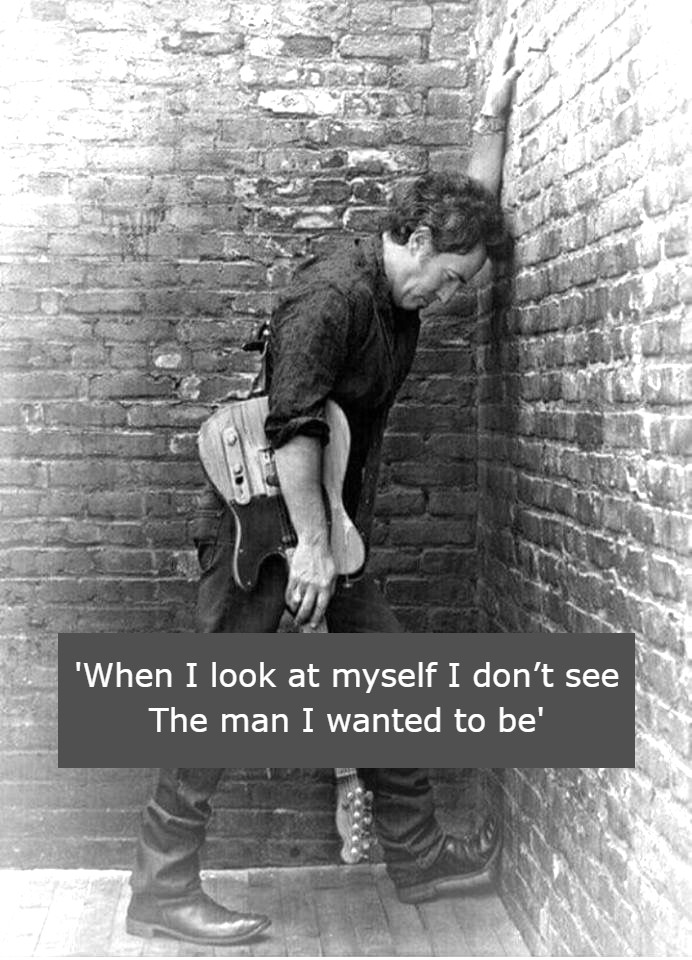
'When I look at myself I don't see
The man I wanted to be'
The relationship has become a mirror, reflecting back a version of the artist that feels unfamiliar.
Illusion
FROM ITS upbeat opening bars, the album’s title track, Tunnel of Love, initially suggests something lighter—almost playful. But beneath that surface lies a more unsettling idea.

It ought to be easy, ought to be simple enough
Man meets woman and they fall in love
It sounds like a story we’re all familiar with. A formula to a partnership. A promise, even. But as the lyrics unfold, the promise is dismantled:
Then the lights go out and it’s just the three of us.
You, me and all that stuff we’re so scared of
Love, it suggests, is never just two people. It carries with it everything unspoken—fear, doubt, expectation. And here, those unseen elements are beginning to take centre stage.
Instability
ELSEWHERE, THE album explores emotional contradiction with pin-point honesty.
In Two Faces, devotion and distance share space:
I swore I’d make her happy every day
This speaks again of a sincere promise—perhaps one that was once fully believed. Yet it’s followed by an abrupt shift:
Then dark clouds come rollin’ in
No explanation is offered. And none is needed. The instability speaks for itself.
Resignation
BY THE TIME we reach Valentine’s Day, the tone has softened into something more resigned than conflicted.
Tonight I miss my girl, mister tonight I miss my home

It’s a deceptively simple line. Not dramatic, not bitter—just subtly revealing.
There’s distance in it, sure, but more than that, there’s a sense of separation, not only from a person, but from a place of belonging.
What’s striking is its restraint. He doesn’t try to explain the feeling. Nor does he resolve it. He simply acknowledges it.
It is that restraint which makes the line all the more poignant.
And Finally—the Gypsy
THERE ARE numerous clues to Springsteen’s inner turmoil throughout the album’s twelve tracks. For me, perhaps the most telling is this one, from Brilliant Disguise:
Oh, we stood at the altar
The gypsy swore that our future was right
But come the wee, wee hours
Well maybe, baby, the gypsy lied
Hearing the Story
LISTENING BACK now, with the knowledge that Phillips filed for divorce in 1988, citing irreconcilable differences, the album feels almost like a personal journal depicting an emotional transition.

It is a transition in which a man grapples to come to terms with something he cannot yet fully articulate.
But what struck me then—and still does—is how clearly it communicates his unease. You don’t need to know the story.
You can hear it.
Most rock albums entertain, but there are a precious few that reveal. Tunnel of Love belongs firmly in the latter category.
It captures something rare: the sound of a relationship gradually eroding. And for those of us listening closely in 1987, the message was already there—hidden in plain sight.
Thanks for reading.
 RAVEN MOON