
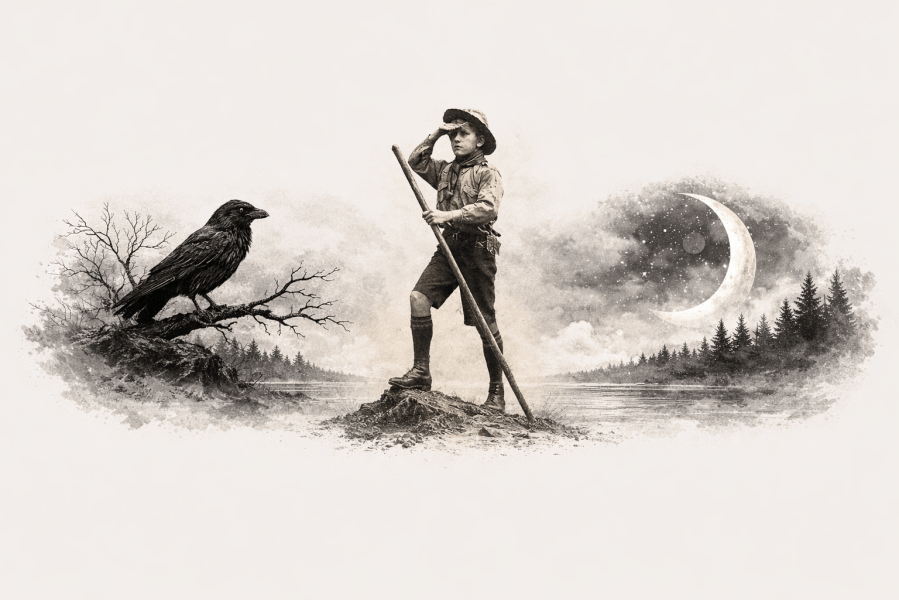
THERE IS something unmistakably British about the Scout movement. Khaki shirts, wide-brimmed ‘lemon-squeezer’ hats, Bob-a-Job week and ‘Ging Gang Goolie‘ sung around campfires. These things have long been part of the national imagination.
Yet the origins of what eventually became a worldwide youth organisation lie not in a humdrum committee room, but in war, national crisis, and the curious mind of one rather unconventional British officer.
Mafeking – Birthplace of Scouting
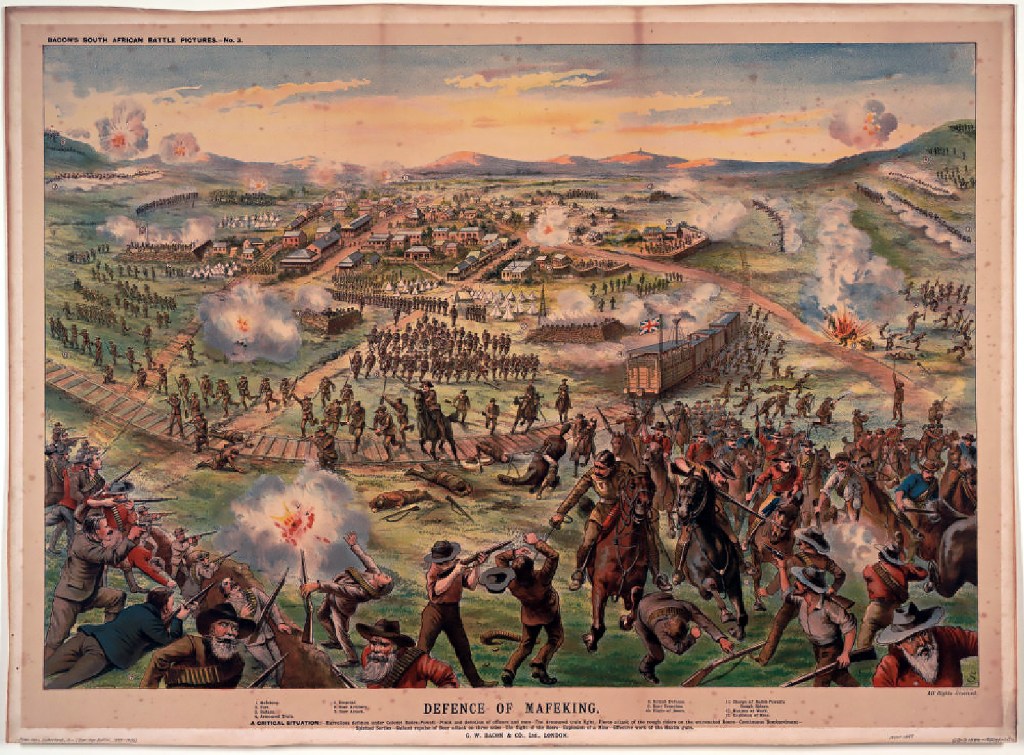
IN 1899, BRITAIN found itself embroiled in the brutal Second Boer War in South Africa. One of the most famous episodes of that conflict was the Siege of Mafeking, where a small British garrison held out against Boer forces for 217 days.
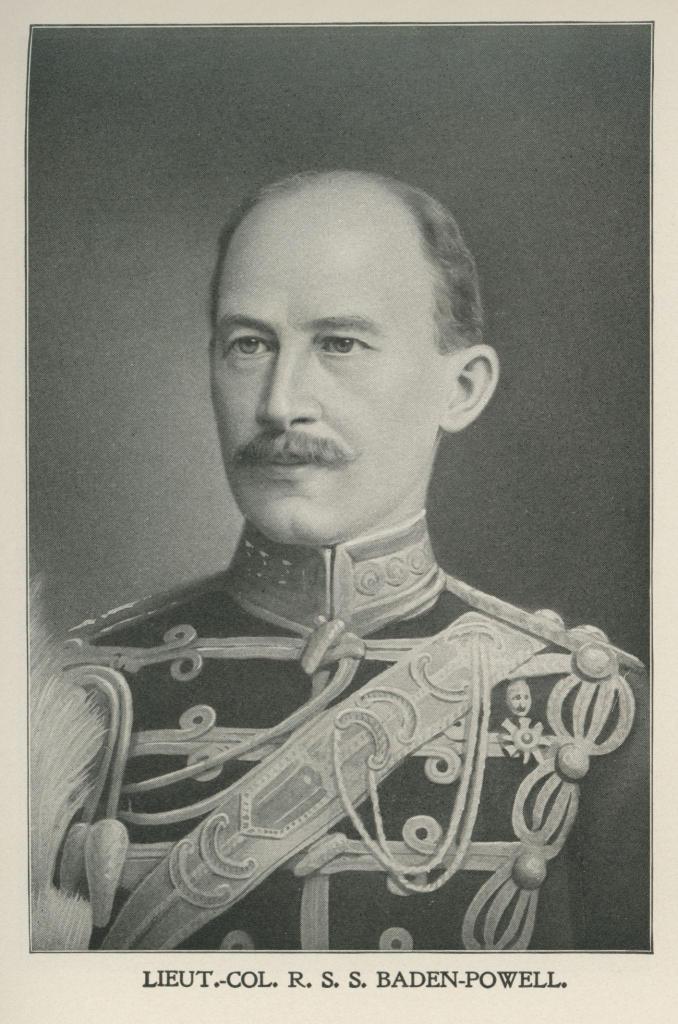
The defence was commanded by the charismatic and inventive army officer, Robert Stephenson Smythe Baden‑Powell.
Heavily outnumbered and under constant pressure, Baden-Powell had to use ingenuity to maintain morale and stretch his limited resources. Among his most imaginative solutions was the creation of a cadet corps of boys.
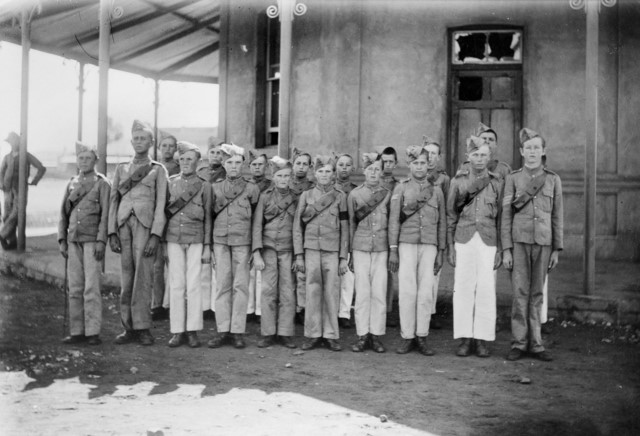
Too young to fight, these lads nonetheless played vital roles: carrying messages, acting as lookouts, assisting in hospitals and helping with logistics around the besieged town.
Baden-Powell was struck by their reliability and enthusiasm. Given responsibility and trusted to perform it, they rose to the challenge.
It planted a powerful idea in his mind: boys flourish when they are given adventure, responsibility, and a clear moral framework.
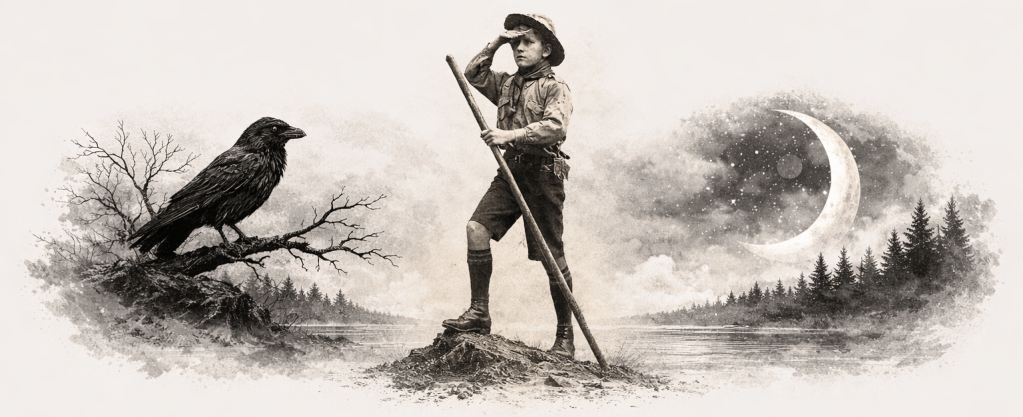
Baden Powell & The Brownsea Island Experiment
BADEN-POWELL was not your typical Victorian officer. Undoubtedly eccentric, he was a keen observer of people and nature, as well as an accomplished tracker, artist, and writer.
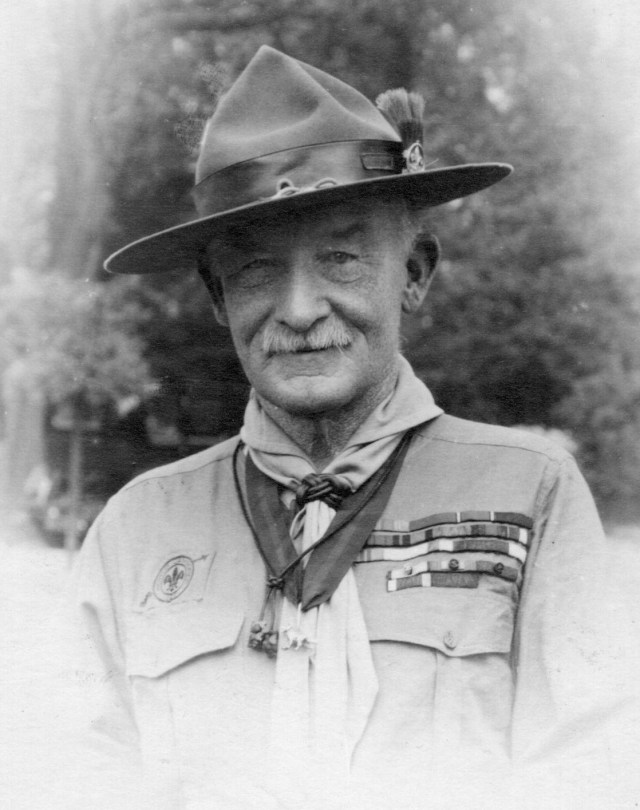
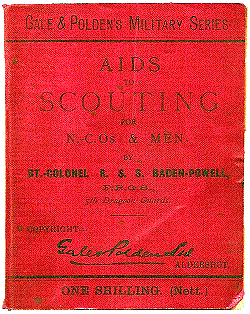
During his military career he wrote a small manual called Aids to Scouting, originally intended to train soldiers in reconnaissance and observation.
To his surprise, the book became extremely popular with teachers and youth organisations who saw its potential as a training guide for boys.
After the Boer war, Baden-Powell began to consider whether the same principles that made effective scouts in the army might help shape capable young citizens.
He believed boys needed practical education beyond the classroom—skills in observation, woodcraft, self-reliance and teamwork.
Most importantly, he believed these things should be taught through adventure and play.
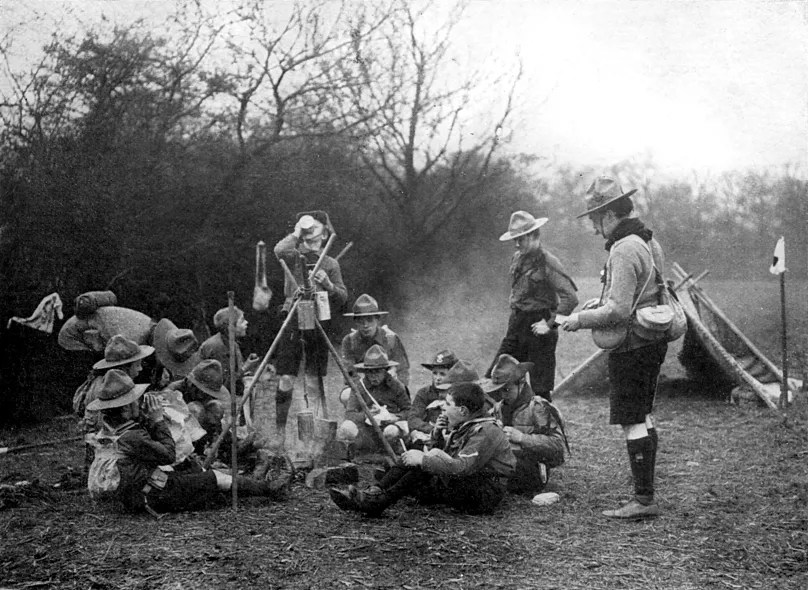
To test his ideas, Baden-Powell organised a small experimental camp in August 1907 on Brownsea Island.
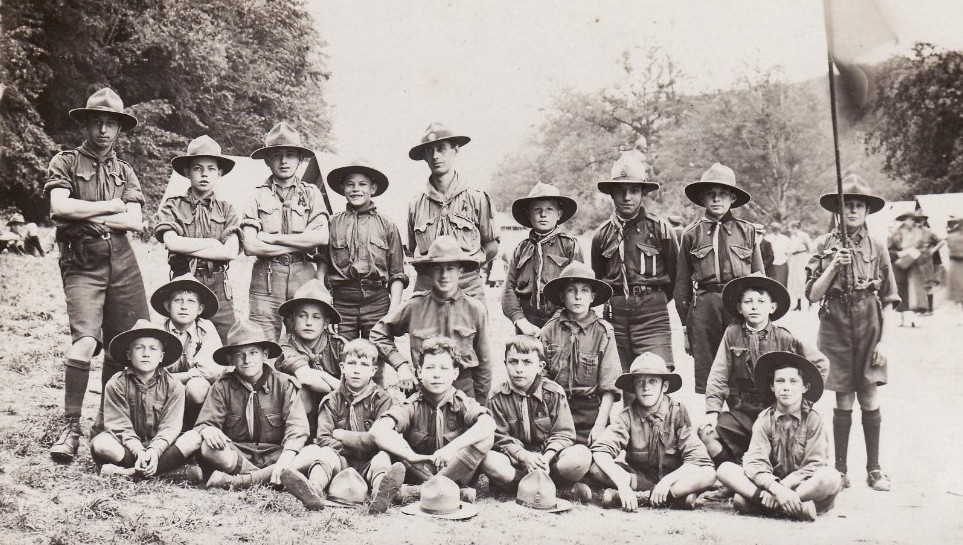
Twenty boys attended, drawn from very different backgrounds—some from public schools, others from working-class London. They were divided into small patrols with animal names: Wolves, Ravens, Bulls and Curlews.
The camp included:
- tracking and observation games
- woodcraft and campcraft
- signalling and knot tying
- discussions about honour, duty and good citizenship
The patrol system gave boys leadership roles and encouraged cooperation.
Instead of rigid discipline, the camp relied on trust and responsibility.
The experiment was a remarkable success.
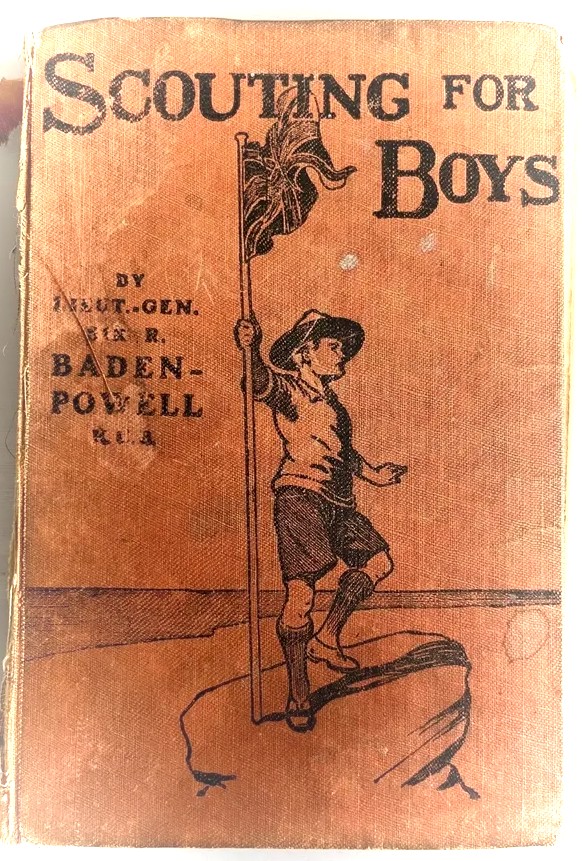
Baden-Powell soon published his ideas in the book Scouting for Boys, which appeared in instalments in 1908.
Almost immediately, boys across Britain began forming their own patrols and troops.
What had begun as an experiment soon became a worldwide movement, for within only a few years, Scouting had spread far beyond Britain. Troops formed across Europe, the Commonwealth, and the United States.
Its appeal was simple and powerful.
Scouting offered boys:
- adventure and outdoor life
- a sense of belonging and teamwork
- the chance to develop independence
- a moral code expressed through the Scout Law and Promise
For many young people, it provided their first taste of responsibility and leadership.
Personal Reflection
FOR ME, the story of Scouting is not simply a quaint piece of British history.
I joined the Scouts in 1969, just as soon as I was of an age to do so. I was eleven years old. Like countless boys before me, I had been drawn by the promise of adventure: camping trips, campfires, hikes, badges, and the pride of wearing a uniform that represented something far larger than myself.
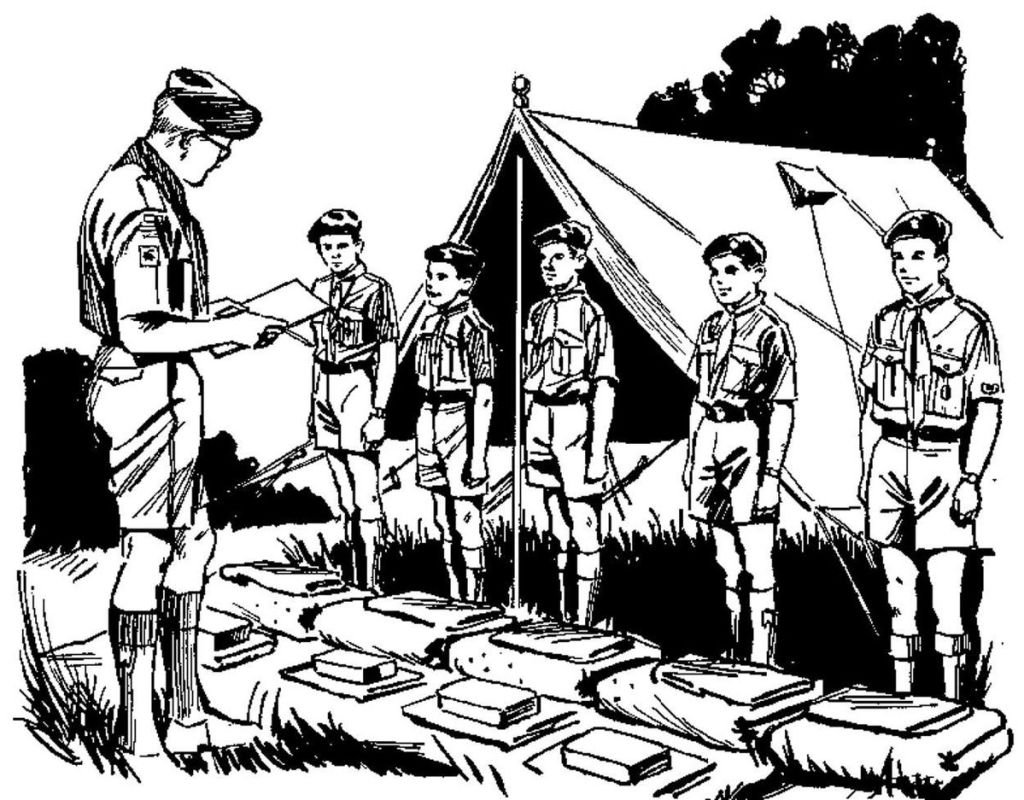
My modest-sized home village had only one troop at that time. The 1st Immingham Scout Troop consisted of four patrols: Panthers, Tigers, Lions and Wolves. There were six lads in each, and we were all the best of mates.
What soon became clear to me was that Scouting was about far more than outdoor skills and games of ‘British Bulldog‘ on a Friday evening.
It taught self-reliance.
It taught teamwork.
And perhaps most importantly, it instilled a sense that character matters.
It also taught leadership.
As the local population swelled, demand for places in the troop also grew. Two more patrols were needed.
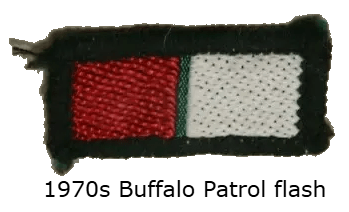
I was chosen to be the Patrol Leader of one of these. I opted for the name Buffaloes and, of course, I always considered it to be the best patrol in the troop!
My time as Patrol Leader was without doubt the most satisfying of those few happy years.
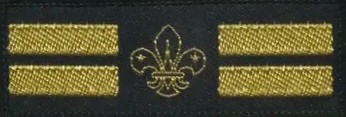
For there is only a brief window in a boy’s life when he may call himself a Scout—just a handful of years that pass quickly, yet linger long in the memory.
It is an easily-overlooked span of years—between the ages of eleven and sixteen—in which a boy becomes something more … and then, quietly, moves on.
A Compass for Life
Looking back now, it is easy to see why the movement has endured for well over a century. Scouting provides something many young people instinctively seek:
A sense of direction.

This was central to Baden-Powell’s vision. He firmly believed that Scouting should shape character as well as competence. Adventure and outdoor skills were important, but they were always intended to serve something deeper.
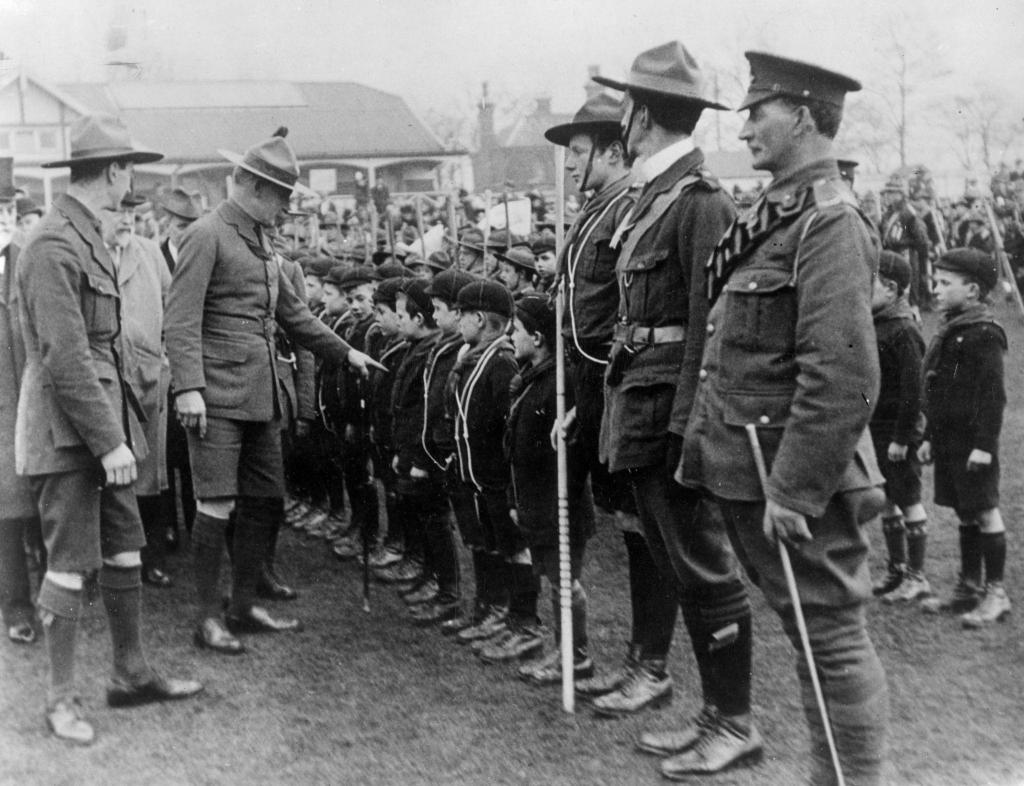
At the heart of the movement lay two guiding principles: the Scout Law and the Scout Promise.
When I joined the Scouts in 1969, these were the words every boy learned, rehearsed and understood. They also formed a solemn oath undertaken by every Scout at his investiture ceremony:
The Scout Promise (1960s version)
On my honour I promise that I will do my best—
To do my duty to God and the Queen,
To help other people at all times,
To obey the Scout Law.
The promise was simple but powerful. It was not a pledge of perfection, only a commitment to ‘do my best.’
Yet even that modest obligation carried weight. It implied personal responsibility and a sense that one’s actions mattered.
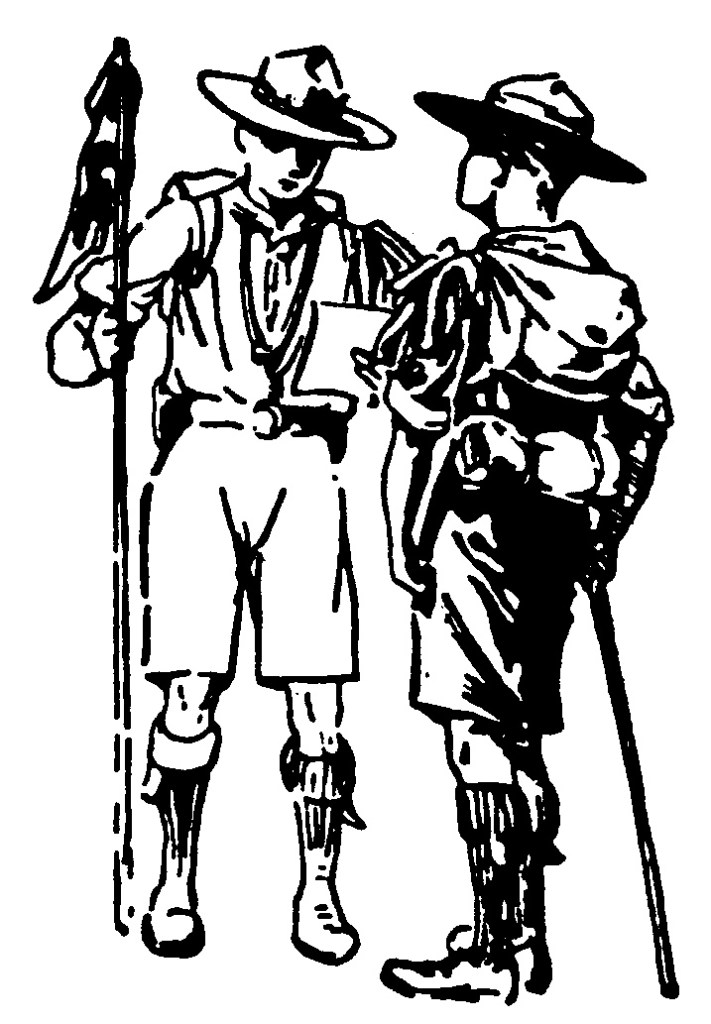
The Scout Law (1960s)
- A Scout is to be trusted.
- A Scout is loyal.
- A Scout is friendly and considerate.
- A Scout belongs to the world-wide family of Scouts.
- A Scout has courage in all difficulties.
- A Scout makes good use of time and is careful of possessions and property.
- A Scout has self-respect and respect for others.
To modern ears some of these phrases may sound quaint, even old-fashioned. Yet within them lies an enduring code of conduct.
They encourage honesty, service, loyalty, resilience and respect for others—qualities that remain as valuable today as they were when Baden-Powell first set them down.

For me, these principles were not merely phrases printed on card and kept in the shirt pocket. Over time they became something closer to a moral compass, influencing how I approached life beyond the troop.
Those few short lines, I learned by heart as a boy, stayed with me long after I folded my uniform away for the final time.
But more than that, they continue to echo faintly and calmly in those moments that call for integrity, patience, courage or resolve.
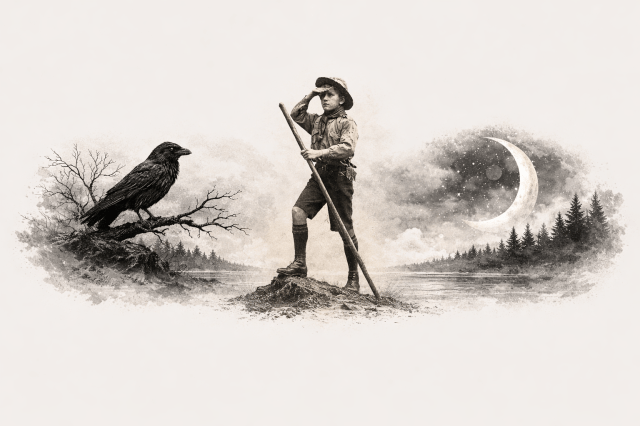
 RAVEN MOON