Bruce Springsteen, Slane Castle Dublin, June 1, 1985
THERE ARE those concerts you attend, and memorable events they may be. But there are those that stay with you and never fade from view. And it is these that become life’s touchstone moments.
On 1 June 1985, I found myself standing in a vast field in County Meath, surrounded by a sea of people connected by a shared purpose. We were, all of us, waiting for a man known simply as The Boss.
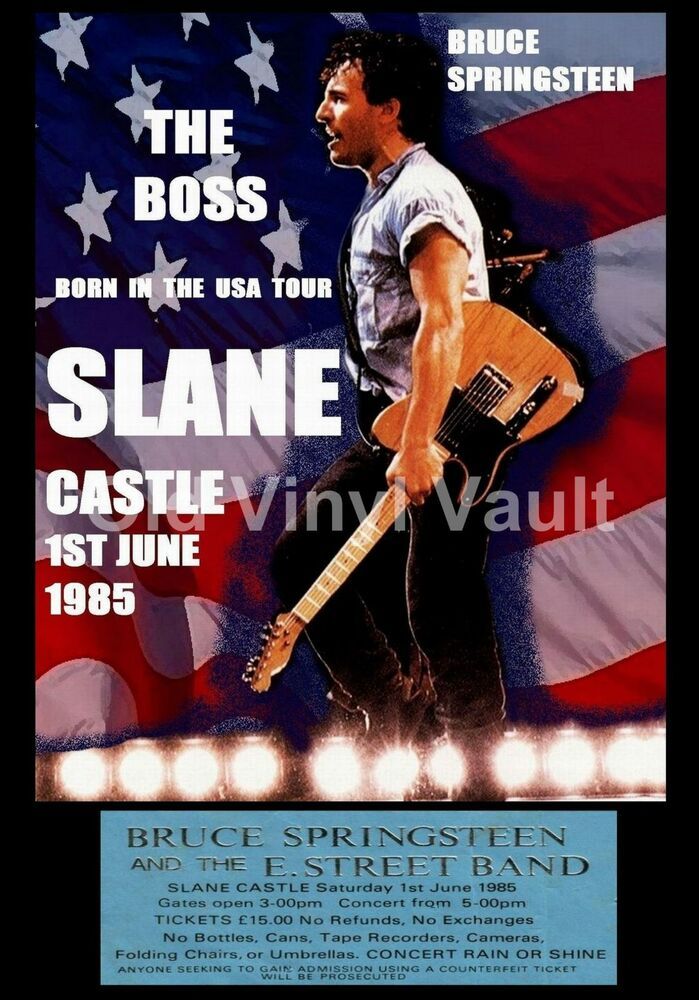
Working class poet, Bruce Springsteen and the E Street Band were about to begin the European leg of the Born in the U.S.A. tour at Ireland’s legendary Slane Castle.
None of us really knew it at the time, but we were about to witness one of those nights when music, setting, weather, and mood combine to create something magical.
A Natural Amphitheatre
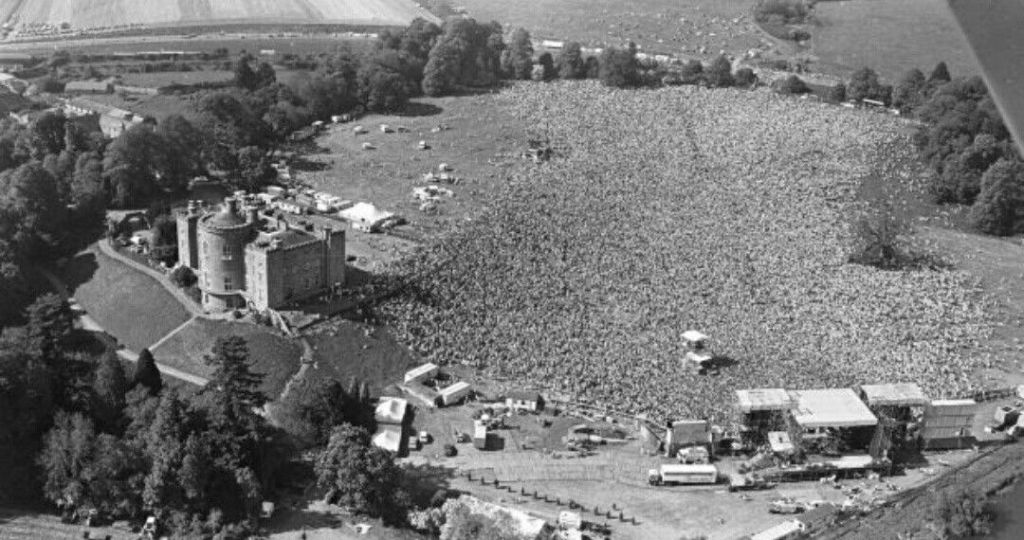
Slane is unlike any other concert venue. The castle sits high above the picturesque River Boyne, its grounds falling away in a sweeping, natural bowl that forms a perfect amphitheatre. From the crest of the hill, you could see everything — the distant stage, the river winding through the valley, and the huge mass of humanity gathering on the grass.
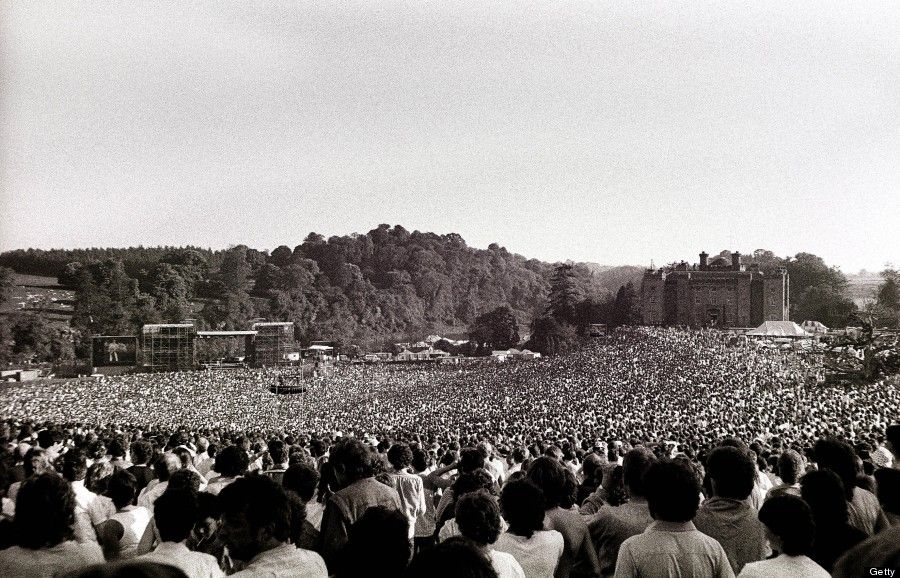
That day the weather seemed determined to cooperate. Although rain looked possible for a time, the skies cleared as the band were about to take to the stage. The air was warm, and the setting was blessed with the kind of golden light that lingers long into an Irish summer evening.
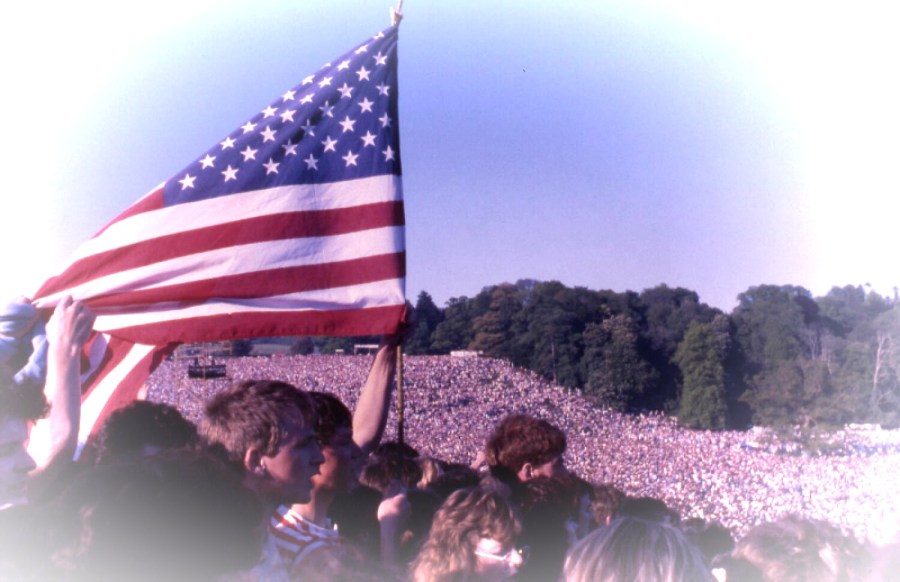
By the time the show began, somewhere between 65,000 and 90,000 people had filled the hillside. Whilst this was the largest and most exuberant crowd Springsteen had ever played to, little of the trademark intimacy and connection the artist creates with his audience would be lost.
From where I stood the crowd appeared to be a living landscape — waves of movement and colour stretching all the way down toward the stage.
And Then it Happened
AT FIVE on that sunny bank holiday afternoon, the band finally appeared, to a roar from the crowd that filled the Boyne valley like thunder. Bruce and the Band didn’t just step onto the stage, they took possession of it, and within seconds made it unmistakably their own.
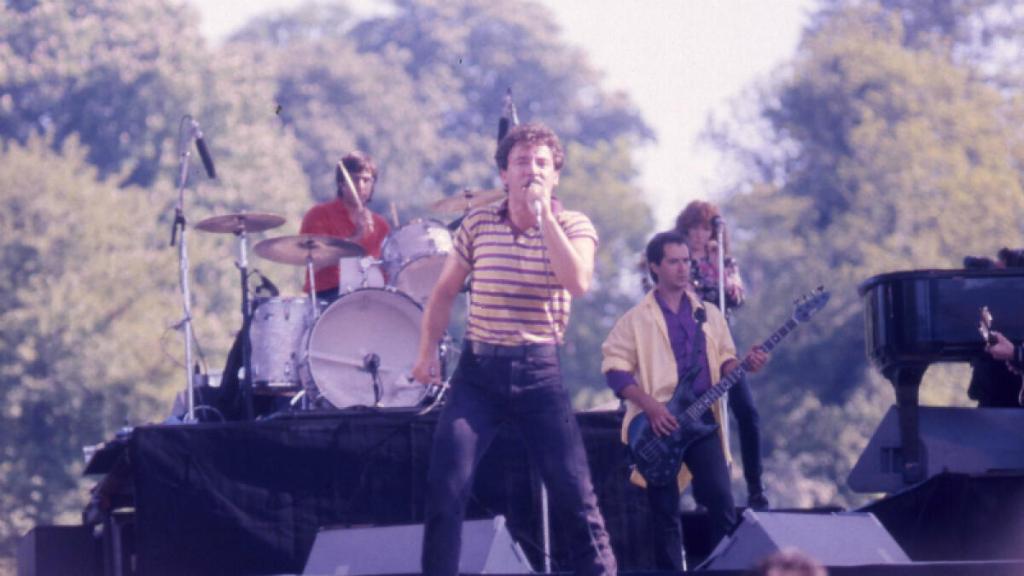
The opening blast of ‘Born in the U.S.A.‘ shattered the evening air and the entire hillside seemed to erupt. From that moment, and for the next four hours, the atmosphere was electric — a shared joyful energy between band and audience that not once diminished.
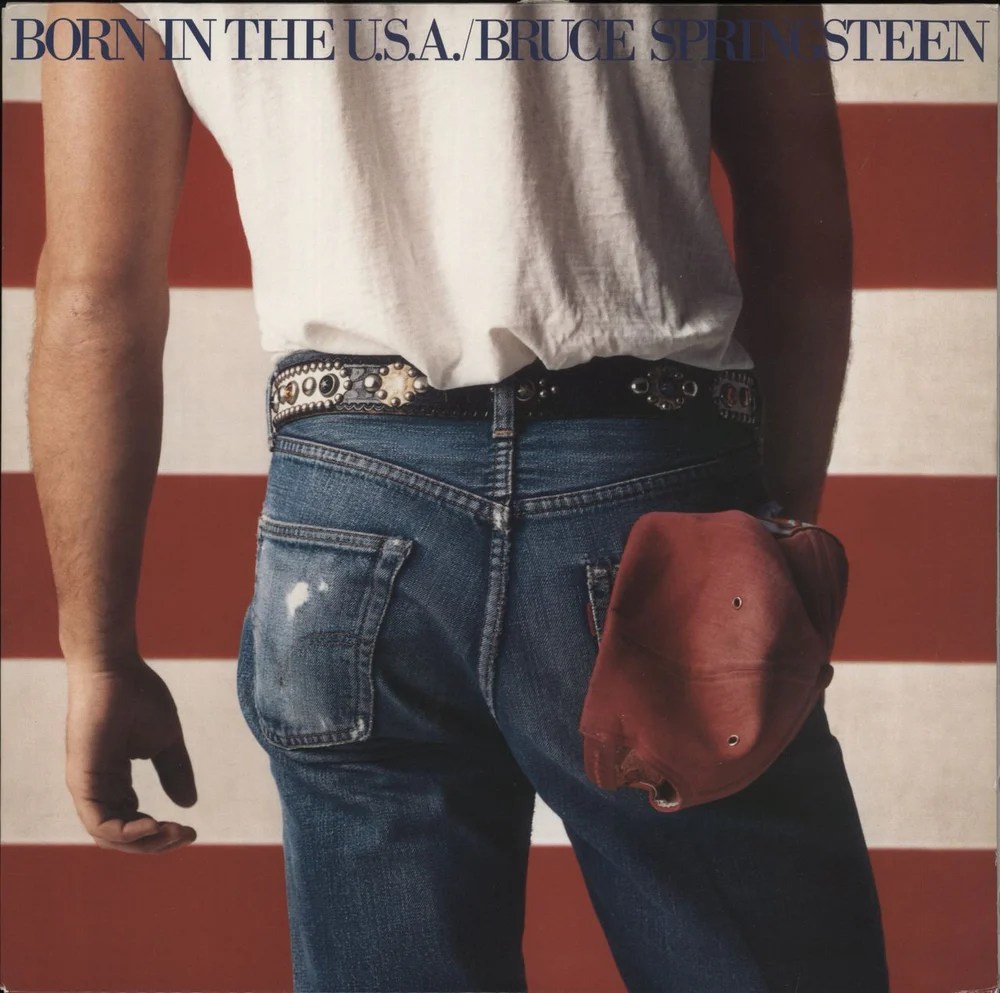
Springsteen was already becoming a global phenomenon by then. The album Born in the U.S.A. would go on to sell more than 30 million copies worldwide, making it one of the most successful rock albums ever recorded.
But that evening at Slane felt less like watching a rock superstar and more like witnessing a force of nature.
Down to the River
FOR ME, one of the event’s defining moments came a few songs into the set.
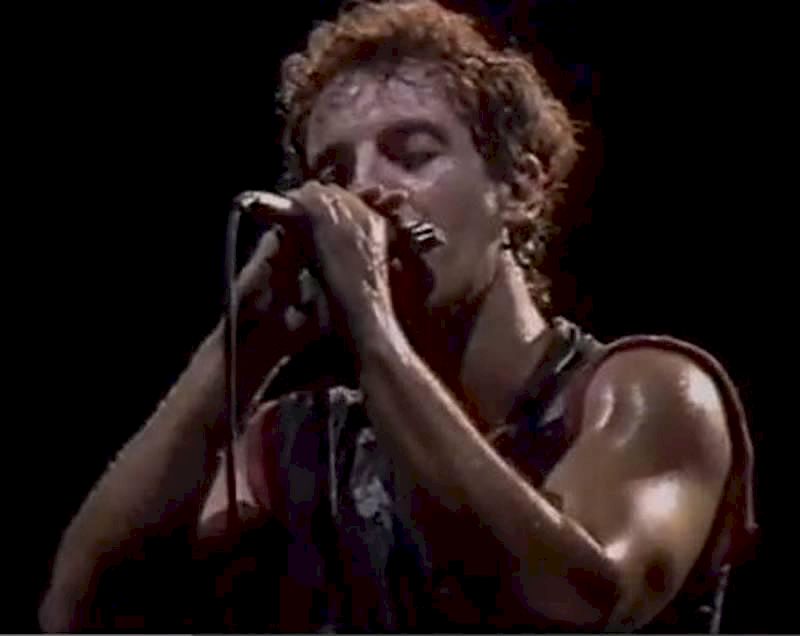
Springsteen began with one of his trademark mournful harmonica solos, which led into the opening chords of the 1980 classic anthem, ‘The River.‘
Something about that song fitted the landscape perfectly. As the ballad played out, images of the Boyne were played in real time on the huge video screens each side of the stage. We didn’t know it at the time, but these same images would then go on to be shown around the world for the rest of the tour. The effect was unforgettable.
With the opening lines:
“I come from down in the valley…”
… the vast crowd fell into a strange, almost reverent hush.
I come from down in the valley
Where, mister, when you're young
They bring you up to do
Like your daddy done
Me and Mary, we met in high school
When she was just seventeen
We'd drive out of this valley
Down to where the fields were green
As we stood together on that hillside, listening to a song about youth, love, struggle, and time passing — the themes seemed to echo across the valley itself.
For a few minutes the enormous crowd felt strangely intimate, connected by one man’s voice, a band, and a timeless story to which we could all relate.
Pure Energy
OF COURSE the quiet moments didn’t last long. This was, after all, a rock concert.
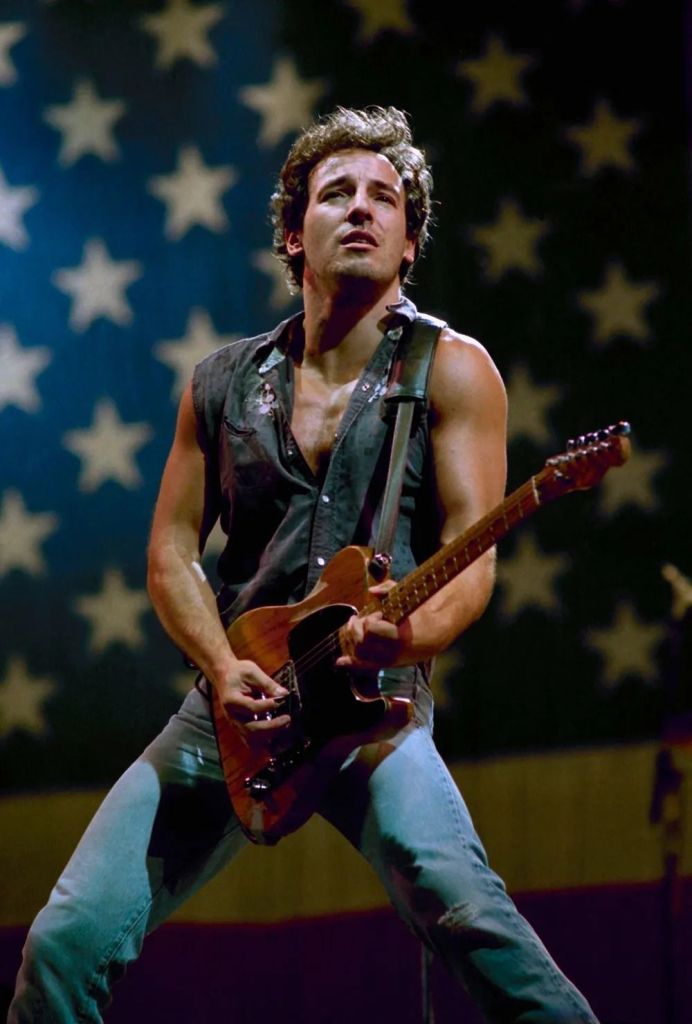
The evening unfolded with the full force of the E Street Band — guitars roaring like engines, Clarence Clemons’ saxophone, huge, soulful, warm and triumphant, and Springsteen himself working the stage with restless energy.
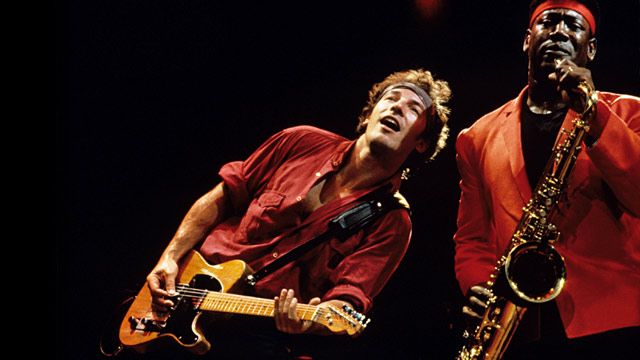
The setlist moved effortlessly through familiar anthems:
- Badlands
- Atlantic City
- Glory Days
- My Hometown
- and of course the inevitable sound of Thunder Road.
Each song seemed to lift the crowd higher. By the time the encore arrived, the hillside was a mass of singing, waving arms, and sheer exhilaration. It felt less like attending a concert and more like participating in a celebration.
Glory Days
WHEN I think back to that night now, what strikes me most is how different the experience of music felt then — and how barren and soulless it is today.
In the mid-1980s music had weight. It had presence. Albums mattered. Songs carried stories that people lived with for years. The music shaped relationships and milestones in life. A concert wasn’t simply entertainment — it was a timeless moment, sometimes even a point of reference.
That night at Slane was certainly one of those moments.
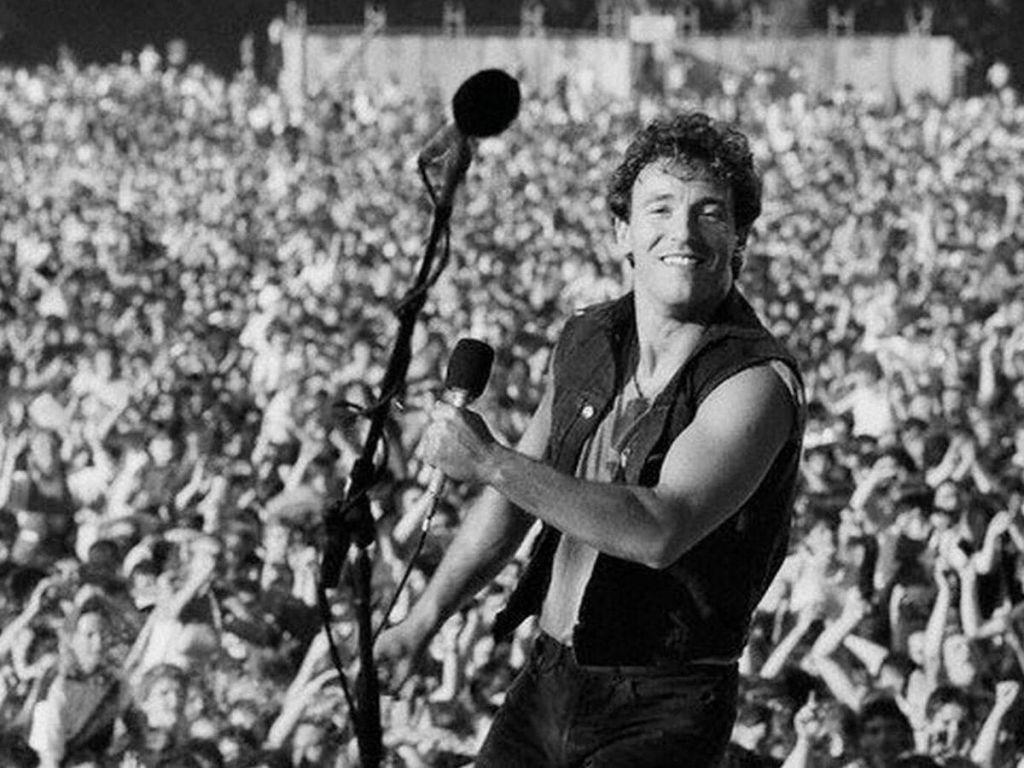
Perhaps nostalgia plays tricks on us. Every generation believes its music was somehow more real than what came after.
And yet I still find myself thinking of another Springsteen classic — Thunder Road a song that seemed to capture the spirit of the time:
The screen door slams, Mary's dress sways
Like a vision, she dances across the porch as the radio plays
Roy Orbison singing for the lonely
Hey, that's me, and I want you only
Don't turn me home again
I just can't face myself alone again
The verses that follow — which Springsteen later described as ‘an invitation to an adventure’ — lead to a hopeful promise:
“we got one last chance to make it real.”
And for a few hours on that summer evening in 1985, standing on the hillside below Slane Castle, it felt as if we really, really did.
 RAVEN MOON