
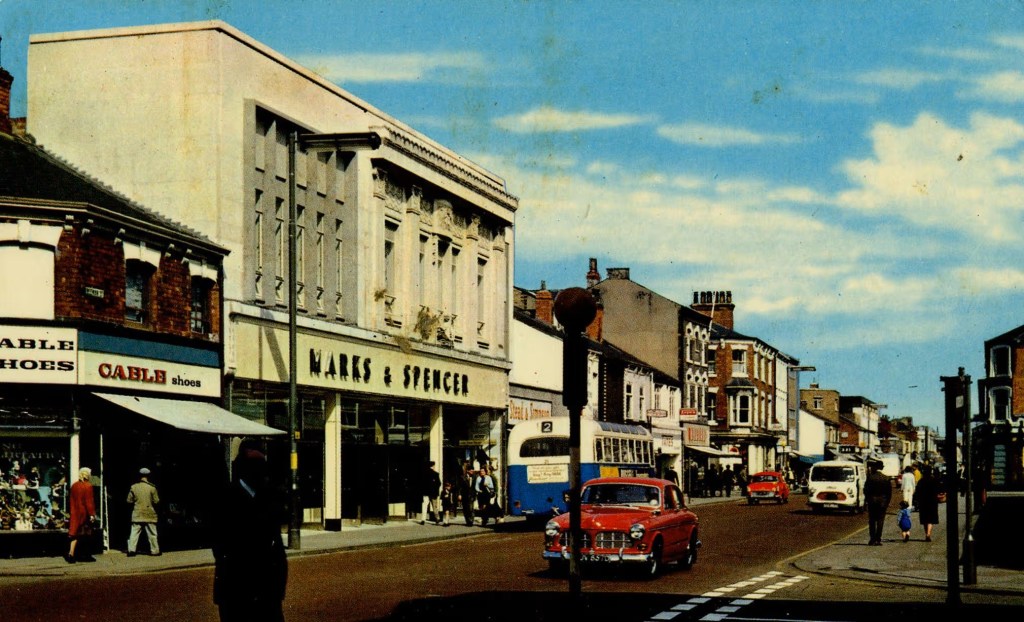
I WAS BORN into the afterglow of post-war Britain. The year was 1958. Food rationing had ended only four years previously. Coal rationing, however, remained in force. At that time, men’s hats bore brims not peaks. Front doors were often left unlocked.
By the time I reached my formative years in the 1970s, the world felt imperfect, certainly — but it also felt grounded. Real. Solid beneath the feet.
Sure, there were strikes, power cuts, political unrest. But there was also presence. We made eye contact. And when we argued ― which we did, of course ― we did so in person. Face to face. We also managed to endure periods of lassitude without reaching into a pocket for electronic relief.
Now I look around and find myself asking — not in anger, but in bewilderment — what the hell happened to us?
Before I continue, this is not a misty-eyed lament for a lost golden age. The 70s were no utopian idyll, that’s for sure. But, since that time, the texture of society has changed so profoundly that many of us who span these decades feel a subtle form of cultural vertigo. The landscape around us seems familiar — yet not.
Something has shifted in the human domain ― and in this post I will try to trace it.
Accelerant
THE INTERNET DID not merely arrive; it invaded the rhythm of life.
Information, which once travelled at the speed of print and broadcast, now moves at the speed of impulse. Outrage, in particular, travels fastest. The algorithms learned early what we failed to grasp: agitation keeps us engaged.
(I covered this topic in an earlier post: ‘Why Discernment Never Goes Viral.’)
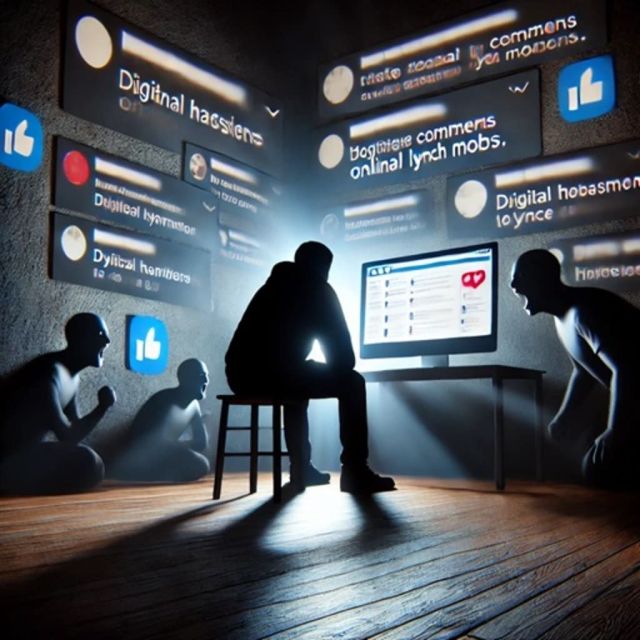
As a species we evolved for villages; for conversations around tables. And disagreements, too, from time to time ― but disagreements with people whose lives we shared.
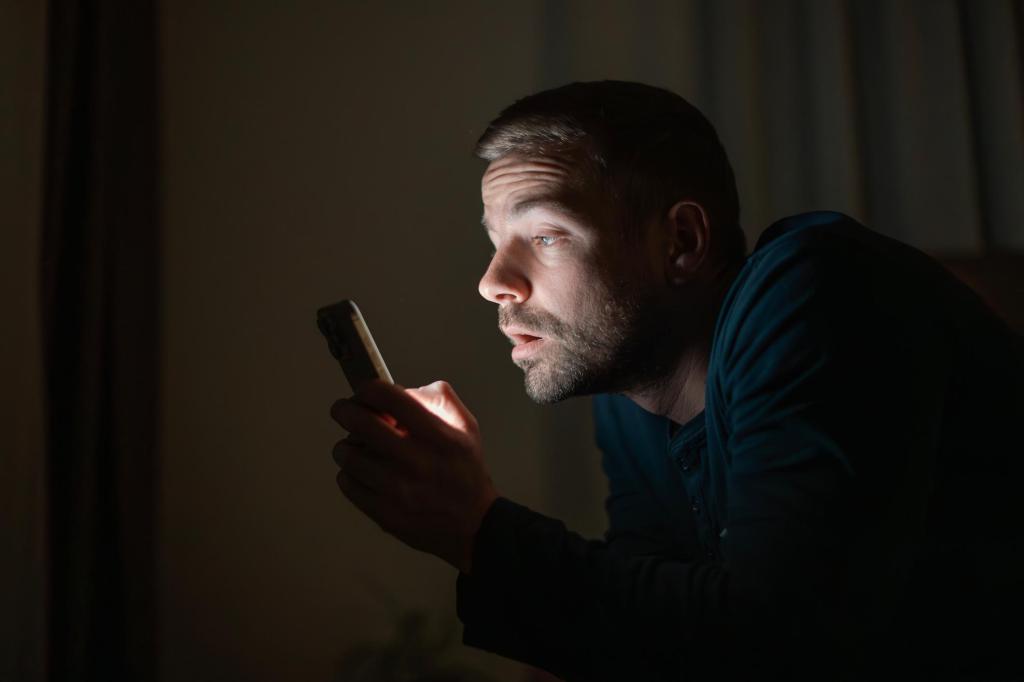
Now we absorb the emotional output of millions before breakfast. Our nervous systems were never designed for this.
It is not necessarily the case that people have become worse. It may be that we are chronically overstimulated; permanently on alert and reacting rather than reflecting.
Why?
Disembodiment
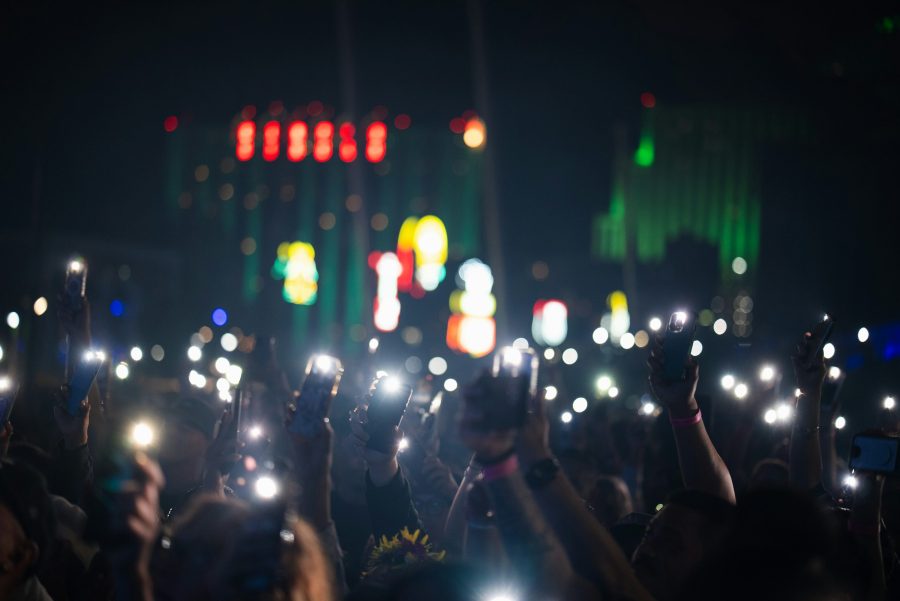
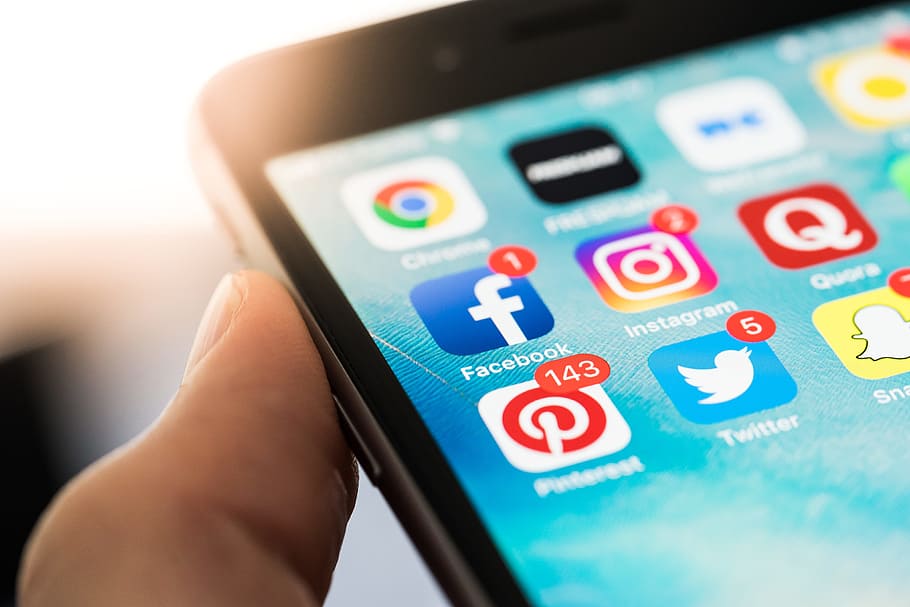
THE MOBILE PHONE — that seductive, gleaming mojo — has furtively refashioned society.
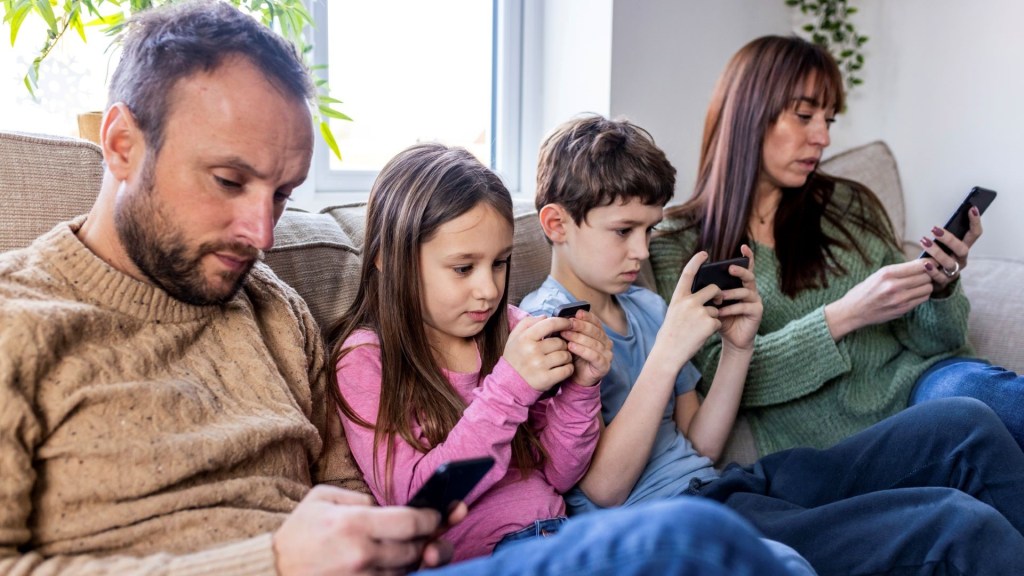
Observe any café or restaurant. Couples sit opposite one another, eyes down, thumbs twitching. Mealtime, once the keystone of family life, crumbles to become an array of diverse digital journeys.
Thanks to our pocket gurus we live in a brokered reality in which approval arrives as a ringtone, identity is customised and meaning is blurred.
But here’s the thing ― when communication becomes primarily textual and instantaneous, it loses tone and context.
And crucially, empathy evaporates. So let’s step aside for a moment and explore that one vital element.
Empathy is the ability to understand and share the feelings of others. In other words:
- It reduces conflict by helping people see beyond their own viewpoint.
- It strengthens relationships by building trust and emotional safety.
- It supports cooperation because people are more willing to help when they feel understood.
- It promotes fairness and justice by encouraging concern for those who are vulnerable.
In a nutshell, empathy makes civilised life possible.
With a mobile phone it is easier to dismiss, mock and condemn an avatar than a breathing human being across the table.
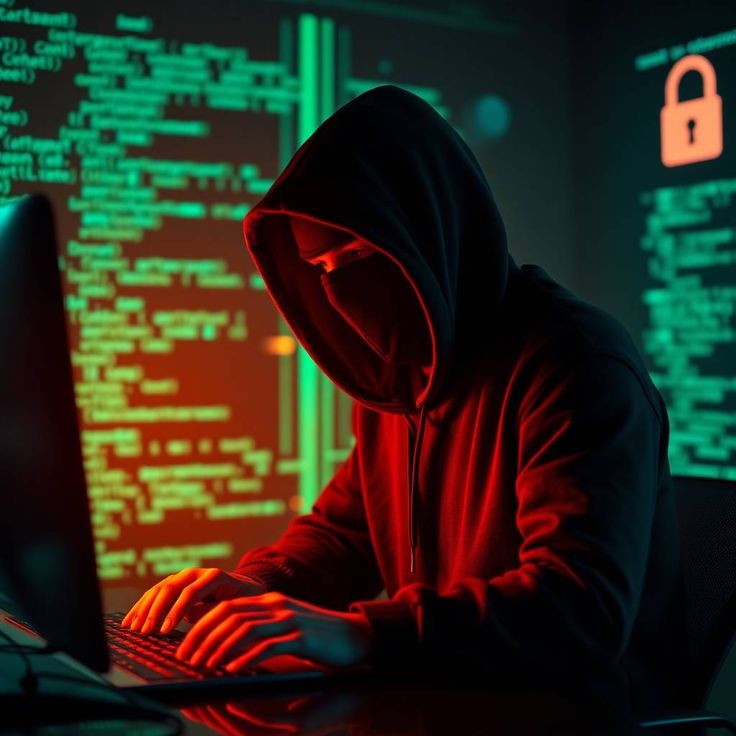
Just as empathy is a key component of civilisation, the absence of civilisation is defined as barbarism. And so, guided by our glowing, blinking ‘phones we drift — not into barbarism, perhaps — but (and here’s the irony) into disconnection.
Hypervigilance
SEPTEMBER 11th, 2001 MARKED more than a geopolitical shift. It ushered in a psychological era: The age of permanent hypervigilance.
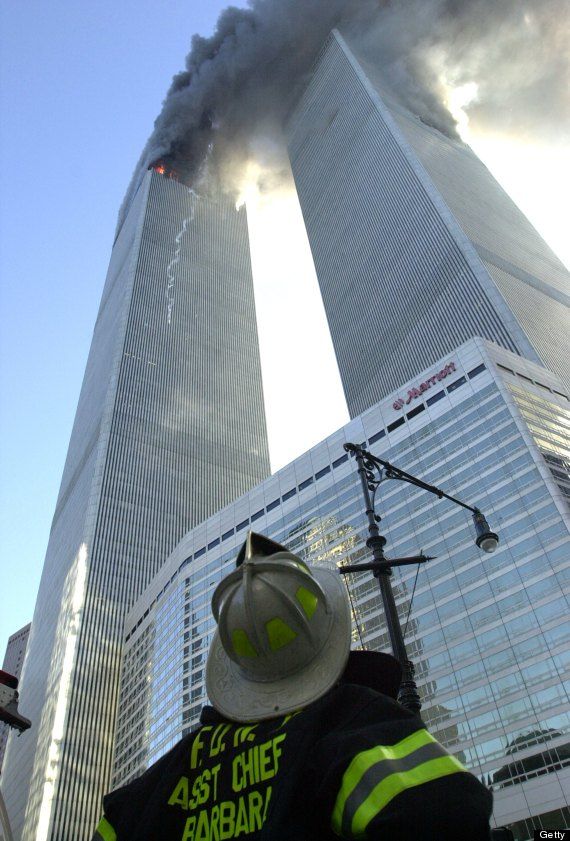
While the World Trade Center dust clouds were still swirling over Manhattan, the ‘War on Terror‘ was announced by supercilious puppet, George W Bush . This war was not to be waged against a nation, but a concept.
Concepts don’t take to the battlefield.
Concepts cannot surrender.
Concepts cannot sign treaties.
Such wars do not end.
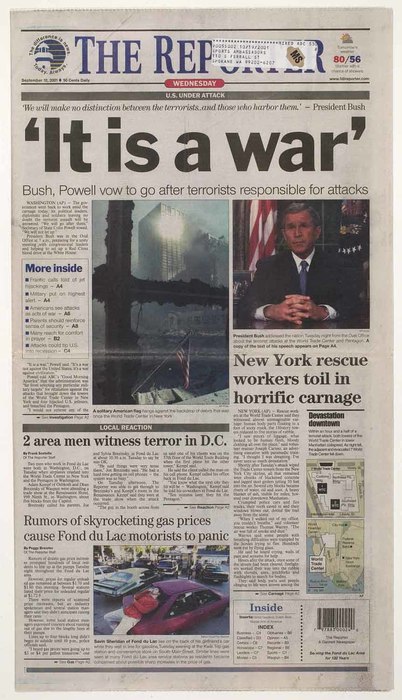
Since then, much of Western society has existed in an insidious state of alertness. Security theatre became normal and state surveillance powers expanded. The result? Suspicion became the prevailing atmosphere.
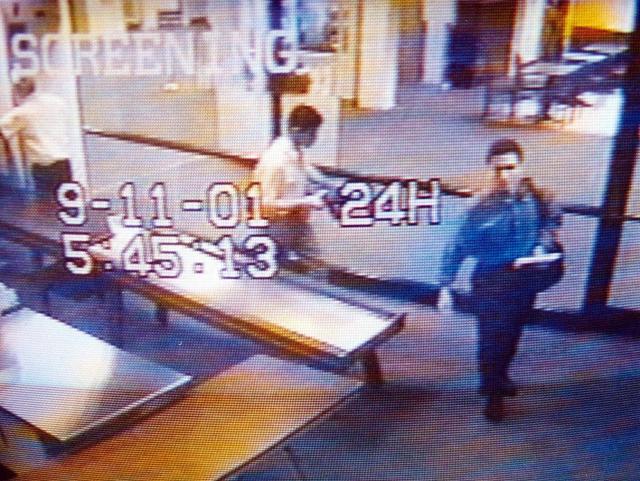
In tandem with state surveillance, we have seen a burgeoning appetite for dash cams, doorbell cams, body cams and always-on recording devices. These have quietly reshaped the psychological atmosphere of everyday life.
What began as a bid for security has evolved into a culture of perpetual vigilance.
Neighbours film neighbours, drivers anticipate confrontation, and ordinary misunderstandings risk becoming viral evidence.
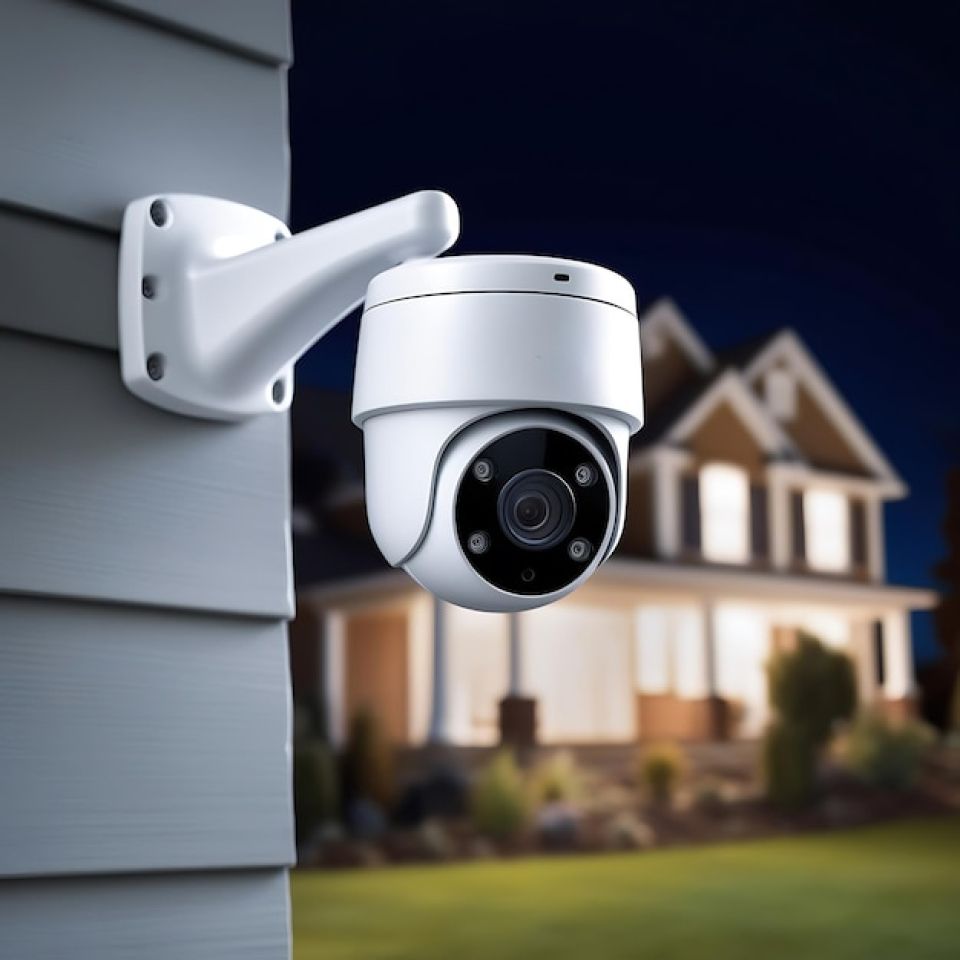
Public space now feels less communal and more adversarial. Instead of trust acting as society’s default setting, suspicion has become the reference point. The result is not a safer society, but a twitchier one—alert, guarded, and ever ready to press ‘record.’
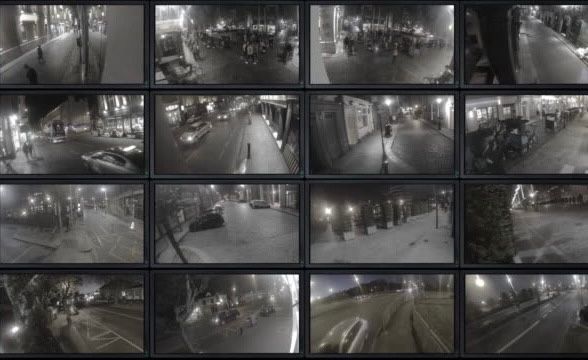
When a culture remains on guard for long enough, it changes character; one in which openness and trust becomes caution and scanning.
Other, previously benign, aspects of life have also been rebranded; rendered menacing. Take, for example, that traditional British conversation piece ― the weather.
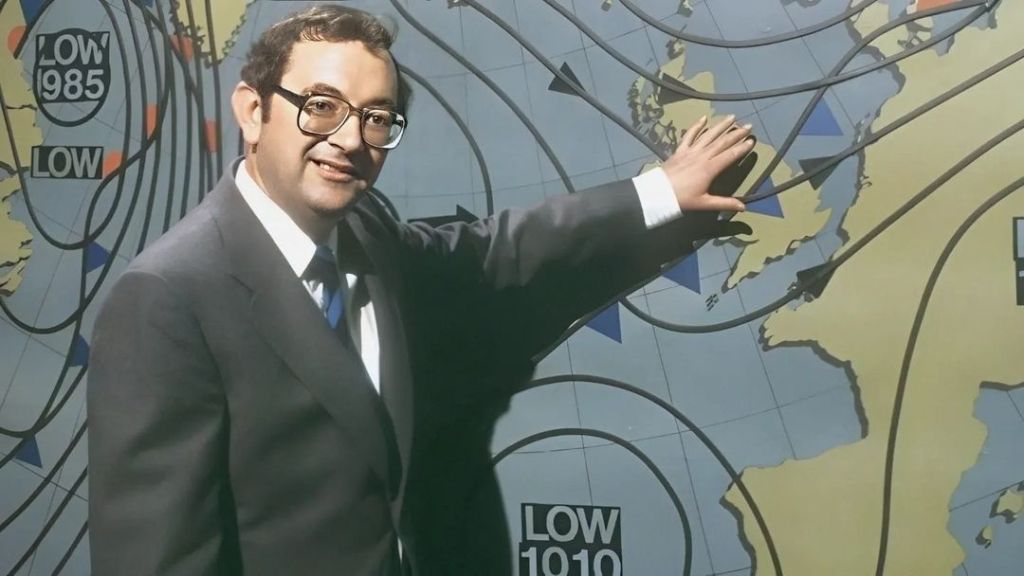
There was a time when the weather arrived gently, delivered by a reassuring figure in front of an isobar map at teatime. We were calmly advised that tomorrow might be ‘a touch breezy in the north.’
Now warnings surge into our phones in real time—push notifications, amber warnings for wind, yellow alerts for rain ― conditions that would once have passed without comment.
Forecasting has shifted from measured guidance to constant, rolling alarm; one in which every low-pressure system is branded as an event.
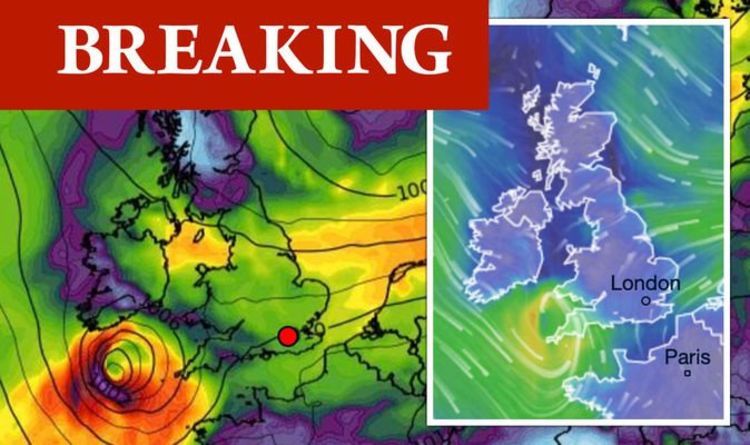
What does perpetual weather anxiety do to a society already primed for alarm?
When every gust is a headline and every shower a threat, we begin to live defensively — bracing not just for storms, but for the next alert.
The Background Hum

Turn on the news and you are inundated in urgency.
War. Climate crisis. Economic collapse. Political extremism. Pandemic. The next looming catastrophe.
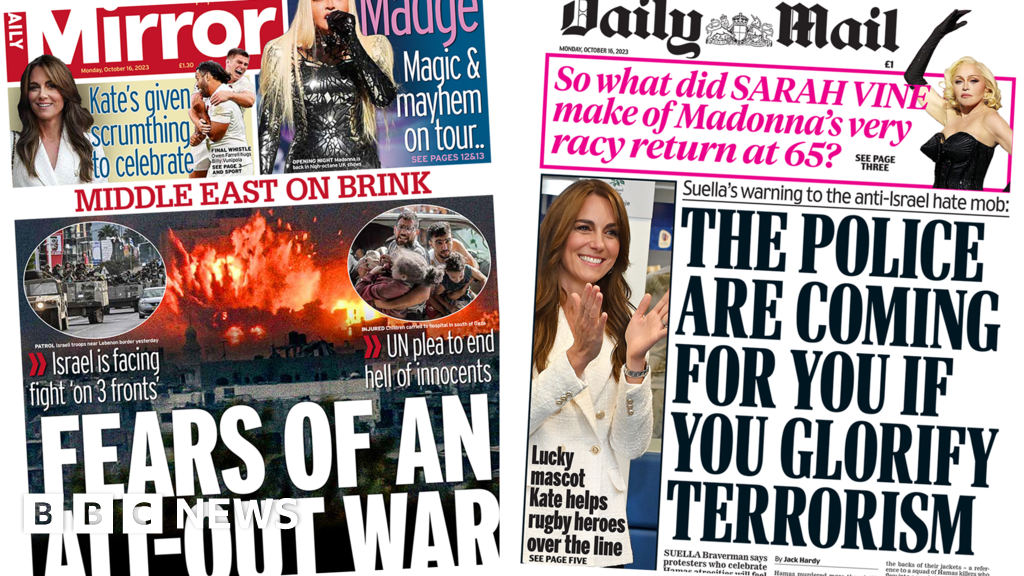
Some threats have foundation. Many don’t. Yet all are amplified, and it is the cumulative psychological effect which matters.
- Fear sustains attention.
- Attention sustains media.
- Media sustains revenue.
But a society marinated in perpetual alarm becomes brittle. We begin to see threat in one another.
And it is at this point that Covid takes the stage.
Social Fracture
2020: For the first time in my lifetime, human proximity itself was recast as danger.
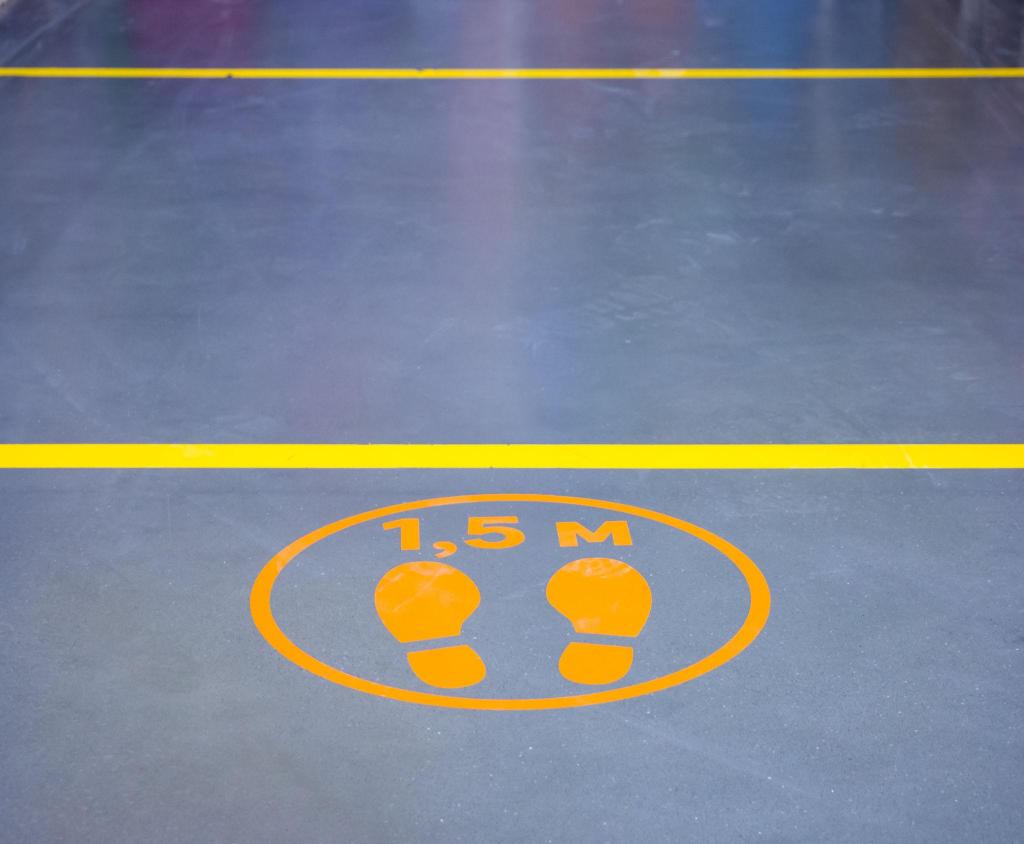
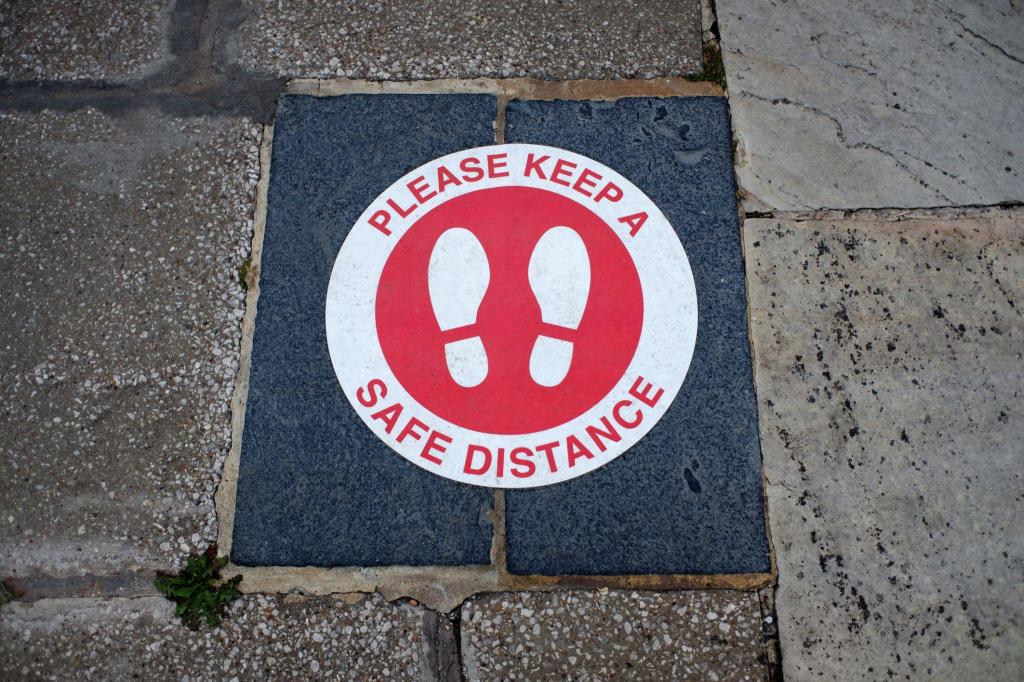
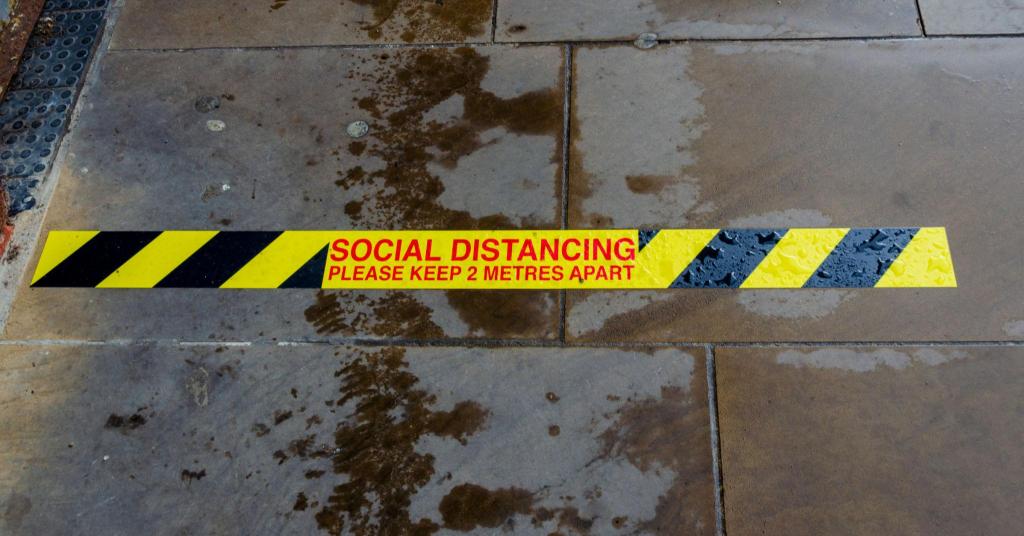
Strangers and neighbours alike crossed the street to avoid us. We were told to measure distance from one another. We were ordered to recycle our respiratory waste, covering our faces with useless strips of fabric. Loved ones died alone.
A new term entered our everyday vernacular: Lockdown.
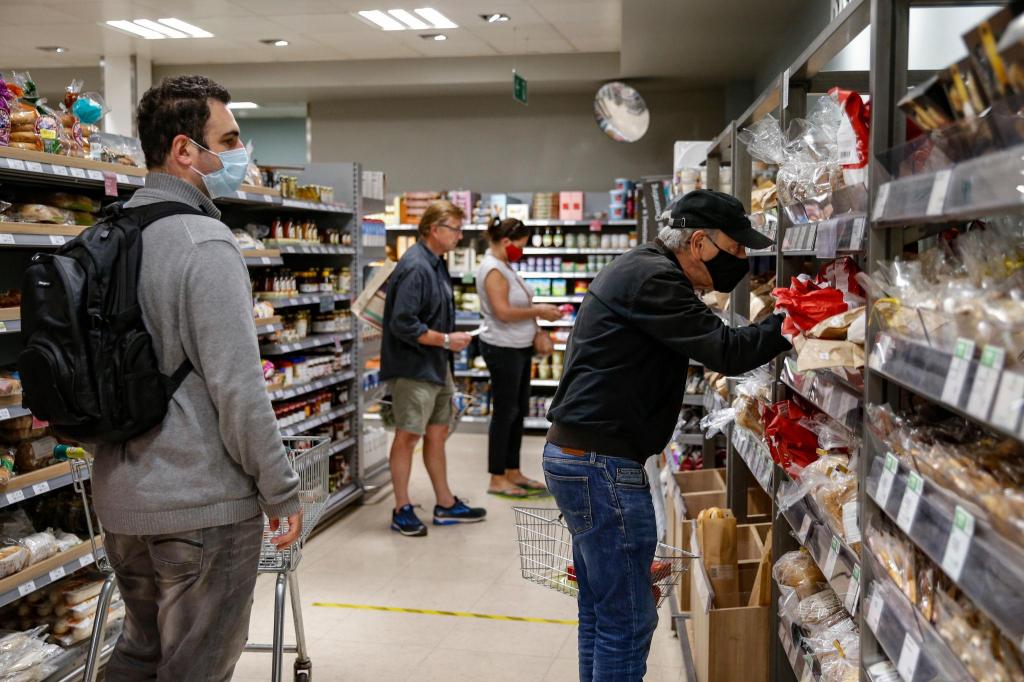

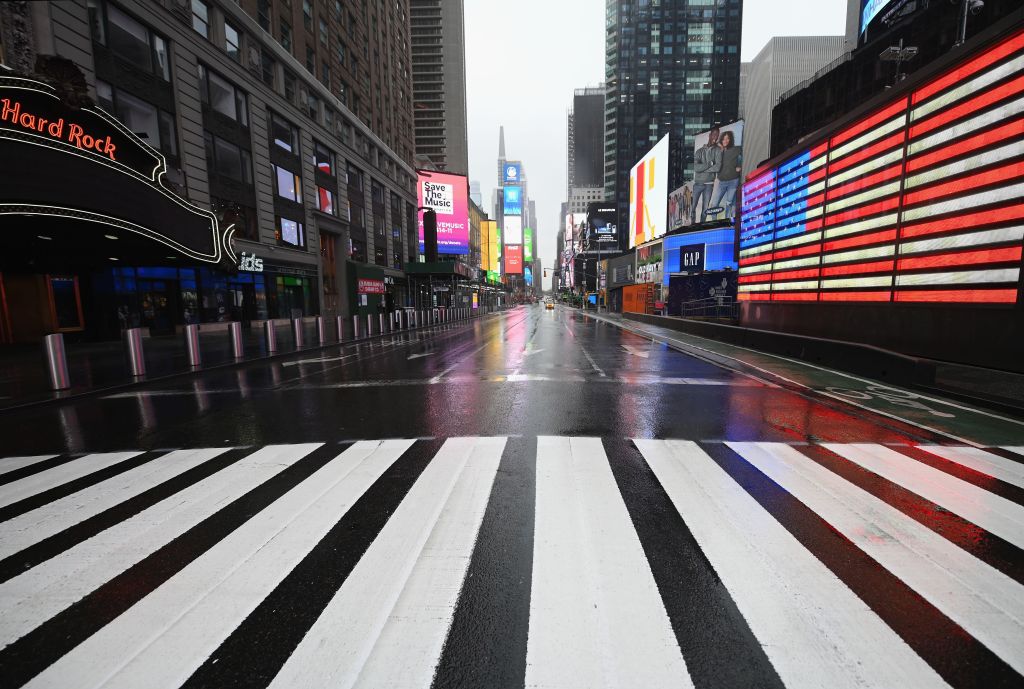
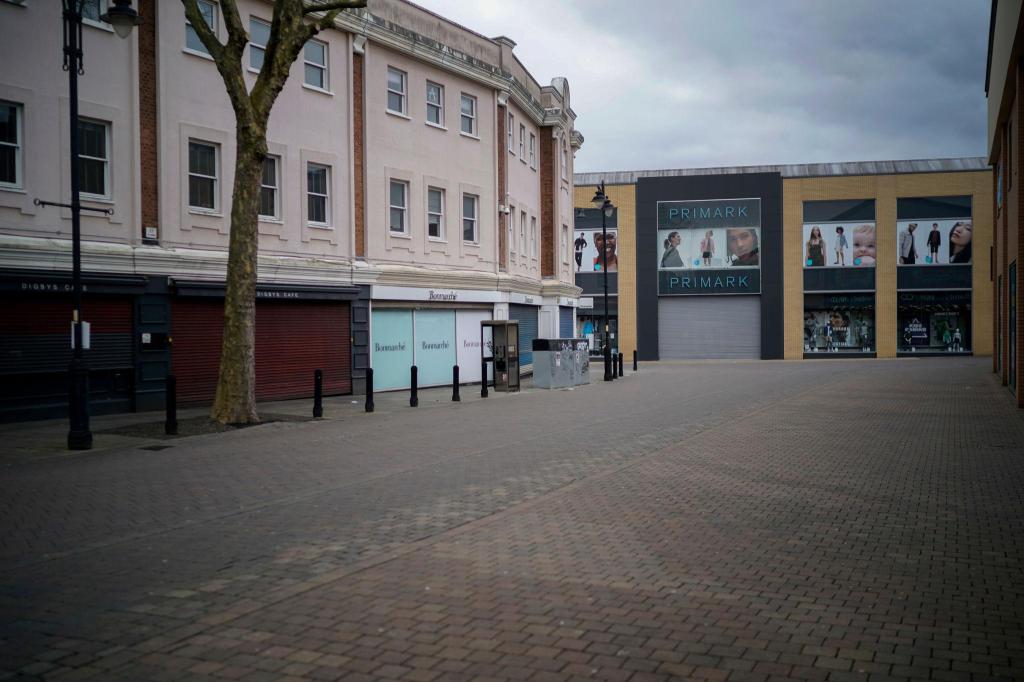
Something subtle shifted in the social contract. Trust frayed. Division deepened. Loneliness intensified — particularly for the young.
Even now, I sense a residual awkwardness in public spaces. A faint hesitancy. As though we have not fully remembered how to be together.
Lost Ground
In the 1970s, we may have argued — but we did so from within shared reference points, living as we did within a narrower information field. We watched the same programmes. Read the same newspapers.
Today, informational domains barely overlap. Consequently, one person’s obvious truth is another’s dangerous delusion. We no longer simply disagree; we question the legitimacy of the other’s reality.
And when shared narrative dissolves, social cohesion soon crumbles.
All that said, it would be lazy to romanticise the past.
The Britain of my youth tolerated prejudice that is challenged today. Mental health was whispered about, not discussed. Domestic violence was hidden. Many voices were unheard.
The internet may not have invented dysfunction, but it revealed it — and amplified it. So perhaps what we experience now is not decline, but exposure. The village has gone global. And the global village is noisy.
By stepping back from the noise we see a pattern emerge:
- We are digitally saturated.
- We are physically less present.
- We are institutionally distrustful.
- We are psychologically over-alert.
- We endured a collective trauma.
Such a pattern has served to create an abrasive environment, one our nervous systems were not created to process.
We were not designed for this level of stimulation.
Reflection
In chasing connection, we appear to have sacrificed presence. In chasing information, we’ve lost wisdom. And in chasing safety, we’ve internalised fear.
As a child of the 50s, I do not long to return to the past. What would be the point? Time does not reverse.
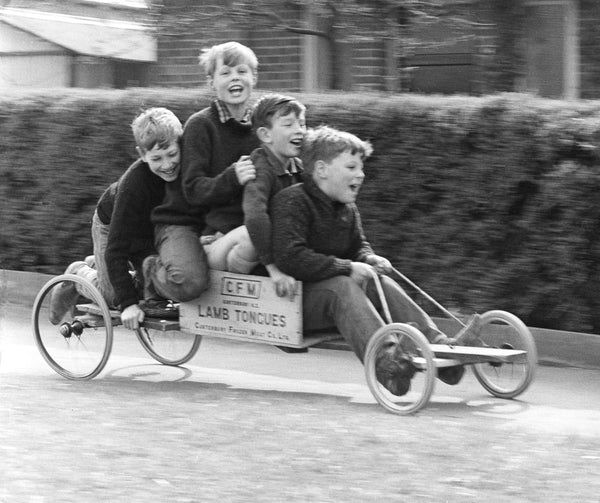
But I do long for something quieter. Slower. More embodied.
Perhaps the task before us is not to rage at the change, nor to surrender to it — but to consciously reclaim the humanity within it. Our humanity.
- To look up from the screen.
- To speak before we post.
- To disagree without dehumanising.
- To remember that behind every avatar is a nervous system not so different from our own.
And so, what has happened to us?
We accelerated beyond our emotional capacity to integrate the speed.
The challenge now is simple — though not easy:
To become human again, on purpose.
 RAVEN MOON