
SEVERAL YEARS ago I elected to cancel my TV Licence, in accordance with my lawful right to do so. My viewing habits had long been entirely in line with the necessary criterion. So I followed the on-line procedure and completed my cancellation.
It was an easy decision. I had endured mainstream media’s ever-increasing output of fake news, social and cultural re-engineering and puerile woke nonsense for far too long. Furthermore, signs were that this was set to get even worse (and indeed it has). It was time to switch it off.
Mercifully, I did so before Covid’s melodramatic stagecraft and its resulting (and deliberate) nationwide hysterical blindness. It was enough to see the reckless media’s effects in the faces of others, without having to suffer its perverse histrionics myself.
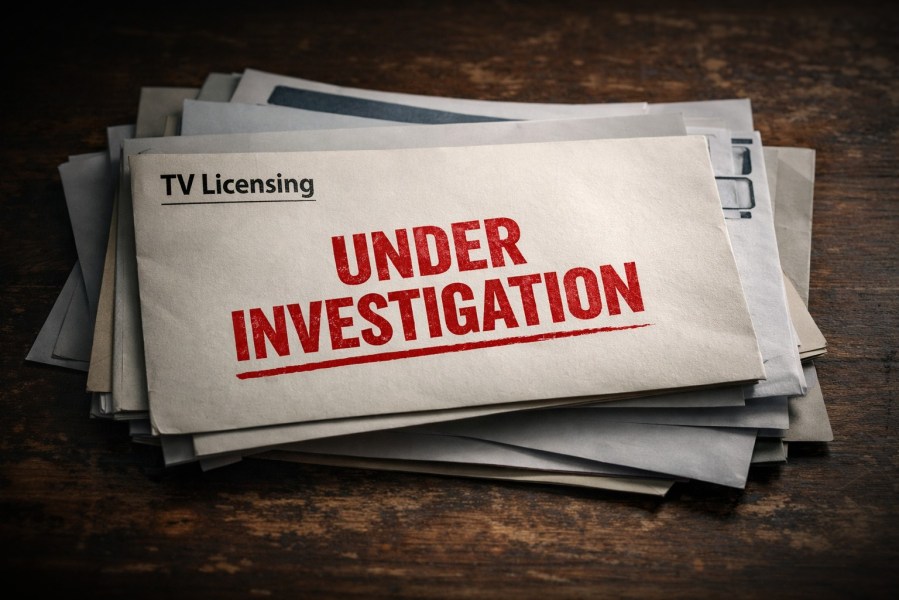
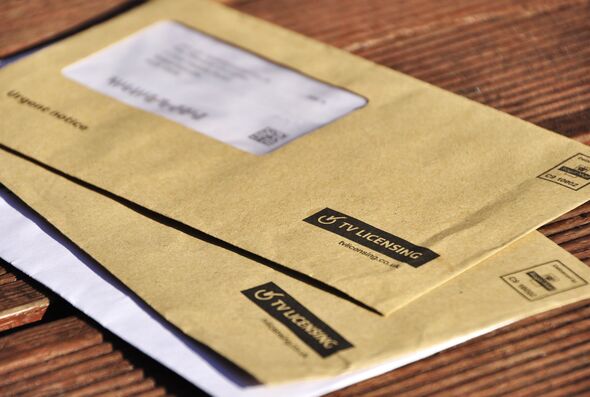
Since that time, however, I’ve been bombarded with repeated and increasingly ugly demands, implied accusations of wrongdoing, and threats from TV Licencing.
I’m therefore writing this post for those who may be experiencing similar harassment.

How is this Allowed?
FIRST OF ALL, how can a major corporation be permitted to systematically harass law-abiding citizens, using methods that plainly skirt — and in some cases contravene — English law?
Why is this reprehensible behaviour tolerated?
And what does it say about a nation which allows its (so-called) flagship public broadcaster to bully people in their homes — not for breaking the law, but for choosing not to consume its services?
Equally troubling: what does this say about the broadcaster itself?
This is not a fringe issue. It affects millions. And the strong-arm methods used have no legal basis, but instead rely totally on fear, assumption, and intimidation.
The Basic Truth
CUTTING THROUGH the smoke and mirrors, the truth is simple:
If you do not:
- Watch or record live television on any platform, and
- Use BBC iPlayer (live or on-demand),
then you do not need a TV licence. Full stop.
You can:
- Own a television
- Own multiple screens
- Stream Netflix, Prime, YouTube (non-live), DVDs, downloads
None of this is unlawful. None of it requires permission. None of it requires explanation.
And crucially:
There is no legal obligation to engage with TV Licensing at all.
So, Why do the Letters Keep Coming?
Because TV Licensing does not operate on proof — it operates on probability and pressure.
Their business model assumes:
- Many people will comply simply to make the letters stop
- Many people do not know their rights
- Many people will be intimidated by official-sounding language
Phrases like:
- ‘Your address is under investigation‘
- ‘We have opened a case‘
- ‘An enforcement visit may occur‘
These are not neutral statements of law. They are rhetorical devices designed to induce anxiety.
If a threatened visit never materialises — as is often the case, and indeed was the case for me recently — that tells you everything you need to know about how ‘active’ these investigations really are.
The ‘Enforcement’ Myth
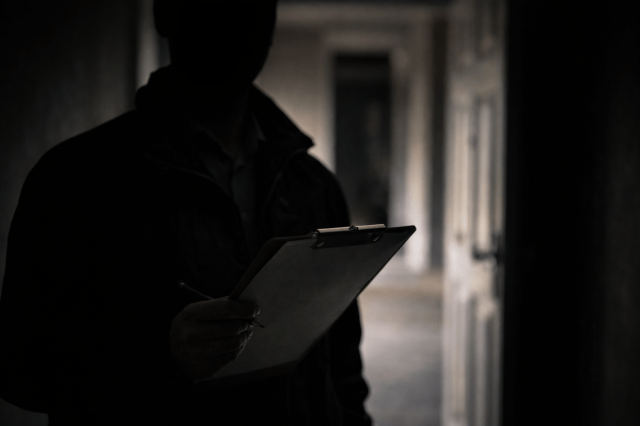
TV Licensing ‘enforcement officers’ are:
- Not police
- Not officers of the court
- Not entitled to enter your home
They have no right of entry without:
- Your consent, or
- A magistrate-issued warrant (rare, evidence-based, and specific)
You are entitled to:
- Refuse entry
- Refuse conversation
- Refuse interviews
- Communicate only in writing
You do not have to ‘prove’ innocence. That is not how law works in this country — or at least, not how it is supposed to operate.

Crossing the Line
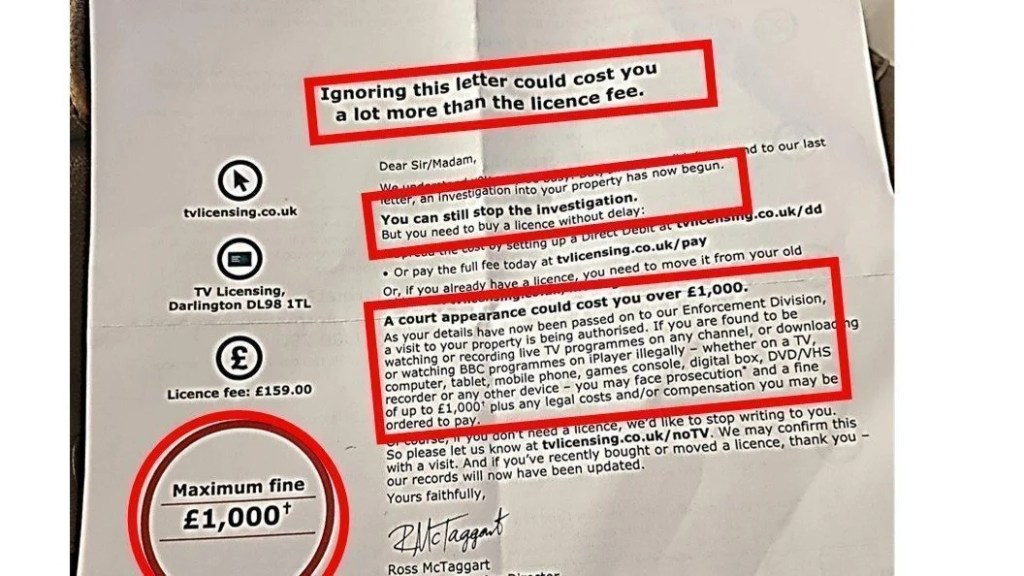
This is where the issue stops being irritating and starts being serious.
Repeated letters that …
- Imply wrongdoing where none exists
- Continue after a clear statement of non-liability
- Use threatening or misleading language
- Cause distress or alarm
… may engage multiple areas of English law, including:
- Protection from Harassment Act 1997
(a course of conduct causing alarm or distress) - Administration of Justice Act 1970 (s.40)
(misrepresentation of legal powers; oppressive demands) - Consumer Protection from Unfair Trading Regulations 2008
(aggressive or misleading practices)
That such behaviour emanates from a publicly funded broadcaster should concern anyone who values civil liberty.
A State of Moral Decline
This is not merely about TV licences.
It is about a state-adjacent institution:
- Treating citizens as presumptive offenders
- Normalising intimidation as ‘compliance’
- Relying on silence and fatigue rather than consent
A broadcaster that claims moral authority while engaging in such tactics invites an obvious question:
If this is how it treats those people who have funded its very existence, and who break no law at all, what does it say about its values?
What you should — and should not — do
You should:
- Know that silence is lawful
- Keep copies of correspondence
- Set boundaries once, in writing, if you choose to engage
You should not:
- Repeatedly fill in ‘No Licence Needed’ forms
- Invite inspections
- Engage at the doorstep
- Assume their letters reflect actual legal jeopardy
An Open Letter
Whilst I have stated that silence is lawful, and there is no obligation to engage with TV Licencing, you may wish to respond firmly and unambiguously. Below is a firm, legally neutral notice. It does not argue. It does not plead. It does not invite discussion. It simply asserts rights.
Readers may copy or adapt it if required.
Open Letter: Notice of No Licence Requirement and Withdrawal of Access
To whom it may concern,
I write regarding your continued correspondence about my property.
I do not require a television licence. I do not watch or record live television on any platform, nor do I use BBC iPlayer. I only access on-demand services which do not require a licence. This position has not changed.
I am under no legal obligation to respond to repeated demands to restate this position, nor to permit any visit to my home.
For the avoidance of doubt:
– I do not consent to any visit to my property.
– Any implied right of access is hereby withdrawn.
– I will not engage in doorstep interviews or inspections.
– Any communication must be made in writing only.Please note that continued threatening, misleading, or repetitive correspondence after receipt of this notice may constitute harassment under the Protection from Harassment Act 1997 and related legislation. I reserve all rights in this regard.
This letter is sent without prejudice and does not constitute an admission of any liability.
Yours faithfully,
[Name]
A Final, Crucial Question

A FREE society does not require its citizens to prove their innocence by default.
If you do not need a TV licence, you are not ‘avoiding’ anything. You are exercising a lawful choice. No corporation — public or private — is entitled to bully you for that.
The real question arising here is not why do they do this?
It is why have they been allowed to continue for so long?
 RAVEN MOON