

WITH ONLY a few days to go before Christmas I completed, what was at that point, my thirty-fifth book for the year. It was therefore time to choose what to read next.
I’d already dropped a few hints for presents, and hoped to be opening at least one of my desired novels on Christmas morning. But, what to read in the meantime; that was the question.
THE BOOK that would become number thirty six was a revisit to one I’d read in the early 1990s ― ‘The Leper of Saint Giles‘ by Ellis Peters.
It is the fifth novel in the series of medieval who-dunnits featuring shrewd Benedictine herbalist, Brother Cadfael.
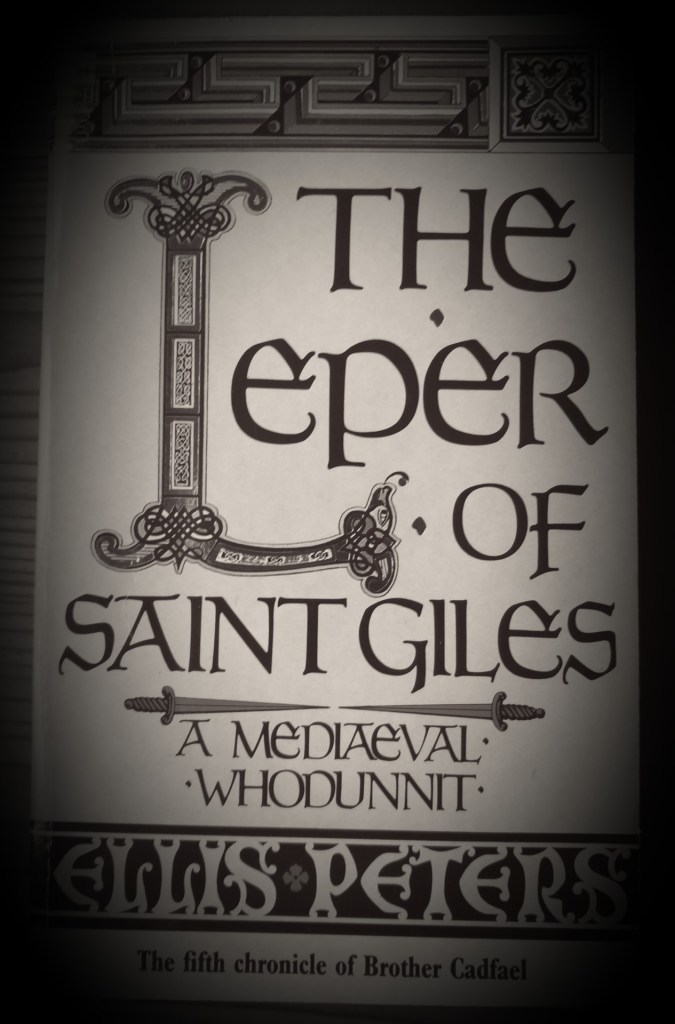
Peters, the pen-name of Edith Pargeter (1913–1995) was a British novelist, historian, and translator, who was best known for her Brother Cadfael medieval mysteries. Her stories are a blend of spiritual insight and warm-hearted storytelling, written upon an historical backcloth.
I’m sure my reading choice, made at a time when our family were engaged in the hurly-burly of Christmas preparations, was driven by the need for comfort and serenity. For there is a particular kind of cosy familiarity to be found in Cadfael novels—inconsistent with what are, at heart, stories of murder.
Set in the turbulence of 12th-century England during the bitter civil war between King Stephen and Empress Maud, the series never loses sight of something deeply human, and this is perhaps the secret of its enduring charm: while death may open each mystery, compassion is always what closes it.
Brother Cadfael is not simply a Benedictine monk of Shrewsbury Abbey—he’s herbalist, healer, former soldier and a reluctant but gifted solver of crimes.
Through him, the author created not just a memorable detective, but a window through which the medieval world comes alive.
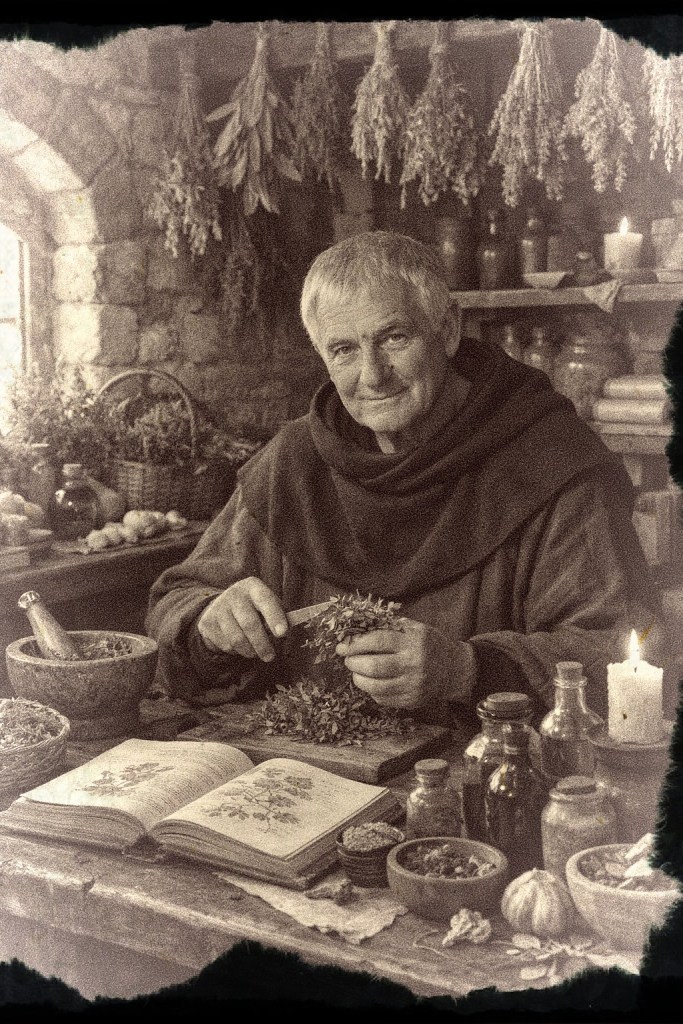
OUR MAN IS not a naïve intellectual, nor is he a blinkered philosopher. He is a man who has lived.
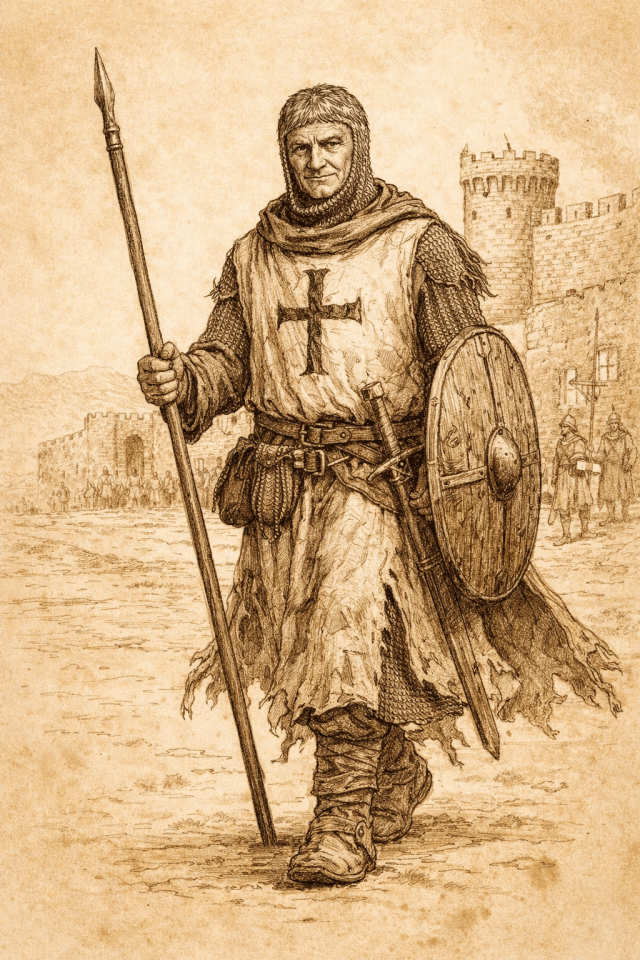
Before taking his monastic vows in his middle years, Cadfael travelled widely, fought in the Crusades, traded by sea, and loved deeply.
It is this life experience which gives him a worldly wisdom that sets him apart from both the fellow monks around him and the rigid authorities of church and crown.
In pursuing solutions to the mysteries presented to him, his motivation is simple: to see justice done, mercy applied where it can be, and truth coaxed into the light. Most notably, he understands human frailty … because it’s something he shares.
ONE OF THE pleasures of the series is Peters’ portrayal of medieval England. Shrewsbury is not merely a backdrop, it is a living community. The Abbey itself hums with daily rhythms of prayer, labour, and restrained rivalries.
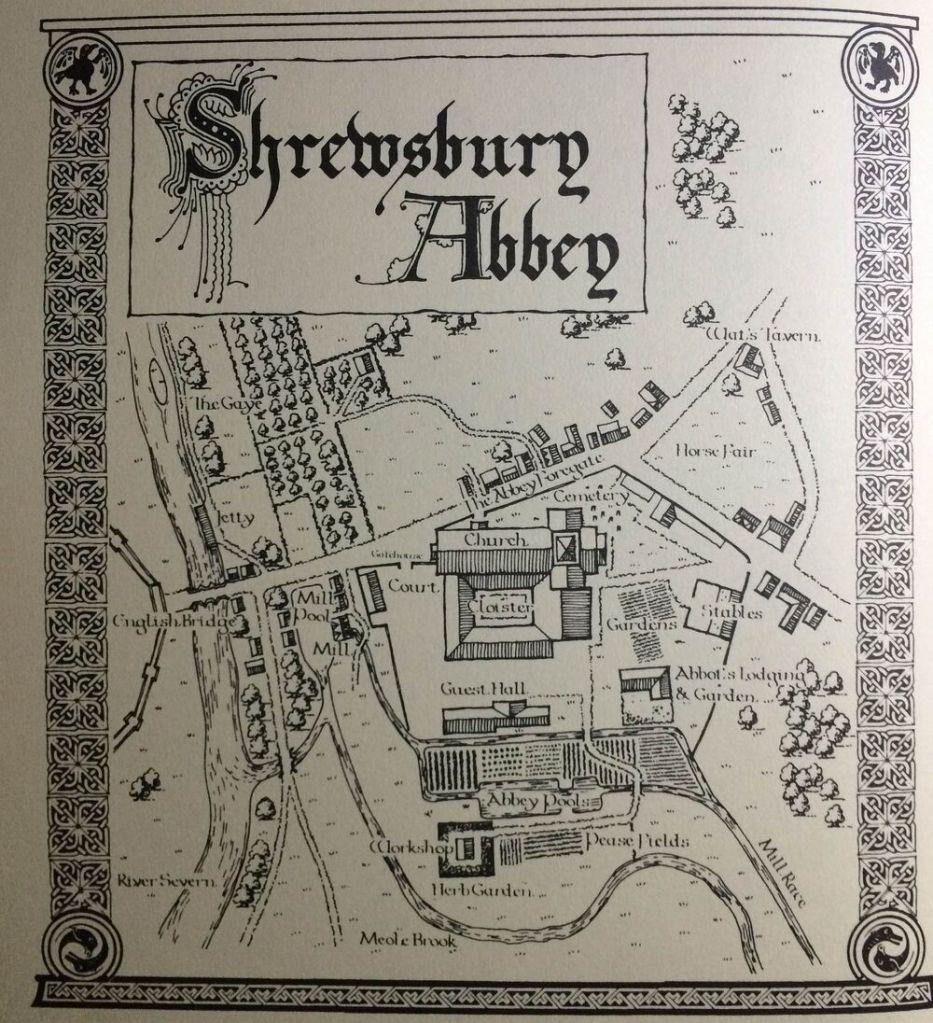
Beyond its walls, the town bustles with traders, craftsmen, soldiers, widows, pilgrims, and the poor. The Welsh borderlands nearby add further tension and texture, especially as loyalties shift with the ever-changing fortunes of civil war.
Peters’ historical detail is neither showy nor convoluted. Readers are not overwhelmed with excessive information dumps, but instead observe a world emerging naturally through action and dialogue.
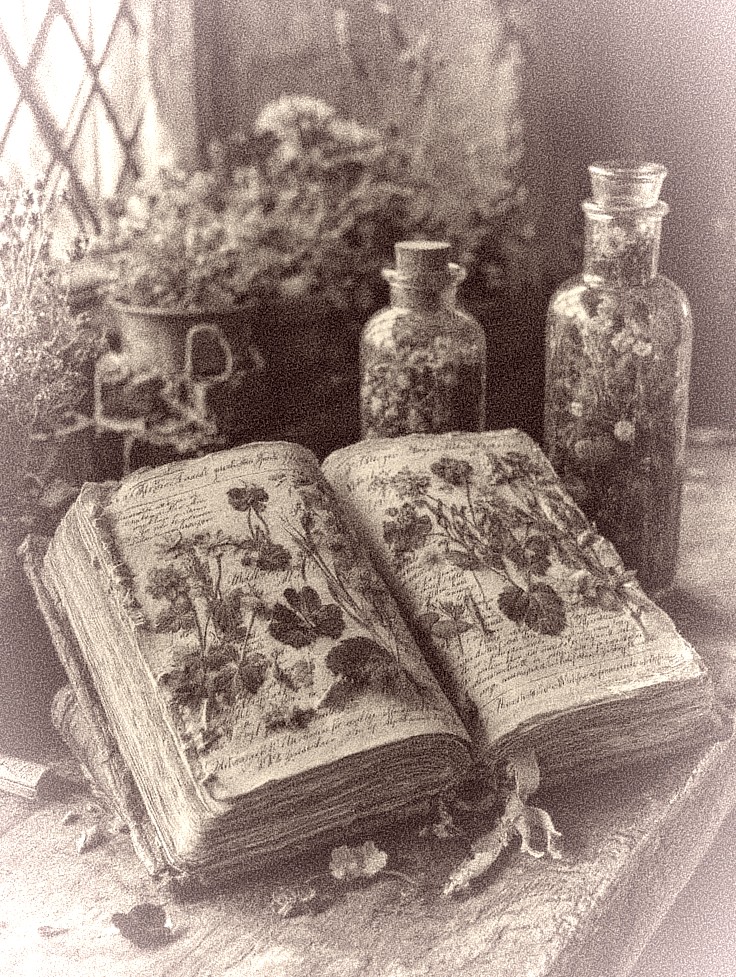
We learn about medieval medicine through Cadfael’s herb garden, about feudal law through disputes over land and inheritance, and about the Church through its internal politics as much as its spiritual ideals.
This renders the novels accessible even to readers with little prior interest in medieval history. The setting enriches the story without ever becoming a barrier.
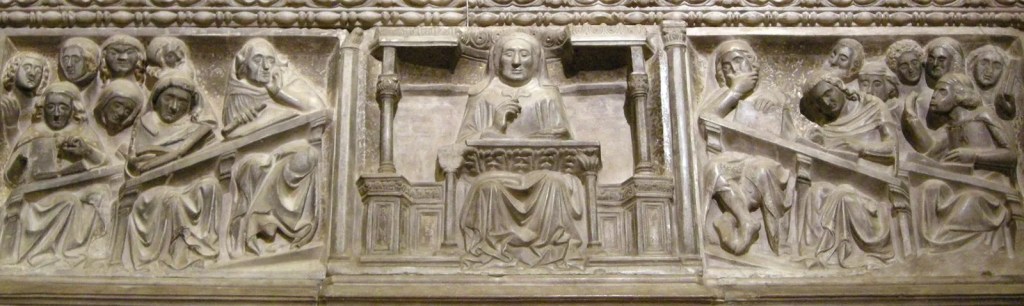
THE MURDERS in the Cadfael series are rarely sensational. They emerge from recognisably human motives: jealousy, fear, desperation, greed, and misplaced love. Peters is less interested in elaborate puzzles than in the consequences of violence within a close-knit community.
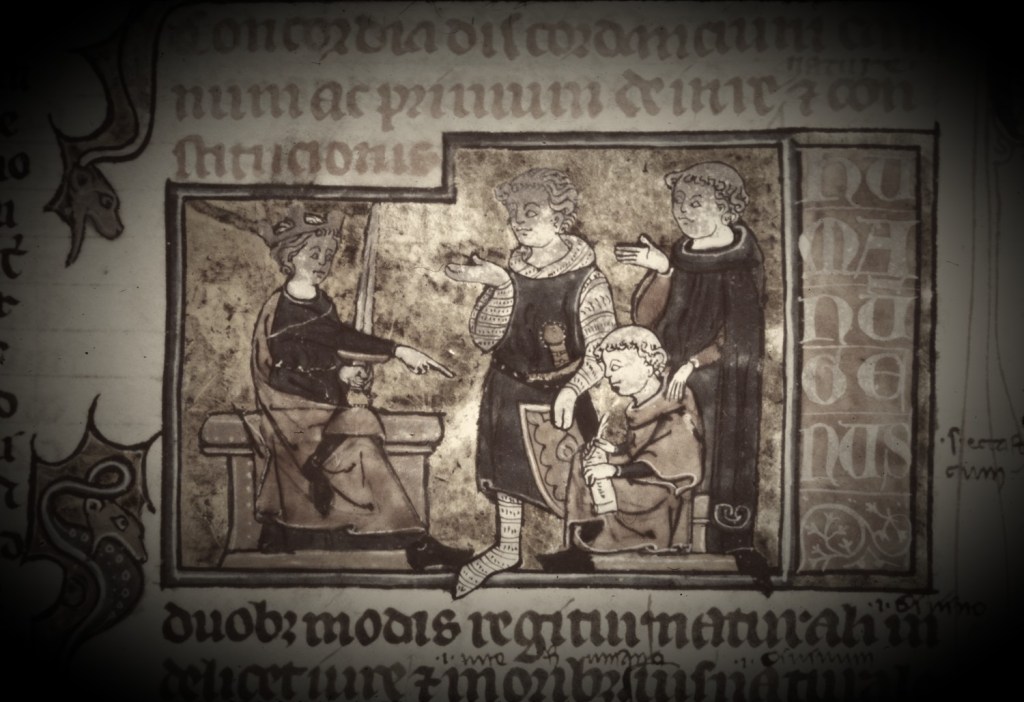
What sets these mysteries apart is their moral complexity. Cadfael often uncovers truths that do not fit neatly into the demands of secular or ecclesiastical justice. At times, the ‘lawful’ outcome may not be the most merciful, and Cadfael must decide how far to involve himself—and when silence may serve a higher good.
This tension gives the series a philosophical depth that lifts it beyond conventional crime fiction.
The mysteries are not simply questions of who committed the crime, but they prompt us to consider what justice truly means.
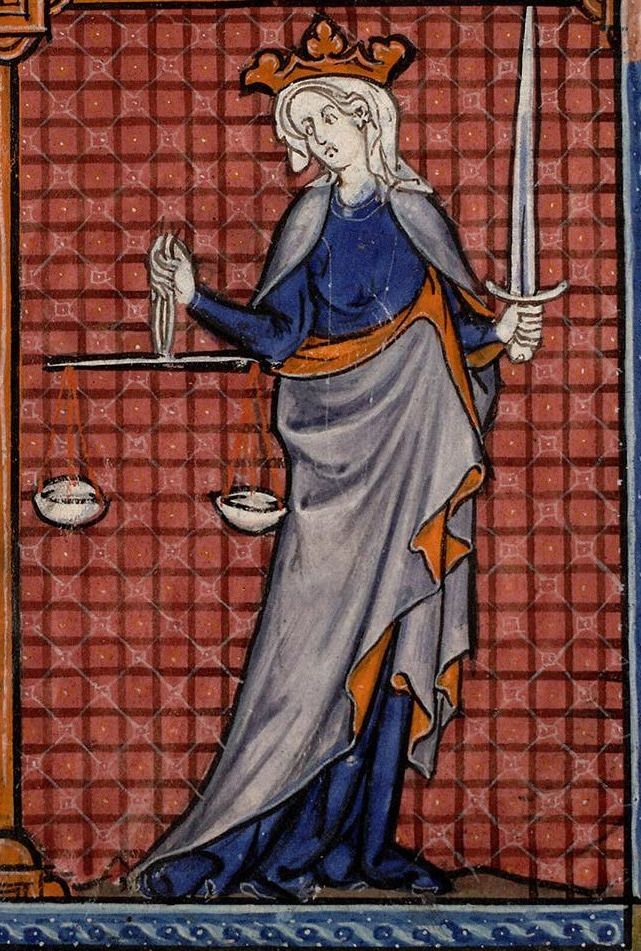
CADFAEL IS obedient to his vows, no doubt about that, but he is no unquestioning servant of power. On the contrary, he frequently finds himself at odds with sheriffs, abbots, and nobles who value the preservation of order over truth.
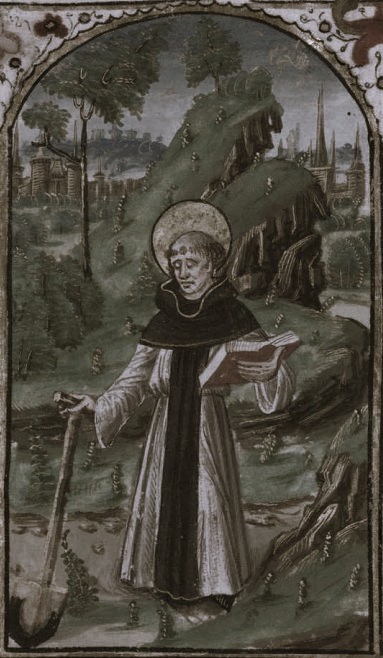
His loyalty therefore lies not with institutions, but with people—particularly the vulnerable and the wrongly accused.
In this sense, the series carries a placid but persistent critique of authority. Peters acknowledges the necessity of structure and tradition, yet remains clear about their capacity for cruelty and blindness.
Cadfael’s resistance is never loud or revolutionary; it is expressed through small acts of defiance, careful words, and the occasional strategic omission.
IT IS NO accident that I occasionally return to the Cadfael books. There is something profoundly reassuring about their tone. Even in moments of danger or sorrow, the novels maintain a sense of balance. Peters trusts the reader, avoids cynicism, and allows goodness to exist without too much sentimentality.
In a modern literary landscape crowded with grim, graphic crime fiction, the Cadfael series offers an alternative: stories that engage the mind without assaulting the spirit.
They remind us that mystery fiction can be thoughtful, historical, and emotionally restorative all at once. The novels succeed because they are rooted in timeless concerns: justice, compassion, faith, and the complexities of choice.
And as for Brother Cadfael, he remains a discretely radical figure—a man who believes that truth, once found, must be handled with care.

 RAVEN MOON