IN MY PREVIOUS post, ‘History’s Long Shadow on the Land,‘ I revealed my passion for historical fiction — especially that which covers the period from 1485 to 1714.
Of all the chapters in England’s past, none grip my imagination quite like the Tudor and Stuart centuries. It was a time when England was reborn through turmoil — a nation remade by ambition, faith, and the pursuit of power.
The drama of that transformation, with its blend of splendour and unimaginable, barbaric cruelty, continues to echo in some of the best historical fiction of our time.
The Tudor world dazzles and disturbs in equal measure. It’s a landscape of glittering courts and shadowed corridors; corridors where a misplaced word could end a life and loyalty was as dangerous as treason.
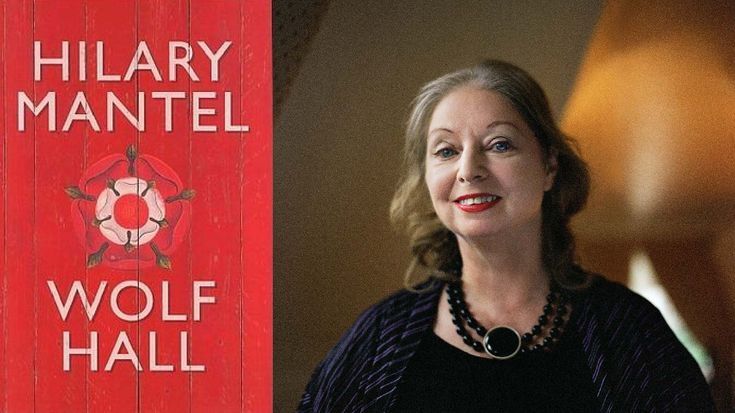
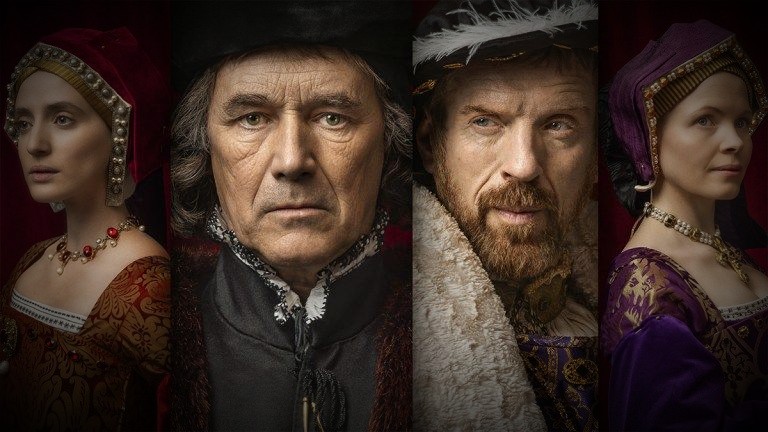
HILARY MANTEL’S phenomenal Wolf Hall trilogy captures this beautifully: Thomas Cromwell, so often cast as villain, becomes a man of humble birth warily navigating the perilous course of survival in Henry VIII’s England.

Through Mantel’s discernment and literary prowess, a familiar story — in which a cultural renaissance evolves alongside brutal power struggles — becomes at once intimate and human.
‘You don’t get on by being original. You don’t get on by being bright. You don’t get on by being strong. You get on by being a subtle crook.’
Hilary Mantel – ‘Wolf Hall‘
Shady politics are rendered as psychological pitfalls, driven by raw ambition and paranoia.

Faith, too, once a stable foundation, becomes a perilous swamp of contradictions, nebulous and menacing.

‘But chivalry’s day is over. One day soon moss will grow in the tilt yard. The days of the moneylender have arrived, and the days of the swaggering privateer; banker sits down with banker, and kings are their waiting boys.’
Hilary Mantel – ‘Bring up the Bodies’
IN CONTRAST, C.J. Sansom’s Shardlake novels bring the same period down from the palace to the parish — though here, too, intricate plotlines regularly take us back into those shadowed corridors of Whitehall.

‘Lamentation’ – Book Six in C. J. Sansom’s excellent seven volume Shardlake series.
Sansom’s hunchbacked lawyer, Matthew Shardlake, works amid the chaos of the monasteries’ dissolution, and the grasping corruption of its aftermath, trying to administer justice in a land where even the law bends to those with the largest purse.

Sansom’s England feels tangible: the stench of London’s streets, the chill of unheated halls dimly lit by guttering candles; the constant question of what it means to remain good when goodness itself clashes with the ambitions of those with the power to destroy all who oppose them.
‘One must speak more with the wisdom of the serpent than the innocence of the dove, where matters of faith are concerned. Jesus Christ said so.’
C. J. Sansom – ‘Lamentation’
THE STORY darkens further under Elizabeth’s reign, when the divine right of the monarchy collides with the rising power of the court as foreign powers direct their greedy gaze toward England’s shores.
Author Rory Clements channels this tension through his series of Elizabethan thrillers — a world of spies, scholars, and assassins; a world where faith and loyalty are double-edged and sharp as any blade.

His main protagonist — Queen Elizabeth’s intelligencer, John Shakespeare — lives and works in the murky, knife-edge world of Elizabethan espionage. His environment is shaped by fear, fanaticism, political intrigue, and constant threat — both from enemies of the crown and from the crown’s own agents.

Old Hatfield House, once home to the Lady Elizabeth, queen to be.
Like Sansom’s principal character Matthew Shardlake, Clements’ John Shakespeare is a man constantly striving to maintain integrity in a world that appears hell-bent in eroding it.
‘In this England truth has many masters.’
Rory Clements – ‘Martyr’
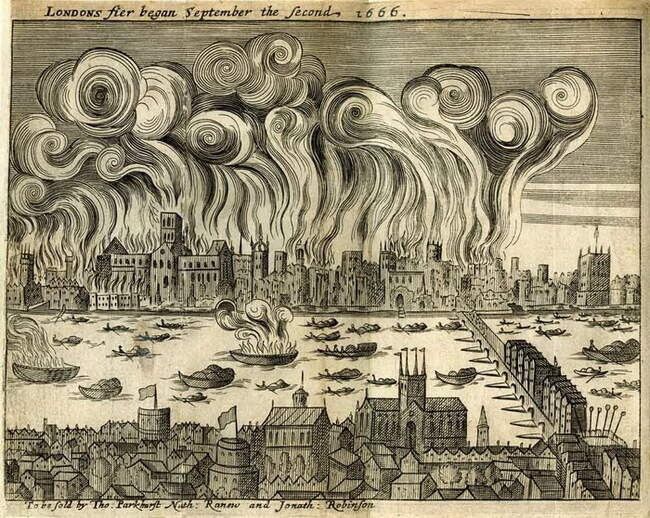
THEN COMES Andrew Taylor, chronicler of the Restoration’s uneasy rebirth. In The Ashes of London and its sequels, he leads us through the city’s literal and moral reconstruction after the Great Fire of 1666.

Taylor’s protagonists, lowly government clerk James Marwood and aspiring architect Kat Lovett, come together in book one of the series, and thereafter maintain an unsteady alliance. The ensuing narratives unfold in the turbulent aftermath of the English Civil War, the Protectorate, and the Restoration.

It is an era as dangerous and morally complicated as that of the Tudors, but is one shaped by different fault-lines: loyalty, memory, trauma, and the slow rebuilding of a shattered nation.
The Restoration court may shimmer with temptation, but beneath it lies rot and reckoning — the ghosts of civil war, unsettled scores and the lingering ash of lost dreams.
ACROSS THESE authors’ works runs a common thread: the human struggle to live with integrity in times of upheaval.

The Tudor and Stuart ages may be centuries past, but their dilemmas — power, conscience, truth — feel startlingly modern. Each novel reminds us that history isn’t just a record of kings and battles; it’s a mirror held up to the timeless contradictions of human nature.
Perhaps that’s why I return to these centuries again and again. They offer a stage on which every emotion — love, fear, faith, ambition — not only plays out but does so at full intensity.
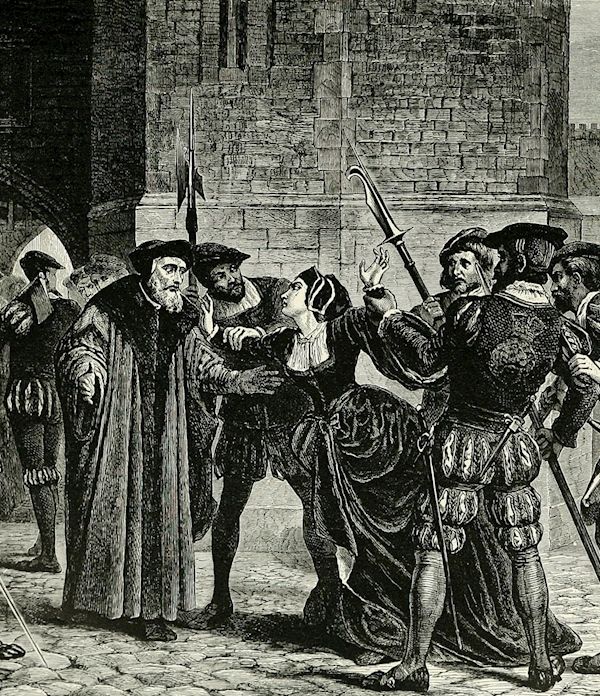
Through fiction, the ghosts of those times breathe again. As one, they invite us not just to look back, but to look within.
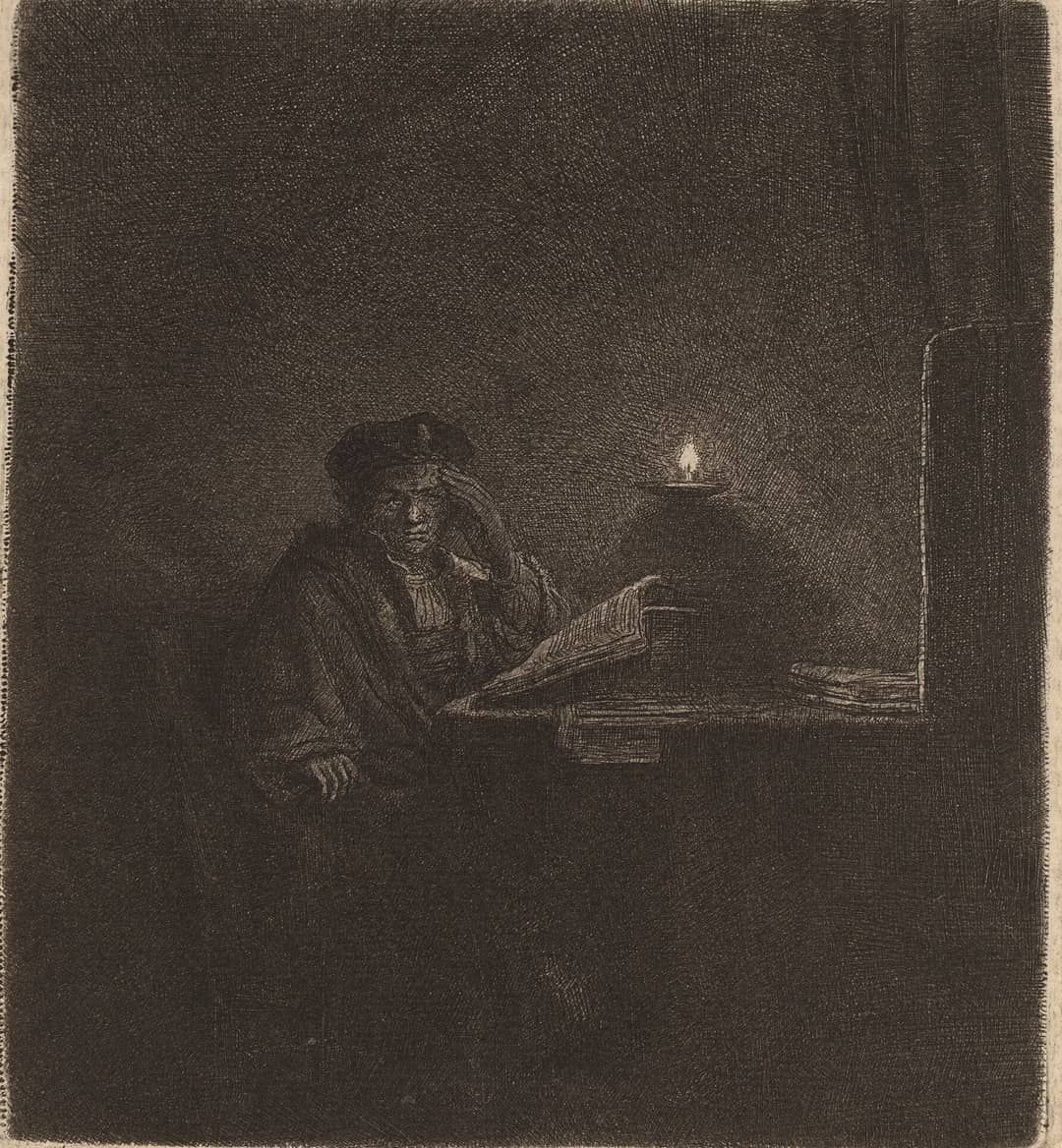
So, if you’ve never ventured into this world, let Mantel, Sansom, Clements, and Taylor be your guides. Settle under the lamplight, and listen for the whispers from the shadows as history reveals that the past is never truly behind you.
 RAVEN MOON