
A Window on the Past
I HAVE REVEALED in previous posts my love of historical fiction―especially that set in the Tudor and Stewart period (1485-1714).
When written with authority and grounded in solid research, historical fiction can act as a richly textured window onto the past by animating facts with lived experience.
While it does not replace formal history, it can illuminate how political decisions, social structures and cultural attitudes felt to the people who lived through them. And by weaving accurate detail into compelling narrative, authoritative historical fiction helps readers grasp not only what happened, but why it mattered.
Of the many authors who have made the Tudor and Stewart era their focus, perhaps my favourite is C. J. Sansom, whose six book series depicting lawyer Matthew Shardlake are among the best novels I’ve ever read. I’m re-reading one at present―his books lend themselves to being read again and again.
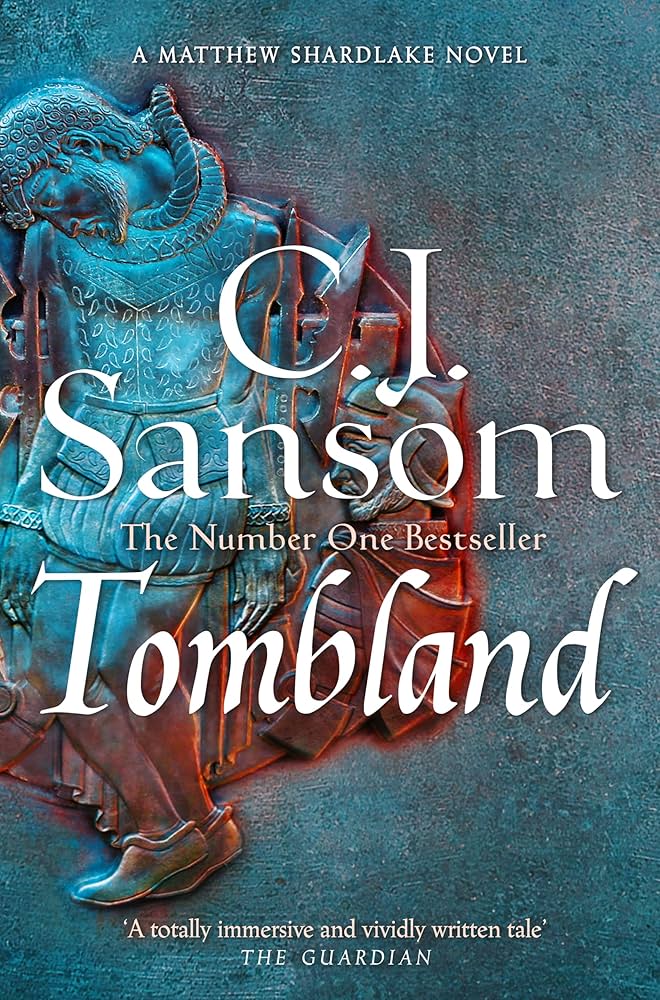
Tombland is set in 1549, during the turbulent reign of the young King Edward VI.
The novel places Matthew Shardlake amid the political instability that follows Henry VIII’s death and the widespread social unrest caused by land enclosure and harsh economic pressures imposed on rural communities.
Much of the story unfolds in Norfolk, where Shardlake becomes entangled in the events surrounding Robert Kett’s Rebellion—a major popular uprising against local injustices.
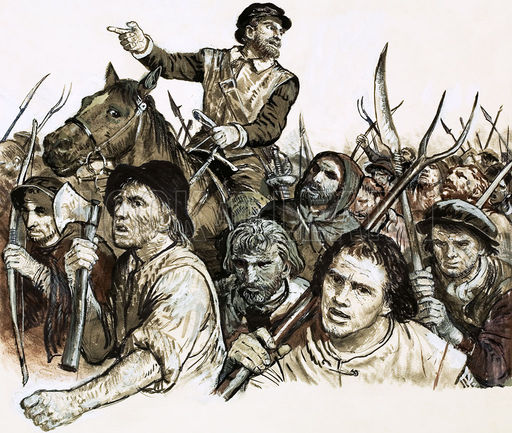
Through its depiction of the tense, rural landscapes of East Anglia at a turbulent time, Tombland immerses the reader in a kingdom on the brink of upheaval.
Using fiction, the author expertly provides an emotional insight and contextual depth to these significant events that traditional chronicling cannot match.
So much so, Tombland has prompted me to reflect not only those events of 1549, but how they align with today’s rural policies and their consequences.
The parallels are nothing less than striking.
Profits, ‘Renewables’ and the Ghost of Enclosure
ACROSS THE U.K., many small family farms find themselves under increasing economic pressure. Rising input costs, fickle commodity prices, supermarket-driven price compression (more on that later) and ever-tightening regulatory demands all contribute to a precarious business environment.
For some farmers, their own financial margins have become so thin that bankruptcy or sale of the family holding feels almost inevitable.
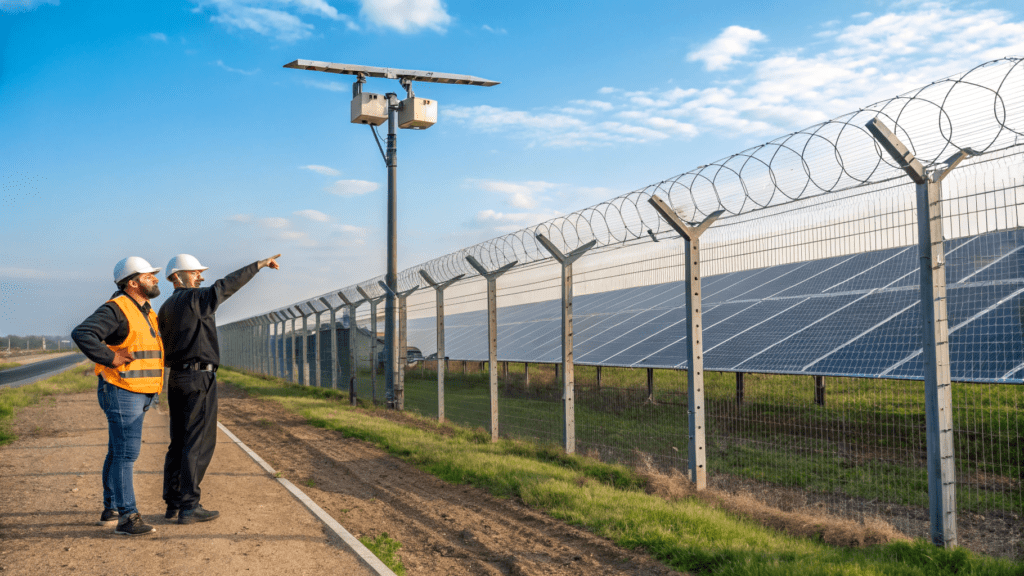
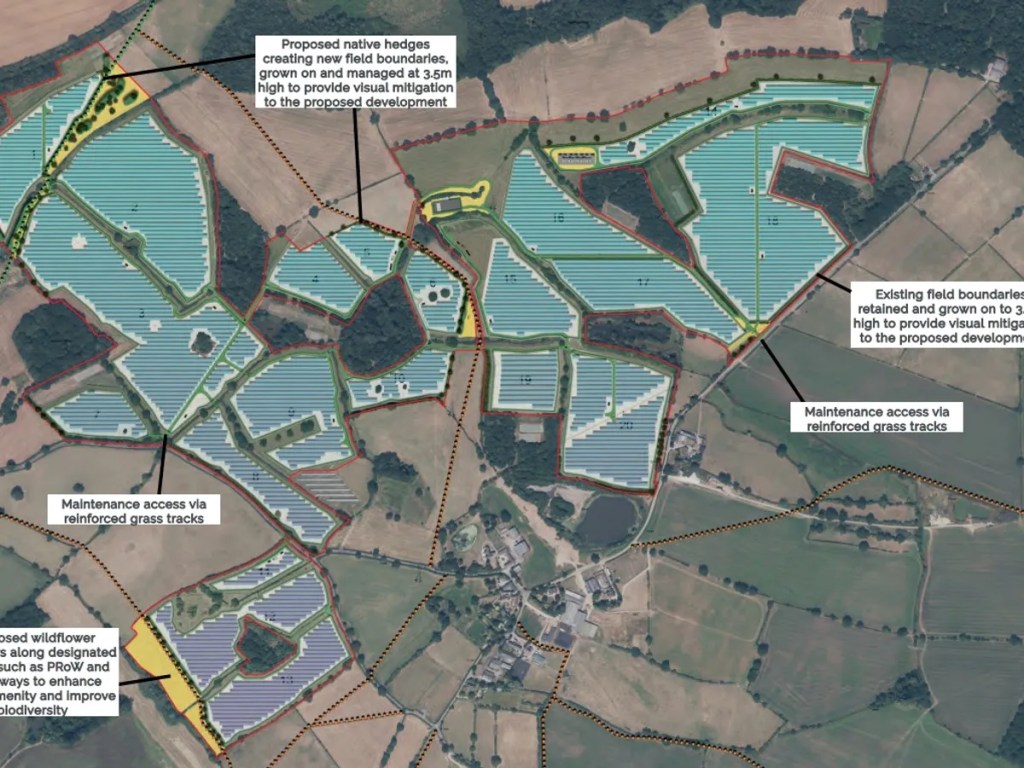
At the same time, government incentives for renewable energy, particularly solar, have led to the rapid conversion of agricultural land into solar ‘farms’ ― a misnomer if ever there was one.
Landowners with acreage to spare can earn substantially more by leasing fields to energy developers than by growing food on them.
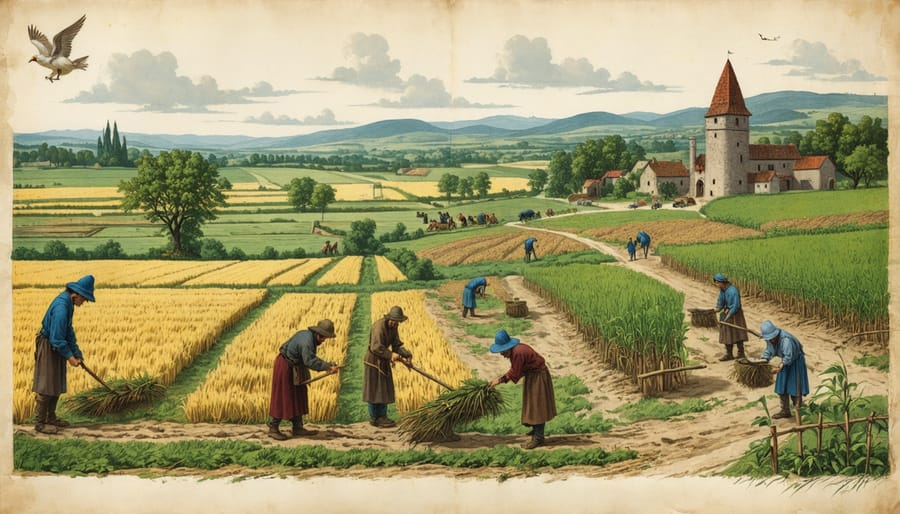
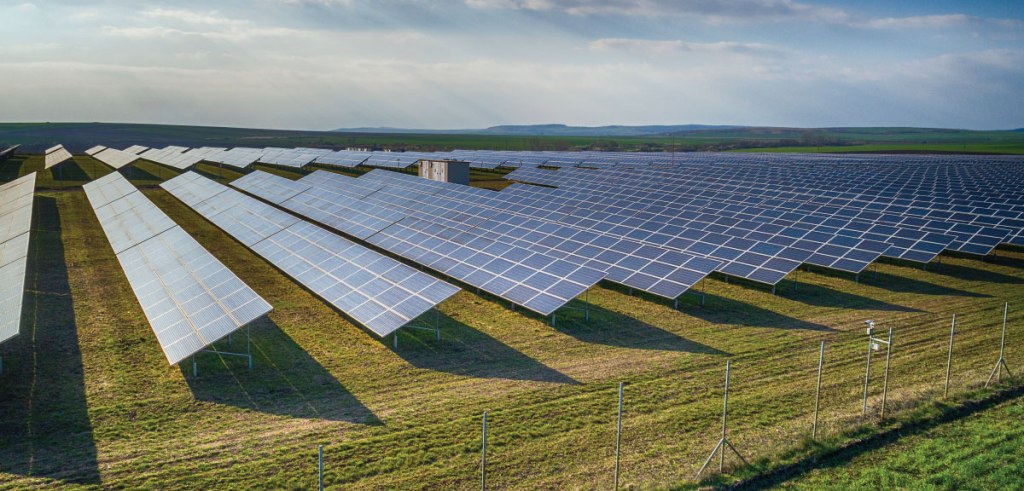
The result is a reconfiguration of rural land use, driven not by local need or community benefit but by economic forces―forces that favour the large landholder over the small (once again), and infrastructure over agriculture.
Although the context is modern, I can sense an unsettling historical echo; one which resonates from the late-medieval and early-modern enclosures.
The Enclosures
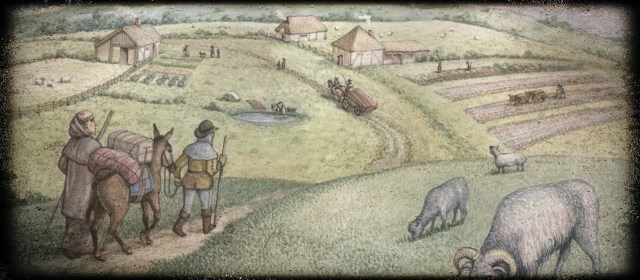
FROM ROUGHLY the 14th to the 18th centuries, England underwent a long, uneven process of ‘enclosure’—the consolidation of open fields and common lands into privately controlled, fenced, hedged, or ditched estates.
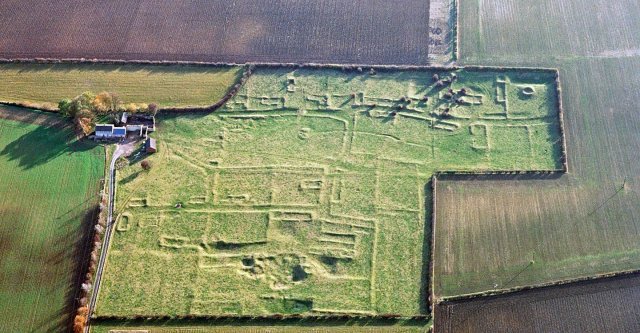
[My feature article ‘Two Thousand Feet of History‘ explains how the Acts of Enclosure impacted our rural economy and communities, and led to over 250 villages disappearing in Lincolnshire alone.]
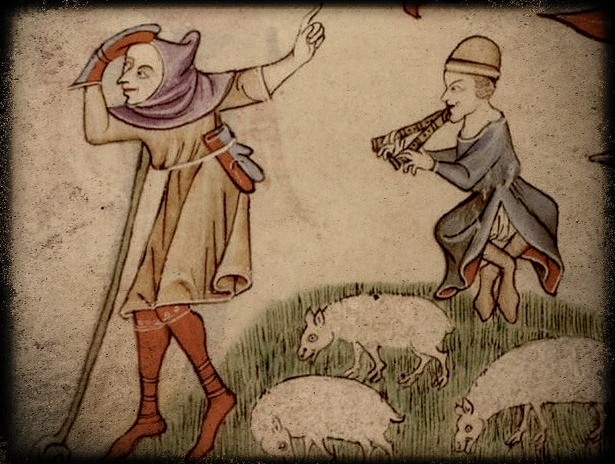
While some enclosures were legal and agreed upon, many others were imposed unlawfully and without consent, displacing those who depended on common rights for grazing, gathering fuel, or supplementing meagre incomes.
Key features of the enclosure movement included:
- Concentration of land in the hands of fewer, wealthier owners.
- Displacement of smallholders, cottagers, and landless labourers who lost access to commons.
- A shift toward more profitable land uses, especially sheep pasture or rationalised arable production.
- The transformation of rural communities, socially and economically.
An all-too familiar mantra, enclosures were justified as ‘improvements’—a claim that productivity would increase and the land would be better managed under private control.
But the reality contrasted starkly as benefits largely accrued to a minority, while many rural people lost their livelihoods and were forced into wage labour or migration.
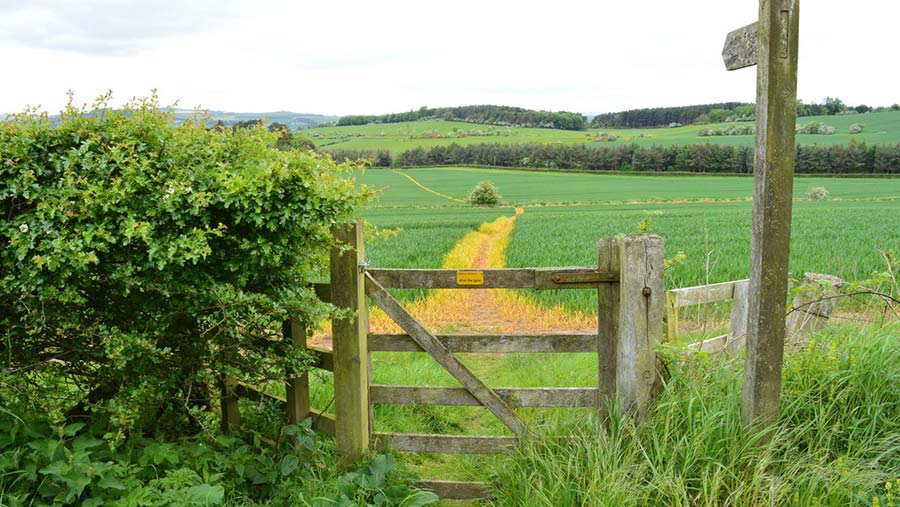
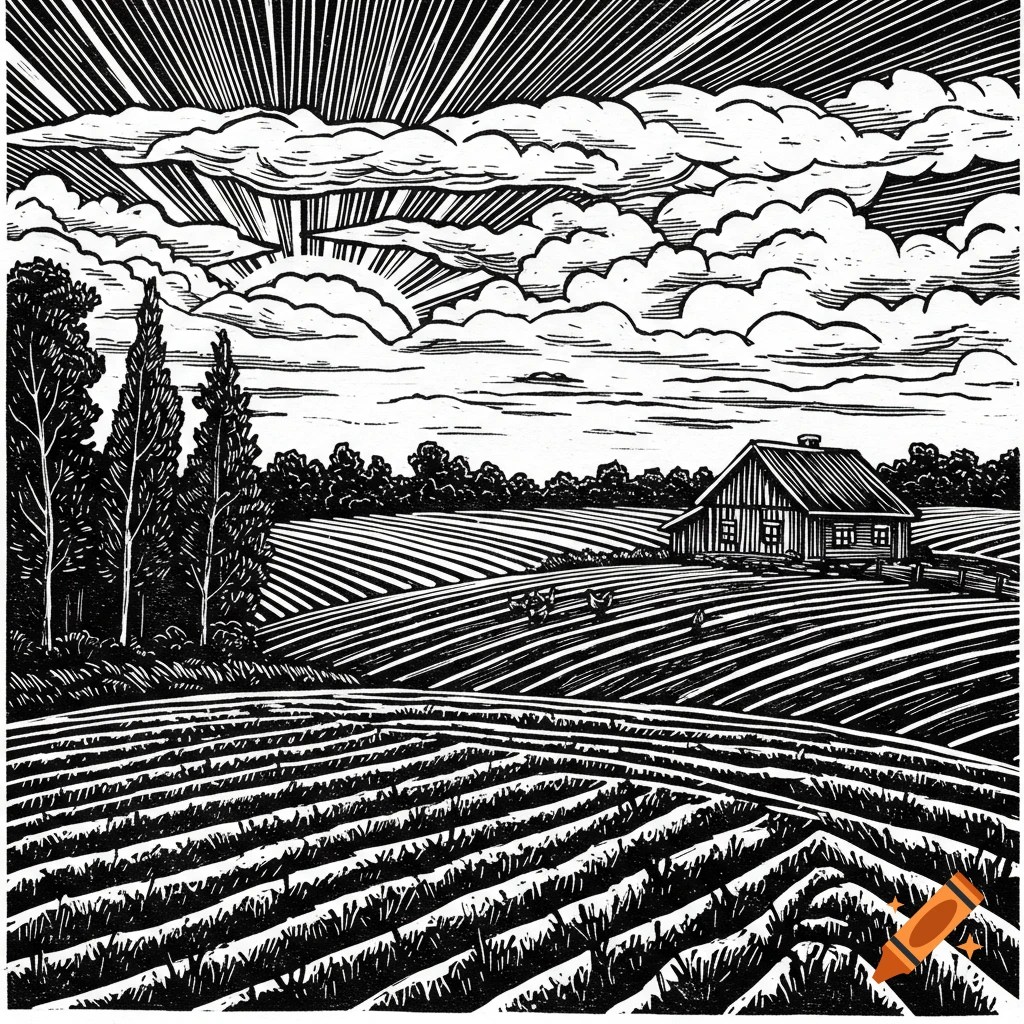
‘Inclosure, thou’rt a curse upon the land,
And tasteless was the wretch who thy existence plann’d.’John Clare – The Village Minstrel
Modern Parallels: Unequal Ground
WHILE TODAY’S circumstances differ—no one is throwing down fences in the night, and common rights play a minimal role in modern agriculture—the structural parallels are remarkable.
1. Economic Restructuring that Favours the Strongest
Just as enclosure favoured landowners rich enough to profit from new agricultural ‘improvements,’ the modern rural economy disproportionately rewards those with scale.
Large estates can diversify income, invest in technology, leverage subsidies, and convert land to non-agricultural uses such as solar energy or leisure developments.
Small farms, however, with fewer buffers against volatility, are often the ones forced out.
2. Changing Land Use Driven by Profit, Not Community Need
Where medieval landlords shifted arable fields to profitable sheep pasture, today’s landowners are shifting farmland to solar arrays. However you may view the purported necessity for ‘renewables,’ the pattern echoes enclosure: profitable use displacing traditional agricultural livelihoods, with limited participation from those most affected.
‘Inclosures make fat beasts and lean poor people’
Gilbert Slater (The English Peasantry and the Enclosure of Common Fields)
3. Loss of Local Control
Common rights once provided security for the rural poor. Their erosion left people dependent on decisions made by distant landowners or speculators. Today, small farming communities may feel similarly marginalised as land is repurposed for national energy targets or investment portfolios, often with little meaningful local influence.
4. Rural Depopulation and Cultural Change
Enclosure contributed to the long-term depopulation of rural England. Modern pressures on small farms—and the conversion of farmland to non-farming uses—may likewise accelerate changes in rural identity, local food production, and the viability of farming as a multigenerational way of life.
Key Differences: Why the Comparison Isn’t Exact
THE ANOLOGY is powerful, but there are differences:
- Legal frameworks today are more transparent, and most land conversion follows formal planning processes.
- There is no direct equivalent to medieval common rights, which makes the modern losses economic and cultural rather than explicitly legal.
Yet the psychological and social resonance remains. Rural communities once again feel decisions about land—and their future—are being made elsewhere, by those who stand to benefit most.
History’s Long Shadow
THE ENCLOSURE movement reshaped England for centuries, altering landscapes, economies, and social structures. Today’s pressures on small farms and the redirection of farmland toward solar energy are not a simple repetition of that earlier upheaval—but they are part of a familiar historical pattern:
When land becomes valuable for a new purpose, those with the weakest claims are often the first to lose out.
‘The law locks up the man or woman
Who steals the goose from off the common;
But leaves the greater villain loose
Who steals the common from the goose.Anonymous Folk Poem
A Footnote
THERE IS, of course, another source of financial pressure imposed on our farmers. It is one I alluded to earlier, and one which our medieval forebears could never have imagined — supermarkets.
As supermarkets consolidate their buying power and drive down prices across the supply chain, farmers are compelled to invest heavily just to stay eligible as suppliers. Not all can. For those that do, these costs are rarely matched by the prices supermarkets are willing to pay.
The result is a widening imbalance in which farmers shoulder increasing risk while supermarkets capture most of the profit—thereby threatening the survival of independent agriculture and the rural communities that depend on it.
Moreover, in a move to further augment profit margins, supermarkets are increasingly replacing ‘home-grown’ products with those from overseas, thereby mirroring the far reaching policies and their potentially irreversible consequences of the past.
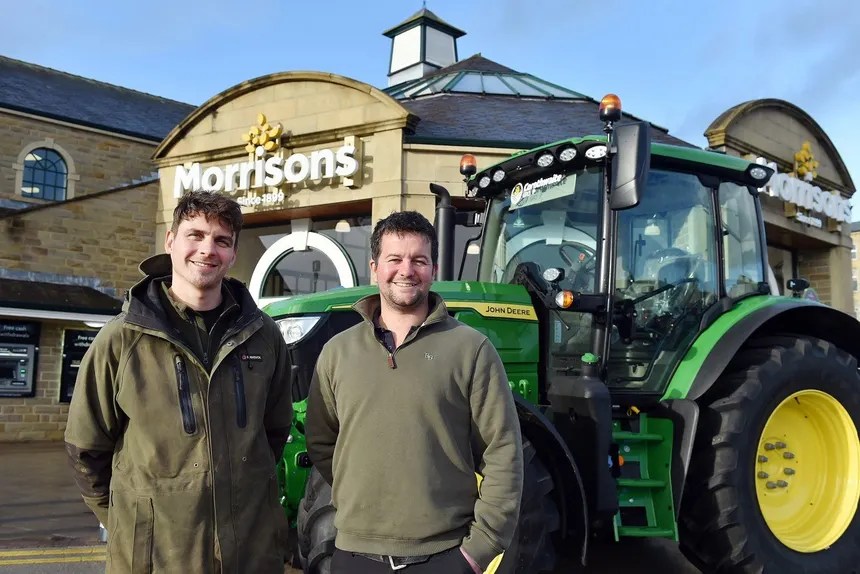
For example, UK supermarket giant, Morrisons’, publicly champions British farmers.
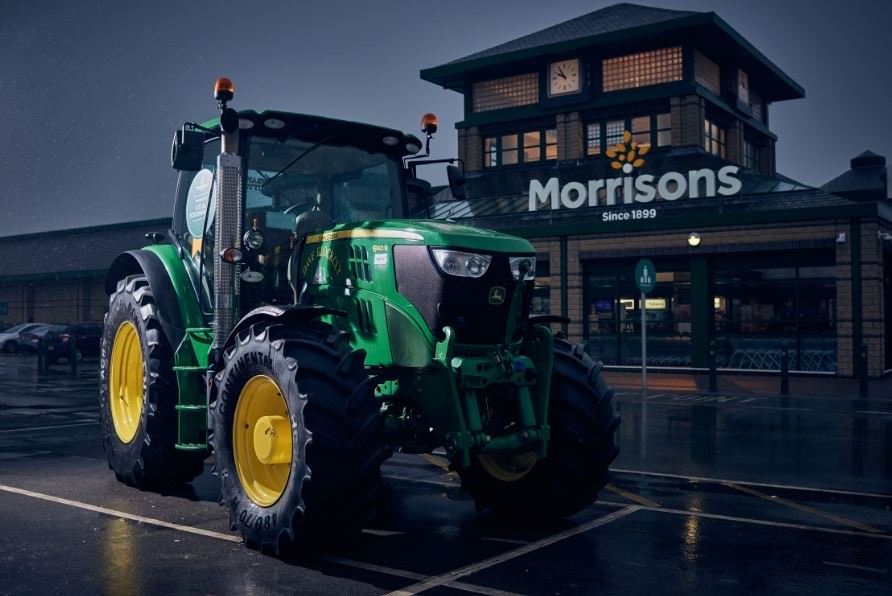
Their assertions, however, sit uneasily beside the company’s growing reliance on imported Australian beef, much of it produced on enormous, government-backed feed-lots. These monstrous, ethically-questionable operations differ sharply from the smaller, more regulated farm operations which appear in Morrisons’ advertising output.
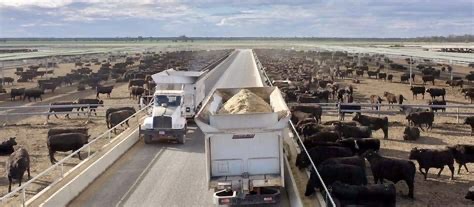
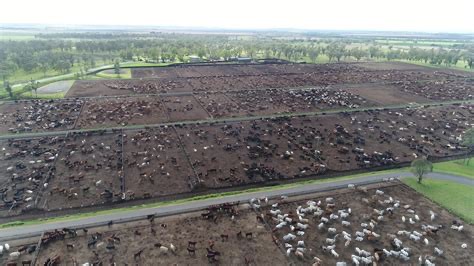
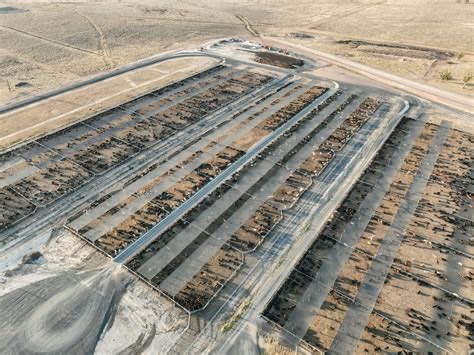
Australian feedlots, in which animals are confined, exposed to the elements and subjected to unnatural grain diets solely for rapid fattening. Deprived of pasture and the opportunity to carry out natural behaviours, disease outbreaks are common, resulting in significant mortality rates.
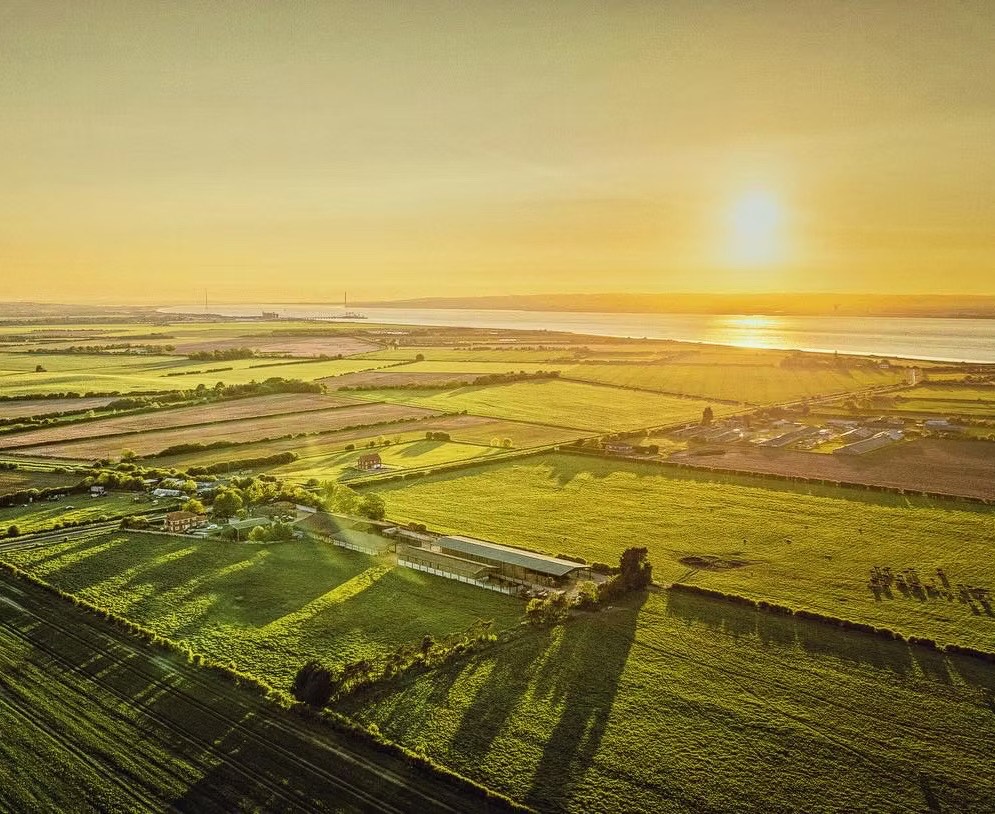
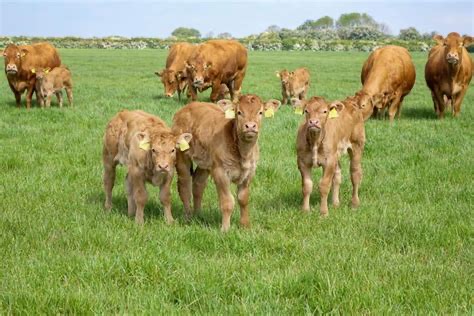
If supermarkets such as Morrisons are genuinely committed to sustaining the U.K.’s agricultural sector, it is reasonable to ask why it elects to source beef from halfway around the world rather than from the very producers it praises in its marketing. Producers such as North Lincolnshire’s award-winning East Marsh Farm, where cattle are traditionally reared and grazed utilising sustainable farming practices — the very operation that Morrisons profess to support.
At the very least, this raises questions about the consistency of Morrison’s messaging, and whether its pledges to back British farming extend beyond empty, promotional posturing.
Echoes From the Past
IN THE END, the pressures bearing down on today’s farmers echo those that reshaped the countryside during the great waves of enclosure: powerful forces consolidating land, narrowing margins, and eroding the independence of those who work the soil.
Then, as now, livelihoods were unsettled not by any lack of skill or commitment, but by systems designed with little thought for the people at their mercy.
Recognising these parallels is more than a historical exercise—it’s a reminder that the fate of our rural communities depends on choices we make now about fairness, sustainability, and who we choose to support.
 RAVEN MOON