
I AM A 50s child. My formative years were the 1960s and 70s ― for which I am extremely grateful. Now, at sixty-seven years of age I think I’ve earned the right to reminisce a little. Indeed, with more life behind me than ahead, my personal narrative becomes ever clearer; memories more precious.
Memories become a kind of internal heirloom, and revisiting them can feel like valuable mental housekeeping. Besides, nostalgia isn’t escapism—it’s stabilising.
It can:
- Boost mood
- Reduce feelings of loneliness
- Increase sense of meaning
- Strengthen social connectedness
- Promote optimism about the future
And so, as challenges accumulate later in life—with health concerns, losses, transitions—nostalgia acts as a gentle emotional buffer.
All that said, I invite you to travel back with me to January, 1971.


The Magazine that Defined a Generation
IN JANUARY 1971, a new kind of children’s weekly magazine appeared on UK news-stands: Look-In, proudly subtitled The Junior TV Times.
From issue #1 it set out to capture the imaginations of children and early teens by combining the three biggest draws of the decade — television, pop music and comics — into one glossy, must-have weekly read.
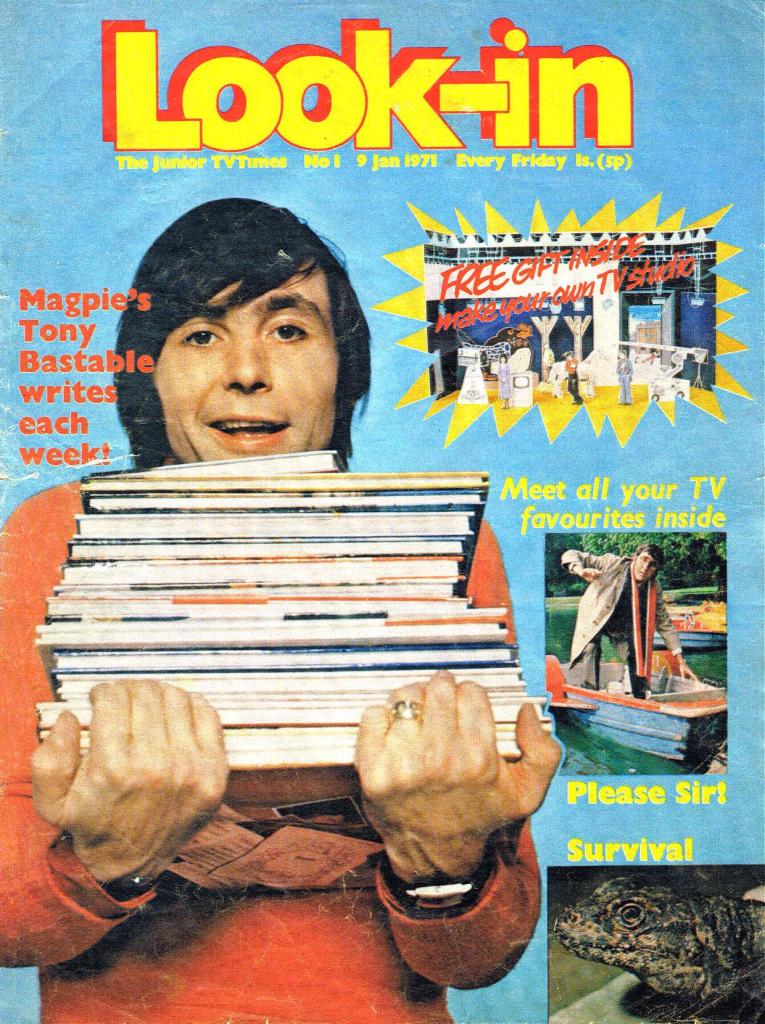
Look-In was more than a magazine; it was a snapshot of 1970s childhood. Each issue mixed TV listings and interviews with pop stars, sports personalities and actors.
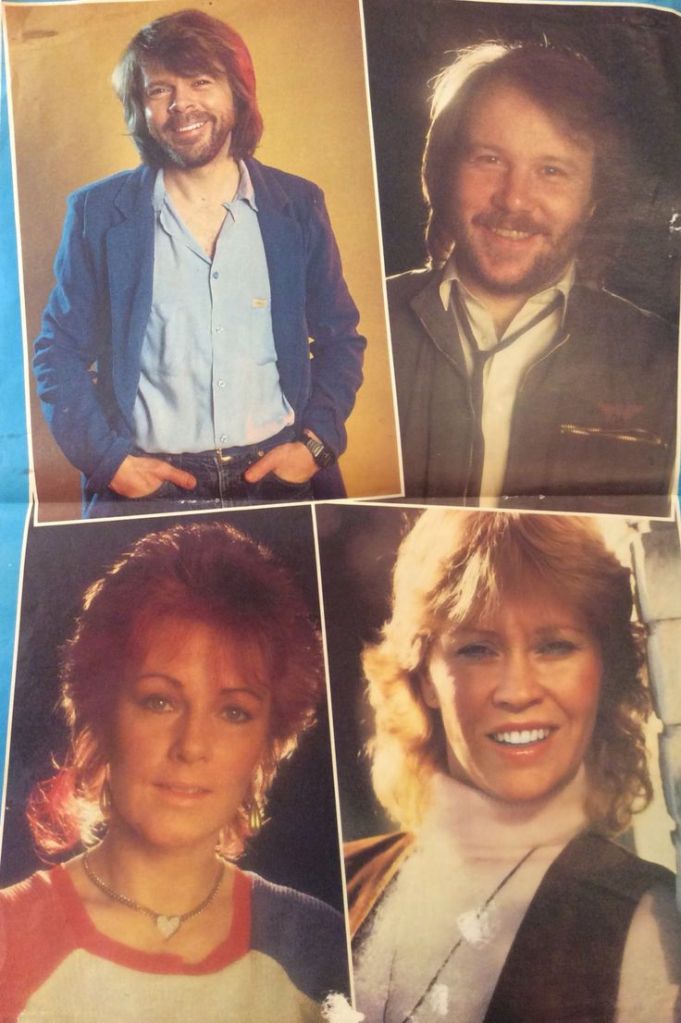
The pull-out posters — often of the Bay City Rollers, ABBA or a favourite TV hero — were essential bedroom decor for young readers.
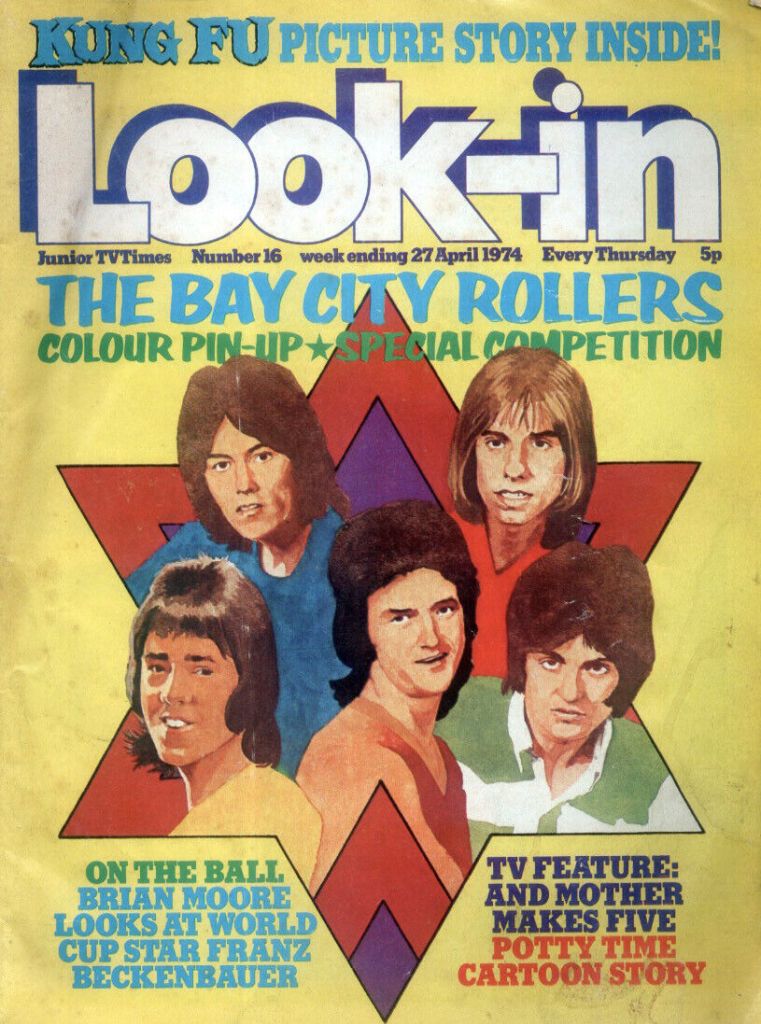
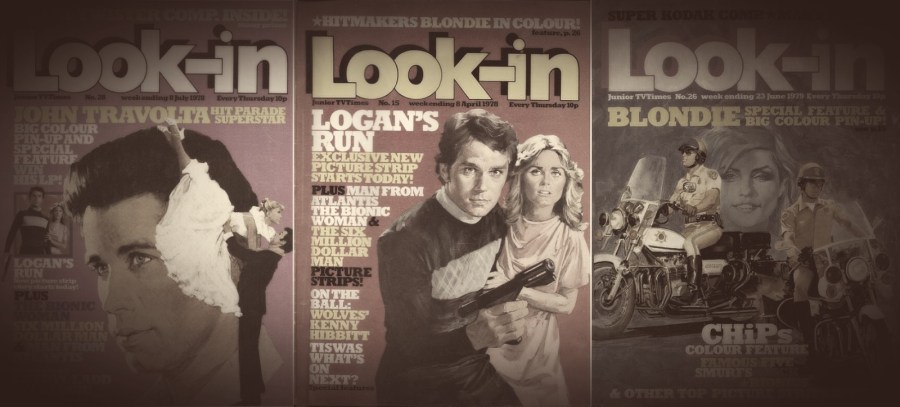
A defining feature was its high-quality comic strips based on popular television shows. Children could follow adventures from The Six Million Dollar Man, Space: 1999, The Tomorrow People, Worzel Gummidge or The Adventures of Black Beauty in vivid illustrated serials.
These were often drawn by top British artists such as Arthur Ranson, giving Look-In a distinctive comic-book quality.
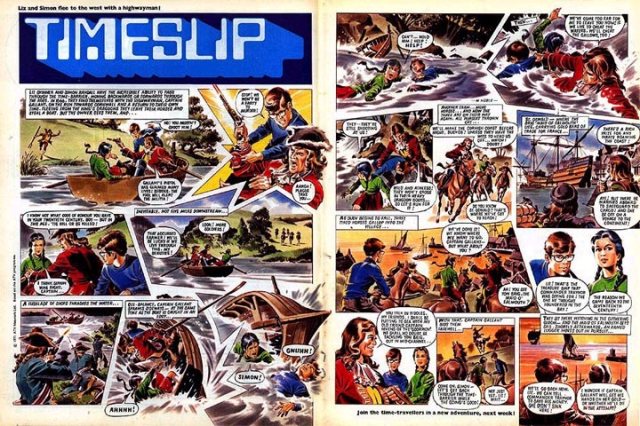
From around issue 40, painted covers by artist Arnaldo Putzu brought the stars of the day to life in striking colour. Each week, Look-In became a portal to a shared world of TV, music and schoolyard conversation — a genuine cultural touchstone.
As one reader put it:
‘Back then, you have to remember, there wasn’t an Internet — everything you knew about TV shows and films came from whatever was on the news, and Look-In changed all that.’
Television and Youth Culture in Sync
THE SUCCESS of Look-In was deeply tied to the TV culture of the time. Britain in the 1970s was a two-channel world: ITV and BBC.
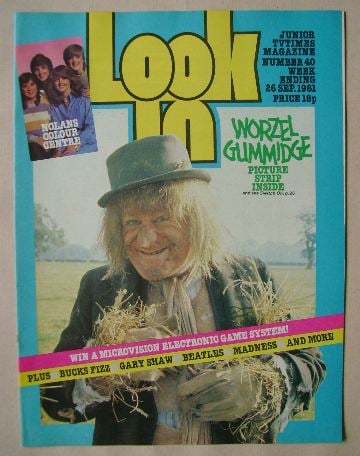
For children, Look-In was the unofficial extension of ITV’s output, offering a way to stay connected to their favourite shows between broadcasts.
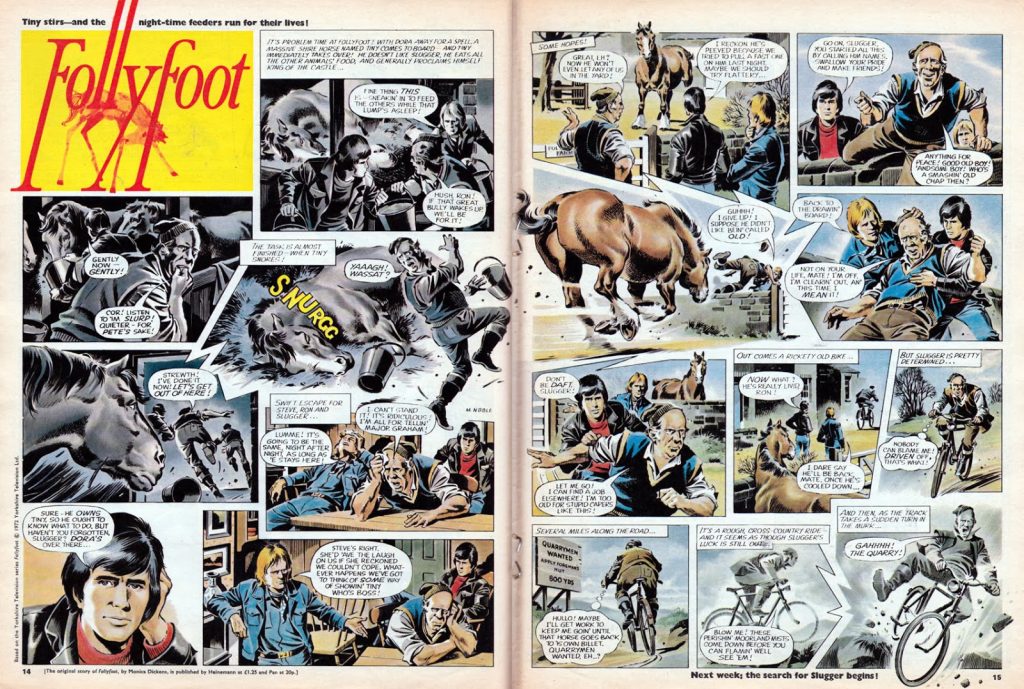
Weekly features and picture strips recreated hits such as The Six Million Dollar Man, Charlie’s Angels, Follyfoot and The Tomorrow People. Through these, kids could re-live stories, collect imagery, and feel part of something bigger — a shared national culture centred on television.
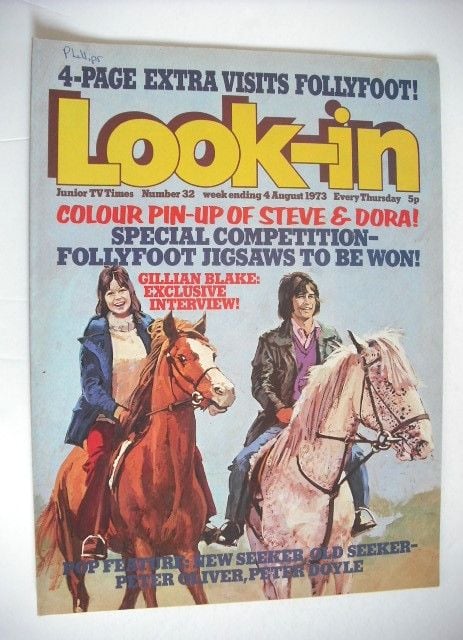
(Left) ‘Follyfoot’ – just one of Look-In’s popular cartoon strip/TV tie-ins.
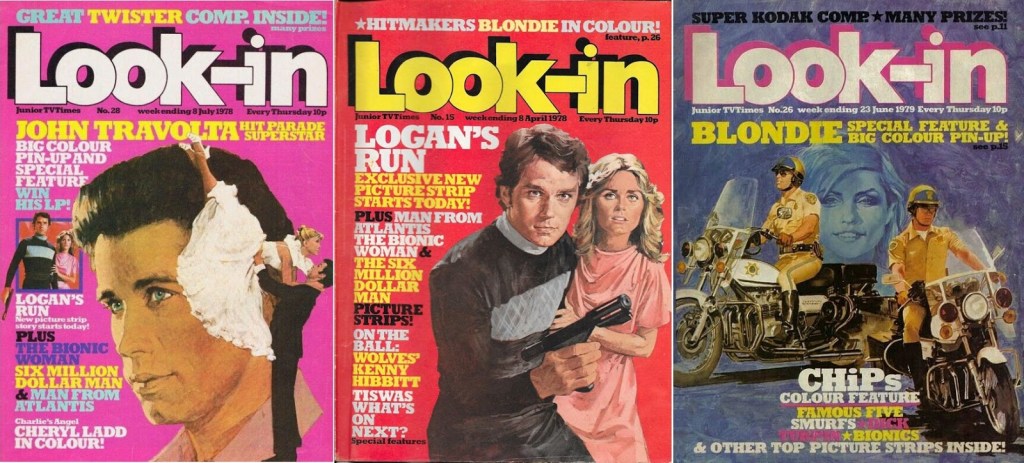
The magazine also reflected wider youth interests, all featured alongside the TV content. In a time before on-demand media, the act of walking to the newsagent for the new issue was an event in itself.
A Different World: Childhood Before the Digital Age
TO UNDERSTAND why Look-In mattered, you have to picture the world it belonged to. Homes had one TV, often black and white. There were no home computers, no mobile phones, no social media. Pop culture lived in the pages of magazines, in record sleeves, on TV, and in playground chatter.
For many, Look-In filled a gap — a colourful weekly digest of the pop-cultural universe. It was tactile, shareable, and re-readable. Kids would cut out the posters, trade them, or tape them to their walls.
(Right) ‘Follyfoot’s’ Dora – actress Gillian Blake – my own bedroom pin-up!

The slower pace of information made every issue feel valuable; a bridge between the screen and real life.
Several factors made Look-In a phenomenon:
- Relevance: It covered exactly what its audience loved — TV, pop, and sport.
- Visual appeal: High-quality art, posters and photography gave it prestige.
- Extension of TV: Comic strips extended the magic of television shows into the printed world.
- Collectability: Every issue offered something to keep or share.
- Communal experience: Everyone at school read it; it was part of growing up.
Why It Wouldn’t Work Today
THOUGH FONDLY remembered, Look-In would struggle to connect with modern young readers. The reasons are clear:
- Today’s children live in a digital, on-demand world where YouTube, TikTok and streaming offer instant access to stars and stories.
- The weekly print format can’t compete with the immediacy and interactivity of online media.
- Attention spans and sharing habits have changed; posters on a wall have become digital likes and shares.
- Most of all, the sense of shared cultural moment that Look-In thrived on has been fragmented by personal screens and algorithms.
Conclusion
IN THE 1970s the magazine Look-In captured the soul-scape of youth media: the weekly rhythm of TV schedules, the excitement of rising pop-stars, the tactile pleasure of cut-outs and comic strips, and the interests of children’s leisure outside school.
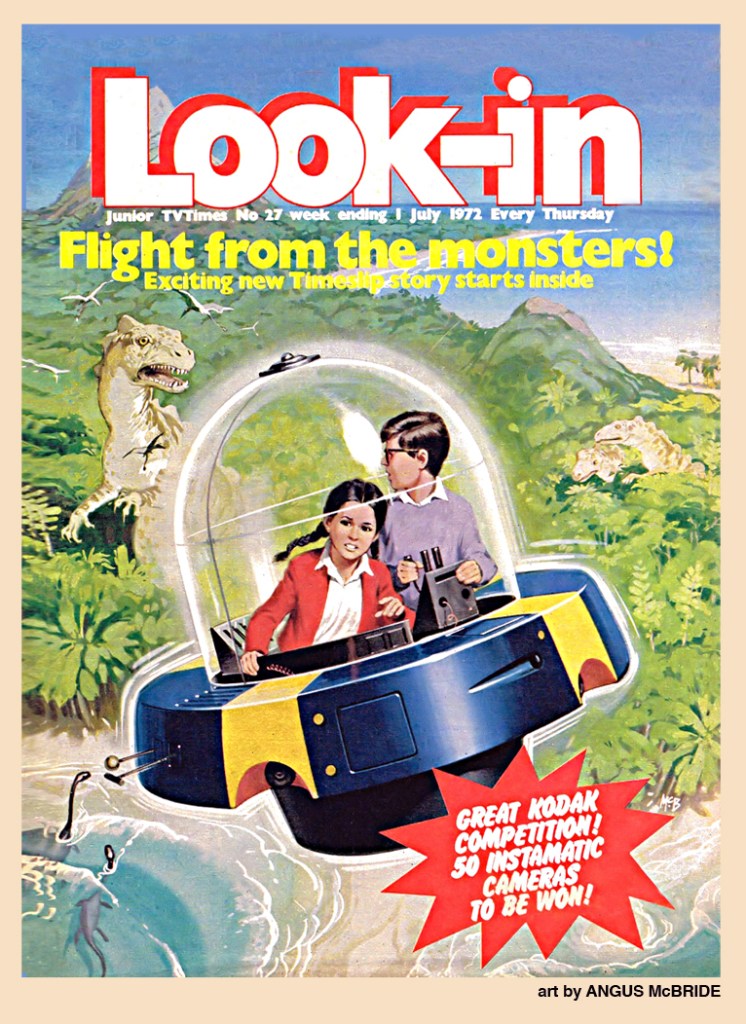
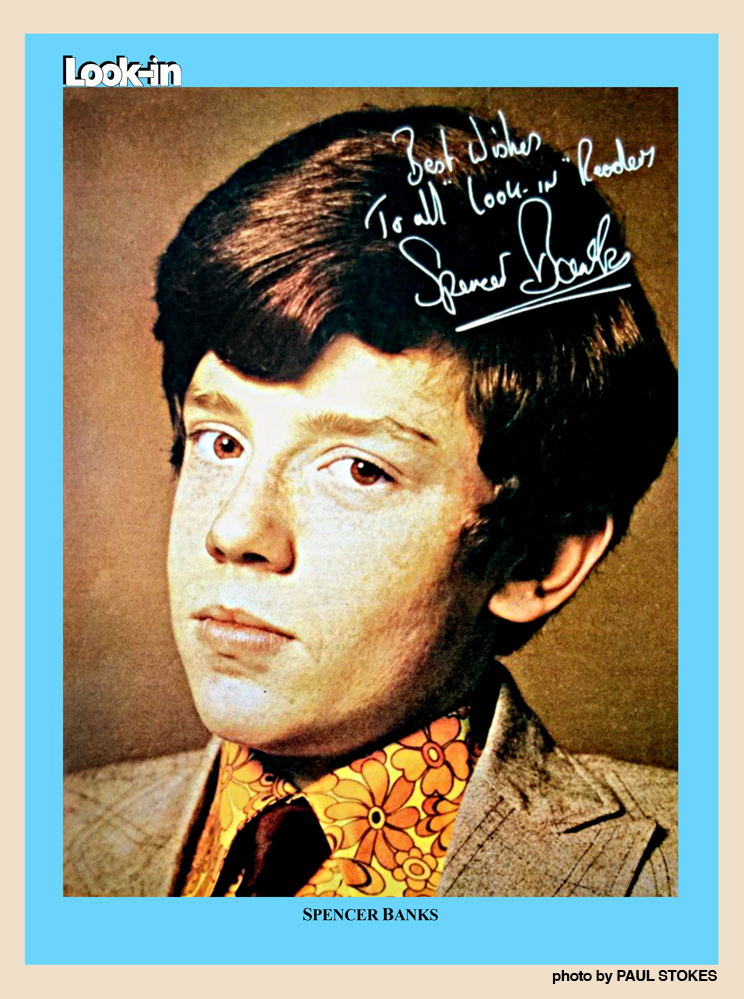
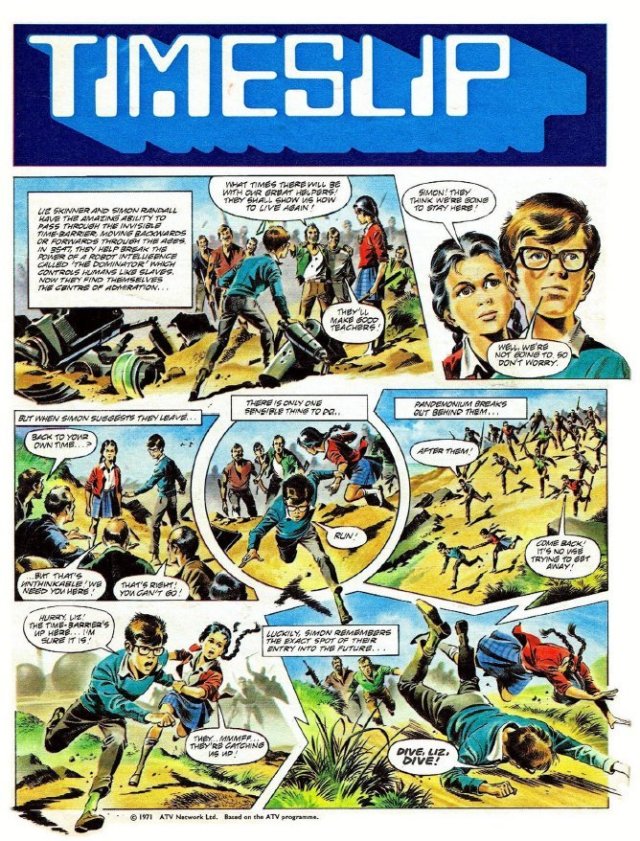
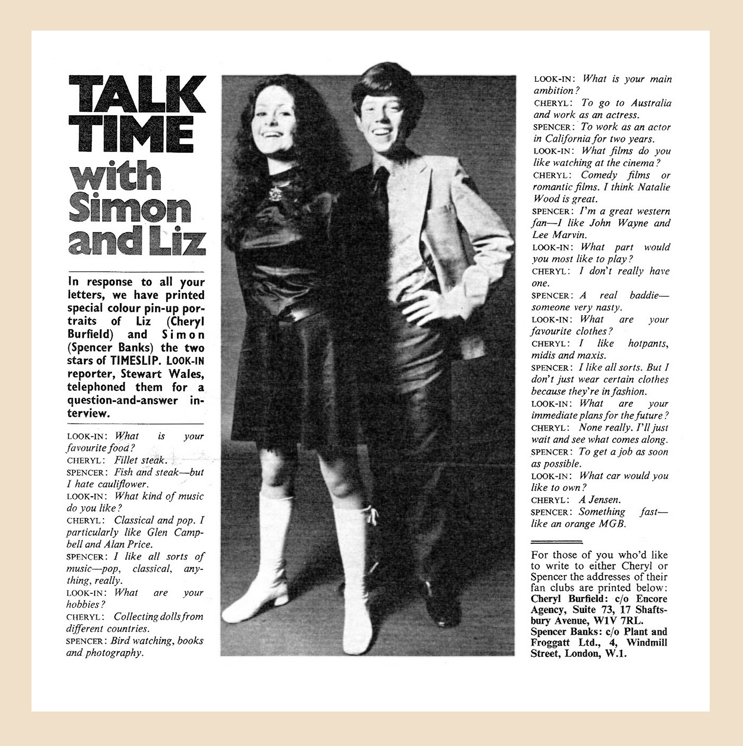
The magazine served as a weekly cultural yardstick for a generation: a magazine that told you what was on TV, gave you the poster of the moment, and extended the show you loved into print.
Its success lay in its perfect fit with the times: a time when television dominated the home and print media commanded attention; a time when digital devices were yet to monopolise children’s leisure.
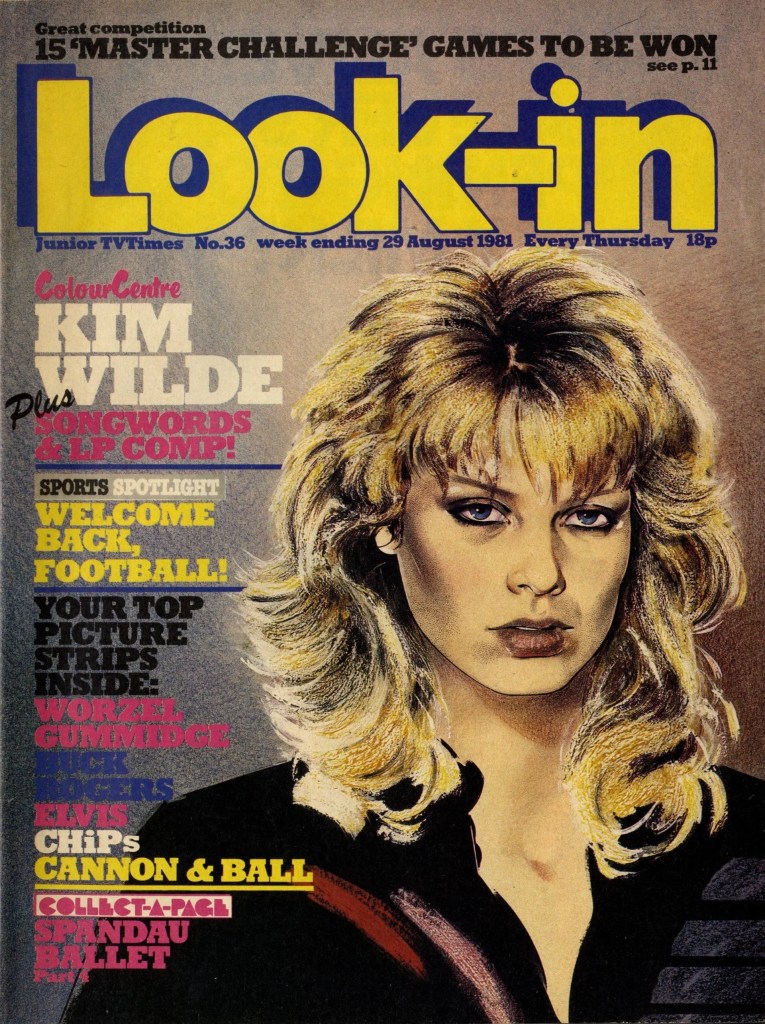
Unfortunately, the very environment that nurtured its success is almost entirely gone. Today’s young readers live in a world of streaming, constant connectivity, interactive media and personal devices — the weekly print magazine as it once existed fails to match that.
If Look-In were launched for today’s children, it would need to be re-imagined: digital, interactive, global, always on.
In other words: Look-In was of its time, and that is why it remains so fondly remembered. It hit the sweet-spot of culture, media and childhood in the 1970s — a sweet-spot that simply no longer exists. And that’s a shame.
 RAVEN MOON