

I PLACED MY first order with Book Club Associates sometime in 1977. The now defunct mail-order book company ran six specialist clubs at the time, and I’d elected to join their Mystery & Thriller Club.
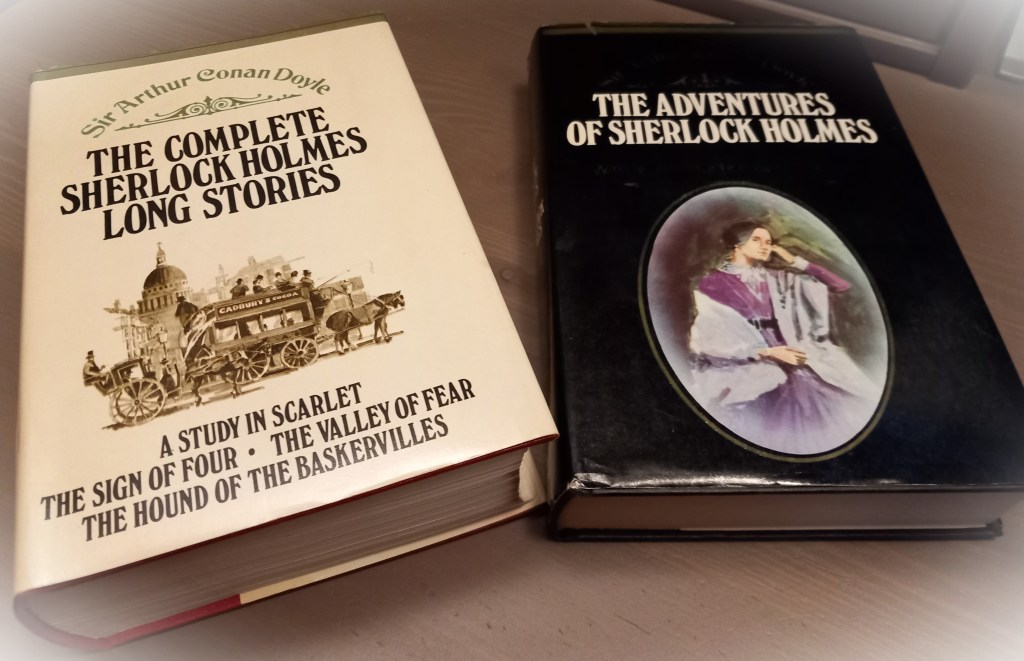
Of the six books that eventually arrived, two remain on my shelf today. Their dust-covers are now sun bleached, with well-thumbed pages, wonderfully yellowed with age. Like parchment.
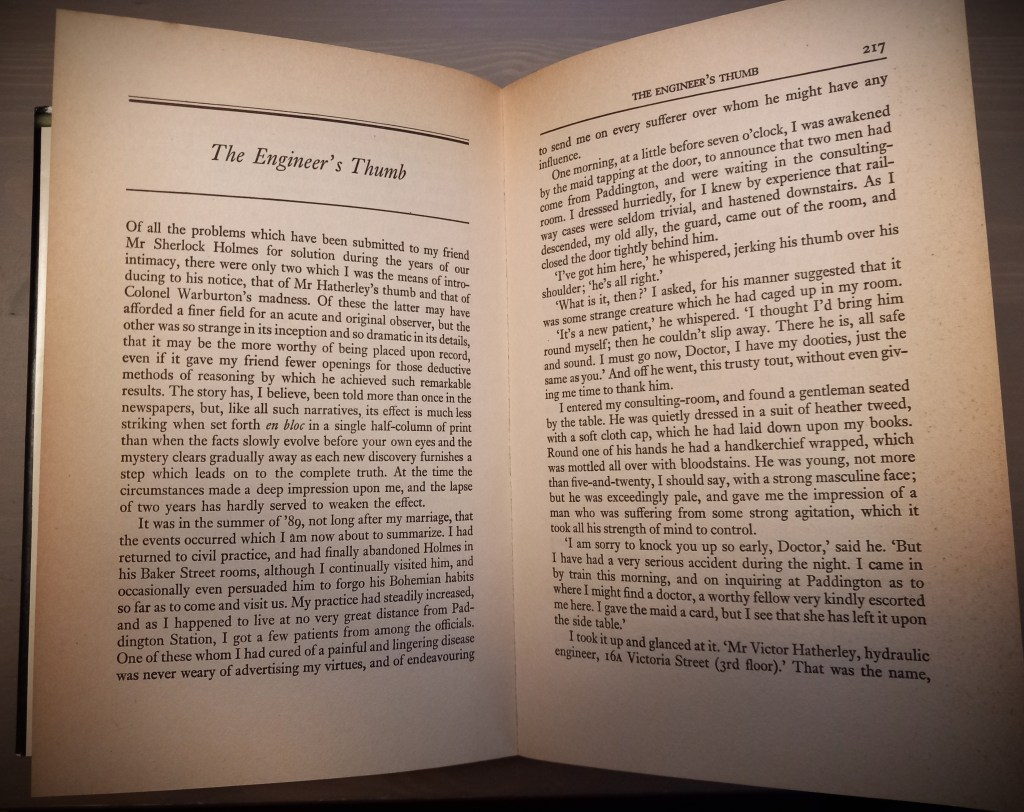
‘… well-thumbed pages, wonderfully yellowed …’
One book has an introduction by thriller writer Eric Ambler, which begins:
‘I first read the early Sherlock Holmes stories over fifty years ago. They still give me pleasure. I can say that of few other books read at the time.’
Now, almost fifty years after my own introduction, this is a sentiment I share, and here I’ll explain why.
SOME FICTIONAL worlds feel like passing fancies. Others become destinations we return to again and again, for no reason other than something within them calls to us.
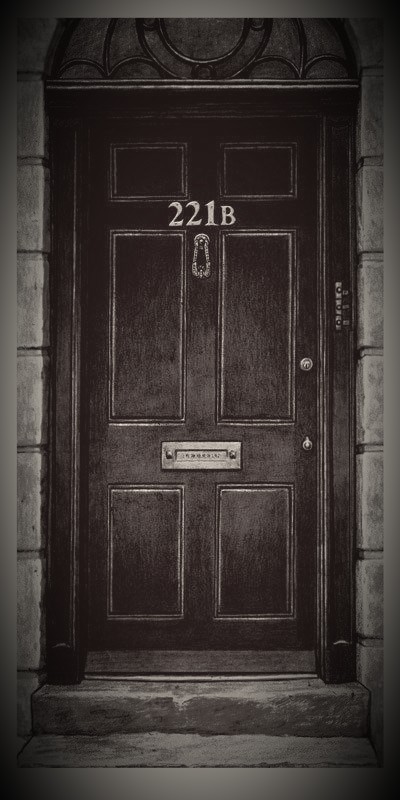
For me, one such place has always been London’s Baker Street, and the welcome waiting behind the fogged first floor windows of 221B.
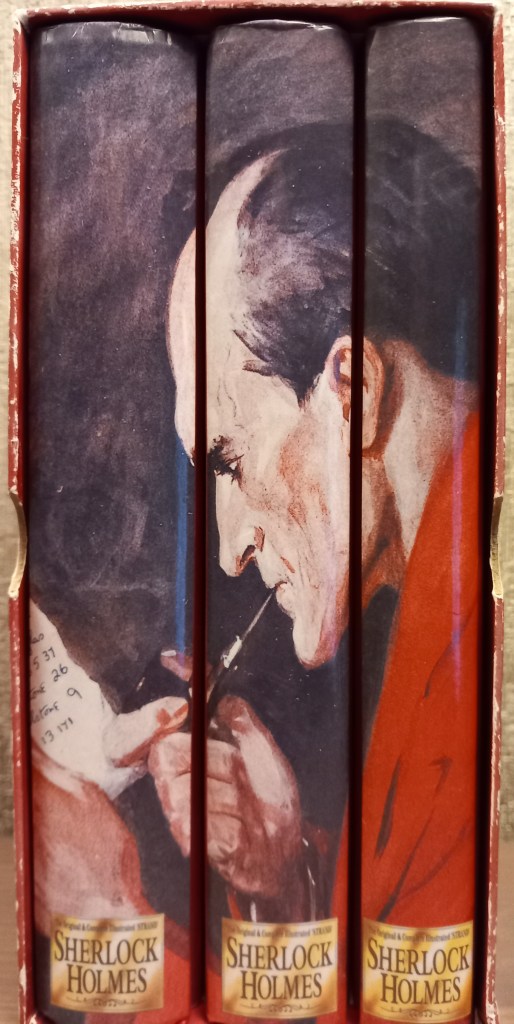
Sherlock Holmes, the creation of Sir Arthur Conan Doyle, has never been merely a literary character, he has become a cultural benchmark; a myth in chequered house coat.
But what, precisely, is the chemistry that makes these stories so compelling and utterly timeless?
Holmes’s appeal is not simply a matter of brilliant plotting or atmospheric charm — though both exist in spades. The true magic lies in the marriage of intellect, razor-keen logic and deeply human mystery.
It is a world built on deduction, yes, but also on friendship, courage, and the ambiguities and contradictions of men.
‘Today the things that impress me most about these stories are the natural skills with which they are told and the quite subtle ways in which even the more fanciful plots are made believable.’
Eric Ambler
SHERLOCK HOLMES is astonishing because he is not merely clever — he redefines cleverness. Today he may be labelled as neurodivergent, having abnormal and obsessive focus on a specific range of interests and subjects. This, however, is his power. He navigates his world through minute observation, forensic reasoning and cool, clinical thought.
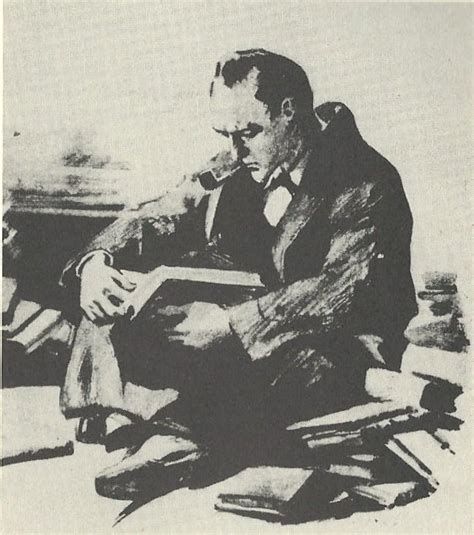
His brilliance may at times dazzle, but it’s his imperfections that make him unforgettable. He is aloof, often chilly and detached, and his restless energy and occasional fits of melancholy remind us that even the most extraordinary minds remain shackled to human weaknesses.
He is a hero, yes, but one with jagged edges and unassailable shadows. And it is that contrast that makes him compelling across generations.
OF COURSE, Holmes may be the genius, but Dr John Watson is the dependable partner who keeps things grounded. He is loyal, thoughtful, courageous and humane. As chronicler, it is through his eyes that we witness the marvel of Holmes’s mind whilst remaining anchored in reality.

Watson doesn’t idolise Holmes blindly; he admires him honestly, critiques him diplomatically, and believes in him completely.
In Watson we recognise ourselves — searching, questioning, and sometimes marvelling.
Their partnership remains one of literature’s finest: it is reserved, understated, and yet woven with deep loyalty and affection.
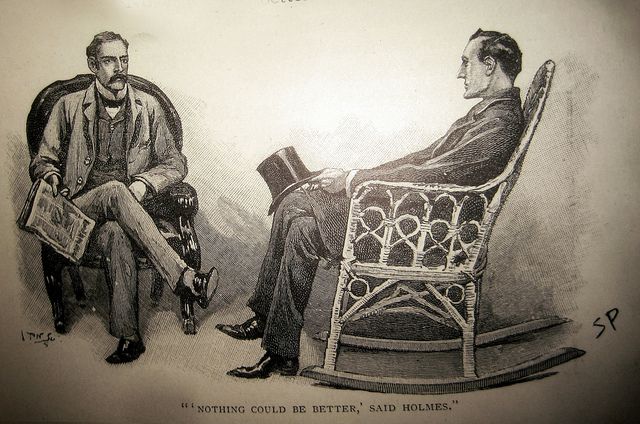
FEW READING pleasures rival a Holmes mystery. Each feels like a game played in candlelight — a test of wits where the clues are laid before us, daring us to see as Holmes sees.
We try, we strain, and when the solution comes with crystalline clarity, we are delighted to discover that Holmes’ cold logic can feel like magic.
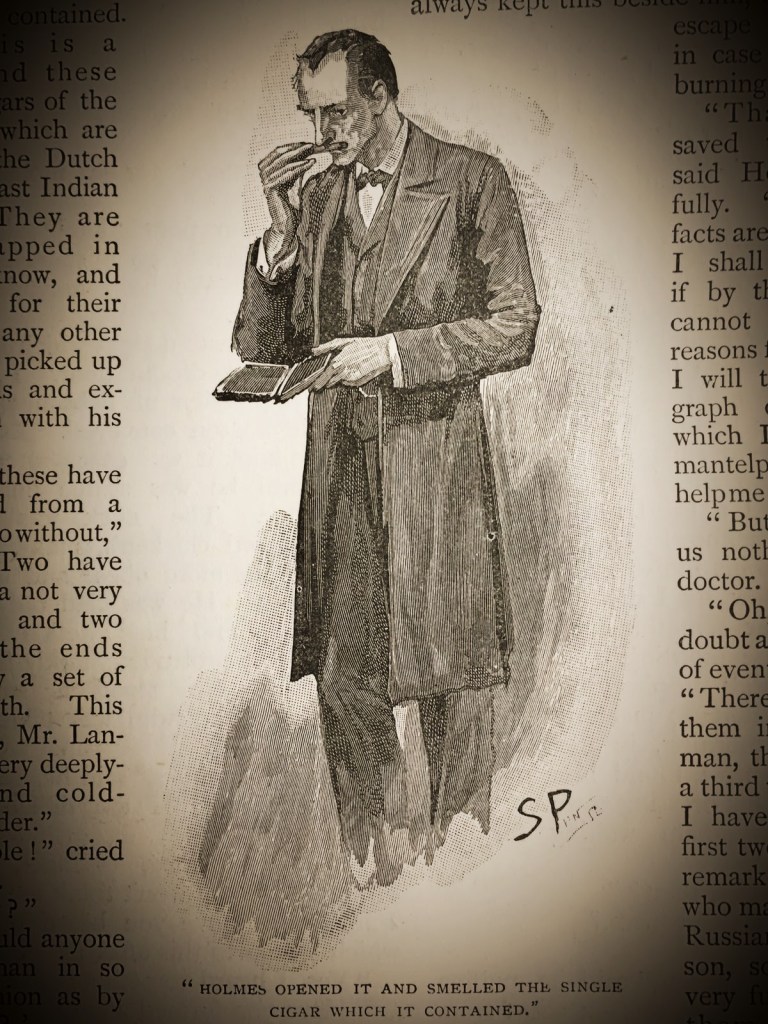
That phrase — ‘the game is afoot‘ — encapsulates the thrill. To read Holmes is not merely to consume a story, it is to participate in one.
Part of the enchantment lies in the setting. Doyle’s London is a city of contrasts — gaslit splendour and shadowed alleys, hansom cabs rattling across cobbles, swirling mist and whispered dangers.
It is a place where mystery is engrained in soot-blackened brickwork, where the unknown waits just beyond the lambent streetlamps.
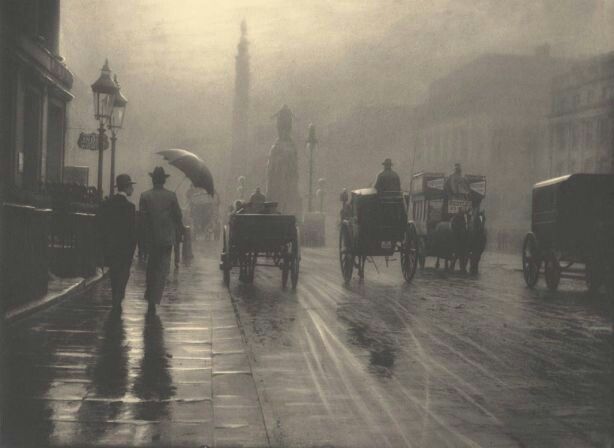
London is not merely backdrop but a character; murky, moody and occasionally menacing.
BEFORE HOLMES arrived on the scene, solving crime was often portrayed as intuition or luck. Through the author’s pen, Holmes turned detection into a discipline.
Chemistry, footprint analysis, cigar-ash identification — Doyle’s fictional detective anticipated real forensic science by decades.
His method—even now—feels fresh. In an age of misinformation and emotional noise, Holmes stands as a beacon of clarity:
Observe, deduce, reason, prove.
Is it any wonder then that now, in a cloudy climate of deception, distortion and downright lies, we find comfort in him.
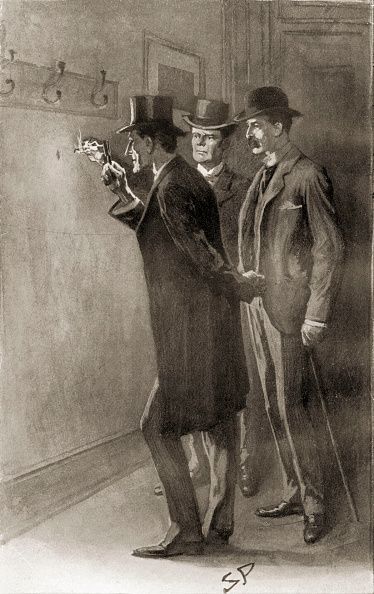
Beneath the puzzles lie deeply human stories. Motives driven by love, greed, fear, shame, desperation. Doyle knew that crime is not merely a disruption of order but a glimpse into the tortured hearts and minds of troubled souls.
And sometimes justice in these tales is merciful, not always legalistic. Holmes is a champion of truth, not simply punishment. In this, he feels profoundly modern — recognising that life is rarely black and white.
FROM THE violin to the pipe, the deerstalker hat to the address that became more celebrated than many actual places, Holmes is woven into our cultural fabric. Moriarty — the criminal mastermind — only heightens the legend: every hero deserves a worthy adversary.
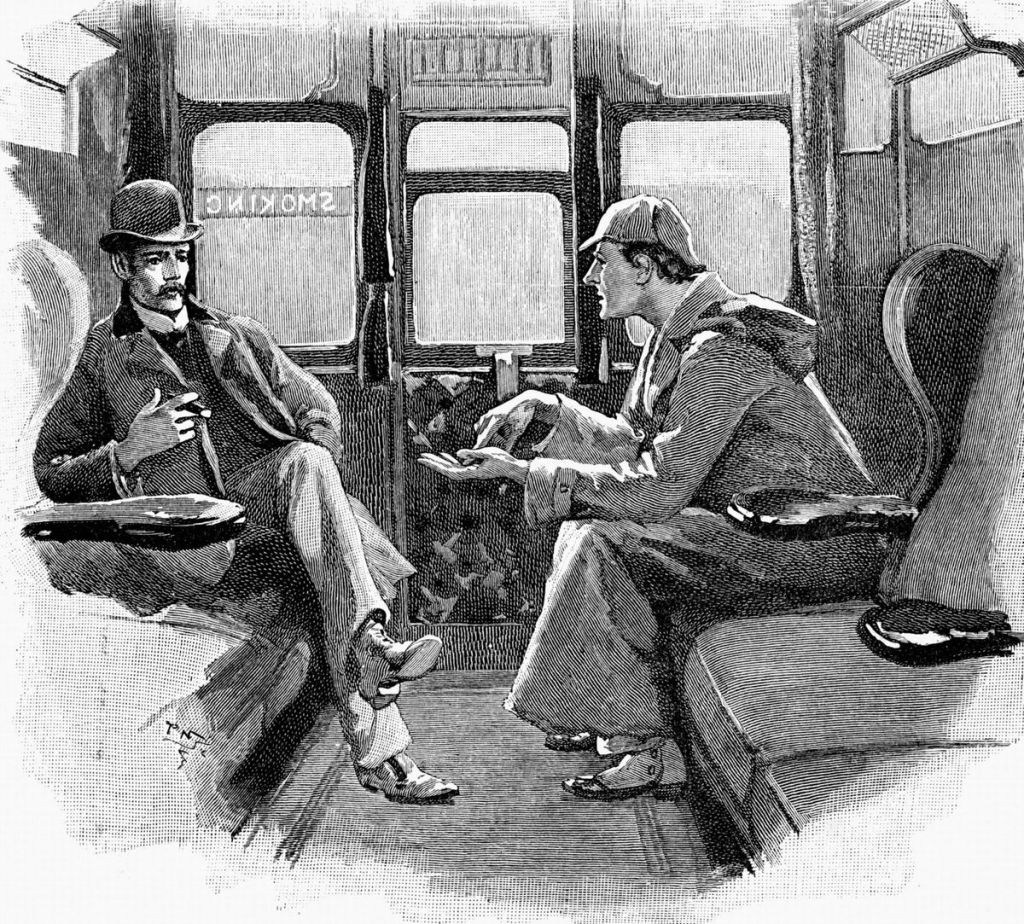
That deerstalker cap – added to Holmes’ wardrobe not by Conan Doyle, but by Strand Magazine illustrator, Sidney Paget.
Sherlock Holmes was first portrayed on screen in 1900, in a short silent film, ‘Sherlock Holmes Baffled,’ having a miniscule run time of only thirty seconds.
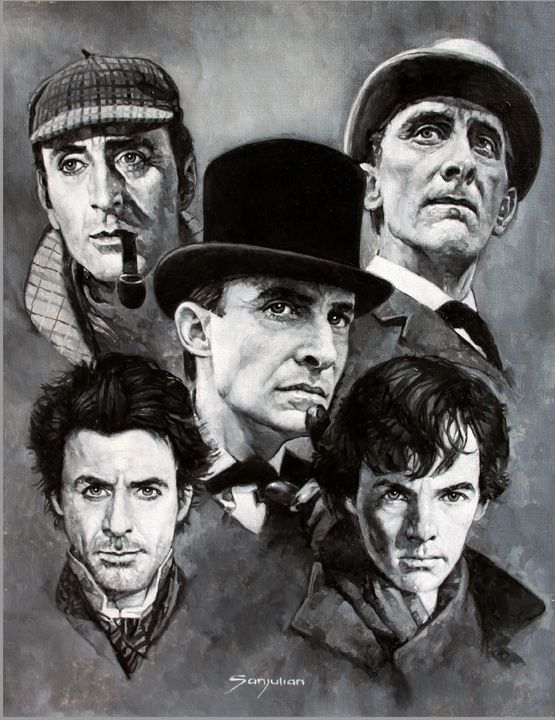
Since then, from Basil Rathbone’s poised cool, to Jeremy Brett’s razor intensity, to Benedict Cumberbatch’s modern brilliance, each era reshapes Holmes — yet the heart of the character never fades. We don’t simply read Holmes, we don’t just observe; we experience him.
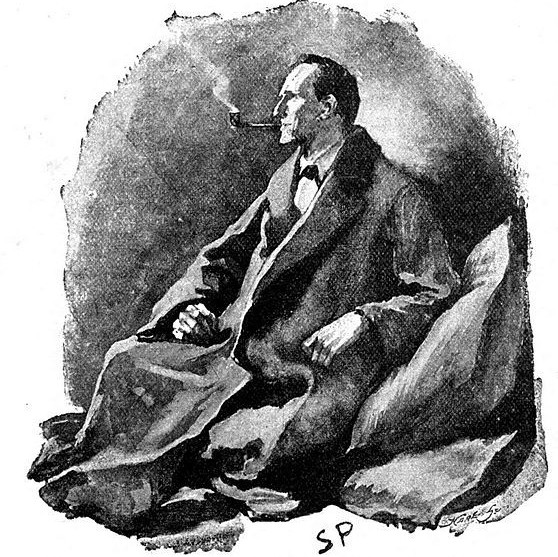
In the end, Holmes endures because he gives us what we crave: a comforting belief that the world’s darkness can be seen, understood — and often overcome. Indeed, to read Sherlock Holmes is to step into a world where curiosity is power, intelligence is heroic, and justice — in some form — prevails.
So perhaps, after all these years, I return to Baker Street not only for the puzzles, or the comforting, yellowed pages, but for the reassurance that with enough insight, patience and heart — even the most complex mysteries can be solved.
 RAVEN MOON