
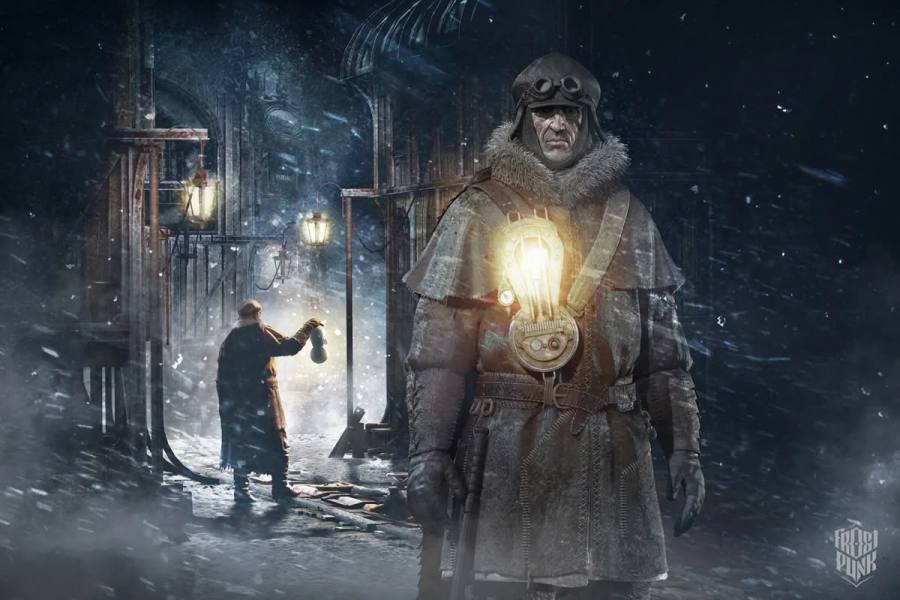
I HAVE MADE no secret of the fact that I like playing computer and console games. In July, in my post ‘Becoming Arthur Morgan,’ I described my experience of playing the Western blockbuster, Red Dead Redemption 2.
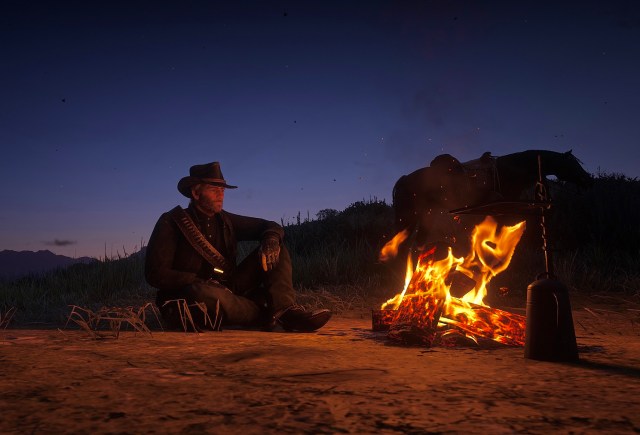
More recently, September’s ‘I am an All-Action Hero‘ told of how the Uncharted game franchise turned me from passive spectator to star performer in a gripping, high-octane adventure.

And (in the words of John Cleese), now for something completely different.
The Ice Cold Heart of Survival
THERE ARE FEW games that stay with you long after you’ve shut them down. Frostpunk is one of them. Developed by 11 Bit Studios it’s more than just a city-builder or a survival simulation. It’s a study on leadership, morality, and the terrible choices we make when the world freezes over.
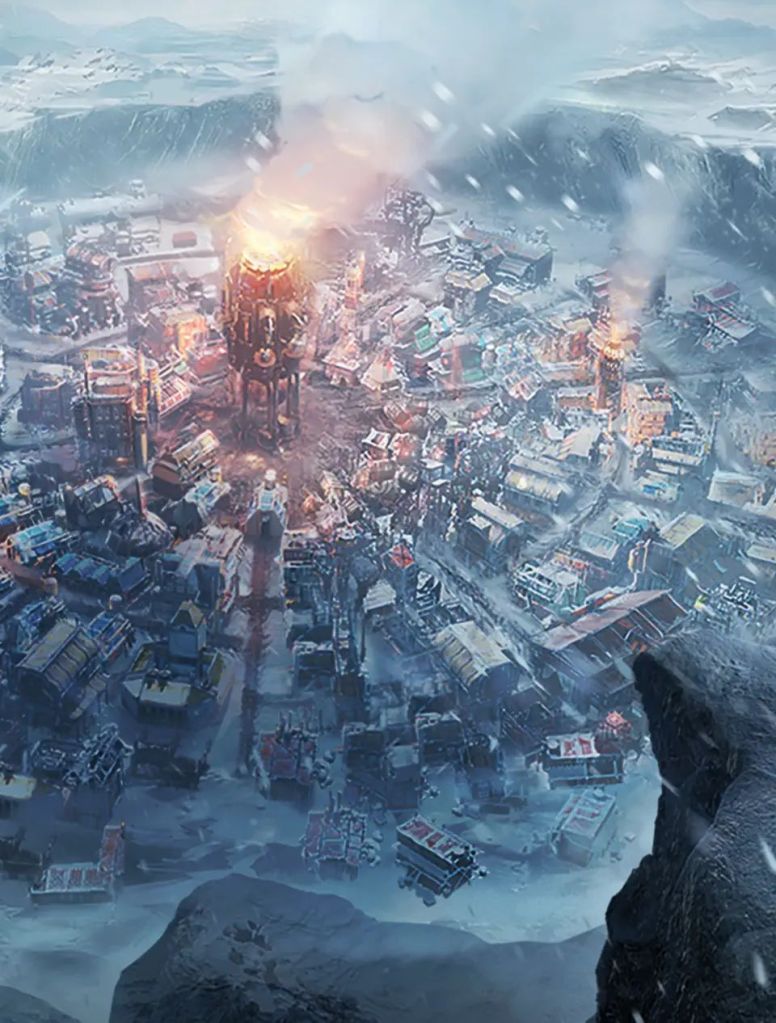
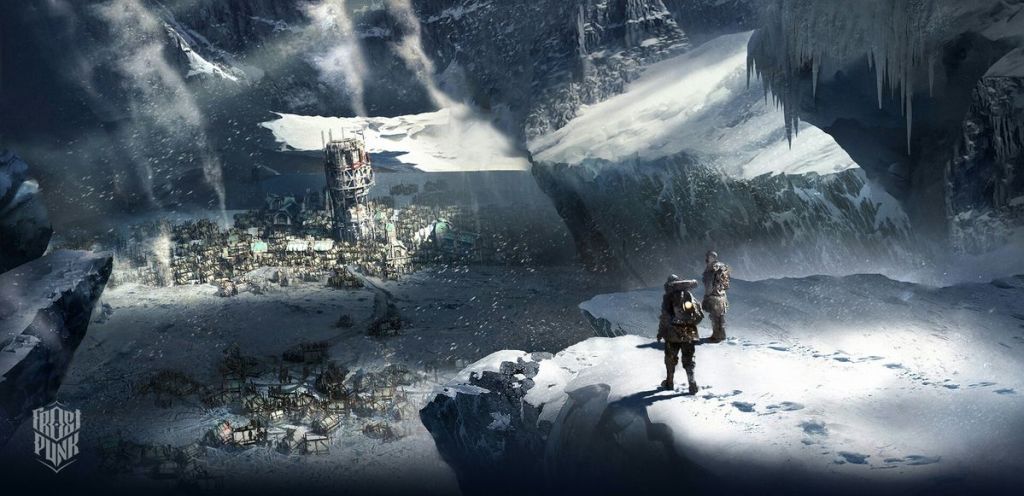
Set in an alternate, steam-powered 19th century where the Earth has succumbed to a global winter, Frostpunk casts you as the leader of the last city on Earth.
You’re tasked with building a community around a massive coal-powered generator — a towering symbol of human ingenuity and desperation.
Its warm glow is your people’s last hope, but the fuel that keeps it alive is finite, and the cold outside is merciless.
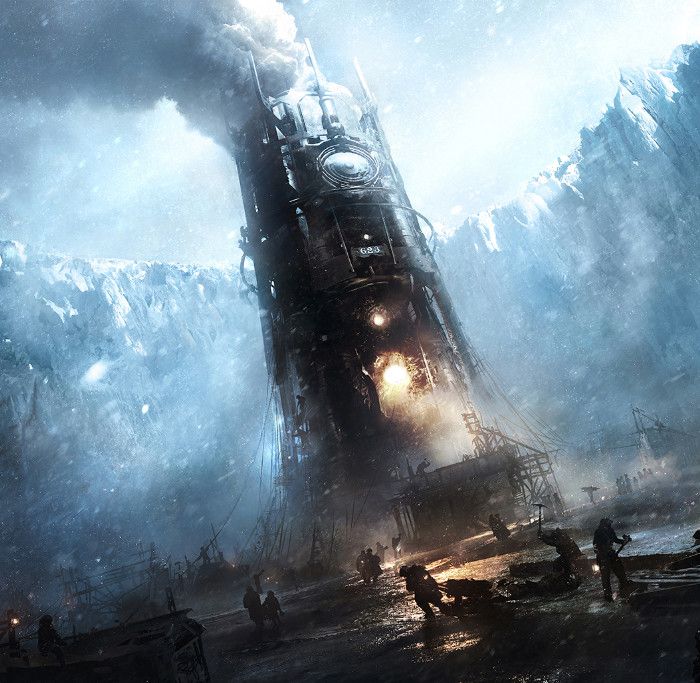
What sets Frostpunk apart from traditional city-builders is not its aesthetic — though its bleak, frozen beauty is haunting — but its heart. Most games in the genre reward efficiency, expansion, and profit. Frostpunk, by contrast, rewards difficult moral compromise.
It’s not about thriving; it’s about clinging on against the odds.
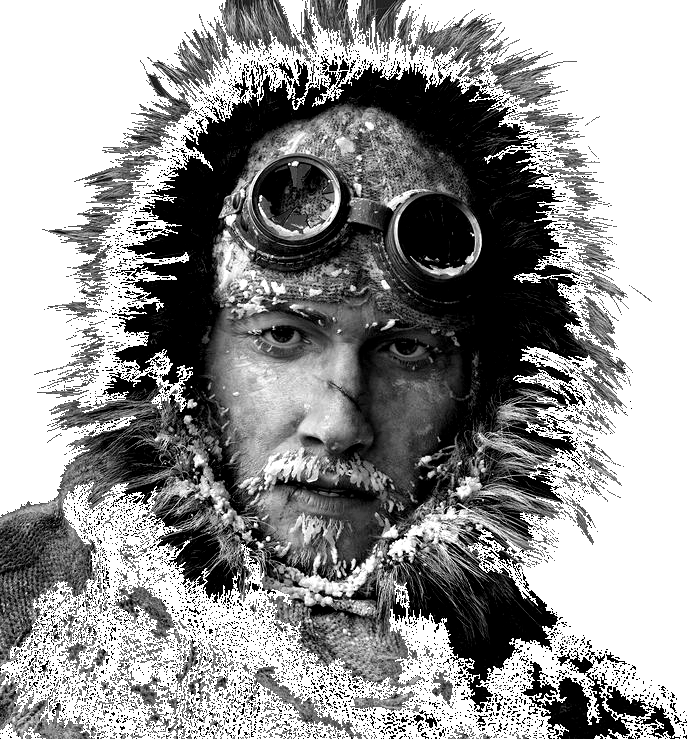
Moral Compromises
FROM THE MOMENT the generator splutters to life, every decision feels heavy.
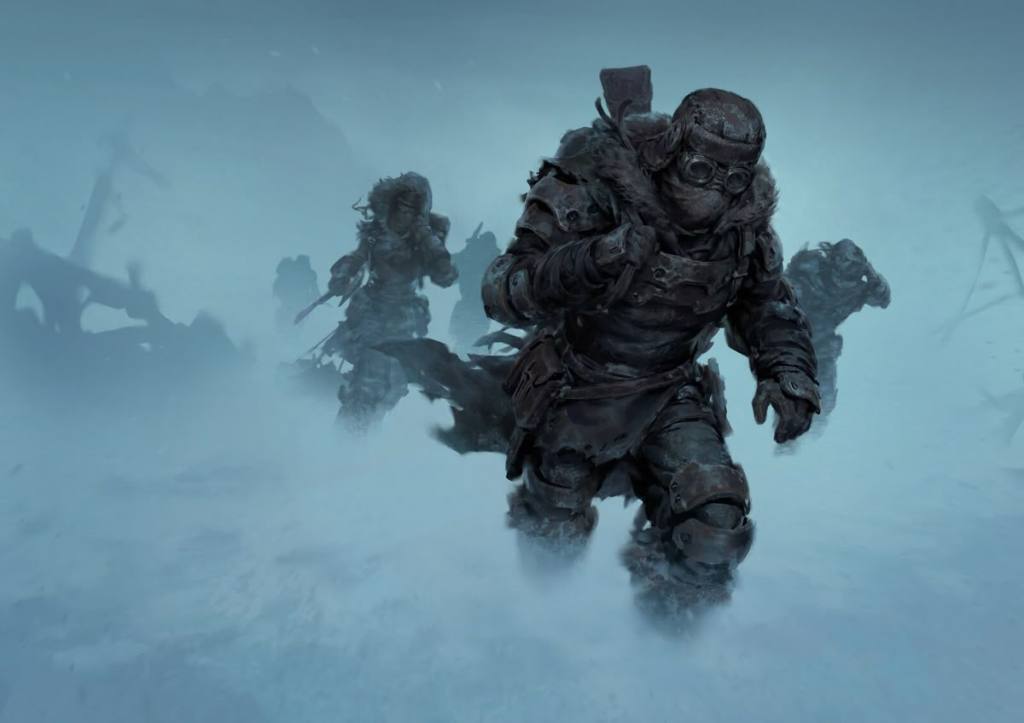
Do you send workers — some of them children — into the frost to gather resources, knowing a blizzard could kill them?
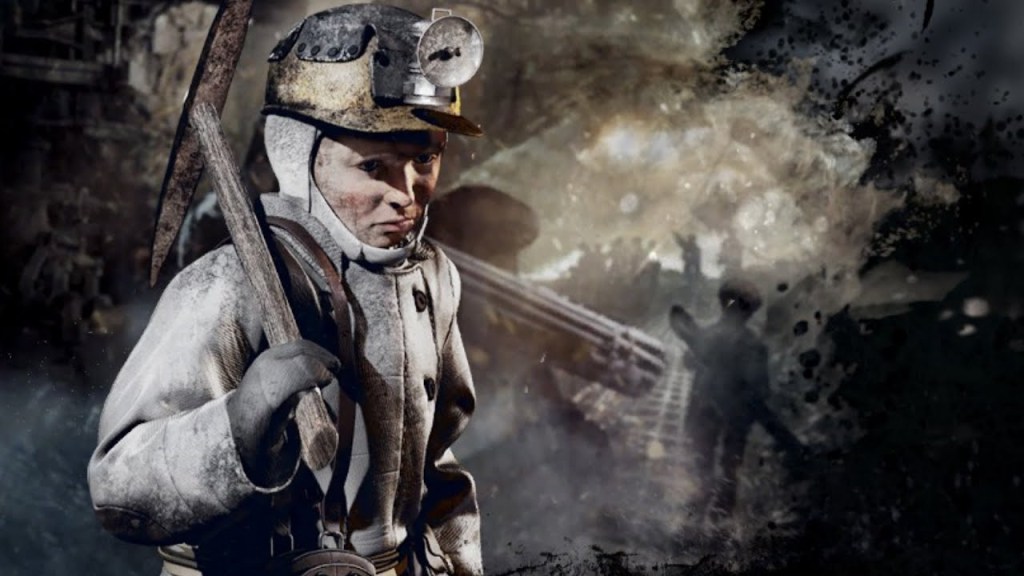
Do you ration food to stretch supplies, at the cost of malnutrition and unrest? Do you burn through precious coal to keep everyone warm tonight, risking an empty store tomorrow?
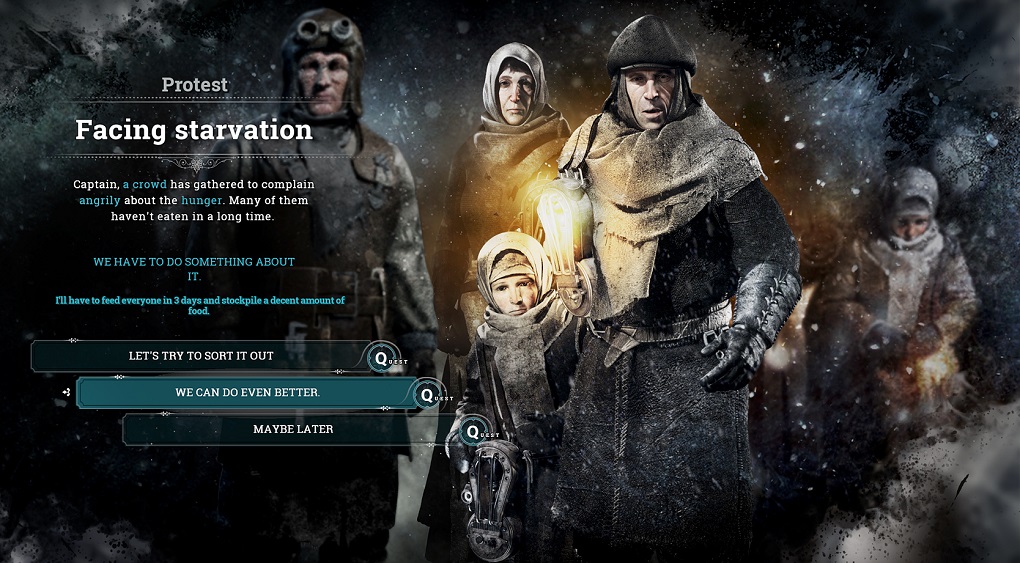
The gameplay mechanics mirror the moral questions as you constantly trade one form of suffering for another. Building a medical post may save some lives, but takes manpower away from gathering coal — and without coal, everyone dies.
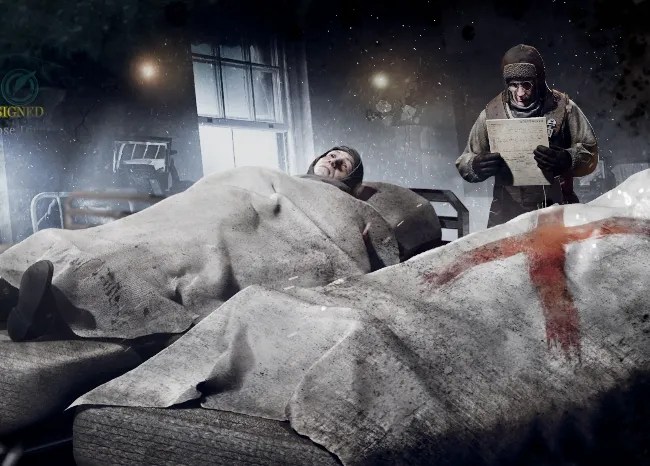
Medical posts:
Another drain on resources …
… but children could be put to work there.
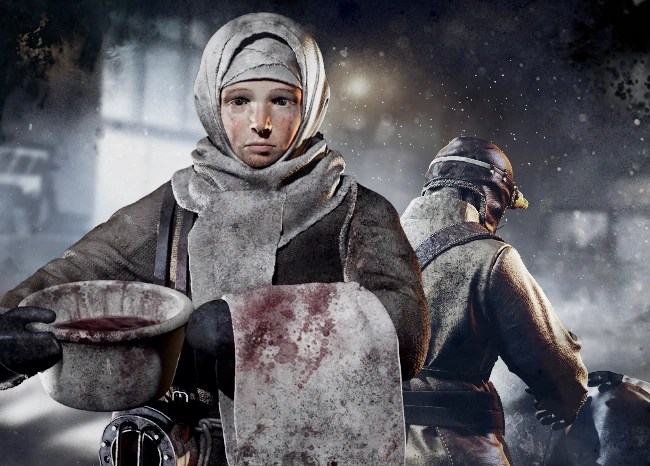
You can issue laws through the Book of Laws — the beating administrative heart of Frostpunk — but each decree twists your society a little further from its humanity.
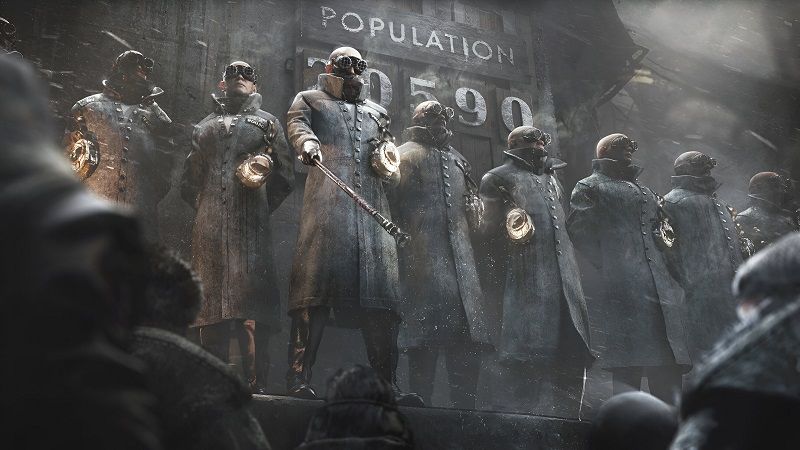
You might sign the Child Labour law to boost productivity, or the Emergency Shift law to keep the generator running through the night. Every choice has consequences, and the game ensures you feel them.
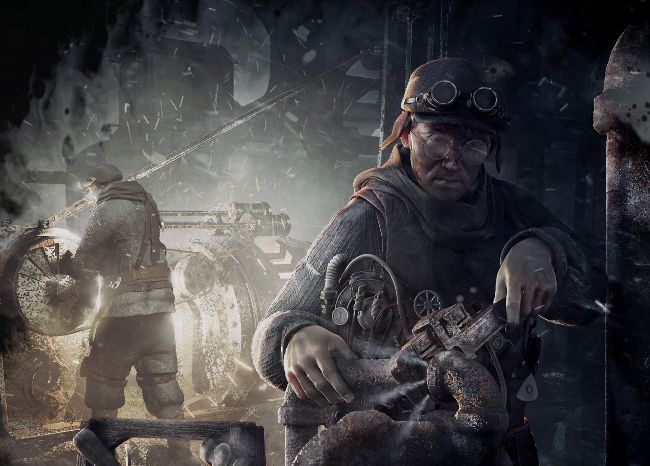
Emergency shifts – sometimes vital but never popular

The ‘Cruel to Be Kind’ Dilemma
AT ITS CORE, Frostpunk is a study in utilitarianism under pressure, in which you are constantly forced to choose the lesser of two evils.
Letting a few die to save the many becomes an unavoidable reality. It’s easy to moralise about compassion and justice when resources are plentiful, but when the temperature drops to –70°C and your food stores are bare, ideals begin to look fragile.
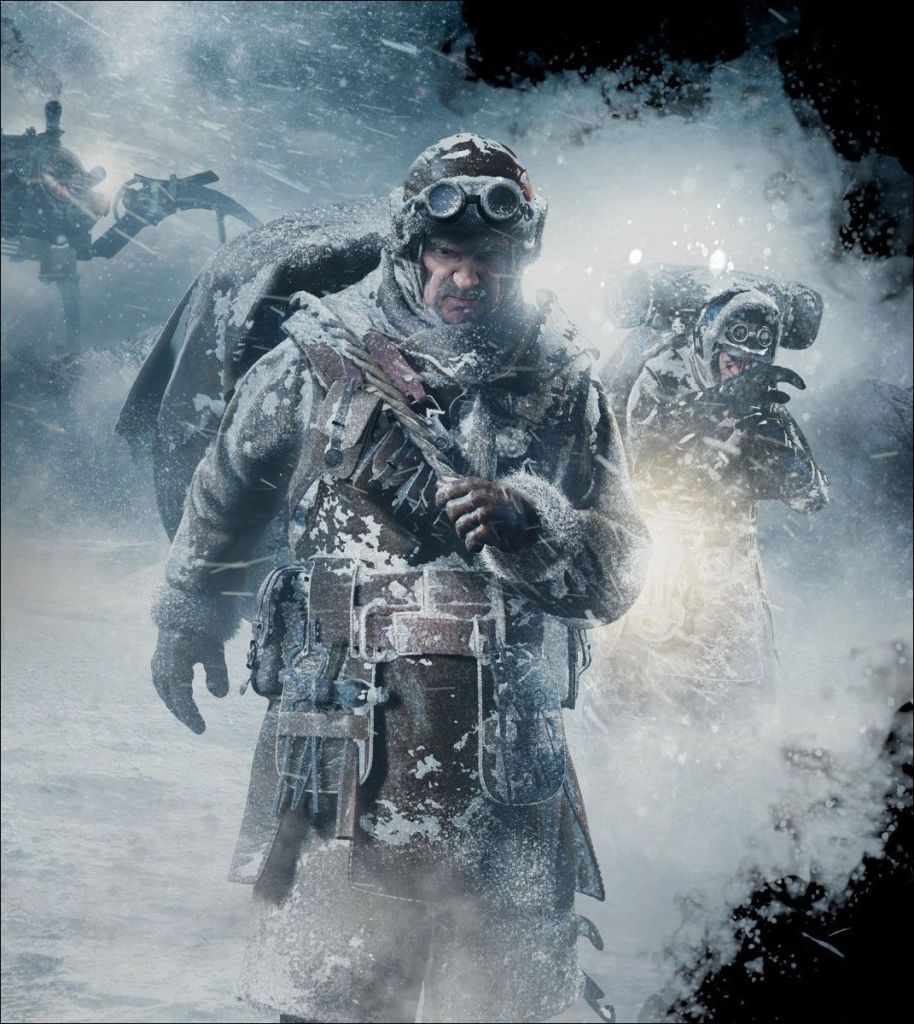
Do you open a cemetery to give the dead dignity, or a hothouse to feed the living? Do you establish faith-based unity to comfort your citizens, or authoritarian order to maintain discipline?
Neither path is perfect, and both can slide into tyranny. The beauty — and horror — of Frostpunk is that it never tells you what the ‘right’ choice is. It simply forces you to live with the consequences of your leadership.
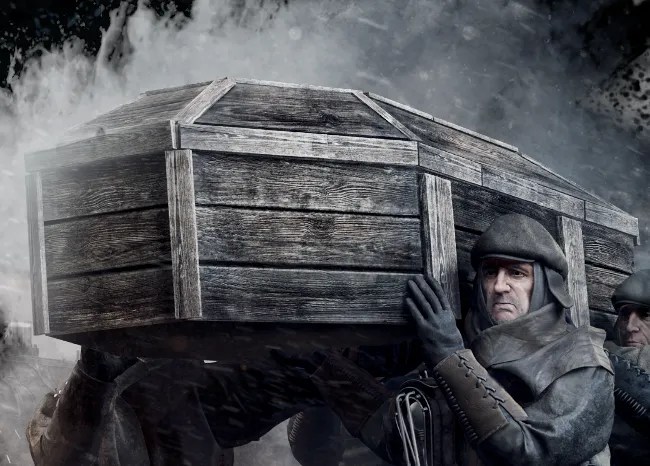
Cemeteries come at a price, but without them discontent rises & hope falls
In one playthrough, you may create a city of hope, rallying your people through empathy and shared sacrifice. In another, you may rule through fear and absolute control, building a cold utopia of obedience. Both can succeed. Both can fail.
A Disquieting Mirror
WHAT MAKES FROSTPUNK truly haunting is how closely its dilemmas echo our own world — albeit stripped down to their rawest form. It’s about climate collapse, resource scarcity, and the moral cost of survival.
It forces players to confront questions that resonate uncomfortably in real life:
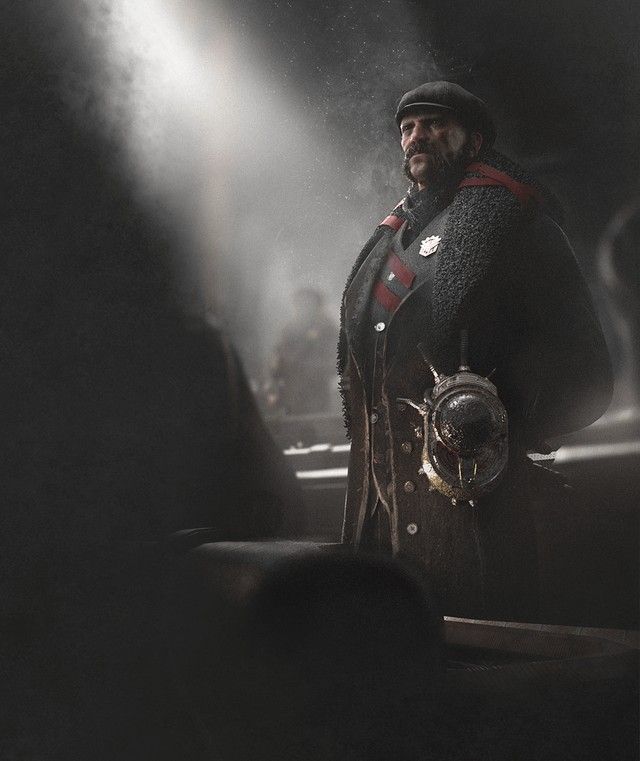
How far would we go to preserve civilisation? What liberties would we sacrifice in the name of survival?
When the warmth fades, what happens to our humanity?
The stark visuals and mournful soundtrack reinforce this emotional undercurrent.
Every creak of the generator, every howl of the wind feels like a lament for a dying world. Yet, amid the despair, there’s a spark of hope. Frostpunk reminds us that leadership — even flawed leadership — can mean keeping that spark alive against impossible odds.
The Cost of Choice
WHEN THE FINAL storm hits — and it always does — you’ll see the full measure of your choices. As your citizens huddle around the generator, freezing and fearful, you’ll realise that survival was never just about keeping them alive. It was about what kind of world you built in the process.
Were you compassionate, or cruel?
Did your laws uplift or oppress?
Did you preserve humanity, or merely existence?
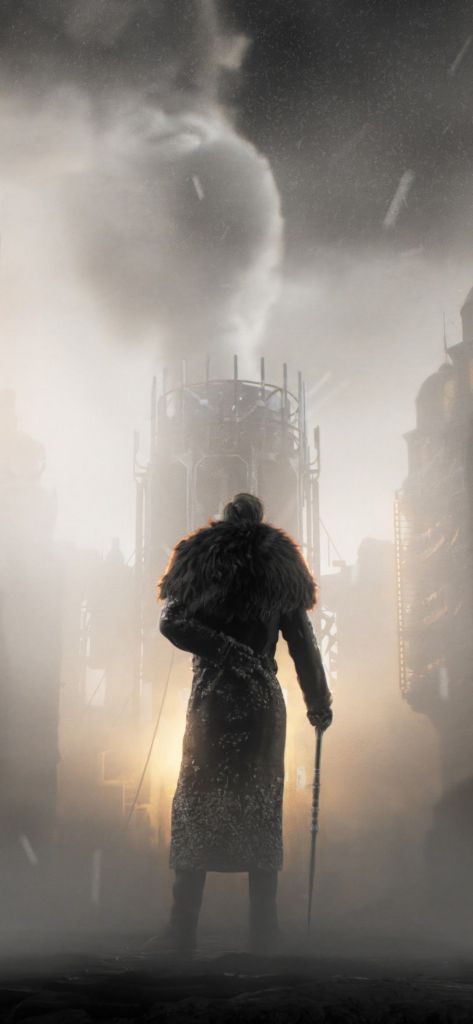
And when the storm finally breaks and the sun pierces the ice, you’re left to reflect not on whether you survived — but on what you became.
In Summary
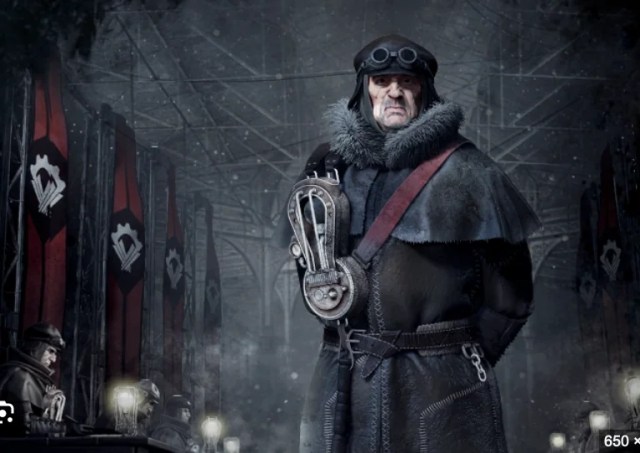
FROSTPUNK ISN’T A game for those seeking comfort or simple victory. It’s a masterpiece of design that demands thought, empathy, and endurance.
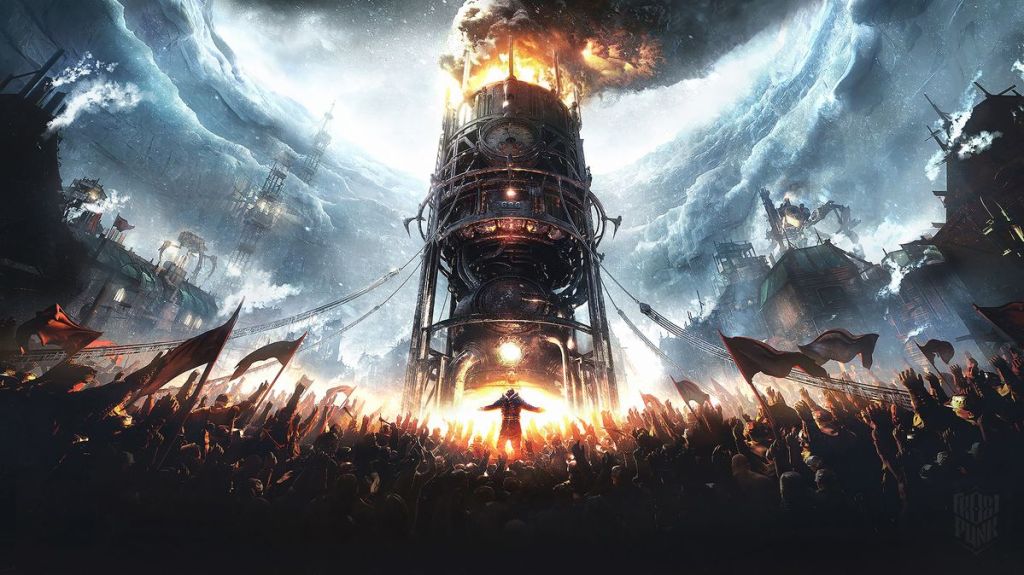
It’s a city-builder that asks you to look inward. In a world where moral certainty often melts under pressure, Frostpunk dares you to be both a ruler and a human being — to make the hard decisions, to be cruel when you must, and kind when you can.
When the world freezes over, Frostpunk asks only one question: how much of yourself will you burn to keep the flame alive?
 RAVEN MOON