
WHEN I BEGAN using Tarot cards in July 2021, I followed widespread advice for beginners by opting to use the classic Rider-Waite-Smith version.
That iconic deck stands as the cornerstone of modern tarot — the definitive version upon which nearly all contemporary interpretations are based.
Its imagery is rich in archaic symbolism and steeped in esoteric tradition. So much so, it has become the visual language of tarot itself; instantly recognisable and timeless.

Yet, for all its historic and symbolic weight, I found the deck to be curiously distant. Its figures, while archetypal, were emotionally bereft. They lacked presence—their expressions frozen, their settings stylised rather than natural.
Whilst the Rider-Waite may indeed teach and inform, the deck failed to stir me. I found it to be a dispassionate tool of intellect and tradition rather than one of raw, intuitive connection.
It was not long before I began to search for another deck, one that would speak to me; one aligned to me; one that was dynamic, inspirational and rich in texture.
And when attending a Mind, Body and Spirit event at Beverley, East Yorkshire in 2023, I found just the thing.
The Winds of Myth
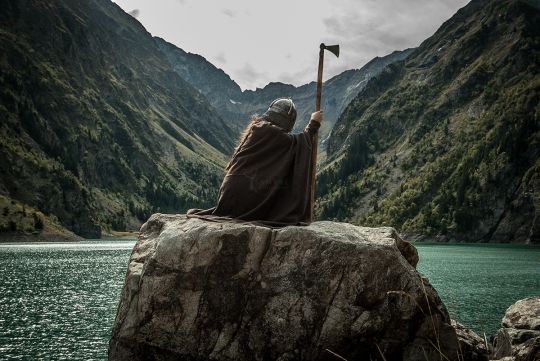
UPON DISCOVERING The Runic Tarot by Jack Sephiroth, I didn’t just see a deck—I encountered a world.
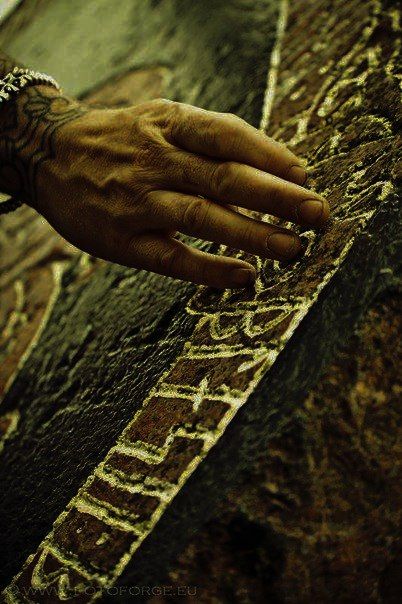
Each card was nothing less than a portal—a mystical, rune-carved doorway into the northern winds of myth: gods, heroes and ancestors, ravens and wolves, symbols carved in frost and flame.

The artwork is breathtaking—finely drawn, precise and powerful, each face alive with emotion, each gesture weighted with story.
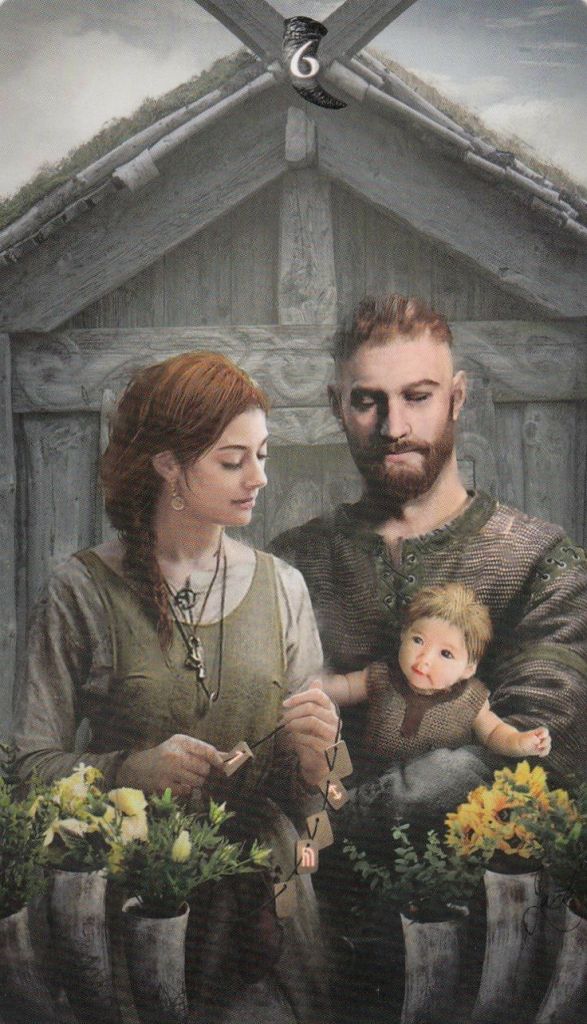
Sephiroth’s work deftly blends the meticulous craft of a traditional tarot with the fierce beauty of Norse mythology.

The result is something both ancient and immediate—a system that feels as if it’s been whispered down through the ages, yet speaks directly to the modern querent’s search for meaning and connection.
Art That Breathes
WHAT STRUCK ME first, and continues to captivate me, is the art itself.
The lines are clean yet full of movement, colours bold but never brash. Unlike the Rider-Waite, here characters aren’t mere symbols—they’re presences. They are alive and dynamic.
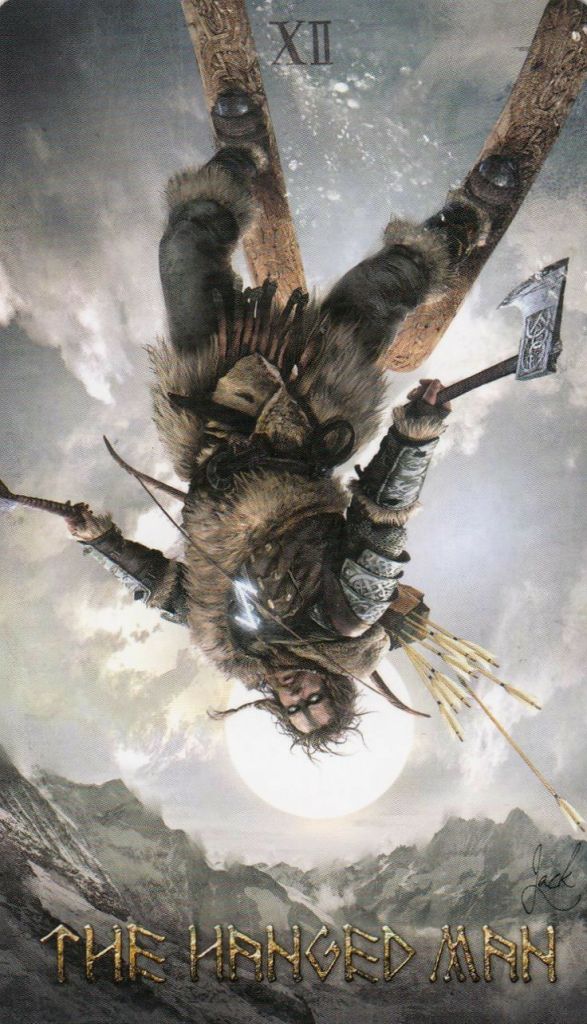
You can sense Ullr’s commitment, sacrifice and self assurance in The Hanged Man, as he performs a death-defying manoeuvre on his skis.
The Magician—represented here by Heimdall, the guardian god, stands tall, pointing to a burning rune high in the sky.
The rune, Mannaz, speaks of the bonds we share as man and community, and suggests that there is potent magic at play.

Even those figures comprising the Minor Arcana carry weight: a warrior’s exhaustion, a shield-maiden’s defiance, the shimmer of runes around them like whispered spells.

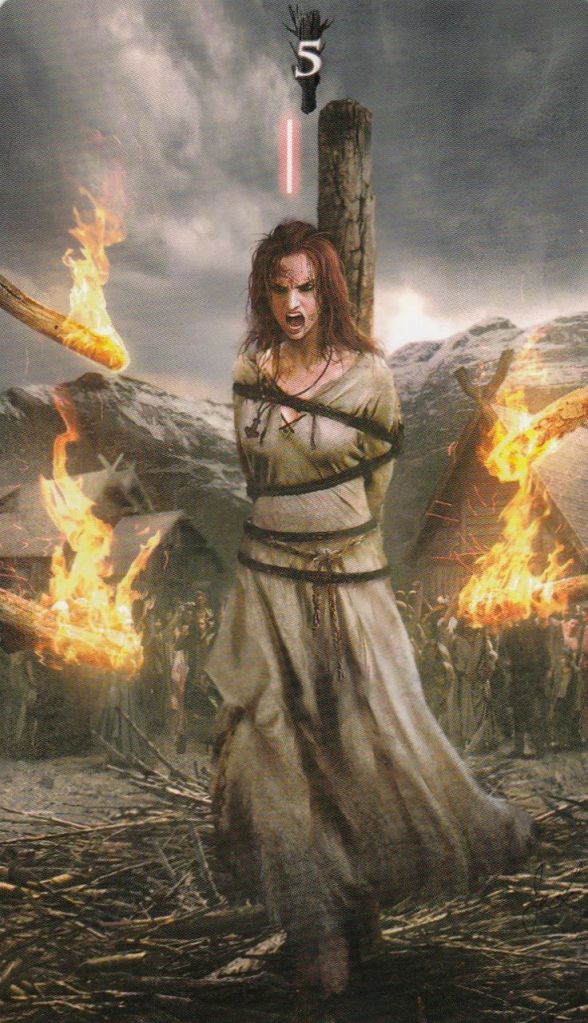
There’s a cinematic quality to these images — not in the shallow-witted, glossy sense, but in the way they capture moments of drama and transformation. Every card feels like a frozen snapshot in an epic saga.
Where Tarot Meets the Runes
THE GENIUS OF the Runic Tarot lies not only in its beauty but in its concept.
Sephiroth and his collaborators, Allen Dempster and Jaymi Elford, have seamlessly interwoven the 78-card structure of traditional tarot with the wisdom of the runes.

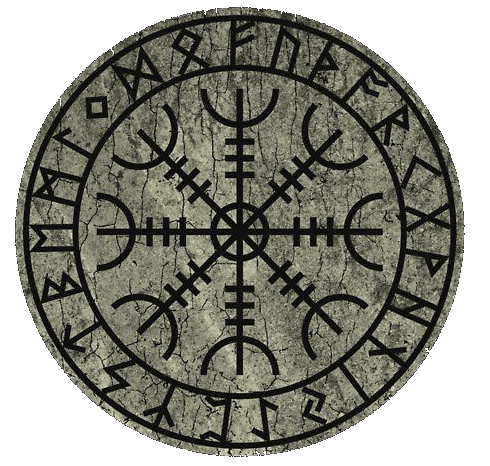
The Elder, Younger and Anglo-Saxon Futharks are represented, in addition to Bindrunes — fusions of two or more runes, crafted for a specific purpose.
This integration doesn’t feel forced or ornamental. It deepens the message. For example, The Fool — represented by the god Freyr — becomes a wanderer, accompanied by the golden-bristled boar, Gullinborsti, and blessed by the rune Jera, as he walks into the unknown with faith and abundance.
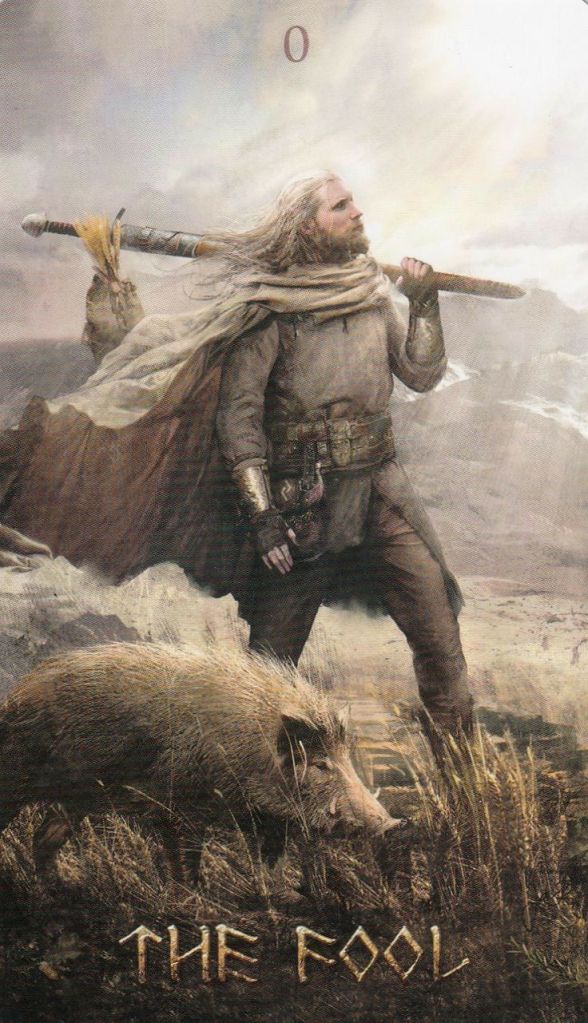
Through these pairings, tarot archetypes take on new mythic resonance, while the runes add to the narrative flow of the tarot’s journey. It’s a union that feels natural — as though these two traditions, separated by centuries, were always meant to be together.
A Voice from the North
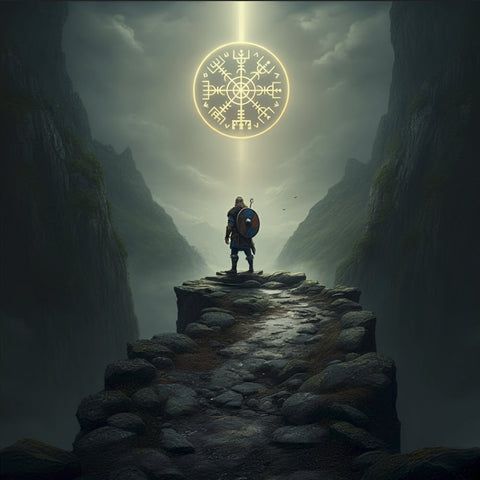
READING WITH THIS deck feels different. It has a tone — magisterial, direct, occasionally stern, but never cold. It doesn’t flatter or cajole. Instead, it speaks with the authority of something older than time. And beneath each card’s unique symbolic meaning there is a common, underlying message:
‘Listen. You already know the truth.’
And yet there is compassion here too. Beneath the northern steel lies wisdom born of endurance — the quiet understanding of cycles, endings, and renewal.
Laguz, the rune of water and flow, often appears as a reminder that even the frozen river will thaw in its time.

For me, using this deck feels like consulting the Norns themselves — Urd, Verthandi and Skuld — those mysterious weavers of destiny who spin the threads of past, present, and future. The messages are layered, mythic, and often profoundly personal.

The Three Norns – Urd, Verthandi & Skuld – represented on ‘The Wheel of Fortune.’
Why It Resonates
PERHAPS THAT’S WHY this deck speaks to me so strongly. I find in it a reflection of recovery, resilience, and the long path back to wholeness.
The Norse myths were never just about battle and glory — they were about endurance, loss, sacrifice, and renewal. Odin’s self-offering for wisdom; Baldr’s descent and rebirth; the ceaseless weaving of fate.
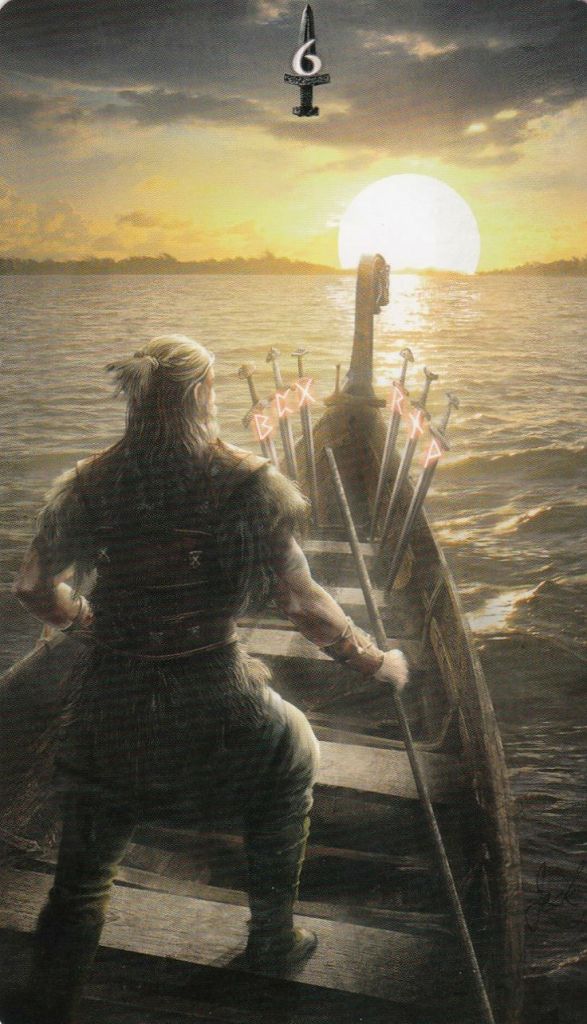
The Six of Swords – ‘Know that you are moving to a better and brighter future.’
In the Runic Tarot, I see those same themes — the courage to hang upon the world tree for insight, the humility to accept change, the quiet joy of new beginnings. Each reading feels like a conversation with something both within and beyond myself.


Reflections
TO HOLD THE Runic Tarot is to possess a bridge between worlds — between the structured symbolism of tarot and the primal language of the runes; between art and magic, past and present.

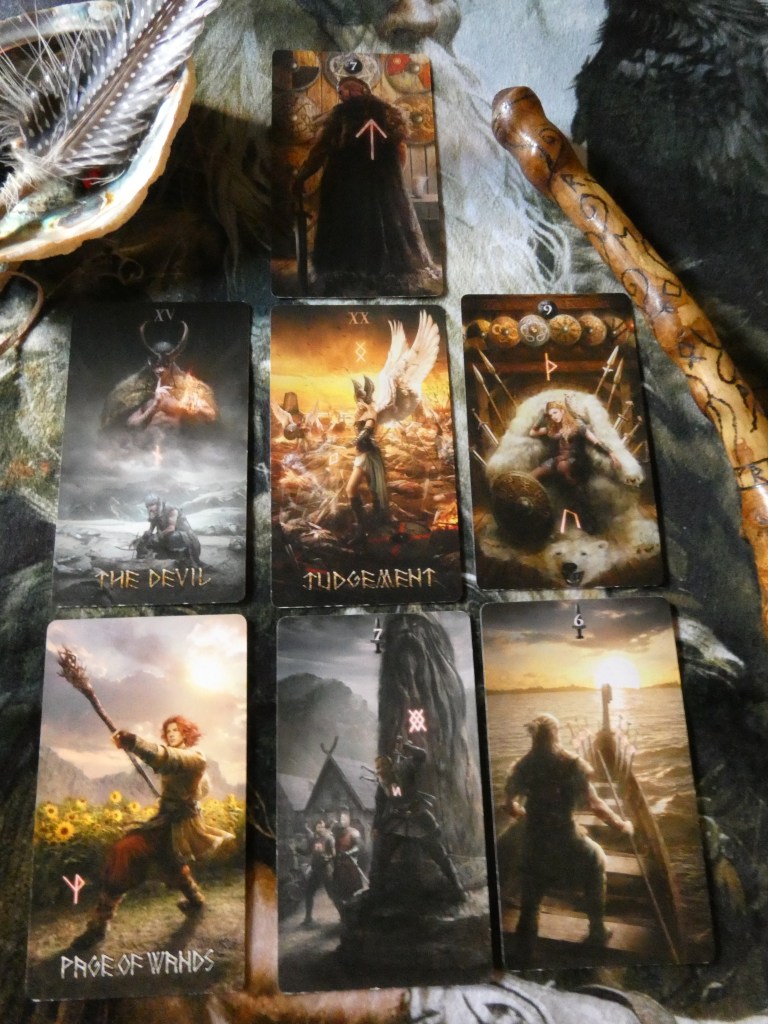
It is a deck through which the wisdom of the ancients breathes anew — guiding, grounding, and reminding me that even in the turning of fate’s wheel …
… we are all part of the same great story.
 RAVEN MOON