

A COUPLE OF weeks ago I wrote a post about my favourite Al Pacino portrayal—that of ‘Lefty’ Ruggiero in the movie ‘Donnie Brasco.’
As I wrote that post I realised that I’ve been hooked on stories such as that one my entire life.
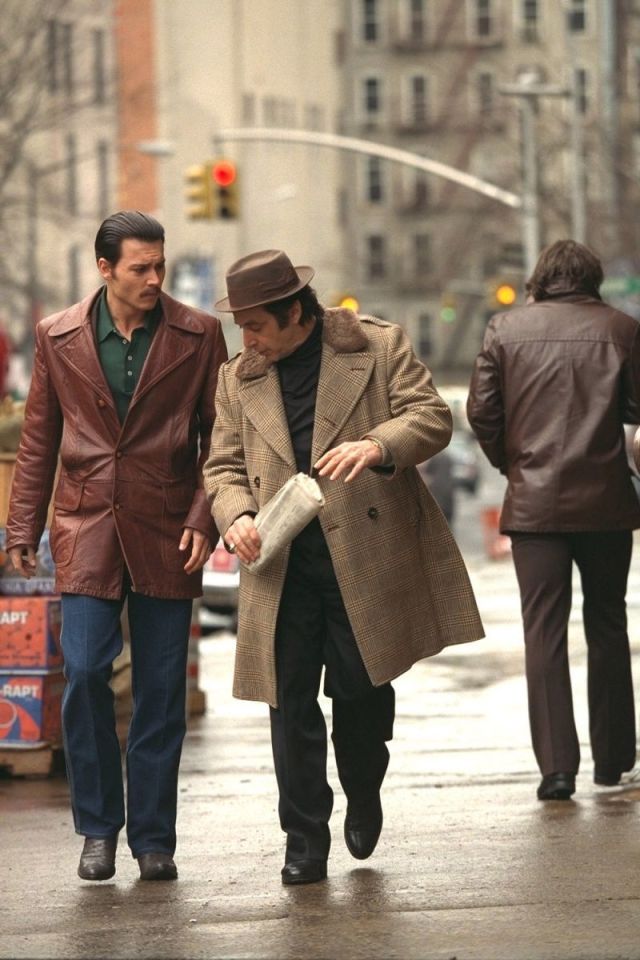
There’s something captivating about the hugger-mugger mobster underworld with its loyalties, codes, pasta and meatballs. But why should this particular movie genre have such an appeal?
And then it hit me. Alley cats.
I’VE LONG HAD a fascination with gangster dramas. Whether it’s the sprawling dynasties portrayed in the The Godfather trilogy, the doomed seduction of Billy Bathgate, or the tragicomic melodrama of The Sopranos, I find myself drawn again and again to tales of New York mobsters.
But lately I’ve realised my fascination didn’t start with Brando, Pacino or even Robert de Niro. It started much earlier. It started when I was a child, sitting in front of the TV watching another New York gang tussle with law enforcement.

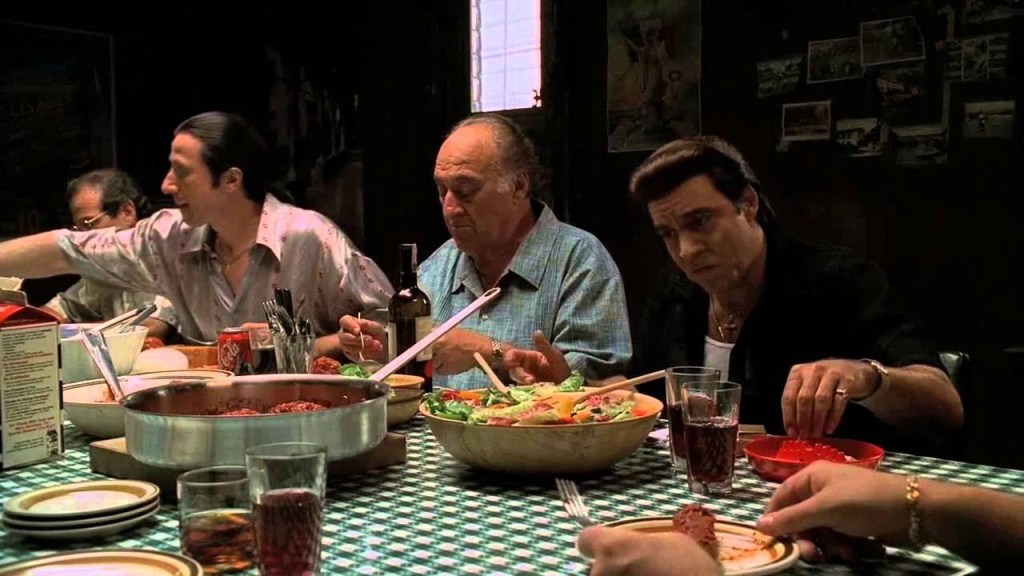
New Jersey’s gritty, suburban sprawl – home turf of ‘The Sopranos’
That gang’s turf wasn’t the sweeping bustle of Manhattan. Nor was it the gritty New Jersey suburban sprawl of strip malls, diners and menace— home to The Sopranos. No, it was an alley, their hideout was a dustbin, their arch-enemy a weary policeman.
Their leader wasn’t Michael Corleone. Nor was it Tony Soprano. It was, of course, Top Cat.

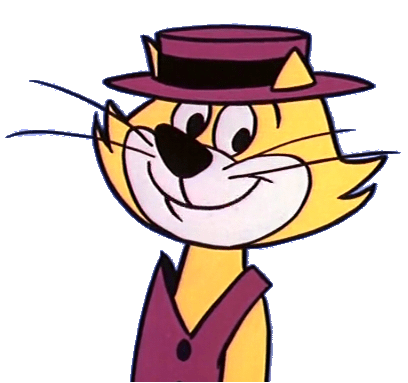
TOP CAT–or Boss Cat, as he was confusingly renamed in the U.K. (to avoid clashing with a brand of cat food) — was my first mob boss. He ran a crew of loyal alley cats: Benny the Ball, Choo-Choo, Fancy-Fancy, Spook, and Brain.
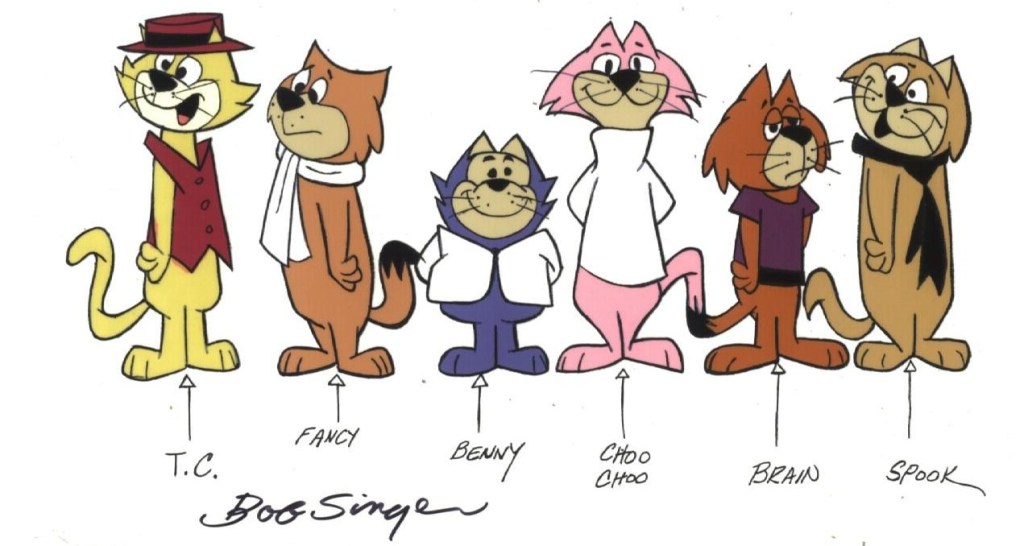
Together they cooked up endless scams to get ahead in the big city, only to be thwarted by Officer Dibble, the long-suffering beat cop who never could quite keep them down.
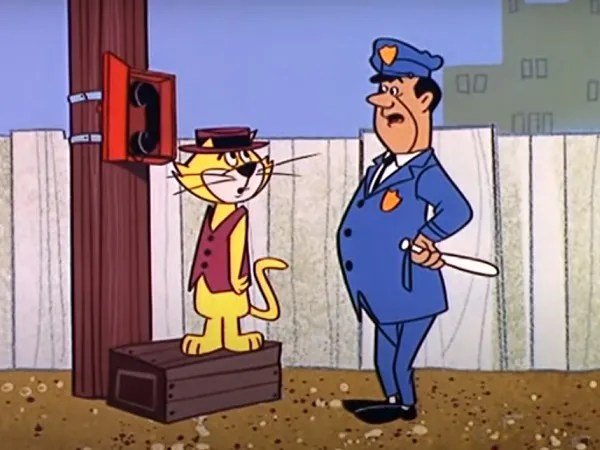

Looking back, it was basically The Sopranos in cartoon form: the charismatic boss, the loyal but slightly dim sidekick, the constant dance with authority, the schemes that never quite pan out.
Sure, the violence was replaced with slapstick and the rackets were more about free meals than multi-million-dollar heists, but the DNA was all there.

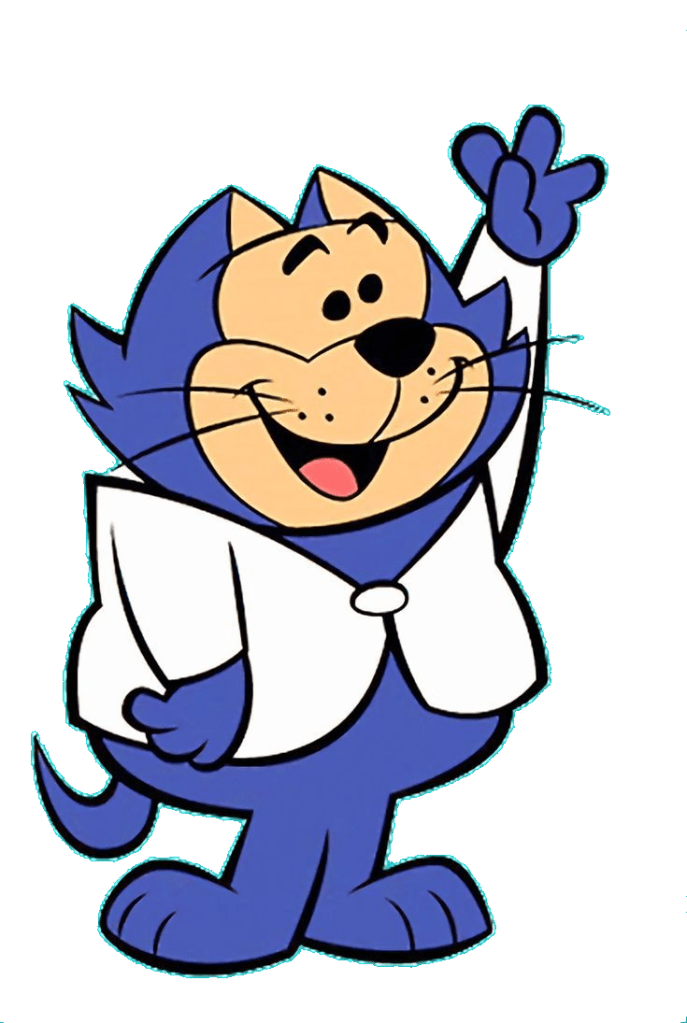
Certain images have stayed with me forever. Most notably, the cartoon’s closing sequence in which Top Cat pulls on his pyjamas before curling up in his dustbin home.
There’s also the sly grin he’d flash after outsmarting Dibble, or the gang huddling together, utterly devoted to their leader despite the chaos he dragged them into.
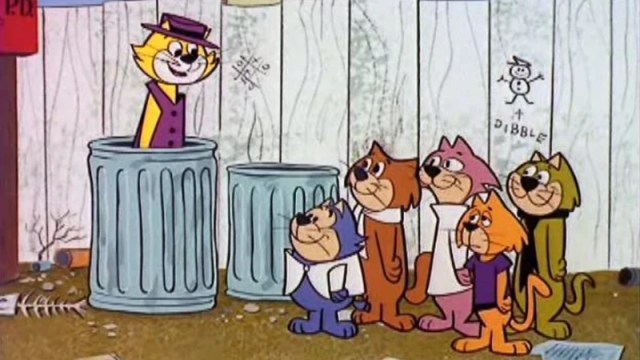

TO ME AS a child, it was funny and comforting. To an adult, it now looks suspiciously like a training course for watching gangster epics later in life. Especially those with cats.

Maybe that’s where it all began. Maybe my lifelong love of mob movies traces back to Saturday mornings with Top Cat and his gang, plotting cons and dodging the law.
Is it any wonder the Corleones felt familiar years later? I’d met them before—only with fur, whiskers, and a less emotive theme tune.
So, perhaps that’s why I love gangster films so much: they are a much-needed bridge from adult complexities and compromises to happy childhood innocence.
From alley cats in Manhattan dustbins to operatic mob families in darkened rooms, the stories may change, but the themes endure—loyalty, survival, power, and the bonds of the gang.
After all, once you’ve grown up with Top Cat, the Corleones and Sopranos seem like family.

 RAVEN MOON