

A FEW NIGHTS back I finally completed viewing Martin Scorsesi’s ‘The Irishman.’ At over three hours in duration the film was one I’d watched in instalments—my stamina for marathon-length movies not being what it was.
I’d been meaning to watch the film for some time. After all, on its release in 2019 it had been proclaimed as a ‘masterpiece,’ wrapped in the prestige of director Scorsese, with De Niro, Pacino, and Pesci—a cinematic dream.
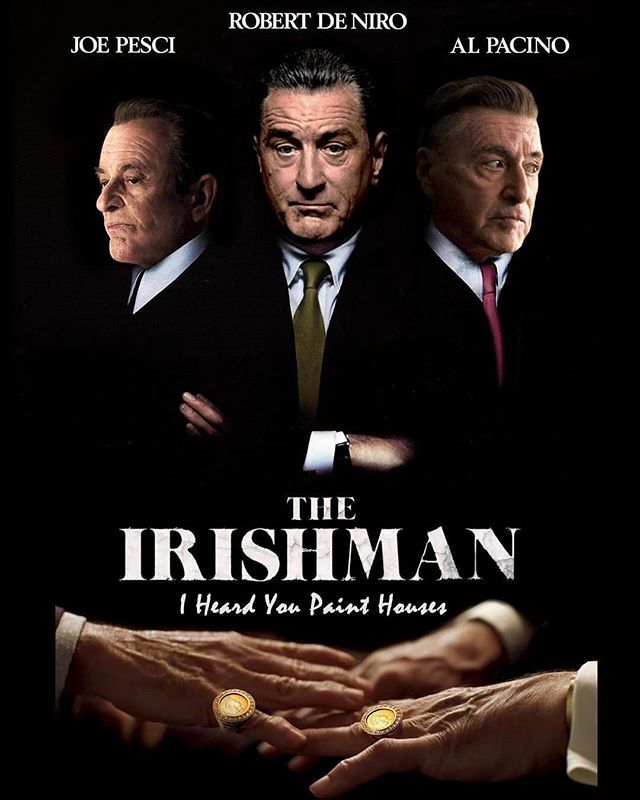
But for all its hype, the film felt like a slog—even when consumed in several sittings. Its only saving grace was the solid performances of the cast.
De Niro was at his unflappable and dispassionate best as labour union official Frank Sheeran, a role which was perfectly juxtaposed by Pacino’s volcanic portrayal of teamster union boss, Jimmy Hoffa.

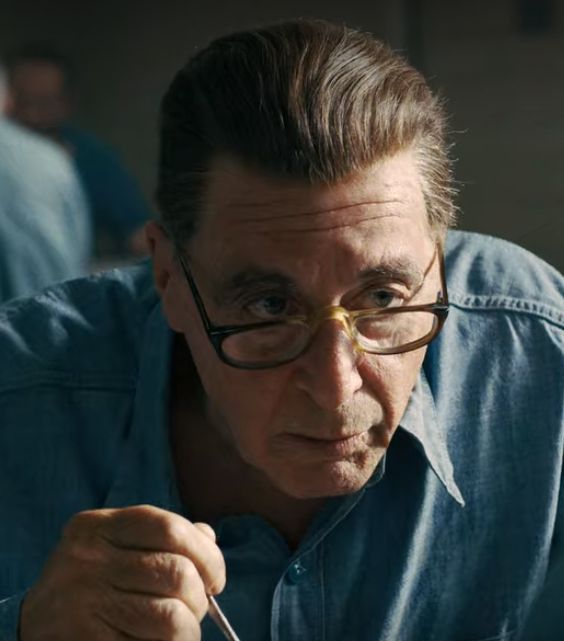
I’ve long been a Pacino fan. It was his authentic and utterly convincing depiction of Hoffa that prompted me to reflect on his many previous blistering performances—and in particular, his tragically compelling role as mobster Benjamin ‘Lefty’ Ruggiero in the unforgettable 1997 movie, ‘Donnie Brasco.’
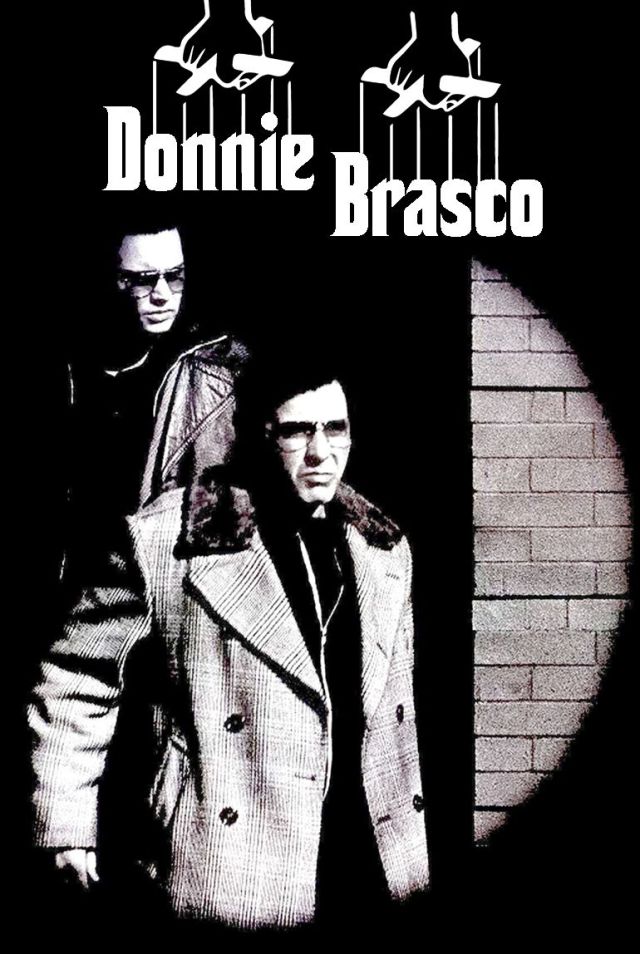
WHEN WE THINK of Al Pacino in mob movies, it’s usually Michael Corleone or Tony Montana—characters defined by ambition, power, and myth. But in Donnie Brasco (1997), Pacino gave us something very different: Benjamin ‘Lefty’ Ruggiero, a weary foot soldier whose life is all sacrifice and no reward.
Lefty isn’t a boss, a don, or even a man on the rise. He’s spent decades doing the dirty work, believing in loyalty and honour, but never getting the respect or riches promised by the life.

Pacino plays him not as glamorous or commanding, but as tired, vulnerable, and tragically human. And it is this that makes Donnie Brasco a sea change in mob cinema.

By the late ’90s, audiences were used to gangsters as larger-than-life antiheroes. Pacino’s Lefty breaks that mould. He shows us the forgotten middle tier of the mob—the men who gave everything and got nothing back.
The relationship between Lefty and Johnny Depp’s undercover agent, ‘Donnie,’ is the film’s beating heart.
Unwittingly, Lefty vouches for the FBI agent, enabling Brasco to infiltrate New York’s Bonnano crime family—one of the ‘five families’ that dominated organised crime in the city at that time.
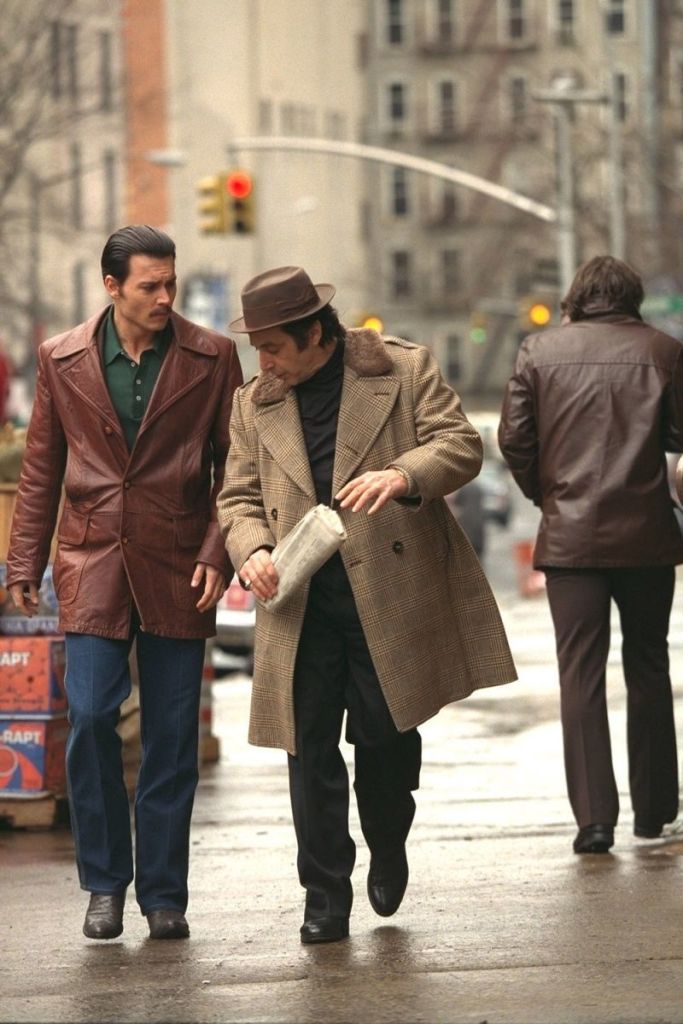
Aging enforcer Ruggiero then takes Donnie under his wing like a son, teaching him the rules of the mafia, introducing him to others in the crew and trusting him completely. And it is that trust which makes the eventual betrayal sting all the more, giving the film its woeful Shakespearean weight.
And then there’s Lefty’s ending.
Called to a ‘meeting’ once Brasco’s true identity has been revealed, he quietly removes his wallet and jewellery—including, ironically, his St Christopher necklace—and leaves them in a drawer for Annette, his wife, before quietly walking out the door to his likely death.
After kissing her for what he knew would be the last time he told her not to wait up for him and gave her a message to pass on:
‘And listen to me, if Donnie calls, tell him … tell him, if it was gonna be anyone, I’m glad it was him. All right?’
There’s no shootout, no spectacle—just weary resignation. We don’t need to be shown Lefty’s fate, we just know. What makes it one of the most devastating scenes in mob cinema is that it strips away all the myth and leaves only the human cost.
To view the scene click on the YouTube link at the foot of this post.
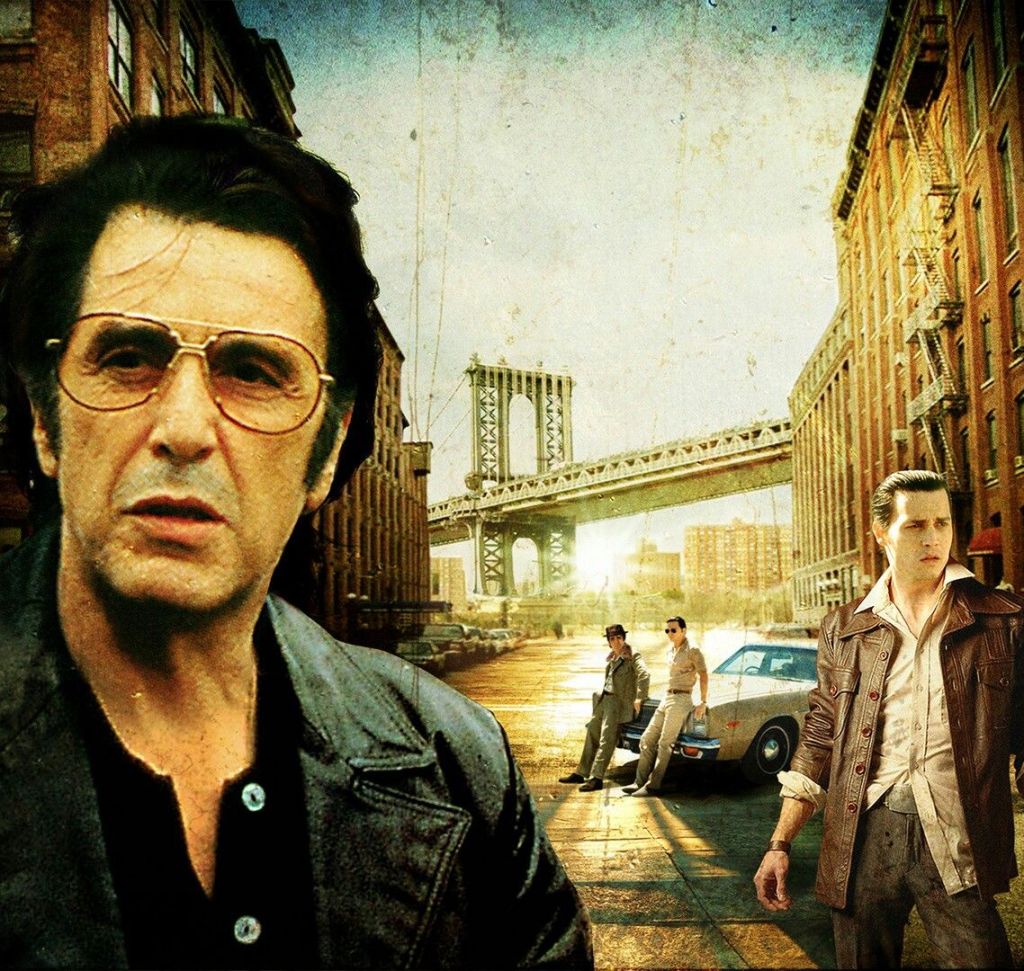
PACINO’S LEFTY is the antithesis to Michael Corleone: not a king, but a casualty. And that’s what makes his performance unforgettable.
As Corleone, Pacino had shown us the cost of power …

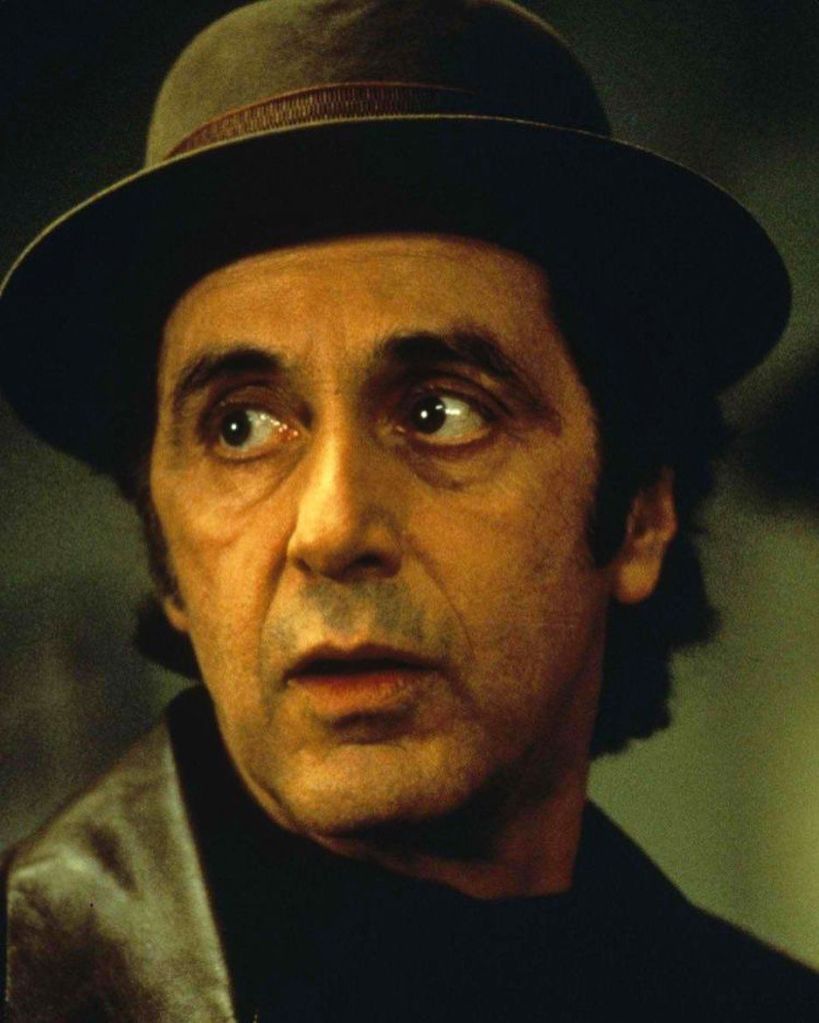
… whereas Lefty Ruggiero revealed the price of believing in it.
When they send for you, you go in alive, you come out dead, and it’s your best friend that does it.
Lefty Ruggiero
 RAVEN MOON