
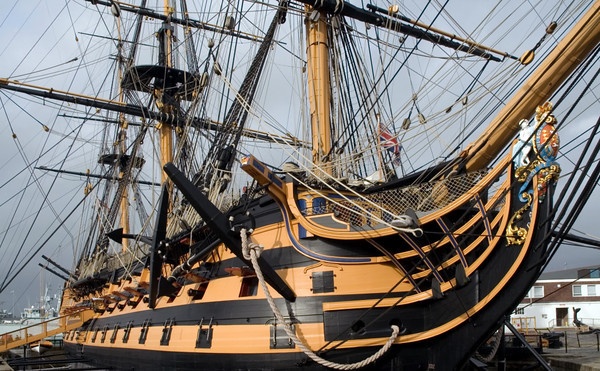
WRITING ABOUT Master & Commander recently stirred memories of a visit I once made to HMS Victory, lying in her permanent berth at Portsmouth’s Historic Dockyard.
If ever a ship embodies the spirit of Nelson’s navy, it is this one.
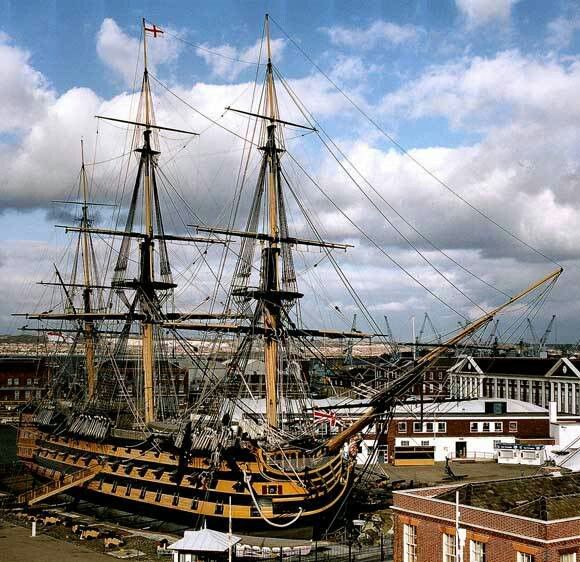
I remember stepping onto her decks and immediately being struck by the atmosphere.
The claustrophobic gun deck, with its low beams and rows of cannons, was a reminder that battles were fought and endured in conditions far from the romance we often imagine.

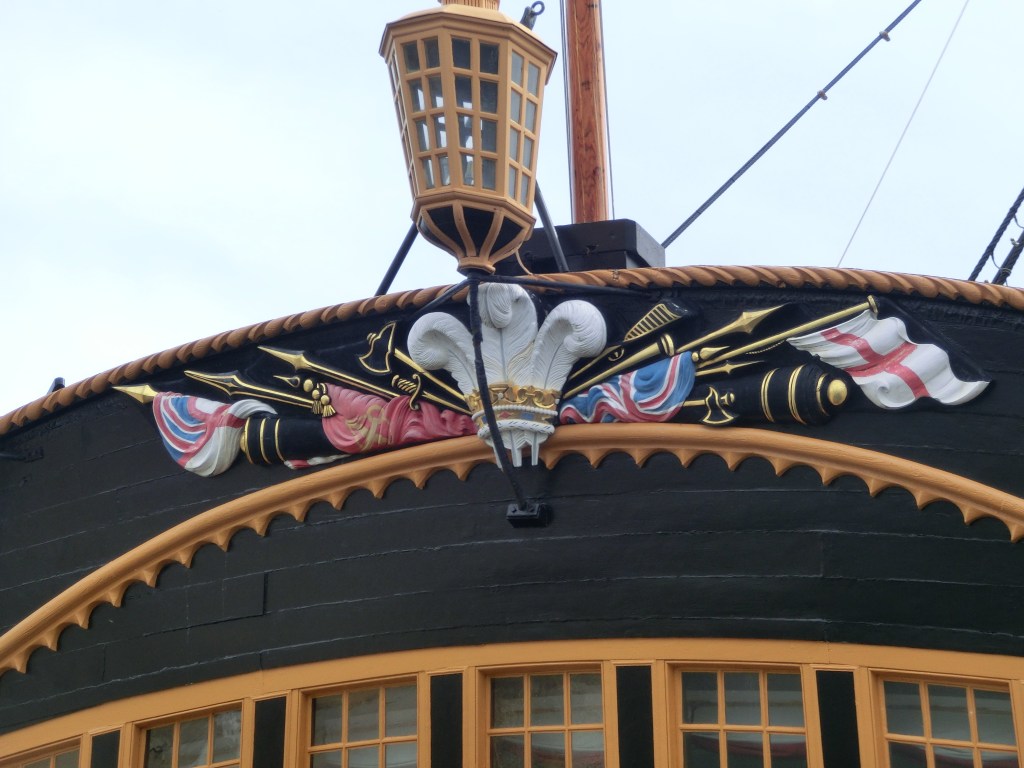
A ship of war, its solid oak timbers spoke of a vessel built to endure storms and shot alike, and every inch of her remains a lasting testament to the craftsmanship of another age.

STANDING ON the main deck that day I was forced to visualise the miles of impossibly complex rigging above me. Sadly, at the time of our visit, the intricate web of lines and visually-stunning sails had been removed for essential maintenance.
In my imaginings, however, I could almost picture the highly-disciplined topmen of the watch shimmying up the rigging, working the sails under heavy seas.
I heard the controlled chaos of battle, yelled commands, the thunder of devastating broadsides.
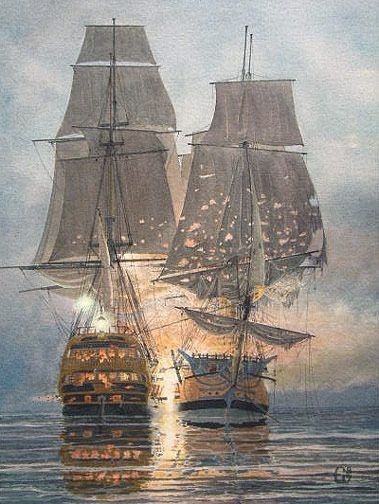

AND THEN, of course, there is the ship’s most poignant legacy: it was aboard this vessel that Admiral Nelson fell at Trafalgar in 1805.

To stand on the deck where history was both made and marked by such sacrifice is to feel the weight of the past pressing close.

HMS VICTORY is more than a museum piece — she is a survivor. Walking her decks is as close as one can come today to stepping into the world Patrick O’Brian evoked in his novel and Peter Weir captured on screen.

Writing about Master & Commander reminded me that, once upon a time, I had already stood amid that history, breathing in the oak, the tar, and the memories of a magnificent navy under sail.

 RAVEN MOON