
EVER SINCE my introduction to the genre courtesy of Hammer’s ‘Curse of the Werewolf’ (1961), I’ve been a fan of horror movies.
Since then I’ve observed a cyclic nature in their popularity. And noted, too, that these phases have tended to rise and fall over the decades, reflecting social anxieties and cultural shifts.
Personally, my own favourites remain the old black and white classics. For, despite the arsenal of tools available to modern film makers, their efforts never seem to cut the mustard.
There’s a reason for that.

IN THE EARLY 20th century, German Expressionism and Universal’s monster films of the 1930s made horror mainstream. Then came 1940s censorship which tempered its impact.
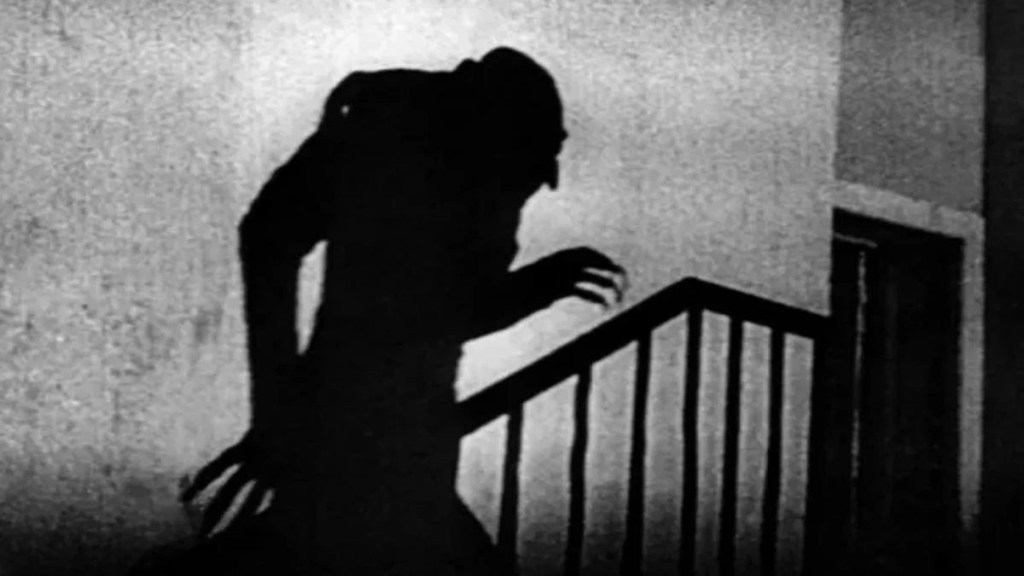
(Left) Nosferatu (1922) – shadowy, macabre and nightmarish
Cold War fears of the 1950s brought sci-fi horror, while the 1960s and 70s saw a grittier, more psychological edge with films like Psycho, The Exorcist and Texas Chainsaw Massacre.

Overall, horror continually reinvents itself, tapping into mainstream appeal before resurging with new subgenres that mirror contemporary fears.
A recent iteration, for example, has been the ‘zombie apocalypse’ category, with plots often linked to rogue viruses or messed-up experiments.
While CGI and elaborate special effects of more recent productions can create visually impressive aberrations and settings, they often strip horror films of their true power: atmosphere and imagination.
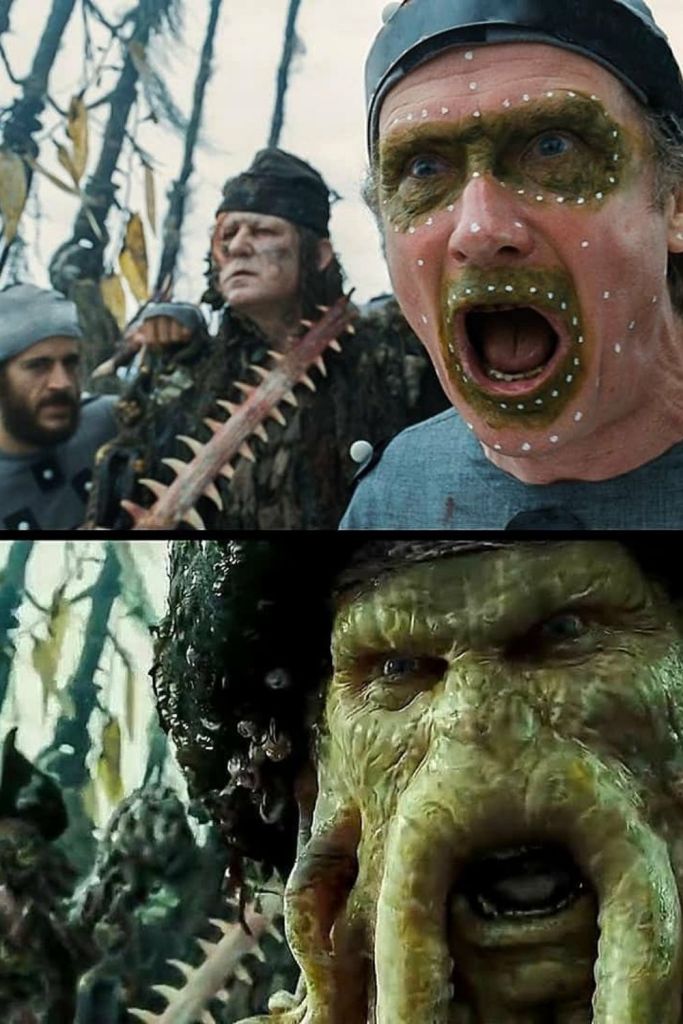
(Left) Bill Nighy as Davy Jones, Captain of the Flying Dutchman in the Pirates of the Caribbean franchise.
When Bigger Isn’t Always Better: The Haunting (1963 vs. 1999)
HOLLYWOOD HAS a long tradition of remaking classic films with bigger budgets, modern effects, and star-studded casts.
The logic seems simple enough: if the original was good, surely a remake with all the technological bells and whistles must be even better, right?

Wrong.
A perfect example is The Haunting — first released in 1963, then remade in 1999. Both films tell the same gothic ghost story, yet the outcomes couldn’t be more different.
The 1963 Original: Small Budget, Big Impact
ROBERT WISE’S The Haunting (1963) was a black-and-white psychological horror that leaned heavily on atmosphere, sound design, and suggestion.
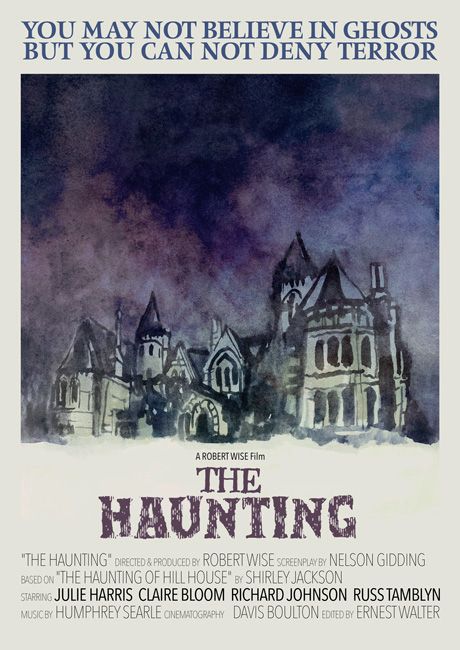
With a modest budget of about $1.05 million (roughly $10 million today), the film had no CGI tricks to fall back on. Instead, it relied on clever cinematography, unsettling camera angles, eerie sounds, and subtle performances — particularly from Claire Bloom and Julie Harris.
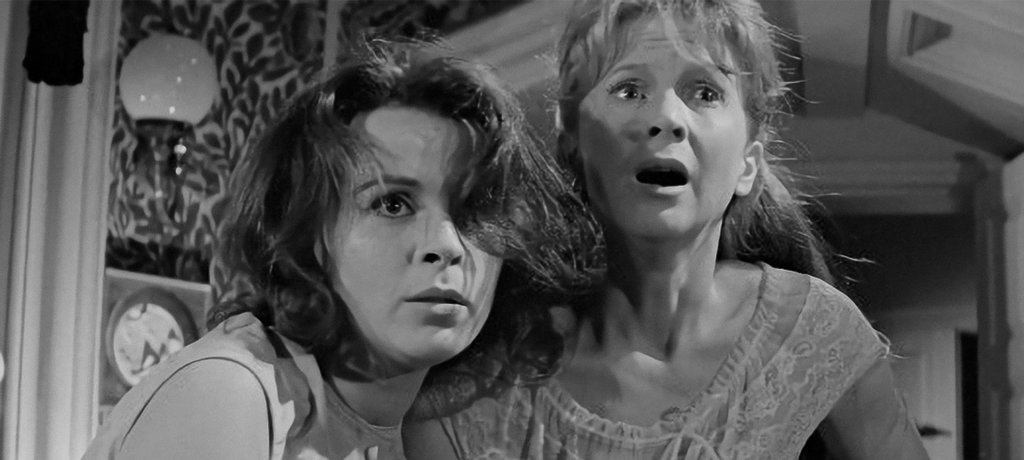
Critics praised its restraint and psychological tension. To this day, many horror enthusiasts (myself included) consider it one of the scariest films ever made, precisely because it leaves so much to the imagination.
At the box office, it was a modest success, but its real triumph was critical acclaim and longevity. Sixty years later, it still holds a reputation as a genre classic. It’s also one of only two horror movies to grace my DVD shelf. (The other, incidentally, is the 1957 classic, ‘Night of the Demon.’)
The 1999 Remake: Bigger, Louder… and Hollow?
FAST FORWARD to 1999. Director Jan de Bont revisited the story with a budget of around $80 million — nearly 80 times the original’s cost.
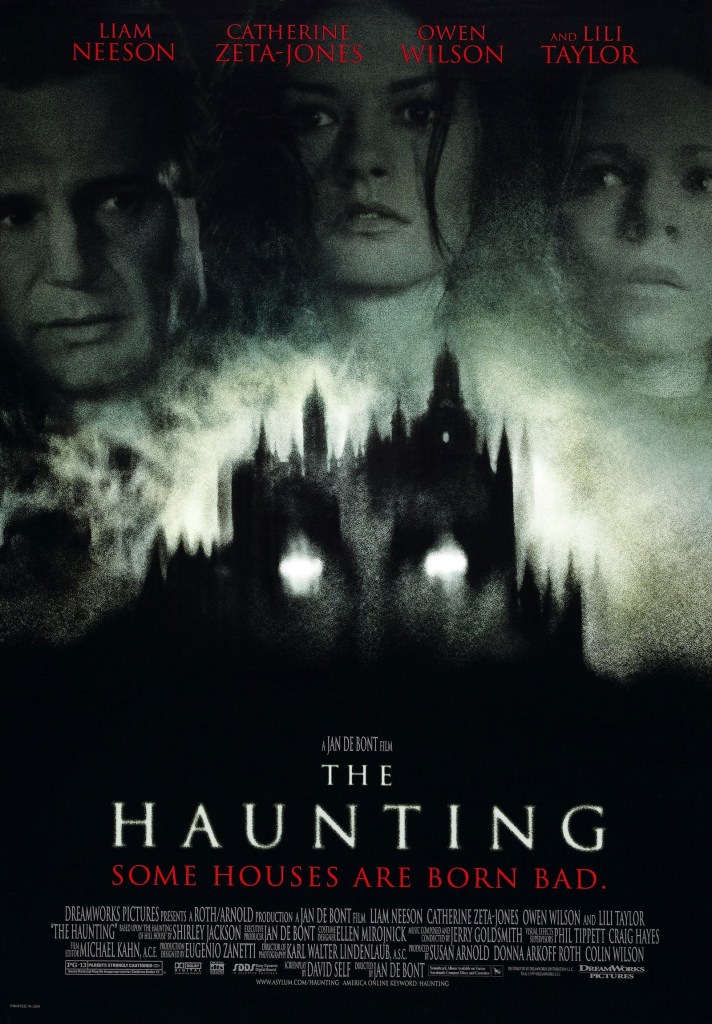
For this version he hauled in a heavyweight cast including Liam Neeson, Catherine Zeta-Jones, and Owen Wilson. His production also leaned hard on CGI, elaborate set design, and jump scares.
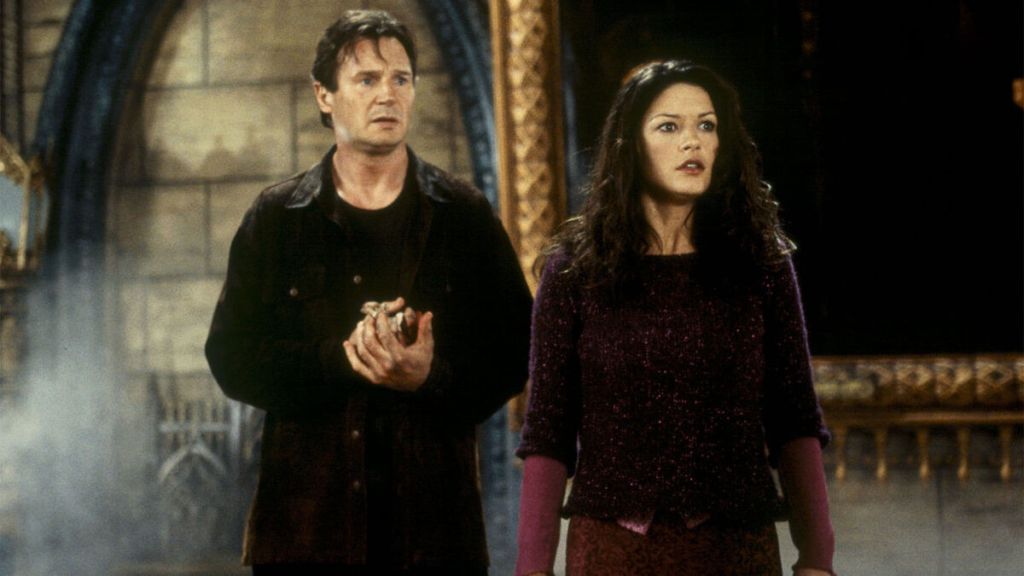
The Haunting’ 1999
The result was a film that may have dazzled visually but left audiences cold. Critics panned it as overblown and soulless, with too much emphasis on spectacle and not enough on psychological unease — the very ingredient that made the original a timeless classic.

Despite the negative reviews, the remake earned about $180 million worldwide — a short term commercial success, but one that quickly faded from memory.
Technology vs. Tension
THE CONTRAST between the two films highlights a bigger truth about horror: more technology doesn’t necessarily equal more fear.
In 1963, the lack of special effects forced filmmakers to innovate — and in doing so, they tapped into the audience’s imagination, which is always scarier than any CGI monster.

The 1999 version, while visually ambitious, showed that throwing money and effects at a story doesn’t guarantee atmosphere or depth. The original made us lean forward in dread; the remake often made us roll our eyes.

‘The Haunting’ (1999)
Lessons from The Haunting
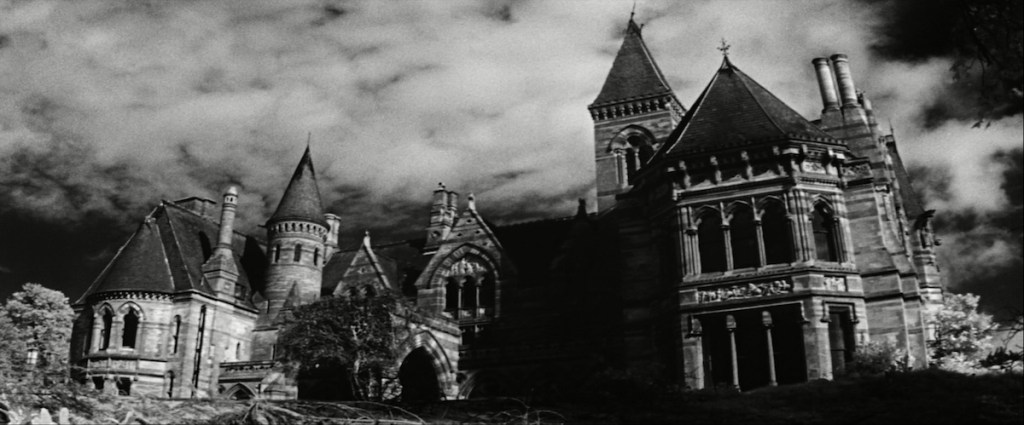
I’M NOT SAYING that remakes are inherently doomed, but The Haunting demonstrates how Hollywood can (and frequently does) miss the point.
Horror, perhaps more than any genre, thrives on restraint. When filmmakers trust their audience to imagine the worst, the results can be timeless. When they try to show everything with cutting-edge tech, mental imagery is replaced by visual spectacle and fear vanishes.
Sometimes the scariest thing isn’t what appears on the screen, but the thought that, despite being in existence for 110 years, the Hollywood film industry still doesn’t understand its audience.
 RAVEN MOON