
On this Day
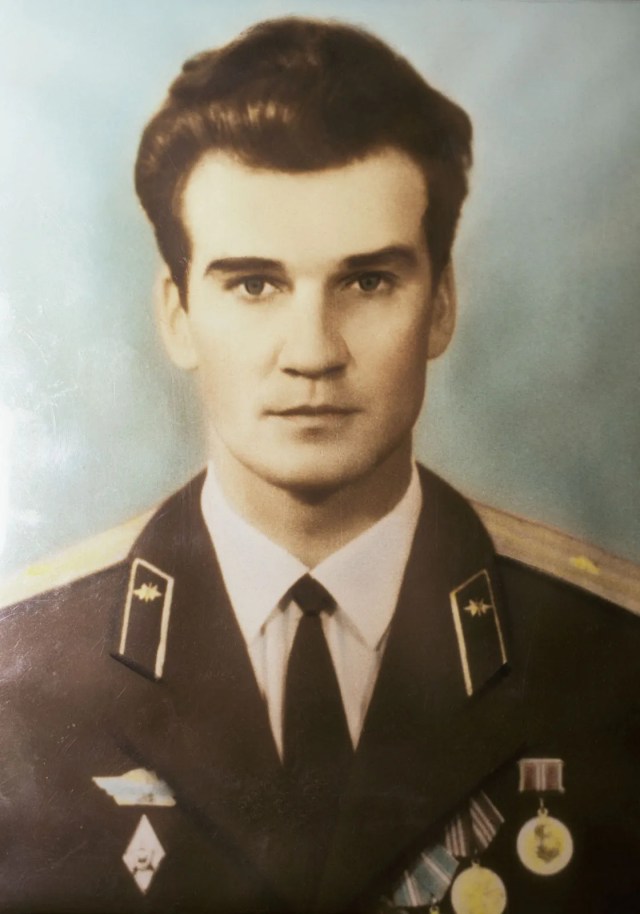
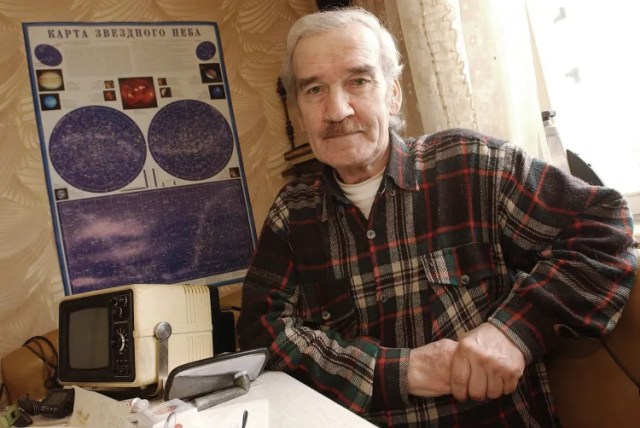
STANISLAV PETROV was born on September 7, 1939, just days after the outbreak of World War II—a world already teetering on the edge of disaster.
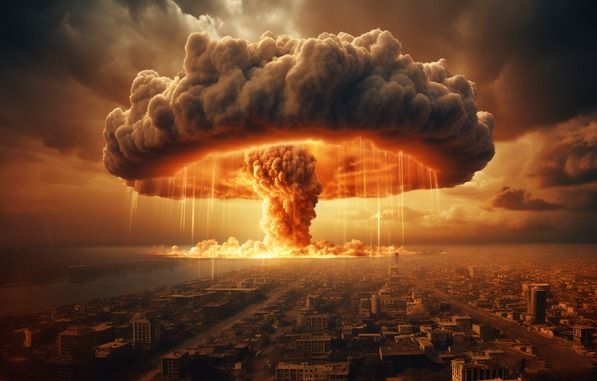
Decades later, this modest, unassuming man would make a single, split-second decision, one that is widely acknowledged to have prevented global nuclear catastrophe.
(Right) Stanislav Petrov, born September 7, 1939, the man whose calm judgment may have prevented global nuclear disaster.
As I sit down to write this post, I am acutely aware of the fact that, had Petrov followed strict protocol on September 26, 1983, the world today might have looked very different. So different that I—and you—would probably not be here.
In that sense, this post is not just a brief snapshot from history, it’s a tribute to the man whose calm judgment made it possible for me to write this post, and for you to read it.
The World on a Knife Edge
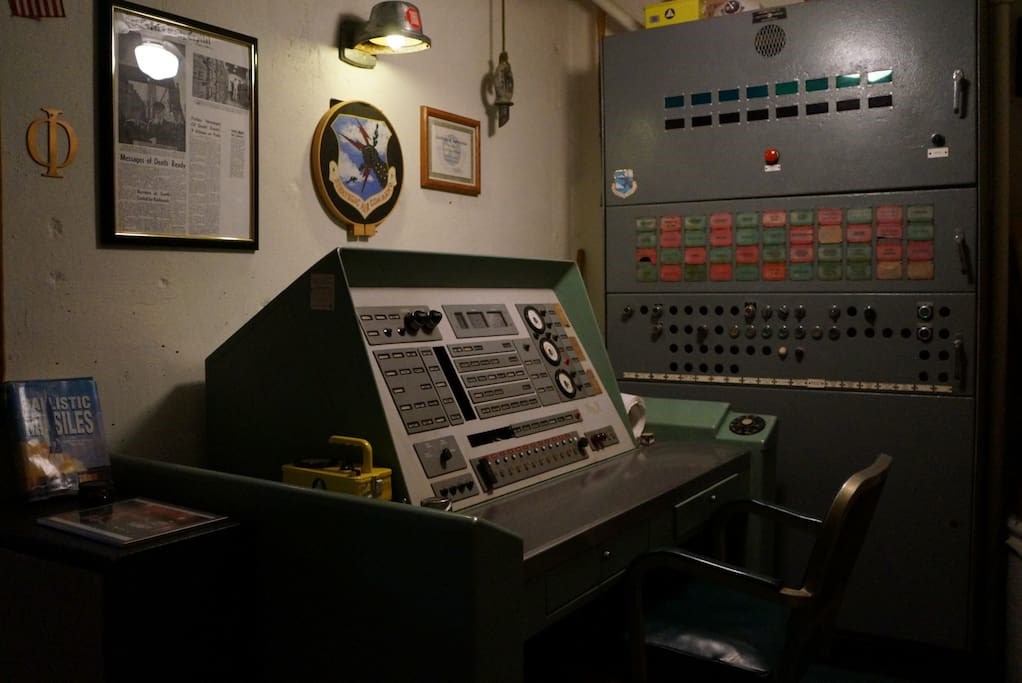
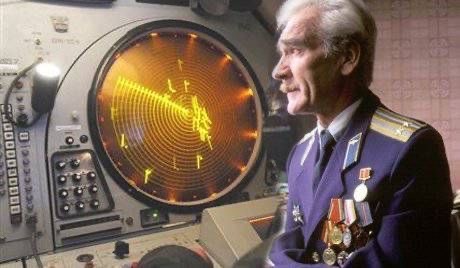
ON THAT FATEFUL early morning in 1983, Petrov—then a lieutenant-colonel in the Soviet Air Defence Force—was duty officer in an underground bunker at the Serpukhov-15 military townlet.

By rights he shouldn’t have even been there. He’d been called in, last minute, to replace a senior combat officer who’d been unable to assume watch duty.
As he sat at his station, deep in the bunker, the Russian winter was beginning to assert itself far above him. A brisk wind blew, parting the clouds. The moon was almost full.

A little after midnight, as Petrov watched his computer, warning lights suddenly blinked and the screen turned to red. Almost at once a siren sounded—an alert indicating the United States had launched nuclear missiles toward the USSR.
Protocol demanded an immediate report and likely retaliation. But something inside Petrov gave him pause.
He later recalled:
‘All I had to do was to reach for the phone; to raise the direct line to our top commanders—but I couldn’t move. I felt like I was sitting on a hot frying pan.’
He knew something wasn’t quite right.
But he also knew that if he was wrong in delaying, enemy missiles would strike his homeland, unanswered, within minutes. Were that to be the case, however, he wouldn’t live to be reprimanded.

That pause—born of calm reasoning and perhaps intuition—would make the difference between survival and Armageddon.
‘I think that this is the closest we’ve come to accidental nuclear war.’
Bruce Blair – Centre for Defence Information
High Stakes
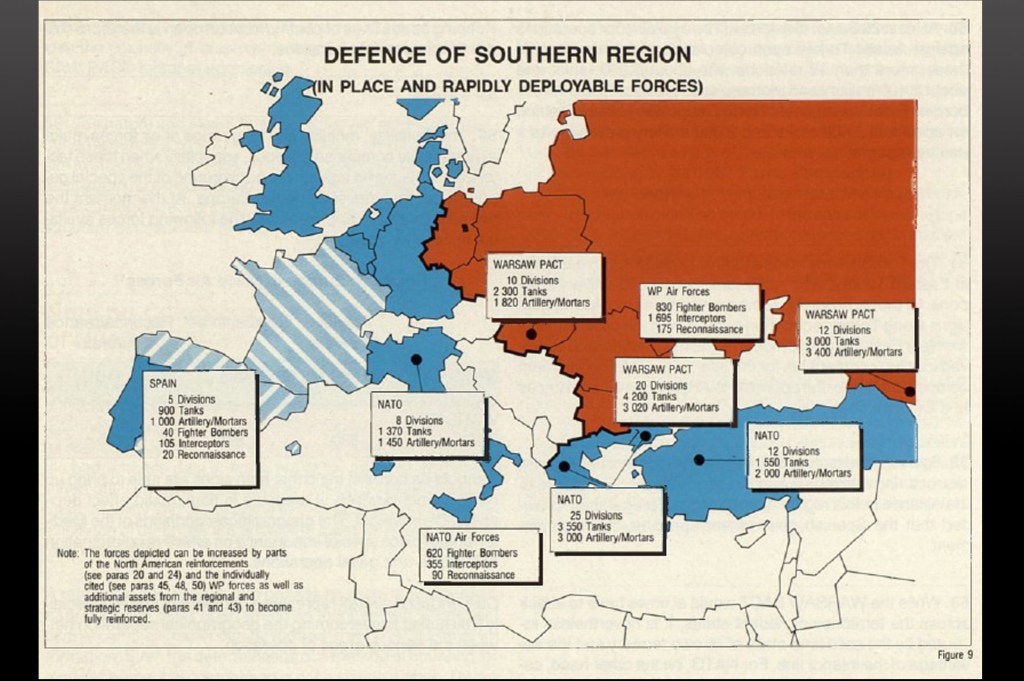
(Left) Tensions between NATO and the Warsaw Pact made every alert potentially catastrophic.
THE EARLY 1980s were one of the tensest periods of the Cold War. Relations between the United States and the Soviet Union had deteriorated sharply:
- President Ronald Reagan had escalated rhetoric against what he called the ‘Evil Empire.’
- NATO exercises, including Able Archer 83, threatened Russia and were misinterpreted as potential first strikes.
- Soviet leaders, particularly Yuri Andropov, were deeply suspicious of any Western moves.

Every alert, every decision, carried enormous stakes. Stakes which could not have been higher.
Petrov’s Crucial Decision
PETROV WAS the only man on his team who had received a formal civilian education. His colleagues were all ‘professional soldiers,’ taught to ‘give and obey orders without question.’ Petrov knew that, had anyone else been in that chair that night, they would have raised the alarm.

But he didn’t. The screens before him were reporting five inbound missiles—an unusually small number for a first strike. This didn’t seem to make sense. Thinking on his feet, Petrov also considered other key factors:
- There was no radar confirmation.
- The satellite system was new, and prone to error.
He was sure that the alert was a false alarm—and crucially, did not report it as an attack. Minutes later, his hunch was confirmed as correct.
Sunlight reflecting off high-altitude clouds had triggered the warning.
History often turns on the actions of the sabre-rattling war mongers, generals, prime ministers and presidents—but sometimes it turns on the quiet courage of one individual.
Petrov’s heroism was not applauded, celebrated or even widely acknowledged at the time; it was down played, low-key—as subtly restrained as the man himself.
Echoes in Pop Culture
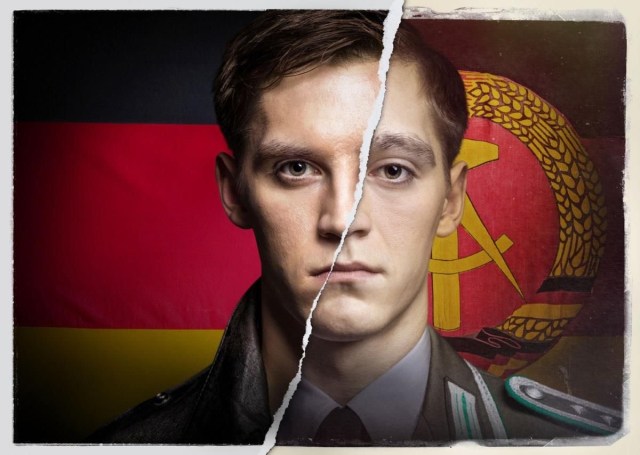
(Right) The German TV drama Deutschland 83 captures the tense espionage atmosphere of the same year.

THE GERMAN TV drama Deutschland 83 doesn’t depict the Petrov incident as such, but it captures brilliantly the tense atmosphere of the time: espionage, paranoia, and the shadow of nuclear threat.

When aired, this superbly-crafted series was a graphic reminder of how fragile life was during that time—and how easily things could have spiralled out of control.

The soundtrack of Deutschland 83 mirrors the nervous tension of the Cold War era it portrays. Upbeat West German, British and American tracks often clash with the darker, brooding undertones of the show’s incidental music, reflecting the duality of life on either side of the Iron Curtain.
This interplay heightens the viewer’s sense of unease: moments of apparent normality are always tinged with the lurking threat of catastrophe.
In this way, the music doesn’t just set the mood but it becomes an audible echo of the precarious balance of the early 1980s, when the Cold War could turn from background noise to existential crisis in an instant.
One such track is Nena’s 1983 mega-hit, ’99 Red Balloons’ (99 Luftballons in the original German version). Here, the singer, Gabriele Kerner, delivers a disturbing message about the dangers of miscommunication and the ease with which innocent actions can be misinterpreted:
Ninety-nine red balloons
Floating in the summer sky
Panic bells, it's red alert!
There's something here from somewhere else!
The war machine springs to life
Opens up one eager eye
Focusing it on the sky
When ninety-nine red balloons go by
Conclusion: Courage in the Quiet Moments
STANISLAV PETROV never sought fame. He never asked for medals. But by thinking clearly under unimaginable pressure, he ensured the survival of millions—including you and me.
A heavy smoker, Petrov fell gravely ill in November 2016 and, on May 19, 2017, he died.
In a world obsessed with power, his story is a beacon of reason; a reminder that sometimes it’s the quiet acts of courage that shape history the most.
‘Petrov should have been praised to the skies by a grateful world.’
Ian Thomas – Daily Mail
 RAVEN MOON