
Introduction: Flags, Fear and the Manipulation of Public Behaviour
THROUGHOUT HISTORY, populations have been guided, swayed, and at times manipulated by those in positions of authority. The mechanisms of control are not always overt.
More often they take the form of subtle nudges—engineered crises, health scares, product shortages, price hikes, media campaigns, symbolic gestures—that channel the collective mood of a people in a desired direction.
This theme is echoed in the work of Edward Bernays, the father of modern propaganda, who wrote in 1928:

‘The conscious and intelligent manipulation of the organized habits and opinions of the masses is an important element in democratic society.‘
Bernays’ words remind us that what we take for grassroots patriotism or spontaneous collective feeling may in fact be the result of careful orchestration.
Take flags, for example. They are not only emblems of identity and belonging. They can also be deployed as instruments of influence—symbols charged with meaning, summoned in moments of contrived unity or division, designed to stir emotion and direct behaviour.
What follows are my own thoughts on Britain’s recent ‘homegrown’ call to raise the nation’s colours.
Patriotism or Jingoism?
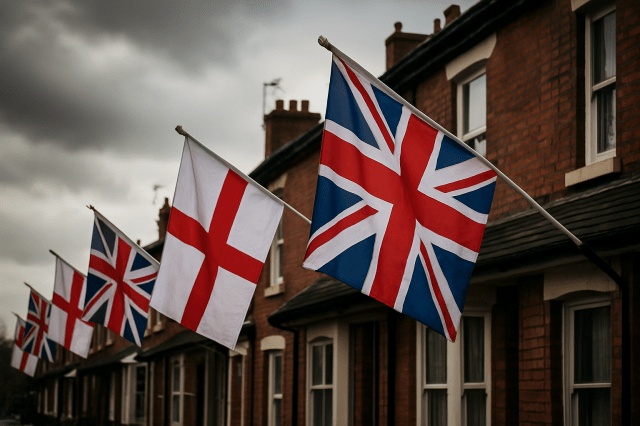
WALK THROUGH any English town right now and you may spot a sudden burst of colour in the breeze. Red crosses of England and Union Flags, draped from windows, vans, and garden poles.
The grassroots campaign ‘Fly the Colours‘ has gathered momentum in response to concerns about immigration. It’s a statement of national pride for some — and a flashpoint of division for others.

Councils, wary of escalating tensions, have in some cases moved to take flags down. Which leaves us with a thorny but fascinating question: what do flags really mean? Are they simply proud emblems of belonging, or are they inevitably loaded symbols of division?
Battlefield to Balcony
FLAGS WEREN’T born out of patriotism but practicality.
In the dust and chaos of ancient battlefields, soldiers needed a point of reference — something visible to rally around, to know friend from foe.
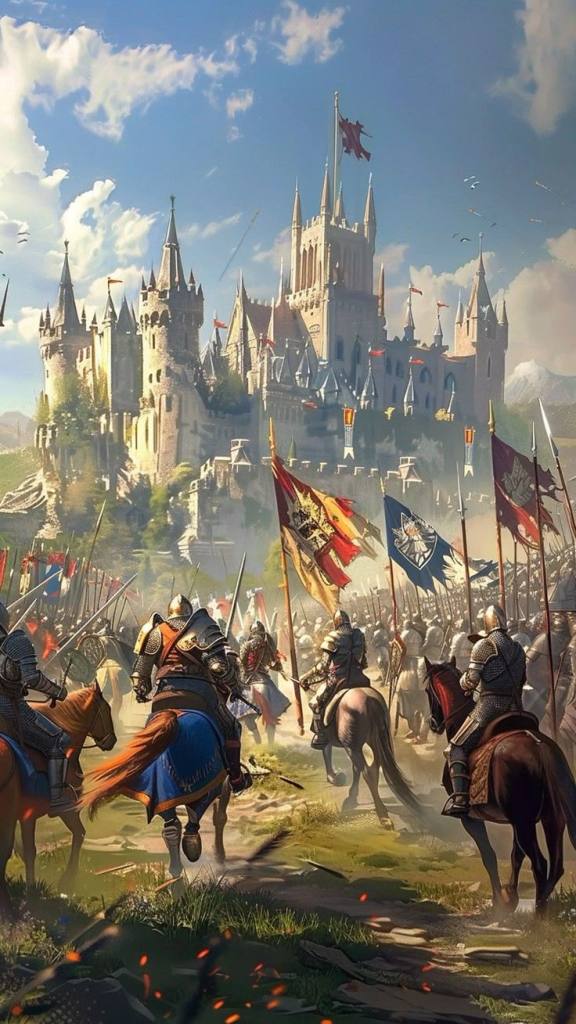
The Romans carried their eagle standards; Vikings sailed beneath raven banners; medieval knights stitched their coats of arms onto fabric so their followers knew who they were fighting for.
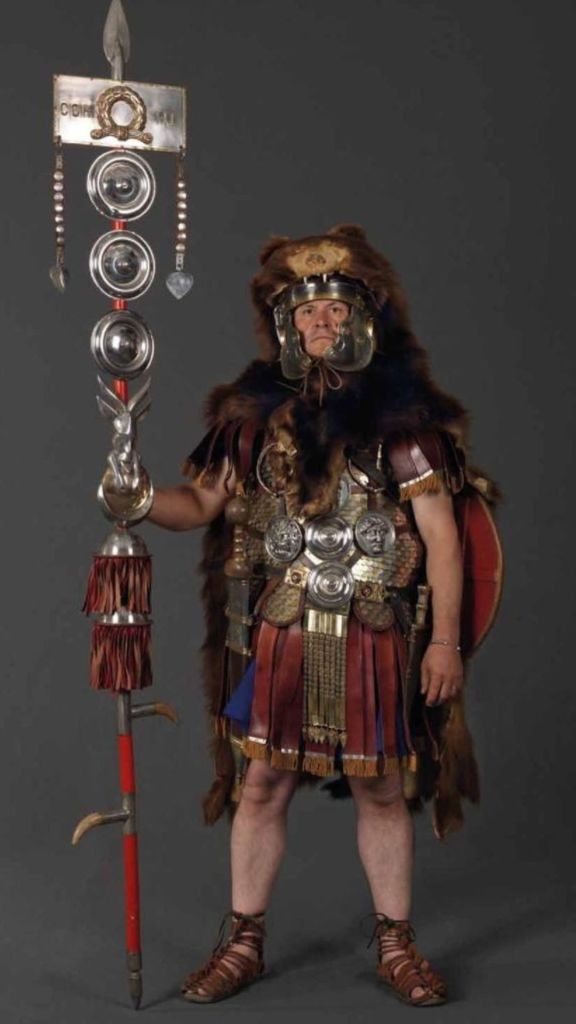

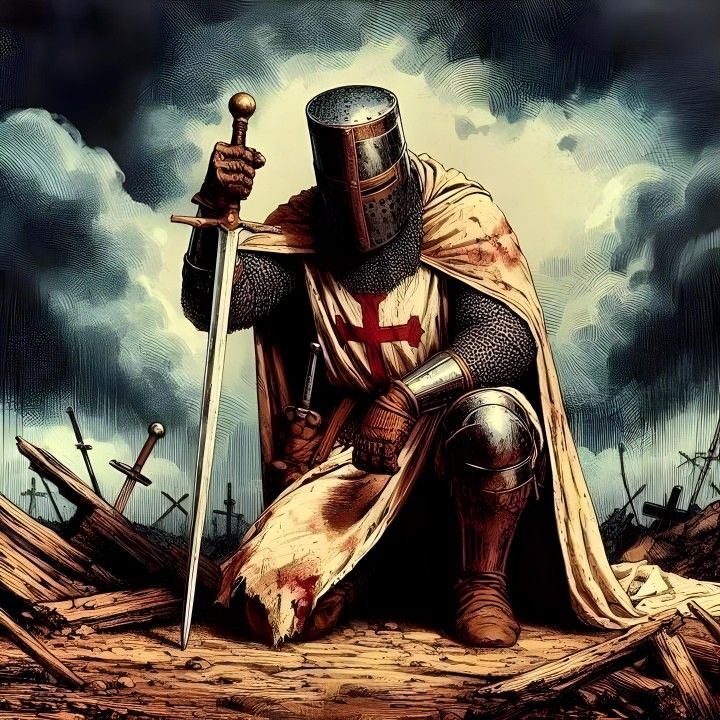
By the age of sailing empires, flags had moved from the battlefield to the high seas. Ships needed to declare allegiance — hostile or friendly? Friend or pirate?

A piece of cloth could decide life or death.
Slowly, those emblems shifted again into national symbols, adopted not just by armies and navies, but by whole populations.
So from the very start, flags were about identity. But equally, they were about division: one side versus the other, us versus them.
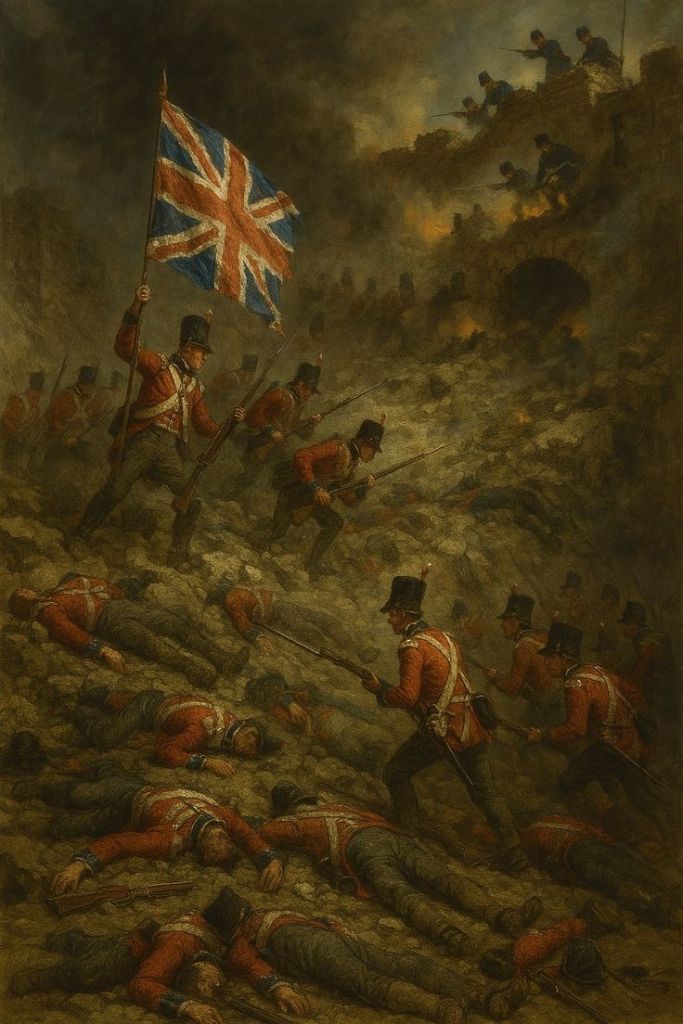
The Union Flag: A Patchwork of Power
BRITAIN’S UNION Flag — referred to as the ‘Union Jack’ when flown from a ship’s jack-staff — is perhaps the clearest example of how a flag can tell a story of professed unity achieved by oppression.
- The Cross of St George (England): A red cross on white, first adopted during the Crusades, later embedded as England’s national emblem.
- The Cross of St Andrew (Scotland): A white diagonal saltire on blue, a nod to Scotland’s patron saint.
- The Cross of St Patrick (Ireland): A red saltire on white, added in 1801 after the Act of Union bound Ireland into the United Kingdom.
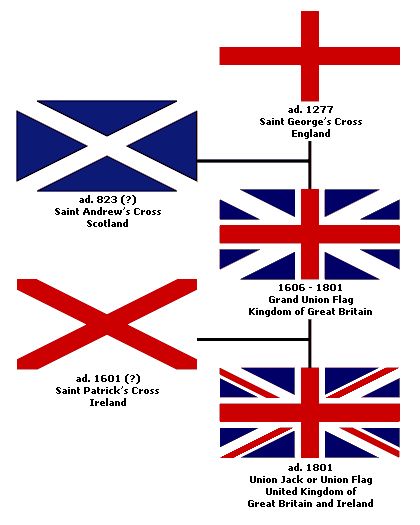
Layered one upon the other, these symbols formed a new flag — but not one of equal partnership. England’s cross dominates. Beneath it, the crosses of Scotland and Ireland represent a union forged through bloody conquest. And as for Wales? Wales is nowhere to be seen.
For some, the Union Flag is a stirring symbol of shared heritage. For others, it’s a reminder of empire, bloodshed, suppression, and lost autonomy.

Same cloth, different meanings.
St. George … but no Dragon
STRAYING FROM the core subject for a moment, why IS Wales not represented on the Union flag?

The simple answer is that by the time the first Union Flag was created in 1606, Wales was no longer regarded as a separate kingdom. The Laws in Wales Acts (1535 and 1542) under Henry VIII had effectively annexed Wales into the Kingdom of England.
In the eyes of the crown, Wales was already part of England — and therefore had no need for separate representation on the flag.
But the deeper story is a familiar one of oppression. Wales was not only politically absorbed but culturally suppressed. The English crown sought to eradicate Welsh identity:
- Language: Welsh was banned in the legal system, courts, and government. English became the sole official language, pushing Welsh to the margins of daily life. Over centuries, this led to a decline in Welsh literacy and transmission.
- Religion and Education: The state discouraged the use of Welsh in schools and churches. For generations, children were punished for speaking Welsh in classrooms — the infamous ‘Welsh Not‘ being hung around the neck of schoolchildren caught using their native tongue.
- Identity: By denying Wales a place on the flag, England symbolically erased Welsh nationhood, reinforcing the idea that it was merely a region rather than a people with its own language, culture, and history.

(Left) The ‘Welsh Not’ was a token used by teachers at some schools in Wales, mainly in the 19th century, to discourage children from speaking Welsh at school.
It’s no accident, then, that the red dragon of Wales — one of Europe’s oldest national emblems — does not appear on the Union Flag. Its absence reflects centuries of conquest and attempted assimilation.
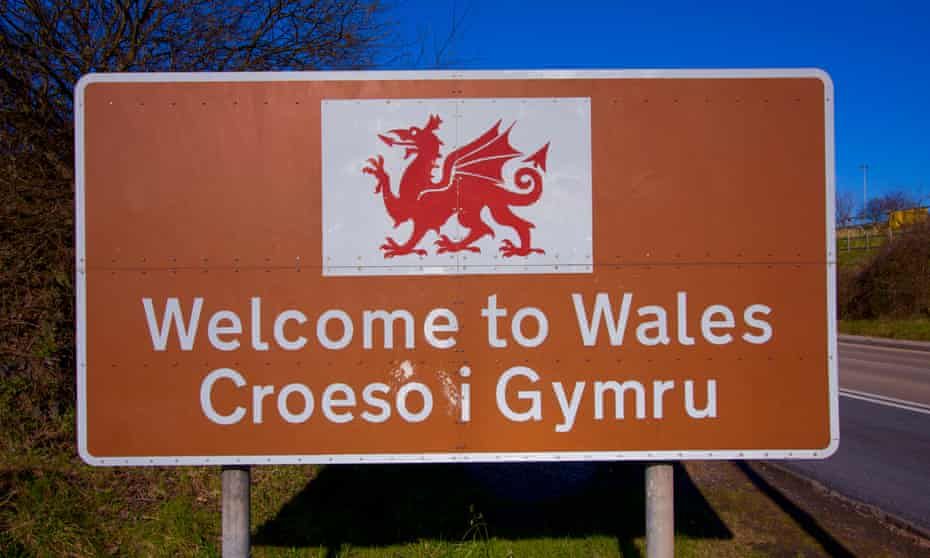
Only in recent decades has the Welsh language seen a revival, protected by law and proudly embraced by younger generations.
But the absence of Wales from the Union Flag remains a quiet and damning reminder of that long history of suppression. Suppression which today would be termed ‘ethnic cleansing.’
Patriotism vs. Jingoism
BACK, THEN TO ‘Fly the Colours,‘ and here’s where it gets tricky.
Flying a flag can be a gesture of simple pride: cheering your football team, celebrating a royal jubilee, or honouring those who served in war. That’s patriotism — love of country, an embrace of cultural identity.
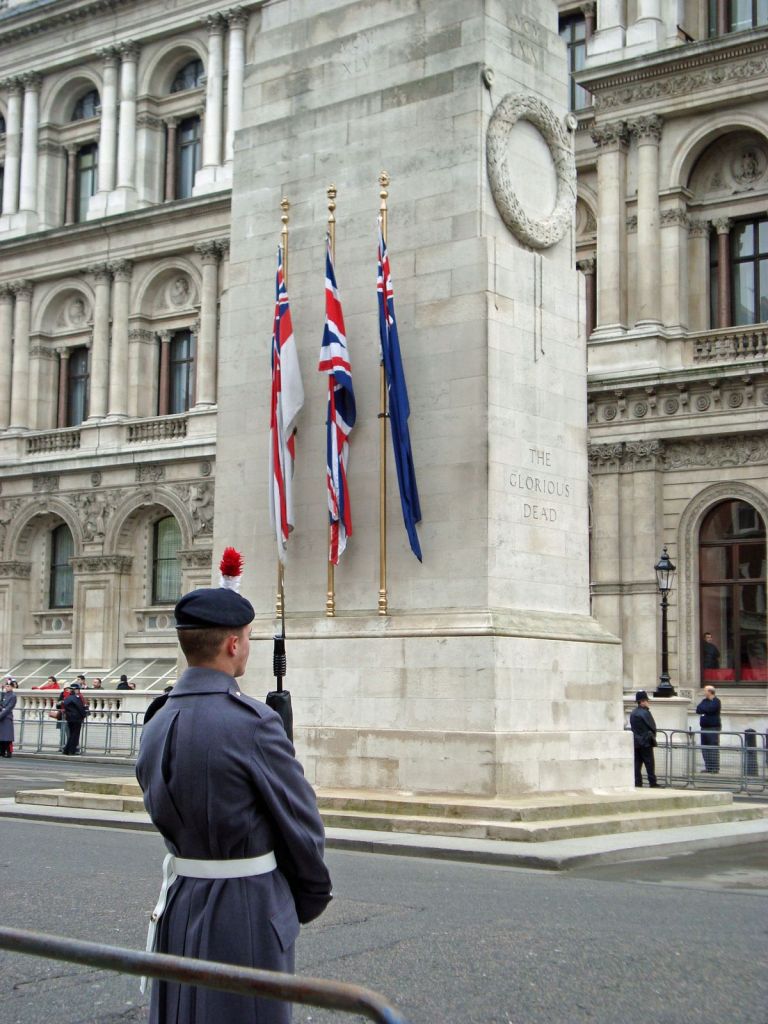
But flags can also slip into jingoism: aggressive nationalism, the idea that one’s country is not just loved, but superior — and that others are to be distrusted, excluded, or even despised.

The line between the two isn’t fixed. For the person hanging a flag from their window, it may feel like an innocent statement of belonging. For their neighbour, it may read as a challenge: you don’t belong here.
The meaning of the flag doesn’t only lie with the one who raises it, but with those who see it.
Are Flags Meant to Divide?
IN SHORT, YES. That was always part of their function. A flag says, ‘This is who we are.’ And by extension, it says, ‘This is who we are not.’
That’s not always sinister. At a music festival, you might see regional flags raised proudly in the crowd.

At a football match, supporters wave team colours.
These banners unify one group, but they also divide — we are red, they are blue.

The problem arises when the dividing line hardens. When the flag ceases to be about celebration and becomes a weapon of exclusion.
The Debate Today
WHICH BRINGS us back to England in 2025. To fly a flag in response to immigration may feel, for many, like reclaiming cultural pride and asserting sovereignty.
For others, especially immigrant communities or those already marginalised, it feels pointed — a reminder that the nation’s colours don’t include them.

So the real question isn’t whether flags are patriotic or jingoistic. They can be either. The real question is: who gets to define what they mean?
Cloth with Consequences
A FLAG MAY look like nothing more than fabric flapping in the wind. But it is never just that. It is history stitched into stripes and crosses. It’s power and belonging. It’s pride achieved on the back of pain.
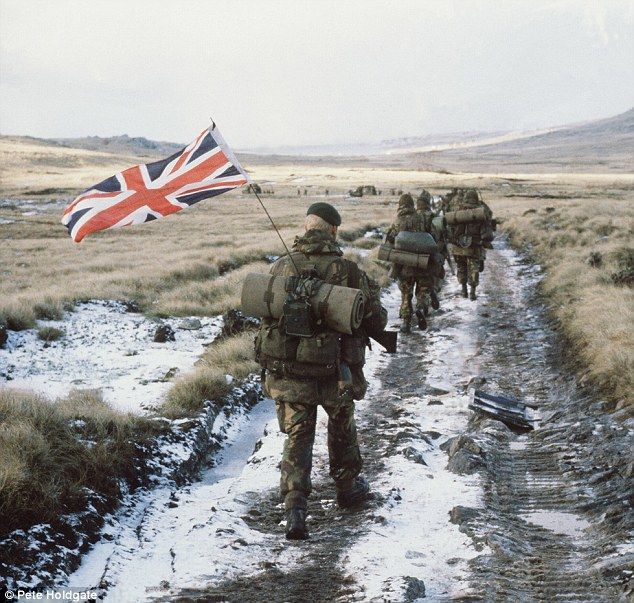
As the Union Flag and the Cross of St George ripple across England’s towns, we’re reminded of their double-edged nature. Flags can bring people together in solidarity — or drive them apart in suspicion.
Perhaps the most honest way to see them is this: a flag is a mirror. It reflects back what the person who flies it feels inside — love, fear, pride, anger. And whether it unites or divides depends less on the cloth itself, and more on the hearts it stirs.
A Final Thought – Grassroots or Contrived?
THERE’S ANOTHER question worth asking — one I alluded to in my introduction:
Is ‘Fly the Colours‘ truly a grassroots campaign, or is it being nudged along — perhaps even engineered — from somewhere higher up? Is there a bigger picture here? A hidden agenda.
Are those who raise their colours simply pawns in a game, manipulated by unseen hands?
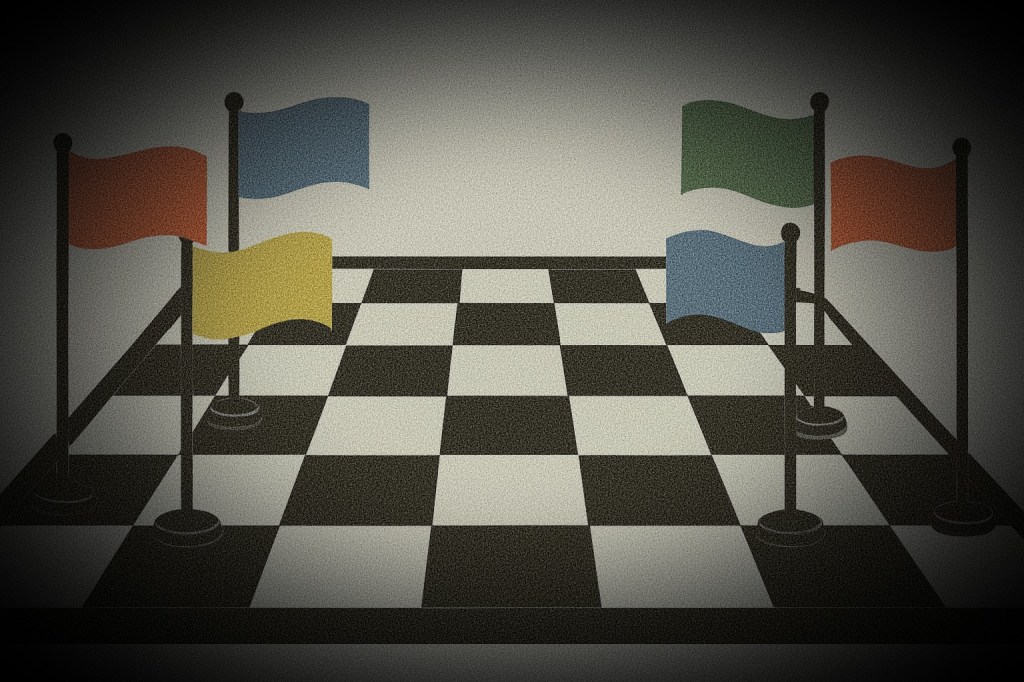
On the surface, it appears organic: ordinary people buying flags, sticking them in their gardens, windows, and vans.
And yet …
… history gives us plenty of examples where movements that appear spontaneous are in fact encouraged, promoted, or quietly orchestrated by those with an interest in steering public sentiment.

The strategy is as old as politics itself: divide and rule.
Social scientists and political strategists have long studied how populations can be influenced and controlled through contrived events.
Models show that when people are presented with emotionally charged symbols or crises, their attention and energy can be redirected.
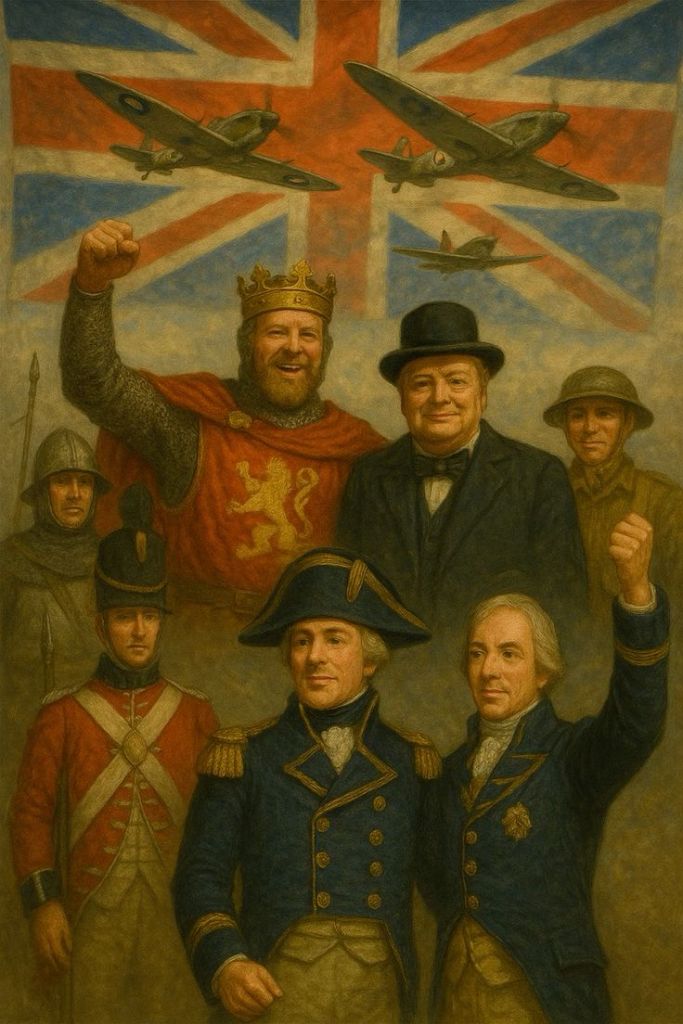
By amplifying divisions — through identity markers like flags, or through polarising debates — populations become more predictable and easier to manage.
In this sense, campaigns that seem spontaneous may function as exercises in steering public mood.
When a population is split into factions — by class, religion, region, or in this case, by national identity — it is easier to govern. Distracted by mutual suspicion, people are less likely to turn their attention to those in power.
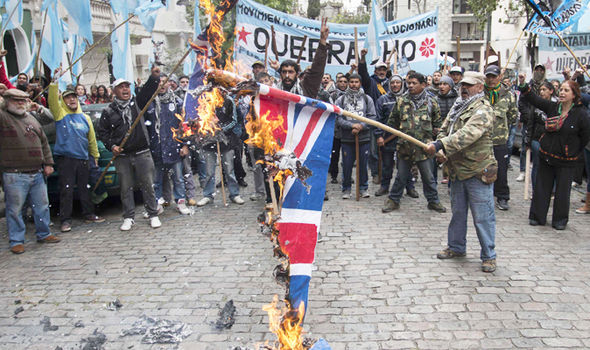
Flags, with all their emotional charge, are a perfect tool for this. They can bind one group together while simultaneously setting it against another.
And once people are arguing about who gets to claim the flag — and who does not — deeper issues like economic inequality, housing shortages, or government accountability can slide quietly off the radar.
Look here — don’t look over there.
So perhaps the more unsettling — yet vital — question is not just ‘what do flags mean to us,’ but ‘what use do they serve to others.‘

 RAVEN MOON