

Turning the Page
SOMETIMES THE END of one chapter really is the beginning of another. Take Lee Child, for example. Back in the mid-1990s, he wasn’t yet the bestselling author we know today — he was Jim Grant, a TV executive at Granada Studios.
And then – after nearly two decades in the industry, he suddenly found himself redundant. A career, a steady job, a sense of direction — all gone in one corporate decision.
But instead of rushing to find another television role, he did something radical: he bought a pencil and some paper from WHSmith, and decided to try his hand at writing a novel.
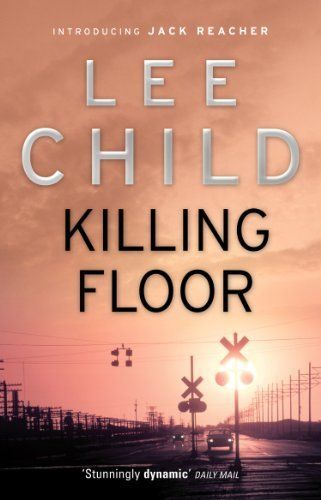
The result was Killing Floor, published in 1997. This was not only the very first outing of Jack Reacher — it was the birth of a literary phenomenon.
The Birth of a Drifter
FROM THE very start, Reacher was unlike other heroes. A 6’5” former military policeman with no fixed address, drifting from town to town, carrying nothing but a toothbrush.

He didn’t belong anywhere — but wherever he went, trouble seemed to find him. And when it did, Reacher delivered justice in his own uncompromising way.
Killing Floor wasn’t just a debut — it won the Anthony Award for Best First Novel and set the tone for everything that followed.
The recipe was there from day one: lean prose, razor-sharp plotting, and a hero who lives outside the system but always sees things more clearly than those within it.
Killing Floor opens with Reacher stepping off a bus in a small Georgia town. The first-person narration hits you with short, sharp sentences — stripped of adjectives, heavy on precision. Time of day. Place. Weather. Action. Nothing wasted.
Within a page he’s ordered black coffee and eggs; within a few more, he’s under arrest for a murder he didn’t commit.
That blunt, minimalist style became Lee Child’s signature from the very first line:
‘I was arrested in Eno’s diner. At twelve o’clock. I was eating eggs and drinking coffee. A late breakfast, not lunch. I was wet and tired after a long walk in heavy rain. All the way from the highway to the edge of town.’

A Winning Formula

LEE CHILD has been remarkably open about his process. He found a formula that worked — and he stuck with it. Each Reacher book follows a familiar pattern: a new place, a new problem, an outsider stepping in when no one else can.
On paper, that might sound repetitive, but in practice it’s exactly what readers want. Familiarity with just enough freshness.
As Child himself once said:
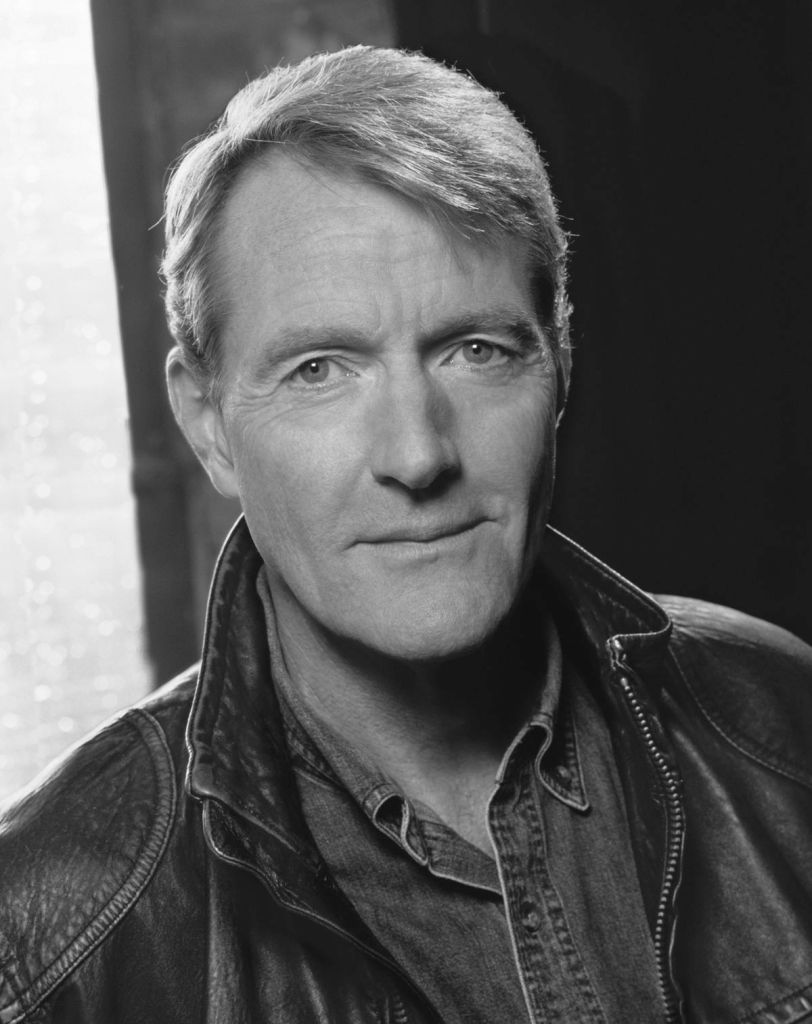
‘Readers don’t want change — they want the same thing done differently.’
That philosophy has built a loyal fanbase that spans the globe.
‘I don’t like Reacher that much… The best thing to do is not to get too close to the character. That’s what keeps him alive and honest and authentic… I’m the only person in the world he’s scared of.’
‘He is a happy-go-lucky guy. He has quirks and problems, but the thing is, he doesn’t know he’s got them. Hence, no tedious self-pity. He’s smart and strong… any anguish he suffers is caused by others.’
Lee Child on Reacher
From page to screen
REACHER DIDN’T just conquer the bookshelves. With over 100 million copies sold and translations into nearly 50 languages, the character became a cultural icon.
Unsurprisingly, Hollywood came calling — first with two films with Tom Cruise in the leading role.
At only 5’7″ Cruise was a controversial casting choice, one which sparked plenty of debate.

More recently, Amazon Prime’s Reacher TV series, launched in 2022, stars Alan Ritchson —a towering performance, praised for capturing the physical presence fans always imagined.

Reinvention through resilience
LOOKING BACK, it’s astonishing to think it all began with redundancy. What could have been a dead end became a complete reinvention — and one of the most successful literary careers of our time.
Reflecting on his redundancy from Granada TV, Child declared that Reacher represented what he aspired to feel:
‘What would it be like to not be worried about things, to not be afraid … to be utterly confident in your life?’
Lee Child’s journey from Granada Studios to global bestseller is a reminder that sometimes life’s setbacks aren’t the end of the story at all. They’re just the plot twist that sends us in a new direction.
From redundancy to Reacher — not a bad turnaround.

 RAVEN MOON