
Nordic Folk
Since August, 2023 I’ve presented on here several pieces of music, compositions which may be best described as ‘Nordic Folk.’
Ulvetime
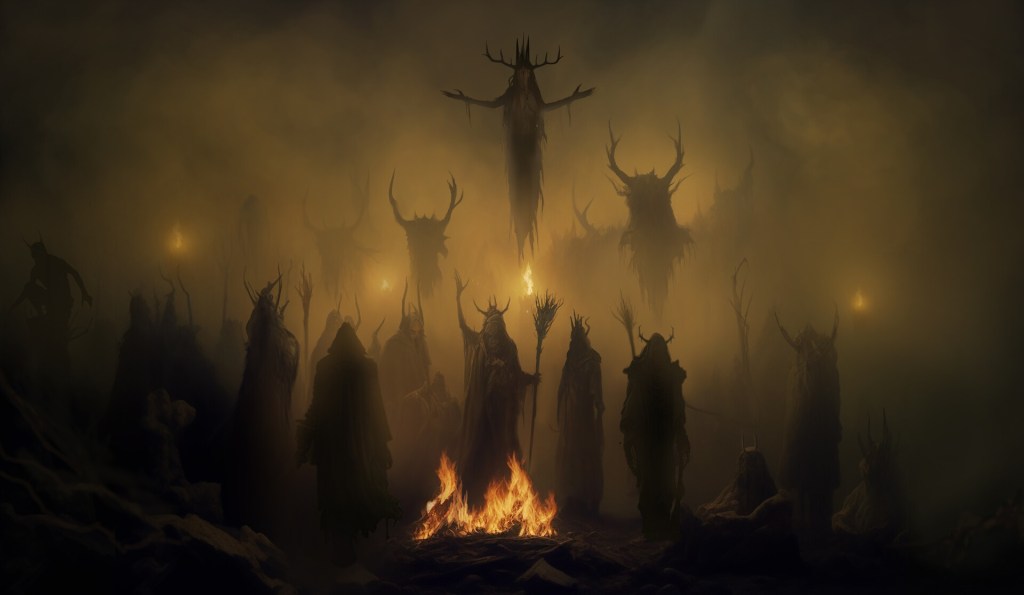
On August 18 that year I posted ‘Ulvetime (Hour of the Wolf)’ by Northern European group, ‘Songleikr.’

The song’s captivating lyrics confront mortality with a mood of dread and restlessness, yet my experience of the performance was heartening—reminding me that, though time is relentless, we can still create beauty through music.
Hibjørnen
In ‘Hi-bear-nation,’ my post of November 9, 2024, I included a composition by Norwegian artists, ‘Wardruna.’

The song ‘Hibjørnen’ uses the hibernating bear as a symbol of life’s cycles, guiding the listener through a dreamlike winter’s sleep to emerge renewed and more deeply attuned to nature’s rebirth.
Odal
On April 3 this year, in my post ‘Odal’ I presented another piece by Wardruna.
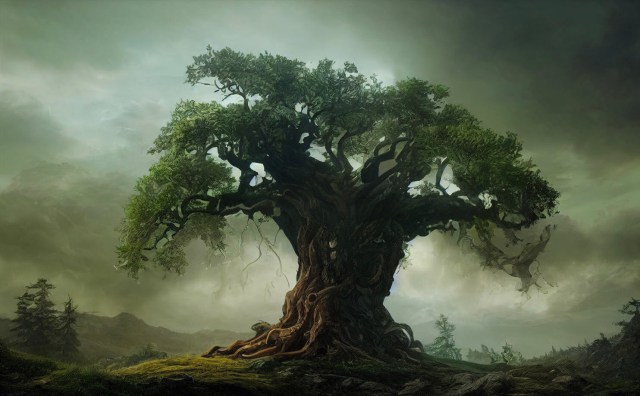
Here, through use of a tree metaphor, the song conveys the interdependence of all life, the grounding power of heritage, and the lasting marks—both noble and painful—that shape our human story.
Helvegen
Wardruna featured again in my post ‘Helvegen,’ published in May.

In this highly emotive song rich in the imagery of Viking beliefs and traditions, the singer presents a solemn reflection on death and the soul’s journey to the afterlife, offering both a farewell to the departed and a reminder that memory and ancestry endure beyond mortality.
Anoana
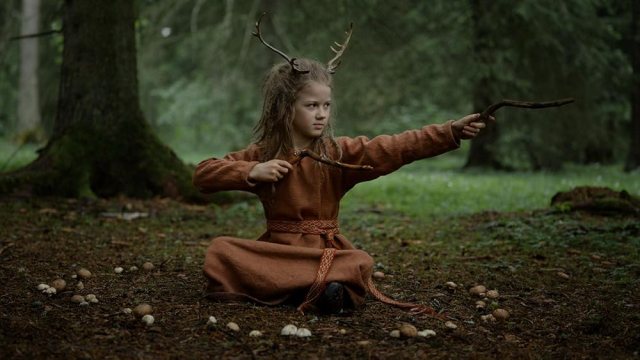
In the June post, ‘Anoana,’ singer Maria Franz who had also featured in ‘Ulvetime (Hour of the Wolf),’ appears again, this time with the group ‘Heilung.’
Heilung’s Anoana is an invocation of ancient feminine power, weaving ritualistic chants and rhythms to celebrate fertility, renewal, and the sacred connection between humanity and nature.

In Maidjan
Today I present another of Heilung’s compositions.
‘In Maidjan’ is not simply a song but a sonic ritual, weaving together ancient inscriptions, invocation, vocal passion, and spiritual intensity.

This powerful piece bridges primeval depth with visceral modern performance.
I accept that such is the intensity of their music, Heilung could be considered to be a ‘niche interest’ band—very much a matter of personal taste … much like Marmite.
There can be no doubt, however, that through ancient words, primal instrumentation, and ritualistic performance, the group creates a space where listeners can reconnect with something older than memory.

Witnessing In Maidjan, Live
When you first see In Maidjan performed live, it isn’t like listening to music—you step through a doorway into another world. The stage is dim, heavy with incense smoke, and when Heilung appear, it feels less like a band arriving and more like a tribe connecting to a primeval source-stream.

At first, there’s only a low pulse: a single drum, deep and resonant, echoing like a heartbeat in the earth.
Voices rise—growls, whispers, chants—and the skin prickles as the sound swells.
This isn’t English, or even any language that may be familiar. No, this is something far older. The runes of the Elder Futhark, chanted one by one, each syllable landing like a stone dropped into still water.
This isn’t performance. This is ritual.
The Pull of Forgotten Ancestry
As the song unfolds a voice calls upon Tyr, god of sacrifice, and Odin, master of battle. The invocation is not a polite prayer but a raw demand, a declaration shouted into the void.

The air vibrates with it. It tightens the chest, as if the power of those words reaches back through centuries, awakening something sleeping deep inside the soul.
The drum beats escalate, rattles shake, antlers clash, and a chorus of voices rise together in defiance and in awe. Instruments made from bone, hide, and horn blur the line between music and ritual object. Every sound carries the weight of an ancient hand, an ancient voice, an ancient purpose.
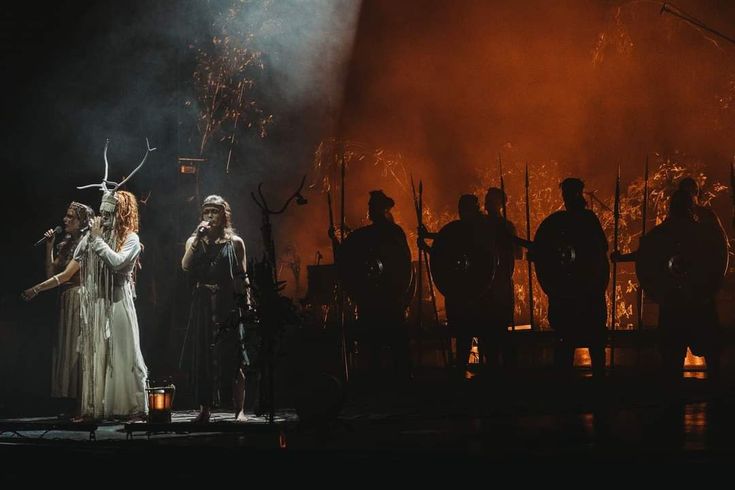
It feels like our ancestors have been summoned—shadowy figures gathering behind us, whispering through the rhythms, reminding us of a long-forgotten lineage.
Between Corruption and Purification

The title In Maidjan means ‘to corrupt, to deceive.’ The irony is clear. This is a song that summons gods for war, for power, for protection—yet it acknowledges, too, the danger of that very act. War corrupts. Power twists. Even ritual is not free of shadow.
And yet, one is not weighed down by darkness. Instead, we are granted a glimpse into the raw honesty of ancient humanity—its fears, its hopes, its willingness to call upon forces beyond comprehension.
There is emotional release in admitting that corruption exists, that battle is bloody, that our ancestors were no strangers to both brutality and beauty.

The Healing Within the Fury
Heilung means healing. Strange, perhaps, for a group whose music can sound so fierce, so warlike. But as In Maidjan reaches its climax—drums pounding like thunder, voices rising in a feral chorus—we begin to understand:
Healing does not always come from softness. Sometimes it comes from fire, from facing the storm, from remembering the parts of ourselves we’ve buried under centuries of civilization and long-forgotten lifetimes.

When the last rune is spoken and the last drumbeat fades, silence falls heavy.
It is a silence suspended between worlds, caught between the modern stage and a time when words and rhythm were spells, when song could shape reality.
And yet, in that silence, something stirs—an echo of ancestry, a connection to a time and place long lost, yet suddenly, vividly alive.

Listening to In Maidjan isn’t about hearing music. It’s about remembering. Remembering that beneath the layers of modern life, we are still tethered to the same heartbeat, the same earth, the same sky to which our ancestors once sang. And in that remembering, there is healing.

 RAVEN MOON