
IN 2022 I began journaling. My first entry, dated Wednesday, May 18, began:
‘It’s been suggested to me that I begin journaling as a means of gaining a degree of ‘inner knowing,’ and as an aid in navigating the difficult times we’re living through.’

I found this to be true. By November of that year I had also begun to combine my nightly journaling with card and rune readings.
This allowed me to not only record my thoughts and reflections on the day’s events, but also gain insight and guidance from the Universe. I’ve continued this practice ever since.


For such a process to be effective, it requires a clear mind, a relaxed attitude, and a sense of connection to Spirit.
And to help me achieve this, I smudge.
Whilst some readers may be familiar with ‘smudging,’ some may not. There may also be some who’ve heard of it but consider it outlandish, or just a bit kooky. So, what is ‘smudging,’ and why is it performed?
The Language of Smoke
ACROSS TIME and cultures, people have utilised fire and smoke as part of their spiritual lives. Whether in the form of Indigenous smudging, through the burning of herbs and resins in ancient temples or lodges, or incense and candles in the Christian church, the rising breath of smoke has always possessed deep symbolism and meaning.
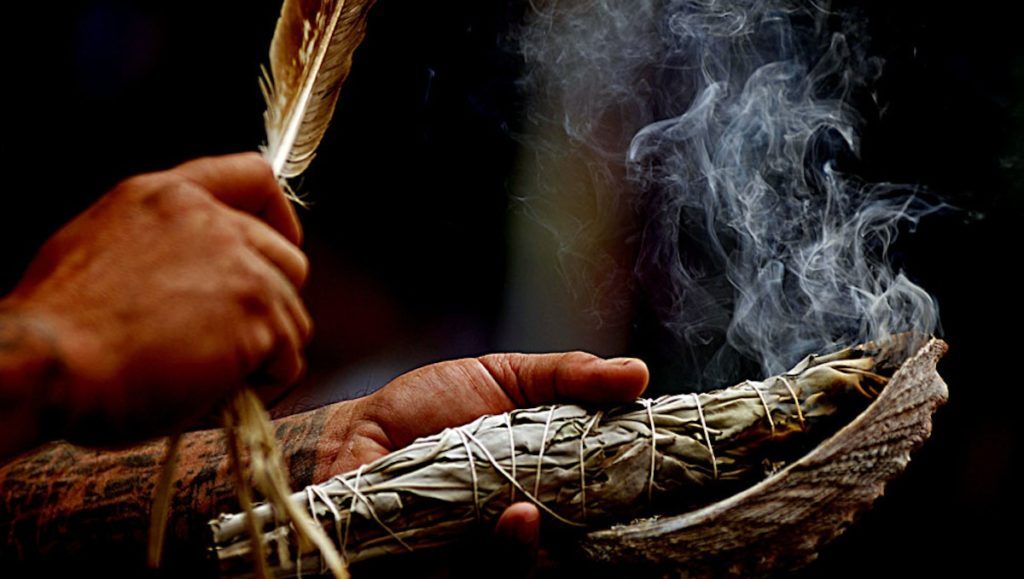
When we smudge—burning sage, cedar, sweetgrass, palo santo, or incense, for example—the smoke is not simply a source of fragrance, it becomes a bridge between the seen and unseen, a tool for shifting energy and opening space for the sacred.

Indigenous peoples of North America, for instance, have long used smudging to cleanse people, objects, and places, to offer prayers, to seek protection, and to mark sacred time.
The rising smoke carries away what is heavy or stagnant, making room for harmony and clarity.
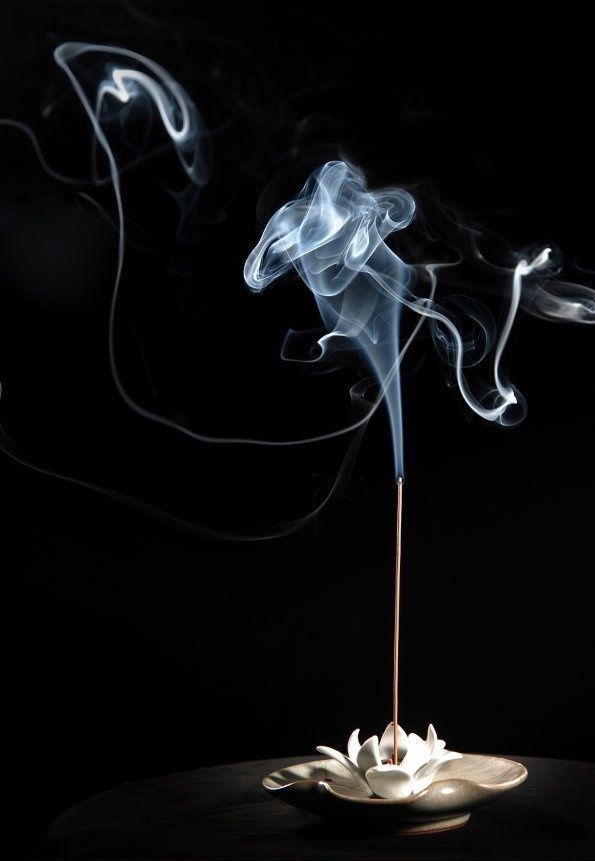
This practice resonates with universal principles:
- Bridge Between Earth and Sky – Smoke rises, carrying prayers or burdens upward, connecting human intention with the divine.
- Symbol of Transformation – Fire changes what it touches; smoke is the visible trace of that change, embodying renewal.
- Cleansing and Renewal – Many herbs and resins not only smell sweet but have antimicrobial qualities, reinforcing the sense of purification.
- Engagement of the Senses – The fragrance, the sight of smoke, even the crackle of fire—all these mark a shift in awareness, inviting us into sacred space.
A Cross-Cultural Instinct
THIS INSTINCT to burn as a sacred act appears all over the world.

In ancient Vedic traditions, offerings were placed into fire so the smoke might carry them to the gods. In Buddhist temples, incense is lit to honour the Buddha and awaken mindfulness. Even in pre-Christian Europe, fires and smokes were part of seasonal rituals for protection and renewal.
Smoke and flame became a universal spiritual language: ephemeral, rising, transformative, and deeply symbolic.
Christian Parallels: Incense and Candlelight
The Christian church reflects these very same principles in its worship practices.
- Incense – In Catholic, Orthodox, and some Anglican sacraments, incense is burned during Mass. The cloud of fragrance fills the air, sanctifying the space and symbolising prayers rising to heaven. Psalm 141 is often invoked: ‘Let my prayer be set forth before thee as incense; and the lifting up of my hands as the evening sacrifice.‘ Like smudging, it cleanses, protects, and marks the moment as sacred.
- Candles – The steady flame of a candle represents light, protection, and divine presence. In Christian worship, a candle is more than illumination—it is a symbol of Christ as the ‘light of the world,’ of hope in darkness, and of prayer embodied in fire. Just as smudging smoke transforms a space, candlelight reshapes atmosphere and opens the heart to reverence.
In both cases, the principle is the same: fire and smoke become mediators between the human and the divine, helping us move from ordinary time into sacred awareness.

A Connection
WHEN WE smudge, light incense, or kindle a candle before prayer or meditation, we are engaging in a ritual that humanity has observed for millennia.
Smoke and flame connect us to our ancestors, to the sacred, and to a sense of the eternal. They cleanse, they protect, and they transform us—inside and out.
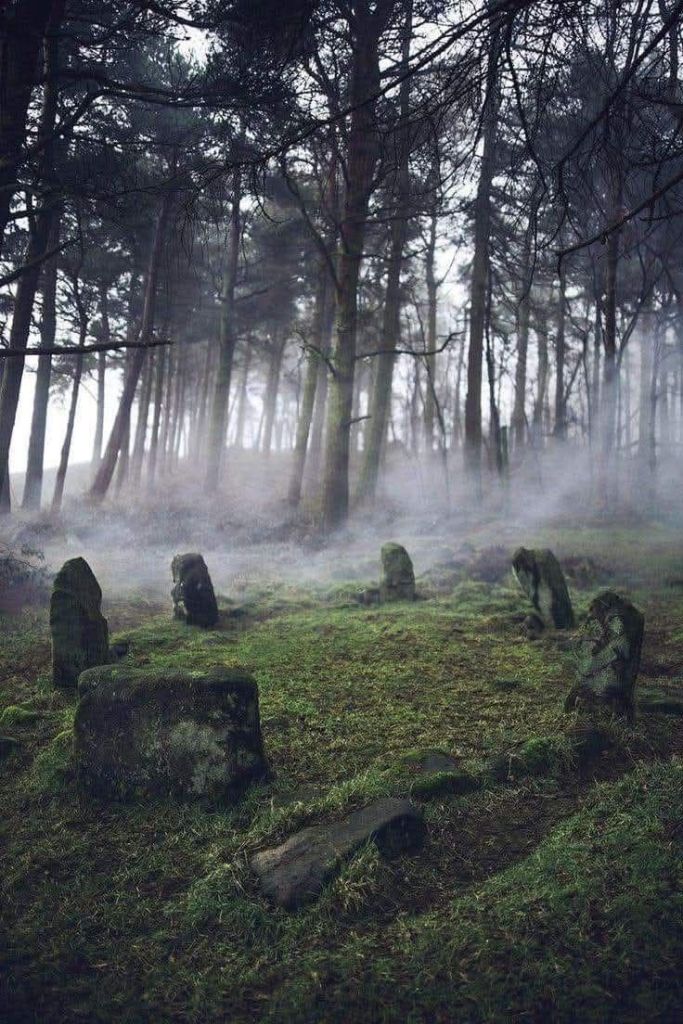
So, the next time you light incense or watch the smoke curl from sage, remember: you’re participating in a ritual older than history itself. The sacred breath of smoke carries your intentions upward, bridging earth and sky, the human and the divine.

 RAVEN MOON