
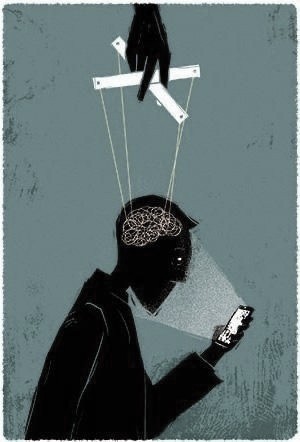
‘The basic tool for the manipulation of reality is the manipulation of words. If you can control the meaning of words, you can control the people who must use the words.’
Philip K Dick
A Novel Idea
While reading the novel ‘Shake Loose the Border‘ by Robert Low, I came across a passage that set me thinking.
In it, illiterate mercenary, Batty Coalhouse, the story’s main character, pondered on why another man, whose property had been despoiled, should mourn the loss of his books over his furnishings.
‘Batty had seen this before and still could not understand it, as if books should be elevated above all.
He could not read, but was wise enough to know that his views might change if he had the ability.’
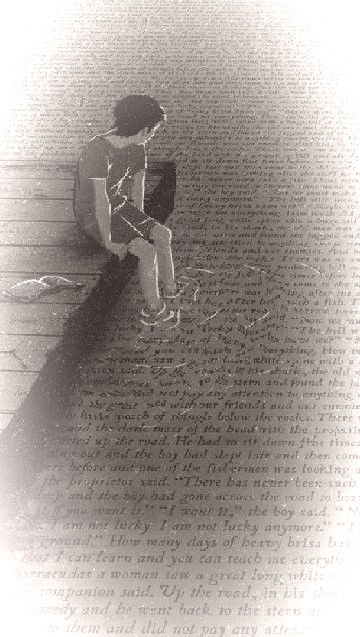
Now, it may seem paradoxical for a writer of blogs to raise the following question, but how might we view the world if, like Batty Coalhouse, we couldn’t read?
How might our own views change?
Reclaiming the World With Our Eyes
WE ARE SURROUNDED—assailed—from all directions, every minute of every day. Notifications ping, demanding our immediate focus. There are news flashes, banners and pop-ups, all competing for our anxious attention.
Advertisers ambush us from street corners, and town centres. They even accost us in our homes, clamouring for our time, our trust, our last penny; the shirts off our backs.
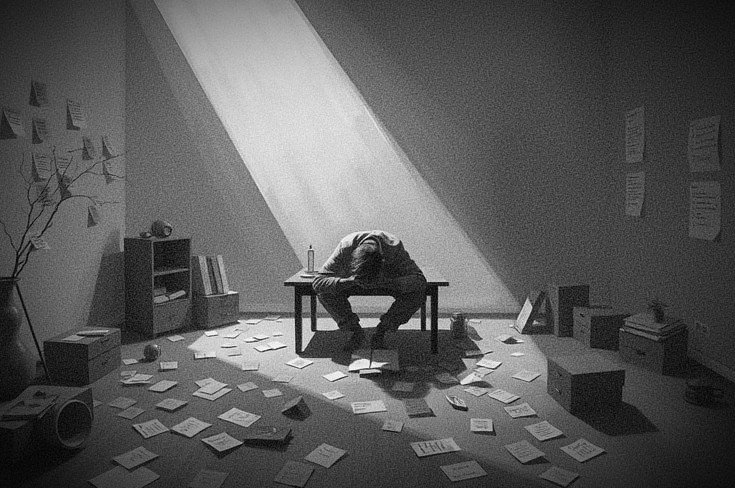
Opinion masquerades as fact, and fact is stripped into component threads, interwoven with fantasy, then spun and reworked for maximum outrage.
But what if we couldn’t read any of it?
Literally—what if reading weren’t possible? Not because of a disability, but because the symbols meant nothing. Words—on billboards, screens, tweets, headlines—nothing more than squiggles. Meaningless marks.
What would be left?
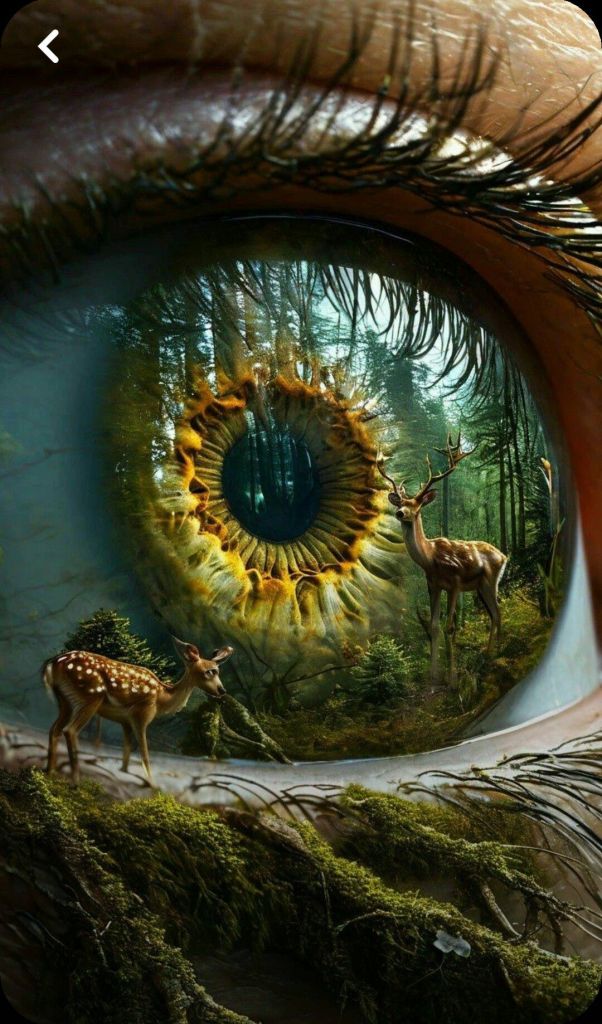
We’d Be Left With What We See
IN A WORLD without reading, information wouldn’t vanish—it would return to its raw, unfiltered form: sight.
Observation would replace interpretation.
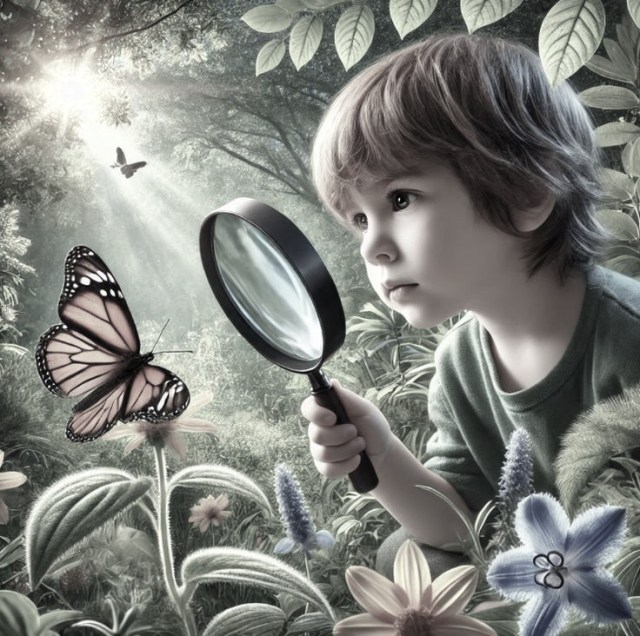
You’d notice the tired, stressed-out face of your neighbour rather than their heated Facebook post. You’d notice cloud formations and know whether you can hang out the washing—not because of a forecast, but because you can see.
You wouldn’t read about rising sea levels; you’d walk the same shoreline year after year, comforted in the certain knowledge that it’s not changed at all.
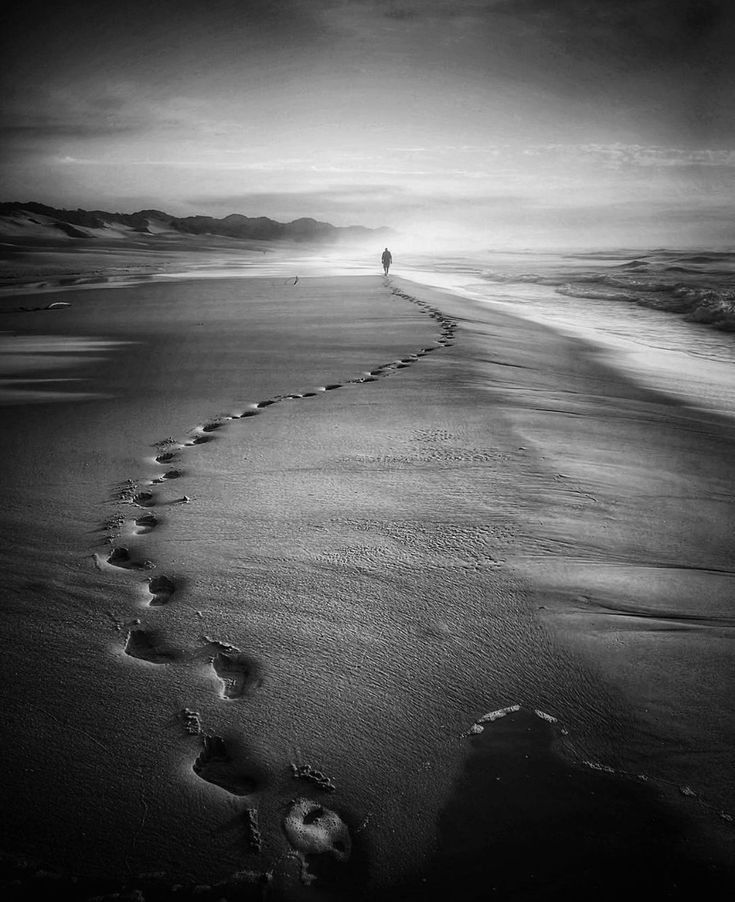
Less Rhetoric, More Clarity
WITHOUT A FIREHOSE of words telling us what to believe, we’d be forced to lean on something atrophied in modern life: direct experience. We’d ask ourselves:
‘What do I actually know to be true based on what I have seen? Felt? Lived?’
Stripped of second-hand narratives, our opinions might shrink—but those that remain would gain credence. There’d be less noise and more nuance.
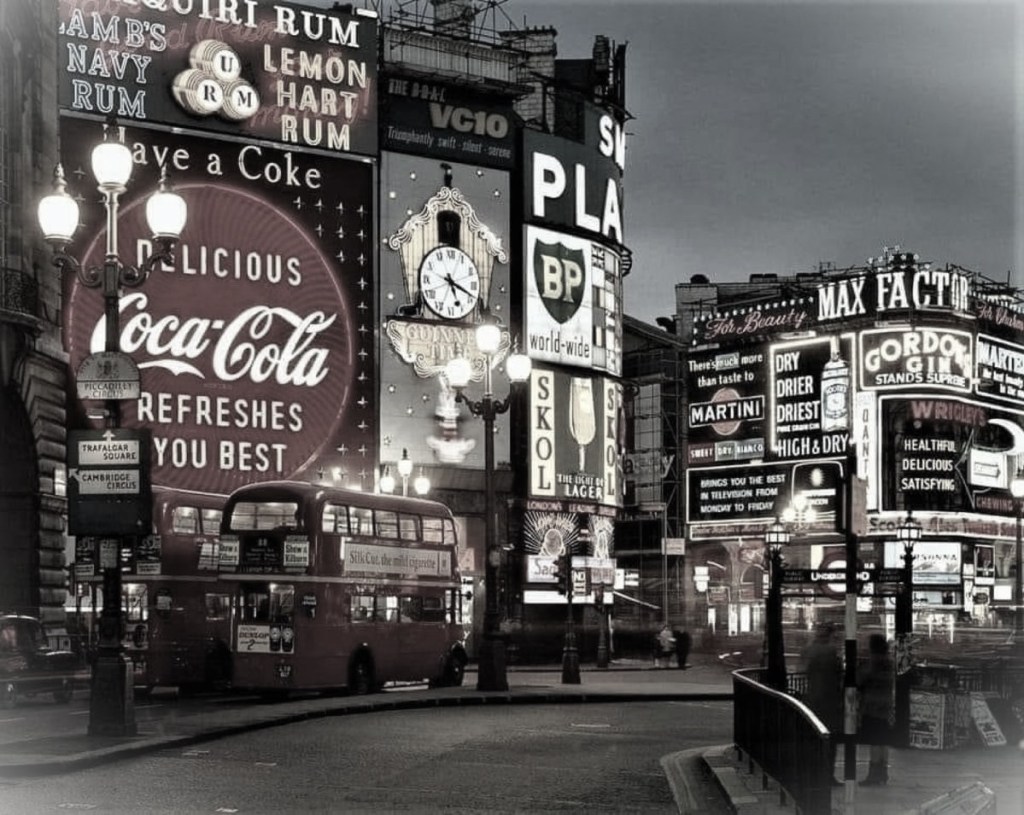
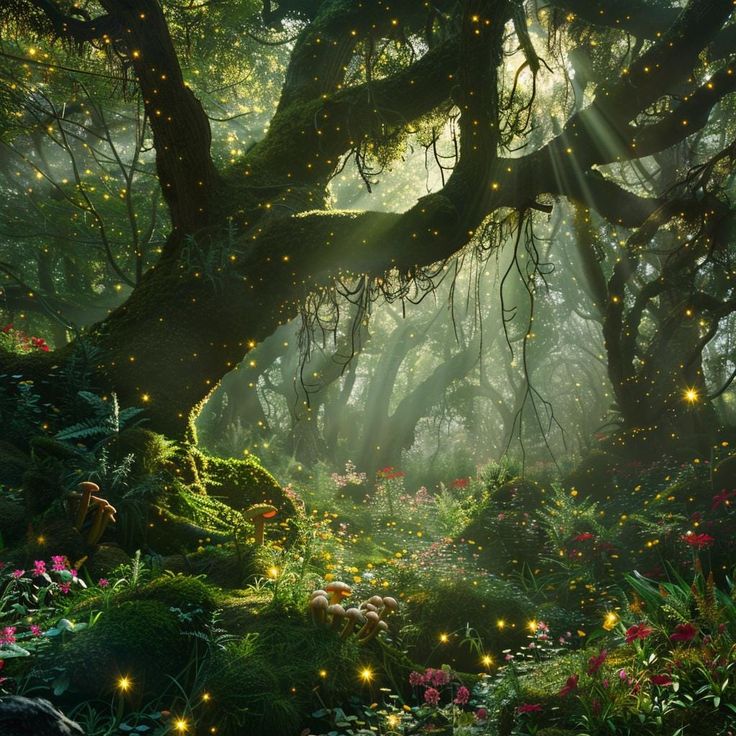
Less noise, more nuance
You might not be able to recite 10 reasons the economy is collapsing. But you’d know if people around you are working, smiling, getting by—or not.
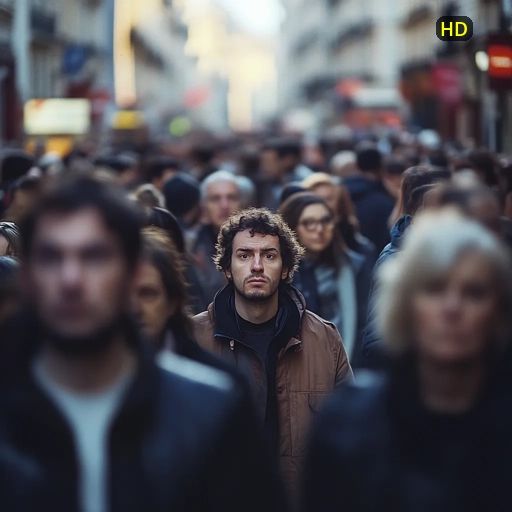
You wouldn’t know the latest socio-political talking point, but you’d know how it feels to walk down your street and look people in the eye.
Advertising Impotence
IMAGINE WALKING INTO a store and seeing objects, not slogans. Just things.
A pair of shoes, rather than a brand with a lifestyle attached. A box of cereal, not a barrage of benefits and bold claims.
Your purchase decisions would be yours—not engineered through glib-tongued copy.
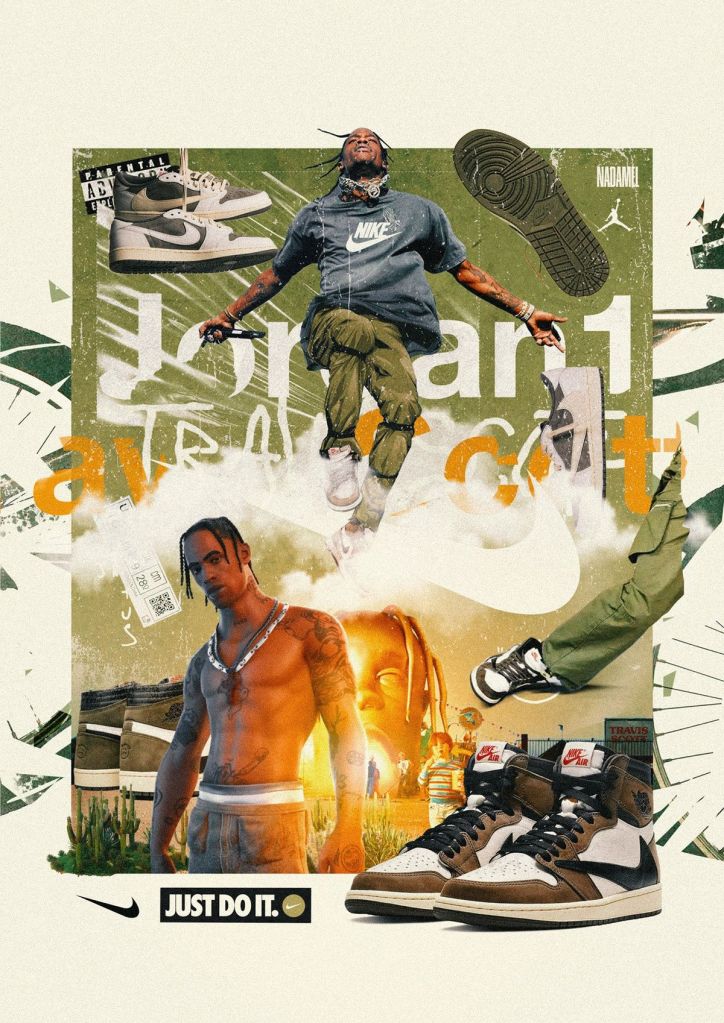
And the internet? It would no longer be an infinite scroll of debates and dopamine. It might however be…quiet.
Or perhaps it would evolve into something more visual, more sensory—more human.
Relevance not Algorithms
WHEN WE READ, we consume the world at hyperspeed. A war in a far-off country, a crisis on another continent, a scandal in a nearby town—it all hits us with equal urgency. Reading flattens distance. It also flattens attention. It desensitises us.
But in an unread world, we’d focus more on what’s actually in front of us. Our senses would dictate relevance, not algorithms.
The nearby tree you walk past every day would become more real than a tweet from someone you’ll never meet.
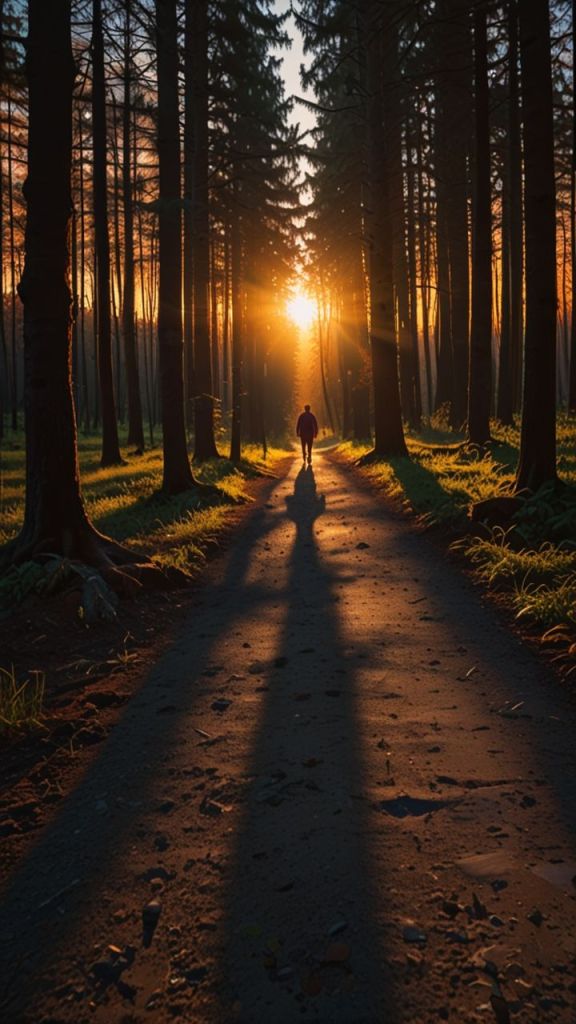
We might stop feeling like we need to have an opinion on everything. Only those things that matter directly.
The Cost of Reading Without Seeing
THIS ISN’T AN anti-literacy tirade. Reading is powerful. But like any power, it comes with risks. The biggest one? We’ve started to trust words more than our own eyes. We consume headlines instead of reality. We adopt panic instead of presence.
Imagine reclaiming some of that. Imagine not knowing what the latest opinion column says—so you’re forced to watch, to ask, to notice. Chattering narratives no longer hold sway over you. Instead you have freedom to exercise discernment, untainted by agendas.
A world without reading would be inconvenient, sure. But it would be quieter. Truer. More grounded.
We’d lose access to a flood of content, no doubt about that.
But in the silence that followed …
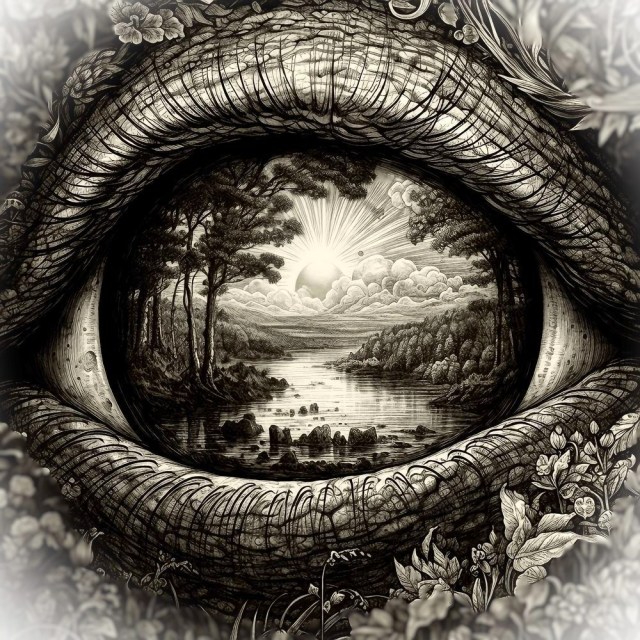
… we’d rediscover our own vision.
 RAVEN MOON