

OVER THE PAST several months, I’ve spent dozens of hours litter-picking in and around my local community.
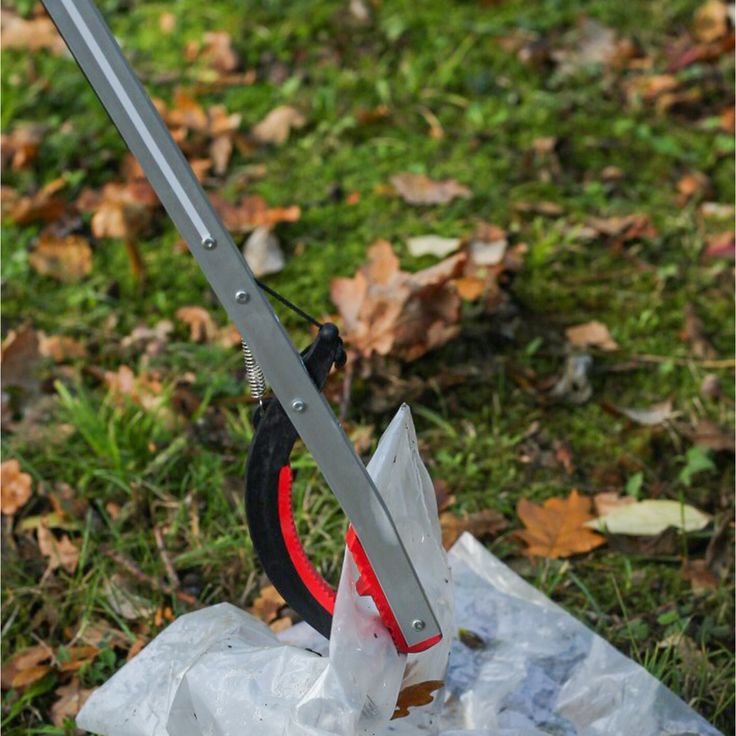
However, what began as a simple effort to improve our immediate environment has uncovered a troubling trend—one that speaks to a wider, largely unaddressed public health issue.
Among the crisp packets, takeaway wrappers, and plastic bottles, one type of litter has become alarmingly dominant: discarded energy drink cans, particularly Red Bull and Monster.
This isn’t just about litter—it’s about what this spike in energy drink consumption says about our society, our health, and the industries (and establishments) profiting from both.

A Surge in Sales
ENERGY DRINKS HAVE exploded in popularity over the past decade—and the figures substantiate this.
In 2020, UK energy drink sales were worth approximately £1.58 billion. Fast-forward to 2024, and the market has more than doubled, with sales nearing £3.8 billion and projected to reach over £4.4 billion in 2025.
Even accounting for inflation and lifestyle changes that is an astonishing rise. But what’s fuelling this boom?
Slick marketing is one factor, sure, but also a culture of overwork and sleep deprivation, along with easy accessibility—especially to teenagers and young adults—these are also key components.

Pushy Promotions
NEXT TIME YOU visit your local supermarket, take time out to observe their aggressive marketing strategies. A number of tricksy techniques will quickly become apparent, including:
- Shelf placement: Eye-level positioning in multiple locations, including checkout aisles, and near entrances.
- Pricing strategies: Multi-buy deals (e.g. 2 for 1), discounts during peak times (e.g. exam periods).
- Psychological tactics: Bright colors, edgy designs, youth-oriented branding, slogans emphasizing stamina and productivity.
- Co-branding/sponsorships: Ties with esports, extreme sports, or music events.
Take Morrisons, for example. They often run sharply discounted offers on popular energy drink brands. For example:
- Monster Energy Drink – ‘Buy 2 for £3.20’ or multi-pack deals like ‘9 × 500 ml for £11’ during November 2024
Here’s a summary of Morrisons’ Energy Drink Marketing Weaponry:
| Strategy | Description |
|---|---|
| Aggressive pricing | Multi-pack and steep discounts on leading energy drink brands |
| FOMO (fear of missing out) promotions | Time-limited and “while stocks last” offers to drive urgency |
| Shelf and store layout | Product placement optimized for visibility and impulse visibility |
| Loyalty rewards | More Points on all purchases, making continued buying feel rewarding |
| Limited-edition offerings | Buzz-worthy products like Prime with per-customer limits for exclusivity |
Overdose Potential
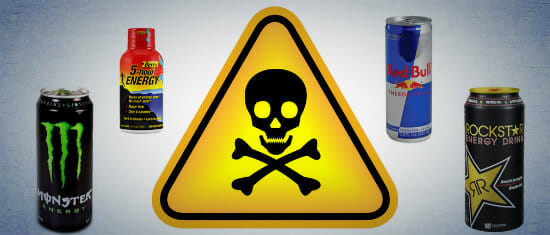
MOST ENERGY DRINKS contain 80 to 160 mg of caffeine per can, often combined with high levels of sugar, taurine, and other stimulants.
For healthy adults, the recommended caffeine limit is 400 mg per day, but even two large cans could put someone over that threshold.
For adolescents, the safe limit is even lower—around 3 mg per kilogram of body weight—making a single can a potential overdose for many teenagers.
This is not theoretical.
Studies consistently show that many young people exceed safe caffeine limits through energy drinks alone, and that consumption correlates with disrupted sleep, anxiety, and behavioural issues.
Are They Addictive?
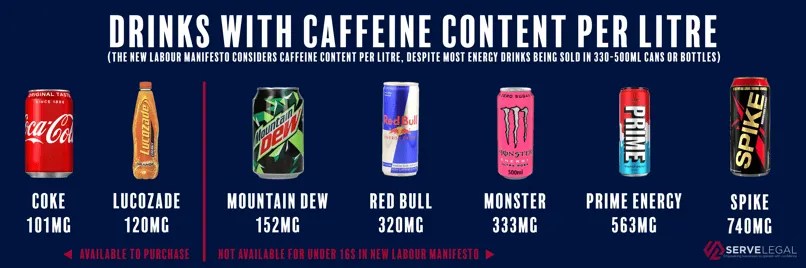
CAFFIENE IS A psychoactive stimulant. While it’s not classified as ‘addictive’ in the clinical sense like nicotine or opioids, it can cause dependence, and withdrawal symptoms like headaches, fatigue, irritability, and poor concentration are common among regular consumers.
Energy drinks often intensify this cycle due to their caffeine-sugar combination. The short-term energy spike is followed by a crash, prompting another drink. Over time, this cycle reinforces itself—both physiologically and psychologically.
Hidden Health Risks
THE HEALTH RISKS associated with energy drinks go far beyond a racing heartbeat. Research has linked regular consumption to:
- Increased heart rate and blood pressure
- Higher risk of arrhythmias and cardiac events
- Anxiety, restlessness, and insomnia
- Weight gain, insulin resistance, and Type 2 diabetes
- Dental erosion from acidic, sugary content
- Bone health issues in teenagers, as caffeine impairs calcium absorption
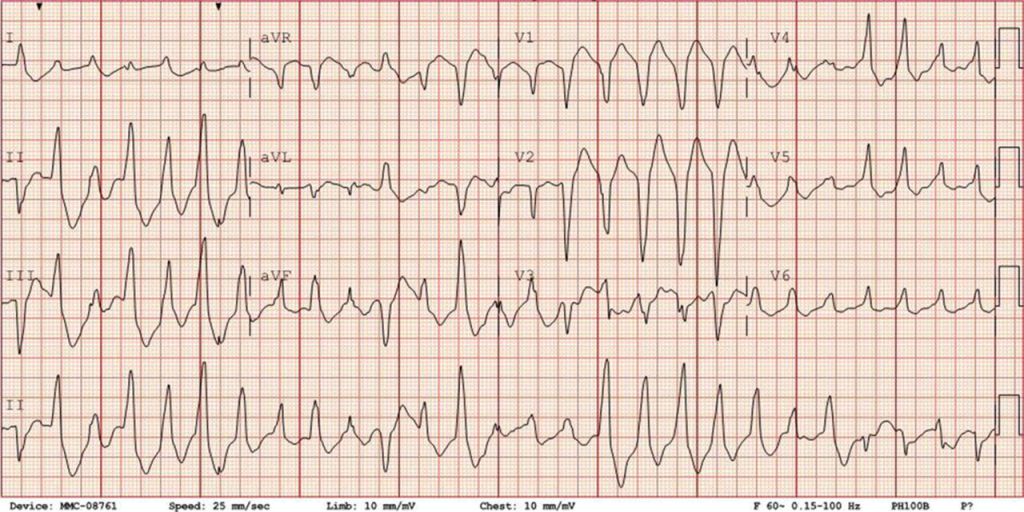
Perhaps more troubling is the tendency for energy drinks to cluster with other unhealthy behaviours, such as smoking, alcohol consumption, and poor dietary choices—especially in adolescents.
Who Gains? Follow the Money
THE UK’s SOFT Drinks Industry Levy—commonly known as the ‘sugar tax’—applies to energy drinks containing more than 5g of sugar per 100ml. This generates around £300–400 million per year for the government. While that’s no small sum, it pales in comparison to the public health costs these drinks may eventually incur.

And crucially, the tax doesn’t apply to caffeine content. A sugar-free energy drink with dangerously high caffeine levels can still be marketed without restriction—often directly to teenagers.
Monster Red Flag
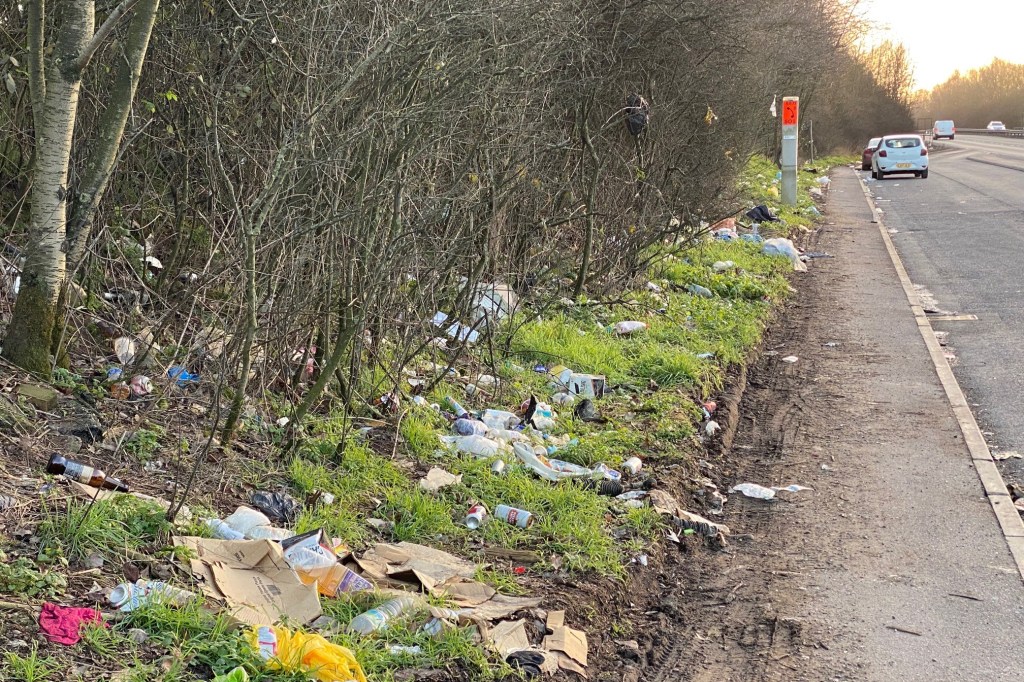
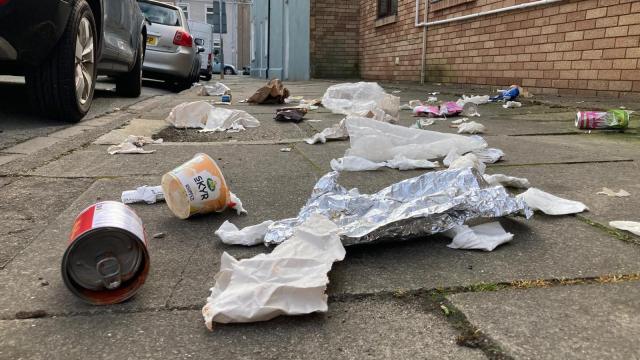
BACK TO MY litter-picking rounds. Each empty can is more than an eyesore; it’s a red flag. It tells the story of a product that’s cheap, addictive, and aggressively marketed to people with the least ability to understand or resist its harms—teenagers, young adults, and stressed shift workers.
We urgently need a more honest conversation about energy drinks: one that looks beyond marketing slogans and into classrooms, hospitals, and yes—our streets.
Possible Measures?
- Age restrictions on the sale of high-caffeine drinks should be more widely enforced.
- Clearer labelling around caffeine content and health risks.
- Public education campaigns highlighting the short and long-term risks.
- Community action, from schools to local councils, to discourage their availability in youth spaces.
- Environmental levies on single-use cans, especially from energy drink brands, to address litter.
Thoughts
ENERGY DRINKS AREN’T going away anytime soon—but neither should our responsibility to reckon with their impact. From overstimulated teenagers to overstretched NHS resources, the consequences are mounting.
It’s time we treated energy drink consumption as the serious public health issue it is—not just another piece of roadside rubbish.
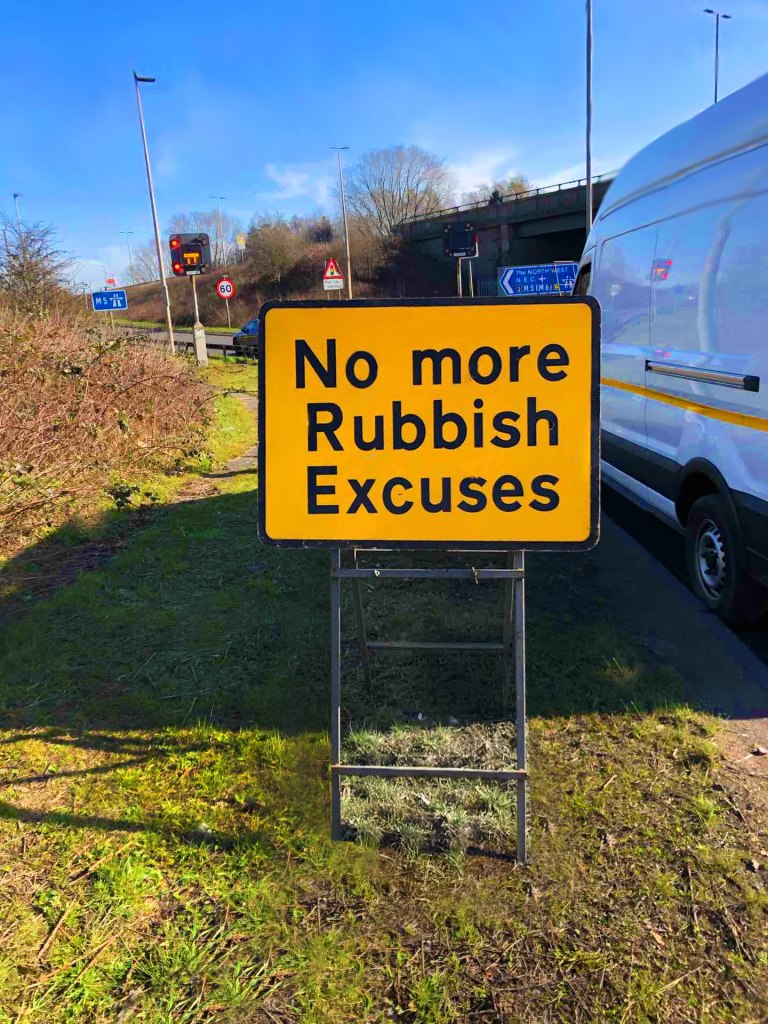
Let’s clean up the mess.
 RAVEN MOON