

MY INTEREST IN The Battle of the Atlantic runs deep. You see, both my grandfather and my father served in the Royal Navy during wartime.
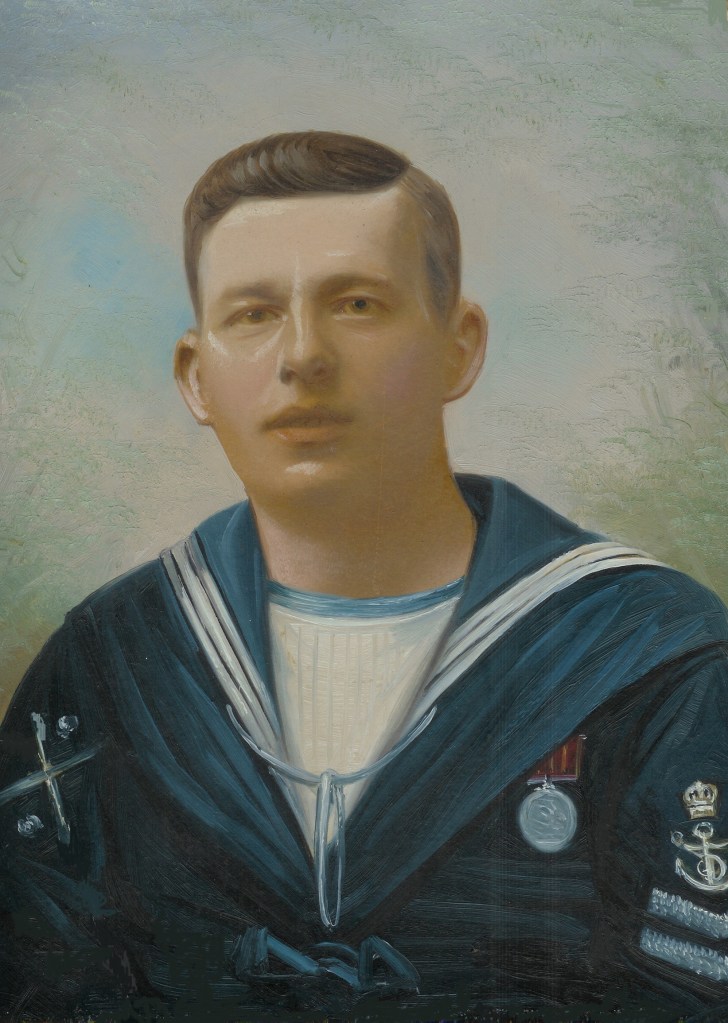
During WW1, my grandfather, then a Chief Petty Officer, was a master gunner aboard the iconic battleship, HMS Dreadnought.

A couple of decades later, in WW2, my father served on HMS Shropshire, a County Class cruiser.

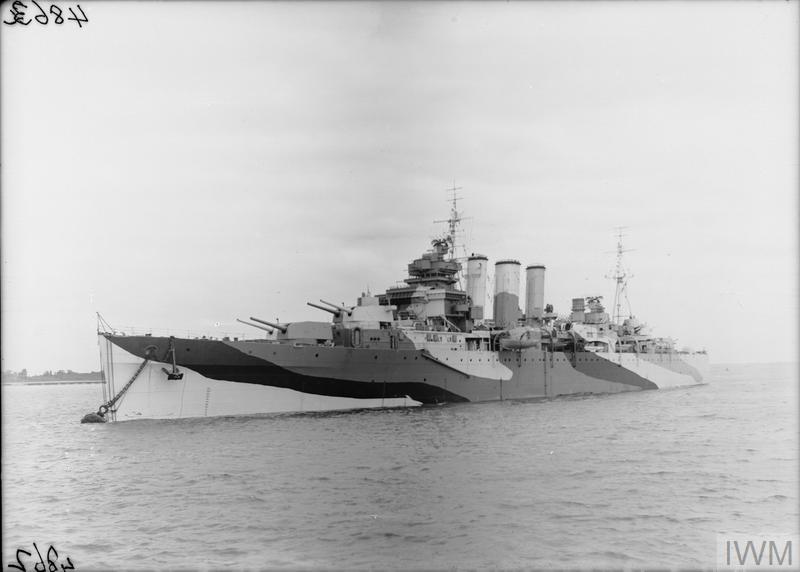
I have told their respective stories in two earlier posts, ‘Master Gunner‘ and ‘The Worst Journey in the World.‘
I never knew my grandfather, and although my father spoke sparingly about his own time at sea, I know his experiences will have included the relentlessness of the ocean, the loneliness of convoy duty, and the constant awareness of a deadly, unseen enemy below the waves.
A few quiet recollections, scattered documents and a battered photo album became the starting point for my fascination with the Atlantic campaign — not just as a historical event, but as a human ordeal.

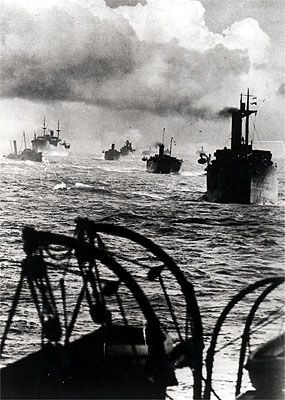
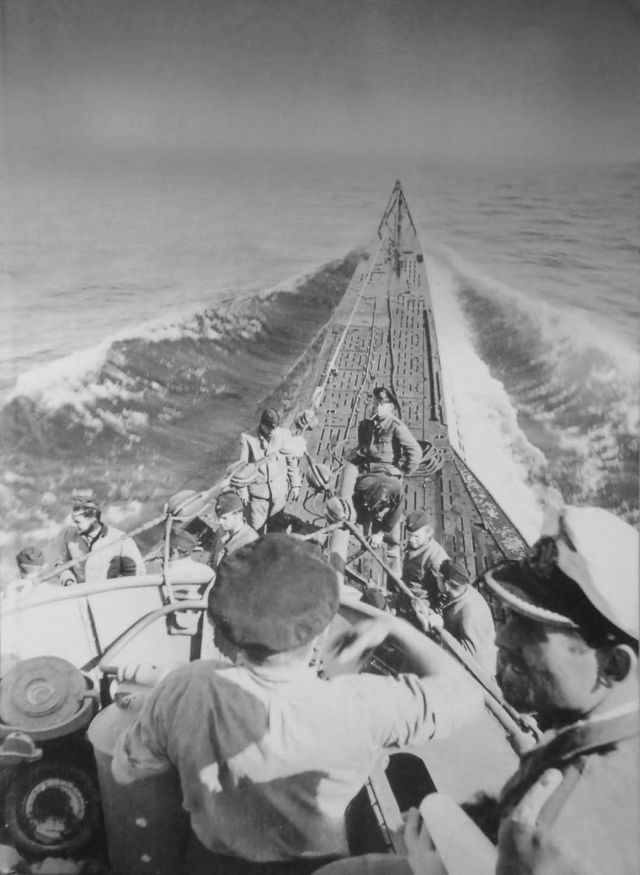


The Battle of the Atlantic – the longest and most complex battle of WW2
Although depicting fictional portrayals, two movies in particular have shaped to some degree how I view that conflict.
The Cruel Sea (1953) and Das Boot (1981) approach the Battle of the Atlantic from opposite sides: the British and the German, the hunter and the hunted. Yet both capture with searing clarity the fear, exhaustion, and moral ambiguity of naval warfare.
Viewed together, they offer not just contrasting perspectives, but a shared truth — that war at sea was as much a battle of endurance and humanity as of tactics and weaponry.
‘The Enemy is the Sea’: The Cruel Sea (1953)

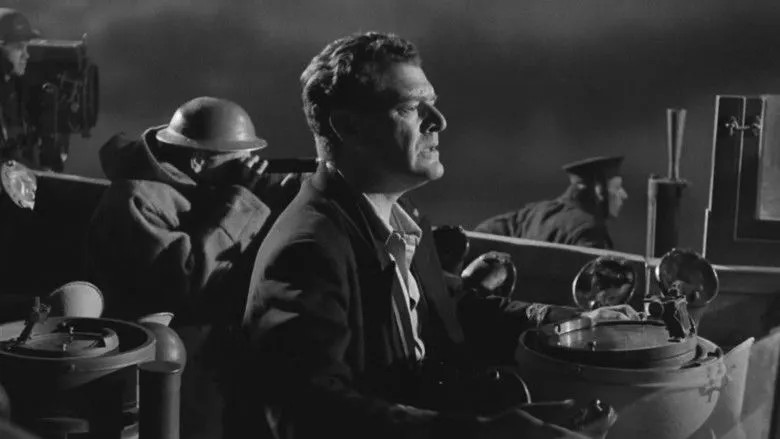
DIRECTED BY Charles Frend and adapted from Nicholas Monsarrat’s best-selling novel, The Cruel Sea follows the crew of HMS Compass Rose, a fictional Royal Navy corvette tasked with escorting convoys and hunting U-Boats.

Though unmistakably British in tone — stoic, understated, and driven by duty — the film is anything but sentimental. Its opening narrative, spoken by the weary commander Ericson (played with quiet authority by Jack Hawkins), sets the tone:
‘The only villain is the sea, the cruel sea, that man has made more cruel…’
A significant moral dilemma depicted within the movie — whether to drop depth charges on a U-Boat knowing it will kill friendly sailors struggling in the water — speaks to the impossible decisions faced by naval officers in wartime.

The moment is devastating, and Ericson’s anguish lingers well beyond the scene. This is not a film about glory, but about endurance, loss, and the psychological cost of command.
The Cruel Sea resonated strongly with British audiences of the time, many of whom had lived through the war or served at sea. It’s a film that honours service not through heroics, but through an honest portrayal of fatigue, responsibility, and mute bravery.
‘A Journey into Madness’: Das Boot (1981)
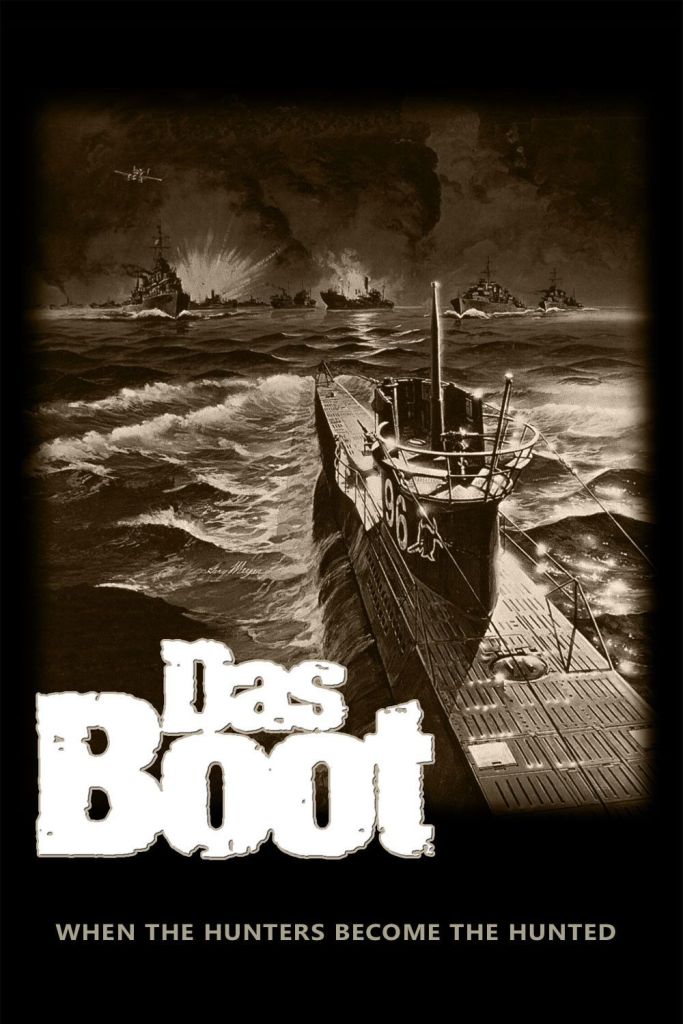
IF THE CRUEL SEA is about the strain of hunting submarines from above, Das Boot is an unflinching plunge into life beneath the surface. Wolfgang Petersen’s Das Boot is widely regarded as one of the greatest war films ever made — not because it glorifies battle, but because it strips it of all illusions.
Set aboard U-96, a German Type VII U-Boat, the film follows the crew as they embark on a mission that becomes a psychological descent into fear, claustrophobia, and futility.
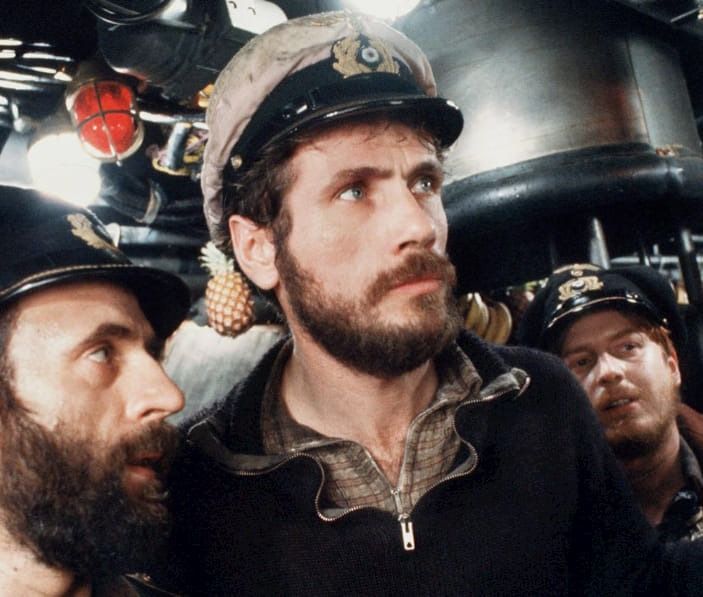
As war correspondent Lt. Werner (Herbert Grönemeyer) observes early in the film, the crew are no longer idealistic. The officer class is sardonic and disillusioned. The men are exhausted.
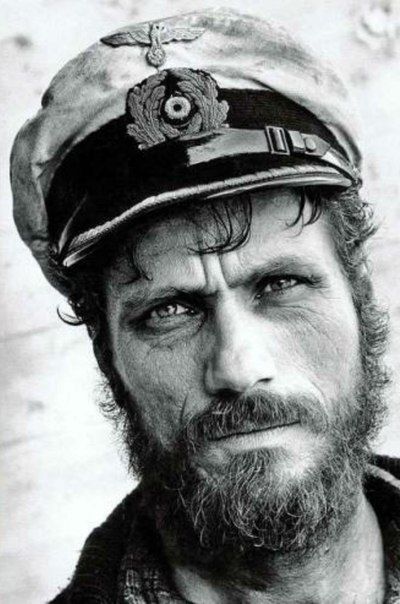
The captain, brilliantly portrayed by Jürgen Prochnow, is stoic and increasingly fatalistic.
The tension builds slowly and relentlessly — moments of boredom broken by bursts of chaos. When the U-Boat is trapped at the bottom of the Strait of Gibraltar, slowly taking on water, and fast running out of air, the film becomes almost unbearable to watch.
It’s not action that grips the viewer, but dread.
‘They made us all train for this day. “To be fearless and proud and alone. To need no one, just sacrifice. All for the Fatherland.” Oh God, all just empty words. It’s not the way they said it was, is it? I just want someone to be with. The only thing I feel is afraid.’
Lt Werner
Unlike many war films from the Allied perspective, Das Boot offers no ideological comfort. These are not Nazis; they are sailors fighting for survival. The ending — brutal, ironic, and abrupt — underscores the point: there are no winners under the sea.

Historical Reality and Shared Experience
BOTH FILMS ARE testament to the many who lost their lives. The Battle of the Atlantic, lasting from 1939 to 1945, claimed over 70,000 Allied lives and more than 3,500 merchant ships.
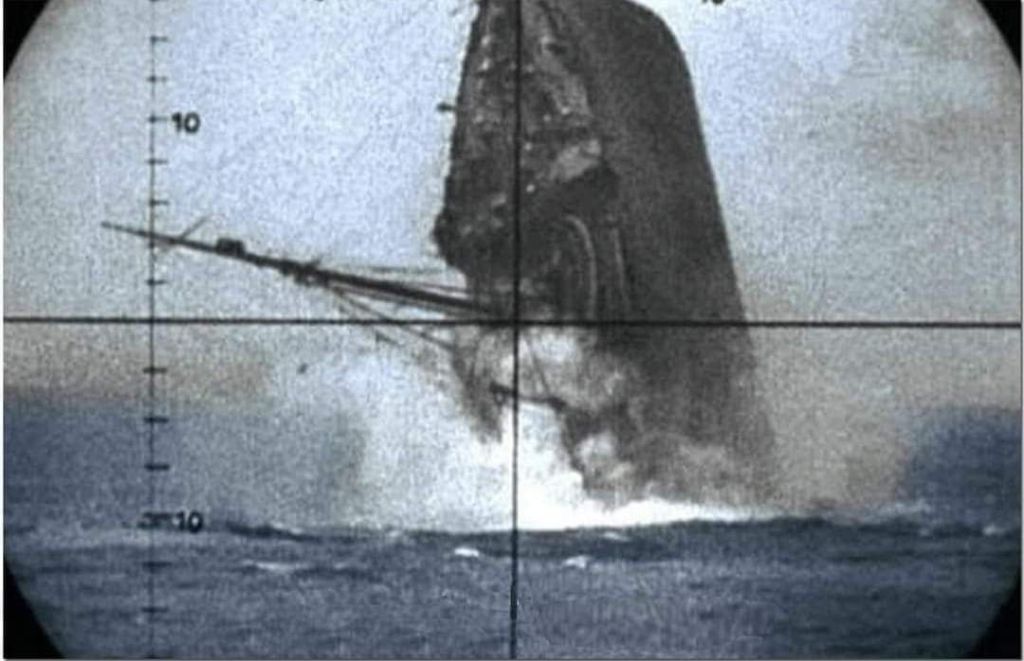
For the Germans, more than 30,000 U-Boat crewmen — nearly 75% — were killed. It was, in Churchill’s words,
‘The only thing that ever really frightened me during the war.’
The films capture that fear in different but equally powerful ways. The Cruel Sea shows the burden of command and the grinding attrition of convoy duty. Das Boot immerses us in the psychological hell of being the hunted whilst tasked with the role of hunter.
Both films share a remarkable sense of authenticity, avoiding easy patriotism or villainy. Instead, they focus on the individuals — their fatigue, camaraderie, and vulnerability.

One Sea, Two Perspectives
WHAT DRAWS ME back to these films is not just their cinematic power, but the way they demonstrate what men such as my father and grandfather experienced — that the sea was vast, merciless, and inescapable.
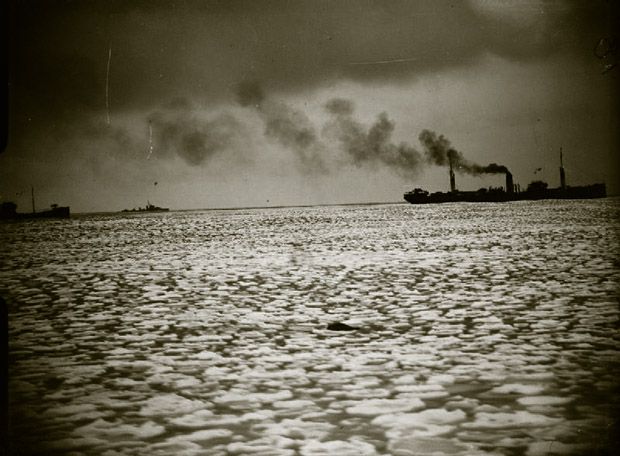
Neither The Cruel Sea nor Das Boot offer a definitive account of the Atlantic campaign, but taken together, they form a haunting and human image of what it meant to fight a war far from land, in fallible steel hulls surrounded by cold, black water.
In a time when war is often reduced to graphic spectacle or partisan politics, these films remind us that courage and suffering are not bound by nationality.
Whether on the bridge of a British corvette or deep in a German U-Boat, the ocean was the same — cold, uncaring and indifferent.
‘For us the Battle of the Atlantic was becoming a private war. If you were in it, you knew all about it. You knew how to keep watch on filthy nights, and how to go without sleep, how to bury the dead, and how to die without wasting anyone’s time.’
Capt Ericson – ‘The Cruel Sea’
 RAVEN MOON