
BY THE TIME I entered my teens the 1970s were half way through, and my formative years coincided with what was probably the weirdest decade in human history.
Pitched between the anti-establishment counter-culture and excesses of the 60s and the ‘me, me, me‘ decade of yuppie decadence that was the Thatcherite 80s, the 1970s struggled to define itself.
There were garish (some might say ‘pansified‘) fashions. Motown, funk and R&B filled the airwaves, juxtaposed against flamboyant ‘glam rock’ and raw, hard-edged punk. Heavy metal gained weight and soft rock … well, softened.
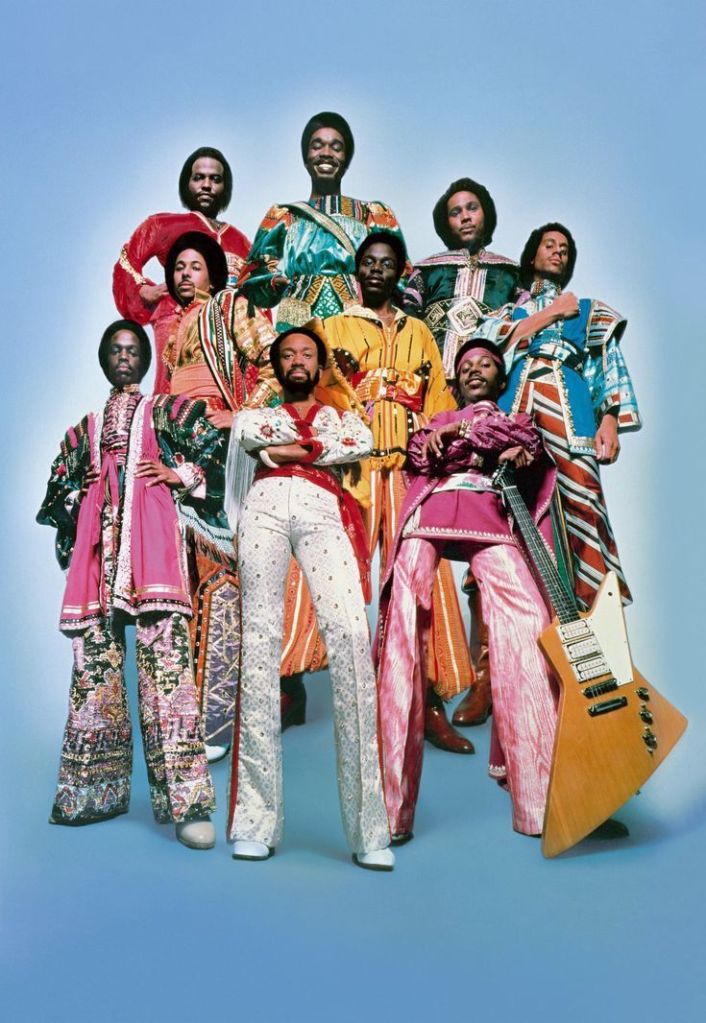
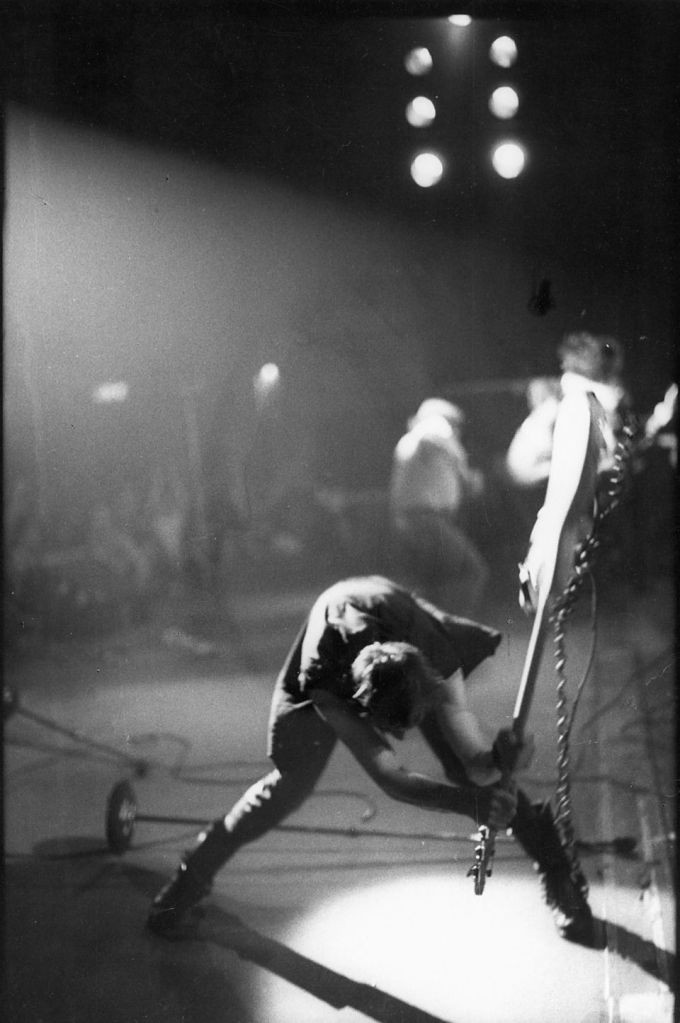

It was a decade in which disillusion, cynicism and apprehension shared time and space with paranoia, boredom and frustrated rage.
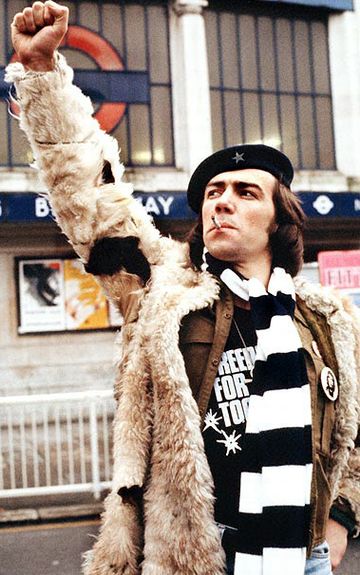
Against such a dizzying backdrop, perhaps it should come as no surprise whatsoever that I, as a 70s adolescent of the day, would spend at least part of that decade frequently retreating to the quiet solitude of a box.
IDEAS FOR BLOG posts usually come to me unbidden, and from any number of directions. The inspiration for this post arrived several days ago, without invitation, as I was cleaning our house windows.
As I buffed away, both feet firmly set on terra firma, I was reminded of occasions when I carried out a similar task, balanced on a wooden gantry, fifteen or so feet from the ground, while grasping on to a metal railing with one white-knuckled hand, as I polished windows with a clump of old newspaper.
The gantry, about eighteen inches wide had, at that time, encircled the railway signal box at Immingham East Junction, and I was perched there cleaning its windows. I was in my mid-teens at the time.
Now, at 67 years of age, I no longer have occasion to clean signal box windows. Besides which, the familiar gantry has now gone, yet another victim of the jobsworths in Health and Safety.
But, why was I even there in the first place?
MY BROTHER, Roger, was a signalman. He’d joined the railway upon leaving school, and was one of those peculiar railway-types who, rather than consider themselves to be mere employees of the network, they know that they’re integral to its infrastructure.
They are the railway, and the railway is their life, its long heritage a source of pride.
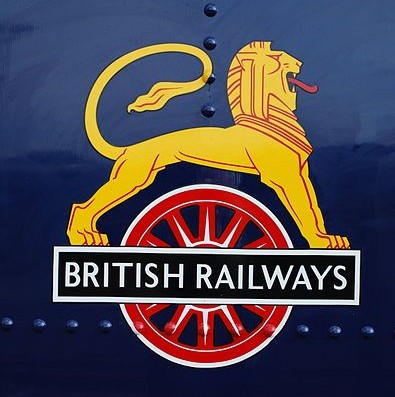
For example, despite the fact that British Railway’s much-loved, heavy-duty ‘Lion and Wheel‘ emblem had been superseded by the saltless and less emotive ‘double arrow‘ design a decade earlier, Roger continued to wear what was affectionately referred to as ‘The Cycling Lion‘ on his cap.
I have no doubt that, had I removed the cap and sliced off the top of his head, I’d find the design running through him like the letters in a stick of rock.
(Right) The ‘Cycling Lion’ the Britannia of the Rails
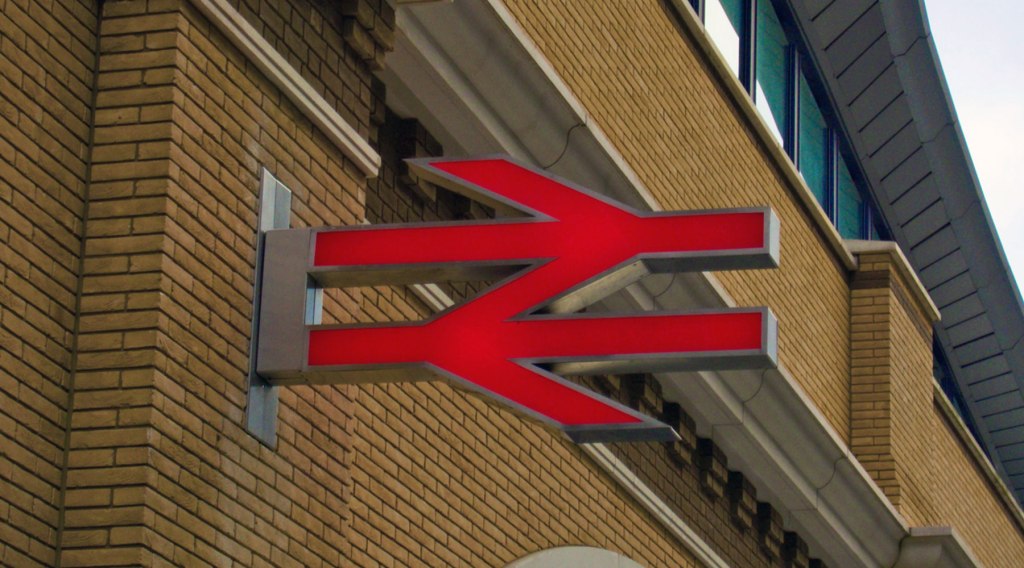
(Left) British Rail’s ‘Double Arrow’ – 60s boring, passionless corporate branding
Now, it must be said that having unauthorised visitors to a signal box was officially forbidden. Nevertheless, local rank and file staff members generally turned a blind eye to such infractions, providing the perpetrator was sensible, careful and discreet. Which is me to the letter.
Consequently, when my brother’s twelve-hour day shift coincided with a Saturday or Sunday, I would often walk the two miles or so from my home to his box, sited close by Immingham Dock’s East Gate, and less than a mile from the River Humber.
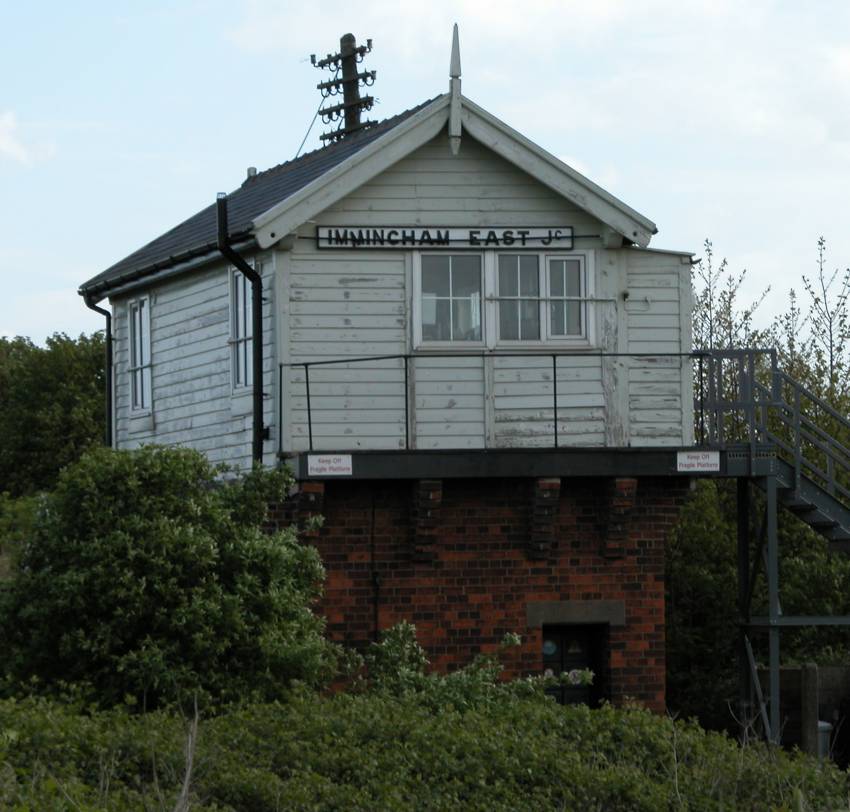
There I would spend the day, in a box, sited amidst trees, shrubs and an open area of scrubland, bramble thickets and sedge grass.
The elevated vantage point of a rural signal box not only affords a good view of the track, its signals and points, it also makes it the perfect bird hide. I would therefore spend a sizable part of each visit birdwatching.
This, of course, was an activity which necessitated clean windows – hence the gantry, railing, white knuckles and newspaper.
The box occupied a demarcation line separating the open, undeveloped scrubland east of Immingham and the town’s neighbouring dock basin, port facilities and dockyards. Despite this semi-industrial setting, the area was a haven for wildlife.
On a sunny weekend, when rail traffic was minimal and visitors few, a rural signal box was a delightful place to spend the day. There can be little surprise then that, as the surreal seventies unfolded, I would daydream about one day owning and living in one.
Dreams eh?
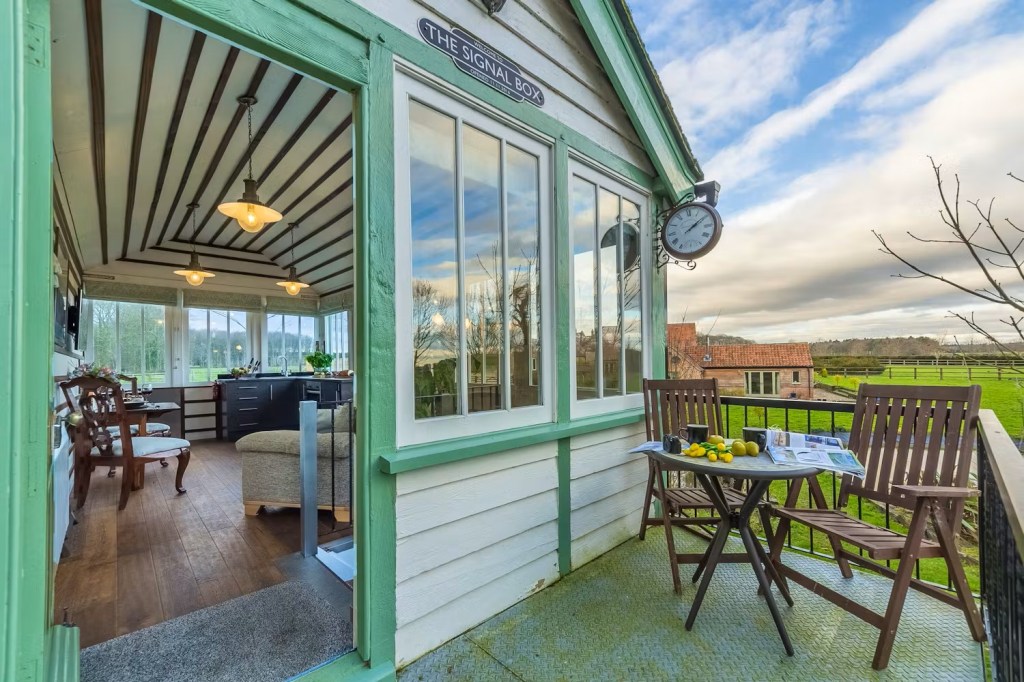
THE ROLE OF signalman may seem charming and nostalgic to some, but it is one full of history, commitment and quiet, unhurried professionalism.
In keeping with this uncelebrated yet vital role, the signal box itself, perched beside a stretch of countryside rail, is one of those classic little brick-and-glass buildings you might spot from a train window and never think twice about.
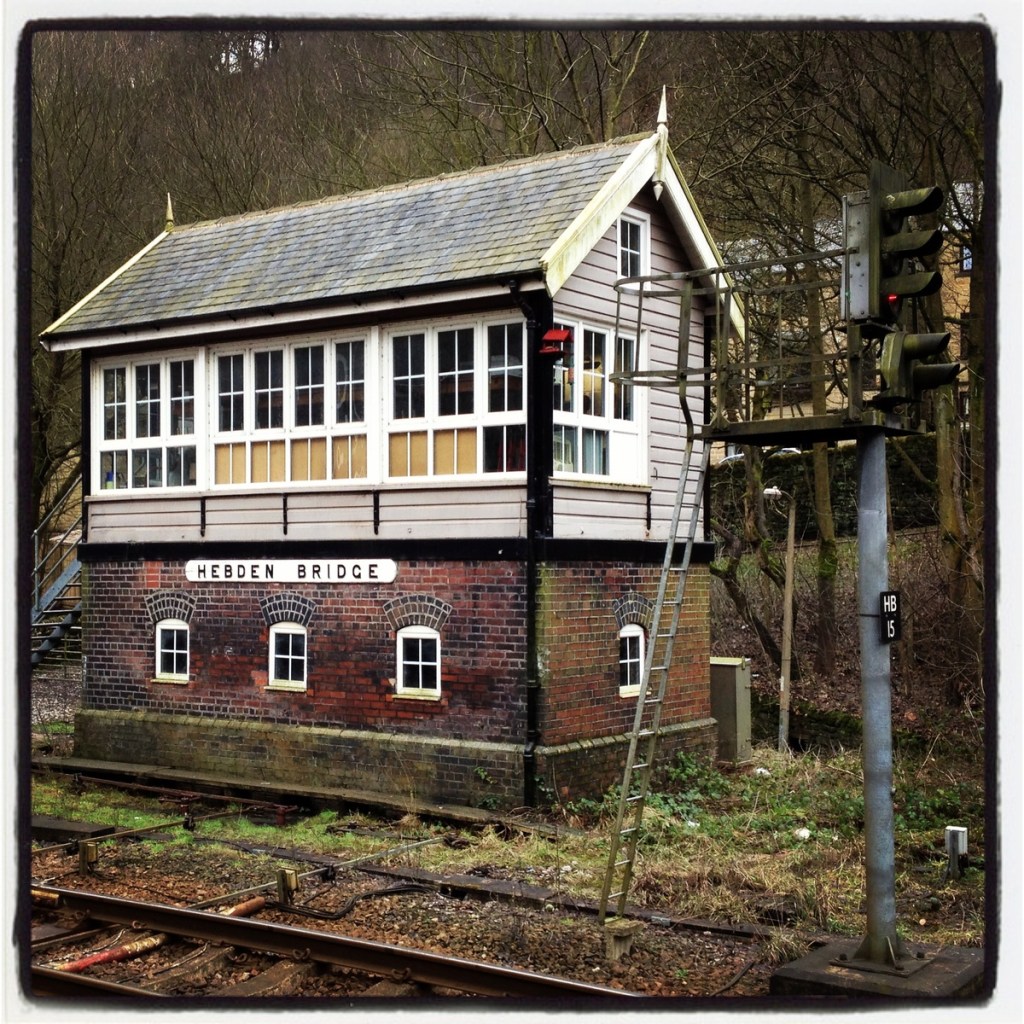
But believe me, once inside it’s like stepping into a living piece of railway heritage.
Signal boxes are an iconic part of British railway history. They first appeared in the mid-19th century, around the 1850s, as a way to safely manage the increasing number of trains using the tracks.
Inside, the signalman (or woman, I guess) operated a frame of levers that controlled signals and points—you see, whilst drivers may adjust a train’s speed, it’s a signalman who ‘steers’ it through his control of the tracks.
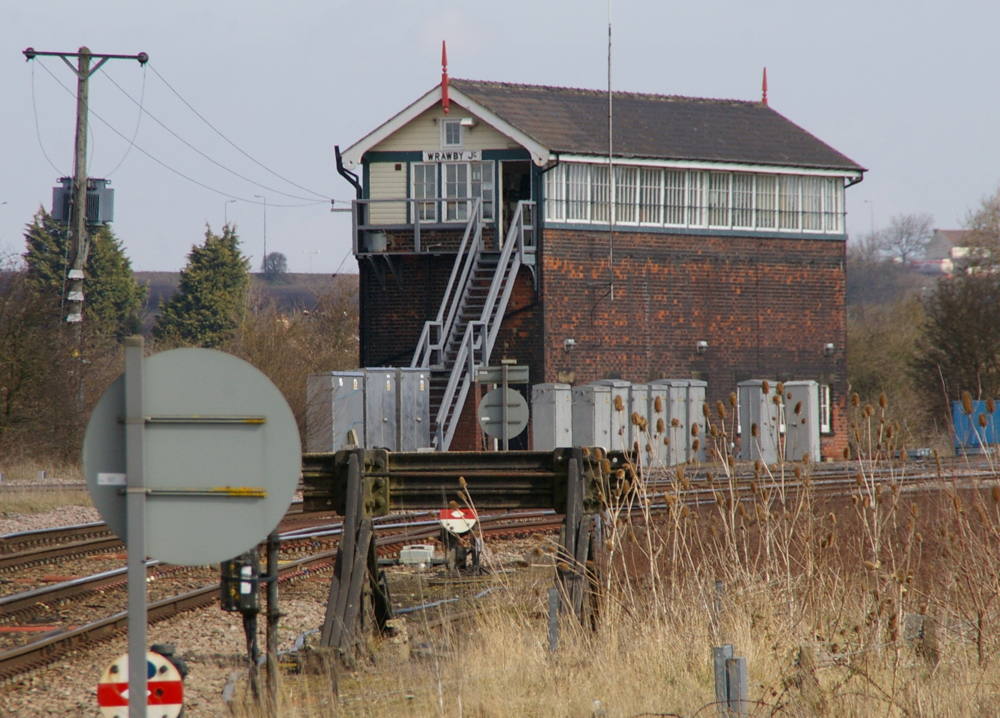
(Left) Wrawby Junction Signal Box – where my brother also worked for several years. At 22 yards long & having 137 levers, it was the largest single-manned box in the country.
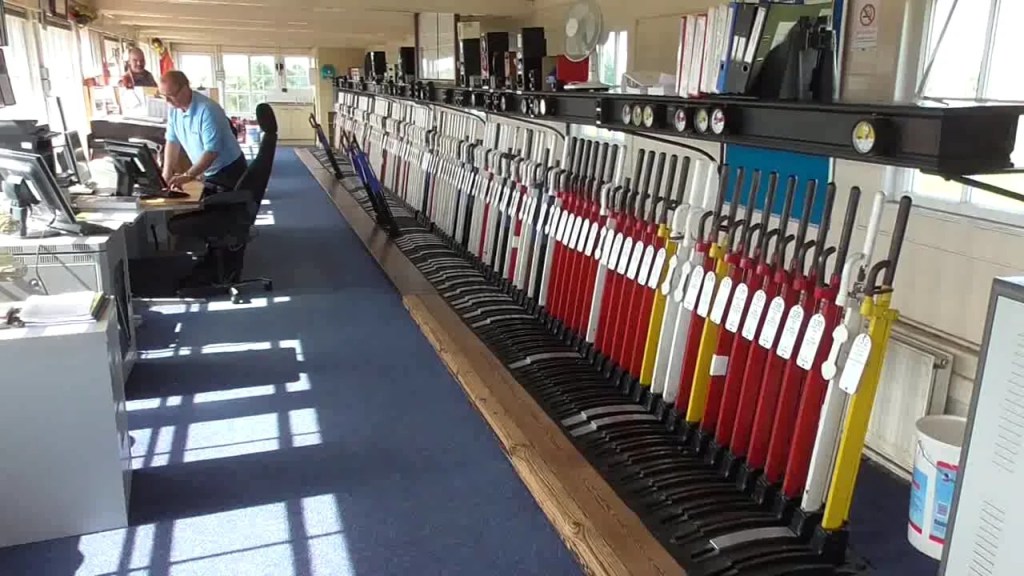
Introduced at a time before computers and GPS, the copper-bottomed system was consistently dependable when operated by a skilled signalman. Each telegraph transmission, signal operation and points movement needed to be meticulous and precisely timed to maintain efficient traffic flow while avoiding collisions and derailments.
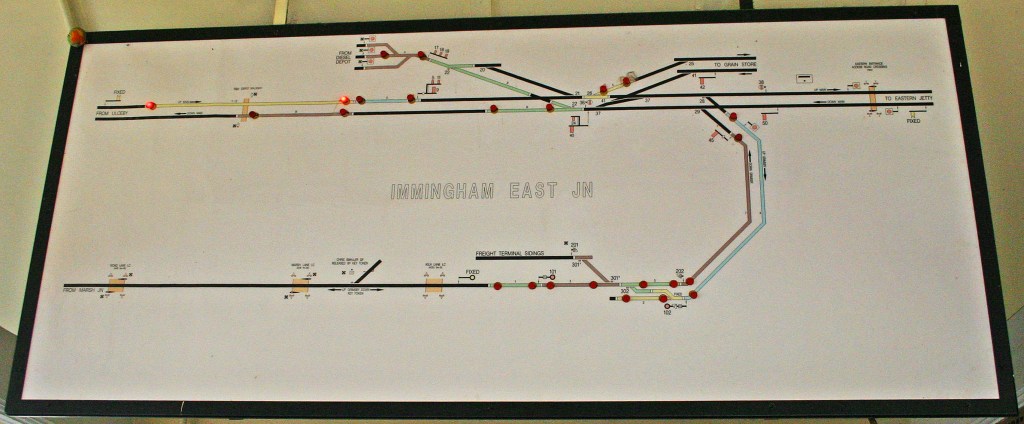
Today, many rural boxes have been decommissioned or replaced by digital systems operated by larger, uninspiring ‘power-boxes’ serving large areas of the rail network. But some, like my brother’s, were still active—and still very much loved.
WHAT MAINTAINED my enthusiasm and prompted repeated visits wasn’t just the old-world charm of the box, the steady supply of tea or the rhythmic clunk of the levers—it was the surrounding nature.
During each visit I found myself staring out the window more and more, watching the hedgerows and shrubs for birdlife, ever hopeful of catching sight of the not-so-usual.
Robins darted past the panes, bold and bright, as blackbirds sang from the tops of nearby telegraph poles.

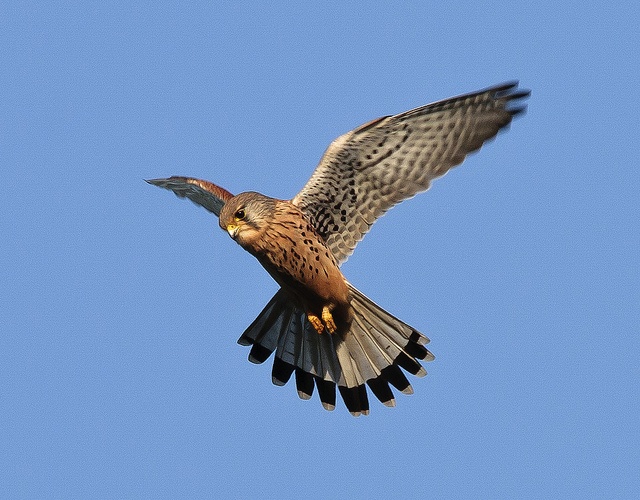
I would often spy a kestrel hovering like a feather caught in an updraft, keen eyes locked on something in the grass below.
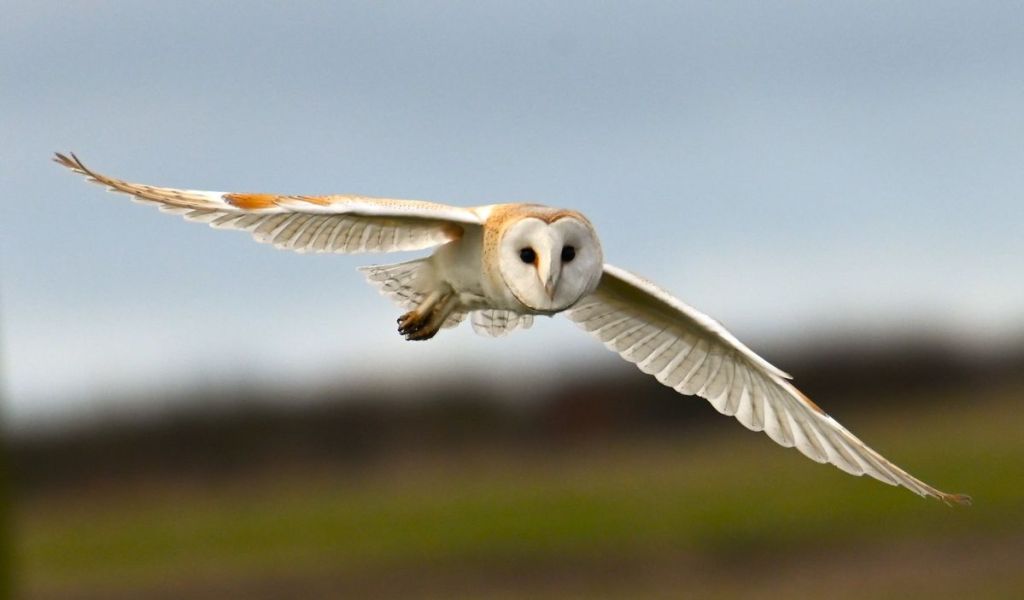
And there were the unforgettable mid-afternoon aerial displays of barn owls, quartering back and forth above the scrubland, alert to the slightest rustle in the foliage.
During one brief foray to that area I discovered their regularly-used dining table. It was an old fence post only a few yards from the box.
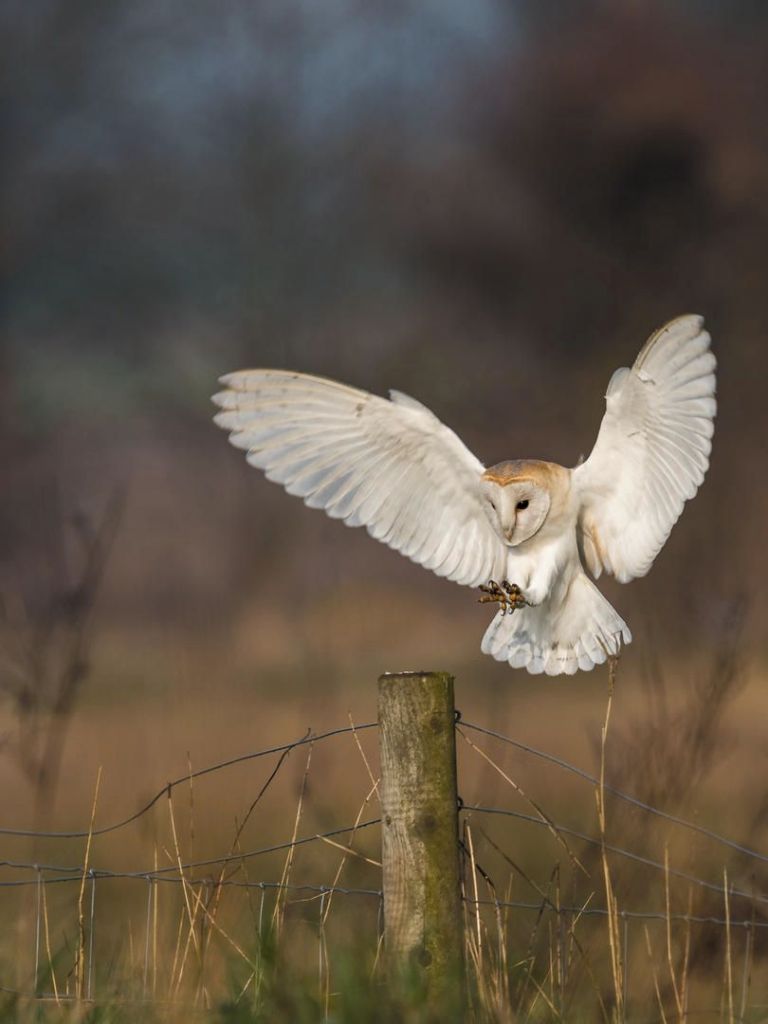
There, they would consume their freshly killed prey, leaving evidence in the surrounding grass, neatly-packaged in pellets of skin, fur and tiny bones.
Between trains, when the lines were quiet, there was a deep stillness there. The kind that makes you realize how loud our lives usually are. Even the creak of the floor and the ticking of the old, solid wall clock blended into the natural rhythm of the place.
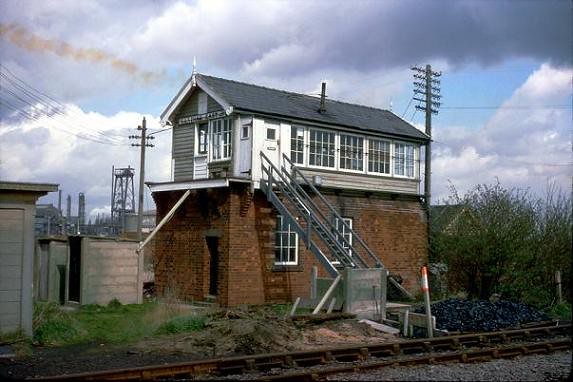
And there was something strangely grounding about birdwatching from a place built to direct the efficient flow of machines.
There were other contrasts, too—such as birds flitting freely above steel rails that ran straight and unwavering—that made it all feel so special.
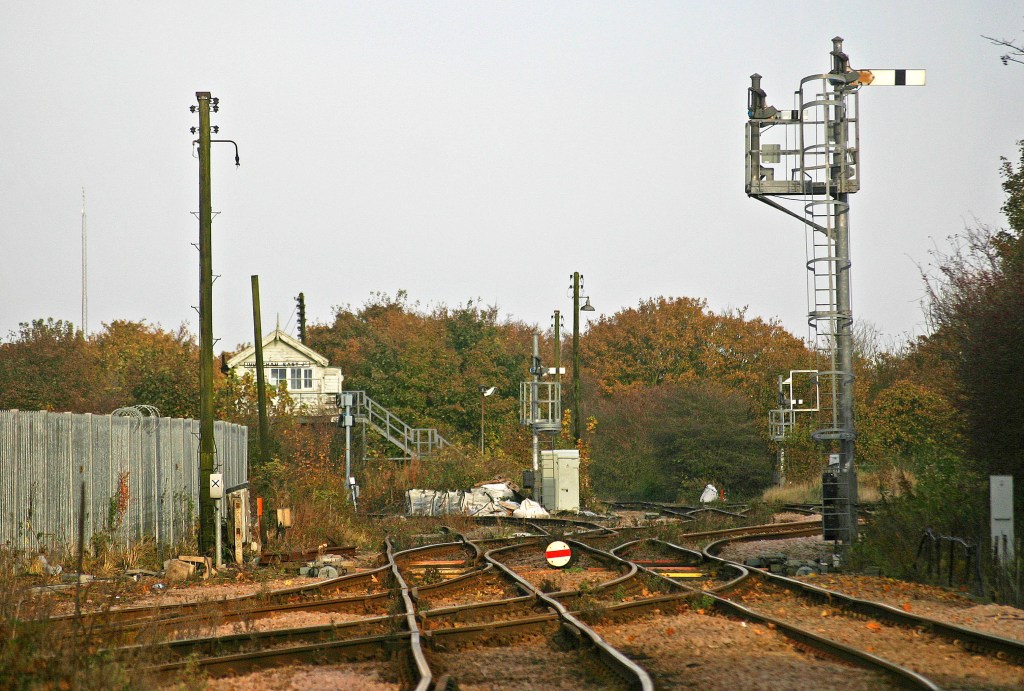
In a timeworn signal box one feels connected, both to an industrial past, with the occasional ‘ding, ding, ding’ of the telegraph, and to the natural present, in the rustle of leaves outside and the flicker of wings.
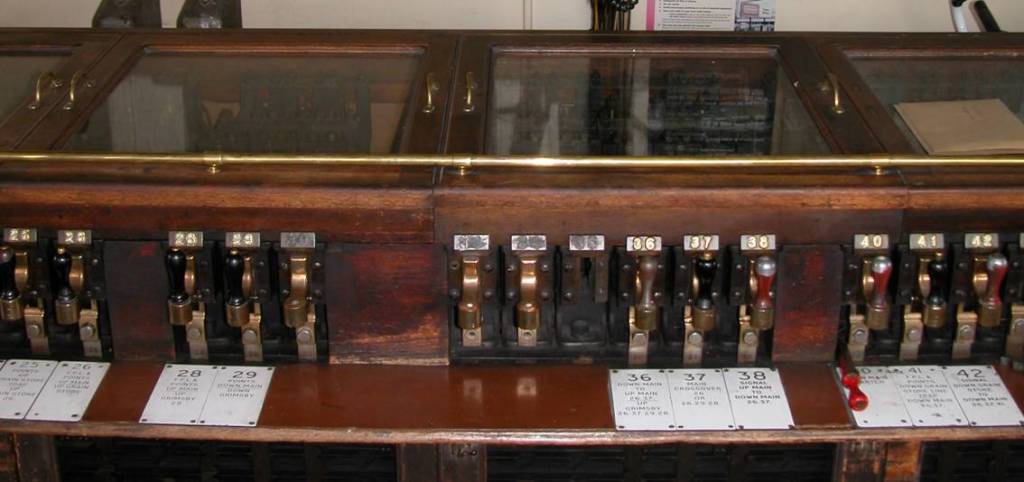
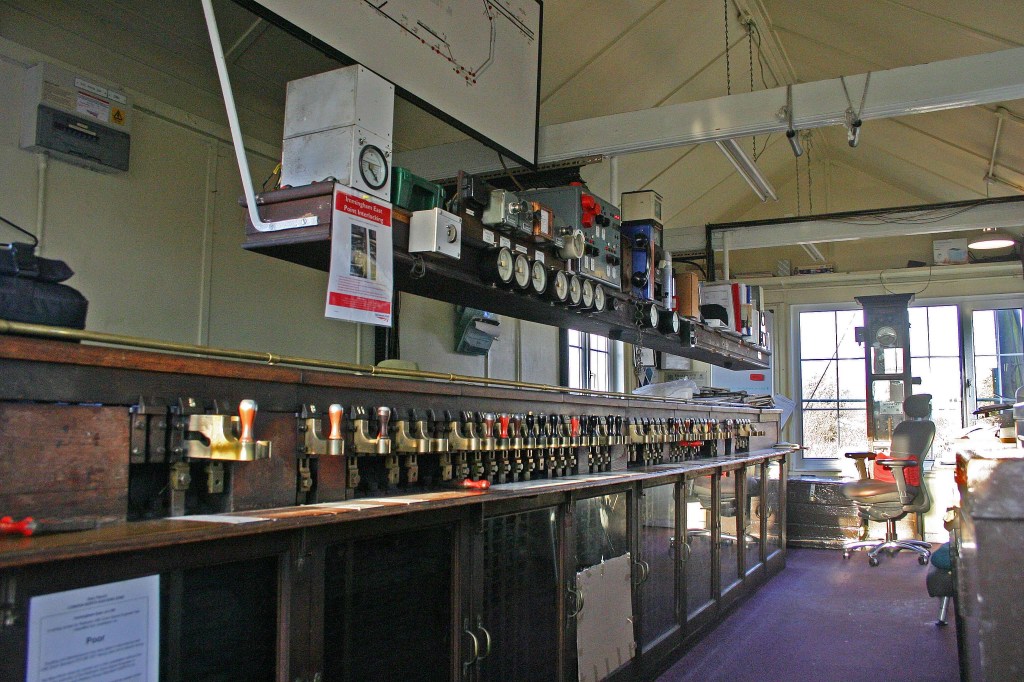
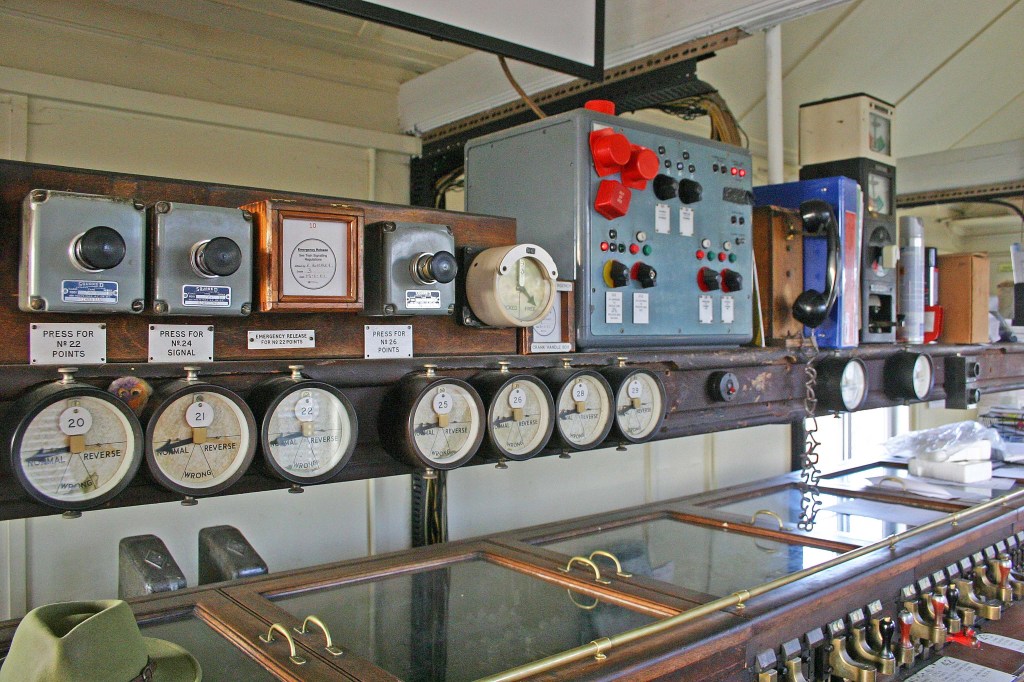
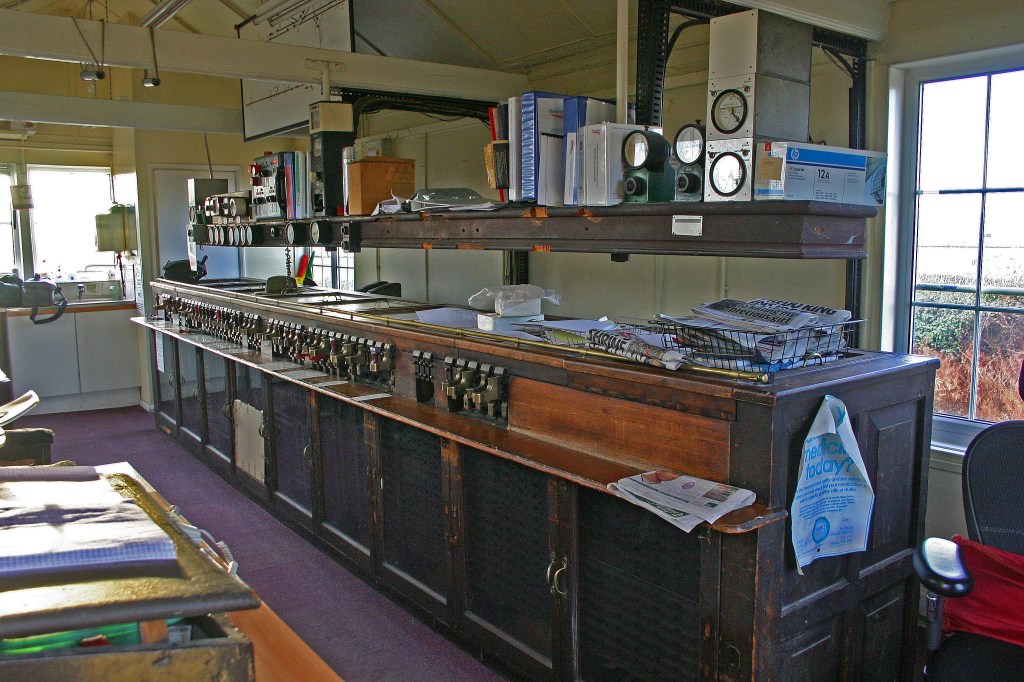
And as I relaxed, with binoculars to hand, notebook nearby, my brother worked the box—focused, steady, his hands resting on levers he’d known for years—his unsung world one of big responsibilities met calmly through meticulous attention to small details.
Outside the box’s crystalline windows nature maintained its pattern of changing seasons and cyclic activity, while within, the clock continued to tick, the telegraph ring and floorboards creak.
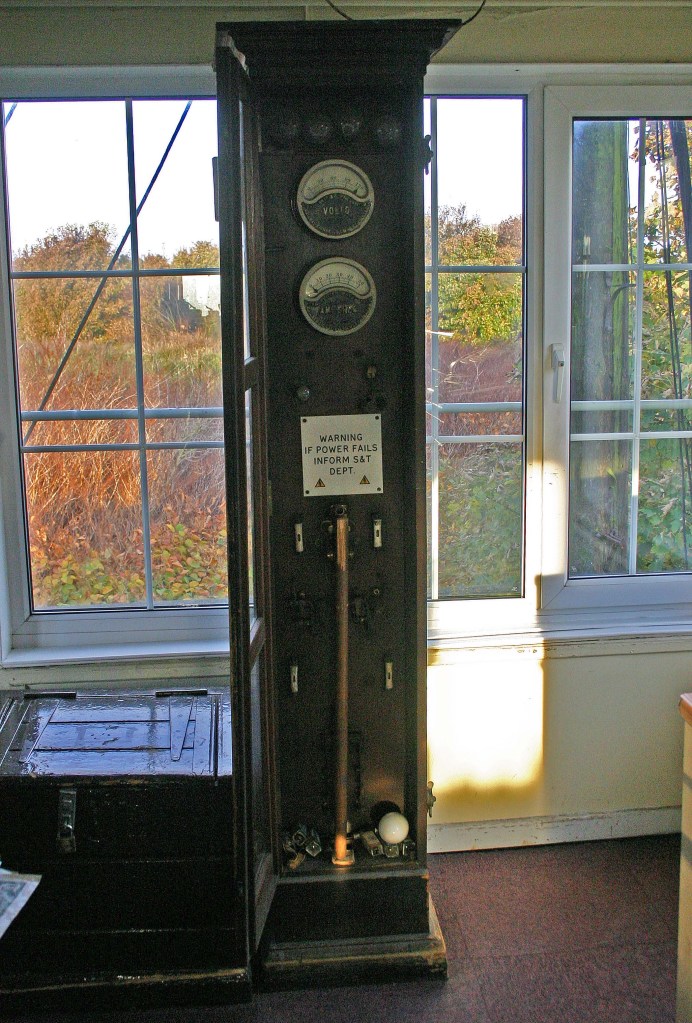
So much rhythm and so much meaning.
IT’S EASY TO overlook the places and people that hold our world together.
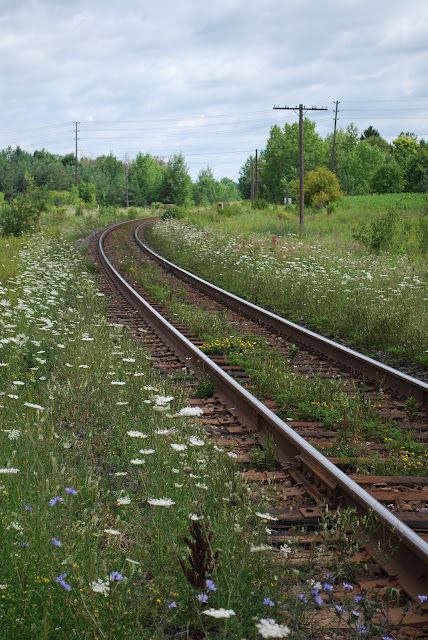
Reflecting on my visits now, years later, I’m reminded of the need to slow down and look—because beauty really is everywhere, even in an old signal box amid weed-grown tracks.
 RAVEN MOON