
The State-Sanctioned Murder of Derek Bentley
‘By killing, the evil killer rips a jagged hole in the fabric of society. The jagged hole makes everyone edgy. Edgy people respond with panic. What if the fabric rips some more? What if the next rip is closer to home? What if it rips up my street? My neighbour? My family … how do we stop it?’
‘The Weekend Novelist Writes a Mystery’ by Robert J Ray and Jack Remick
THE LEGITIMACY of Capital Punishment is a deeply complex and emotionally-charged question, with arguments on both sides grounded in ethics, justice and human rights.
It is a question which hinges on whether those who ‘rip a jagged hole in the fabric of society’ deserve to die.
To answer that we must first of all decide on what we mean by justice:
- Is justice restorative (focused on healing and reparation)?
- Is it retributive (focused on punishment and balance)?
- Or should it be preventive (focused on protecting the future)?
Some thinkers, like Immanuel Kant, believed capital punishment is a moral necessity for certain crimes — to affirm the moral order. Others, like Camus or Gandhi, argued that killing in the name of justice only perpetuates the cycle of violence.
Capital punishment might feel justifiable in the face of monstrous acts — but whether it should be used depends on what we believe justice is for: vengeance, prevention, restoration, or something deeper.
Another vital consideration is:
‘Do we have absolute faith in our justice system to act with fairness, prudence and moral integrity?’
For many years, I subscribed to Kant’s perspective. Admittedly, the legal system—like any human institution—is imperfect, and miscarriages of justice do occur. I accepted this. Yet one especially egregious case altered my thinking entirely: a blatant miscarriage of justice so severe it brought disgrace upon the judiciary.
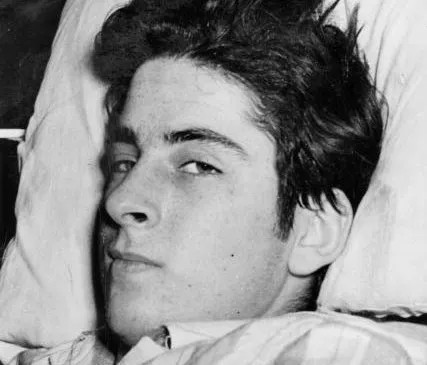
IN 1953, A 19-year-old man named Derek Bentley was hanged by the British state for a crime he did not physically commit.
Bentley had epilepsy. He was mentally impaired. And he was in police custody at the time that his friend, Christopher Craig, pulled the trigger, shooting dead a police officer.
But it was Bentley who paid with his life.
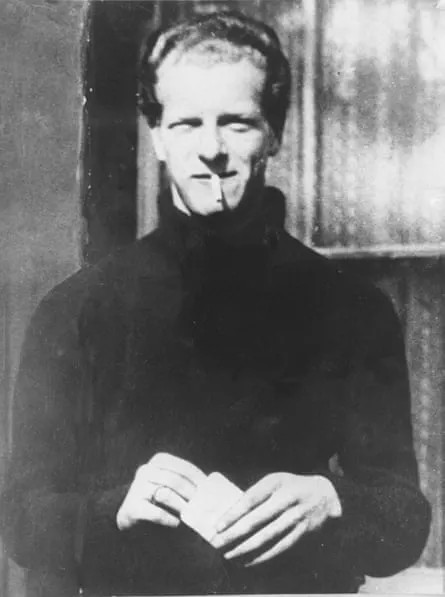
Bentley’s story is one of the most disturbing miscarriages of justice in modern British history. It appalled me when I first learned of it several years ago—and as a man who also lives with epilepsy, it unsettled me. This post is one I’ve wanted to write for a very long time.
ON THE NIGHT of November 2, 1952, Bentley and Craig broke into a warehouse in Croydon, South London. They were quickly spotted, and police soon arrived at the scene.

(Left) The Barlow & Parker Warehouse, Croydon
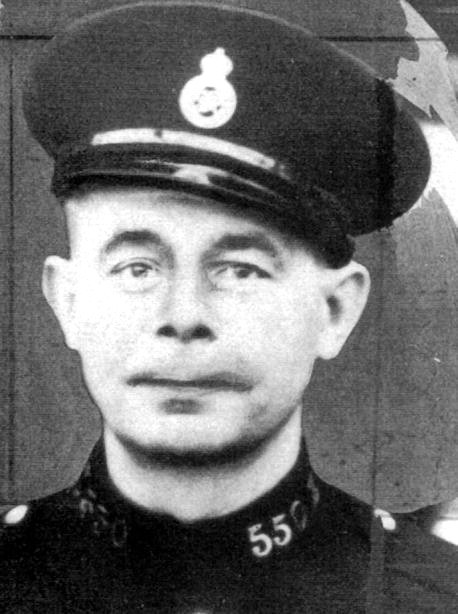
Bentley, who was unarmed, was arrested. But Craig, only 16 years old at the time, had a gun. As the officers tried to arrest him too, telling him to hand over the weapon, Bentley allegedly shouted, ‘Let him have it, Chris.’ Craig fired, killing the police constable, Sidney Miles.
The meaning of Bentley’s words—‘Let him have it’—was hotly debated. Did he mean ‘Give him the gun’? Or did he mean ‘Shoot him’? The courts chose the latter interpretation.
(Right) PC Sidney Miles
And even though Bentley didn’t fire the weapon, was in police custody when the shot was fired, and it was Craig who pulled the trigger, a ‘Guilty’ verdict was delivered on both men.
At 16 years of age at the time of the killing, Craig was too young to be executed. So Bentley—older, yet mentally impaired, was the one who was hanged.
It was a killing driven by vengeance—plain and simple.
The Establishment demanded blood, and Bentley was the convenient scapegoat. It might have been more honest if the courts had dragged him into the street, tied a rope around his neck, and lynched him outright.
Instead, they cloaked the execution in a grim mockery of justice, preserving the illusion of due process while the state deliberately and knowingly took the life of an innocent man.
Bentley had the mental age of around 11. His epilepsy affected him neurologically and emotionally. He had suffered repeated head trauma during the London Blitz, and had been institutionalized. He was easily led. And he was incapable, in any fair sense, of forming the intent to murder. Yet, none of that protected him from the gallows.
Even the jury recognized the tragedy. In the case of their guilty verdict on Bentley, they appended a formal recommendation for mercy. But the final decision lay with the Home Secretary, David Maxwell Fyfe, who denied clemency without consulting colleagues or experts. The public was justifiably outraged.
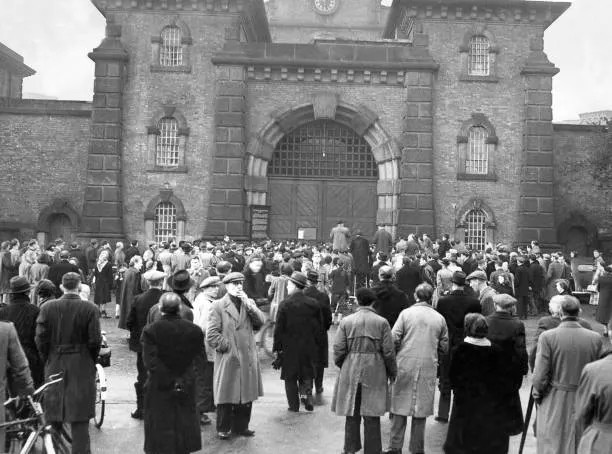
On the night before the hanging, a crowd of over 5,000 people gathered outside Wandsworth Prison, chanting ‘Murder!’ and burning the official execution notice posted on the gates. The newspapers at the time described the ‘storm of protest,’ amid growing calls for an end to capital punishment.
One Member of Parliament, Reginald Paget, condemned the verdict outright. He described Bentley as a ‘three-quarter-witted boy’ and said:
‘If this is justice, then we have learned nothing since the Middle Ages.’
Paget wasn’t alone—more than 200 MPs signed a petition pleading for mercy, and tens of thousands of ordinary citizens did the same.
But mercy never came.
THE EXECUTION was carried out by Albert Pierrepoint, Britain’s most famous hangman.
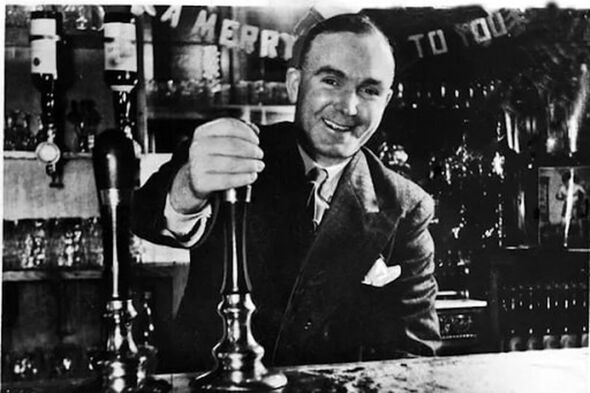
Known for his precision and professionalism, Pierrepoint later came to deeply question the morality of his work. In his memoir, he wrote:
‘I have come to the conclusion that executions solve nothing, and are only an antiquated relic of a primitive desire for revenge.’
That insight strikes deep, especially in Bentley’s case. This wasn’t justice—it was state-sanctioned vengeance. Even the man who pulled the lever came to see the system for what it was.
For me, as someone who has epilepsy, this case hit home in a way I didn’t expect. Epilepsy is often invisible until it isn’t—until someone sees you have a seizure, or misjudges your behaviour, or assumes your brain works like everyone else’s. It doesn’t.
And when I think of how little understanding there was of neurological conditions in the 1950s, I can’t help but see Bentley’s execution as not just unjust, but brutal and ignorant.
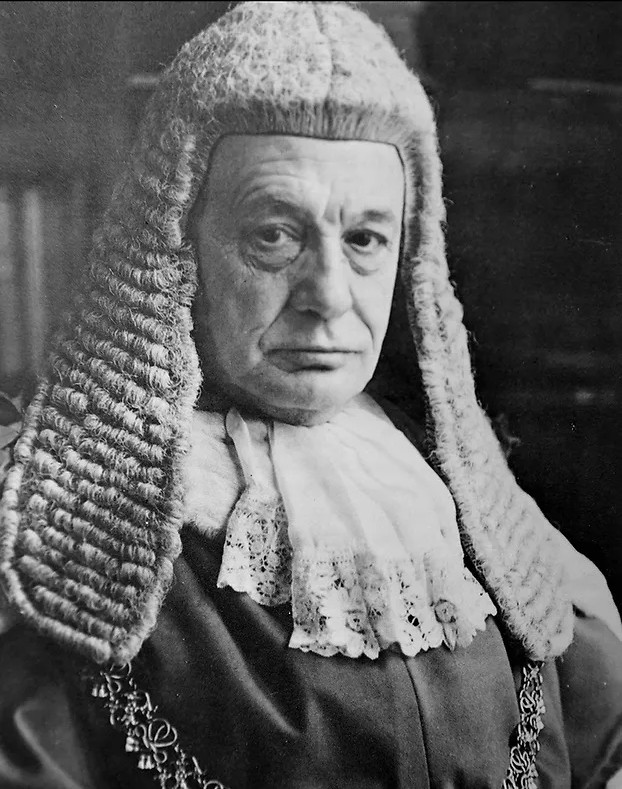
Lord Goddard, the trial judge—long regarded as one of Britain’s harshest ‘hanging judges’—later expressed private regret. In a 1970 interview, he admitted:
‘Bentley’s execution was an act of supreme illogicality… I thought he certainly should have been reprieved.’
Whilst the admission may have gone some way to salving the man’s conscience, it did nothing for the Bentley family. It was, however, a statement that speaks volumes:
If the judge, the hangman, and the public could all see the injustice, why couldn’t the state?
The only plausible reason is that the state wanted revenge. A policeman had been killed. An example needed to be set, and a blood price paid. The real killer was too young to face the gallows.
And so, a simple-minded man with epilepsy took the fall – unjustly, at the end of a rope.
(Right) HMP Wandsworth Gallows

It was only in 1998—forty-five years later—that Bentley’s conviction was finally overturned. But justice delayed, in this case, was justice denied.
DEREK BENTLEY’S EXECUTION was one of the key factors that pitched me firmly, unshakably, against the death penalty. Capital punishment is irreversible. When the state kills the wrong person, there is no appeal, no amends, no undoing the rope around the neck.
Once innocent men are interred in prison cemeteries, the private regrets of judges and convictions overturned simply don’t cut it.
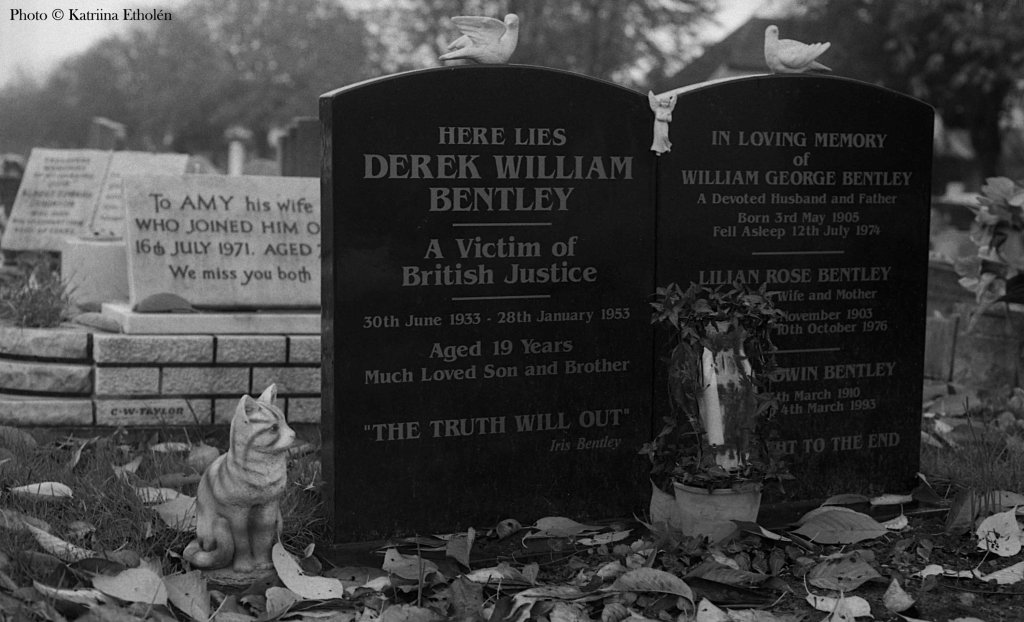
(Right) Derek Bentley’s grave marker, HMP Wandsworth

The story is a tragic reminder of what happens when society allows fear, anger, and prejudice to override reason and compassion. If we forget Derek Bentley we open the door for it to happen again.
(Right) Christopher Craig – killer of PC Miles.
He was released in 1963, having served ten years imprisonment.
 RAVEN MOON