


Embracing the Beauty of our Flaws
WE ARE, all of us, flawed.
Sometimes those flaws are visible—a scar, a disability, a noticeable quirk.
Some remain hidden in the recesses of our minds and hearts—anxiety, past trauma, low self-esteem, or simply the crushing weight of perceived inadequacies.
And yet, we live in a world that idealises perfection. We’re surrounded by airbrushed images, polished narratives, and performance-driven benchmarks that leave little room for simple humanity.

In such a stage-managed, artificial environment, our flaws can feel like evidence of failure—triggering guilt, shame, and the hollow feeling that we are somehow less than.

But what if we saw things differently?
What if the very parts of ourselves we try to hide or fix … were actually worth honouring?
Kintsugi: The Art of Glorifying Imperfection
IN JAPANESE CULTURE, there is an ancient art form known as Kintsugi—literally ‘golden joinery.’

When a piece of pottery breaks, it is not discarded. Instead, it is repaired using lacquer mixed with powdered gold, silver, or platinum. The cracks are not concealed—they are illuminated.
The end result is a restored vessel whose ‘flaws’ have become the very thing that makes it unique and beautiful.

Kintsugi doesn’t seek to erase the breakage. It treats it as part of the object’s history—something that adds to its depth and character.
What would it look like if we applied the same principle to ourselves?

We Are Not Broken. We Are Becoming.
TO LIVE IS TO experience change. And with change comes growth—but also hurt, loss, failure, and transformation. Somewhere along the way, many of us learn to associate our scars (both visible and invisible) with weakness.
But what if we viewed those marks as evidence of survival?
Every mistake, every heartbreak, every period of uncertainty you’ve endured has shaped you.
The cracks you carry—though they may have once been painful—are now proof of resilience …
… of having fallen, and risen again, undaunted …
… of choosing to continue.
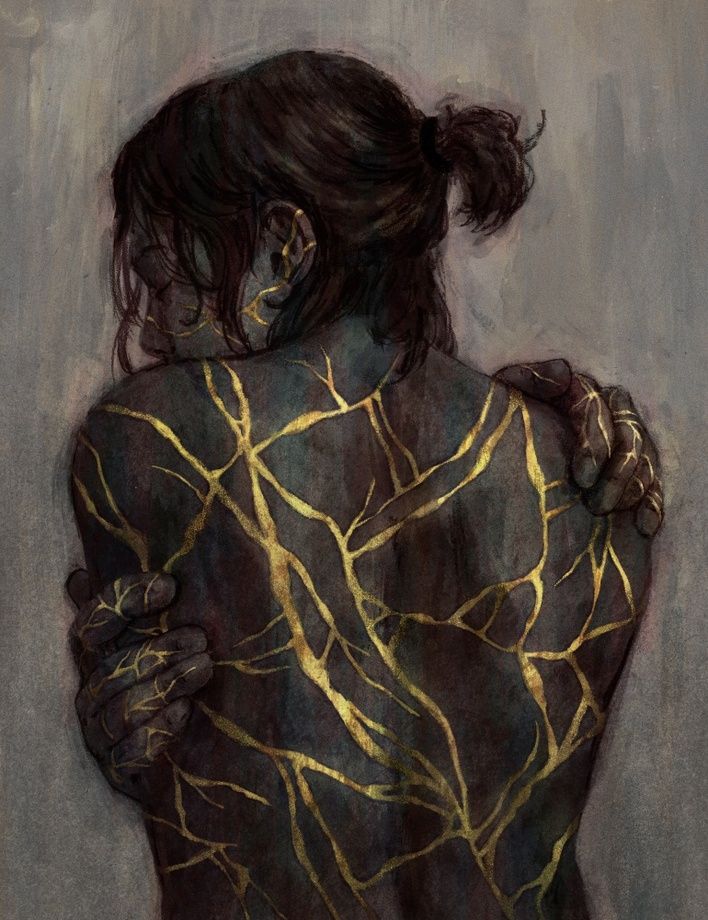
In Kintsugi, the break becomes a central part of the story, not an interruption of it. You are not a shattered version of who you should have been. You are a more layered, more weathered, more intricate version of who you are.
Rewriting the Inner Dialogue
THE CHALLENGE, of course, is that our culture doesn’t naturally encourage this mindset. From early childhood, we’re often rewarded for perfection and punished for error. So when we do fail—or even just fall short—it’s easy to spiral into negative self-talk:
- ‘I’m not good enough.’
- ‘I can never get it right.’
- ‘Everyone else seems to have it together.’
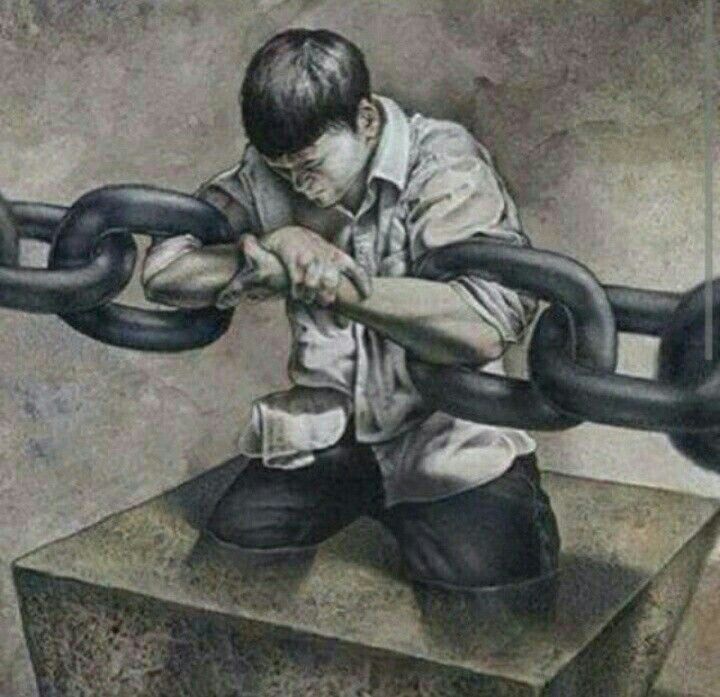
But the truth is, perfection is a myth. No one ‘has it all together.’ The people you admire? They have their own cracks too. They’re just not always visible.
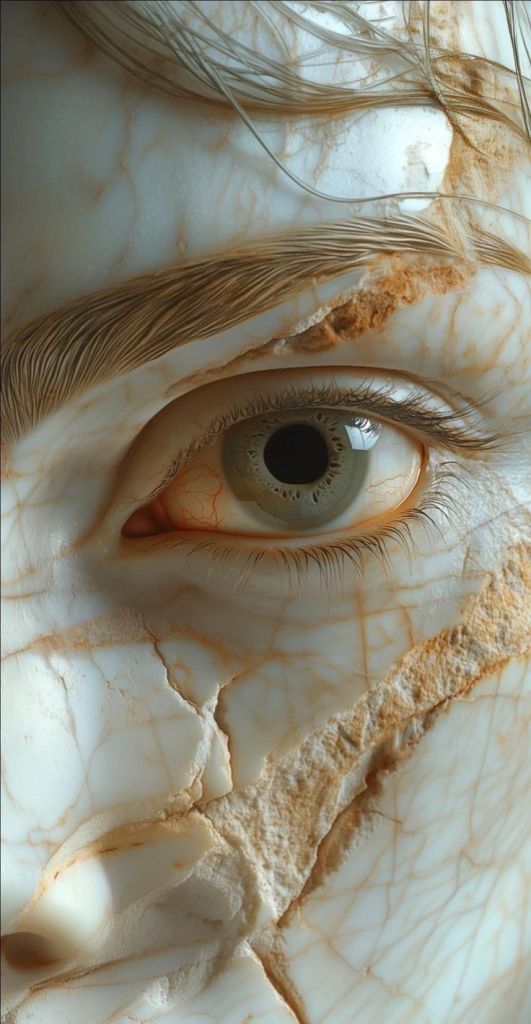
What if the next time you caught yourself thinking, I’m broken, you gently corrected it to: I’m rebuilding?
What if you allowed your flaws to be evidence of your strength, rather than your inadequacy?
Honouring the Whole Self
TO ACCEPT YOUR flaws does not mean to give up on growth. Quite the opposite.
It means looking at yourself honestly, and saying:
Even here, even now, I am worthy of love and compassion.
It means seeing your life not as a linear progression from brokenness to perfection, but as a mosaic of experiences—some smooth, some jagged, all meaningful.
Kintsugi teaches us that beauty is not in flawlessness, but in wholeness—the kind of wholeness that comes after the fall. That comes because of the fall.

This shift in perspective isn’t just symbolic. It’s deeply healing.
Adopting a Kintsugi Principle
SO HOW do we live this?
It starts with small choices:
- Pause before self-criticism. Notice when your inner voice is being harsh. Would you speak to a friend that way?
- Reflect on your journey. What ‘cracks’ in your life have shaped your perspective, your empathy, your strength?
- Celebrate progress, not perfection. Growth is rarely linear. Honour each step, no matter how small.
- Surround yourself with people who value authenticity. The more you open up about your real experiences, the more others will too—and mutual healing begins.
If you’re struggling with something right now, ask yourself: What might this experience be teaching me? What part of myself is growing, even in the difficulty?

You are not a before-and-after story. You are a work in progress. A living, breathing piece of Kintsugi art.

Cracks Let the Light In
IN LEONARD COHEN’S famous lyrics:
‘There is a crack, a crack in everything, that’s how the light gets in.’
Our imperfections—our scars, setbacks, stumbles—are not shameful. They are the entry points for light, for wisdom, for connection.

When we allow ourselves to be seen in our vulnerability, we give others permission to do the same.
We foster deeper relationships, kinder communities, and a more compassionate world.
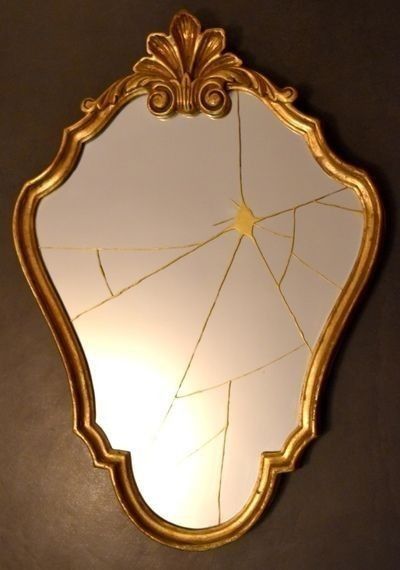
SO THE NEXT time you feel inadequate or ashamed, remember: your cracks are not the end of your story. They are golden seams, holding together something extraordinary.
You.
 RAVEN MOON