

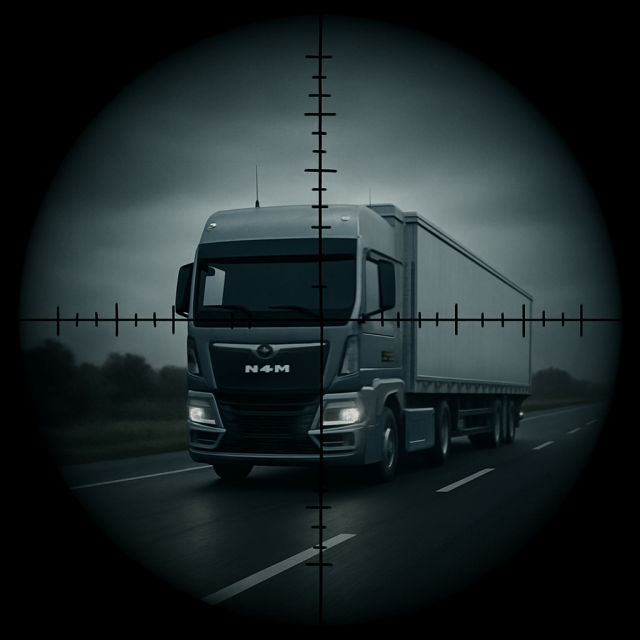
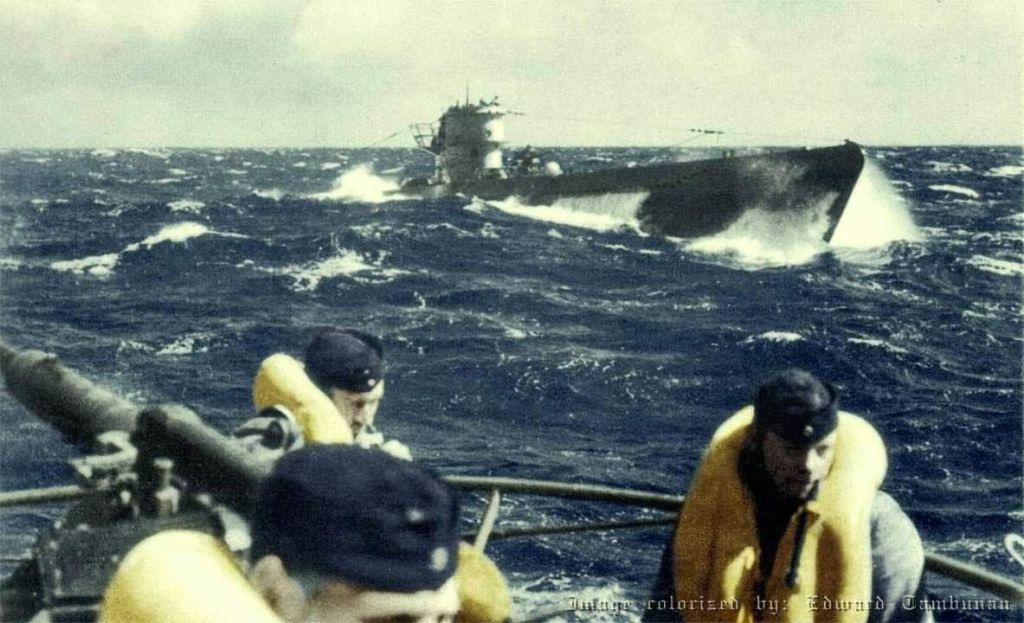
SOME FASCINATIONS begin in childhood and never let go. For me, one such allure was the silent menace of submarines—sleek, powerful vessels gliding unseen beneath the waves.
In later years I found something similarly captivating on land: the commanding presence of smartly painted, intelligently-designed heavy lorries—powerful machines that appear as stunning and substantive as any sea-going vessel.
These seemingly-unrelated focal points—one found beneath salty sea-lanes, the other on black-topped highways—came together recently in a moment of delightful synchronicity. It was then that I discovered a fascinating link that tied them together.
Suddenly, the lines between these two worlds blurred, in a chance discovery which sparked a deeper curiosity. It wasn’t just about machines anymore; it was about legacy, adaptability, and the endurance of mechanical mastery.
Introduction
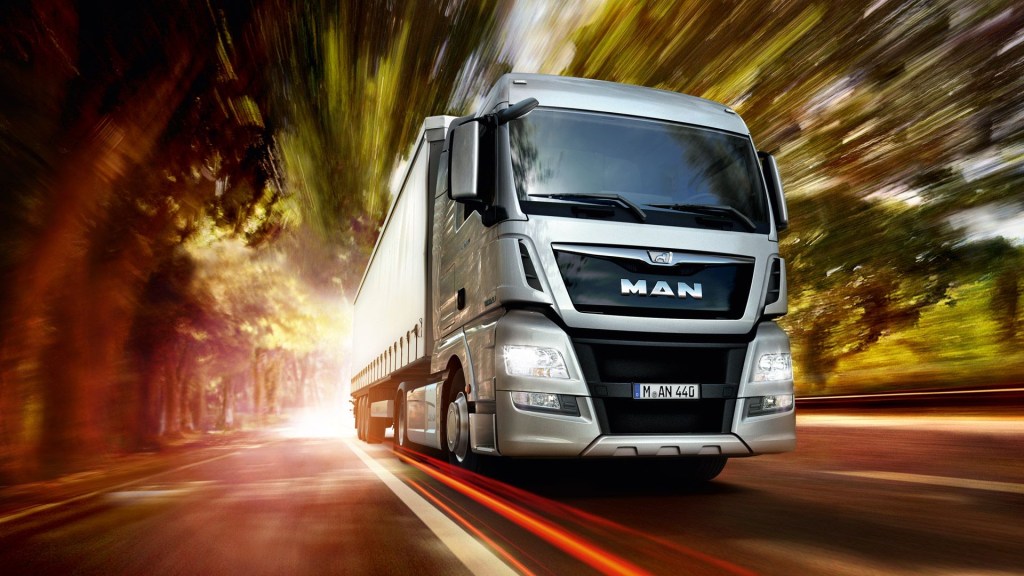
WHEN YOU see a MAN truck thundering down the motorway, you’re witnessing the latest chapter in a story that stretches back more than 250 years.
Known today for building trucks and buses, MAN—short for Maschinenfabrik Augsburg-Nürnberg—has a legacy that spans the entire industrial age.
This is the company that helped bring the diesel engine to life. It fueled Germany’s military might during World War II, and eventually became a modern logistics powerhouse.
In this post I’ll explore how MAN evolved from forging iron in the 18th century to powering submarines in the depths of the Atlantic, and finally, after rebuilding itself from the rubble of war, how it became a key player in today’s transportation industry.
The Diesel Engine is Born
MAN’s ORIGINS go back to 1758, with the founding of the St. Antony Ironworks in Oberhausen, considered the first heavy-industry site in the Ruhr. Through the 19th century, it evolved into Maschinenfabrik Augsburg, then merged in 1898 with a Nuremberg firm to become the MAN we know today.
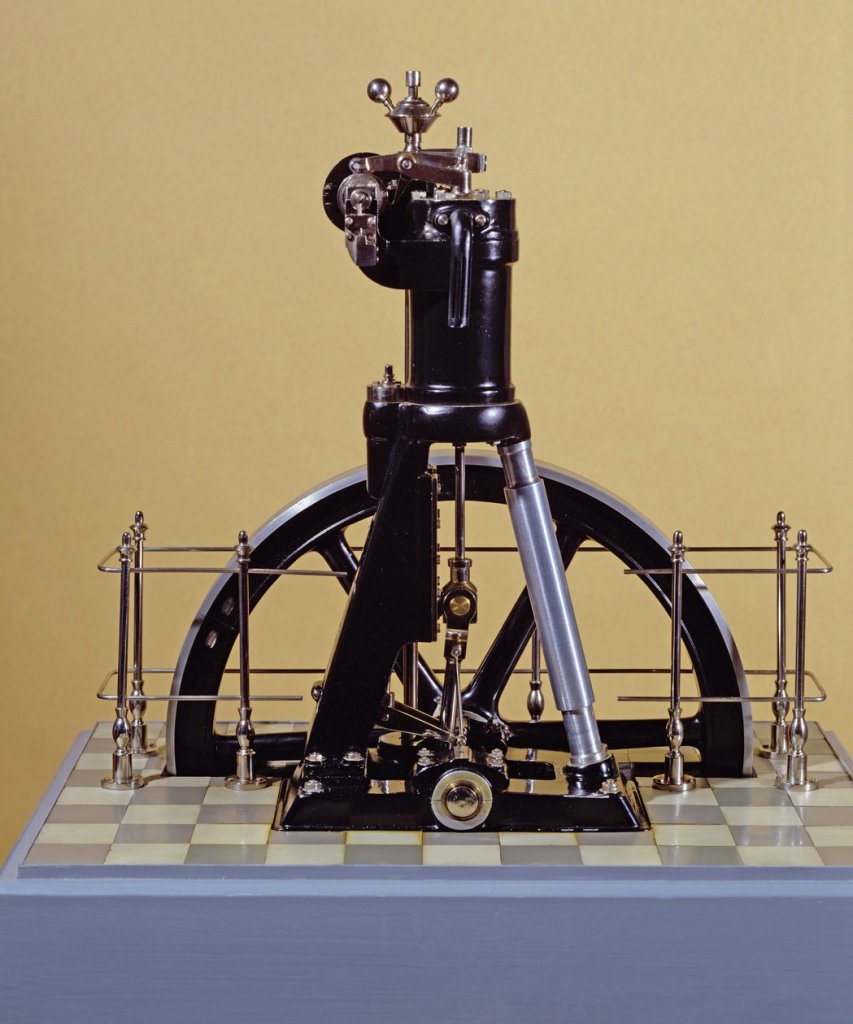
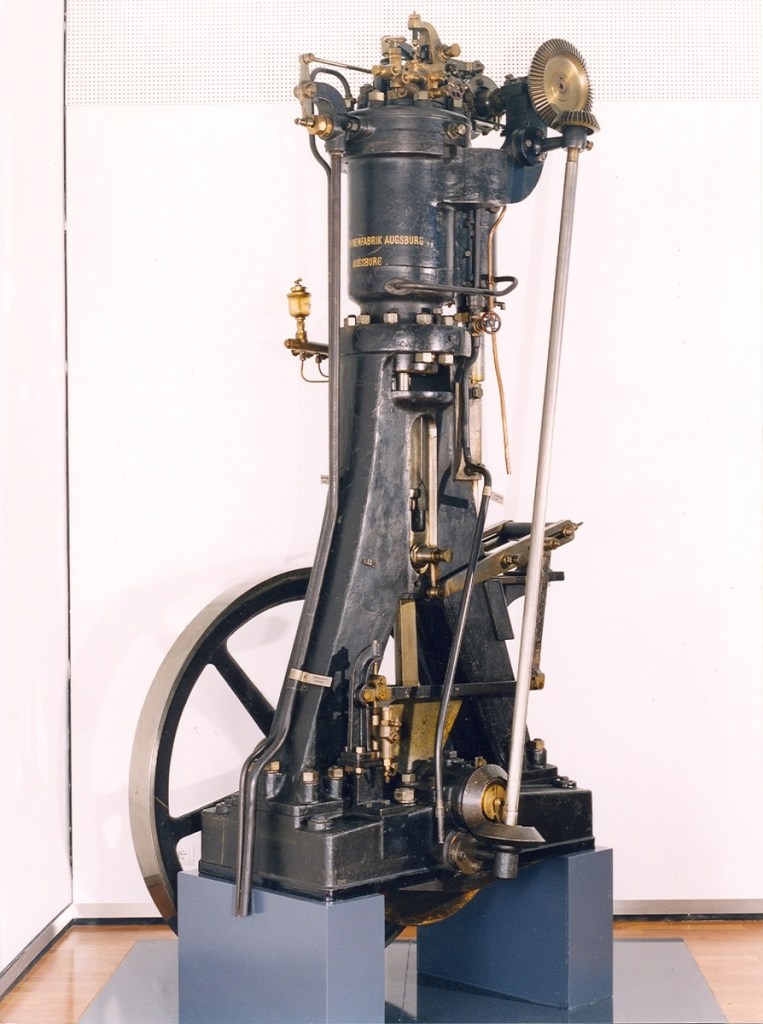
ITS BREAKTHROUGH came in 1897, when MAN engineers worked closely with Rudolf Diesel to create the world’s first functional diesel engine. Designed to be more efficient than steam, it revolutionized industry and later became the backbone of marine and military propulsion.
MAN had established itself not just as a builder of machines—but as a pioneer in powering the future.
War Machines: MAN in Nazi Germany
BY THE 1930s, MAN was producing trucks and locomotives, but its role shifted dramatically with the rise of Hitler’s war machine.
During World War II, the company became a key part of Nazi Germany’s industrial network, producing engines for tanks, trains—and submarines.
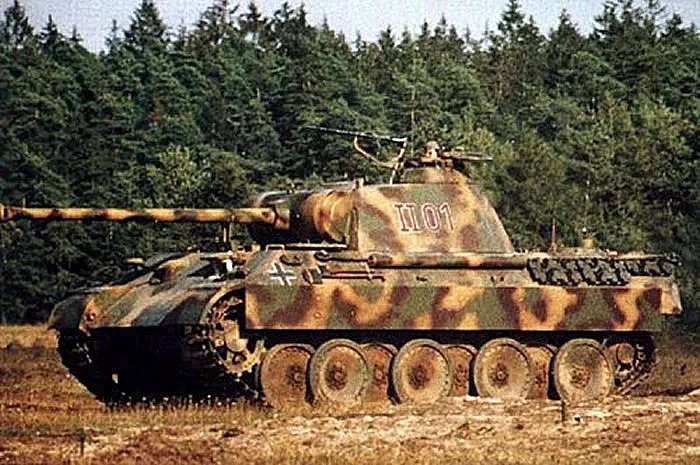
(Right) German Panther Tank, powered by a MAN Diesel Engine
U-Boat Powerhouse
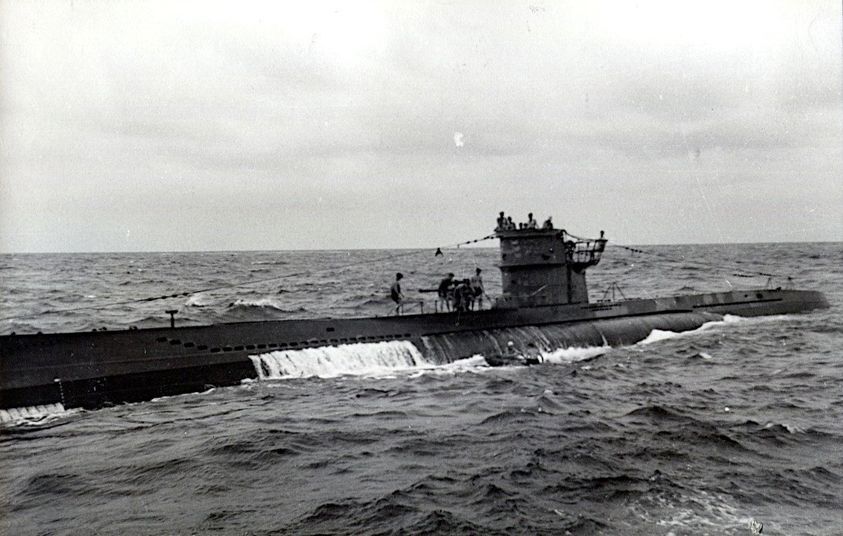
MAN’s most infamous wartime work was the design and manufacture of diesel engines for U-boats, especially the Type VII and Type IX models that hunted Allied ships in the Atlantic. These engines had to be small, durable, and efficient—able to function flawlessly in the harshest underwater environments.
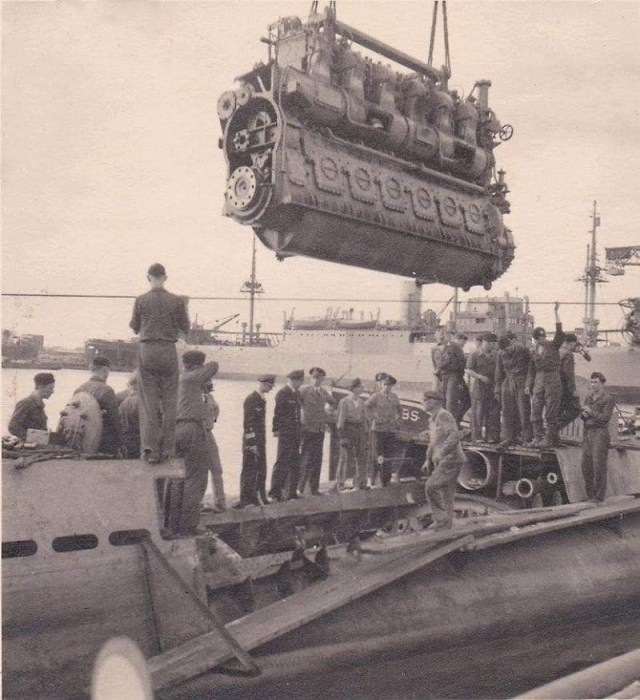
Its Augsburg plant became a critical supplier to the Kriegsmarine, and MAN’s diesel engineering expertise made it indispensable to the German war effort in the Battle of the Atlantic, the longest continuous engagement of WW2.
But this phase in the company’s evolution came with a heavy moral cost.
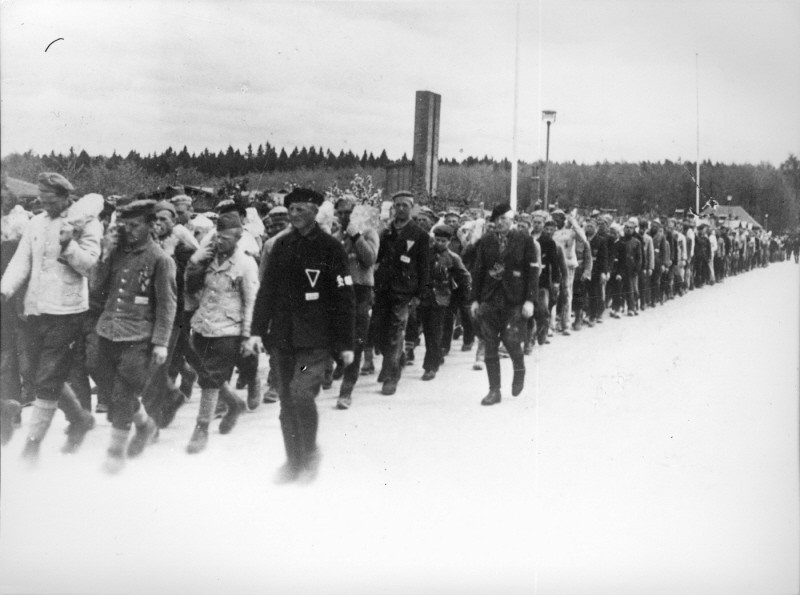
Like many large firms in Nazi Germany, MAN used forced labour, drawing from civilians in occupied territories and prisoners of war, to meet wartime production demands. This legacy remains a painful and relevant chapter in its history.
After the Fall: Destruction and Rebirth
BY 1945, MAN’s factories had been pulverised in bombing raids, targeted by Allied forces due to their military importance. The company faced not only physical destruction but also reputational damage from its wartime activities.
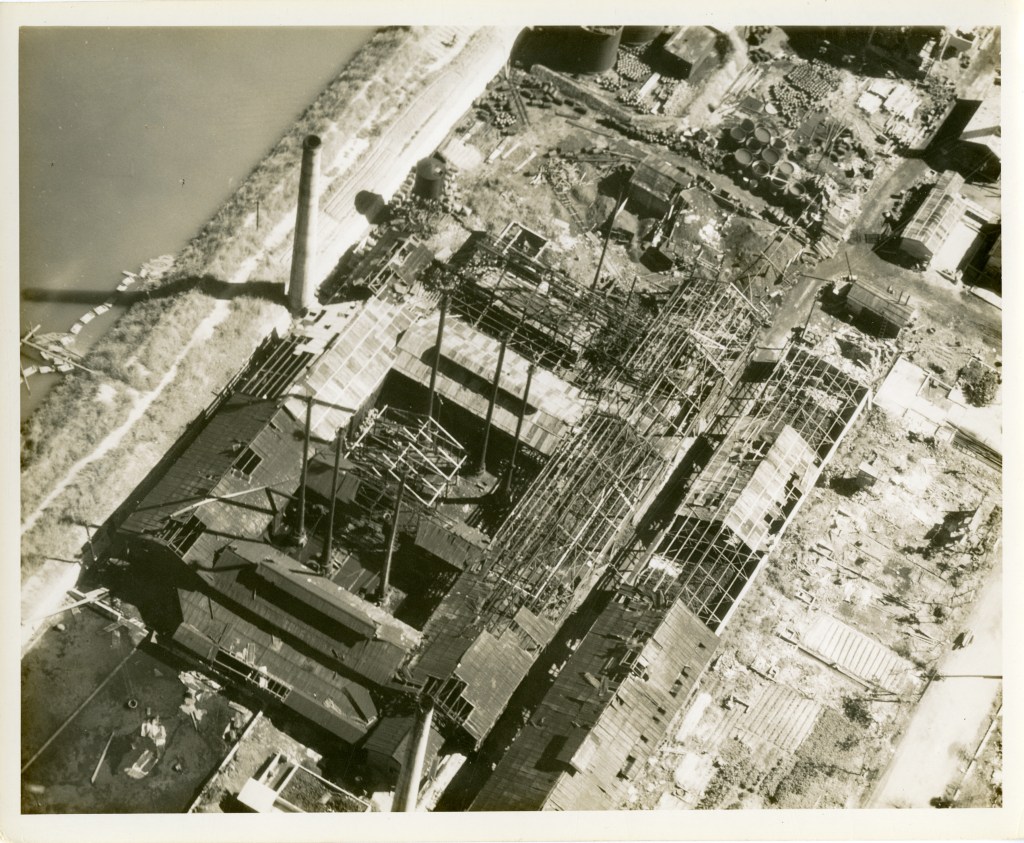
And yet, in the post-war years, MAN became part of West Germany’s economic miracle (Wirtschaftswunder). By the 1950s, it resumed production of civilian trucks, buses, and diesel engines, turning away from military manufacturing and toward rebuilding infrastructure and transportation across Europe.
In 1971, MAN absorbed Büssing, another German truck maker, strengthening its position in the commercial vehicle market.
Legacy in Sonics and Silence
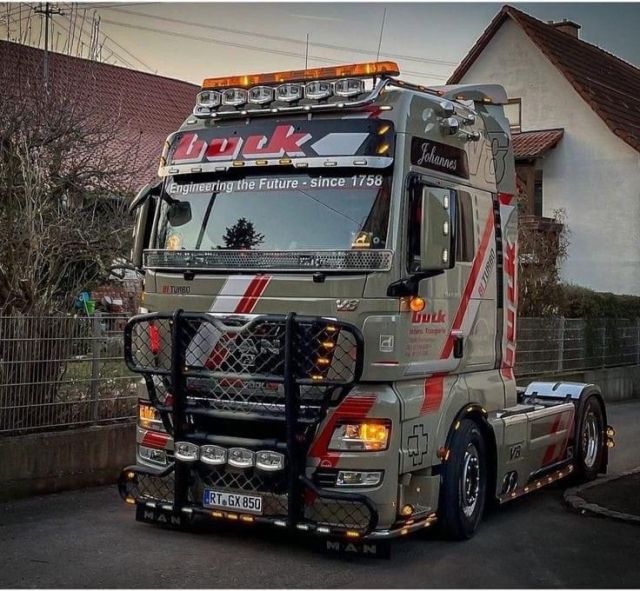
MAN’s STORY IS one of extraordinary engineering—applied for both creation and conflict. Its role in pioneering the diesel engine shaped the future of industry.
Its engines powered some of the most feared war machines in naval history. And its postwar recovery reflects the resilience of German industry as a whole.
Today, as part of Volkswagen’s TRATON Group, MAN builds advanced trucks and buses for domestic commercial applications.
But, as we have seen, its legacy is anchored in a deeper, more complicated past—one that resonates in the vibrant thrum of every engine it builds today, and remains, too, in the silent wrecks of countless ‘Iron Coffins’ on the ocean floor.
 RAVEN MOON