One Purpose
IIN MOMENTS OF uncertainty or spiritual searching, many of us turn to tools for guidance. For some, it may be a well-worn Bible, opened to a page with a verse that seems to speak directly to the heart of the moment. For others (myself included), this comes in the form of Oracle cards—beautiful decks rich with symbolism, insight, and intuitive prompts.
Both of these practices—whether pulling a card or flipping to scripture—are means by which the querent appeals for guidance, asking the universe (Spirit, God, the Divine, call it what you will) for insight. Yet culturally, they are often seen in stark contrast.

Whilst using Bible verses for direction is widely accepted, even encouraged, in Christian communities, Oracle cards are frequently viewed with disdain, labelled as ‘occult’ or ‘dangerous’.
Why do we see such prejudice against those who may wish to use the likes of Oracle cards in their search for divine insight?
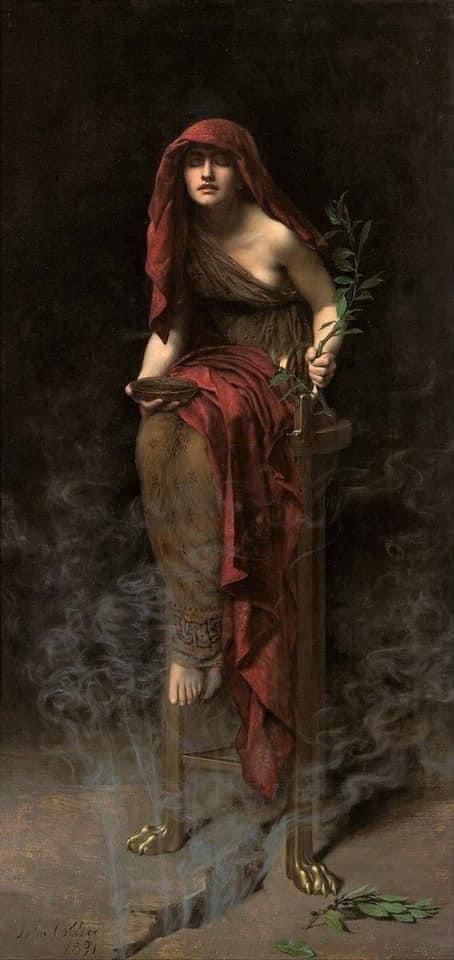
We know that Christianity—particularly in its institutional forms—has often shown animosity and intolerance against religious and cultural practices outside its own doctrines. This has included labelling non-Christian beliefs as heretical, pagan, or demonic.
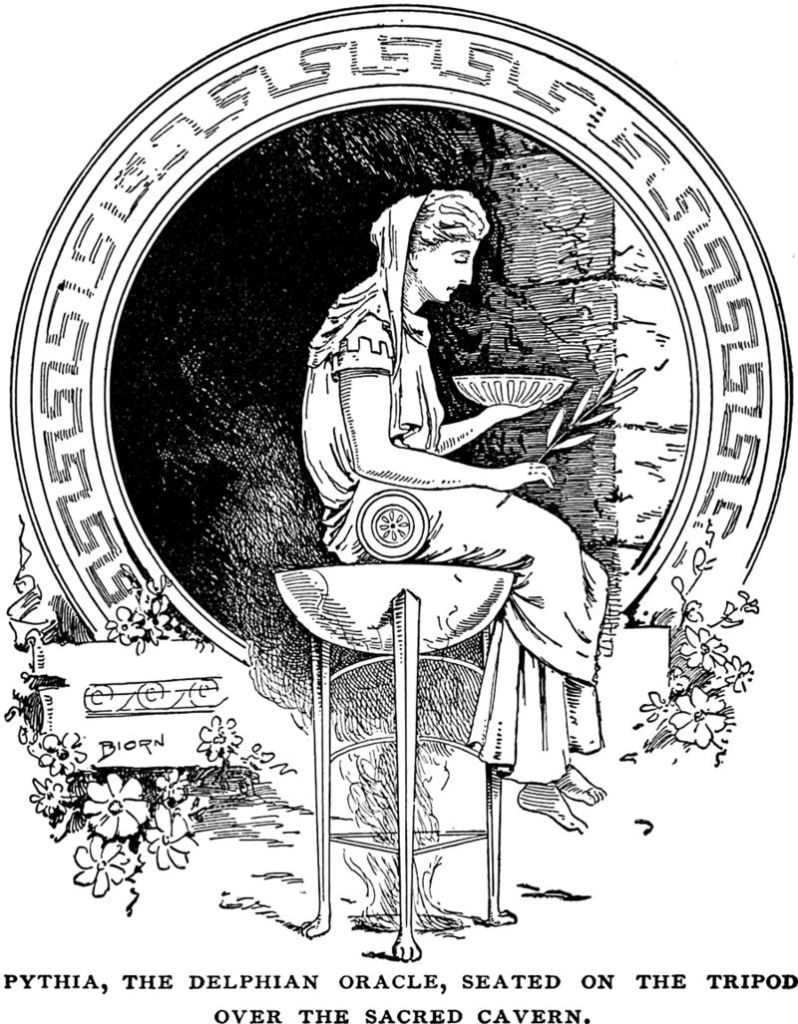
Before I continue, therefore, it will be useful to have an accurate understanding of terms.
The word ‘Occult’ has its roots in the Latin occultus, meaning ‘hidden’, or ‘secret.’ Nothing diabolic there, then.
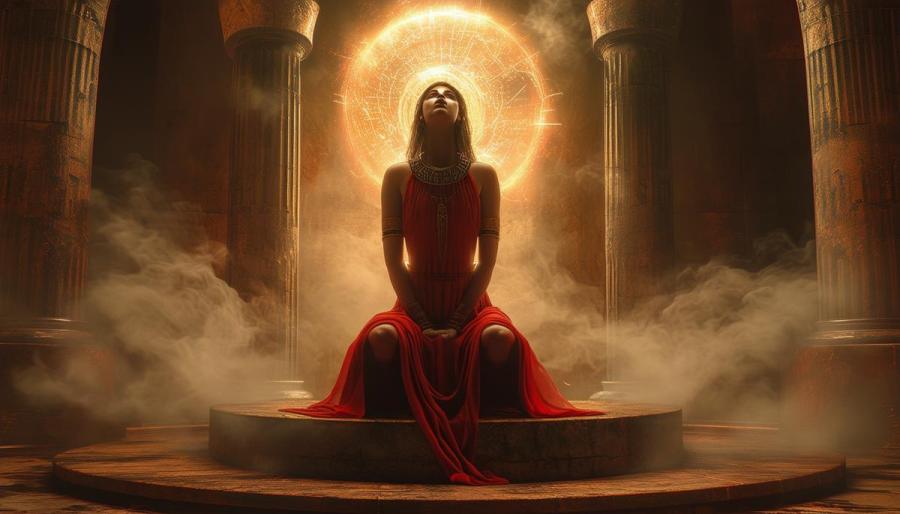
‘Oracle’ is similarly benign. The word is also derived from Latin: oraculum, meaning ‘divine announcement.’ A relative Latin term from the same linguistic root is orare – ‘to pray to,’ or ‘beseech.’
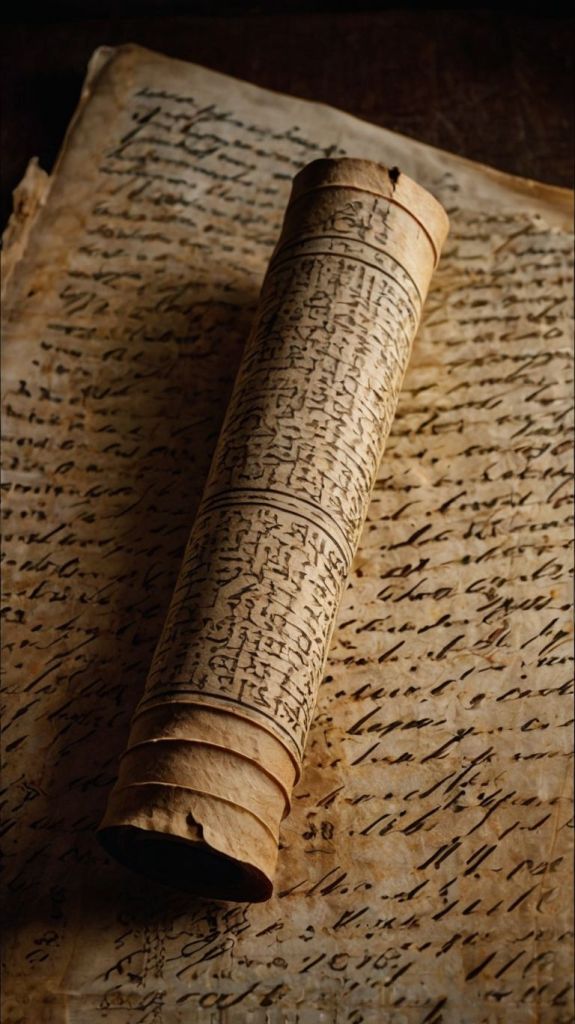
Given such misrepresentation and distortion, it is perhaps no surprise that the meaning of the term ‘pagan’ has also been perverted.
Once again, the word comes from Latin, in which ‘paganus‘ literally meant ‘country dweller’ or ‘villager.’ However, over time, as Christianity began to spread more rapidly in urban centres, the term ‘paganus‘ became associated with anyone who wasn’t Christian. Such folk were therefore viewed with suspicion.
Shared Intention
AT THEIR CORE, both Oracle cards and Bible verse readings serve the same human need: the desire to connect with something greater than ourselves and receive guidance. They are spiritual mirrors, reflecting our inner truths back to us.

When someone prays and opens their Bible to a seemingly random verse, they trust that the Divine is directing them to that message.
When another person shuffles an Oracle deck with an open heart and asks for insight, they trust the same.
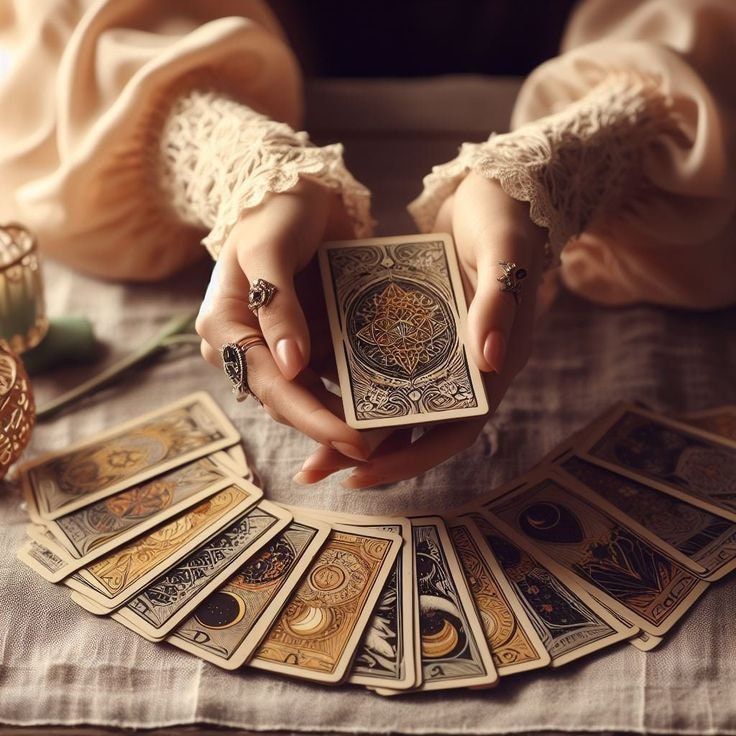
The tools may differ, but the intention is identical: to receive wisdom beyond the ego, to find comfort or clarity.
Why the Stigma?
MUCH OF THE criticism of Oracle cards comes from misunderstanding. Historically, anything outside the tightly-controlled bounds of intolerant mainstream religion—particularly Christianity—was labelled as occult or heretical. The term ‘occult’ being conflated with witchcraft or necromancy.
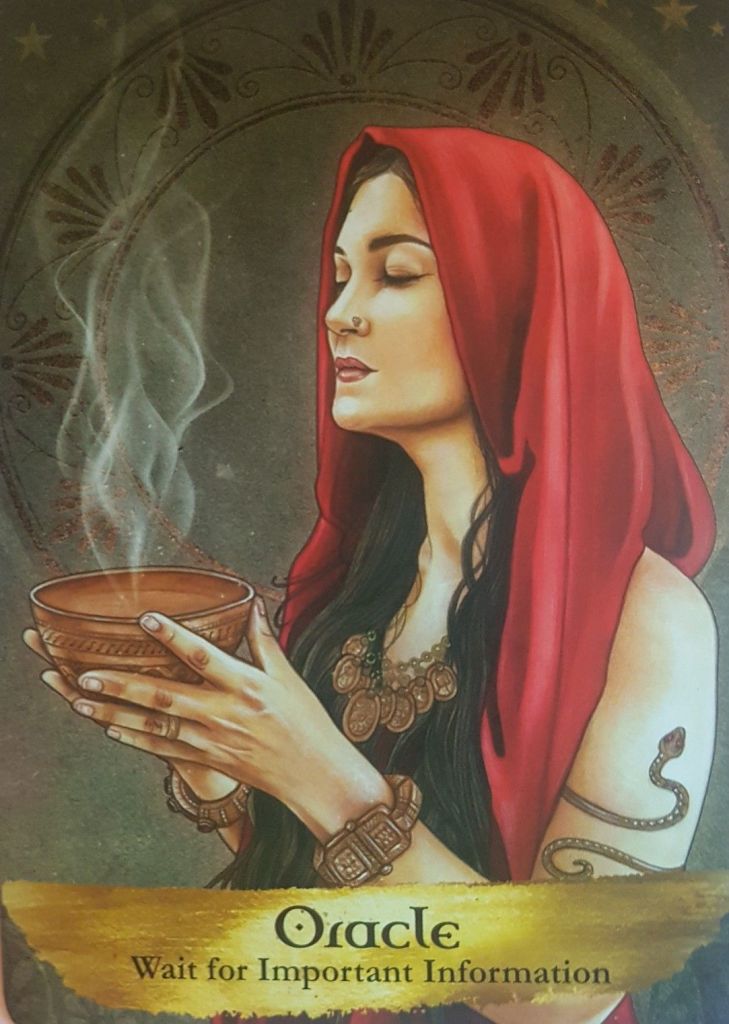
Native American, Aboriginal and Earth-bound spiritualities
But consider this: if pulling a card that says ‘You are supported‘ or ‘Trust your inner voice‘ helps someone feel calm, centred, and aligned with love, is that harmful? Is it so different from reading ‘Be still and know that I am God‘ (Psalm 46:10) and finding peace?
The discomfort often lies not in the message, but in the method by which it is attained.
Honouring All Paths to the Divine
IT’S IMPORTANT TO remember that spiritual tools are simply that—they are tools. They are not inherently good or evil. Their impact depends on how they’re used and the energy with which they are approached.

Whether someone receives their guidance from ‘sacred’ texts, symbolic images, dreams, meditation, or nature itself, the deeper truth is that we are all seeking meaning and connection.
Closing Thoughts
LABELLING ONE FORM of divine communication as holy and another as harmful only deepens the divide between people and their own intuition. If a practice brings peace, encourages self-reflection, and opens the heart it should be honoured, rather than viewed with suspicion.
In the end, both Oracle cards and Bible verses invite us to listen, to pause, and to trust that something greater is speaking to us. So it’s time we stopped judging the method, and simply honoured the message.
Amanda Lynn Aisling’s ‘Inner Child Oracle’ – A powerful tool for seekers of deep healing and spiritual realignment.
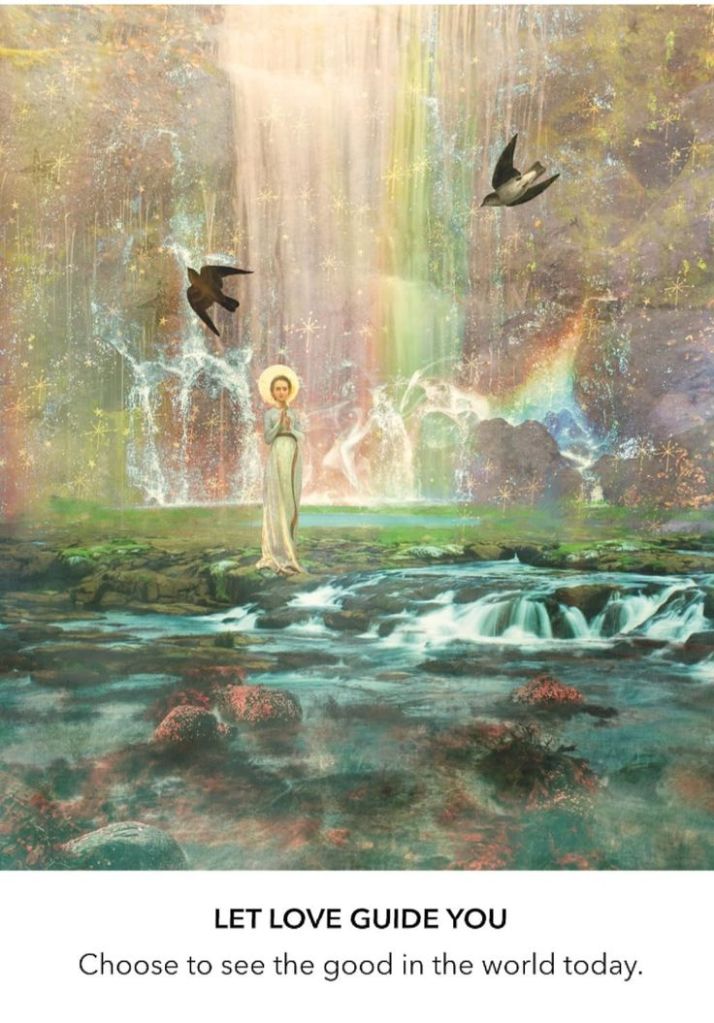
 RAVEN MOON