

My previous post – ‘Warning! Contains Common Sense‘ – looked at the proliferation of superfluous safety signage on lorries using our road network. In this post I turn my attention to the roads themselves.

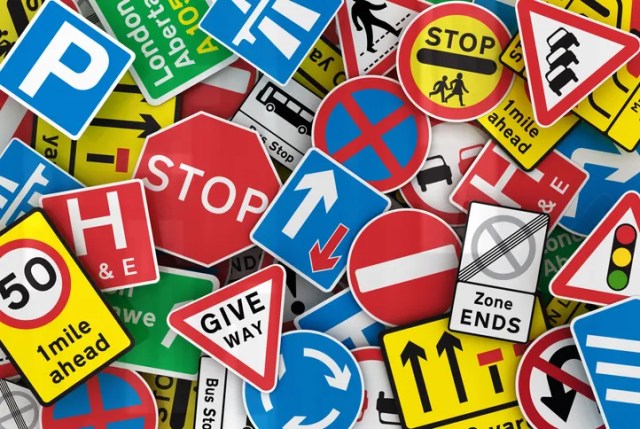
TAKE A DRIVE along any UK motorway or A-road, and you’ll notice a growing trend: more signs. More warnings, more instructions, more updates—some are electronic, some static, and of these, many are redundant.
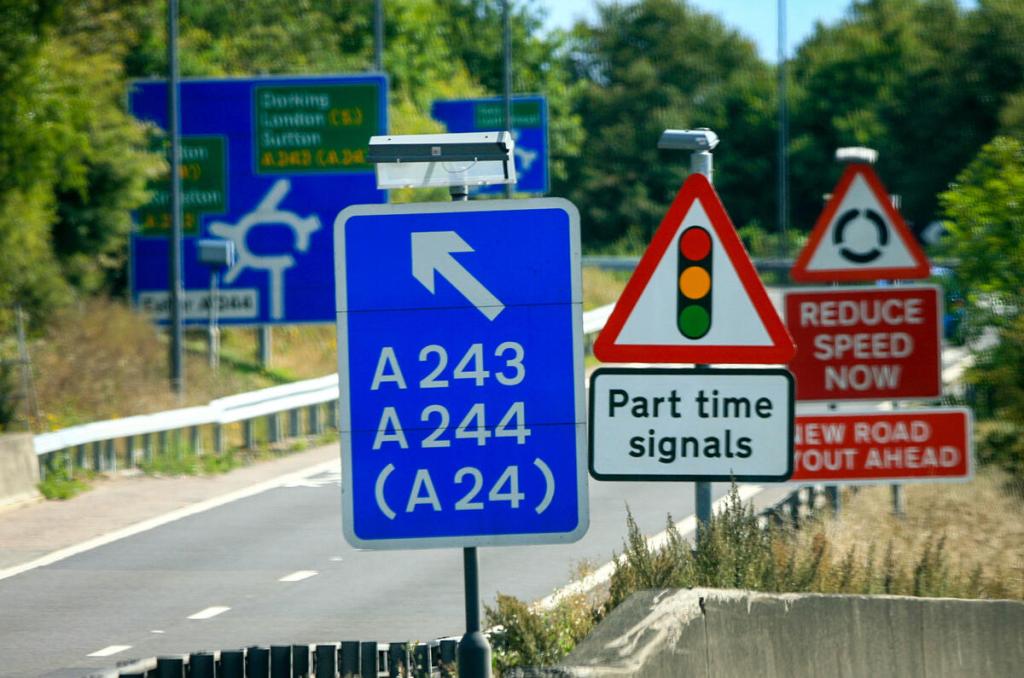
While road signs are meant to guide and protect us, I can’t help but feel that they might be doing the opposite.
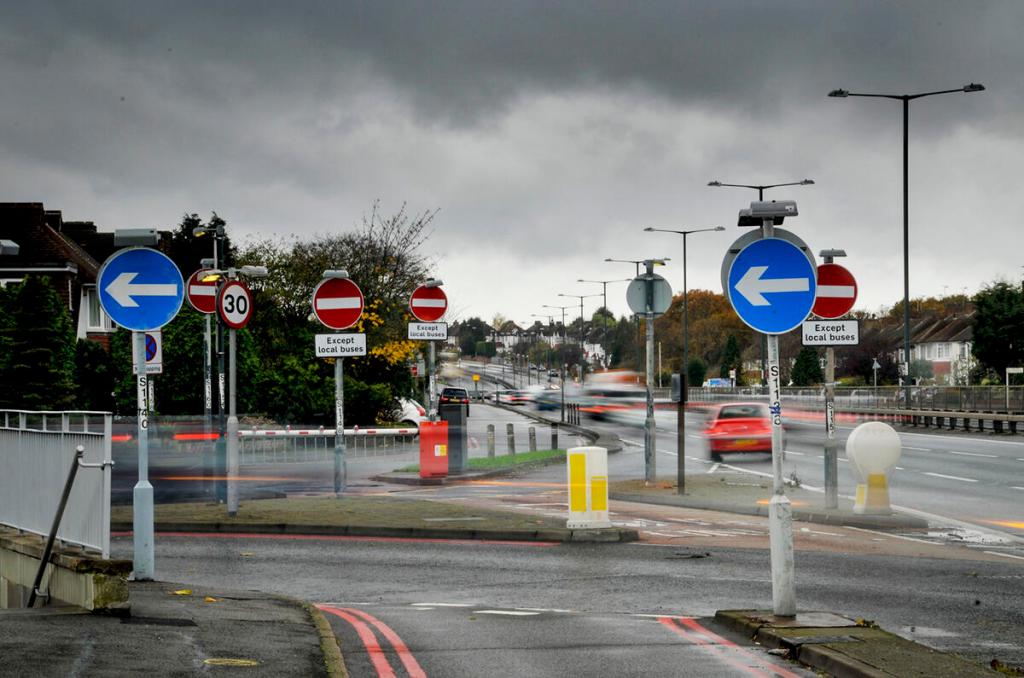
So what’s driving the proliferation of road signs on our highways? And is this visual overload making our roads less safe?
Why So Many Signs?
The dramatic increase in signage isn’t accidental. It’s the result of several converging factors:
1. Legal Liability and Risk Aversion
Local authorities and road planners are increasingly twitchy about legal consequences. By erecting more warning signs, they can supposedly demonstrate they’ve ‘done their bit’ to prevent accidents. Even if the signage ends up being excessive, they’ve ticked a box.
2. More Complex Road Systems
As traffic systems evolve—with variable speed limits, smart motorways, temporary lanes, and more—the need for dynamic, situation-specific signage has grown. While this adds flexibility, it also increases the cognitive load on drivers.
3. Safety Campaigns and Behaviour Nudging
From ‘Think!’ campaigns to fatigue warnings, public safety messaging often appears directly on the road. However well-meaning they may be, these signs add to an already cluttered visual field.
4. Accommodating Non-Local Drivers
In areas near airports, tourist destinations, or motorway interchanges, signage becomes denser to guide unfamiliar drivers. But this can sometimes result in a barrage of confusing instructions.
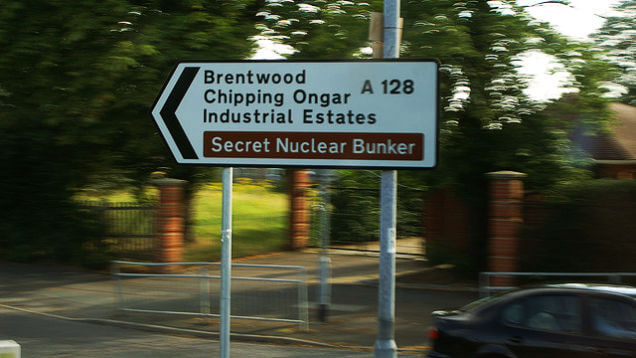
Does Sign Clutter Pose a Hazard?
Potentially, yes. Here’s how:
- Driver Overload and Distraction
Cognitive overload can occur when drivers are bombarded with too much visual information in a short span. This can lead to missed signs, last-minute decisions, or reduced attention to the road ahead. - Sign Blindness
When drivers see too many signs, they may start ignoring them altogether—especially if some seem redundant or irrelevant. This is known as ‘sign fatigue’ or ‘sign blindness.’ - Reduced Reaction Time
Complex or cluttered signage—especially when paired with high-speed travel—can make it harder for drivers to process and react in time, increasing the likelihood of accidents. - Misplaced Priorities
In some cases, too many signs can obscure the most important ones. A crucial stop or warning sign may be lost in a sea of less relevant messages.
Reviews, Audits & Trials
During it’s road clutter audit of 2011, Transport for London found over 9,000 unnecessary signs cluttering the capital’s streets. Many were duplicates or no longer relevant. Removing them didn’t lead to more accidents—in fact, it improved driver focus and the streetscape.
Following a 2015 review, the Department for Transport launched a campaign to reduce sign clutter across the UK. Councils were urged to take down redundant signs and only install new ones where absolutely necessary.
The guidance also encouraged alternative approaches, such as surface markings or structural changes to influence driver behaviour.
Oxfordshire County Council removed signs in rural areas like Chipping Norton, encouraging drivers to rely on environmental cues rather than constant instructions. Early results suggested drivers paid more attention to the road and were more mindful of their surroundings.
Several UK towns trialled shared-space schemes that removed signs, curbs, and even traffic lights. These designs made road users rely on eye contact and caution rather than signage. The result? Slower speeds, fewer collisions—but also controversy, particularly from visually impaired users who depend on consistent visual infrastructure.
What’s the Solution?
Experts increasingly advocate for a ‘less is more’ approach to road signage:
- Decluttering: Removing outdated or redundant signs improves clarity and driver focus.
- Design-Led Behaviour Change: Using road narrowing, changes in surface texture, or vegetation to influence speed and caution—without relying on signs.
- Better Sign Placement: Ensuring the most important signs are not lost in a sea of less relevant ones.
The goal is simple: enhance driver awareness by reducing distraction.
Conclusion
The UK’s roads are full of signs with good intentions. But intention doesn’t always lead to driver efficiency, prompting the question: are drivers being aided—or hindered?
I believe they are. Signage policy should prioritise clarity, not clutter. Because when every sign demands attention, none are truly seen.
 RAVEN MOON