

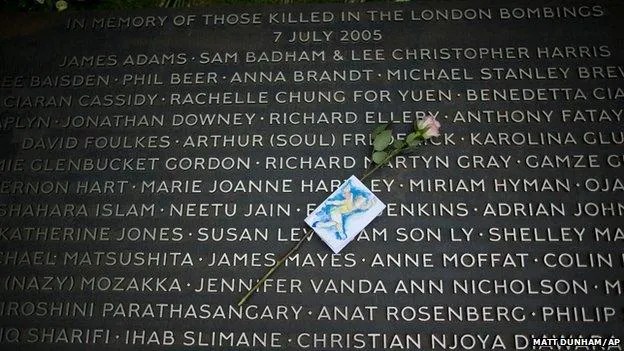
TWENTY YEARS AGO, on July 7th, 2005, a series of coordinated bombings struck London’s transport system during the morning rush hour, killing 52 people and injuring more than 700.
Within hours, the public was told the attacks were carried out by four British-born Muslim men acting independently, radicalised by extremism and driven to murder.
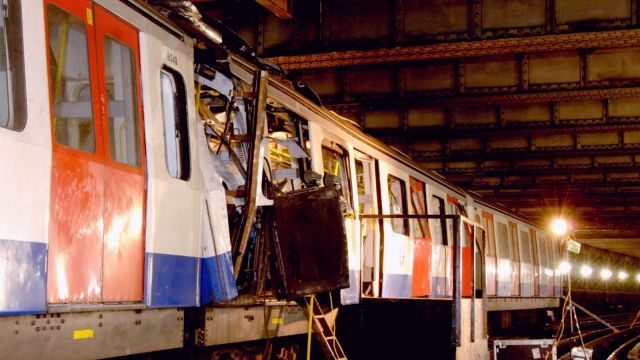
But in the background of this tragedy lies a web of extraordinary coincidences, unanswered questions, and suppressed inconsistencies that, taken together, challenge the simplicity of that narrative. Among them, one detail stands out so starkly it’s hard to believe it wasn’t front-page news for weeks:
On the very same morning as the attacks, a private security firm was running a terrorism exercise simulating bombings on London’s Underground.
The locations targeted in the drill matched exactly the actual blast sites.
How can such a coincidence be explained away so easily? And if the drill was known to key security personnel in advance, as it must surely have been, could someone have used it to mask or piggyback real attacks?
More disturbingly—were the four young men blamed for the bombings participants in the drill itself, unwittingly caught in a trap they didn’t recognise until it was too late?
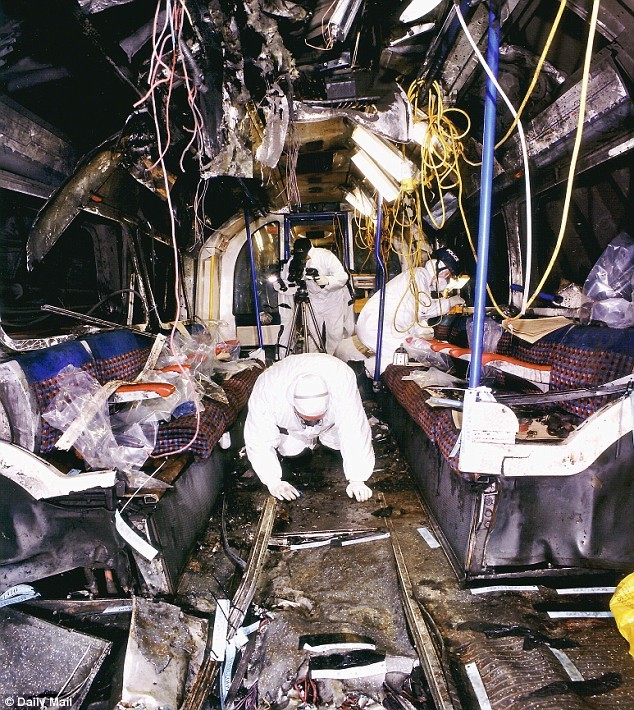
The 7/7 bombing event was a catastrophe which rocked the nation. But as with any major tragedy—particularly one occurring at a time of political tension—it is worth asking not just what happened, but what followed.
What objectives were advanced in the wake of 7/7? What laws were passed, what powers expanded, and what stories cemented? And does the official account hold up to scrutiny?
A Political Climate Ripe for Crisis
BY MID 2005, Tony Blair’s Labour government was floundering under the weight of public anger over the Iraq War, a faltering economy, and increasing resistance to its counter-terrorism agenda.
Blair’s proposed laws—especially longer detention without charge—were meeting fierce opposition from civil liberties groups, MPs, and the media.
The bombings had immediate and profound consequences:
- Legislation: The Terrorism Act 2006 was introduced shortly after, granting sweeping powers to law enforcement. Though Parliament eventually rejected the 90-day detention proposal, it approved a 28-day limit—doubling the existing maximum.
- Surveillance: CCTV expansion accelerated. Public tolerance for intrusive surveillance grew significantly.
- Public Mood Shift: Dissent over foreign policy was muted. Debate over civil liberties was reframed as a question of national security. Fear replaced fatigue.
In effect, the political atmosphere shifted dramatically. A government losing control of the narrative suddenly had it handed back—in the space of just one day—along with a broad public mandate to act decisively.
In other words, the attacks gave the government exactly what it needed: public permission to escalate domestic control in the name of national security.
The ‘Drill’ That Matched Reality
IN A 2005 interview with ITV News, Peter Power, managing director of private crisis-management firm Visor Consultants, revealed that his company had been running a terror exercise on July 7th, simulating bombs going off at exactly the same stations that were attacked in real life: Liverpool Street, Edgware Road, and Russell Square.
“At half past nine this morning we were actually running an exercise… based on simultaneous bombs going off precisely at the railway stations where it happened this morning… and it was spooky how real it was.”
— Peter Power, Visor Consultants, July 7, 2005
Let that sink in a moment:
A simulated terror attack matching the real one, in the same locations, at the same time on the same day. How did such a mind-boggling coincidence escape a full public inquiry?
How many people knew about the drill? Who was participating? And crucially—what if the four accused were among the drill participants?
The Four Men: Participants, Not Perpetrators?
ACCORDING TO the official account, the four men—Mohammad Sidique Khan, Shehzad Tanweer, Hasib Hussain, and Germaine Lindsay—travelled together from Luton on the 07:40am train, arriving at King’s Cross before splitting up across the Underground network.
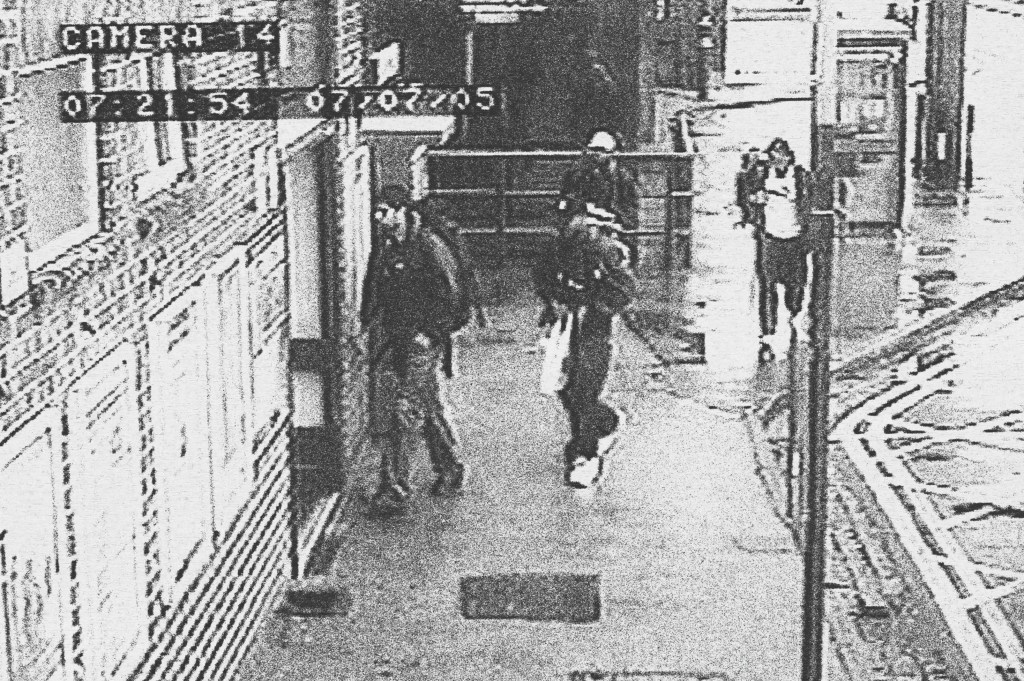
But there’s a problem. And it’s a significant one:
The 07:40 train was cancelled.
Alternative trains would have arrived too late for them to be in position by 8:50am, when the bombs detonated.
If they didn’t make it to King’s Cross in time, where were they? And if they weren’t the bombers, then who was?
One unsettling possibility is that they were invited to take part in the simulated drill—perhaps recruited through community channels, possibly told it was part of a counterterrorism exercise. They may have been role playing and had brought rucksacks as props.
And when they arrived in London, what then? Did they then realise that the ‘simulation’ was playing out for real—and they were being framed?
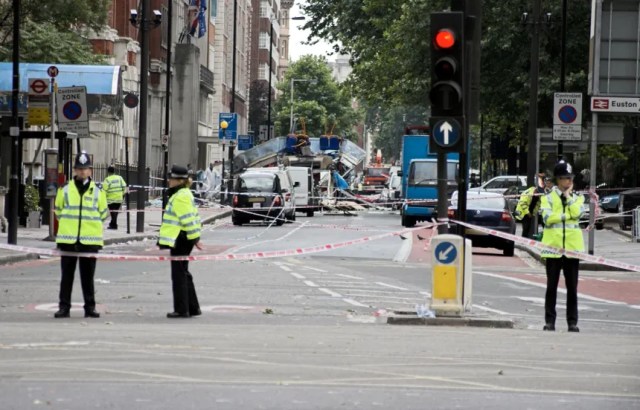
If that were the case, what might they have done? Tried to escape?
That same morning, reports surfaced of a police shooting involving Asian youths in the Docklands area, though details were scarce and no official connection was ever made.
Some witnesses, however, recalled a sudden and inexplicably heavy police presence in Canary Wharf; others claimed to have seen a standoff with Asian men. Officially, these reports were dismissed. But they were never convincingly explained.
Had the 07:40 train cancellation rendered the young men dangerous loose ends in a complex plot? Were they deliberately and brutally silenced?
Evidence That Doesn’t Fit
SEVERAL SURVIVORS of the Underground blasts described an odd detail: the train floors were blown upward. This suggests an explosive force coming from beneath the train, not from inside a backpack.
Photographs from the blast sites showed metal sheeting twisted upward—inconsistent with suicide bombs carried on a person’s back at floor level.
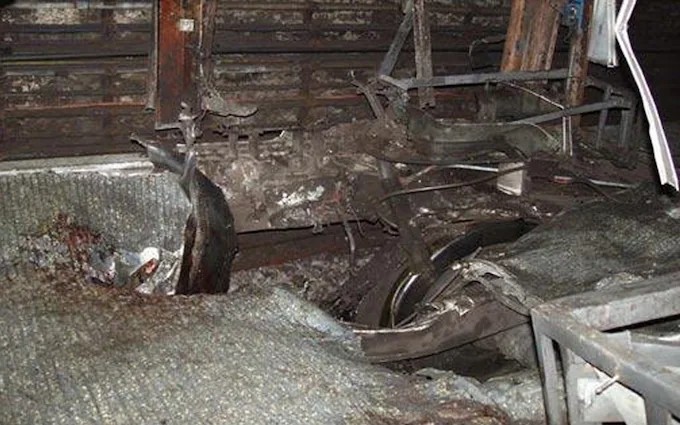
However, no forensics or independent inquiry ever addressed this discrepancy.
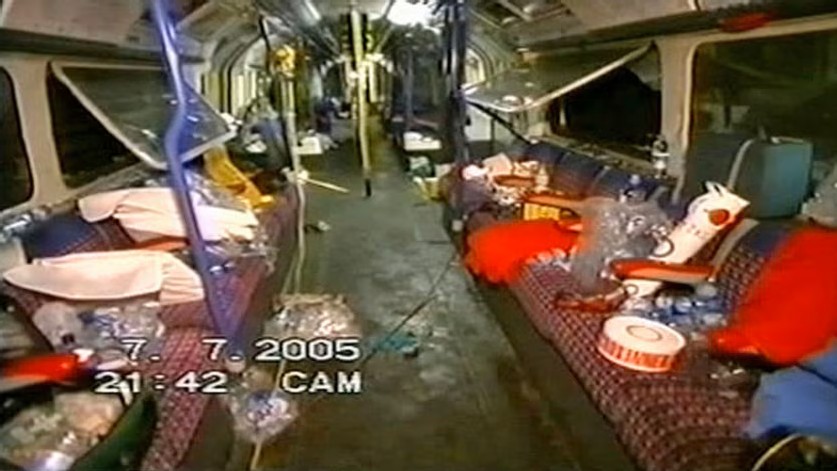
Moreover:
- No CCTV footage from inside the trains was ever released.
- No public inquest was held into the deaths of the four accused.
- No independent investigation allowed scrutiny of these glaring inconsistencies.
The Convenient Narrative
THE STORY THE government needed was simple:
- Four angry Muslim men, homegrown radicals, acting alone. No wider network. No state failure. No foreign policy blowback. No need to ask why security services had previously surveilled some of the suspects and then inexplicably stopped.
But if that narrative begins to unravel—if these men were manipulated, or if they weren’t the bombers at all—then the implications are enormous.
Who planted the bombs? Who had access to the Underground? Who designed the drill, and how far up the chain did the knowledge go?
Conclusion: A Question Still Worth Asking
THE VICTIMS of 7/7 deserve the truth. So do the accused—if they were indeed victims themselves. And so do we.
What we do know:
- The government needed a shift in public mood.
- The bombings delivered exactly that.
- A drill matching the real attacks was happening at the same time and locations.
- The timeline of the suspects doesn’t fit.
- Physical evidence raises serious doubts.
- No accountability has ever been demanded from those in power.
If we care about democracy, we must care about truth. Even uncomfortable truth. Even dangerous truth.
Until the full story of 7/7 is brought into the light, we have a duty to ask the question others won’t:
Were these four men really terrorists … or were they patsies—set up as part of an operation no one has yet dared to expose?
 RAVEN MOON