
Campfires and Redemption
Two years ago, I was swamped by stress. Every day was a battleground on which I was relentlessly assailed by threats, conflict and emotional strain. Every day blurred into the one that followed, and I was fast running out of ammunition.
Books and movies no longer entertained me—there was too much mental chatter going on for that. I needed something more, I needed an escape. Something that would allow me to step outside of myself, if only for a while.
Unexpectedly, I found it in a PlayStation game: Rockstar’s Red Dead Redemption 2.
THE SALVATION alluded to in the title wasn’t to be found in action-packed shootouts, quests or missions – the usual fare of more run-of-the-mill games. Nor was it in the thrill of being a wild west outlaw, or the satisfaction of checking off objectives.
No, I found it in the quiet.
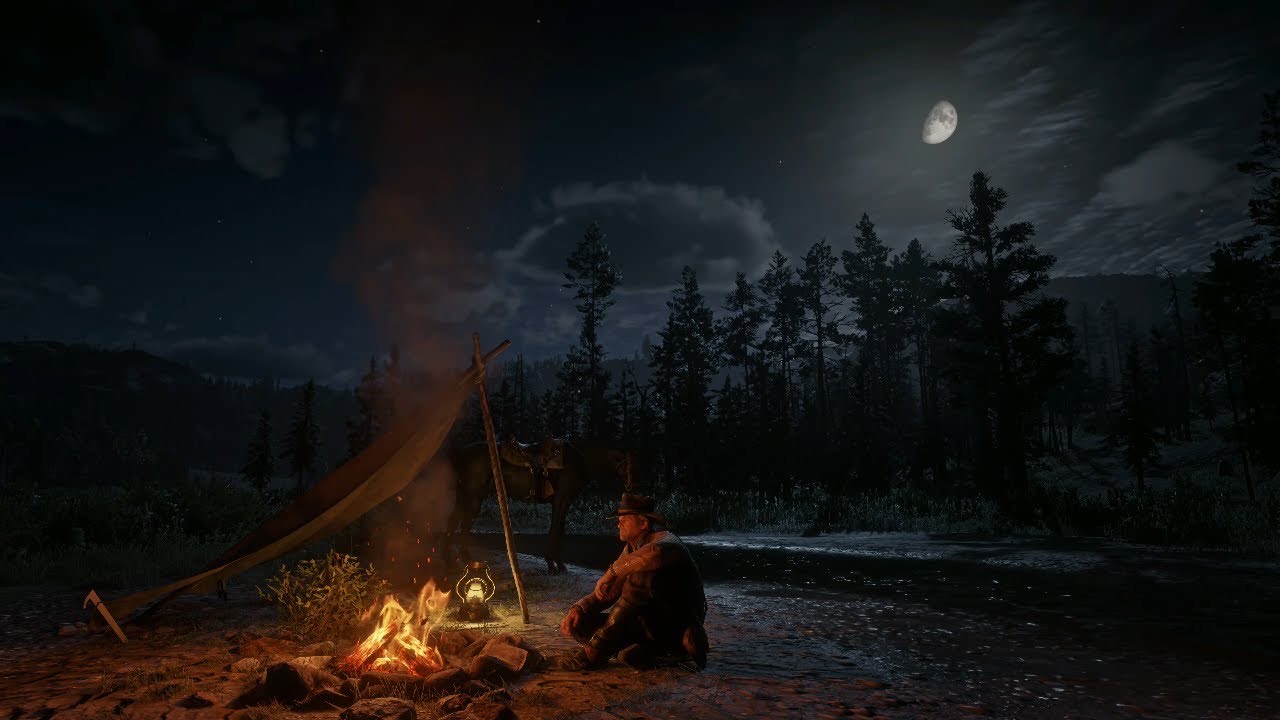
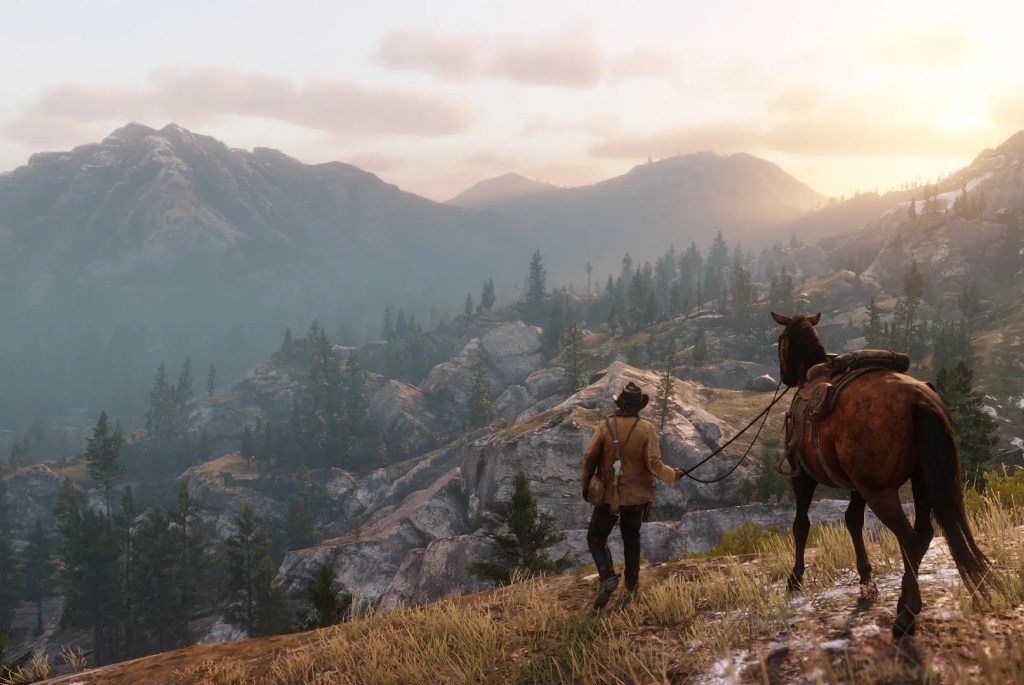
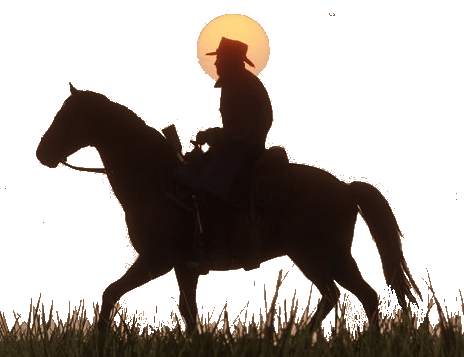
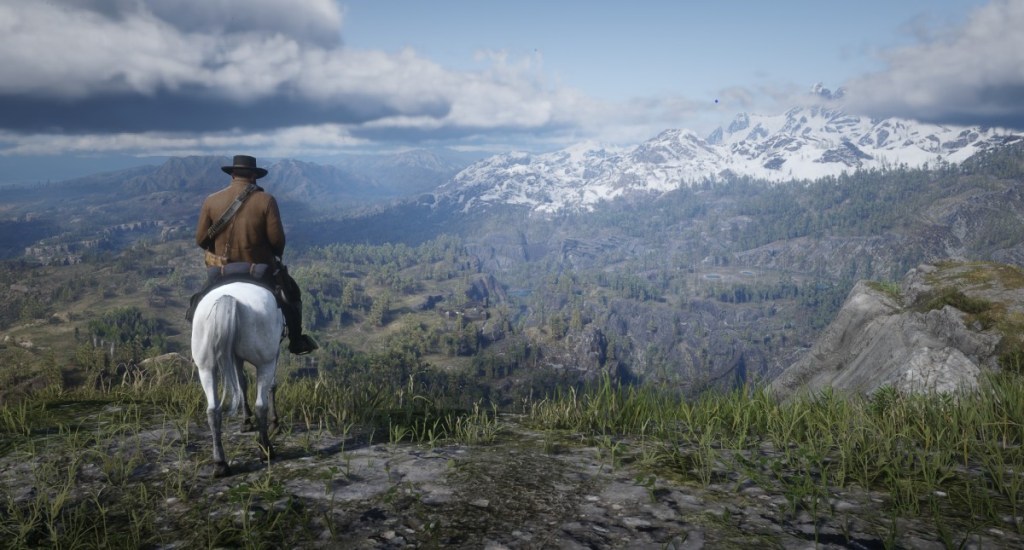
It was in the gentle rhythm of my horse’s hooves as I guided him up a misty, dawn-lit mountainside. The act of setting up camp in the wilderness, lighting a fire under the stars and brewing a pot of coffee, all the while accompanied by the distant song of night creatures.
These moments—so small and unassuming—offered me something that I struggled to find in the demands of the day:
Peace
It was in these moments that I became Arthur Morgan.
A Digital Frontier for the Soul
THERE IS SOMETHING profoundly comforting about inhabiting a different identity when your own feels too heavy. Red Dead Redemption 2 gave me not just a world to escape into, but a character to merge with—an alter ego. Arthur wasn’t just a vessel for my gameplay. He became a mirror, a guide, and strangely enough, a companion.
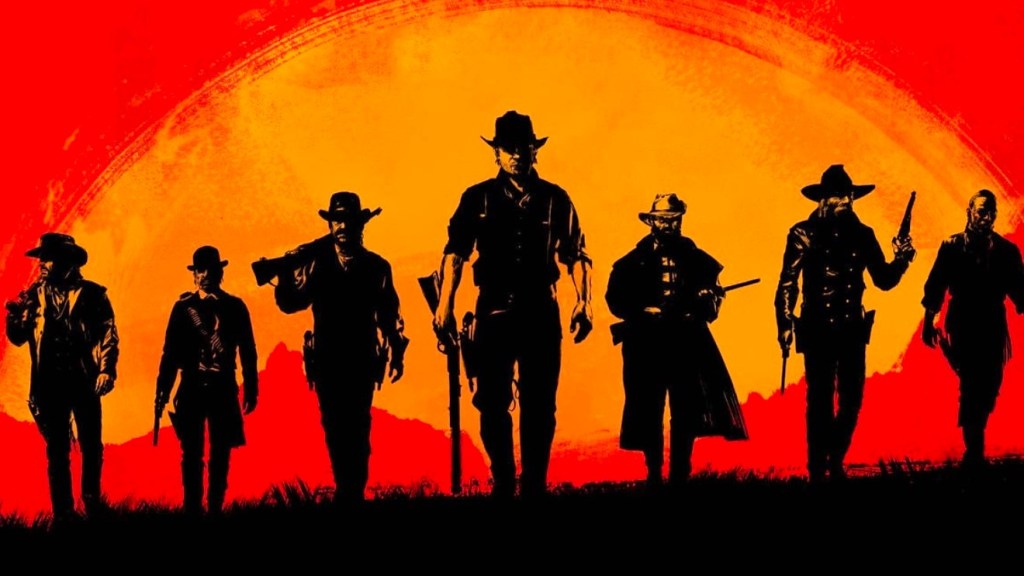
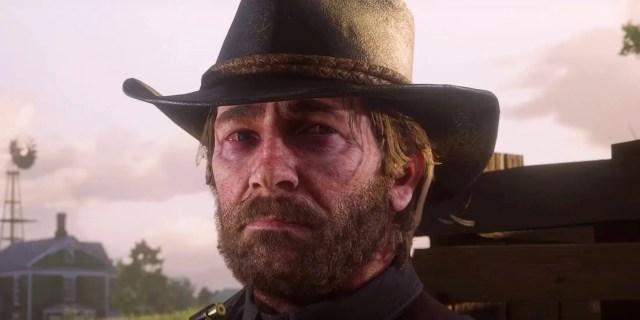
Arthur Morgan begins the game as a loyal enforcer in Dutch van der Linde’s gang, a man hardened by a life of crime and survival.
On the surface, he’s a stereotypical outlaw—gruff, cynical, dangerous. But it doesn’t take long to discover there’s much more beneath the surface.
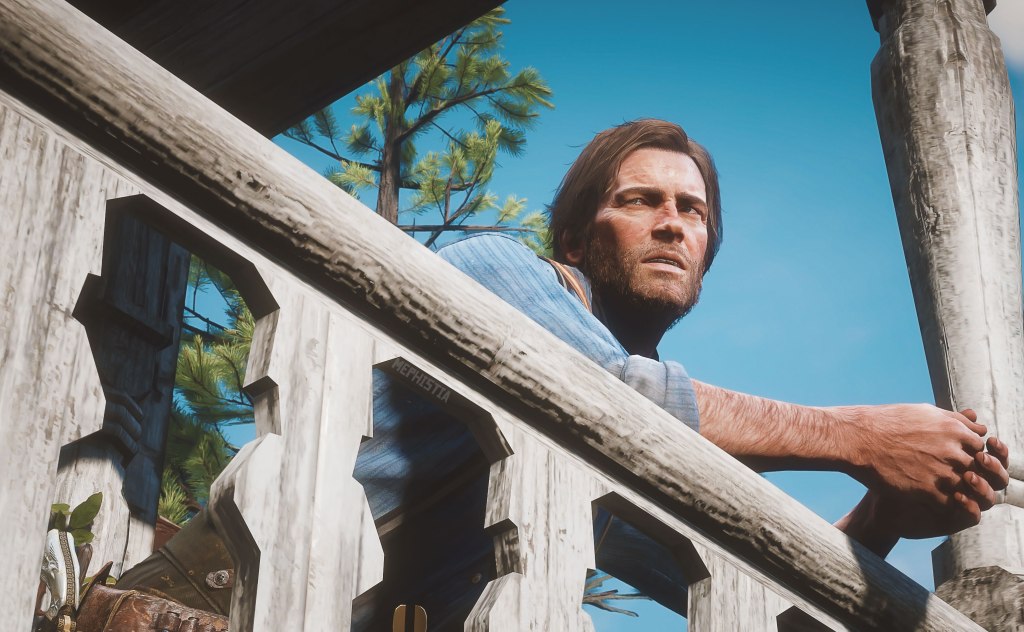
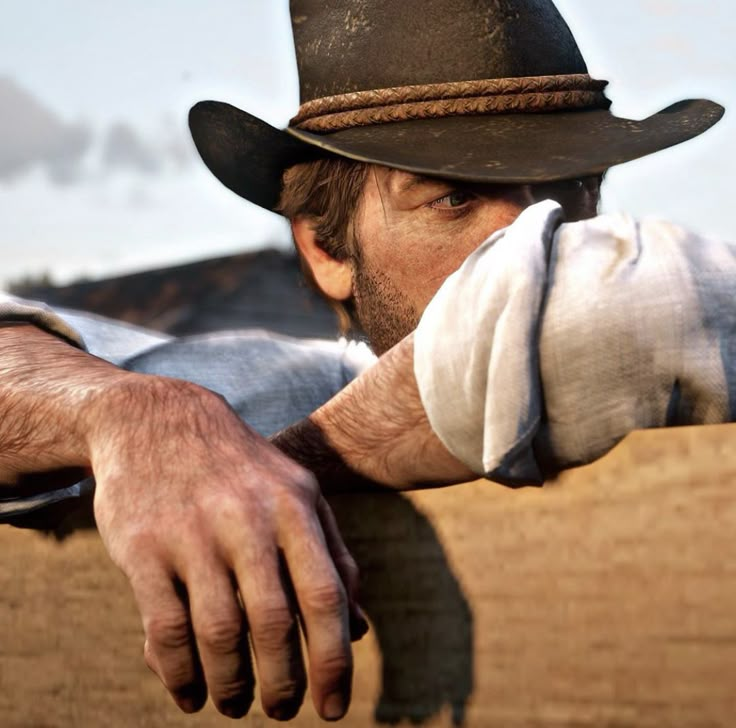
He’s introspective. He questions himself. He’s not devoid of morals—he’s simply buried them, out of necessity.
As the game progresses, especially after Arthur is diagnosed with tuberculosis, something in him shifts. The man who once lived by the gun begins to look inward, reflecting on his life. The choices he’s made. He becomes gentle. Thoughtful. He begins to care.
One such time that we see Arthur’s vulnerability is in a quiet conversation with Sister Calderón. He has just revealed to her that he’s dying of TB:
Arthur: “I guess I’m afraid.”
Sister Calderón: “There is nothing to be afraid of, Mr Morgan. Take a gamble that love exists, and do a loving act.”
Arthur: ‘I’ll try.’
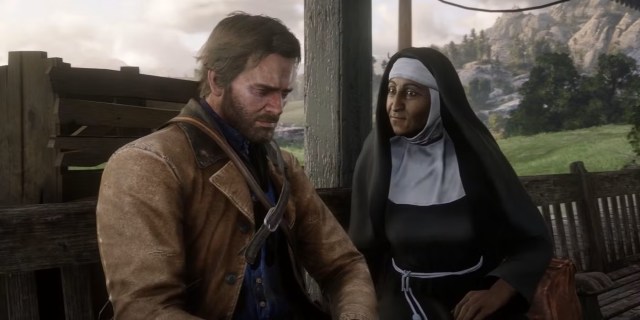
In that moment, I could feel something shift—in Arthur, and in myself.
It was comforting to hear reassurance that decency, even after mistakes, was still possible.
Slow Living, Outlaw Style
ONE OF THE things that makes Red Dead Redemption 2 so special is its deliberate, steady pacing. Unlike most modern games, which demand constant action – often violent, this game invites you to slow down, to think, and to consider such things as cause and effect. Sure, you can violate accepted standards of morality. After all, you are an outlaw. But there are consequences in doing so.
This is a game that goes deep.
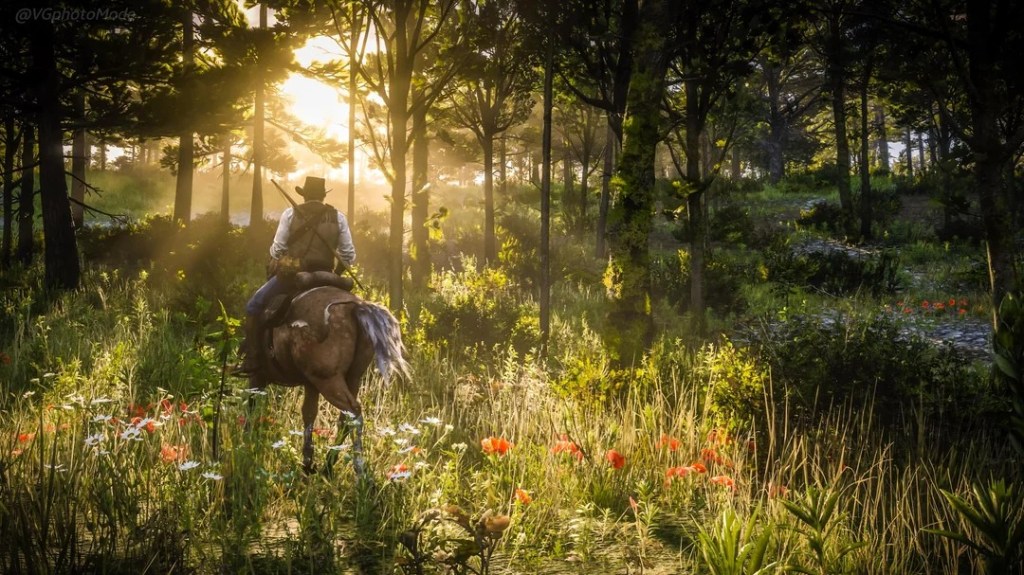
Here, you can ride into the wilderness, away from demands and expectations, spend time in nature, hunt, forage and simply be yourself.
You can camp, cook, brush your horse, have a bath in a seedy hotel, or just sit and listen to the ambient sounds of the wilderness.
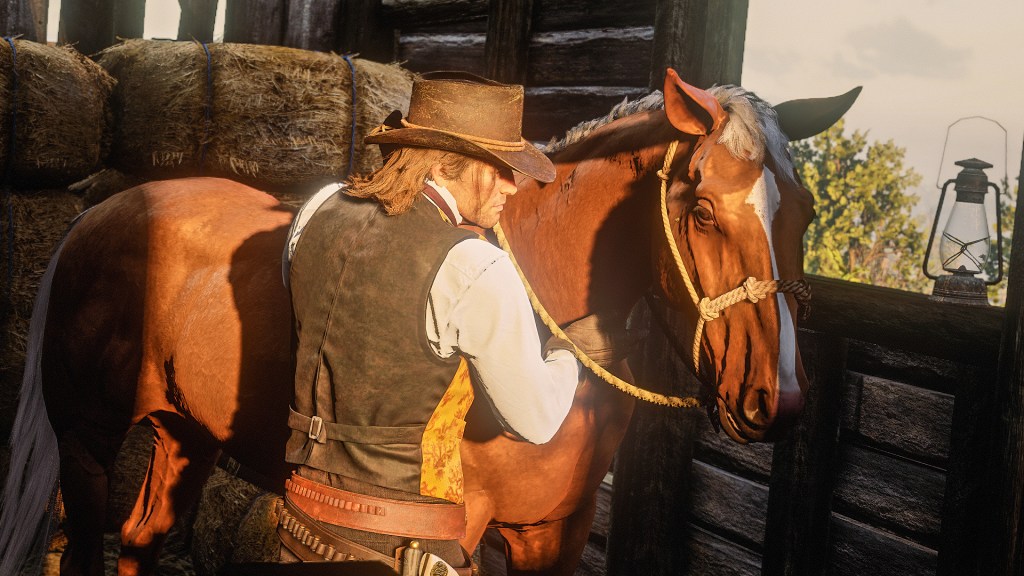
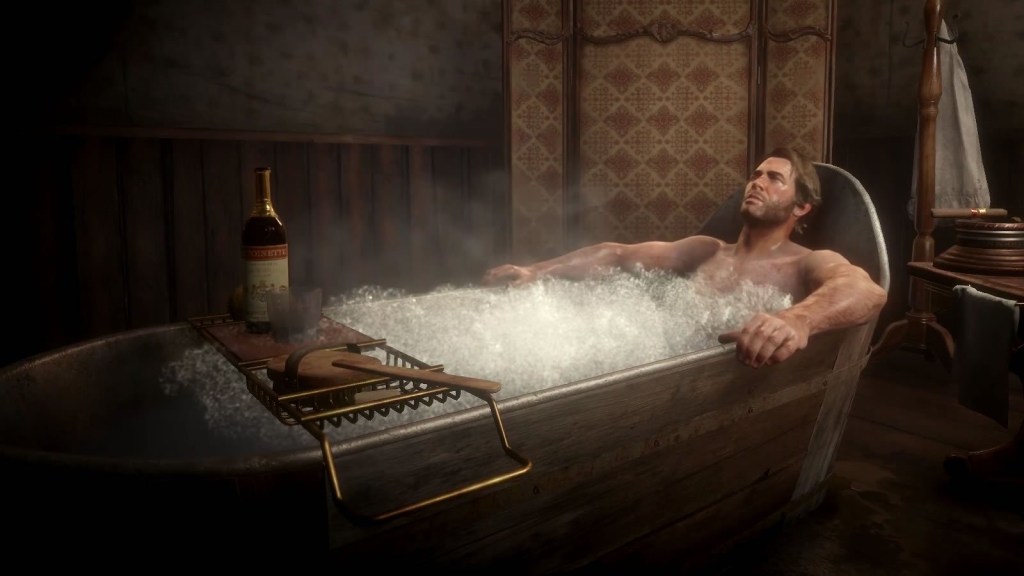
These aren’t tasks you have to do. They’re rituals. They encourage presence, patience, and immersion.
During my most stressful moments, I would slip on my headphones, boot up the game, and let the outside world fall away.
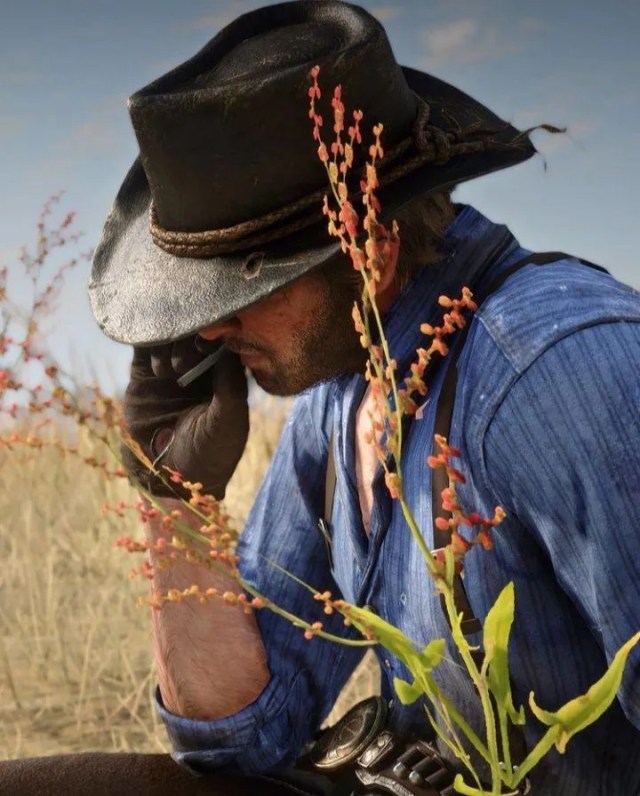
I’d adopt Arthur’s mantle, climb into the saddle and steer my horse through tall grass in the evening light, stopping only to pick herbs or gaze out over a wide, sun-bleached valley.
I would watch that sun set over the plains, then set up camp. I’d brew coffee, watch sparks from the fire soar toward the stars and feel—honestly—at peace.
It was therapy. Digital and pixelated, maybe. But no less real for that.
Arthur’s Redemption, My Reflection
ARTHUR’S ARC HIT me. Maybe because of where I was at that time—questioning who I was, my role in life, where the right direction lay for me and whether I was heading there. Watching Arthur, a man with a chequered past and a bleak prognosis, begin to make choices grounded in kindness, dignity, and love was quietly profound.
He protects those he cares for. He apologises for the man he’s been, the life he’s lived. He tries to set things right, not because it will save him, but because it’s the right thing to do.
In one of his final conversations with native American, Rains Fall, Arthur lays bare his regrets:
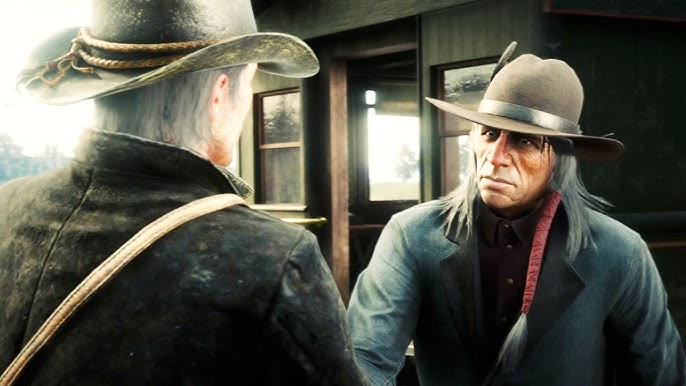
Arthur: “I don’t believe in nothing no more… I gave up on ever trying to make anything right.”
But even in that confession there is a flicker of something—the sense that, deep down, he wants to believe it’s not too late.
And in that, I found something I needed, too: a reminder that regret doesn’t have to define us. That we can still change course, even when it feels like the end.
An Alter Ego Worth Keeping
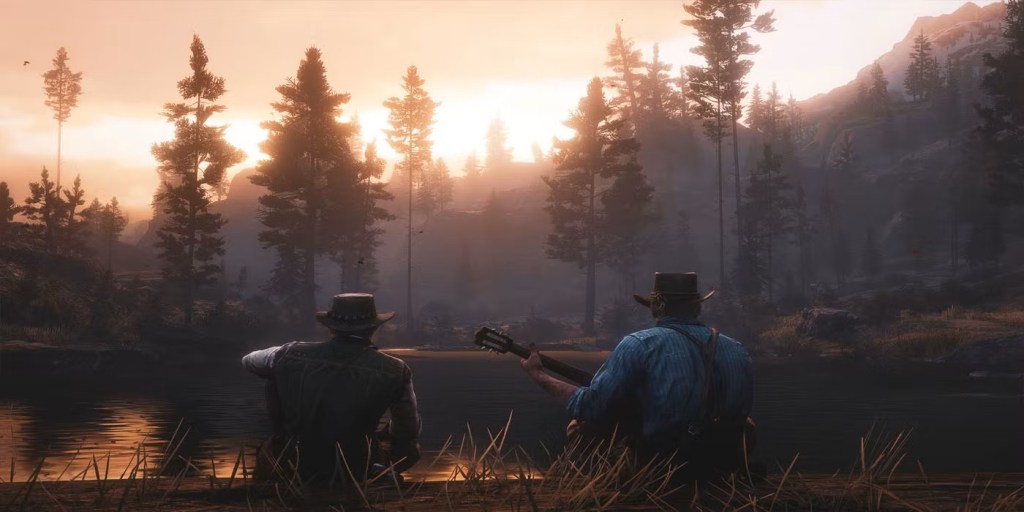
INHABITING ARTHUR MORGAN wasn’t about pretending to be someone else. It was about finding, through his story, a version of myself I’d forgotten existed—one that wasn’t defined by productivity, pressure, or panic, but by presence, reflection, and moral choice.
This idea of an alter ego—a second self who helps you navigate the world—is not new. Writers, actors, even athletes have spoken about stepping into another persona to deal with life’s challenges. For me, Arthur wasn’t a mask. He was a companion on a significant stage of my journey, someone I could walk alongside when I couldn’t walk alone.
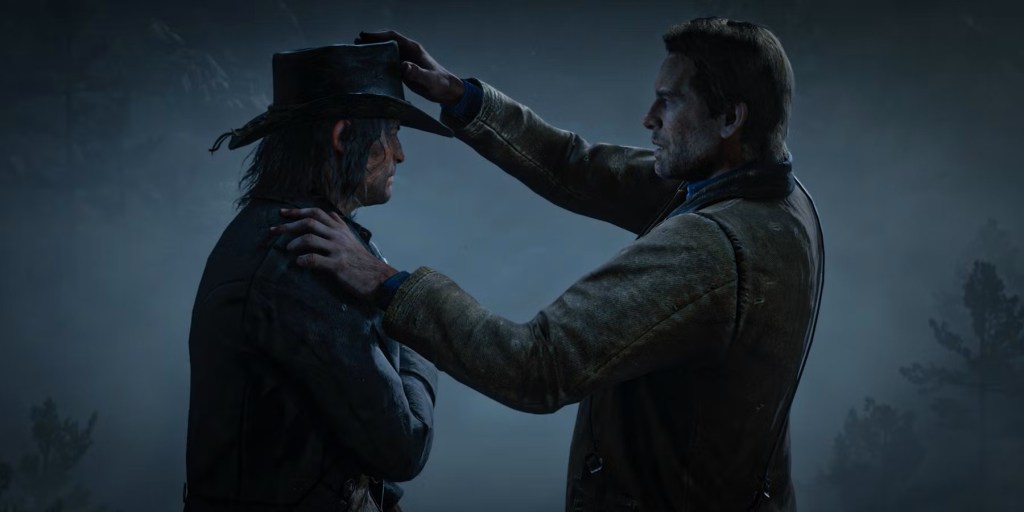
There’s a scene near the end of the game (depending on your choices) where Arthur helps fellow gang member, John Marston, escape his life of crime. His parting words are selfless, heartbreaking, and redemptive:
Arthur: “You got a family. You need to go. Don’t look back.”
(And then to himself as John rides away): “I gave you all I had…”
He did. And in a strange way, he gave something to me, too.
Healing by a Virtual Campfire
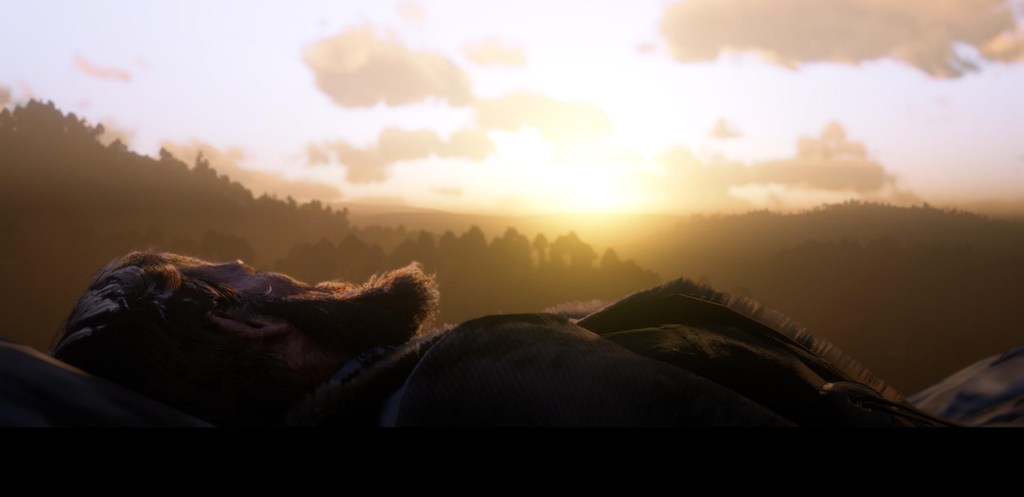
ARTHUR DIED – a moving scene on a mountain top as he witnessed his final sunrise. And me? I’m doing better now. The anxiety hasn’t disappeared. It may never do. But I’m learning to grow around it now, as a pearl forms around grit.
And I carry a quiet gratitude for the time I spent as Arthur Morgan, for I still reflect on the hours I spent in-game. Not the missions, but the solitude, the beautiful landscapes, and the space it gave me when I needed it most.
Such reflection reminds me that healing doesn’t always look like therapy sessions or mindfulness self-help books.
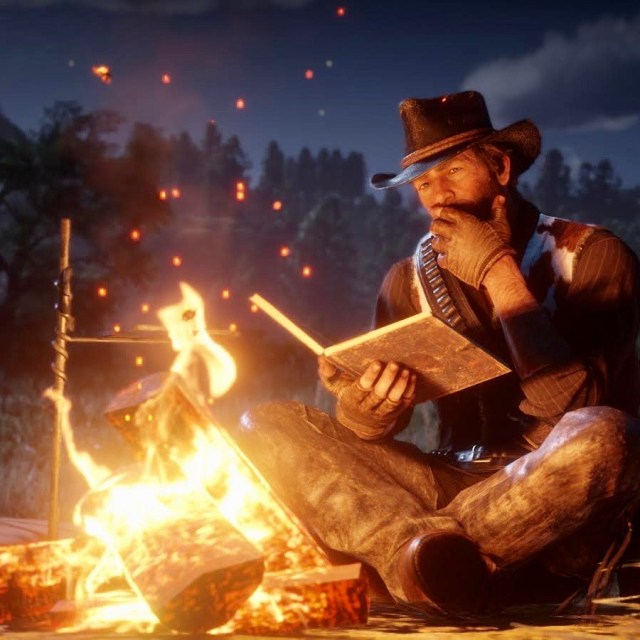
Sometimes it’s a pixelated campfire under a moonlit sky, a stallion named Buell, and a craggy outlaw with a battered soul choosing—day by day—to be a better man.
 RAVEN MOON