WRITING RECENTLY about my mental health crisis and the long, torturous path to recovery was challenging, to say the least. The story was raw, deeply personal, and not an easy one to share—or, I imagine, to read.
So in this post, and as a postscript to my previous one — ‘The Raven’ — I’d like to lighten the vibe if possible, by offering a slightly different lens through which to view one element of that journey.
In short, this postscript shows how the forewarning of events described in The Raven had also been glimpsed years earlier – during the writing of a children’s novel.
LOOKING BACK on that part of my journey recently expressed in ‘The Raven,’ I’ve come to realise that aspects of my own life story had long been re-written and had been hiding in plain sight all along.
In fact, I had woven them into the pages of ‘The Door to Caellfyon,’ my novel for children, self-published in 2015.
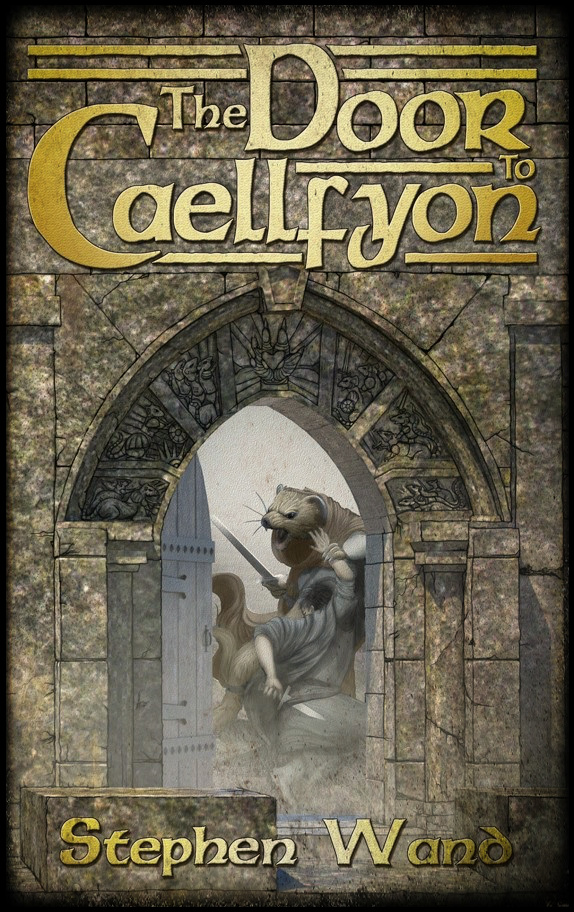
At the time, I thought I was simply writing fiction. But with hindsight, it’s clear I was doing what novelists so often do—infusing my main character with fragments of myself. I was also foreshadowing, hinting at what was to come.
My subconscious had foreseen change and, ten years ago, it set the stage.
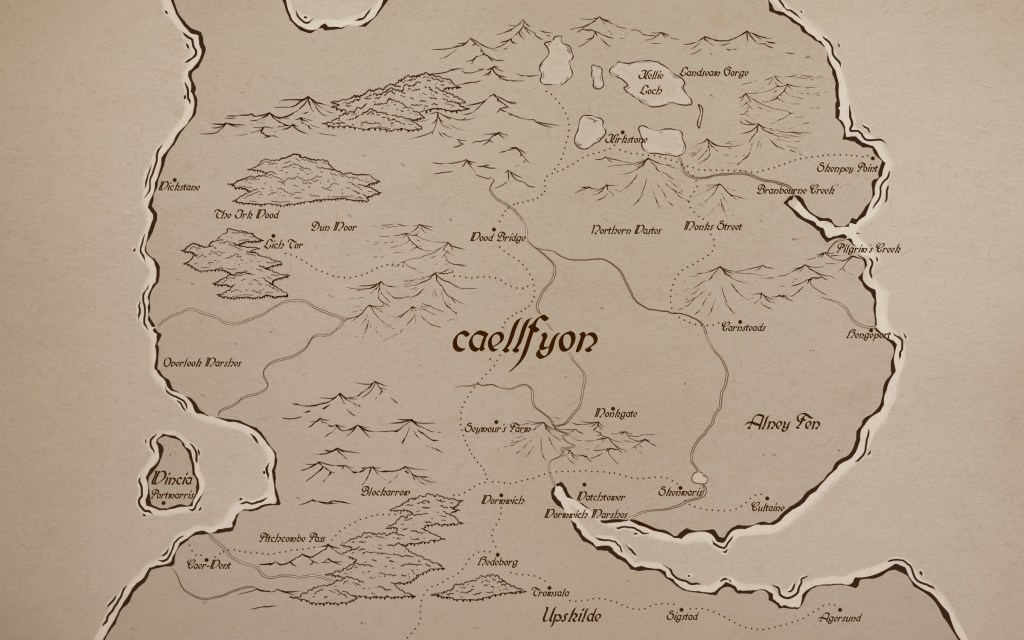
So, let’s revisit Caellfyon—not just as a fantasy novel, but as a quiet, coded foreshadowing of a very real-life unravelling, and ultimately, of the resilience that followed.
WHEN I FIRST set out to write the novel, I thought I was telling a fantasy story for children—an adventure accessed through a mysterious portal to a fantastic land peopled by extraordinary characters.
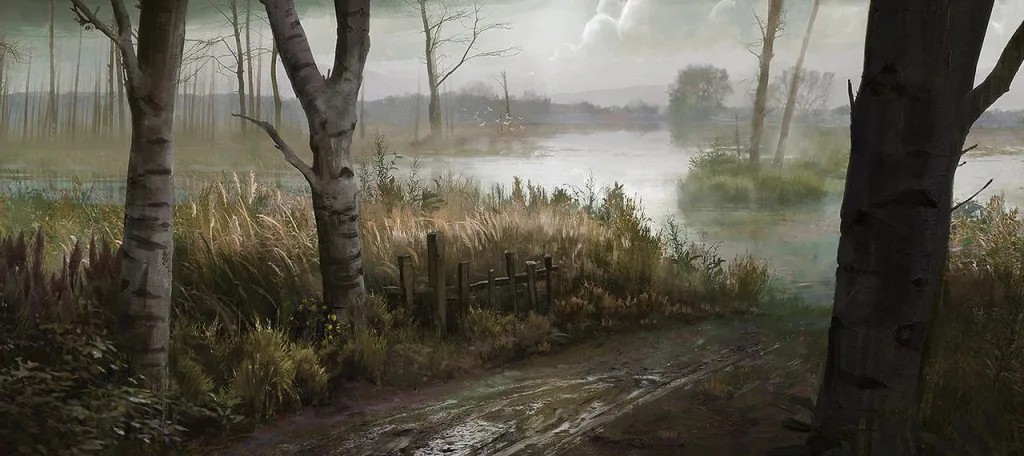
I didn’t realise at the time, but I was also, unknowingly, writing my own bio.
At the centre of the story is Levi, an ordinary schoolboy whose life is changed when he discovers a hidden door to the magical realm of Caellfyon.
In writing, I wished to create a story that was not just an inventive setting or exciting plot, but would be a deeply-relatable and inspiring journey of its young protagonist.
Levi begins as an unassuming, cautious boy—someone who blends into the background, unsure of his place in the world. Yet when he and his friends are drawn into Caellfyon’s ancient struggles, Levi is forced to confront challenges that test not only his bravery but also his loyalty, empathy, and inner strength.
‘Levi remained silent as he considered his uncle’s words. It was true, he guessed, the young bird would have to leap at some point. He was thankful that he was a thirteen-year old schoolboy and not a bird. He didn’t think he’d be brave enough, and would have to stay in the nest all his life.’
Time and again, he faces situations where running away would be easier, but instead he chooses to stand up, brace, and act—often at great personal risk. In doing so, he uncovers a resilience and depth of courage he never imagined he possessed.
‘Levi wished he could remain hidden in the confines of the bush. He wanted to draw his knees up tight, curl into a ball and be safe. But he knew that if he did that he would not be safe. Not at all.’
Levi does not become a hero overnight. His growth happens in shuffles, false starts and mis-steps, with setbacks, doubts, and minor victories along the way. This makes his eventual emergence as a confident, capable leader all the more powerful. His journey from timidity to quiet heroism is the beating heart of the novel.
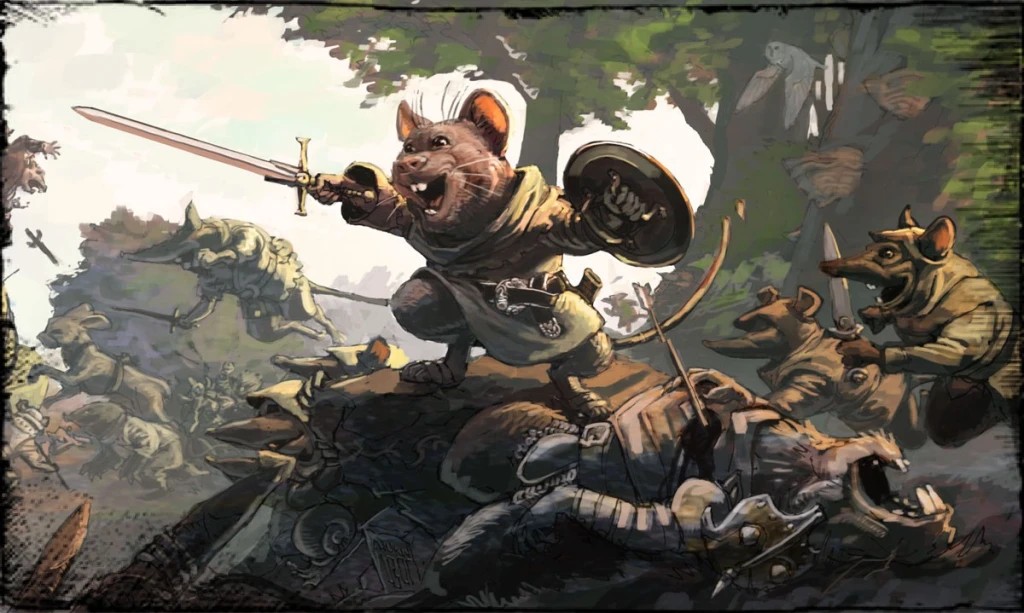
‘”I can tell you, young feller-me-lad,” began Bullyrag forcing Levi to look at him, “he’s afraid of you. He’s not exactly the buh-brightest gem in the casket but them polecats are sharp fellers at times. Mark what I say now – he sees in you something you maybe ain’t seen yourself. And it’s worried ‘im.”‘
For young readers—especially boys who may feel uncertain about their own strengths or roles in the world—Levi’s arc offers a compelling mirror. It’s a reminder that bravery doesn’t always look loud or fearless. Sometimes, it’s the quiet determination to help a friend, to face a fear, or to keep going when things are hard.
One of my aims when writing The Door to Caellfyon was to encourage children to recognize their own potential and to understand that real courage often begins with self-belief. I wasn’t satisfied with simply writing a thrilling fantasy. I wanted to show young readers qualities they could aspire to.
Levi’s story is one of transformation, but not one achieved by accident or good fortune, but through the power of his own character. And I hope it leaves a lasting impression of what young people are capable of when they rise to meet their own moment of truth.
IT WAS ONLY after I’d completed the book and read it through, attentive to any hidden, unplanned themes on which to draw in any subsequent tale, that I recognized something profound:
Levi’s journey was, in many ways, my own.
Like him, I had grown up unsure of my place in the world, quietly observing rather than leading. And like him, I was eventually called—by circumstances and by life itself—to step forward, to take risks, and to find strength I didn’t believe I had.
Levi’s transformation from a hesitant young boy to a courageous and self-assured champion is not just a fantasy character arc—it’s a human one. It’s the story of discovering that real courage often comes not from fearlessness, but from choosing to act in spite of fear.
Please don’t misunderstand, I’m not declaring myself to be a hero or champion. Not at all. It is simply that, for both of us – Levi and me – transformation occurred once we adopted the right attitude. All we needed was a positive, can-do mindset.
Positive attitude was – and always will be – a game-changer.
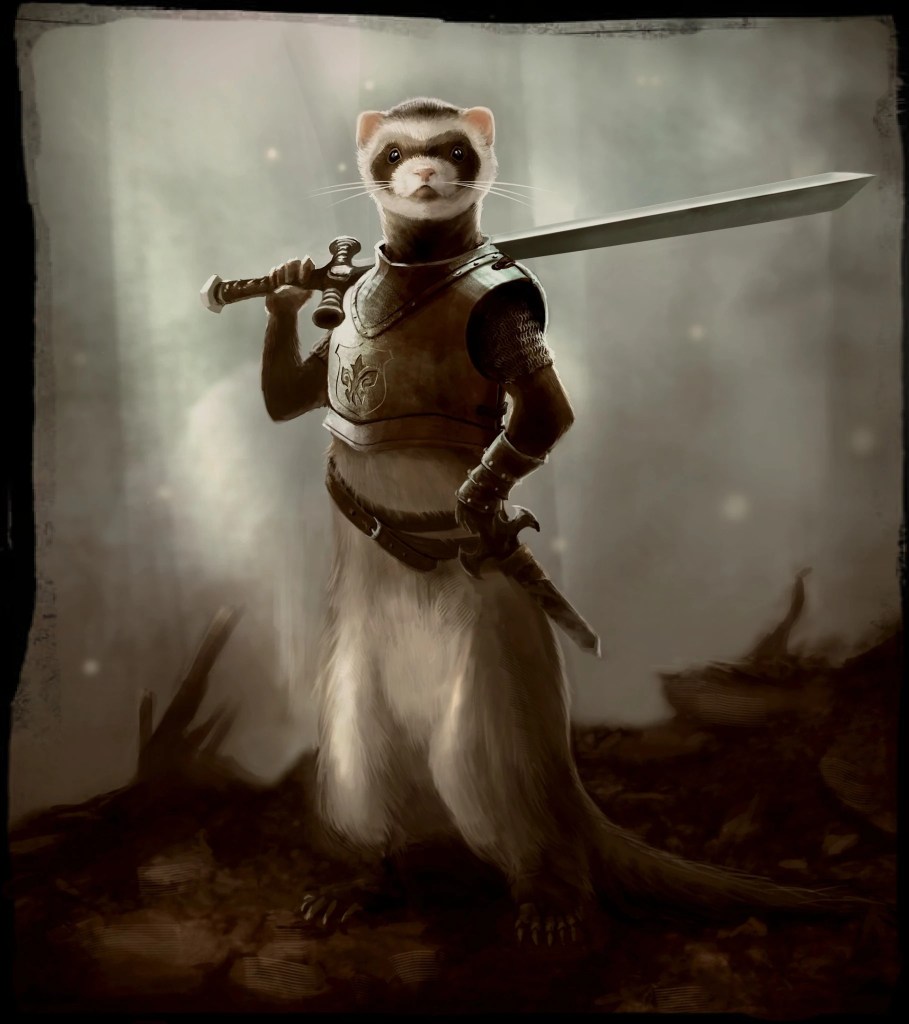
Looking back, I now see ‘The Door to Caellfyon’ as both a novel and a mirror. It reflects my own life journey—my self-doubts, inner battles, my slow-building belief, and the eventual realisation that, for all our perceived flaws, we all carry hidden strengths. And whatever it is that we may be forced to face, we already have all that we need to do so.
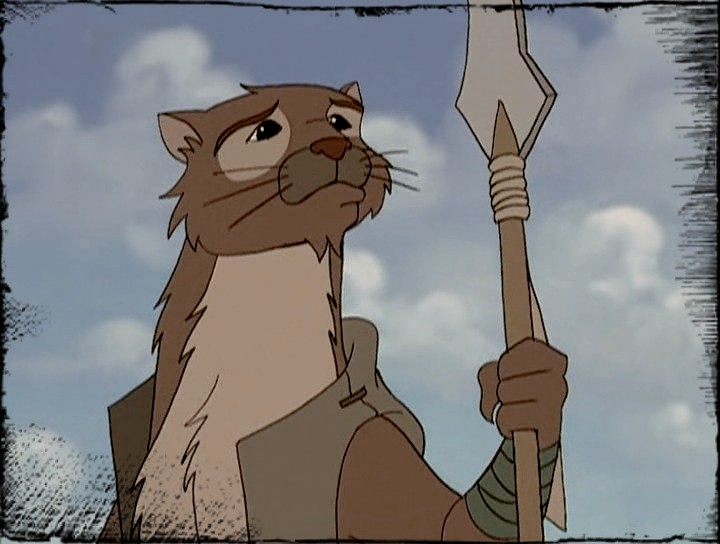
SHOULD YOU WISH to follow Levi in his adventures, ‘The Door to Caellfyon’ and the previously unpublished sequel, ‘The Flight of the Sparrow,’ are both available to read on here. Access them through the header bar menu (above).
And if you would like to learn more about my inspiration behind the tale, and how I approached the writing of it, please check out ‘Tags‘ in the sidebar (right), and click on ‘The Door to Caellfyon‘ or ‘Writing.’
 RAVEN MOON