

‘Upon the headland the Geats erected a broad high tumulus plainly visible to distant seamen … within the barrow they placed collars, brooches and all the trappings which they had plundered from the treasure hoard. They buried the gold and left that princely treasure to the keeping of the earth, where it yet remains …
Beowulf
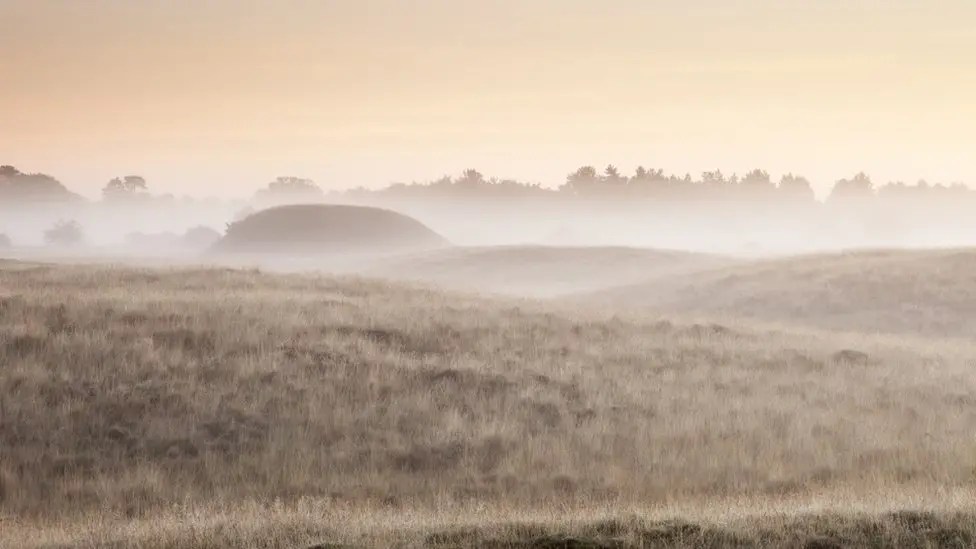
THERE’S A SUBTLE strength in stories that let the earth speak. In Netflix’s The Dig (2021), based on John Preston’s novel, the Suffolk soil is both setting and character.
At the heart of this remarkable movie lies the true story of a profound historical revelation—the excavation of Sutton Hoo.
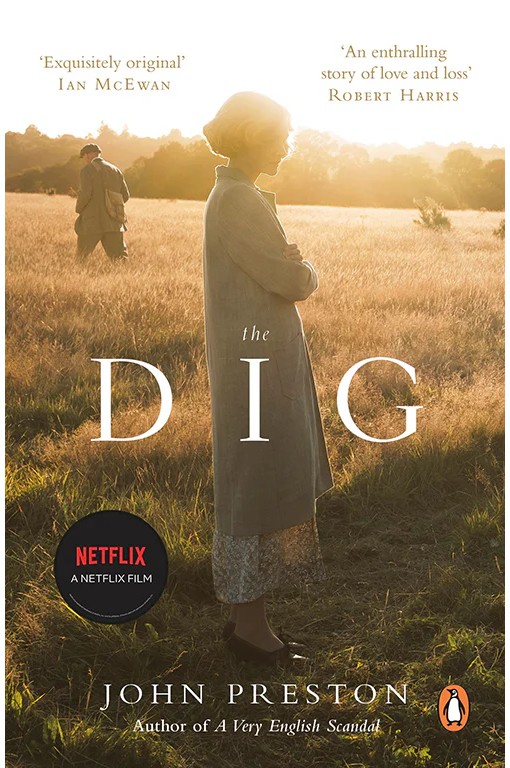
But it is more than that. It is also a tender human story, centered on Basil Brown, here brought to life with deep authenticity by Ralph Fiennes.
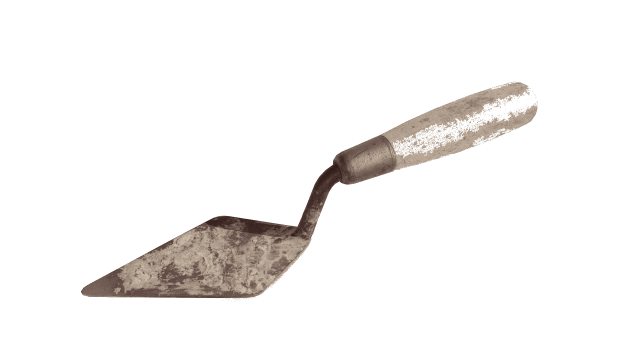
FIENNES’ PORTRAYAL of Brown is not only moving but remarkably convincing, especially to those familiar with Suffolk and its gentle, unhurried rhythms. Here, Fiennes is Basil Brown, the self-taught, working-class archaeologist who wears his immense learning lightly. Beneath the surface deference of his quiet and unassuming demeanour is a steely defiance – an awareness of his self-worth.
Fiennes uses his own gentle manner, unassuming intellect, and stoic resilience to embody the quiet dignity of a man often overlooked by history. Like Brown, Fiennes is a man of Suffolk, adding another layer of authenticity to a performance which rings beautifully true—grounded, humble, and deeply rooted in place.
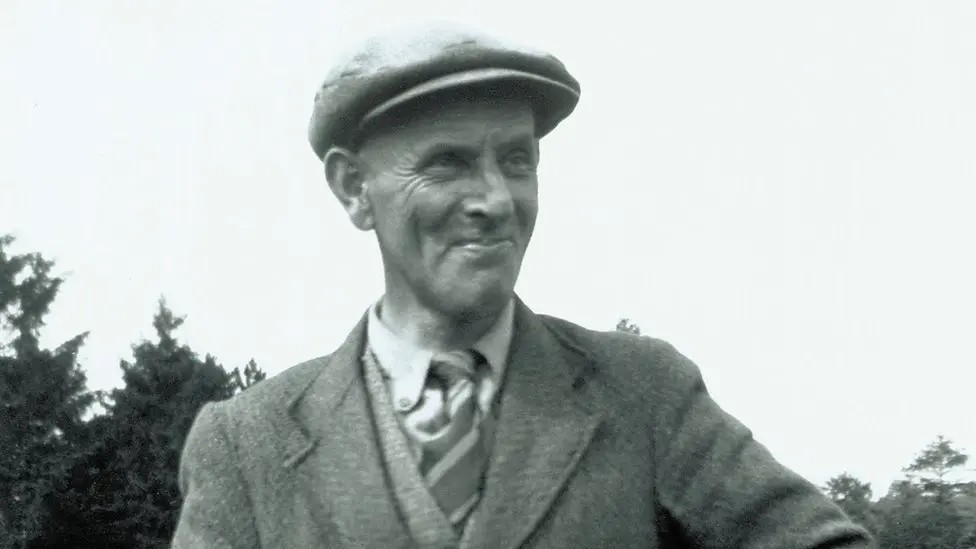
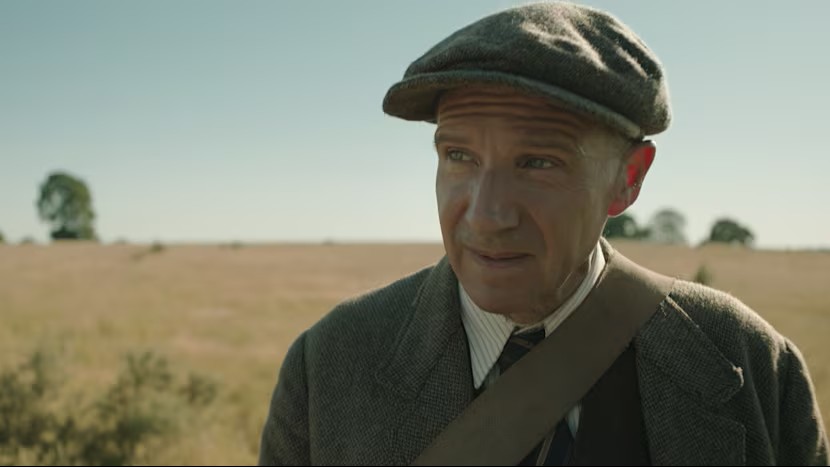
‘Fiennes is Basil Brown’
Brown was no academic archaeologist. A self-taught excavator and astronomer, he worked for the Ipswich Museum for just £1.50 a week. Yet it was he who first unearthed what turned out to be the remains of an Anglo-Saxon ship burial in 1939.
As he later wrote in his excavation notes:
‘I carefully uncovered what appeared to be the outline of a ship. The soil was of such a nature that every rib and timber left its mark.’
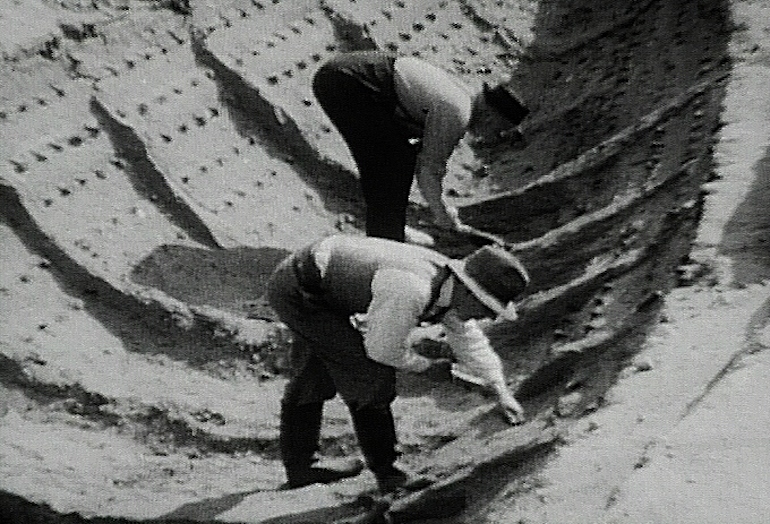
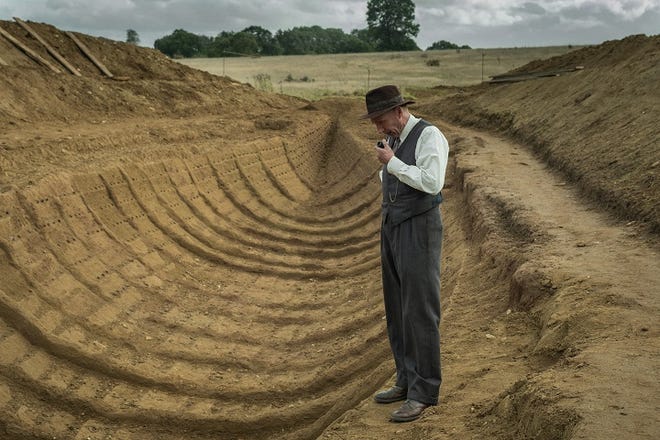
This casual remark reveals not only his observational skill but his reverence for the land itself. It wasn’t gold or glory that moved Brown—it was the story the earth was trying to tell. In a letter to Guy Maynard, then curator of the Ipswich Museum, Brown expressed his cautious excitement:
‘The work is slow and careful, but the ship seems to be of unusual length. I believe we have something remarkable here.’
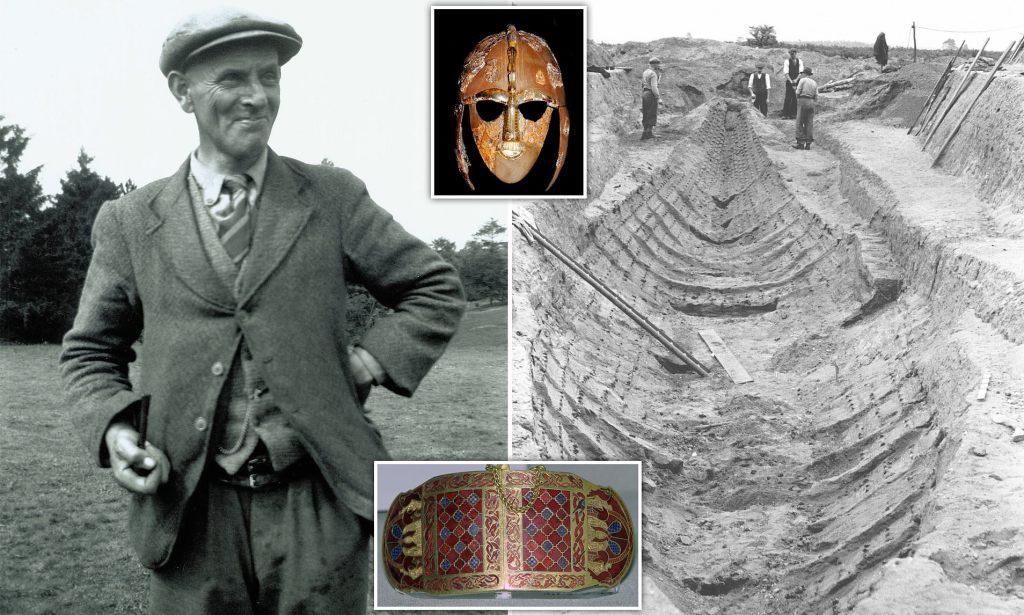
He was right. The discovery at Sutton Hoo remains one of the most important in British archaeology: a 7th-century ship burial containing weapons, regalia, coins, and artifacts. It was a discovery that rewrote our understanding of Anglo-Saxon England.
Far from the brutish image of the so-called Dark Ages, the landmark find at Sutton Hoo shed light on a sophisticated, richly interconnected culture with ties reaching as far as Byzantium.
The significance of the find was immediately recognised, and in late July 1939 the East Anglian Daily Times declared it as:
‘… one of the most spectacular archaeological discoveries of all time…’
In a country on the brink of war, it offered a profound reminder of Britain’s deep, enduring identity.
FOR ME, THE Sutton Hoo story became personal during a memorable family holiday to Suffolk in 2015. My interest in the site was first sparked upon reading ‘In Search of the Dark Ages‘, the excellent 1981 study by Michael Wood. Thirty-four years later, I finally saw it for myself.
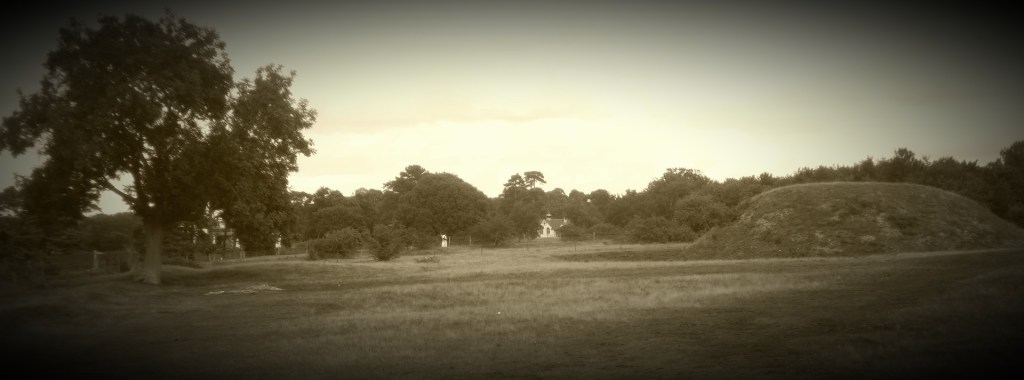
Visiting the site, walking the gentle slopes of the burial grounds, and gazing with wonder at the breathtaking artifacts in the museum left a lasting impression. There was something almost spiritual in the landscape’s hush—an invitation to listen closely, as Basil Brown had once done, to the voice of the past.
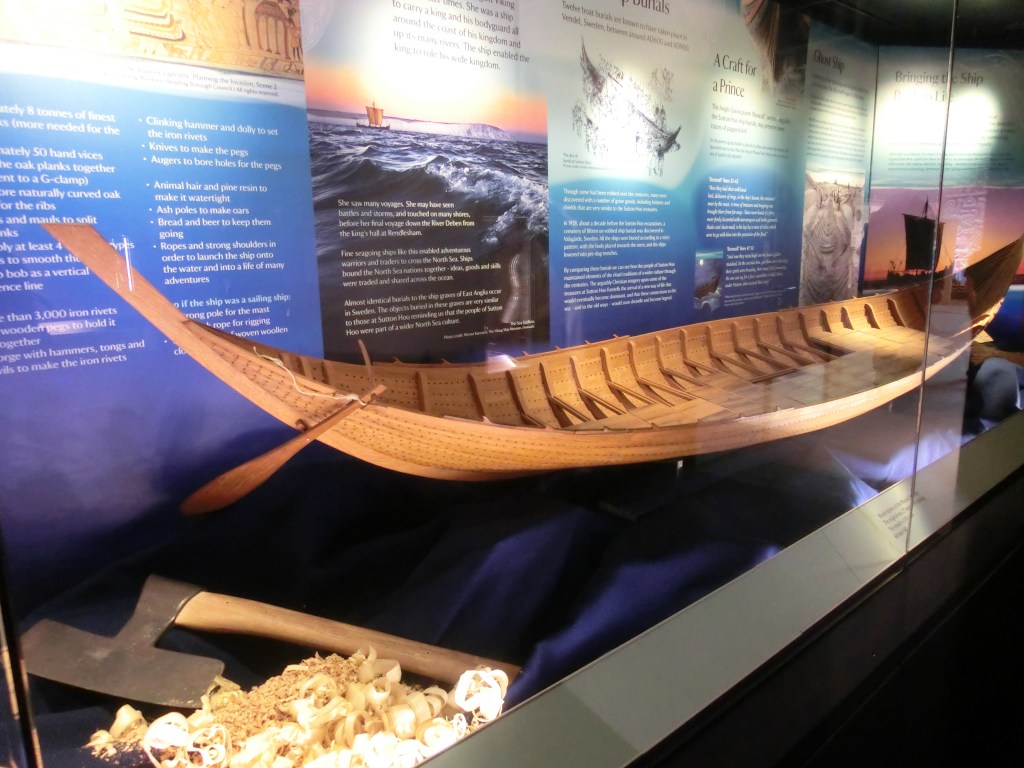
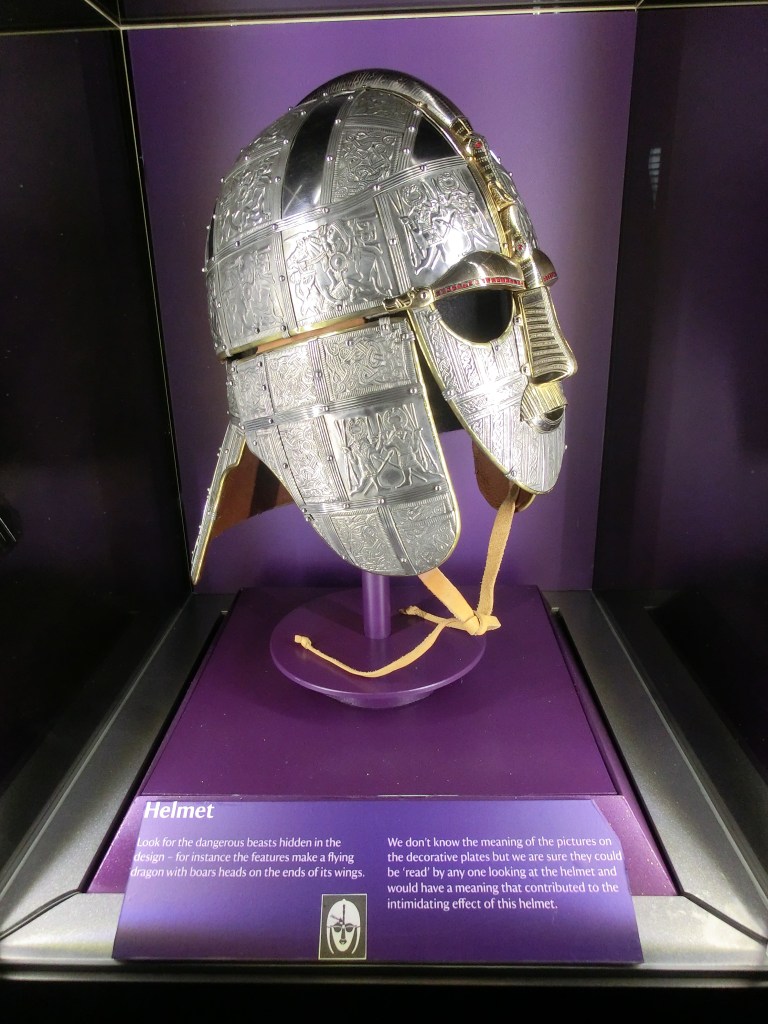
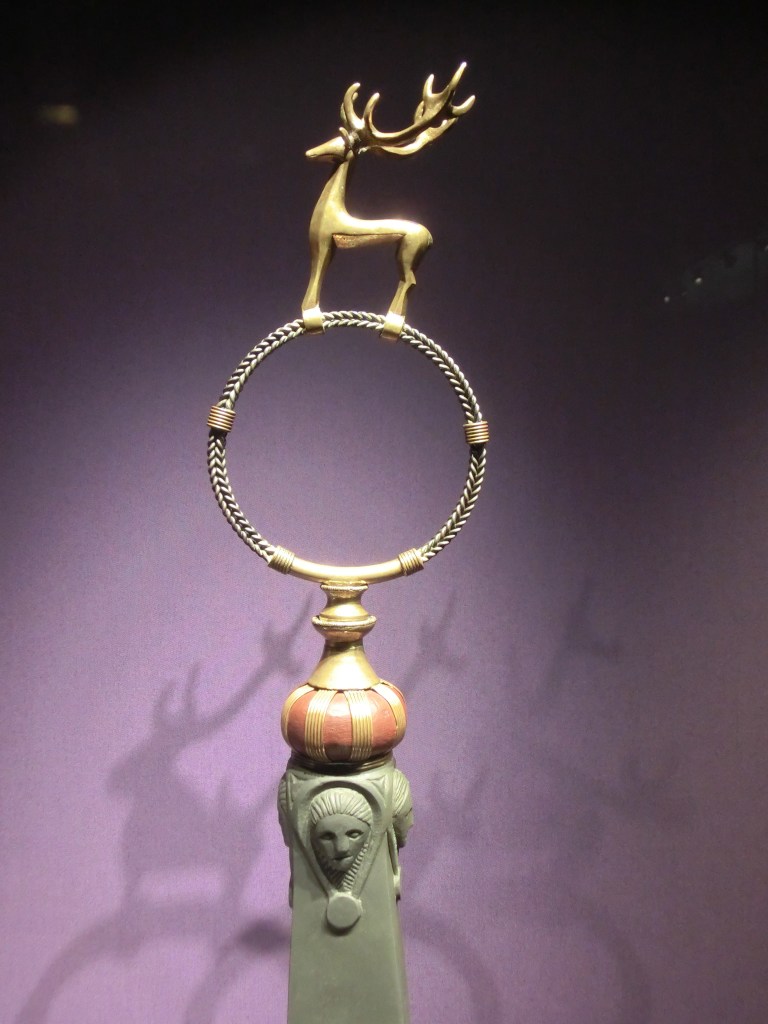
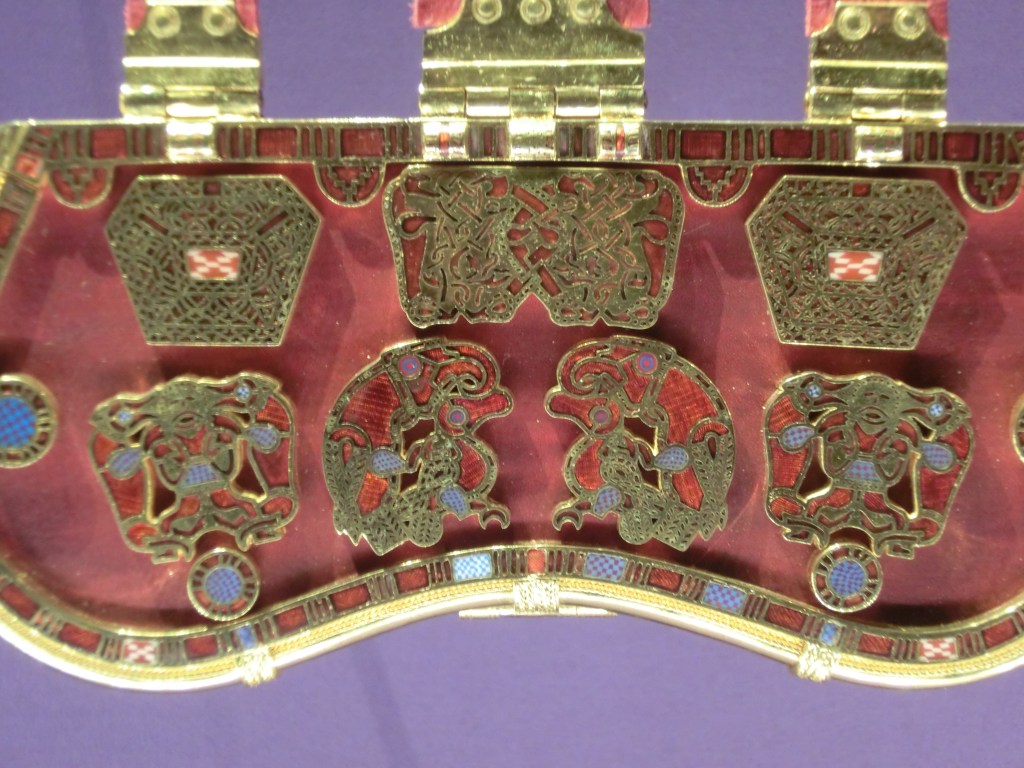
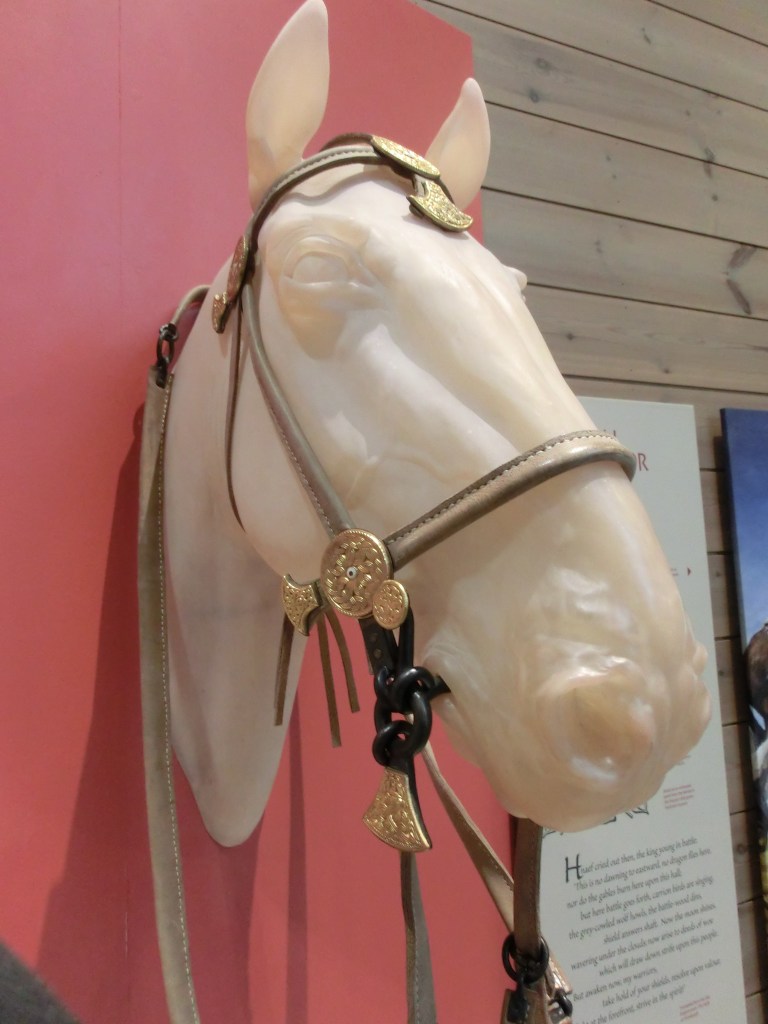
‘ … the breathtaking artifacts in the museum left a lasting impression.‘
Yet for all the grandeur of the find, The Dig reminds us that its revelation came through the quiet diligence of a man who never sought the spotlight.
In later years, Brown reflected with characteristic humility:
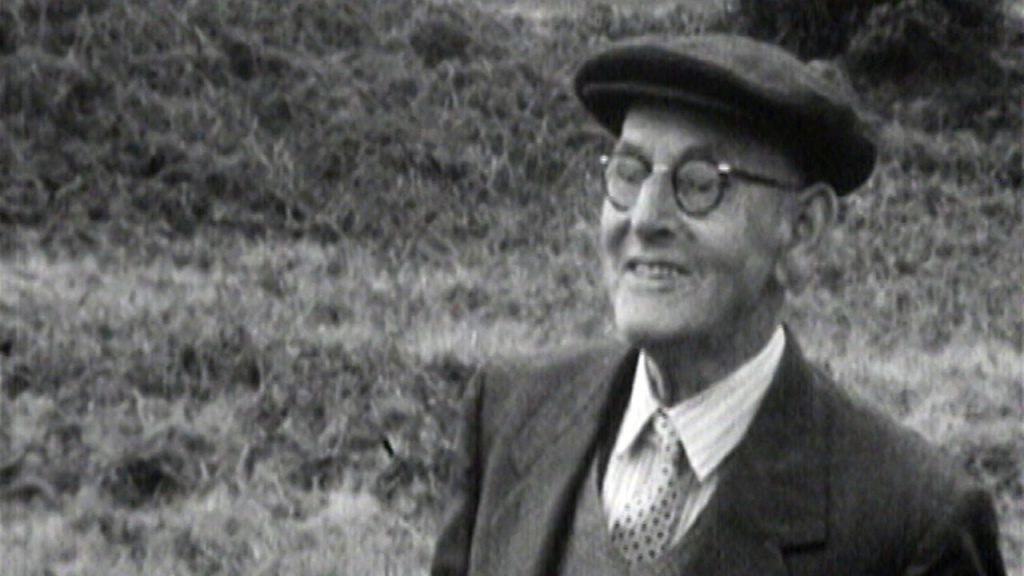
‘I was never trained in the universities, but the earth trained me well enough.’
THE DIG IS more than a period piece. It’s a reflection on our timeless heritage, legacy, and the vital importance of paying attention to what lies just below the surface—whether in soil, or in people.
Ralph Fiennes gives us a Basil Brown who is not just a man of Suffolk, but a man of depth, patience, and unshakeable purpose. And through him, the film honours the idea that sometimes the greatest discoveries come not from those with titles, but from those who simply know how to listen to the soil.
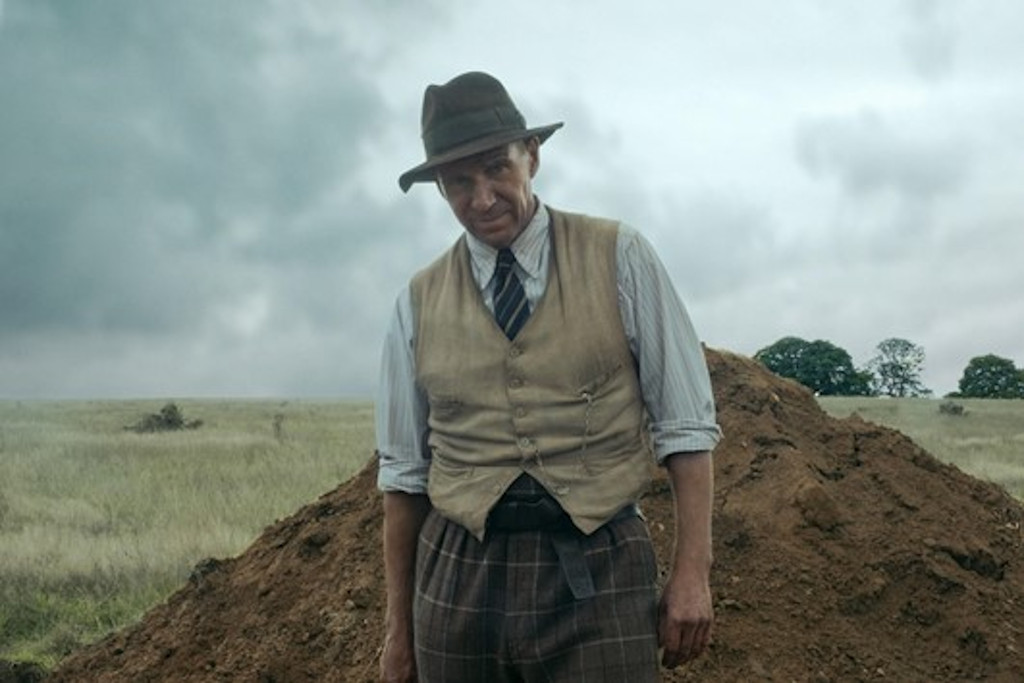
‘From the first human handprint on a cave wall, we’re part of something continuous. So, we… don’t really die.’
Ralph Fiennes as Basil Brown, The Dig (2021)
 RAVEN MOON