
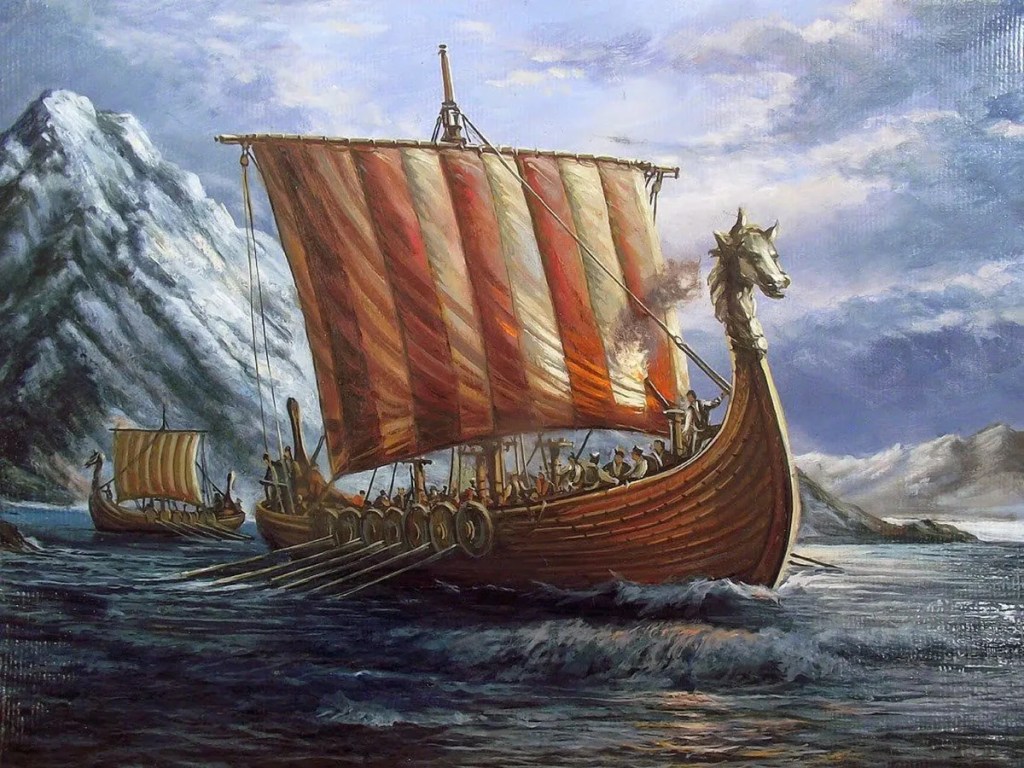
In mist-wreathed centuries before loathsome Norman banners flew over the island of the mighty, and when the names of kings were writ in runes, there came across the grey, white-capped sea many longships of oaken hull.
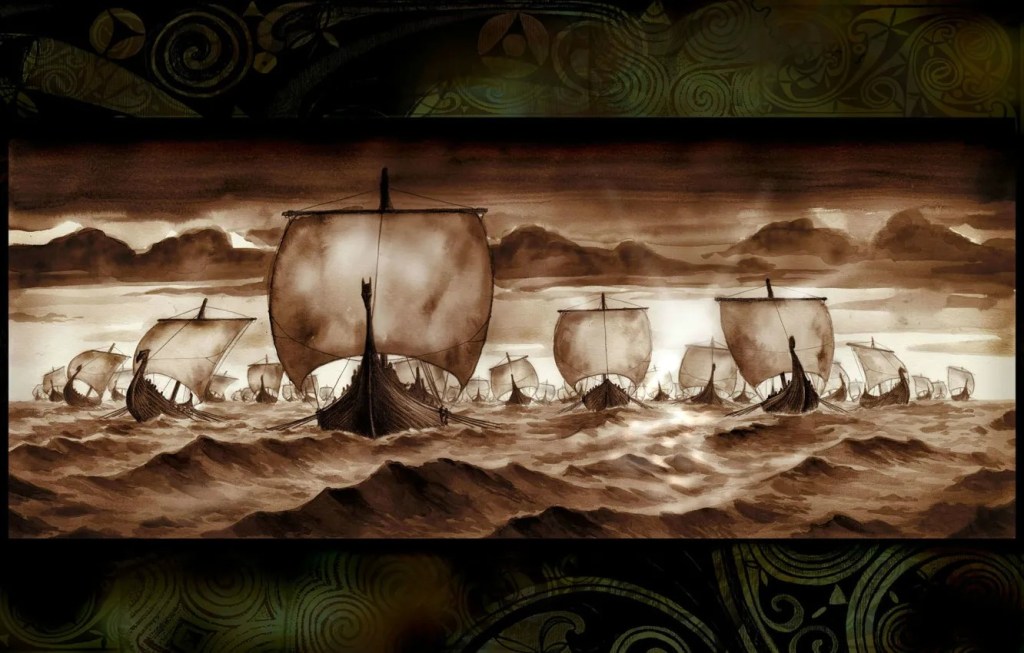
Carven serpents adorned their prows, winds of fate filled their sails – and they came bearing stern-browed men with sword, axe and spear.
From shadowed fjords and ice-bound shores, from Denmark, Norway, and icy lands beyond, they came not only as raiders, but as settlers, farmers, traders, and kings.
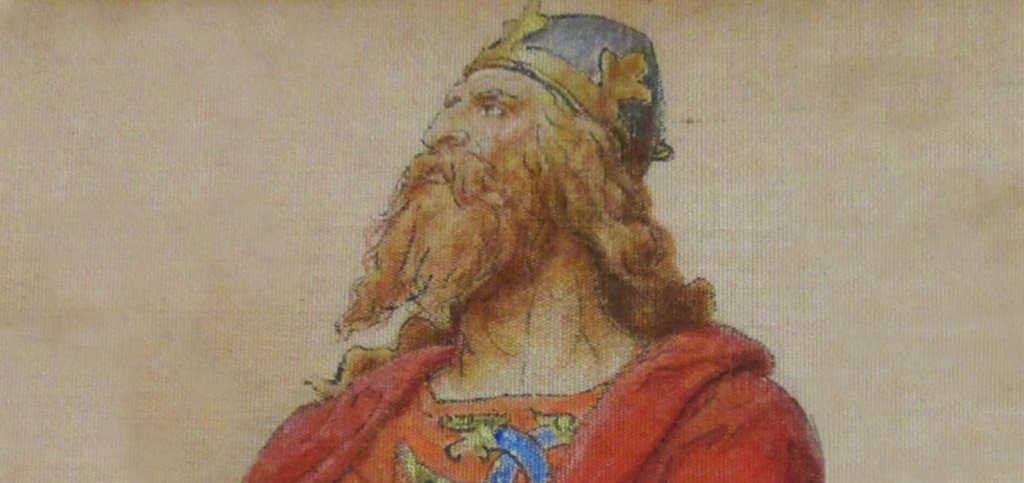
Their names continue to echo through history: Sweyn Forkbeard, Cnut the Great, Harald Hardrada—men who held sway not only over their distant frost-bound realms, but over the green and fertile heart of AEngland.
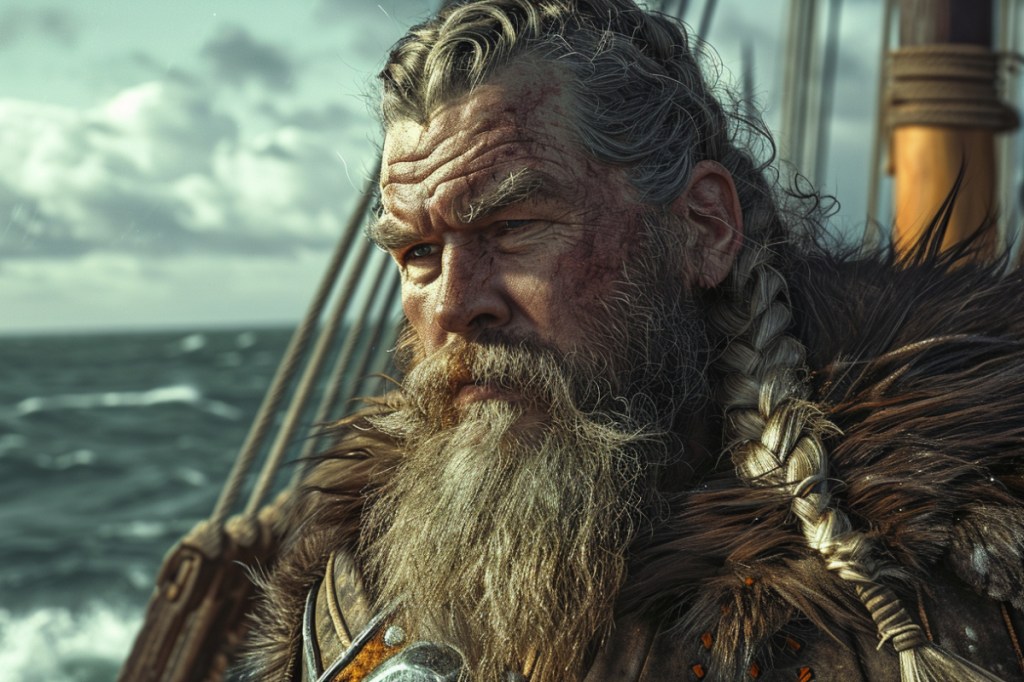
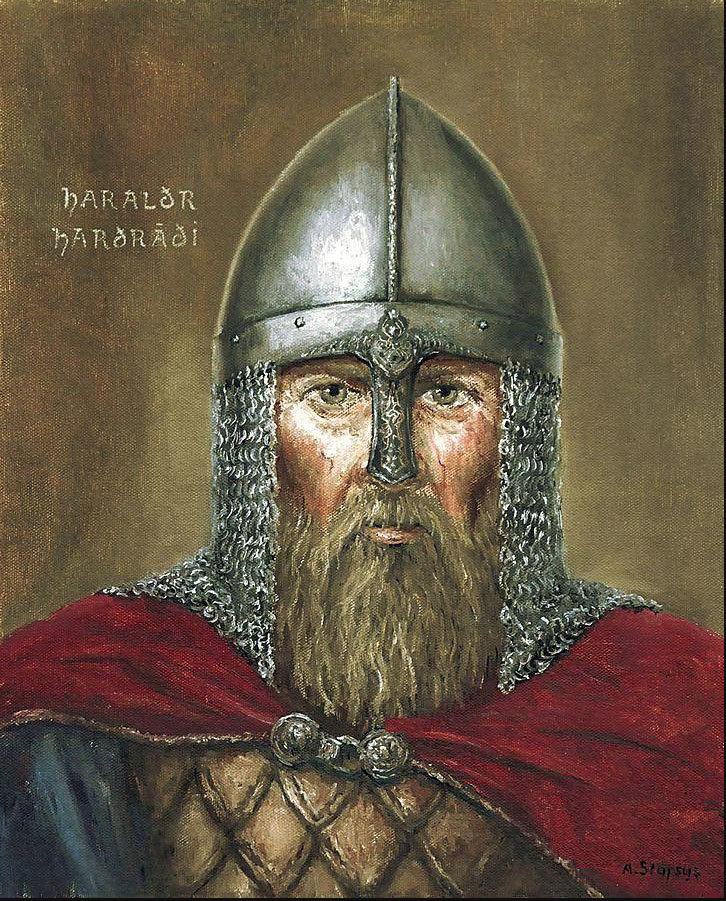
They came with more than sword, spear and sail. They brought a culture rich in legend and myth, craft and kinship, language and law. They were not pirates, but kingdom-builders—mighty men whose legacy lives on in the land and rivers of England’s heartland; men whose voices whisper on the wind and whose sagas echo in stone and song.
Men whose life-blood runs still in English veins.
It is in honour of these giants among men that I tell of another: a wise and kindly ruler of the Northlands, one who ruled not by might alone, but by courage, custom and quiet strength.

It is a tale of a king not carved from conquest, but from kindness. It is a saga of softer key, yet no less noble.
Let this then be a tale told in reverence for the old ways, and for those who dared to cross storm-tossed seas and shape the soul of a nation.

In the lands of the north, where the black rocks stand guard over the cold sea; in the dark night that is very long, the men of the Northland sit by their great log fires and they tell a tale …
… this is such a tale.
So take now the horn of mead, still thy tongue, and hearken well. For this is a tale of old, drawn from the ever-rolling mist between memory and myth.
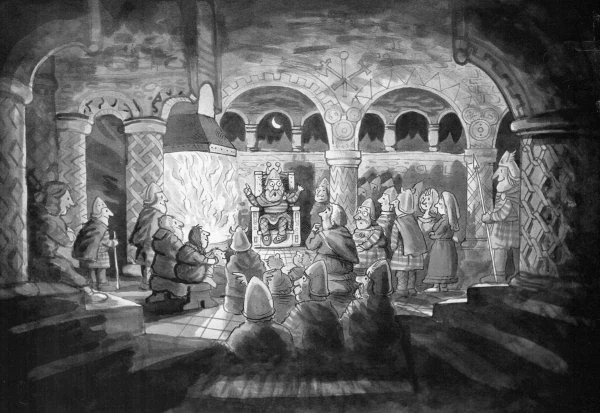
IN DAYS OF YORE, when the sea-kings ruled from their carven halls of ice and stone, there lived a gentle and just prince named Noggin, son of Knut the Kind, High King of the Northlands.

When King Knut passed beyond the veil of snow, Noggin—though young and untested—was called to take up the crown. But the succession was challenged by his uncle, Nogbad the Bad, a twisted soul whose heart was colder than a winter fjord.
'The brother of Knut, with a heart of coal,
With twisting tongue and shadowed soul.
Ambition burns where love should lie,
His scheming ways will never die.'
Nogbad the Bad by an unknown skald
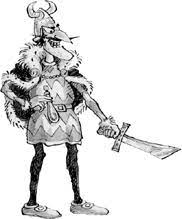
Nogbad schemed to seize the throne, not by honour and arms, but through cunning and guile, trickery and mischief.
Yet time and again, his wicked plots were thwarted by the quiet strength and nimble wit of Noggin.
'Prince of peace, with fur-lined crown,
Gentle of heart, of great renown.
He rules by wisdom, not by blade,
A hero quiet, never afraid.'
Nogin the Nog by an unknown skald
Noggin ruled not with sword but with steadfastness and care, journeying at need far from his northern hearth, across icy wastes and beyond distant shores.

It was on one such voyage, that he met the wise and graceful Nooka of the Nooks, daughter of Nan, and princess of a far-off land.
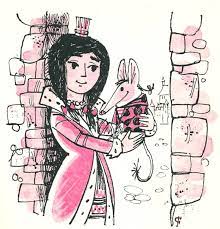
When Noggin returned it was with Nooka as his queen at his side, and their union brought harmony to the Northlands.
'Of foreign realm and noble line,
With gaze like frost and soul divine.
She calms the fire, she stills the tide,
And walks the world as Noggin’s bride.'
Nooka of the Nooks by an unknown skald
Also by Noggin’s side were two loyal and steadfast companions:
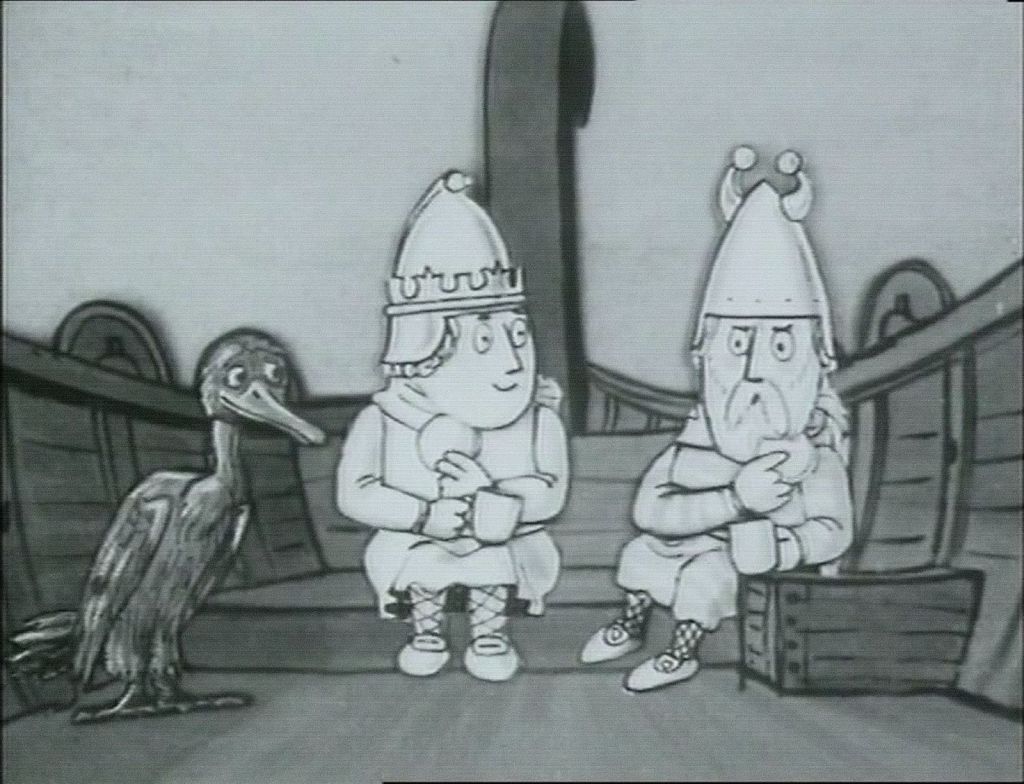
Thor Nogson, often baffled but always brave, a warrior whose heart was larger even than his wit, and Graculus, a green, talking bird from distant lands, who flew the skies and saw what men could not.
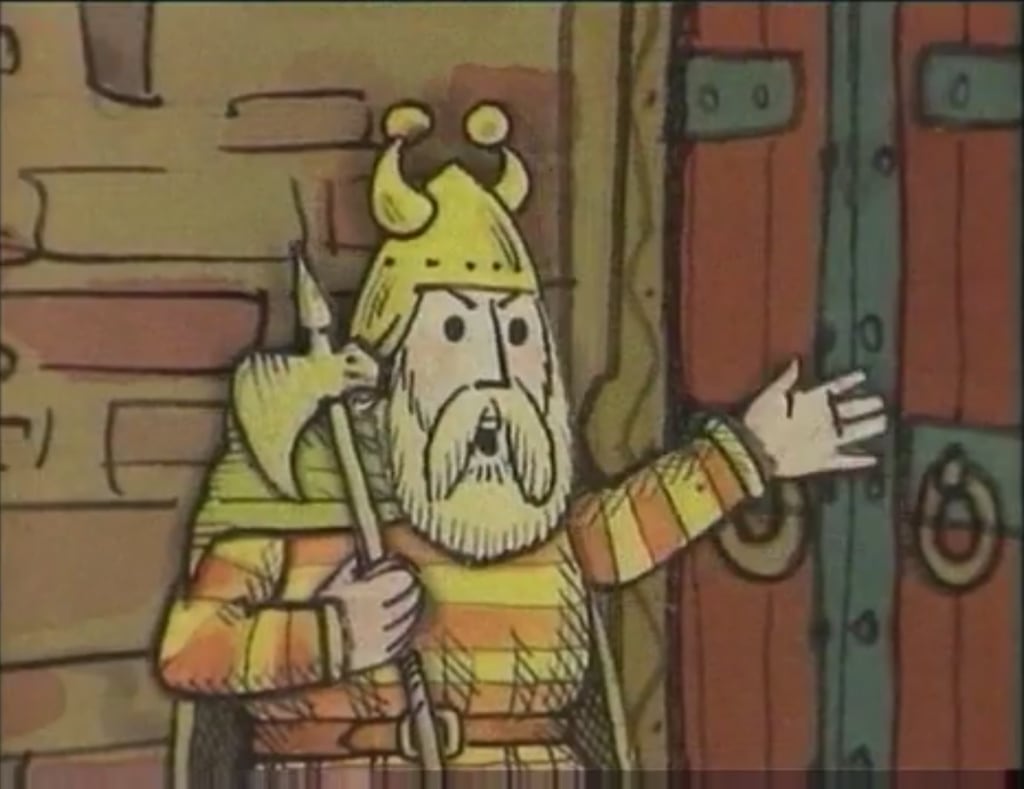

'A warrior stout, though thoughts may stray,
He’d charge a hill the foolish way.
But loyal stands he, firm and proud,
A storm of strength, a voice most loud.'
Thor Nogson by an unknown skald
'A bird of green from a southern sky,
With wings that whisper and eyes that spy.
He speaks in tongue both strange and wise,
And guards the king from hidden lies.'
Graculus by an unknown skald
Throughout his reign, Noggin did not seek the trappings of fame and fortune as some are wont to do, but rather fairness. He stood firm against injustice and championed the meek, all while gently stalling the selfish skulduggery of his envious uncle.
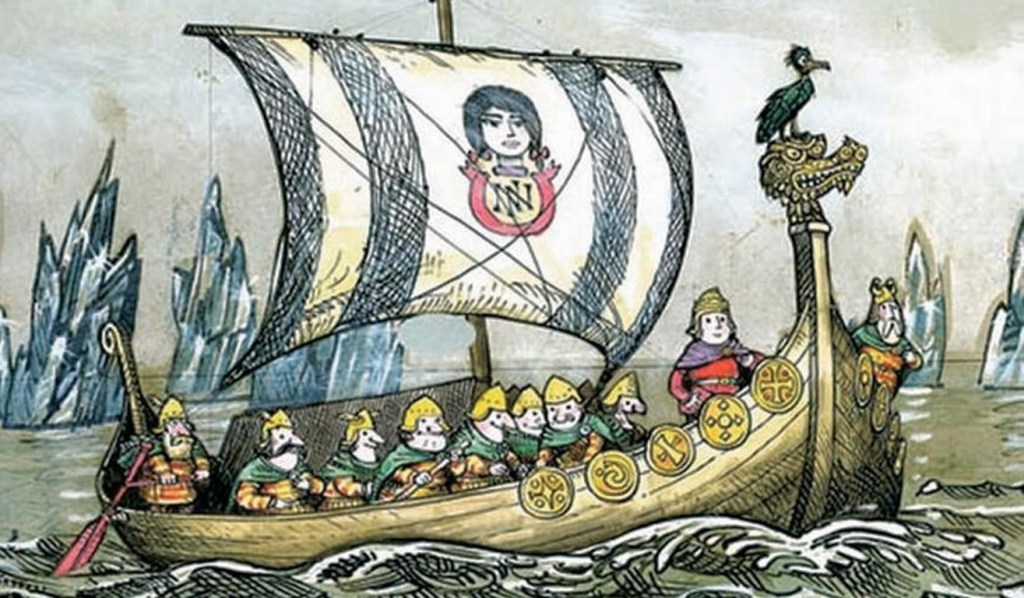
He braved fire-breathing dragons, discovered long-lost treasures, and even conversed with the ancients of the deep.

It is said that, just as Noggin’s court was carved in oak and bone, so too the likenesses of his warriors, his queen, and his councillors were sculpted in stone for the gameboards of his longhouse.

As with the legend of Noggin himself, these likenesses have endured the long passage of time.
In the year of 1831, in the Isle of Lewis in the Western Sea, were found men of ivory and whale tooth—grim-faced kings, solemn queens, shield-biters and watchful bishops; their eyes wide and far-seeing as though gazing into the mists of destiny.

The wise say these were once the playing-pieces of Noggin’s own hearth, used to teach young lords the art of strategy and war.
There are some, however, who claim the Lewis Chessmen are nought but toys of forgotten princes.

But the North remembers.
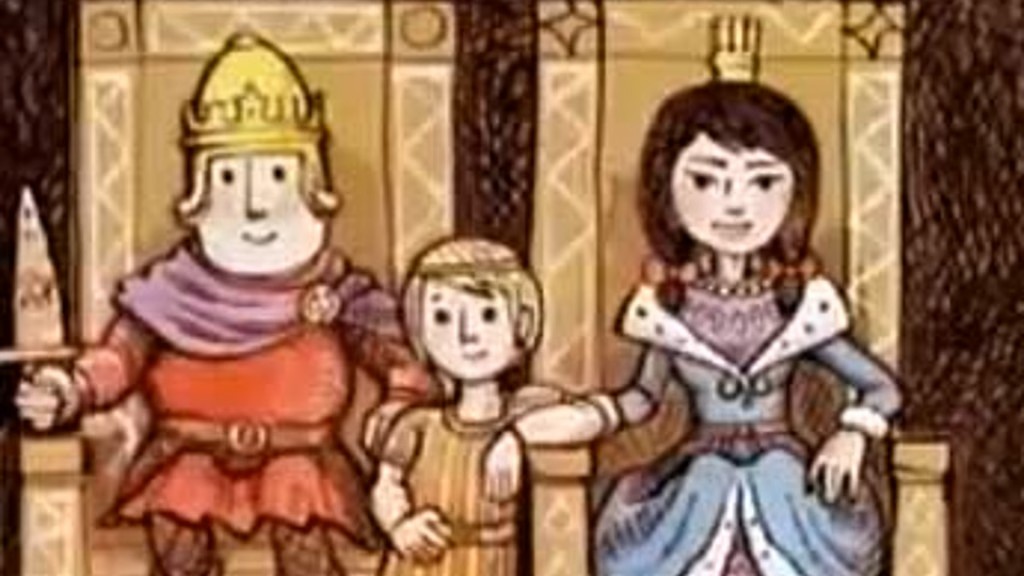
The Saga of Noggin tells not of conquest, but of compassion, and tells of a king who ruled not by fear, but by friendship.
And though the winds of time have buried his hall beneath the snows, and his longship lies still beneath a breeze-stirred fjord, the name of Noggin the Nog lives on – etched in runes upon the hearts of those who remember what true kingship once meant.

 RAVEN MOON