The sparks of inspiration which prompt musicians to produce pieces of music are as diverse and multi-faceted as music itself.
Personal experiences, relationships, social issues and events are all possible stimuli for a songwriter’s muse, having the potential to release the flow of creative juices. Unsurprisingly, many iconic songs have their roots in their creators’ own life situations, interactions and encounters, including courtship, breakups and personal struggles.
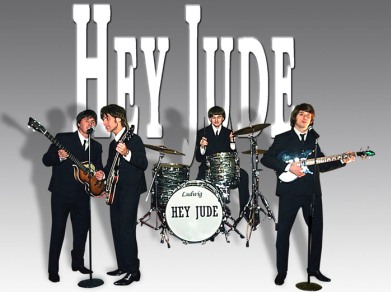
For example, in 1968 Paul McCartney was moved by young Julian Lennon’s sorrow at his parents’ separation. This led him to create a song which included a rousing ‘na-na-na-na’ coda to strengthen its heartening message and so uplift the troubled boy. It began as a simple consolatory ditty, commencing with the words ‘Hey Jules,’ which Paul sang to Julian to cheer him during journeys to school.
Recognising the commercial potential, McCartney conducted the necessary tweaking, and eventually delivered ‘Hey Jude,’ one of the most iconic of the Beatle’s records.
Another musician, while grappling with personal feelings of artistic misapprehension and depression, developed an affinity and sense of connection to the troubled 19th Century Dutch painter, Van Gogh, a man who had experienced similar tribulations.
This led to a song which delved into the painter’s mental anguish and tragic end. It included the line, ‘They would not listen, they did not know how … perhaps they’ll listen now,’ alluding to Van Gogh’s talent, which remained unrecognised until after his death.
The musician, of course, was Don McLean; the recording, ‘Vincent.’
In the case of Nordic Folk, a genre that I have presented on here previously in posts such as ‘Helvegen’ and ‘Odal,’ inspiration often comes from aspects of Norse mythology, ancient traditions and the landscapes of Scandinavia and the Baltic regions. The spark for some compositions, however, is more obscure.
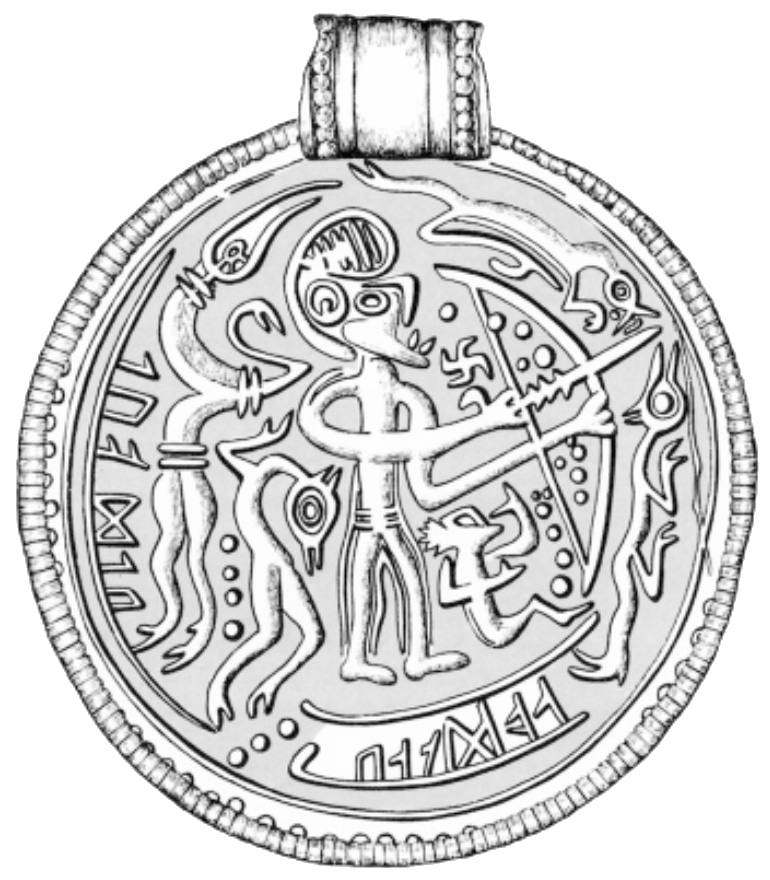
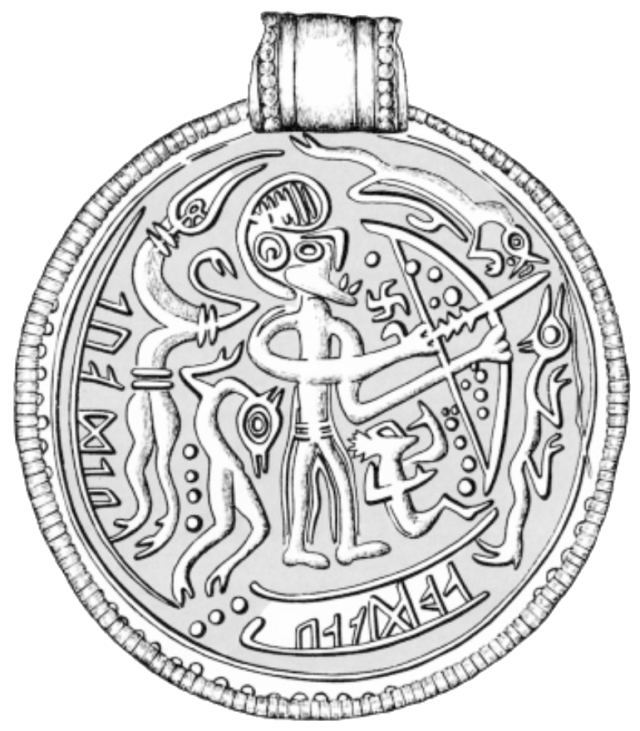
Bracteates – flat, thin, single-sided gold medals worn as jewelry – were produced in Northern Europe predominantly during the Migration Period of the Germanic Iron Age. These could be bead-rimmed and fitted with a loop, intended to be worn as an amulet around the neck.
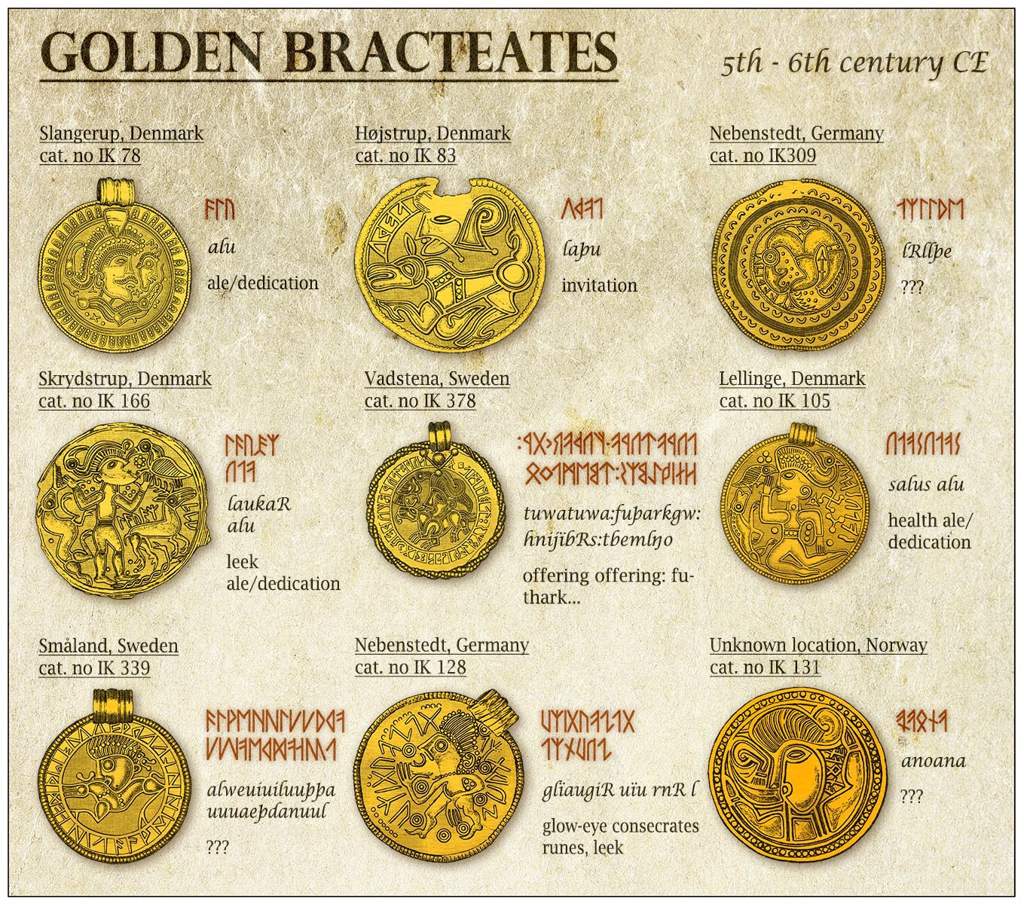
The gold for the these came from coins paid as peace money by the Roman Empire to their Northern Germanic neighbours, and many feature portraits of ancient Germanic kings, their hair plaited and tied back in customary fashion.
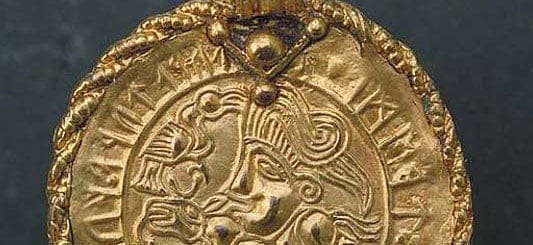
Figures from Germanic mythology are also often depicted, along with pagan icons, animals, birds and runic inscriptions.
Whilst bracteates are undeniably interesting from a historical perspective, providing as they do a window into the culture and traditions of a distant time and place, they do seem an unlikely source of inspiration for musical creativity.
Notwithstanding such an improbability, bracteates have inspired one band to craft a captivating piece of music which, when supported by a remarkable promotional video, combine to create a totally spellbinding experience.
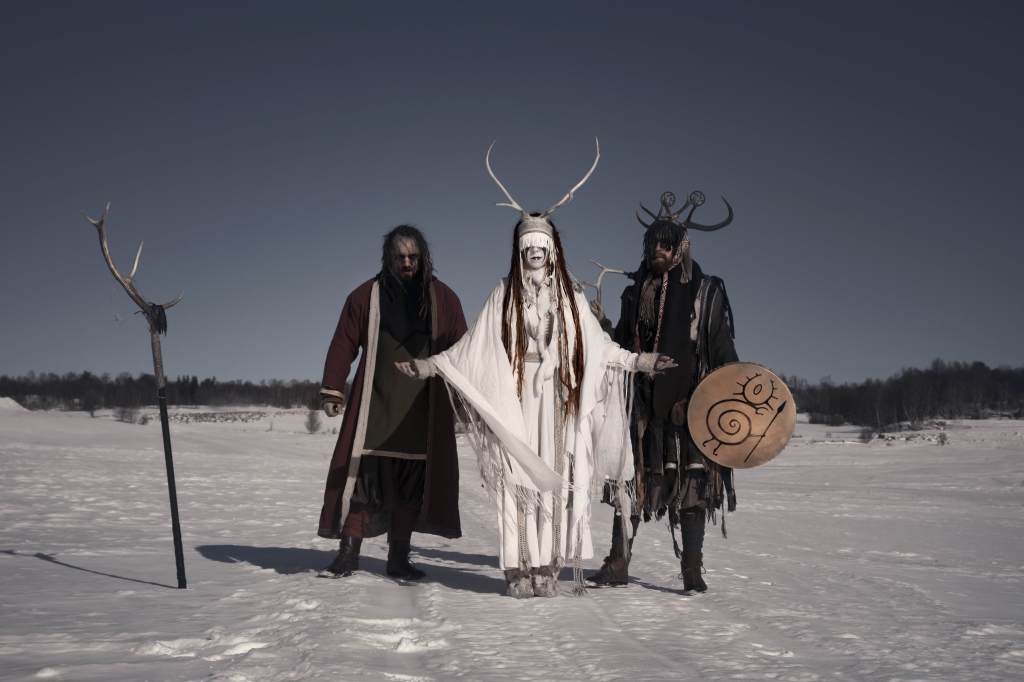
‘Heilung’ is a boundary-pushing music ensemble founded in Copenhagen in 2014 by Dane, Christopher Juul and German, Kai Uwe Faust.
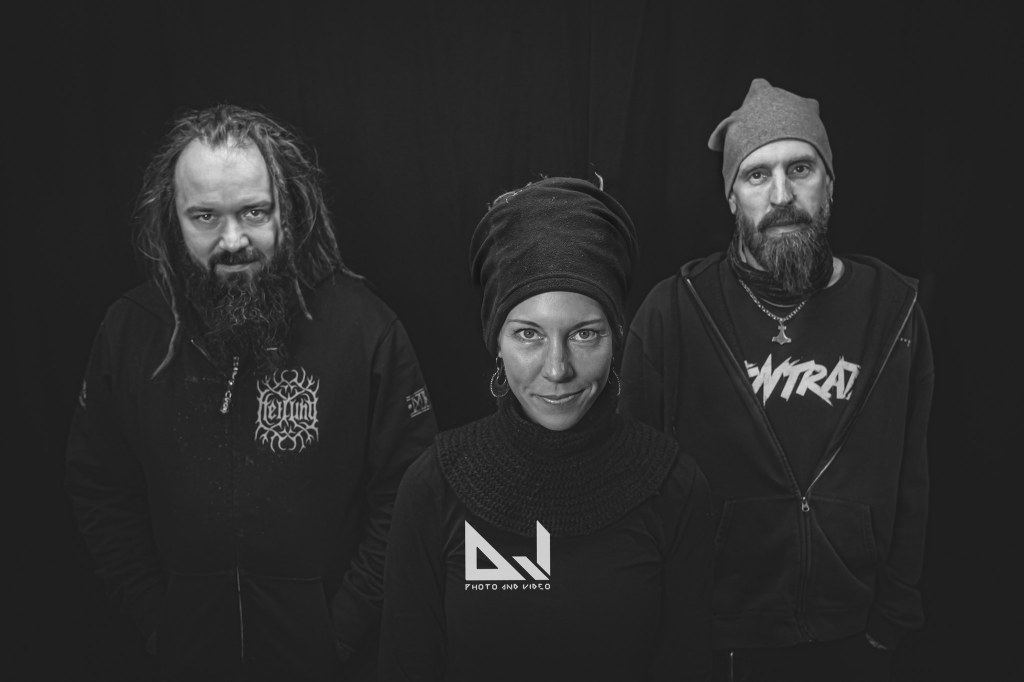
The two were later joined by Norwegian vocalist, Maria Franz. [Maria also features in my earlier post, ‘Ulvetime (Hour of the Wolf).]
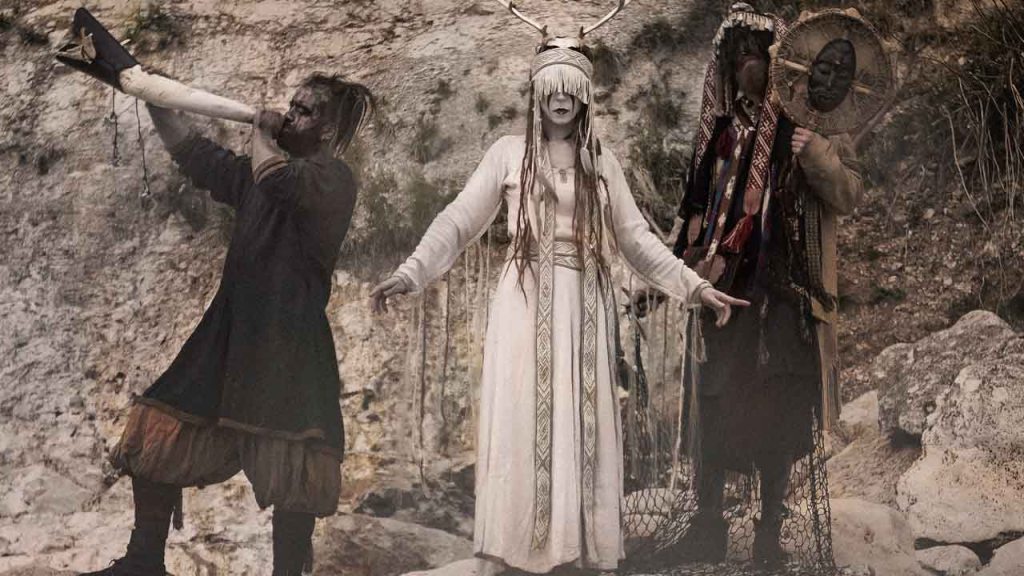
The group’s name translates as ‘Healing,’ reflecting their mission to produce engaging ‘amplified history’ experiences which merge music, ritual, history and spirituality to deliver what they describe as ‘an immersive journey into the deep past.’
The distinctive group is known for its live, trance-like ceremonial performances, which feature elaborate neo-pagan costumes, dramatic lighting, dancers and theatrics.
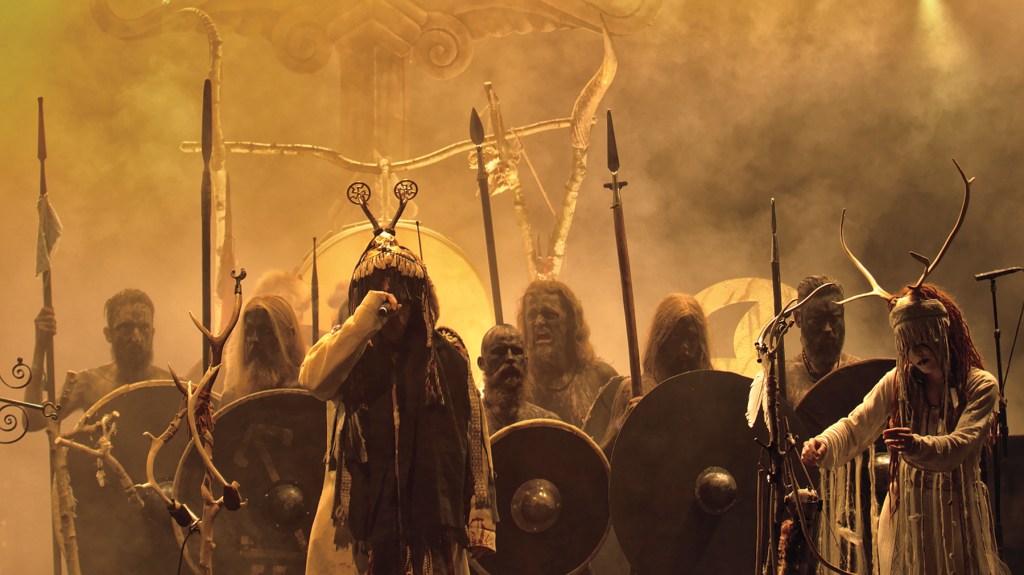
Shamanic chants, throat singing, goat-skin drums, deer bones and horn rattles coalesce to create a transformative performance that audiences have described as both emotional and spiritual, provoking a sense of reunion with ancestral roots and nature.
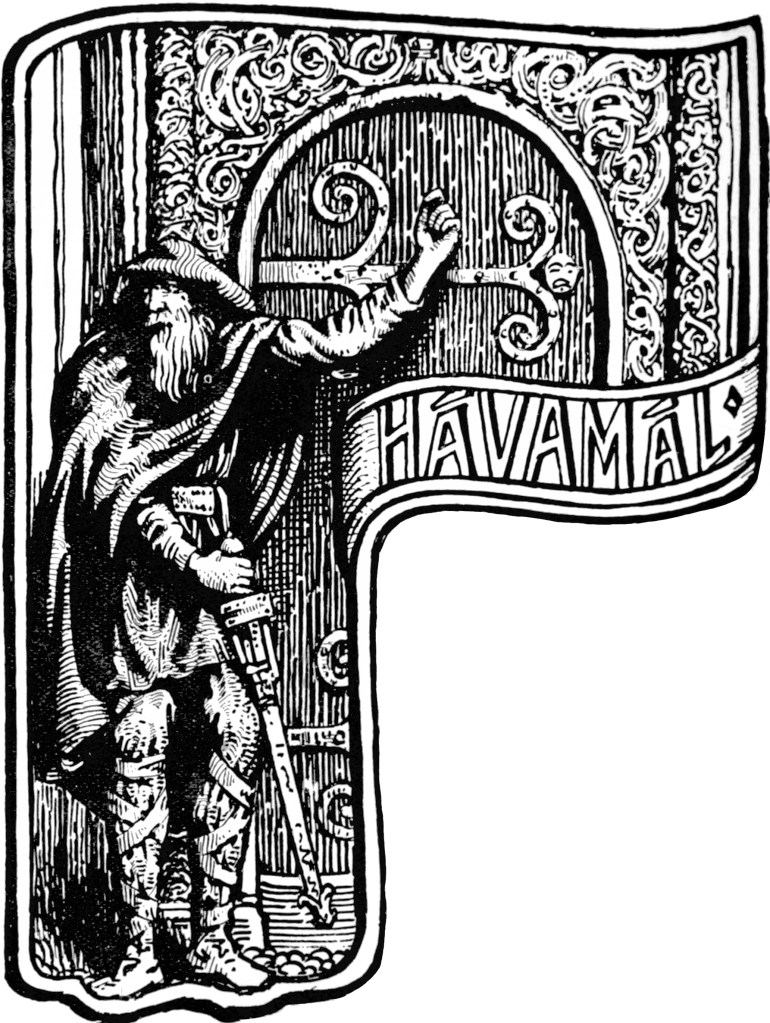
Source material for their compositions include ancient runic inscriptions, iron-age and Viking poetry.
Lyrics comprise a combination of languages, such as Old Norse, Proto-Germanic, Gothic, Latin and more.
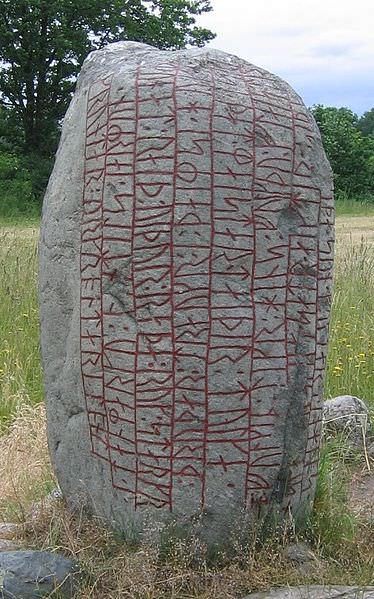
In view of Heilung’s mission and style of artistic expression, it is perhaps unsurprising that the ancient amulets with their pagan symbology and esoteric inscriptions have provided inspiration for one of their most memorable pieces of music – ‘Anoana.’
According to the band’s own commentary:
‘The lyrics for this piece are mainly taken from bracteates … [meant] to provide protection, fulfill wishes or for divination. In Anoana, the listener has the chance to delve into a collection of likely encoded spells from the Migration Period and get a touch of magic from the Dark Ages.’
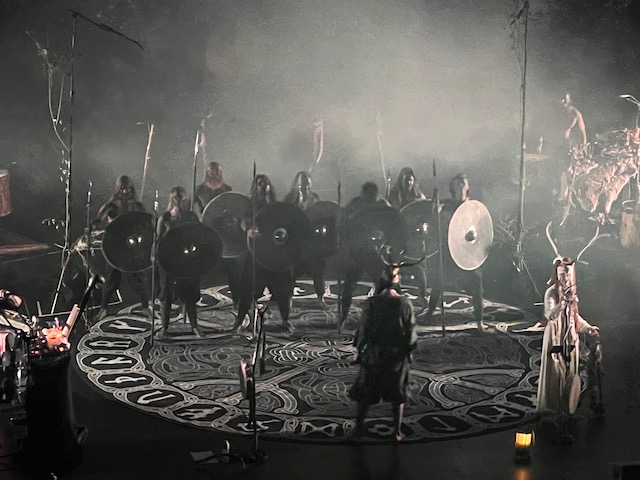
Anoana does indeed provide listeners with the opportunity to encounter the wild magick of the Dark Ages. Drawing heavily on ancient practices and symbols, and using incantational language from a time when northern Europe was richer in gold than any other region, the composition’s themes examine our cultural and ecological links, rites of passage, rebirth and healing.
Musically, Anoana is mesmerising. An opening primal beat reverberates through to the listener’s soul. It grabs attention and holds it tight throughout five minutes of rhythmic percussion and mystical incantations, right through to the finale’s sensational echoing drum clash.
However, it is when music and visuals are combined that the wild, primordial magick really happens. The record’s beautifully-crafted video is nothing short of outstanding.
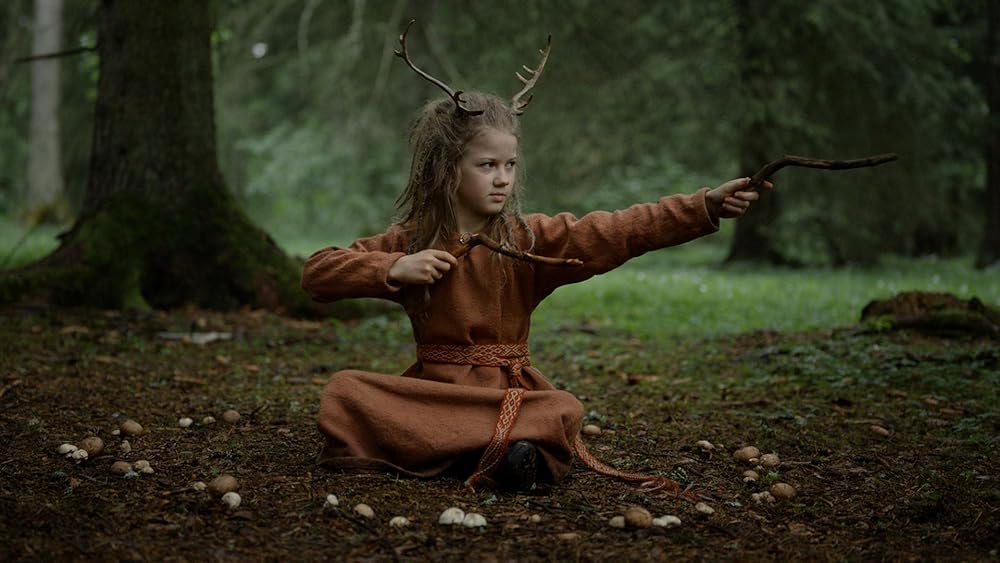
Directed by Line Klungseth Johansen, the video unfolds like a short film, immersing viewers in a world that feels both ancient and timeless.
It opens with a young girl in a forest, adorning herself with twigs to mimic antlers, symbolizing a connection to nature and the mystical.
Tight depth of field and controlled focussing place viewers at the scene, at one with the girl and the unfolding story.
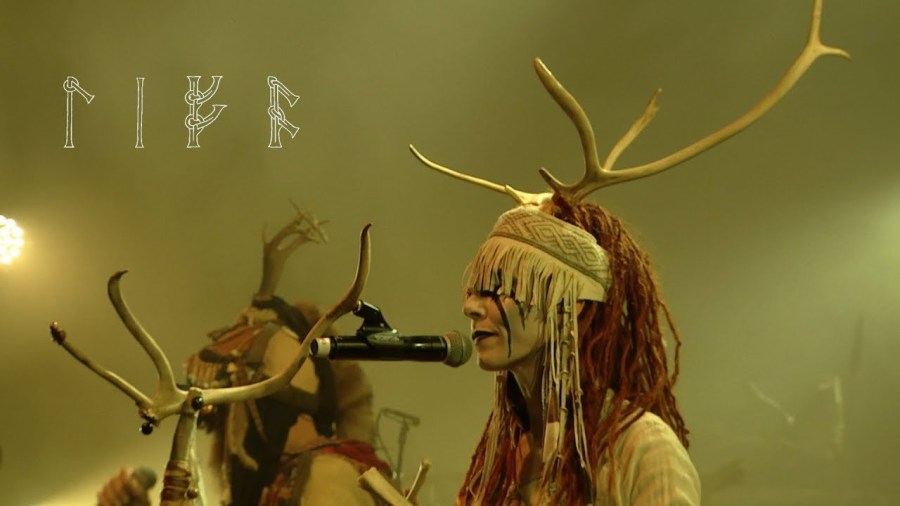
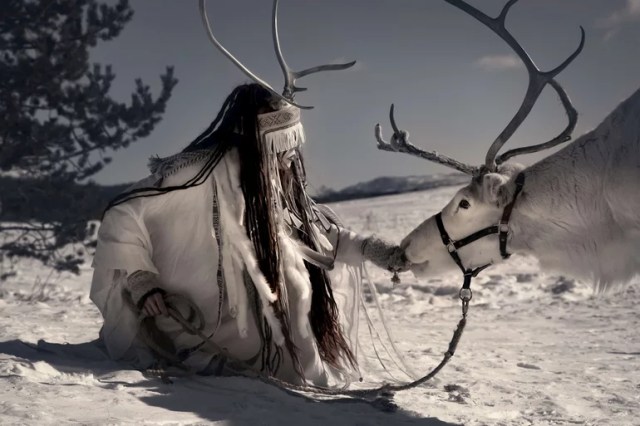
The setting then cuts to a beach, where the motif is echoed by Heilung’s vocalist, Maria Franz, who appears to have emerged, like Venus, from the sea. Her regalia is that of a Seidkona, a female practitioner of seiðr, a form of Norse magic or sorcery from pre-Christian Scandinavia. Her headdress is complete with antler-like adornments, while a veil obscures her eyes, enhancing the scene’s ethereal quality.
The narrative progresses into a wattle lodge where a woman, painted in ritualistic body art, gives birth to a child with antler-like features. This scene evokes themes of rebirth and the cyclical nature of life, resonating with the band’s focus on environmental connectedness and ancestral traditions.
The video is rich in symbolic imagery, including bonfires, cryptic runic symbols, and communal rituals, all of which deepen the viewer’s engagement with the band’s exploration of ancient cultures and their practices. These elements not only serve the narrative but also invite reflection on the shared human experience across time.
Audience reactions highlight the video’s profound emotional and spiritual impact. Viewers have described the experience as a ‘breathtaking lullaby‘ that evokes feelings of peace and connection to the universe. The imagery of the child with antlers and the ritualistic setting has been interpreted as a representation of new life and the continuation of ancient traditions.
In summary, the ‘Anoana’ music video by Heilung is an expertly-crafted fusion of visual art and cultural storytelling. It surpasses traditional music videos by creating an immersive experience that resonates on an emotional and spiritual level, thereby reconnecting us with the ancient rhythms and rituals of our ancestors.
Here it is:
 RAVEN MOON