
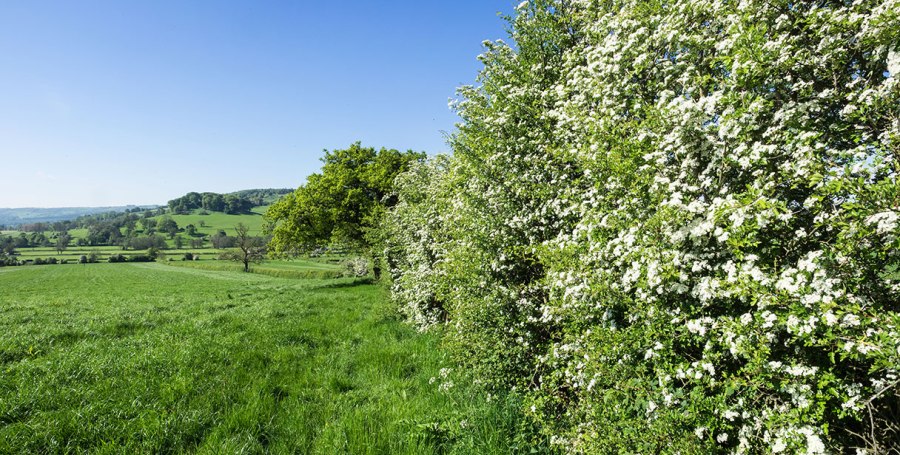
The UK is rightly known throughout the world for its rich and varied patterns of hedgerows, a part of our cultural and landscape heritage which ranks alongside great cathedrals, quaint villages and spectacular coastlines.
Hedgelink.org.uk

Since discovering the Pickwalks Facebook page recently, aside from prompting me to up my litter-picking game in and around my home village of Ulceby, several of the posts have provoked a great deal of thought.
For example, one recent post centred upon the clearance of discarded waste from one of Lincolnshire’s litter-strewn lay-bys. The issue prompted ponderings on my part and propelled me into writing my previous post, Verges on the Edge, in which I sought to portray the value of our roadside verges.
Now, Pickwalks have done it again. One of their latest offerings, in which they reported on their recent activities, reflected briefly on the bizarre behaviour of stuffing litter in bushes, crevices and hedges. This is a practice that leaves me totally flummoxed.
You see, when I weigh anti-social behaviour such as this, I try to rationalise it by considering the possible thought processes that may occur in a litter-bug’s mind before they discard their trash in such a way.
In this case, I’d like to think that there is no prior cognitive mindflow at all. To assume otherwise, and to believe there may be a perceived method in such madness would be too depressing. When I see trash stuffed in hedgerows I view this with the same level of disgust as if it were poo in the swimming pool. It’s all the same thing when you think about it – a shared environment befouled by an idiot minority.

The reason for my disdain at such conduct is simple. Our hedgerows are an oft-overlooked blessing. Look around. It is now May. The burgeoning network of hawthorn, blackthorn and more, adorned with a richness of blossom is nothing less than spectacular. But, aside from visual appeal, what is the value of hedgerows?
I’ll tell you.
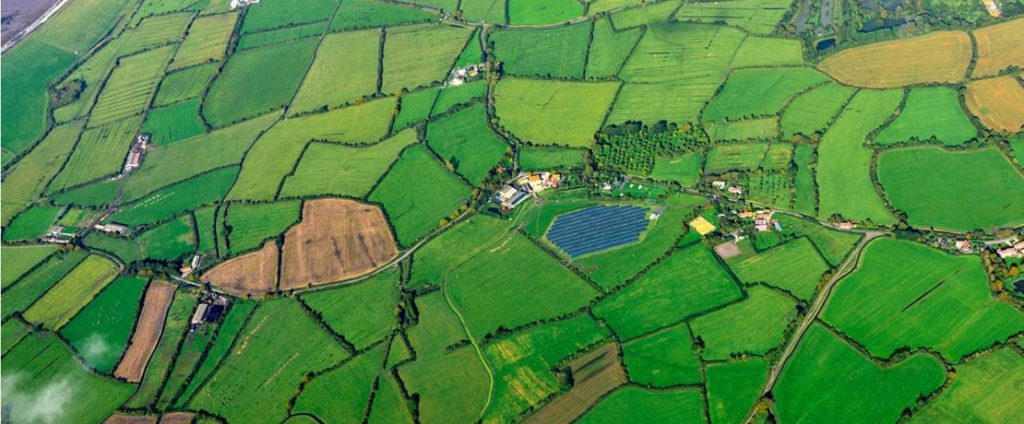
THE BEAUTY OF our countryside owes much to its patchwork panorama of criss-cross hedgerows, so much so that to many people they are an essential feature of Lincolnshire’s landscape.
However, despite being planted for sound practical reasons, they have since been regarded as a nuisance. It is not surprising then, that the last sixty years has seen a decline of this valuable resource at an unprecedented rate.
So, what is the value of hedgerows? Should we mourn their loss as we mourn the loss of so much of our priceless flora and fauna, or should we strive to reverse the pattern seen since the end of the Second World War?
To answer these questions we must first assess their importance and imagine, if we can, a countryside without them.
Once windshields for crops, shelters for animals and a handy source of timber, the hedge’s main purpose has been to mark boundaries, contain stock or to enclose. During the ‘open-field’ system, the only hedges were around pasture, near the village and along the parish boundary. Between these were open, arable acres.
This basic network of hedges was increased dramatically as landowners parcelled up the open fields under Parliament’s Acts of Enclosure – a move that met with passionate derision throughout the country.

The Northamptonshire peasant-poet John Clare wrote:
‘Inclosure, thou’rt a curse upon the land,
And tasteless was the wretch who thy existence planned.’

The rectangular plots of land formed under the Acts were painstakingly surveyed and planned, leading to complete changes to parish design. New roads were laid, ditches dug and hedges staked out, with costs varying throughout the county. This was a boom-time for many.
One individual benefiting from this activity was the nurseryman supplying ‘quick’ or living cuttings by the thousand. The ‘quick-set’ was usually of may or hawthorn (also known as ‘whitethorn’) but also sloe or blackthorn, holly and elder.
As almost all enclosure hedges were of one species, it is possible to distinguish their age: the older the hedge, the greater the variety of shrubs in it. While this may depend on management, soil type and the time during which the hedge has existed, a rough yardstick is to count the number of species in a thirty-yard length, allowing 100 years for each species.
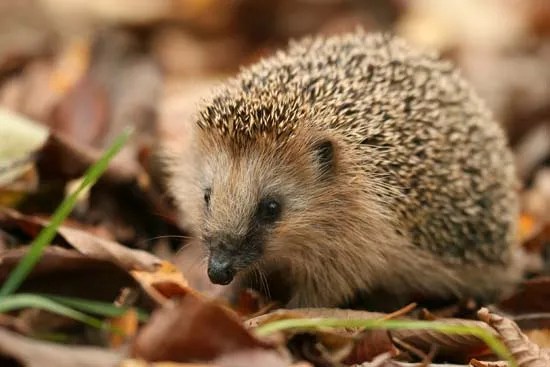
The oldest hedges are also the richest in wildlife terms, representing numerous mini-habitats accommodating a number of species. A damp ditch at the hedge’s base may be ideal for frogs while above, the dense hawthorn offers security to the chaffinch. No space is left unoccupied.
Like all habitats, the hedgerow is a harsh environment where life is a story of eating and being eaten. On the bramble the spider catches the fly, but is eaten by the foraging whitethroat, which itself may fall prey to the sparrowhawk.
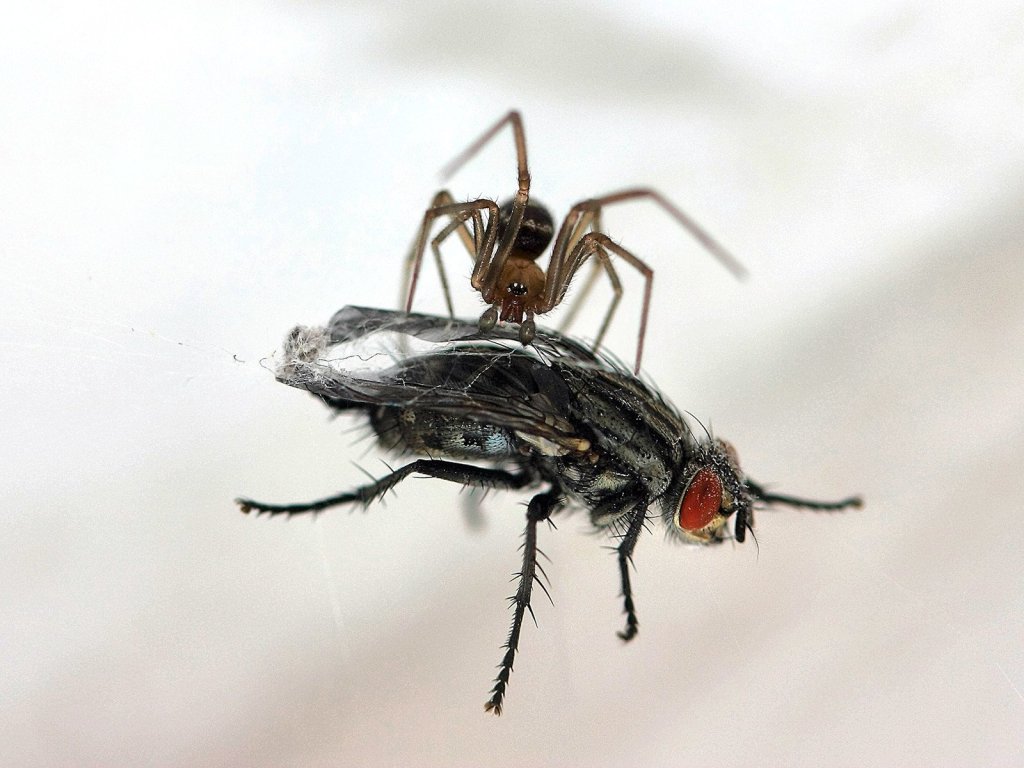
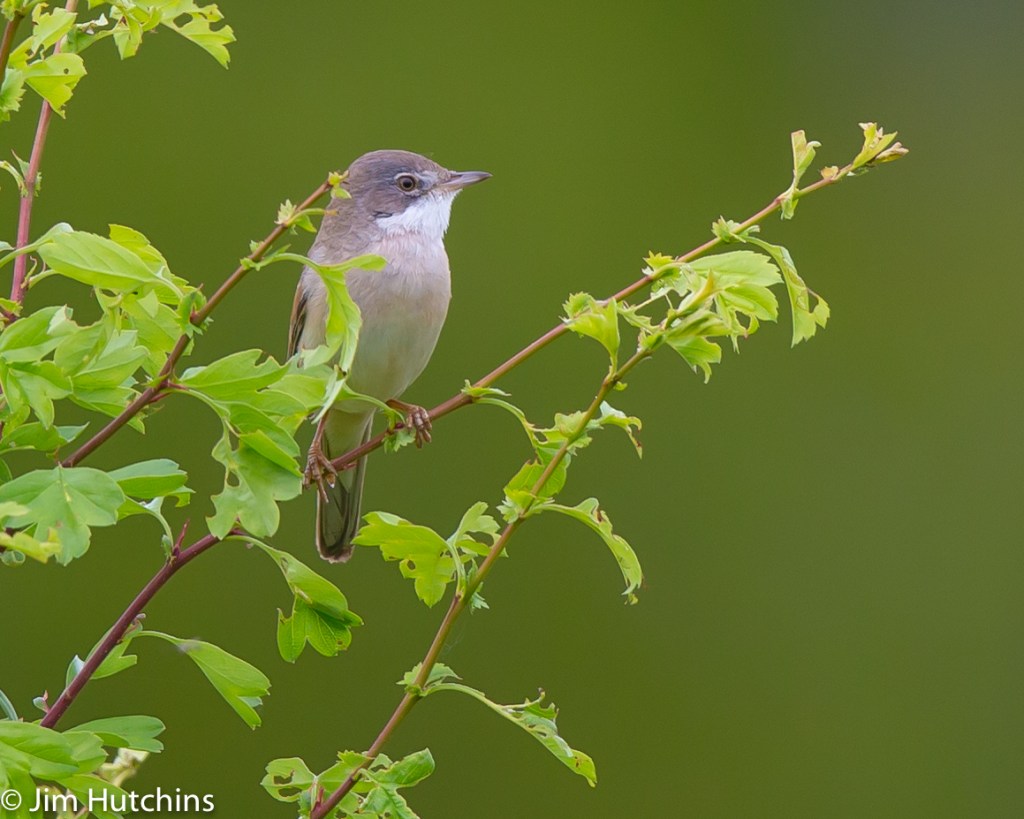

The plants themselves are the key to this complicated food chain. Their energy is obtained from non-living sources, like sunshine and minerals in the soil, and they support small mammals like voles and rabbits, that eat the plants or parts of them. Other animals such as the stoat and weasel eat the plant eaters. But let’s not forget, the plants come first – without them there would be no animals.
In recent years, many hedgerows have been ‘grubbed-up’ to increase farming efficiency, but many of those that remain bear witness to the ways in which they were once managed to maximise the valuable harvest of timber they yielded.
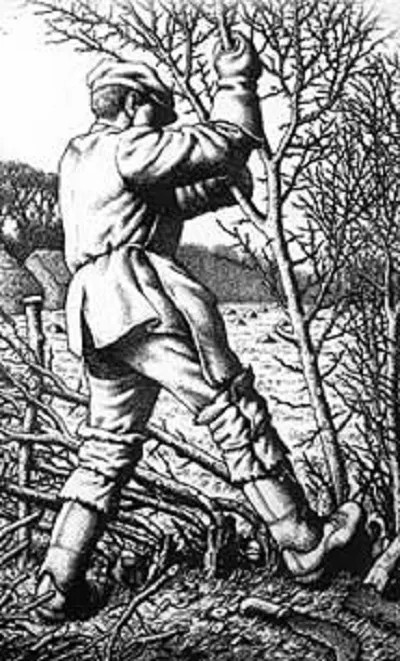
Many, planted with oak, beech and elm, were often pollarded – cut off at the bole – providing a ready supply of straight spars. Smaller hedgerow trees, such as hazel, might be coppiced, or cut back to the stump, yielding excellent wood for hurdles and thatching spars.

For many people – especially the poor – it was the wild, unmanaged hedgerows that were especially cherished. It was these, where nuts and berries flourished, that provided the richest harvest of all.

There were ‘nuts in May’ – the tubers of pignut, dug and boiled like potatoes – while in autumn there were hazel or ‘cob’ nuts to be gathered. Mushrooms and all kinds of fungi were available during the summer months.
It would be nice to believe the financial hardships experienced by our ancestors are a thing of the past. However, the constant financial pressures of our ‘global economy’ dictate that priorities have to be carefully balanced and, for farmers who retain hedgerows there remains the problem of maintenance.
Hedgerows depend for their long term survival on active management, and in its absence most would gradually turn into lines of individual bushes and trees. The labour-intensive practices of hedge coppicing and laying have been replaced by mechanical trimming which, unless very carefully carried out, can lead to gappiness and a decline in habitat quality.
Mechanical trimming may be satisfactory for a number of years but there comes a time when the hedge needs to be ‘layed’ or ‘layered’. This is a skilled job for a hedger, and like many skilled country craftsmen, hedgers are few and far between.

To lay a hedge, the main implement is the bill-hook – known in Lincolnshire as the ‘furbil’. While there are a great variety of bill-hooks, all are basically hooked cutting blades, some double-sided – one hooked and one straight – like a machete or butcher’s cleaver. This variety developed through area tradition, personal choice and the skill of the local blacksmith.

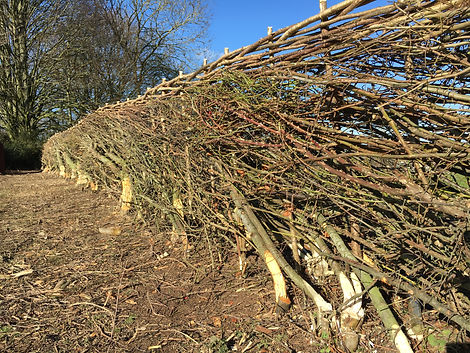
First, the hedge is trimmed of all branching growth to leave the main stems. These are then cut half through near the base and carefully bent over at a low angle, allowing the sap to rise through the uncut fibres. Work progresses along the hedge so that each succeeding stem overlaps and clears the way for the next cut. At intervals of about two feet, stakes of cleft ash or chestnut are driven in, between which the turned-over stems are woven.
Finally, the tops of the exposed stems are bound with some slender stems – the best being bramble, stripped of its thorns and woven into a rope. This holds the hedge straight, giving a finished appearance to the whole thing. In the spring, the layered stems will sprout all the way along near the base ensuring the hedge remains a uniform barrier.
The cost of effective maintenance, coupled with the economics of arable farming, increased the pace of hedgerow decline. A study taken by Lincolnshire County Council compared field boundaries on aerial photographs between 1971/2 and 1993/4. This demonstrated that there had been a net loss in the total length of hedge in all natural areas in Lincolnshire, except the fens where there had been no change.
The loss was greatest in the Clay Vale, the Middle Marsh, the Wolds and the Trent Valley and Rises where, on average, up to a quarter of the total length of hedge had been lost.
This widespread removal has been blamed for the problems of soil erosion by the wind – many can recall the disastrous ‘blow’ of 1968. There are, however, other views, and the presence or absence of hedges, it is argued, made little difference.
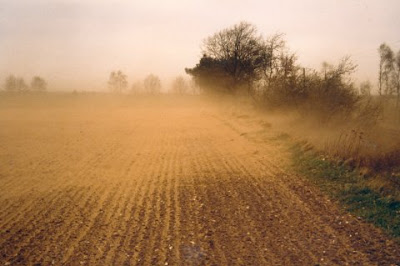
(left) Top soil erosion, often blamed on hedgerow removal
While it is not possible to resist all change, no-one – countryman or otherwise – really wants to see arable prairies in Lincolnshire, whether accompanied by soil blow or not. It is encouraging then, that a wide range of hedgerow surveys have been undertaken in the county by various groups. In addition, local authority schemes have helped with the restoration of many hedges and have resulted in the planting of new hedgerows.
Further projects – hedgerow training courses – have been run by a number of authorities and independent organisations. Furthermore, local councils have worked with landowners to plant many miles of new hedges and hedgerow trees.
Collectively, these initiatives reflect that it has been recognised that hedges are much more than boundaries: they are miniature woods, teased out in a thin, green line; an unofficial nature reserve harbouring countless species of wild plants, insects, animals and birds.
This then is the importance of our hedgerows: a mighty resource the value of which cannot be measured by columns of figures on a balance sheet. As has been shown, care is needed now and in the future to protect them from further neglect and decline, and in return, we may continue to enjoy their spring flowers and autumn berries for generations to come.
THE ABOVE ESSAY, originally written in 2004 and published in Lincolnshire Life magazine not only illustrates the immense value of our hedgerows but provides an insight into their history. Much of what we see now dates back to the contentious Acts of Enclosure, predominantly the period 1750 to 1860. However, some may even have sunk their roots in the years between 1450 and 1640. Either way, they have stood for centuries.
Now, what of the discarded waste that may today be stuffed into those hedges or strewn at their base? What will be their longevity and impact on the hedgerows’ ecosystem?
In short, it varies.
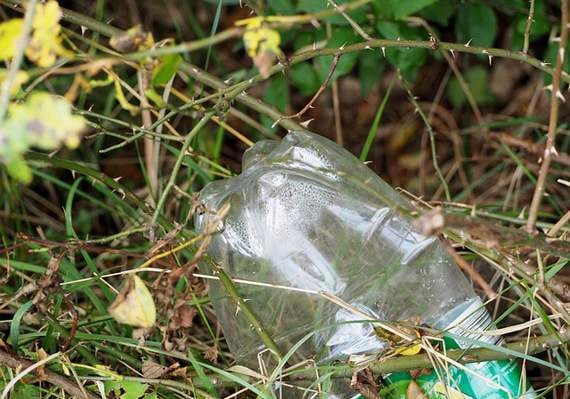
The biodegradation time for plastic bags, for example, can be anywhere between 10 and 1,000 years, depending on the material. Whilst they may break down into smaller pieces, however, they do not truly biodegrade. It is a similar story for plastic bottles. A bottle carelessly rammed into a hedge today may, unless it is removed, remain there for the following 450 years – longer than the hedge’s period of existence. In that time, decomposing-plastic leachate will seep into the soil, contaminating it with toxins. And as we have seen, the delicate food chain begins with the plants.
Glass doesn’t decompose. What is worse, glass bottles in a hedge bottom can be snares for small mammals which climb in, perhaps drawn by an enticing smell, and become trapped, dying of thirst. A recent Daily Mail article stated:

‘As many as 3.2million voles, shrews and mice die when they crawl into discarded bottles and cans and are unable to get out.’
Aluminium cans will remain for centuries, as will styrofoam.
And what of the innocent cigarette butt, thrown down in the tens of thousands without a second thought? It may surprise some to learn that biodegration time can be up to five years. The filters, however, are made of cellulose acetate, and take even longer to break down. More leachate. More toxins.
This is just a brief overview of litter impact and longevity. As for hedgerow life-expectancy, we have seen here that it is heavily dependent upon effective, sensitive maintenance, and unless we are ourselves landowners responsible for maintaining them, there is little we can do, aside from lobbying relevant authorities and organisations, urging that it be done correctly.
We can all, however, strive to keep them clean.

 RAVEN MOON