

Yesterday, my wife, Julie, and I decided to take advantage of the spring sunshine and go for a walk. Well, actually, it was to be a multi-purpose event. There would be the enjoyable ramble in nature, of course, but this would be combined with some birdwatching, and a litter-pick, too.
Having filled six bags last week, with litter from the verges and roadsides in our own village, we decided to travel out to Laceby, west of Grimsby. Our chosen location had been the site of several earlier such rambles, and had also prompted one of my January posts, ‘Lincolnshire’s Amazing Blow Wells.’
The site, a blow well and wetland area adjoining the River Freshney, is a remarkable wildlife sanctuary set amidst two large and well-established residential estates, and further flanked by an area to the west which is targeted for development. This valuable safe-haven is therefore under threat, and its days as a refuge for birds and animals, and a vital recreational green space for residents may well be numbered.
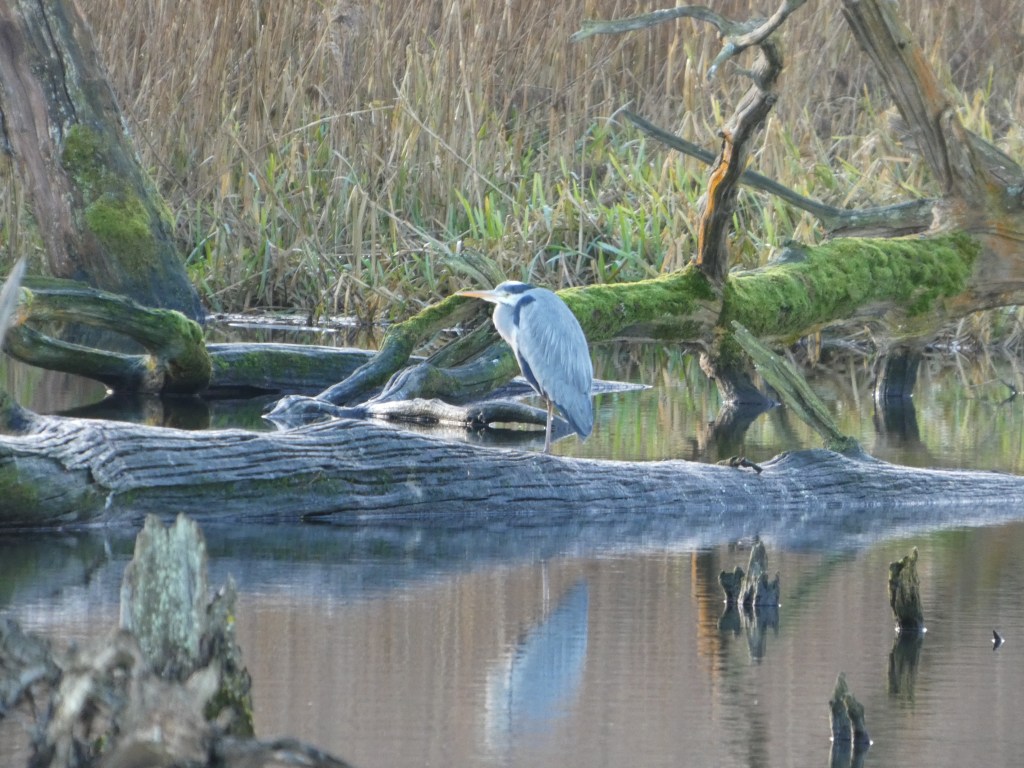
Be that as it may, Julie and I were determined to enjoy the sunshine and surroundings, and do our bit to keep the area tidy. We figured that, as schools had been closed for the easter break and more children will have been using the paths and trails, there may well be a good deal of rubbish to clear. We were wrong, as it turned out. The litter was only light, restoring to some degree my faith in human nature, and we ended the walk with only one ninety-litre bag half full.
Most notably, perhaps, if I was to choose one element that characterised this particular walk, it would be the birdsong. The area – grassy, riverside paths weaving through reed-edged ponds and scattered with copsewood and dense scrub thickets – was alive to the sound of a multitude of birds.
‘From the furthest reaches of Europe and Africa, birds are arriving, drawn to the woodlands by some instinct, each new arrival adding to the chorus. On the first warm breezes of spring, chiffchaffs blow in, their songs echoing from the treetops. Soon the notes of blackcaps and garden warblers pour from the greening hollows, and willow warblers fill the trees with melody.’
From ‘Secret Life of a Forest’ by Stephen Dalton with Jill Bailey, 1986.
There was certainly a melody yesterday, and it was lovely to hear. We stopped at one point, where the footpath skirts one of the largest of the site’s blow wells. There, Julie recorded the birdsong, using the Merlin Bird ID App. In only a little over three minutes the App had detected and identified ten separate species:
- Common Chiffchaff
- Little Grebe
- Common Reed Warbler
- Mallard
- Common Chaffinch
- European Robin
- Sedge Warbler
- Great Tit
- Common Moorhen
- Cetti’s Warbler
No sooner had Julie stopped the recording when, in the middle distance, the Buzzard we’d seen earlier perched in a treetop, called out, adding its own distinct voice.
Of those birds listed above, one was particularly vocal, and among the background tweets, calls and warbles, one explosive, bubbling call eclipsed all others, demanding to be heard. This was the elusive Cetti’s Warbler, a bird that loves to be heard but not seen.
Typically, the Cetti’s Warbler will call out, before flitting among reeds or undergrowth to a new location. Spotting the Cetti is therefore a challenge, and sightings are often little more than glimpses of a flitting, russet blur among dense cover.

The small warbler – rather unjustly described on the RSPB’s website as a ‘small, rather nondescript bird,’ is one whose status as a UK resident is a recent success story. It was first recorded in this country in 1961, when it was a summer visitor – but it was not until 1973 that the species first bred here, in Kent.
Since then its distribution has been modest, edging northwards, occupying reedbeds, wetlands and marshes. Even today, its area of residency is small and appears tightly selective. So we are lucky to have them, for the nearby reedbeds would not be the same without the Cetti.
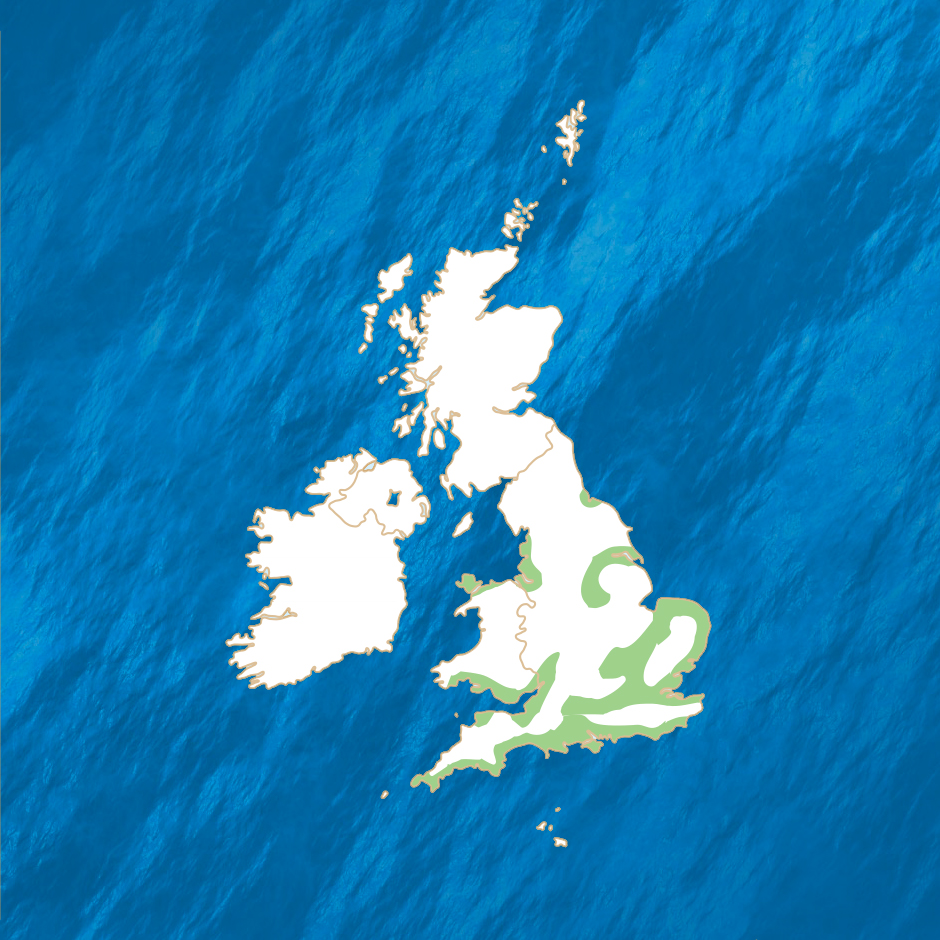
Hopefully it will be some time before the planned development goes ahead at Laceby, and this wonderful warbler’s strident song can continue to be heard there for many years.

 RAVEN MOON