
I have lost count of the number of times I’ve read ‘The Lord of the Rings.’ With its expansive tale, memorable characters and beautifully-depicted settings, the timeless and much-loved, saga is presented in a language that is both deep and rich; every page a wealth of writing that is lyrical, poetic, and yet intensely profound.
It is a book that demands to be read again, and again.
My posts ‘Set on a Pilgrimage’ and ‘A Delayed Departure’ reveal how, as days become shorter, turn cooler, and as brown and mottled leaves begin to fall from the trees, I am drawn back to Middle Earth.
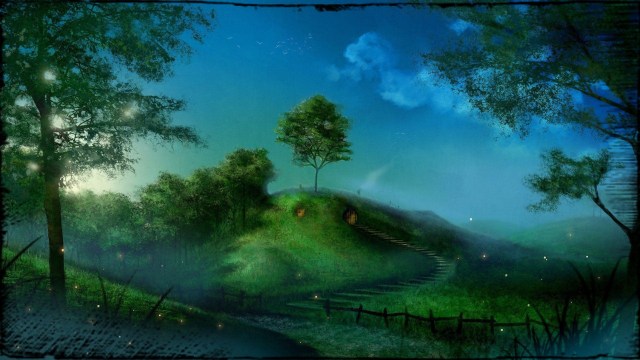
In another of my posts – ‘A Wizard’s Words of Encouragement’ – I give just one example in which Tolkein’s writing is not simply pertinent to the tale by moving the plot forward and influencing a key character’s inner journey, it also prompts the reader to reflect on its relevance on a personal level.
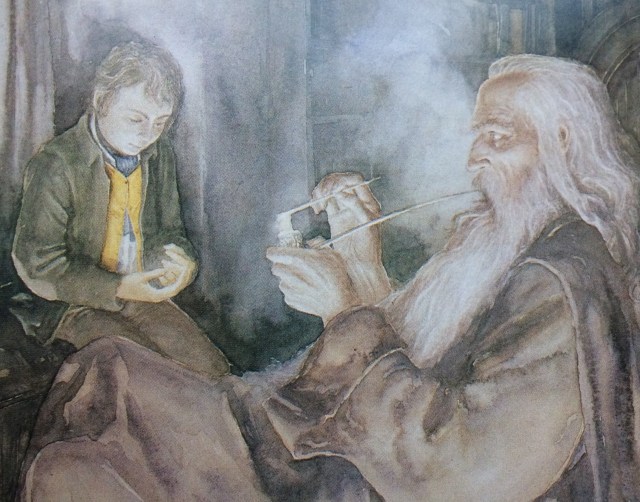
Time and again, the prose crosses the boundary of fiction to become an exploration of fundamental truths; a guide to life itself.
My regular revisits to this extraordinary tale have been in good company. Actor Christopher Lee was also drawn back time and time again, before he, too, journeyed beyond the Grey Havens in 2015.
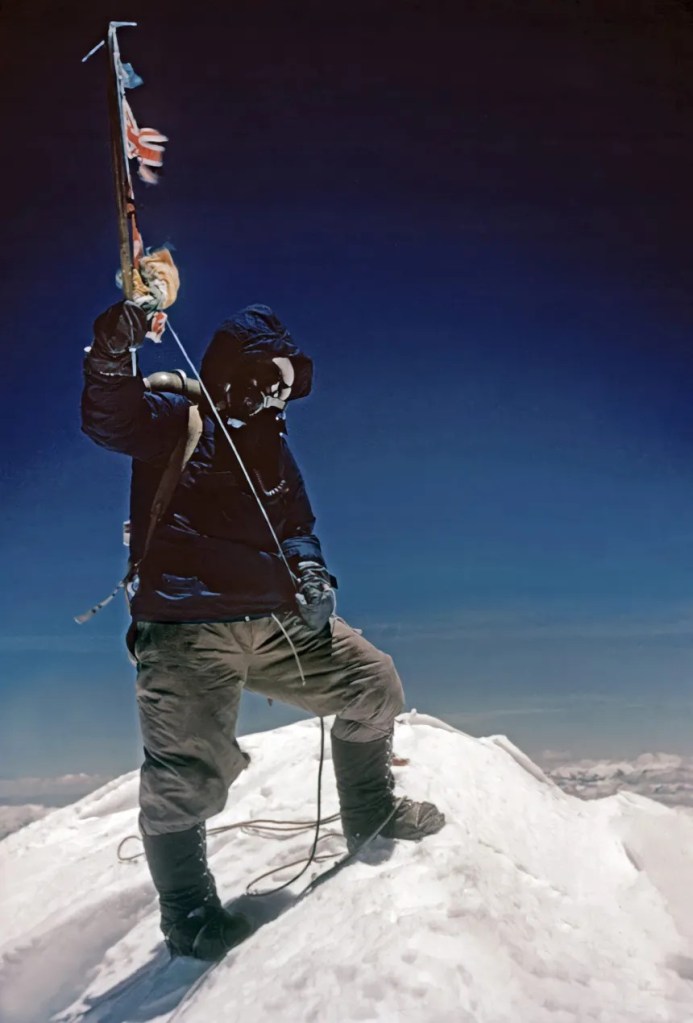
My namesake, too, the explorer Sir Edmund Hillary, also loved the tale, returning to it often.
Irrespective of the number of times I’ve read The Lord of the Rings, each visit has never failed to reveal something previously overlooked. Amazingly, phrases leap from the page as though seen for the very first time.
Recently, I found one such passage in the first book, ‘The Fellowship of the Ring’ (my favourite of the three), within the chapter, ‘Farewell to Lorien.’
By this point in the tale, the fellowship have braved the horrors of the Mines of Moria, suffering a devastating loss there, before eventually finding refuge in the Elven realm of Lothlorien.
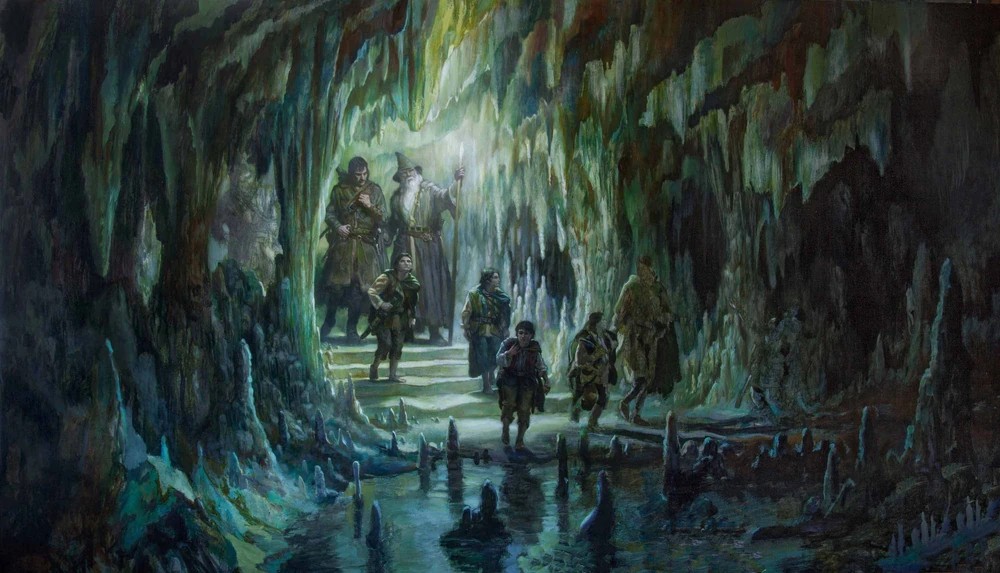
Here, they have been met by the ethereal and majestic Lady Galadriel.
Of the eight remaining characters among the fellowship it is, perhaps, Gimli the dwarf, who is most bewitched by this celestial Lady of the Wood.
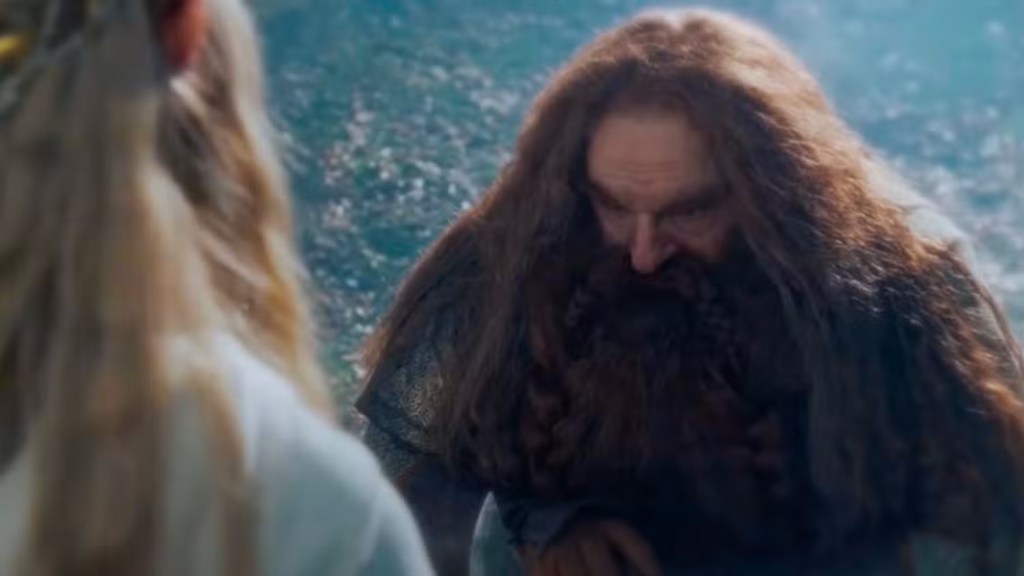
For, despite the ages-long enmity between Elves and Dwarves, Galadriel had welcomed him specifically, saying:
‘Welcome Gimli, son of Gloin! It is long indeed since we saw one of Durin’s folk in Caras Galadhon. But today we have broken our long law. May it be a sign that though the world is now dark better days are at hand, and that friendship shall be renewed between our peoples.’
In response, we are told, ‘Gimli bowed low.’
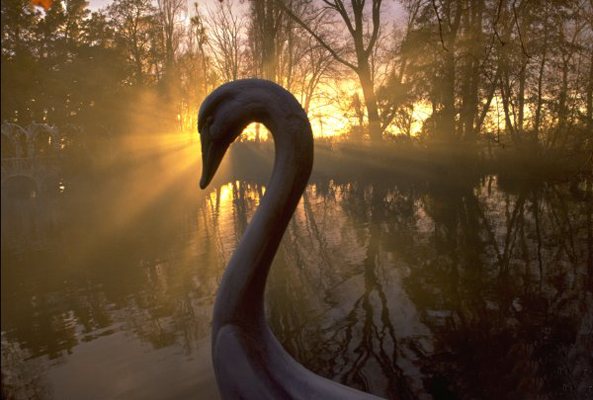
Later, rested and restored, each member of the fellowship is bestowed with gifts and the party equipped with three boats unlike any they had seen before.
These were to carry them southward, down the River Anduin. Thus kitted out, they then bade farewell to their hosts and departed on the next stage of their perilous journey.
Gimli shared a boat with the Wood-Elf, Legolas, with who he was forging an unlikely bond of friendship.
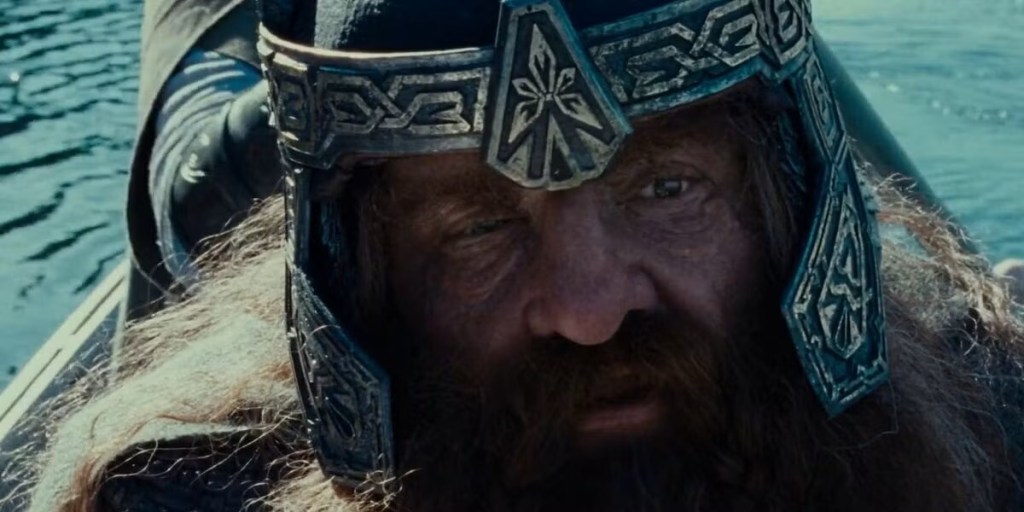
As the pair draw away from the Elven realm we see Gimli is deeply troubled. Indeed, shortly after their departure from Lorien we are told:
Gimli wept openly.
It is at this point that the stoic and stouthearted dwarf expresses his feelings:
‘Tell me, Legolas, why did I come on this quest? Little did I know where the chief peril lay! Truly Elrond spoke, saying that we could not foresee what we might meet upon our road. Torment in the dark was the danger that I feared, and it did not hold me back. But I would not have come, had I known the danger of light and joy. Now I have taken my worst wound in this parting, even if I were to go this night straight to the Dark Lord. Alas for Gimli, son of Gloin!’
To this, Legolas responds:
‘Nay! Alas for us all! And for all that walk the world in these after-days. For such is the way of it: to find and lose, as it seems to those whose boat is on the running stream.’
To appreciate the significance of this small passage we must first look at the character of Gimli.
The dwarven warrior is a sturdy, battle-hardened veteran, robust and resilient. Many times has he overcome doubt, trusted to his axe and arm, and won the day. His fearlessness has been his armour and his shield.
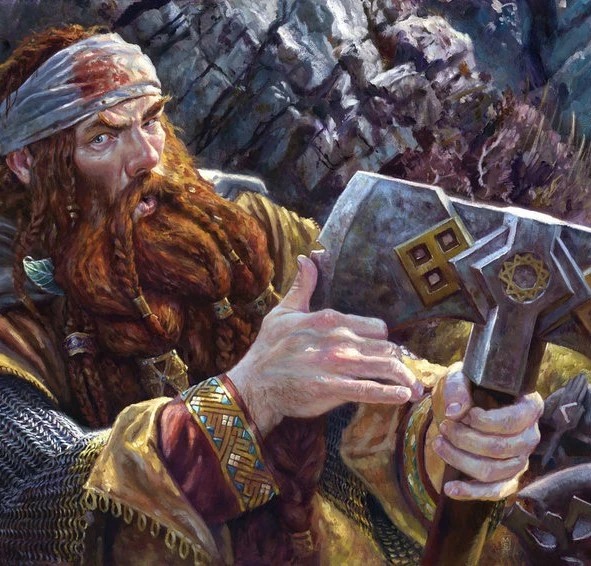
In Lothlorien, however, Gimli found himself in unfamiliar territory. Not only was he among Elves, a race long viewed with suspicion by his own kind, but in the Lady Galadriel he was presented with such overwhelming grace, virtue and beauty that he was instantly and unexpectedly smitten. This had the effect of pulling the rug from under him. For here, neither axe nor arm could protect him. Gimli was suddenly vulnerable like never before.
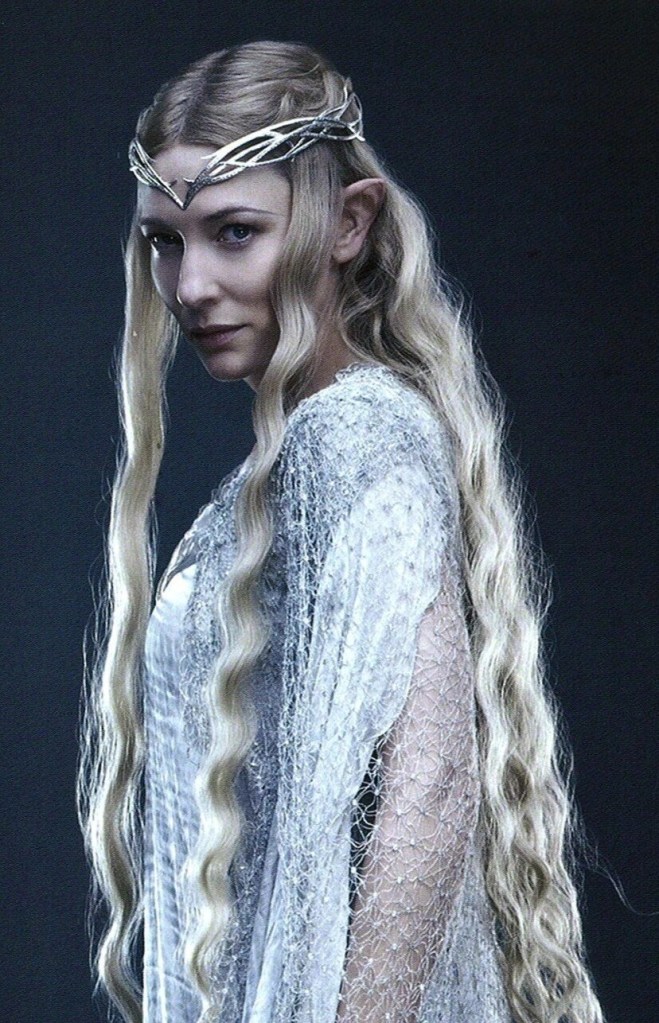
Furthermore, having been touched by such beauty, and felt such love in his heart, he then had to say ‘goodbye.’
And it is this painful parting which cut him far deeper than any axe, sword or arrow could ever have done. He suffered a bloodless wound, and was hurting.
Tolkein skilfully shows us here that, whilst darkness and evil have the power to unnerve us, prompting us to summon inner strength to rise above it, love has greater power. And however potentially hurtful it may be, love enhances life, rather than diminishes it. Through such hurts we grow.
This is one of many themes and sentiments the author skilfully weaves into the tale, and it is one to which he provides a precursor only a few chapters earlier. In that previous passage, Elven warrior, Haldir, is talking to the Hobbit, Merry. And like so many such exchanges in this wonderful work of fiction, its relevance to today is both prophetic and immediate:
‘The world is indeed full of peril, and in it there are many dark places; but still there is much that is fair, and though in all lands love is now mingled with grief, it grows perhaps the greater.’
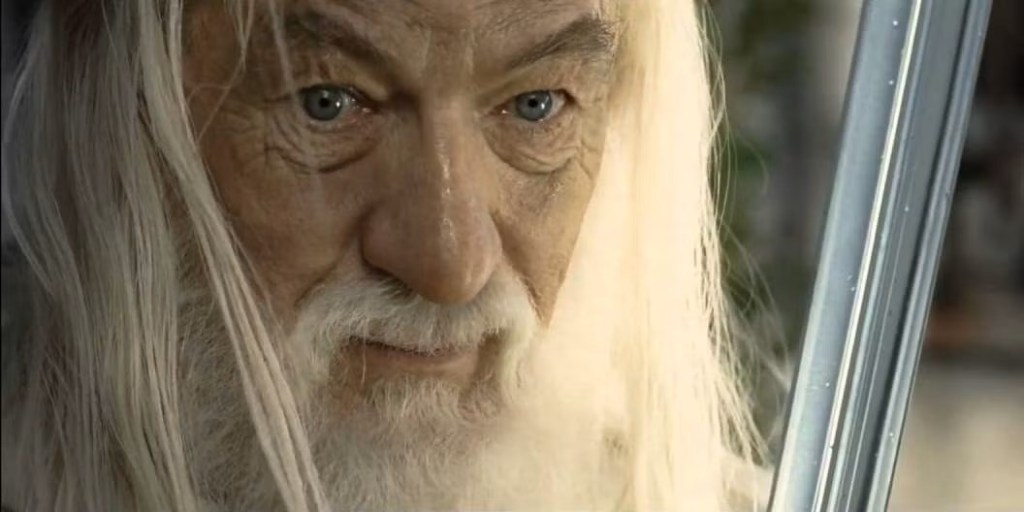
Had the wizard Gandalf been present when Haldir spoke those words, I have no doubt that he would have smiled sagely, adding:
‘And that is an encouraging thought.’
 RAVEN MOON