
We never stop learning, do we. Even during our leisure, when we take time out to ‘quieten our minds’ and relax awhile — even a quiet mind remains alert to new discoveries.
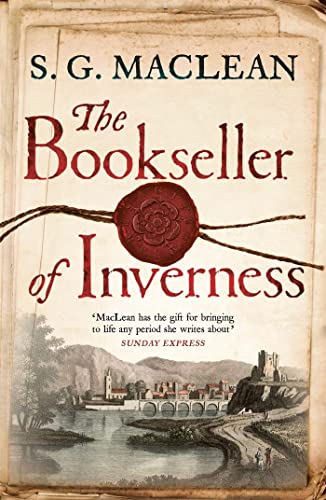
Earlier today, while reading the historical novel ‘The Bookseller of Inverness’ by S. G. MacLean (which is excellent, by the way), I came across this passage:
‘Richard Dempster, who had been watching them both, and trying to follow their conversation in Gaelic, went back to his tidying and making ready the bundle of loose chapters and parts of books to be offered to the chapman when he called.’
Chapman?
I re-read the phrase and considered the context. Was a chapman one who assembled chapters of a book for binding, perhaps?
I decided to find out.
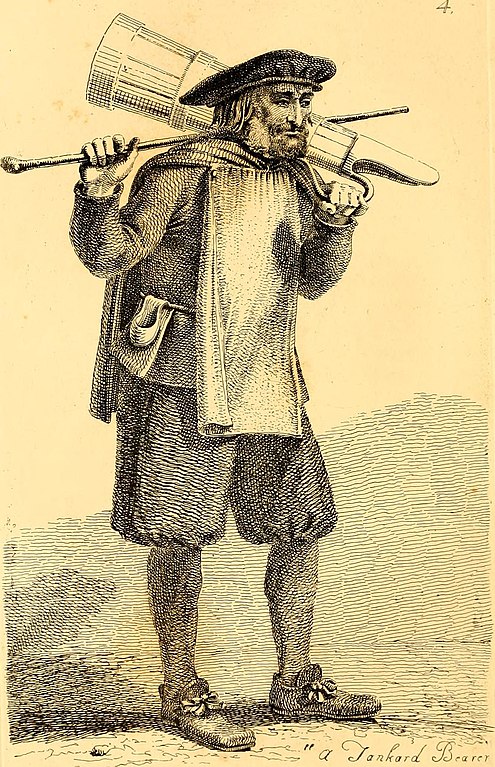
Chapman, it appears, was the name given to an itinerant trader, peddler or hawker – an early wheeler-dealer.
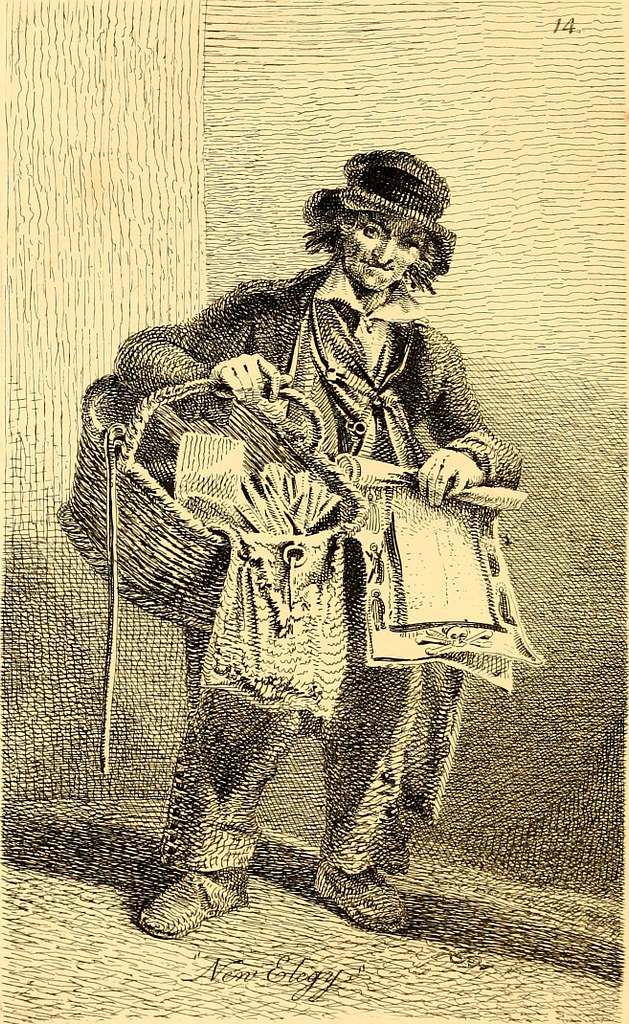
Like many terms once ascribed to an occupation, this one, too, eventually became a surname – a common one at that. The abundance of individuals called ‘Chapman’ today is no doubt due to the large number of such traders through history.
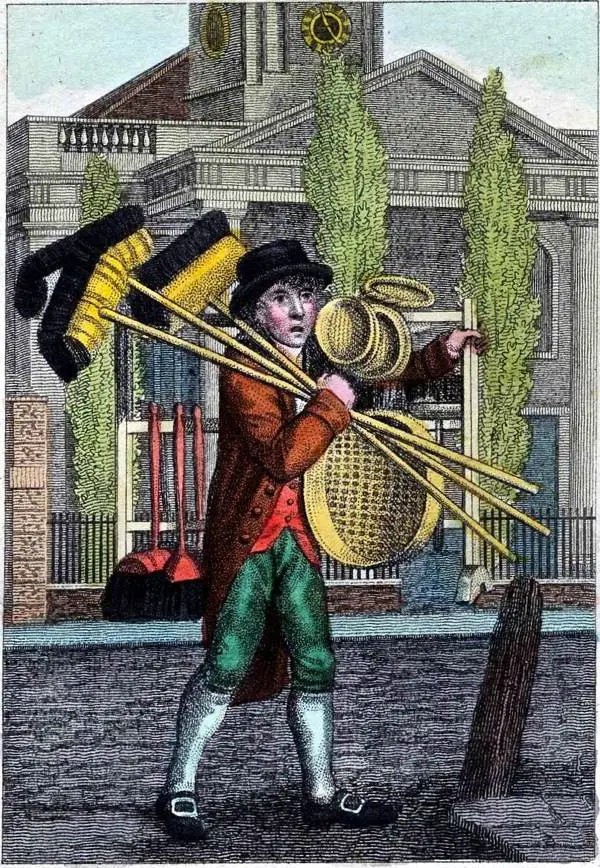
The term has its origins in Old English – céapmann – a word akin to the Dutch ‘koopman’ and German ‘kaufmann.’ Moreover, the root-term ‘céap’ simply meant trade, deal or do business.
From this, we now have ‘cheap’ a word widely-used to mean ‘low priced’ or even ‘shoddy.’ Its literal translation, however, was nothing more than ‘a good deal.’
Old English ‘céap’ also led to the term ‘cheap‘ meaning a place of business, such as a market.
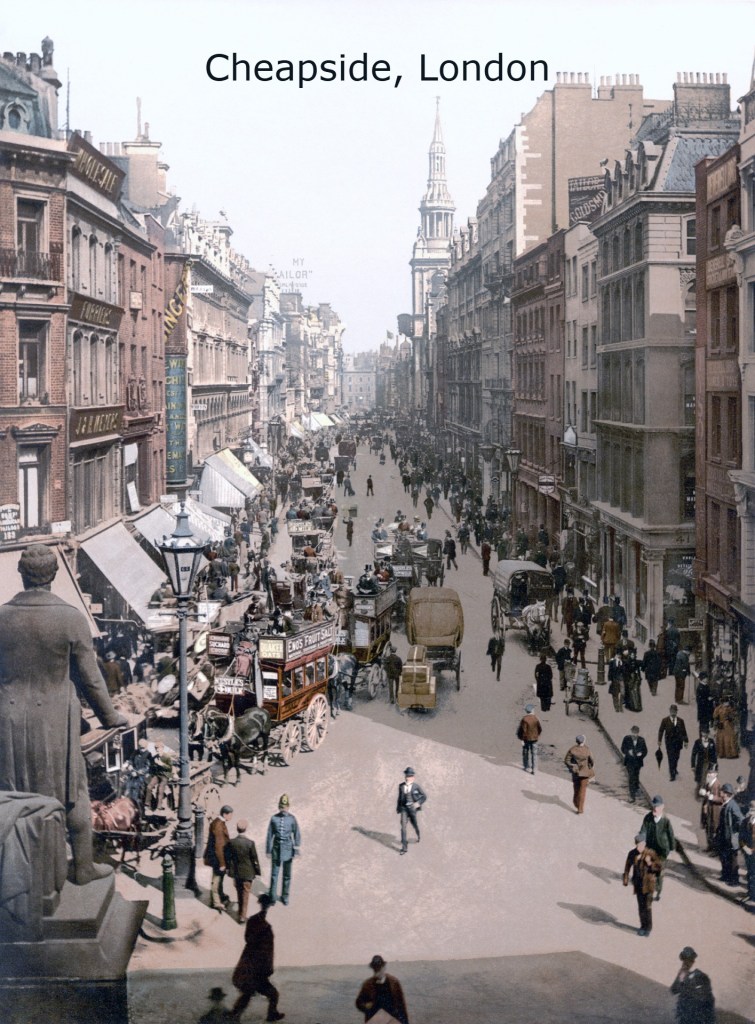
From this we now have thoroughfares such as ‘Cheapside,’ and towns, such as Chepstow and those having the prefix, Chipping.
Some place names elsewhere can also be traced to such a root. The Danish capital Copenhagen is derived from Køpmannæhafn, meaning ‘merchants’ harbour’ or ‘buyer’s haven’.
Finally, another word we often use today arose from a corresponding slang term used to describe someone with who to do business. Modern variants for that word would be such as ‘man,’ bloke’ or ‘fellow.’ However, the word ‘chap’ originally meant ‘customer.’
We never stop learning – even when we relax.
 RAVEN MOON