
As befitting a writer known to have a ‘butterfly mind,’ my blog comprises a potpourri of posts written on a random range of subjects. Lacking an overarching theme or intended direction, the various essays have been prompted by whatever may have occupied my thoughts and tickled my imagination at the time of writing.
However, a number of the entries do have have one commonality: they show that we in England have inherited a rich cultural heritage. We are beneficiaries of a multi-layered historical legacy, one that may not always be immediately apparent.
In some cases, signage in villages and towns direct us to features of historical importance, or reveal significant past associations.
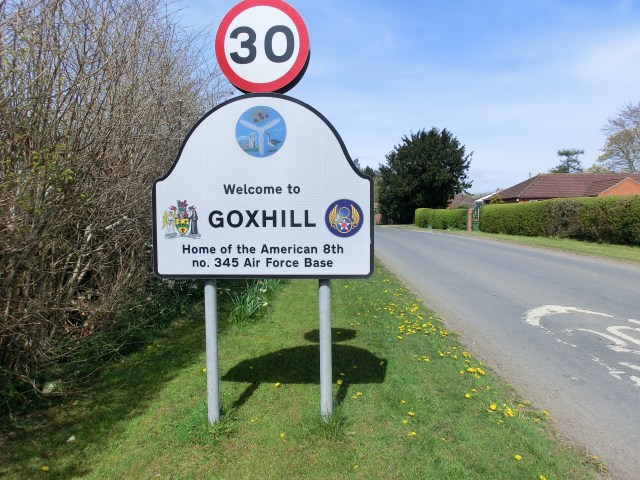
The July, 2024 post, ‘Goxhill’s Fighting Scouts,’ is one such case. Here, the village’s signboard proudly declares its past links with the US Air Force.
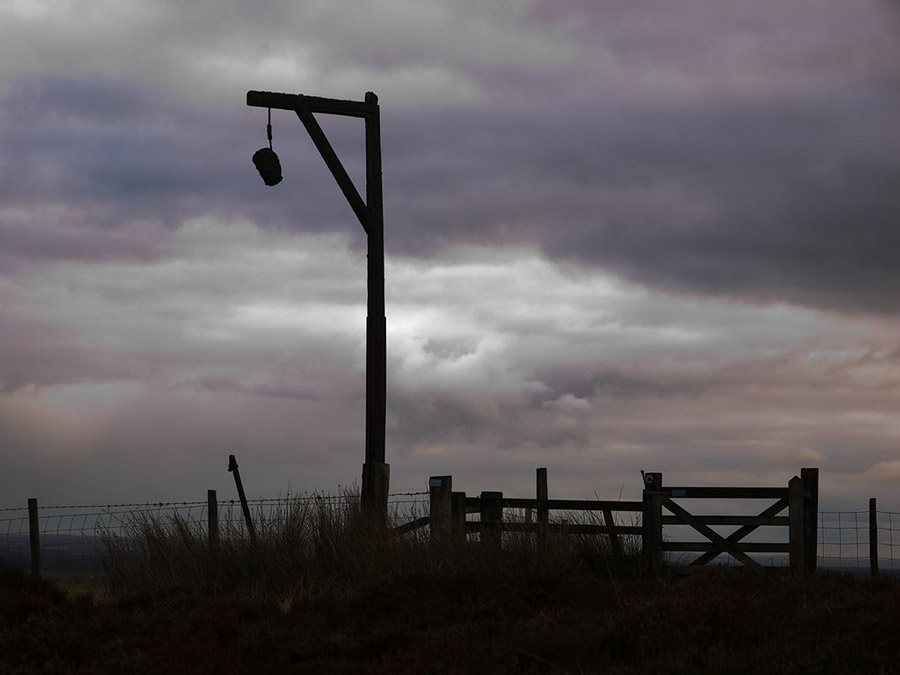
The ominous name of a local woodland triggered the November, ‘24 entry, ‘Gallows, Cod Wars and Pirate Radio.’ Research resulted in a tangled narrative which began with a seventeenth-century monarch’s threat to two local families, and eventually led to the creation of a frozen food giant and a subsequent connection to Radio Caroline.
‘The Battle of Riby Gap,’ published on December 26 last year, was inspired by a few lines of text in a book on local history that I’d read during childhood. More recently, a search for a medieval, Tournai Font in a nearby village revealed, instead, a Bronze-Age Barrow only a few miles from my home. This, too, warranted (in my mind, at least) a dedicated post – ‘Wootton Howe’.

I closed my last post, ‘Journeys’ (published on January 10 this year) with the Pilgrim Fathers having crossed the Atlantic Ocean and reached their destination, Plymouth, Massachusetts. The year was 1620.
This had been yet another ‘local interest’ story.
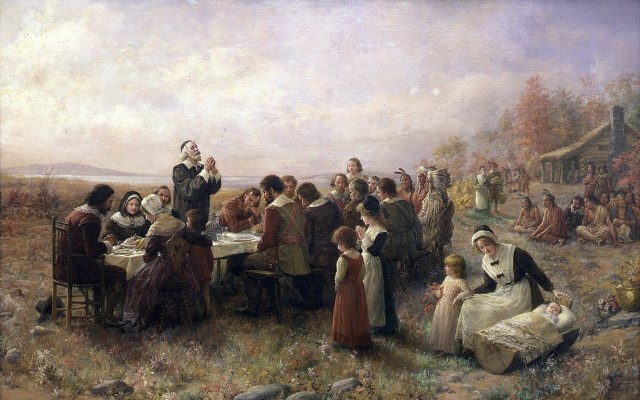
The Pilgrim Fathers had embarked in 1609 from the nearby village of Immingham. Their journey, which took them down the Humber estuary and across the North Sea to The Netherlands, was only the first stage of their journey.
It was to be another eleven years before they finally undertook their perilous, epic voyage to North America. For the time, this later crossing was an outstanding feat.
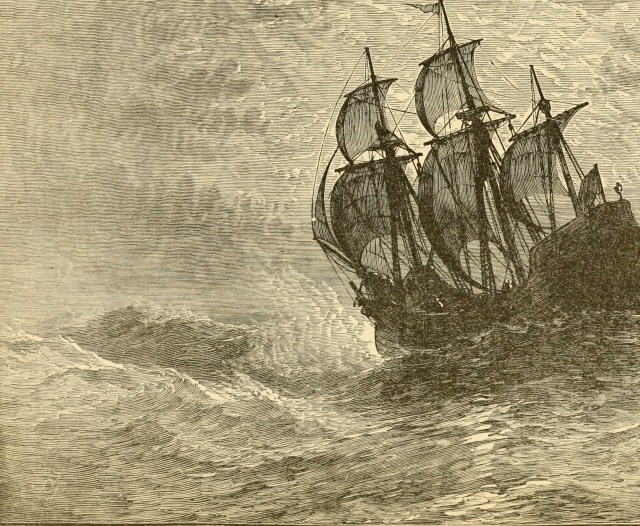
Even today, travelling 4,000 miles under sail is considered to be a daring enterprise. Four hundred years ago, however, the pioneering Pilgrims achieved this without the aid of a basic navigational necessity now taken for granted – the ability to chart one’s geographical position in terms of Longitude.
The problem of calculating longitude at sea would not be solved until the 1760’s. The invention finally allowing such calculations would be the Marine Chronometer, and to tell the story of its discovery we must, rather remarkably, look to yet another north Lincolnshire village, one that is only five miles from my home.

North-south geographical coordinates had long been understood and plotted, ranging from minus 90 degrees at the South Pole to plus 90 degrees at the north pole, with zero degrees being the Equator. These coordinates are constant, irrespective of the time of day.
In 1620, when the Pilgrim Fathers embarked on their odyssey, calculating accurate east-west positioning was unachievable. The earth’s rotation, the resulting constant local time variations and other complex variables rendered the calculation of these coordinates impossible at that time.
Discovering a reliable method of determining longitude was eventually achieved, thanks to the skills and ingenuity of a Lincolnshire clockmaker.
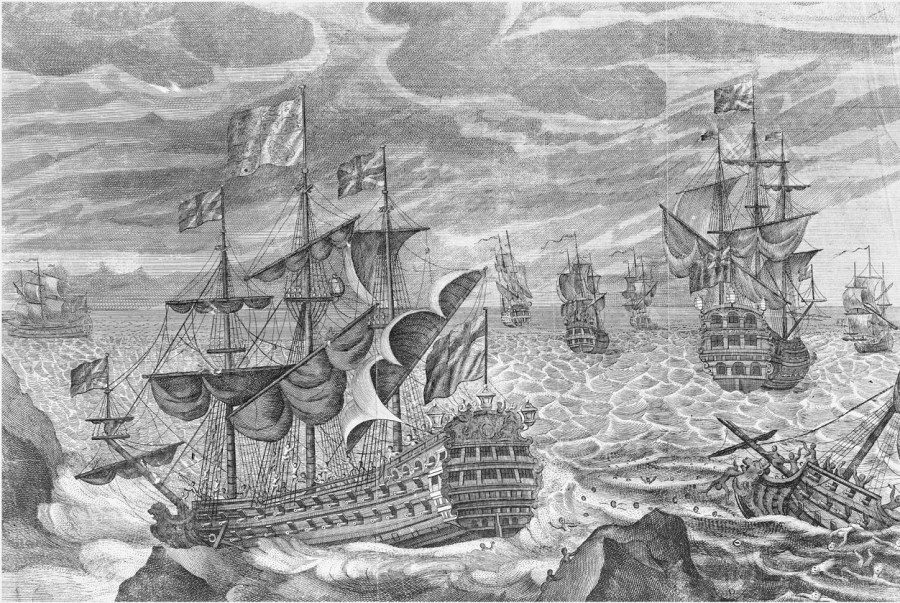
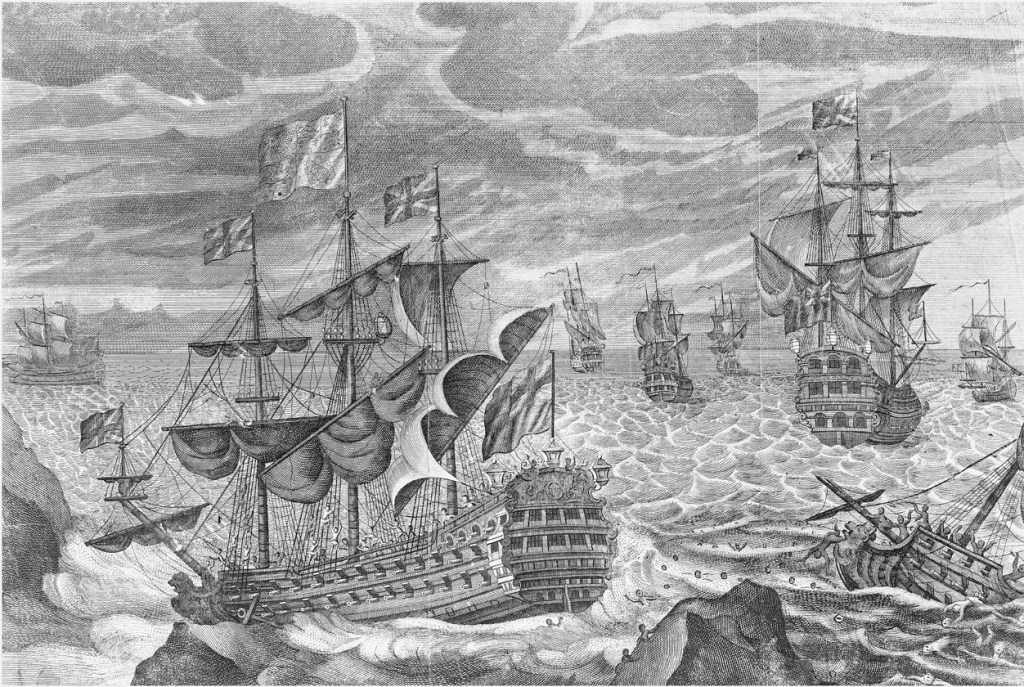
The story begins with one of the worst maritime disasters in British naval history, when, on October 22, 1707, four Royal Navy warships were dashed against rocks in severe weather off the Isles of Scilly.
Between 1,400 and 2,000 sailors lost their lives.
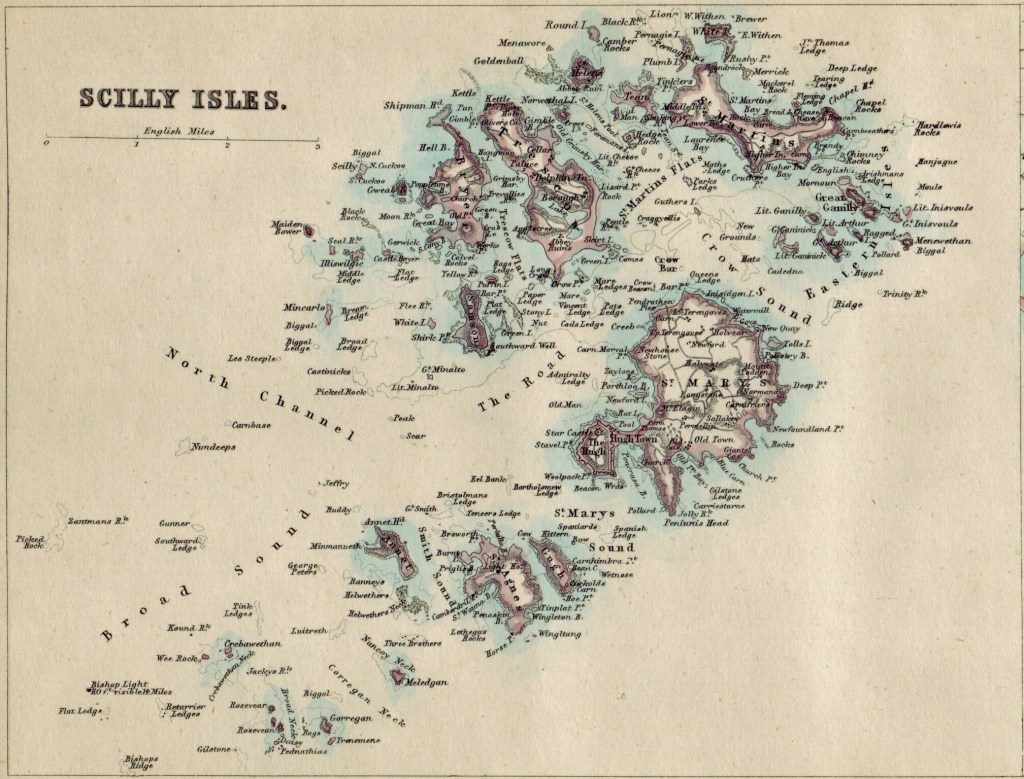
The tragedy was attributed to an interplay of factors. One was navigators’ inability to accurately calculate their geographical positions. This prompted Parliament, in 1714, to pass the Longitude Act, by which financial rewards of up to £20,000 (equivalent to £3.97 million in 2025) were offered to whoever could provide a solution to the dilemma.
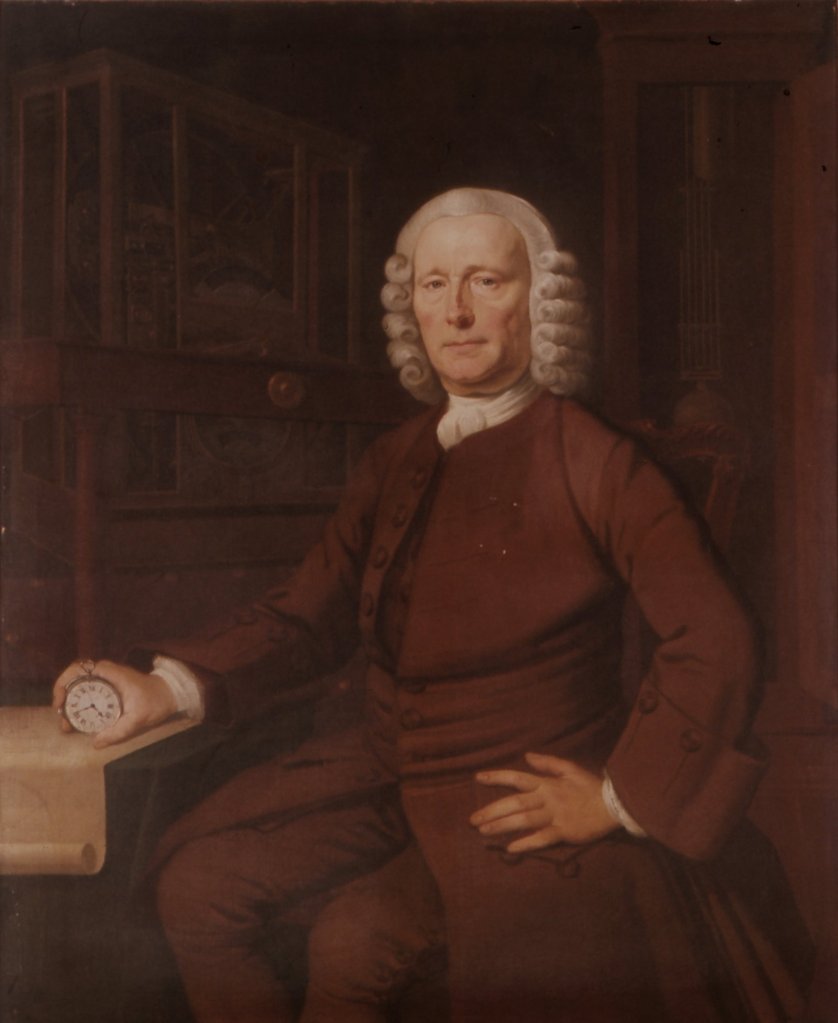
The problem-solver proved to be John Harrison, who was born in Foulby, Yorkshire, in 1693. In or around the year 1700 he moved to Barrow upon Humber, in what is now North Lincolnshire. By this time, he had followed his father into the carpentry trade, and his fascination for clocks led to him building and repairing them in his spare time.
For example, sometime in the 1720s, Harrison received a prestigious commission from the nearby Yarborough Estate to make a new turret clock for the stable block at Brocklesby Hall, the Lincolnshire home of the Earl of Yarborough.
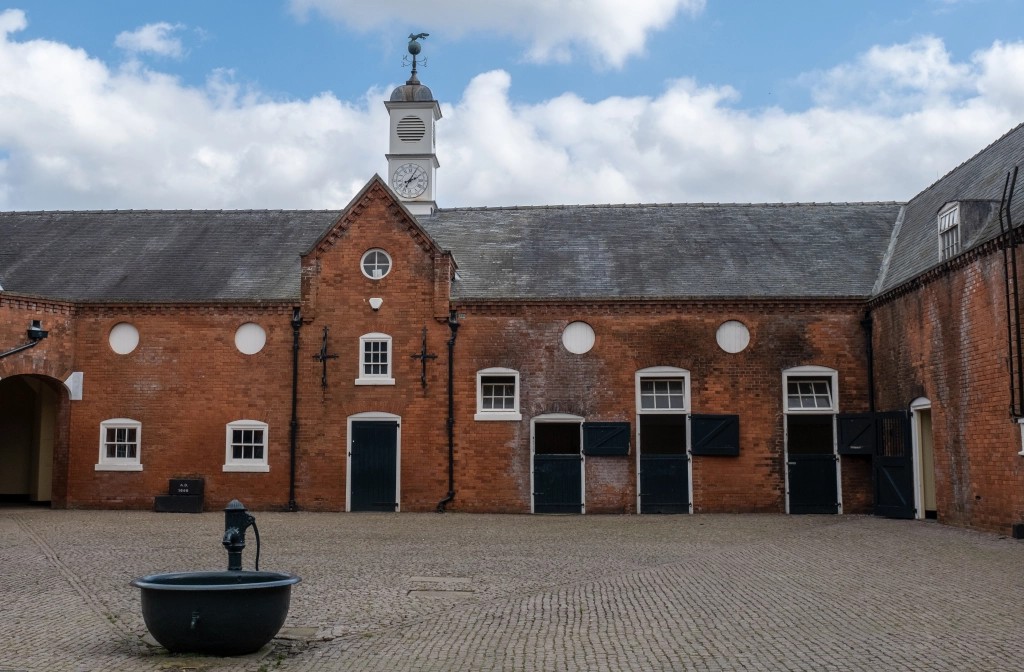
The Harrison clock is still there today. It continues to keep time, and like his previous clocks has a wooden movement of oak and lignum vitae.
It is not clear when Harrison embarked on the task of solving the Longitude problem. His initial aim was to produce a reliable clock that could keep the time of the reference place accurately, over long intervals and without the need for constant adjustments.
It is documented, however, that it took him five years to design and build his first ‘sea clock’. This was only one step toward finding a solution.
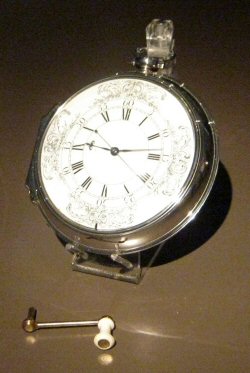
To succeed, it would be necessary for him to create a clock unaffected by variations in temperature, pressure or humidity. It must also be able to resist corrosion in salt air, and to function on board a constantly-moving ship. Such was the scale of the problem, some prominent scientists, including Isaac Newton, had expressed doubts that such a clock could ever be built.
The Lincolnshire clockmaker dispelled all such doubts and succeeded.

The full story of how Harrison finally achieved success, and then struggled to secure the promised reward from Parliament, is as complex, highly technical and as knotty as the Longitude problem itself. It is an elaborate narrative – one this post doesn’t aim to untangle.
Instead, my goal has simply been to highlight that, once again, another sleepy and unassuming village in this corner of Lincolnshire has strong links to an event of significant historical importance.
For any reader wishing to learn more of John Harrison’s achievement, there is an abundance of material in print and on-line. The account has also been dramatised.
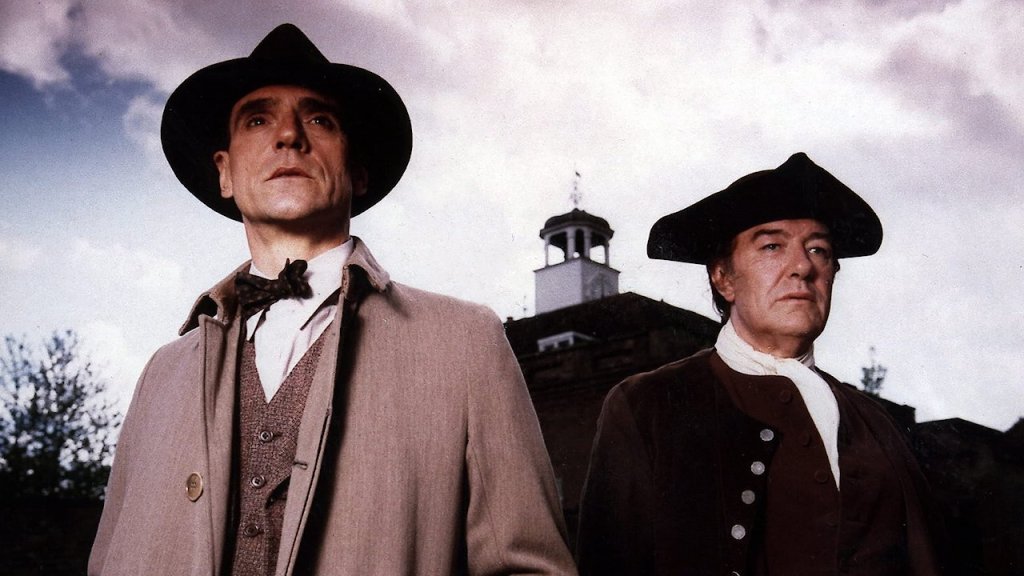
In January, 2000, Granada Film Productions televised a two-part drama portraying the story. Alongside actor Jeremy Irons, ‘Longitude’ starred Michael Gambon as Harrison.
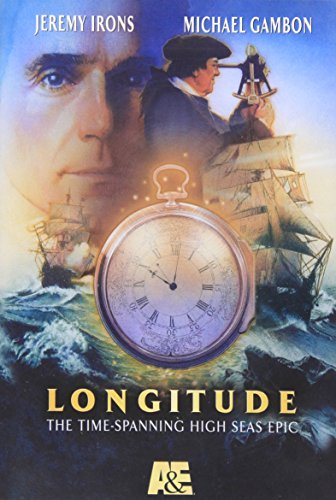
Here’s the plot summary:
In the eighteenth century, the only way to navigate accurately at sea was to follow a coastline all the way, which would not get you from Europe to the West Indies or the Americas. Observing the sun or stars would give you the latitude, but not the longitude unless done in conjunction with a clock that would keep time accurately at sea, and no such clock existed. After one too many maritime disasters due to navigational errors, the British Parliament set up a substantial prize for a way to find the longitude at sea. This movie’s main story is that of craftsman John Harrison (Sir Michael Gambon). He built a clock that would do the job, what we would now call a marine chronometer. But the Board of Longitude was biased against this approach and claiming the prize was no simple matter. Told in parallel is the twentieth century story of Rupert Gould (Jeremy Irons), for whom the restoration of Harrison’s clocks to working order became first a hobby, then an obsession that threatened to wreck his life.
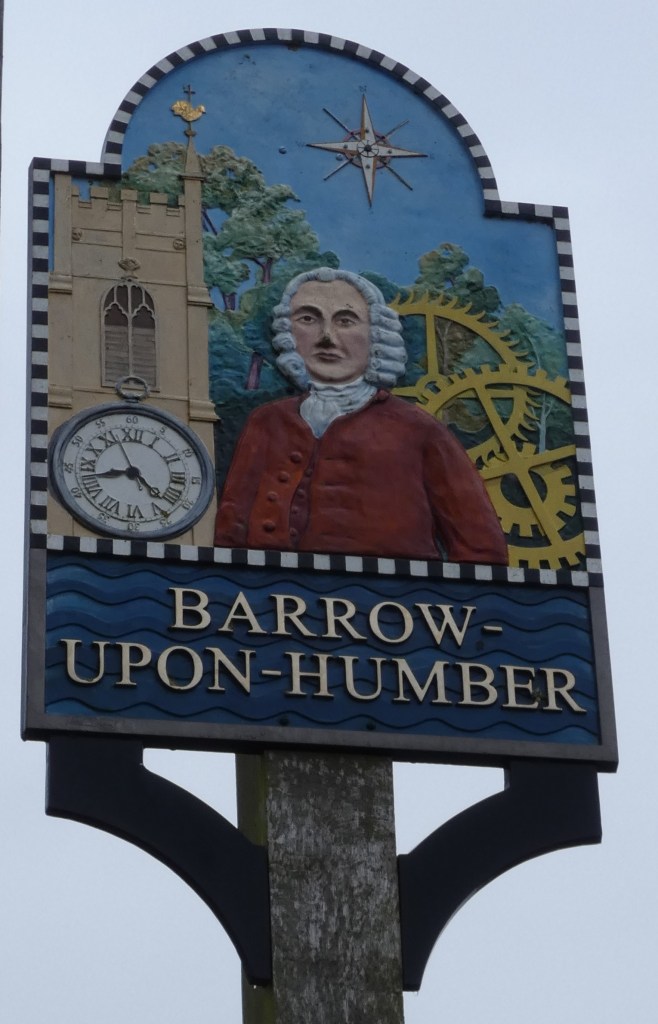
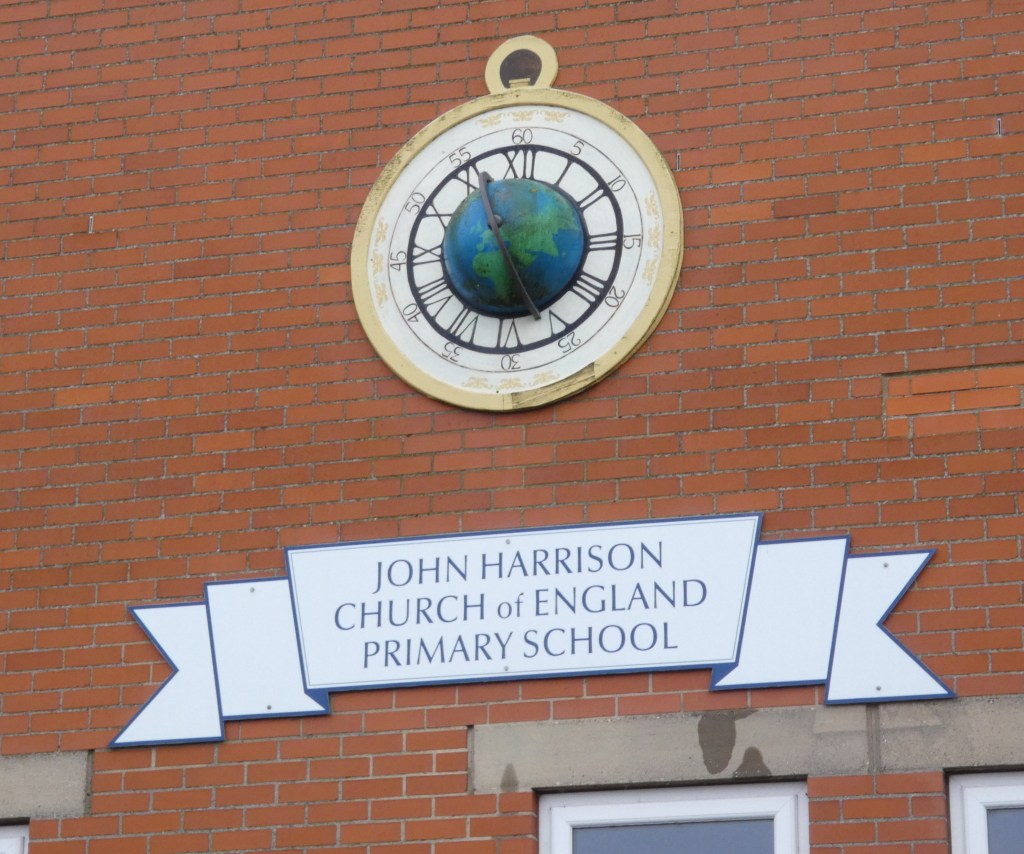
John Harrison’s accomplishment is memorialised in the village that was once his home and place of work. Barrow-upon-Humber’s junior school is named after him, and prominent signage above the entrance uses a striking pictorial representation to exhibit his achievement.
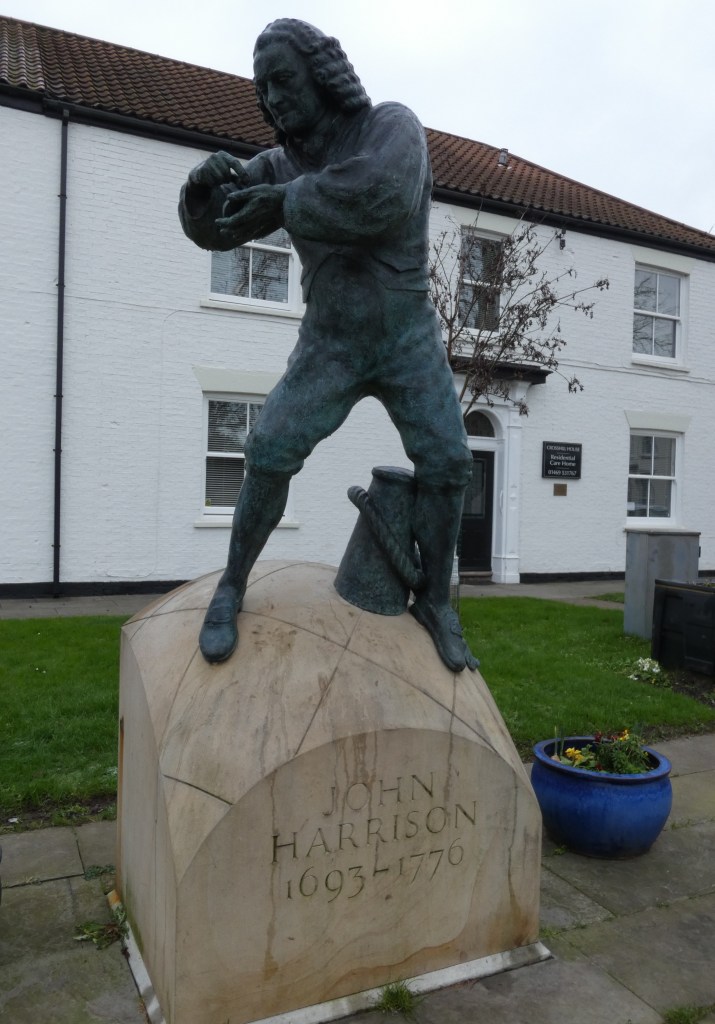
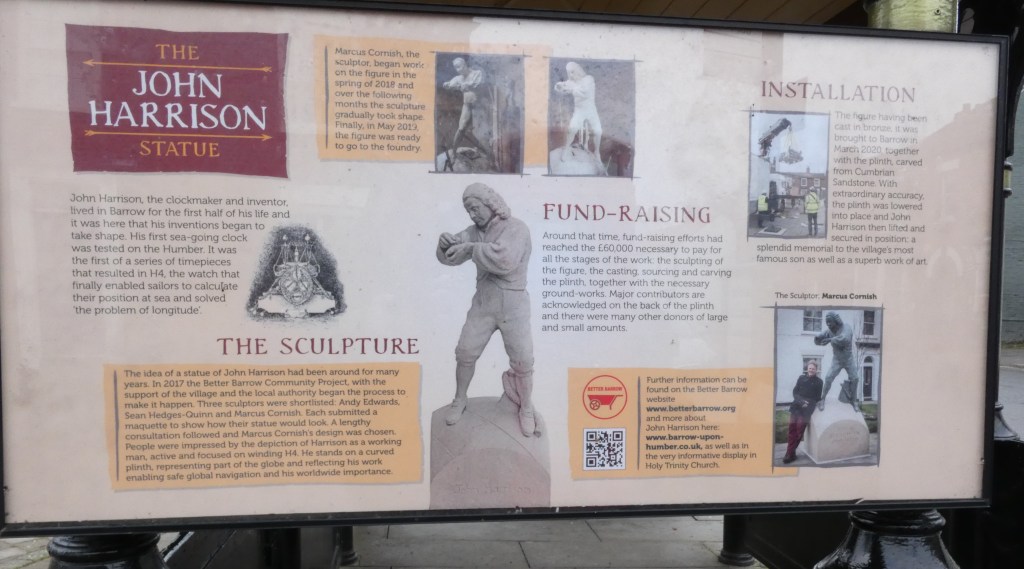
In 2020, following a decision to showcase its most renowned citizen, the village took delivery of a bronze statue of Harrison, which is now sited in a prominent position in the market place.
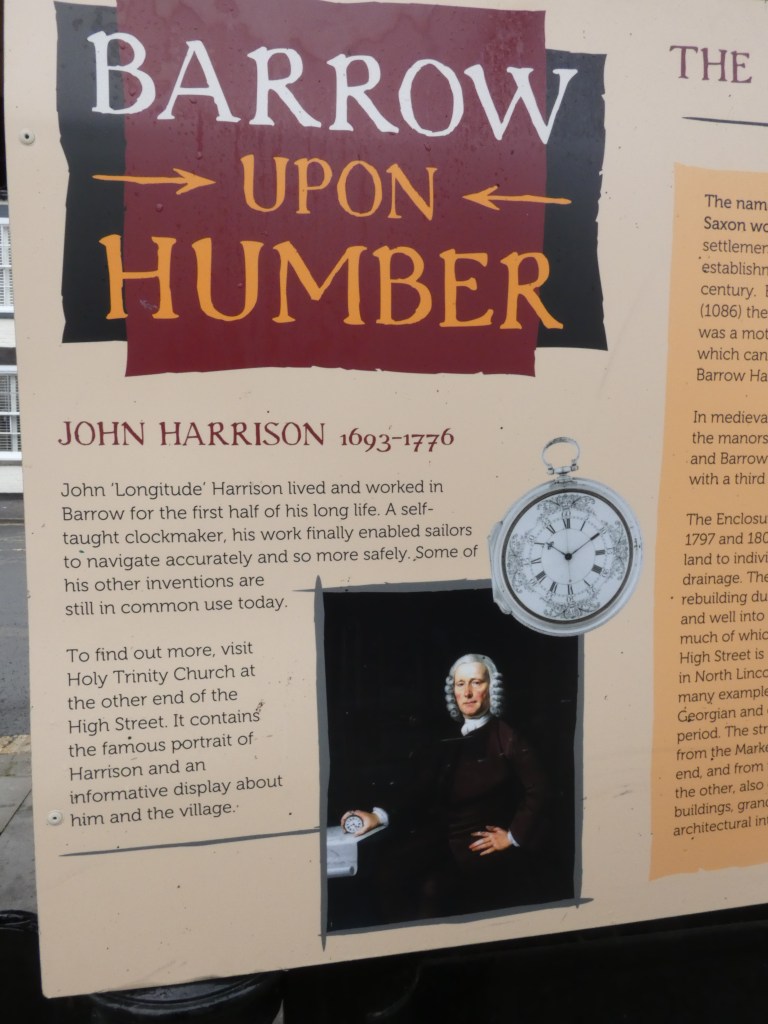
Also in the village’s market place, information boards provide a brief overview of the man and his achievement:
The clockmaker’s contribution is also remembered in nearby Grimsby where an NHS mental health in-patient facility bears his name. In alignment with the clockmaker’s contribution to voyager’s safety, Harrison House on Peakes Lane is aptly-named, in as much as it helps those who have strayed off course to navigate their way onto a correct heading.
I was a patient at Harrison House in December, 2023. And one day, when the time is right, a future blog post may appear here, in which I tell my own story of how I charted my course back to where I needed to be.
 RAVEN MOON