
This post is intended as a footnote to the one of November 30, titled ‘Six Weeks Silent Service’, in which I wrote of my father’s brief experience as a reluctant submariner during 1941.

As with all my posts, I included several illustrations to support the text – after all, ‘a picture paints a thousand words’, so we are told.
Of those pictures, whilst most were archive material gleaned from various websites, two were my own, taken in 2014 during a family holiday in Hampshire.
Our holiday had centred on historic Winchester and Portsmouth, and included visits to a number of our nations’ iconic naval vessels, such as HMS Victory and the Mary Rose.
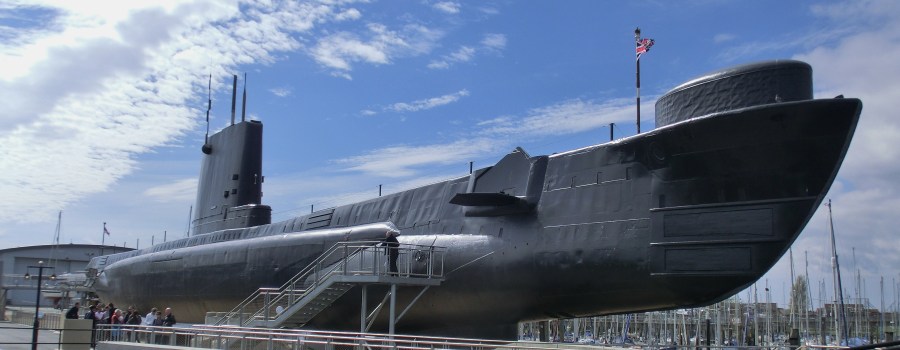
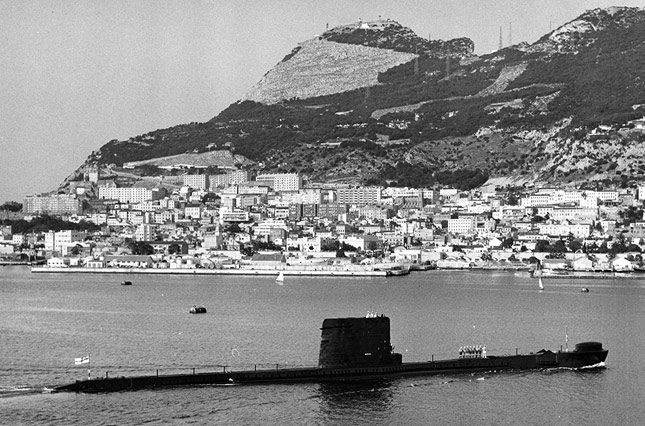
Another vessel that we visited was the less well-known HMS Alliance, the Royal Navy’s last surviving ‘A’- class submarine. Having long been fascinated by submarines (I have no idea why), this visit was both enthralling and memorable.
What follows is a pictorial account of our visit.
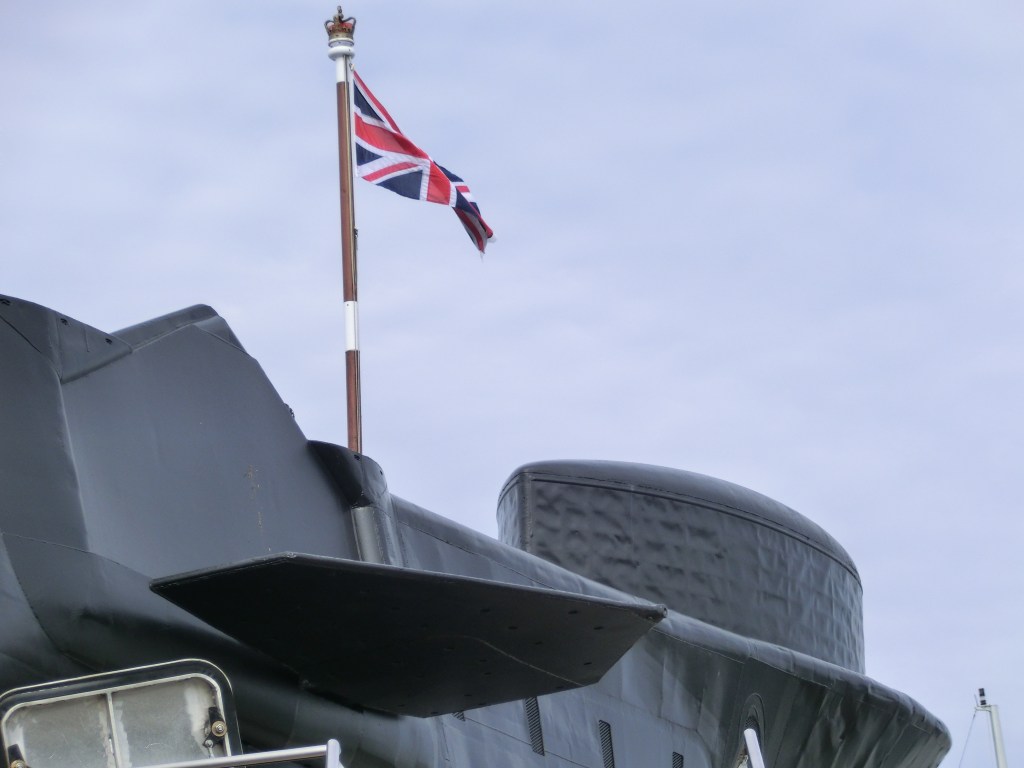
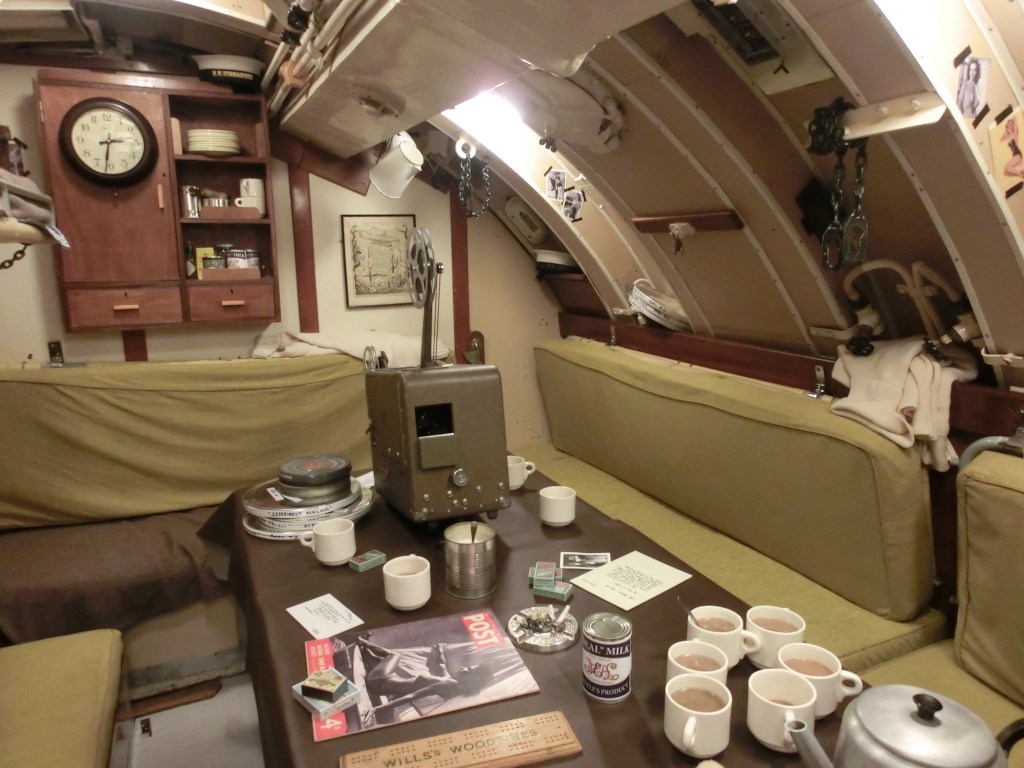
At the time of our visit, I knew that my father had briefly served on a submarine, albeit an earlier example than this exhibit. The opportunity to venture on board, therefore, and view the cramped surroundings, including its equivalent of what would have been my father’s workplace, the galley, was both poignant and emotive.
Construction of HMS Alliance began in March, 1945 at the Vickers Armstrong shipyard in Barrow-in-Furness. She was launched in July of that year, and commissioned for service in May, 1947.
Details of her service may be found on-line.
In August, 1979 she was towed to Southampton, where her keel was strengthened to allow her to be lifted out of the water to become a memorial to those British submariners who have died in service.
That tragic roll includes one seaman who died aboard Alliance in September, 1971, when a battery exploded, killing him and injuring fourteen others.
Since 1981, Alliance has been a museum ship, on display at the Royal Navy’s Submarine Museum at Gosport, Hampshire.
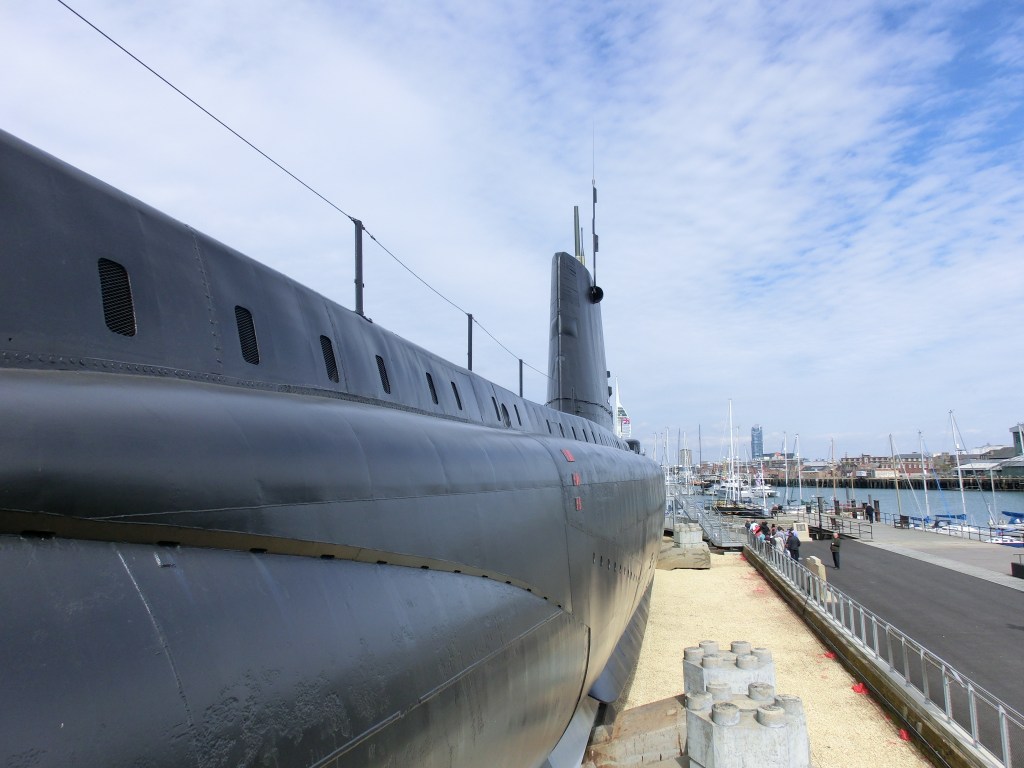
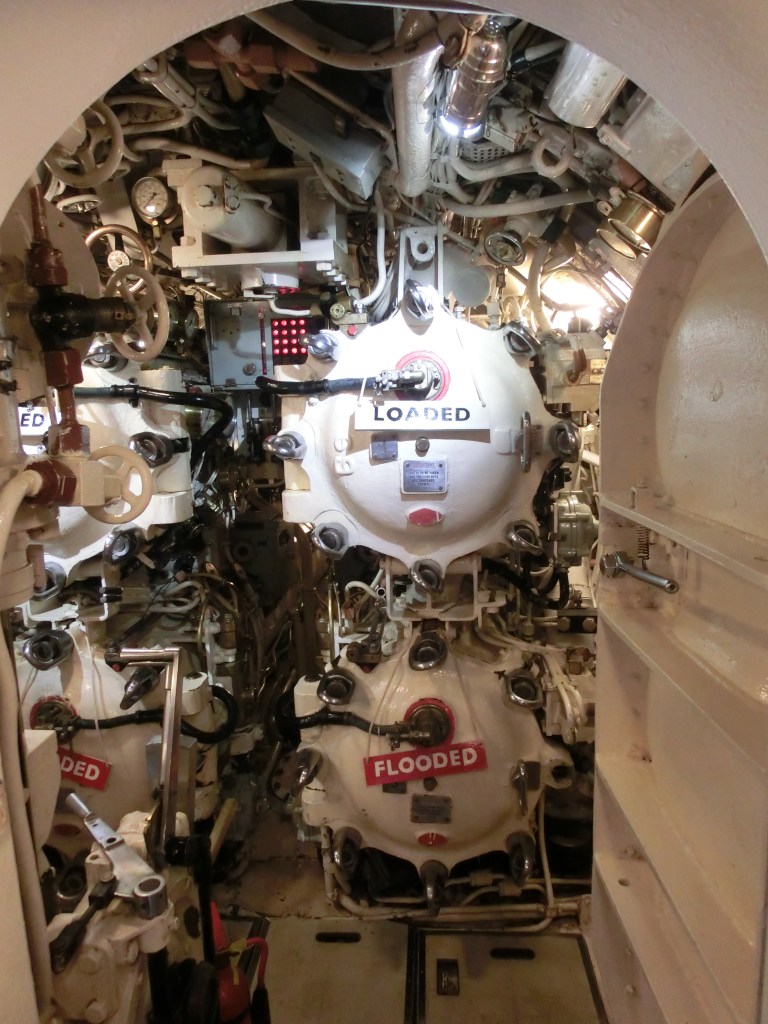
Bow torpedo tubes
Engine room with its Two 2,150 hp (at 450 rpm) supercharged Vickerts 8-cylinder diesel engines.
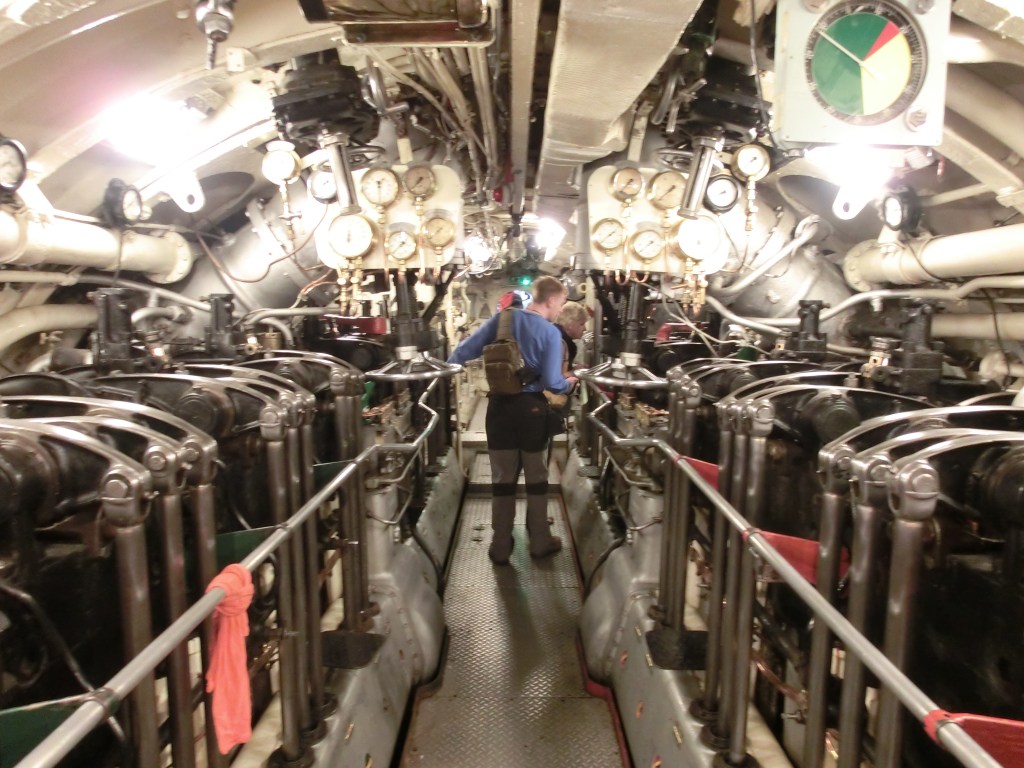


Control Room
Galley


Radio Room

I can strongly recommend a visit to the Submarine Museum and Alliance exhibit at Gosport. If this is ‘out of range,’ however, here’s a virtual tour of the vessel, presented by historian Dan Snow:

 RAVEN MOON