

When researching subjects for my ‘general interest’ posts, information trails can often pick up threads to other, diverse topics.
This post is such an example. It began with a simple desire to discover the background to the name of a local breakdown recovery firm.
My research led me from a windswept patch of North Lincolnshire woodland, through a hostile medieval feud and on to one of Lincolnshire’s major entrepreneurial success stories.
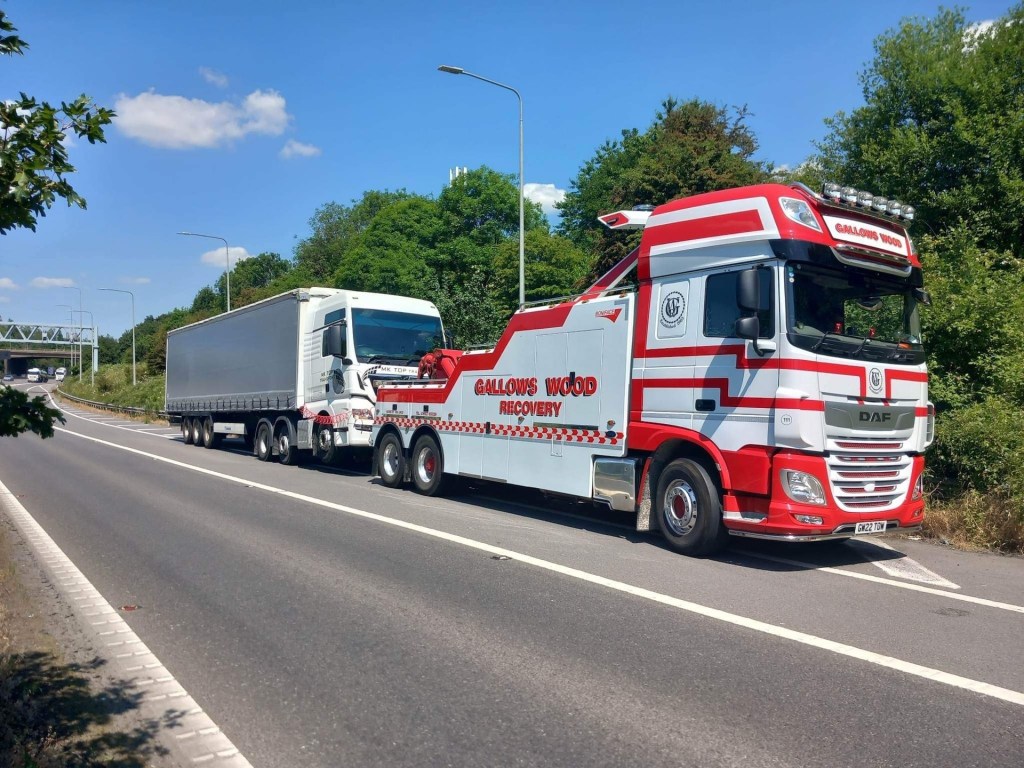
Travellers using the roads in and around North Lincolnshire will almost certainly have seen, at some time or another, any one of the distinctive red and white recovery vehicles operated by Gallows Wood Recovery.
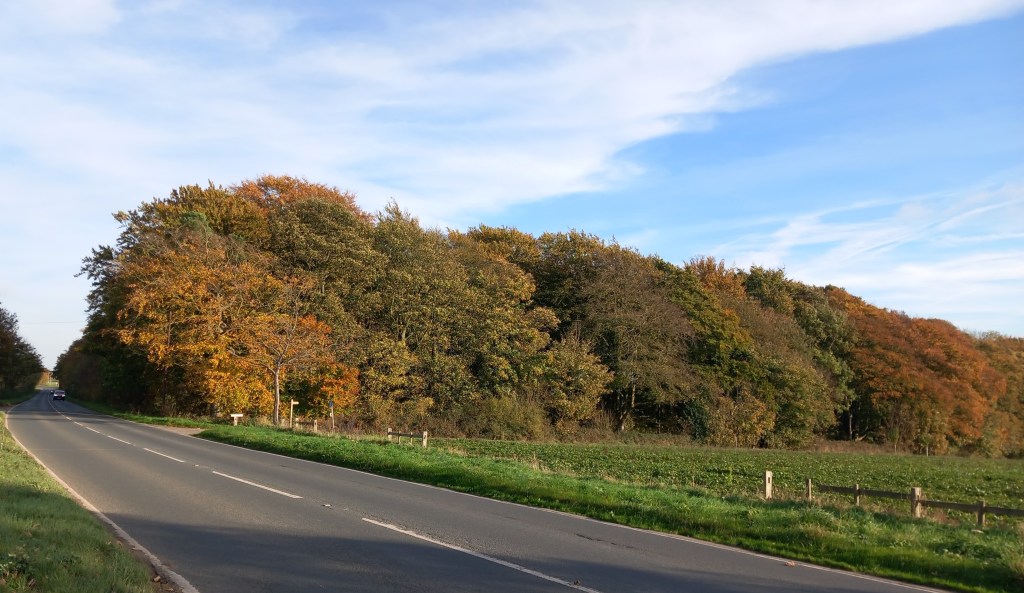
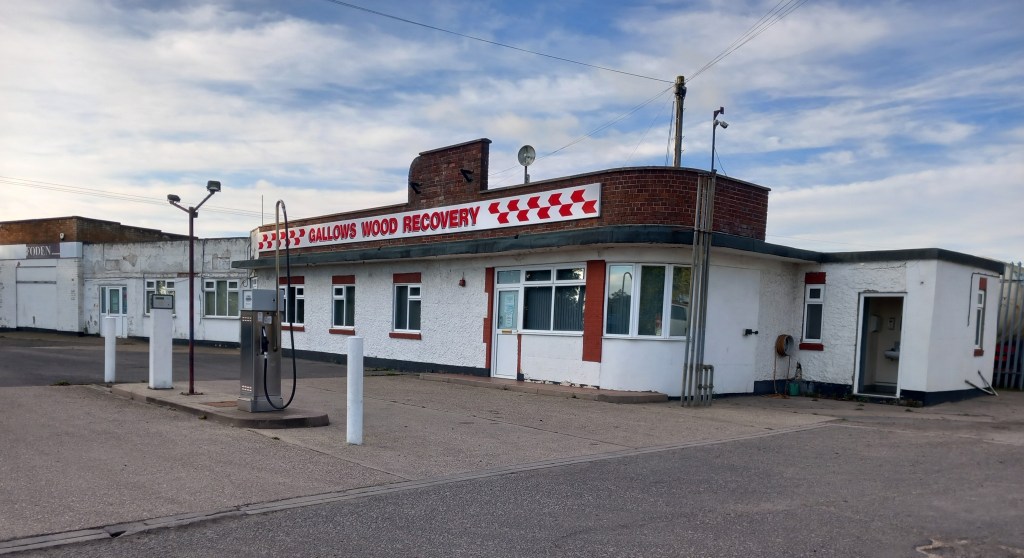
Since its inception in 1963, the family-owned company has been operating out of its base situated opposite woodlands on the busy A18 trunk road close to the village of Barnetby le Wold.
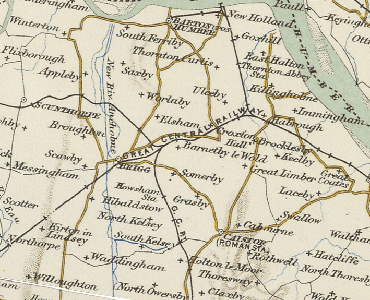
Since childhood I have passed by their premises innumerable times. This is unsurprising as, prior to the opening of the nearby M180/A180 highway in 1983, this section of the A18 was one of the the key routes for traffic into and out of the south Humber region.
As a child I’d often wondered about the macabre name ‘Gallows Wood,’ and maturity did nothing to diminish my curiosity.
Is the woodland directly opposite the recovery firm’s garage the woodland of that name? Was there indeed a gallows there? Or is that simply yet another fanciful, unfounded legend from the mists of time?
I decided to do some research.
First of all, the woodland’s location is near to the busy A18’s hilltop junction with the road leading down to the village of Barnetby.
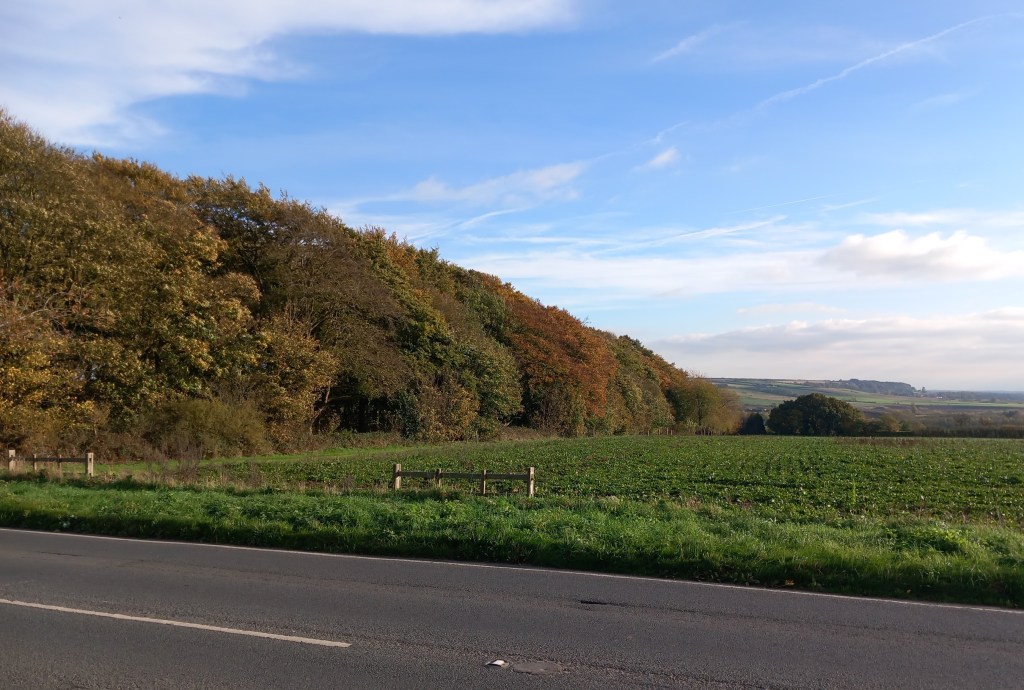
Such a location makes this a prime candidate, for I know that, whilst some gallows – or gibbets – were temporary structures hastily erected at the site of execution and dismantled later, other permanent structures were sometimes sited on hills and/or main junctions.
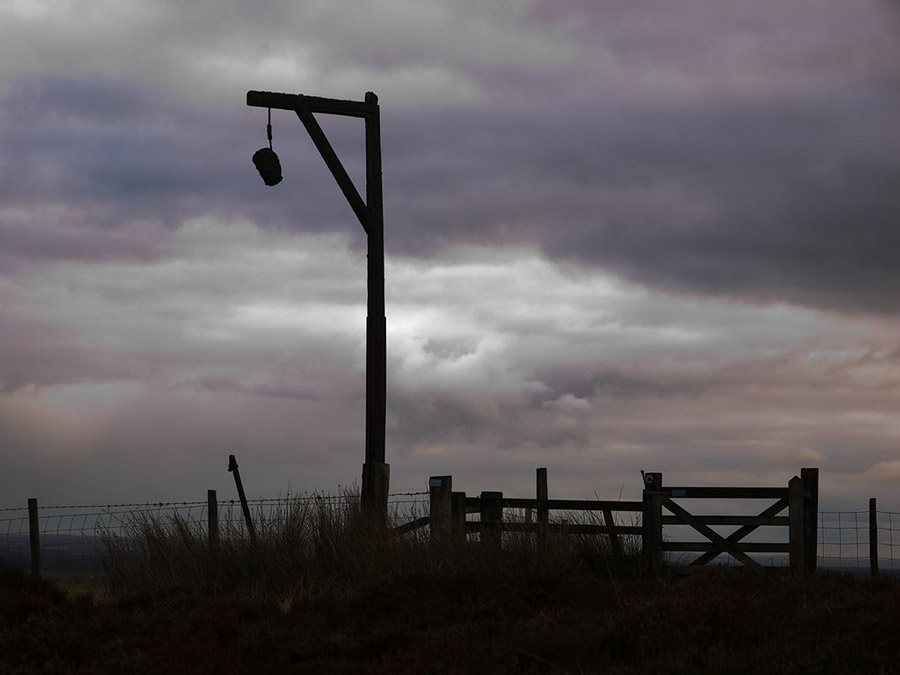
These ‘high visibility’ locations, deliberately chosen where passing traffic was greatest, also served as reminders of the harsh justice that awaited those who stepped outside the law.
It was not inconceivable, therefore, that this woodland on the brow of the hill overlooking Barnetby had been the site of a gallows.
My enquiries quickly revealed that a Gallows had indeed been erected at the site sometime in the seventeenth century.
This construction was in accordance with orders issued by the then ruling monarch, King James the First.

It appears that two prominent families – the de Ros family of what is now the village of Melton Ross, and the Tyrwhitts of nearby Kettleby – had for several centuries been engaged in a bitter feud, one which had at times resulted in bloodshed.
Disturbed at such blatant lawlessness and killing among some of his principal subjects, the monarch ordered that the Gallows be erected as a deterrent to both families. He decreed that any future violent death arising from the feud would be treated as murder, and the offender hanged.
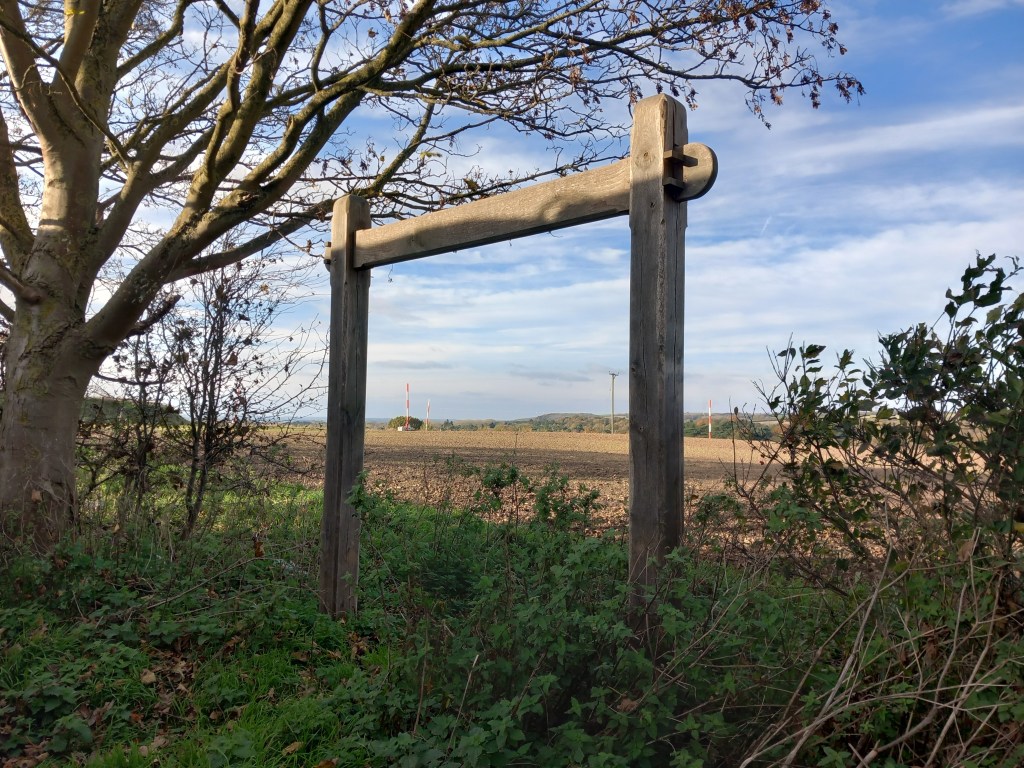
This stark and unambiguous warning appears to have had its desired effect. The feud, which allegedly began in 1411 when the Tyrwhitts attacked Melton Ross manor with five hundred men, apparently ceased with no further loss of life.
Aside from a brief mention of the 1411 attack I have found nothing to add to the story of the feud; nothing to suggest why such a bitter disagreement should continue for centuries, prompting the ruling monarch to step in with his grisly warning for each family to desist.
The fact that a royal warning was issued to prevent future transgressions, rather than trials and executions conducted for those already committed (as would have been the case for those of the more lowly classes) is testament to the prestigious pedigrees of the warring families.
The highborn Tyrwhitts can trace their line of descent to the eleventh century, to Sir Hercules de Tyrwhitt, who was in all likelihood a Norman knight rewarded for his services by William the Conqueror.
The Tyrwhitt line boasts several Sheriffs of Lincolnshire, baronets, and in the case of Sir Robert Tyrwhitt, as well as holding the office of county Sheriff, he was also the Vice Admiral of England.
The de Ross family were perhaps no less distinguished, having landholdings throughout Lincolnshire and also far beyond the county’s borders.
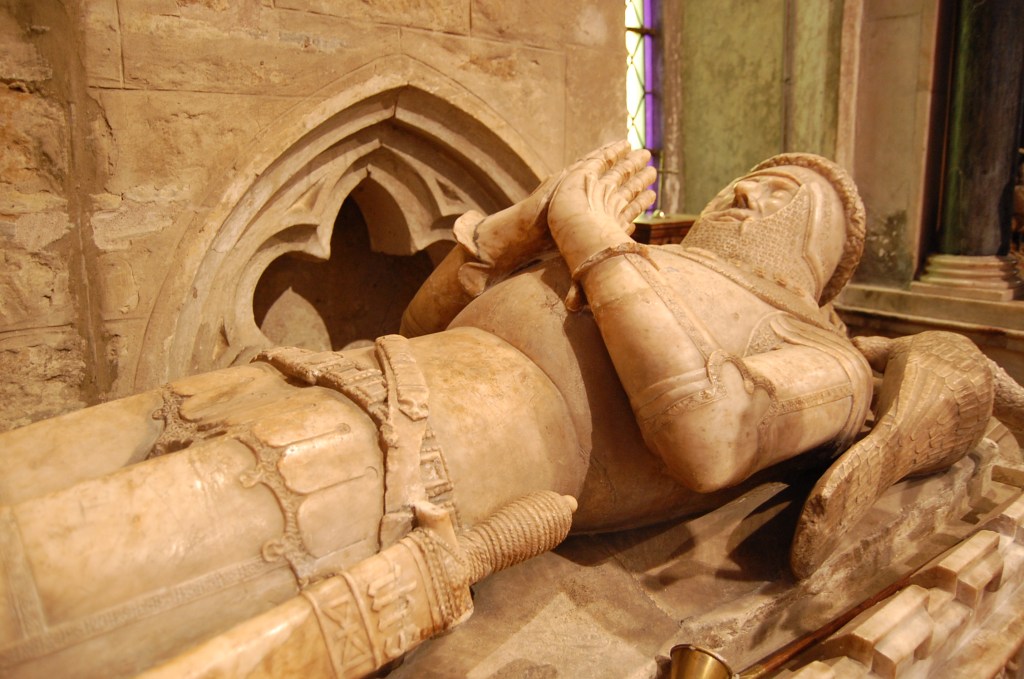
The de Ross holdings and the many disputes arising from them placed them at odds with, not only the Tywhitts, but other prominent families, including the Courtnay and Bonville families in the southwest, and the powerful Nevilles and Percies in the north. The de Ross’s also found themselves at loggerheads with Ralph, Lord Cromwell and William, Lord Tailboys in the midlands.
These acrimonious feuds were most likely triggered by a number of factors, including:
- Competition for land, resources and influence
- Family ties and alliances
- Regional and national politics
- Economic interests
In view of their multiple disputes it would be easy to view the de Ross family as malcontents or aggressors. However, it appears that the 1411 conflict was taken to parliament and resolved, with de Ross seeking and receiving compensation. Furthermore, it is clear that the de Ross’s were able to successfully navigate their many disputes and thereby preserve their status as one of Lincolnshire’s prominent landholding families.
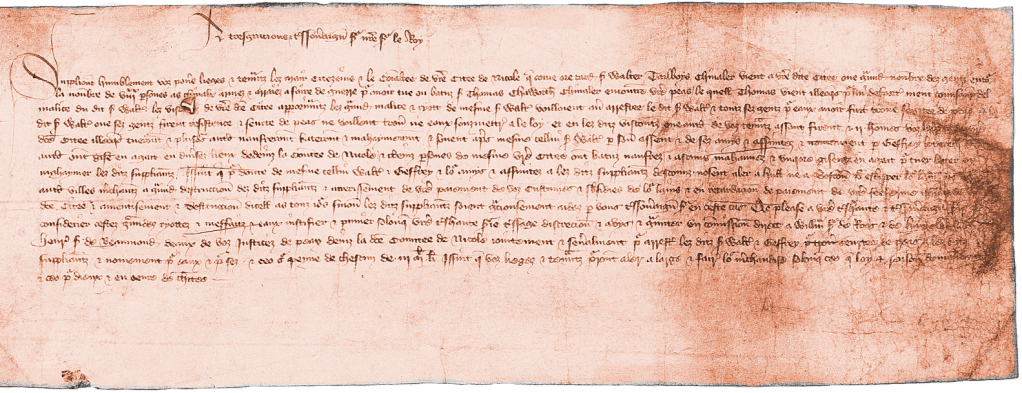
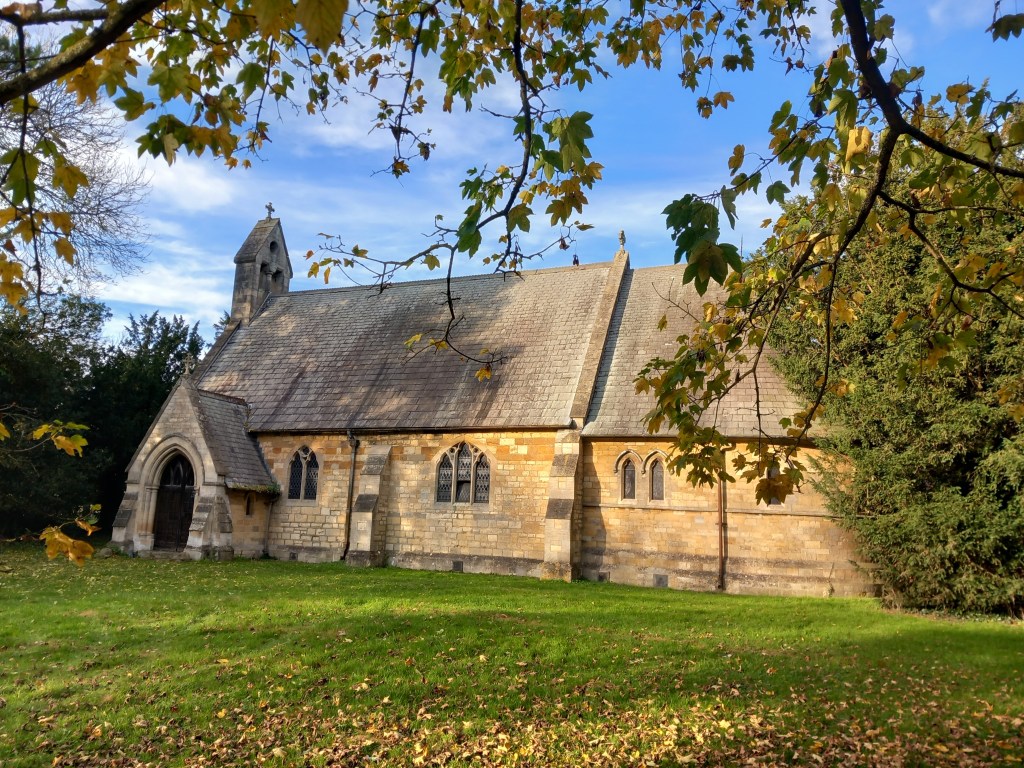
Whilst their estates were many and widespread, the de Ross family’s principal domain had long been centred on the Lincolnshire manor of what was once called ‘Medeltone,’ (meaning ‘middle farmstead).’
The family name was subsequently identified with the village, which is now known as Melton Ross.
It was at this point in my research that I discovered that I have a connection to the de Ross’s – albeit an extremely tenuous one.
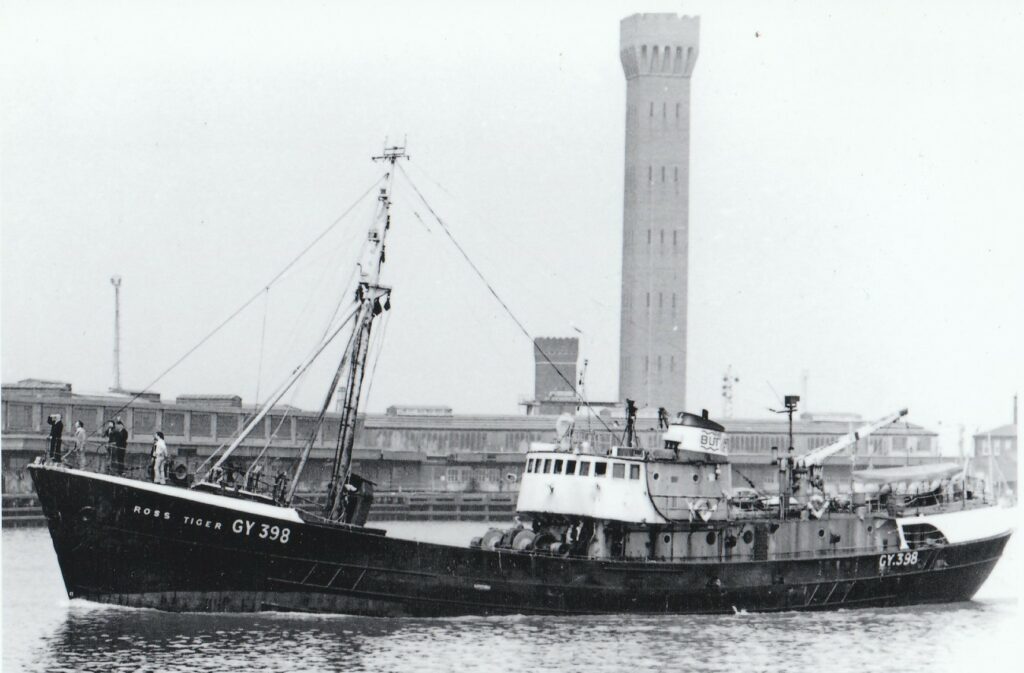
In 1920, de Ross descendant Thomas Ross founded a food company in Grimsby, then the largest fishing port in the world. From its humble origins of only a few fishing vessels, Ross moved into trawling, eventually building a fleet of deep sea trawlers at Selby’s Cochrane Shipyards – which the enterprising Ross also acquired. The fleets operated out of Grimsby and Fleetwood, Grimsby being the centre of operations.
By 1965 Ross were operating Britain’s second largest trawler fleet and the name of Ross became indelibly linked with Grimsby, where the company also built a large frozen food processing operation.
And now for my flimsy ‘association’ with the Ross empire, for it was in Grimsby, in 1982, that I spent a brief time working in the company’s exports department on the sixth floor of Ross House, overlooking Grimsby’s then dwindling fish dock.
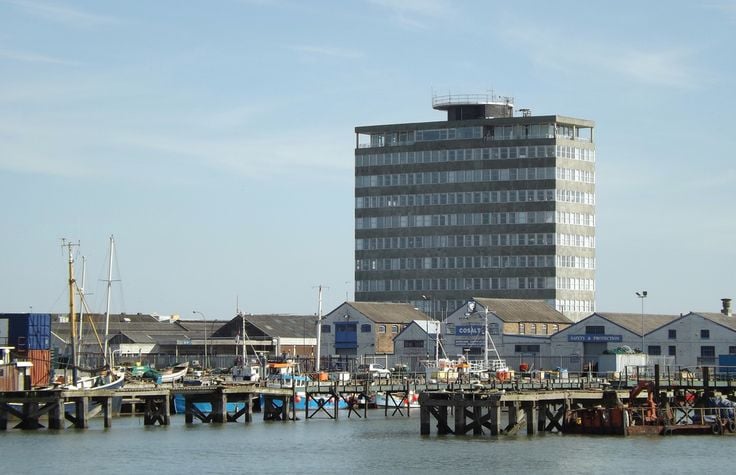
I did say that my connection to Ross was a tenuous one.
As outlined in my introduction, above, this brief post began with a simple question: Is the woodland overlooking Barnetby le Wold the site of a gallows?
My research not only provided an affirmative answer, it revealed a history of embittered, medieval feuding among local gentry, a royal admonition, and a testament to the longevity, tenacity and entrepreneurial success of the Ross family.
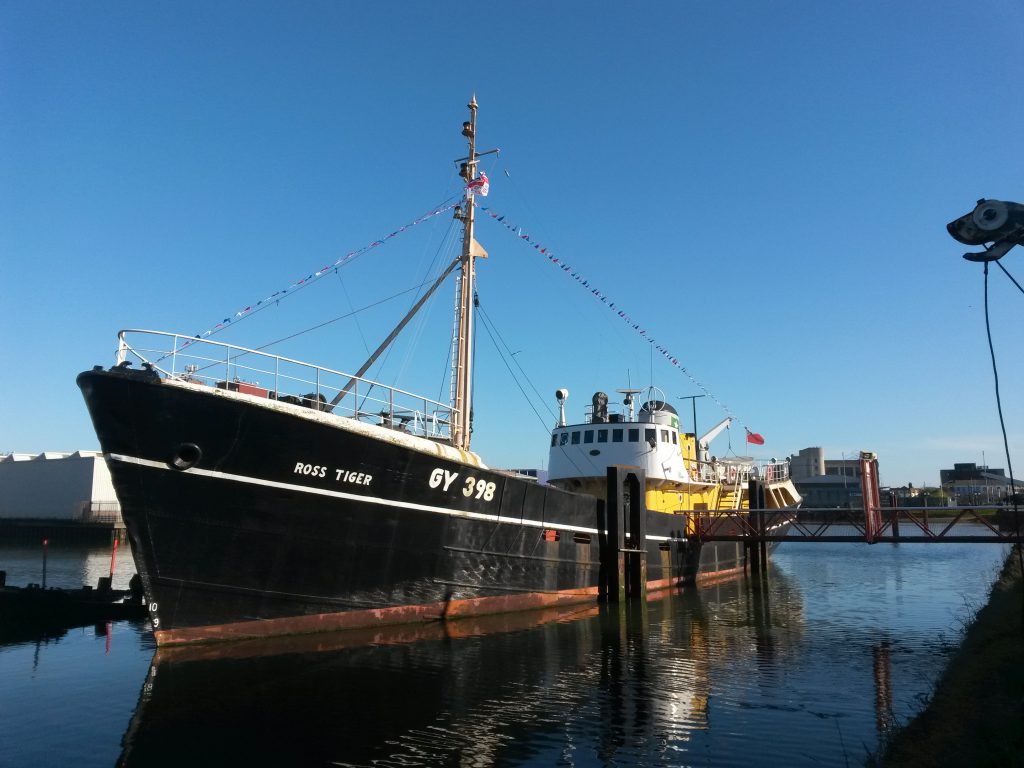
A monument to Ross’s links to the port of Grimsby can still be seen at a berth on the River Freshney, close by the old fish dock basin. Here, one of the company’s trawlers, Ross Tiger (GY398) – the UK’s oldest surviving side trawler – is now a floating museum piece operated by the Grimsby Fishing Heritage Centre.
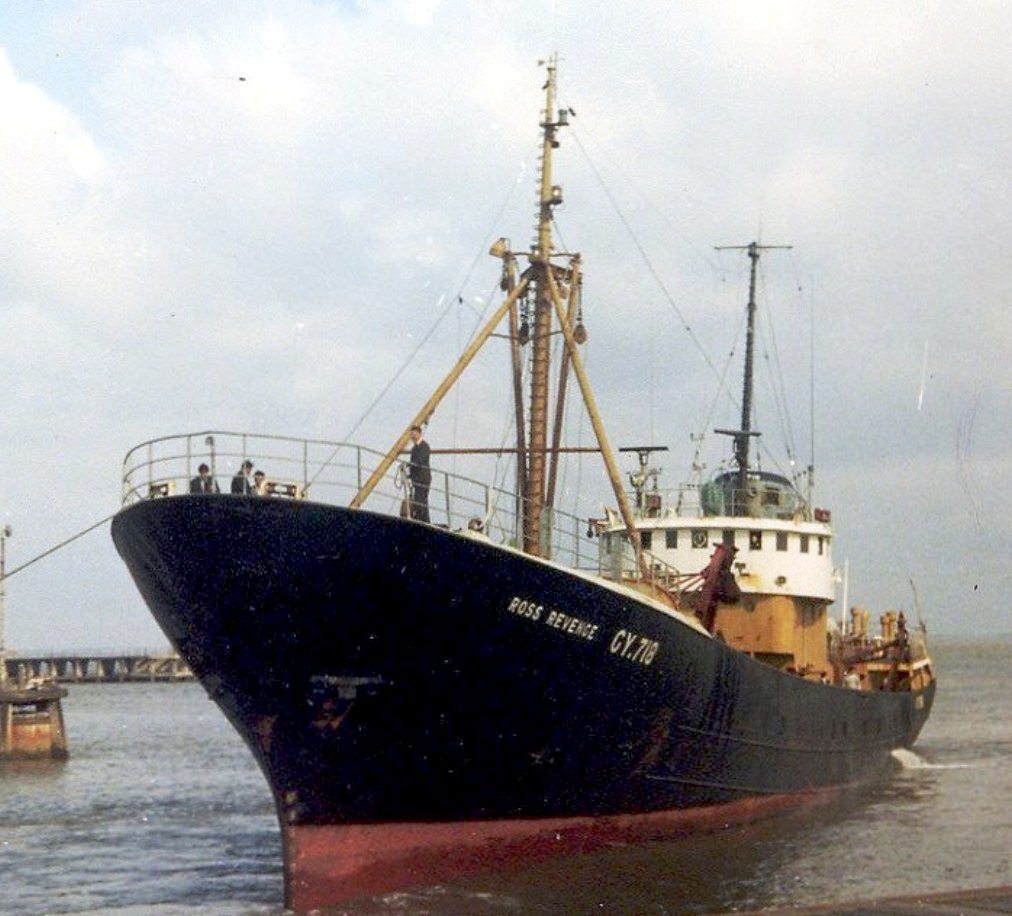
Finally, I also discovered that another of Ross’s trawlers – the Ross Revenge (GY718) – holds the world record for the biggest catch. In 1976 she landed 3,000 kits (approximately 218 tonnes) of Icelandic cod at Grimsby.
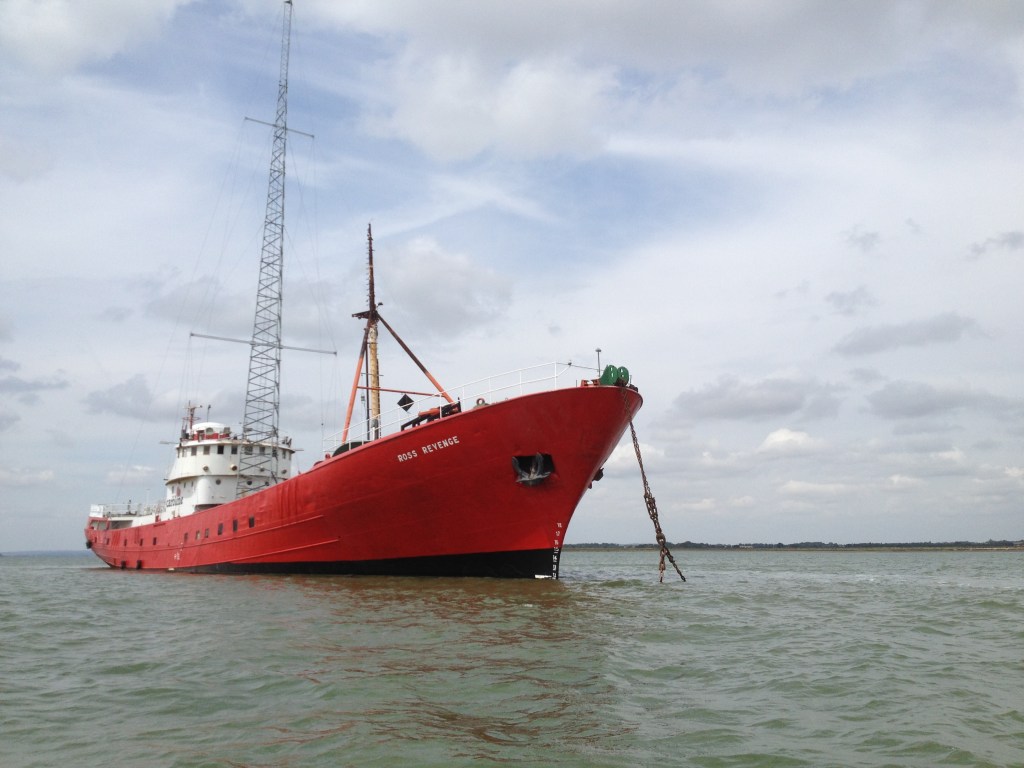
Perhaps most notably, however, following the trawler’s decommissioning, it was fitted out as a radio ship with a 300 foot antenna mast, and operated by the commercial ‘pirate’ radio station, Radio Caroline.
In view of the past controversy surrounding the existence (and influence) of so-called pirate radio stations, and their defiance in the face of opposition from established, mainstream broadcasters, I can’t help but feel that Thomas Ross’s no-nonsense, fifteenth-century ancestors would have approved of the rebel station’s links to the family.
 RAVEN MOON