
On February 10, 1906, the Royal Navy launched its latest warship out of the H.M. Dockyard, Portsmouth. The vessel, the first capital ship to be powered by steam turbines, represented such a momentous development in naval technology that its commissioning in December of that year spawned an entire generation of battleships, the classification for which were named after her.
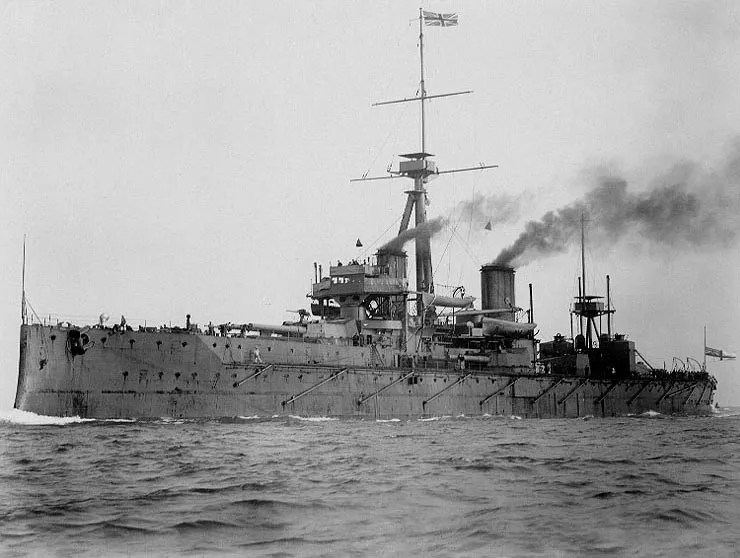
The ship was HMS Dreadnought.
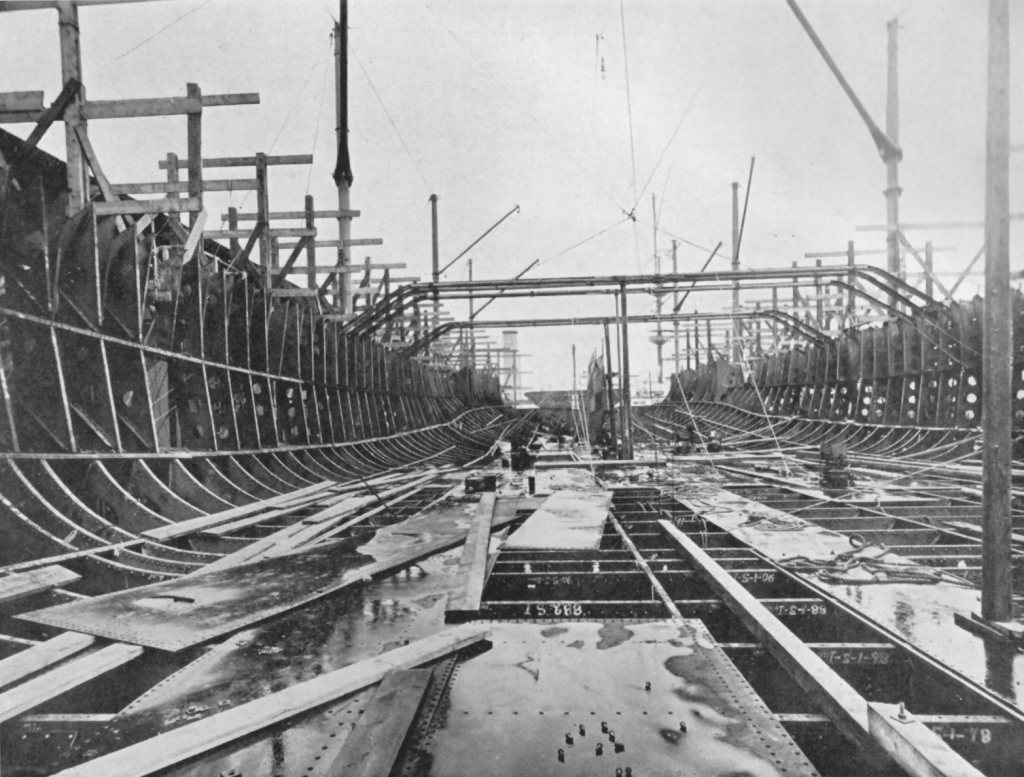
HMS Dreadnought, two days after her keel had been laid. HM Dockyard, Portsmouth.
Such was the significance of this watershed moment in warship design that those vessels that came before her were rendered obsolete virtually overnight, and came to be known collectively as ‘pre-Dreadnoughts.’ ‘Jane’s Fighting Ships,’ the leading reference book on warships published annually since 1898, noted that HMS Dreadnought was the equivalent of two or three normal battleships.
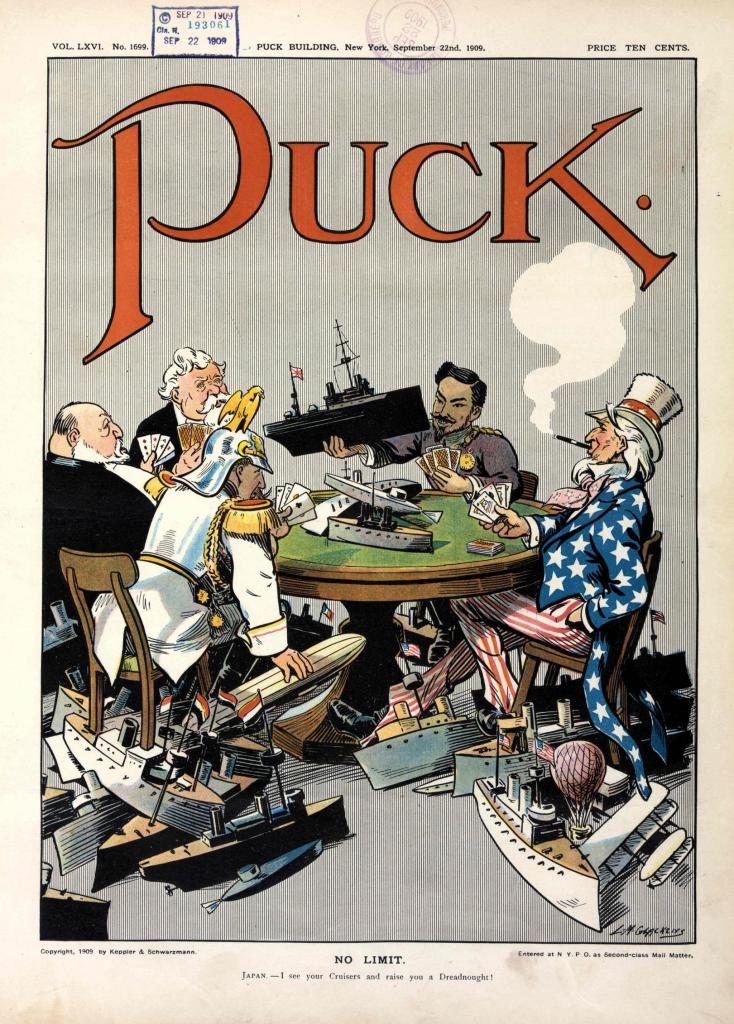
Dreadnought’s entry into service sent tremors through those nations seeking to challenge Britain’s superiority of the seas. So much so that it triggered a naval arms race, as aggressive as the general competition for military dominance that had commenced in the final decade of the nineteenth century.
The race, led by Britain and rising European power, Germany, was one which was set to continue through to the outbreak of The Great War in 1914.
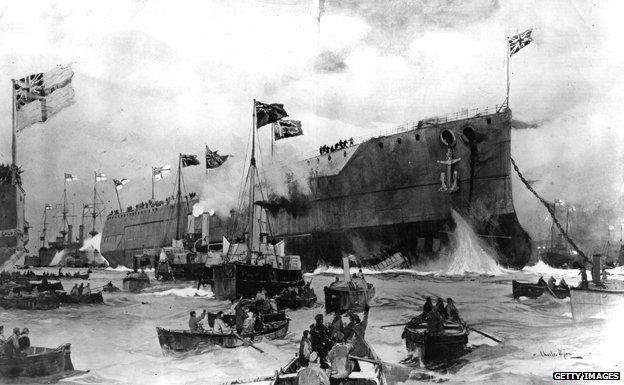
HMS Dreadnought, 1906 – a ‘shockwave launch’
The shockwave launch of Britain’s premier warship led to a series of political bills being passed in Germany in its bid to pursue naval dominance over Britain. The fourth bill, together with the general unease at Germany’s military expansion, prompted a drive here in Britain to increase the government’s proposed construction of Dreadnought-class battleships, then set at six vessels. In the ensuing campaign one Conservative MP coined what would become a popular public slogan:
‘We want eight and we won’t wait.’
The story of HMS Dreadnought’s design, technological advances and service history is an interesting one, and possibly warrants a separate post on the subject.
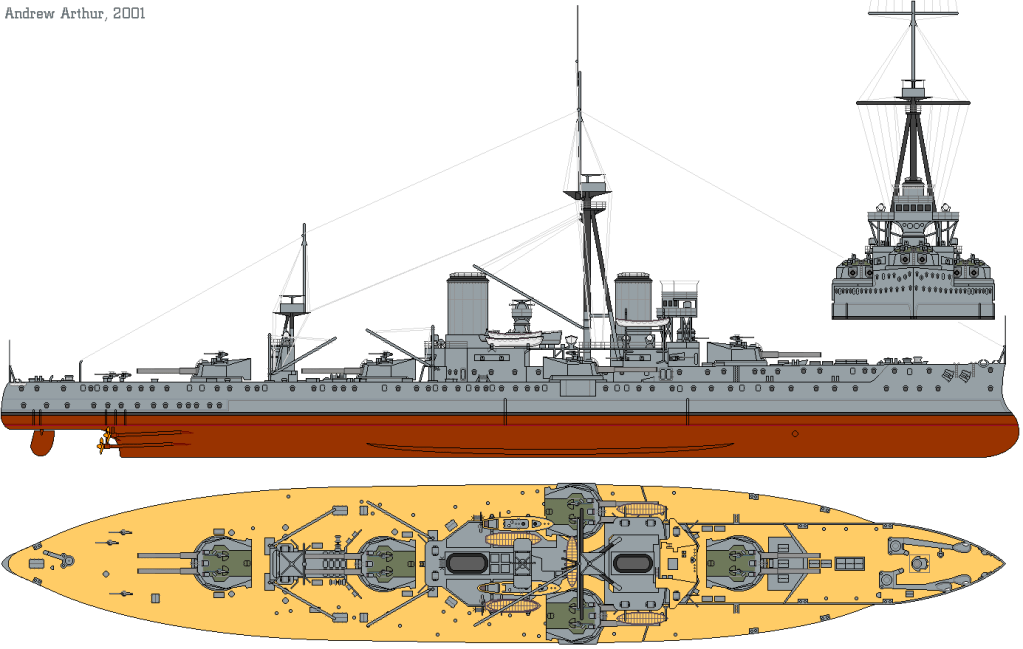
Exploring those things, however, is not the purpose of this post. Instead, I wish to highlight a personal interest which I have in the battleship:
My maternal grandfather, Edward Victor Baker, served aboard HMS Dreadnought from September, 1907 to March, 1909, then again from September, 1913 to August 1918 – the duration of the First World War.
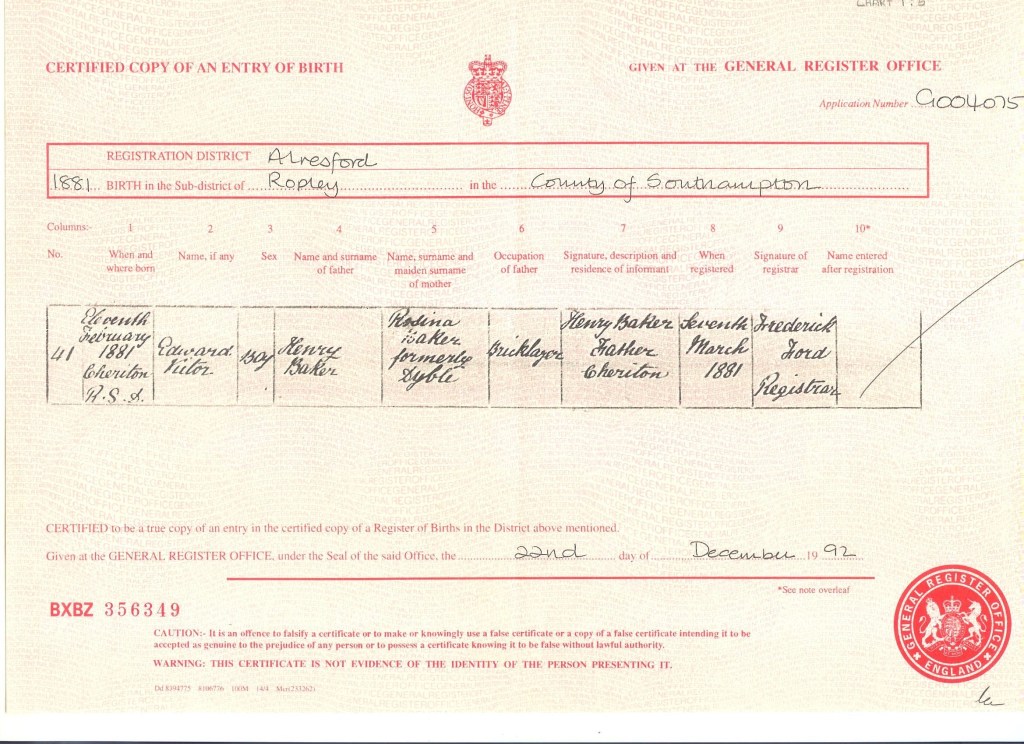
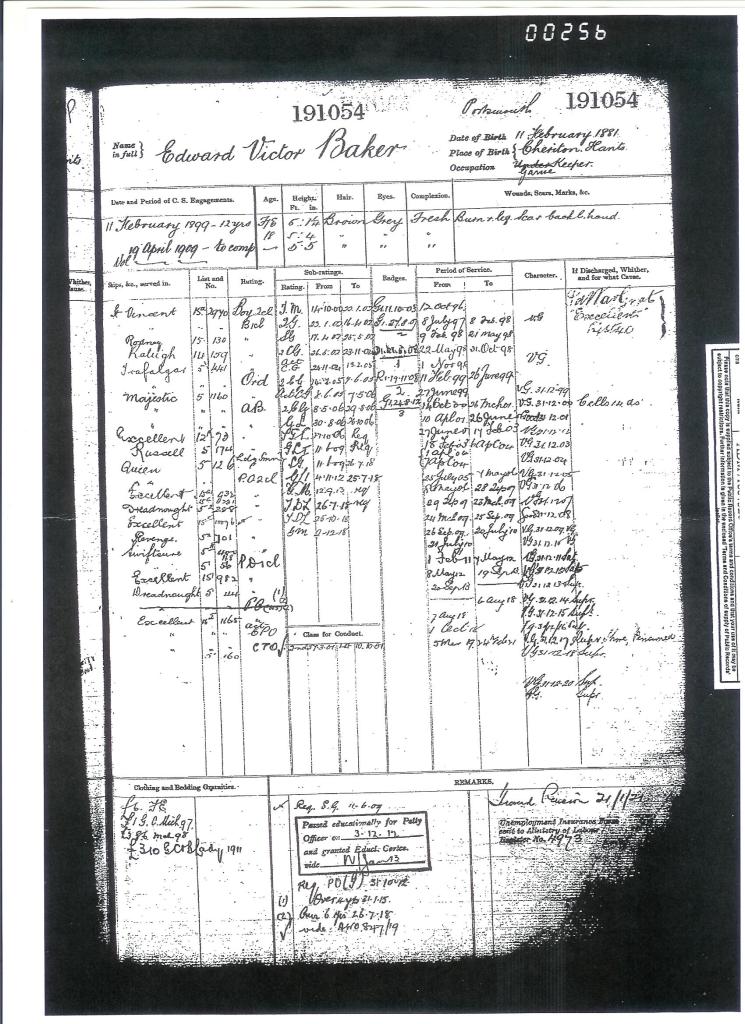
Edward Victor Baker (Vic) was born on February 11, 1881 in Cheriton, Hampshire to Henry Baker, a bricklayer, and Rosina nee Dyble.
On October 12, 1896, Edward, then a young Gamekeeper at Cheriton, Hampshire, continued a family tradition of seamanship when he joined the Royal Navy. He was fifteen years old.
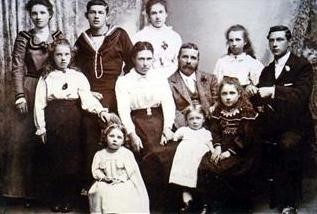
Young sailor, Edward Baker poses for a family portrait, with his parents, Henry and Rosina (centre) and siblings.
Noted in his service record as a ‘Boy, 2nd Class,’ he was described on entry to the ‘senior service’ as being five feet one and a quarter inches tall, having brown hair, grey eyes and a fresh complexion.
On completing his period of shore-based training at HMS St. Vincent, he signed on to serve for a period of twelve years. He was to serve far longer, however, and was finally discharged in February, 1921, by which time he held the rank of Chief Petty Officer and had attained an exemplary service record.
During his period of service, ‘Vic’ Baker was assigned to several vessels, aside from HMS Dreadnought.
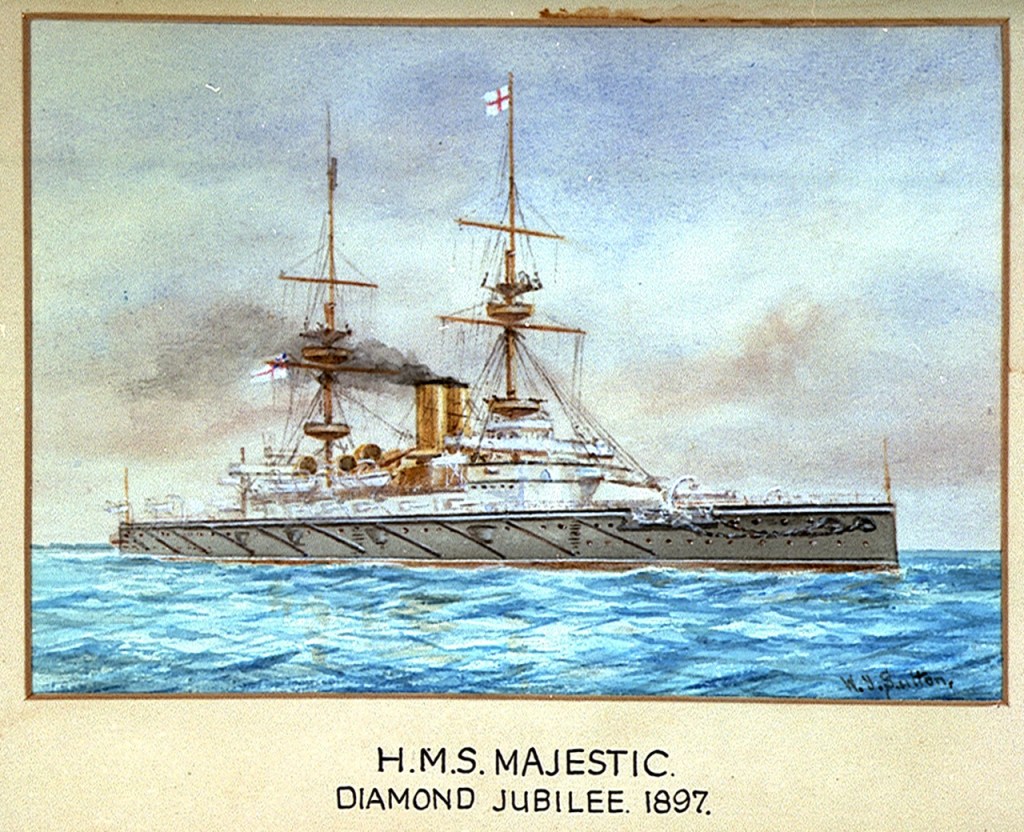
In 1899, following training, Baker was assigned to HMS Majestic, where he served as Ordinary Seaman, before being promoted to Able Seaman in 1900, after which he was posted to HMS Russel (right) in 1903.
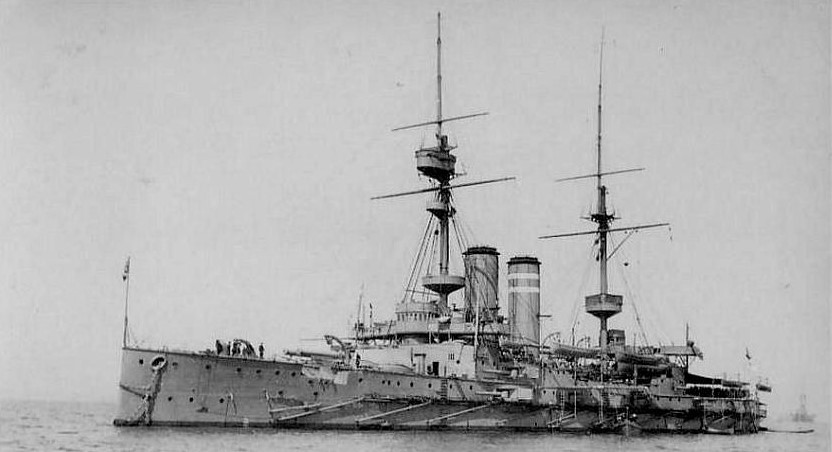
In the years that followed, he saw service aboard HMS Queen, where he attained the rank of Leading Seaman, before being promoted again in 1905, when he became a Petty Officer 2nd Class. He then joined the crew of the Royal Navy’s prestige Capital Ship HMS Dreadnought in September, 1907.
During the period 1909-10 he also served aboard the navy’s battleship HMS Revenge (below left) and light cruiser HMS Swiftsure (below right).
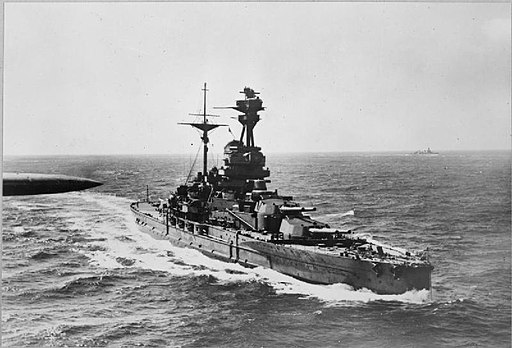
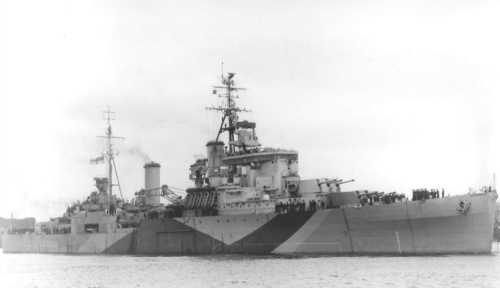
In May, 1912, after being re-assigned to shore base HMS Excellent, he achieved promotion to Petty Officer 1st Class, and his remaining service was spent serving at Excellent and aboard Dreadnought. During this period he attained his final promotion to Chief Petty Officer in 1919.
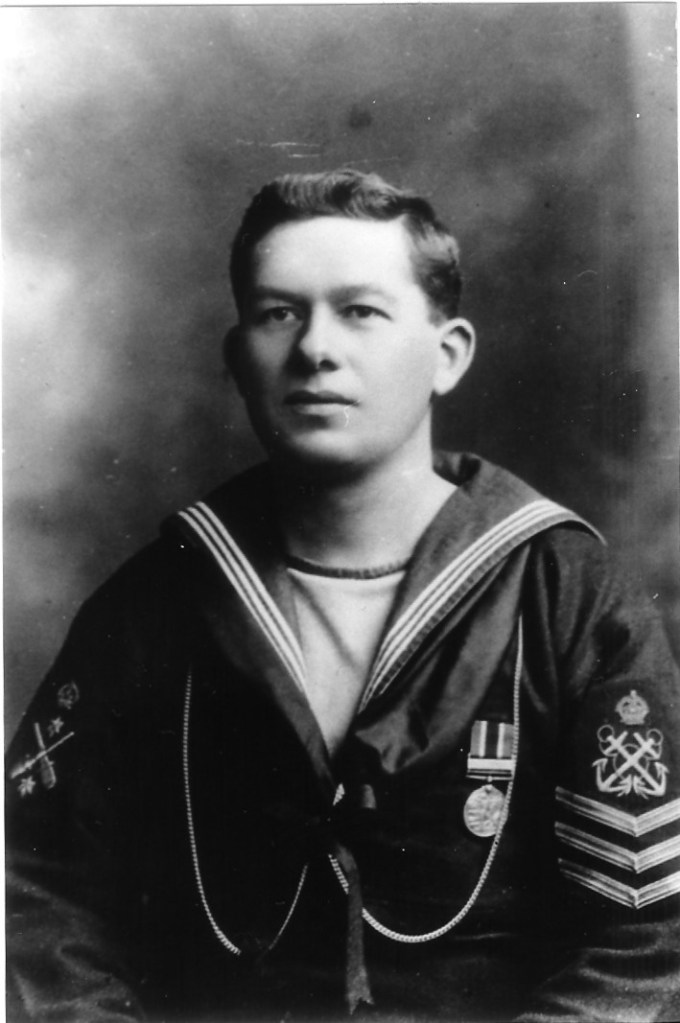
Prior to his eventual discharge in 1921, Grandad Baker also achieved various merits and good conduct awards. One purpose of this post is to highlight what was, perhaps, his most notable achievement.
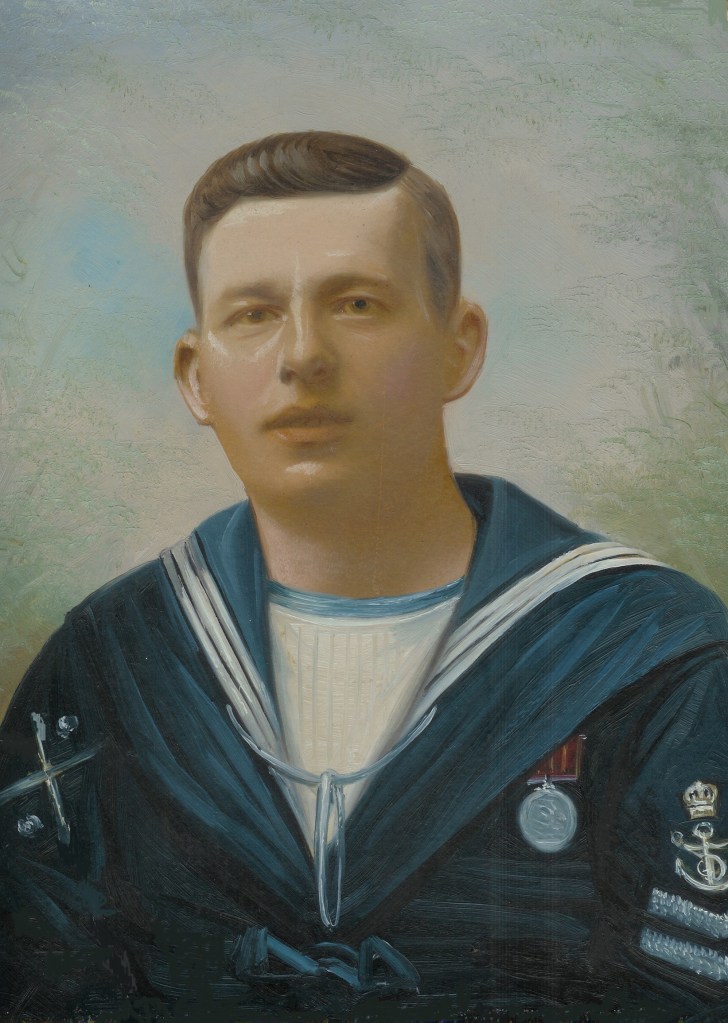
Among the artefact collections at the Royal Naval Museum, Portsmouth, is a collection of medals awarded to (then) Leading Seaman Edward Victor Baker. Among the medals, which include the usual awards for service in The Great War, is a Naval Good Shooting Medal (right).
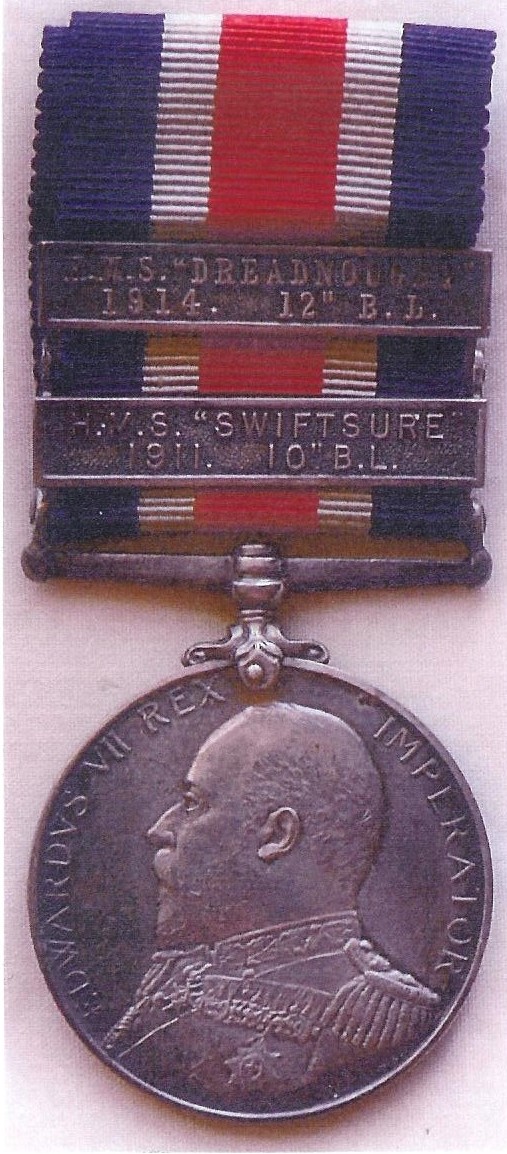
‘Instituted to promote excellent gunnery performances in the annual fleet competitions, it was first awarded in 1903 but discontinued in 1914.’
Whilst a total of 974 medals were awarded, the significance of my grandfather’s medal is that it includes two clasps, each clasp bearing the name of the ship to which the serviceman was assigned at the time, together with the year of the award. Each clasp represents a separate award. During the eleven years in which the Naval Good Shooting Medal was awarded, only three were issued having two clasps.
Clearly, my grandfather not only served with distinction, he was a master gunner and recognised as such.
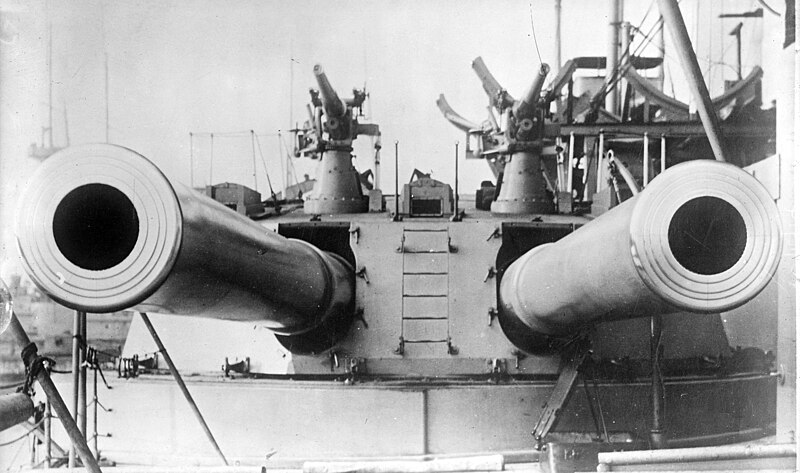
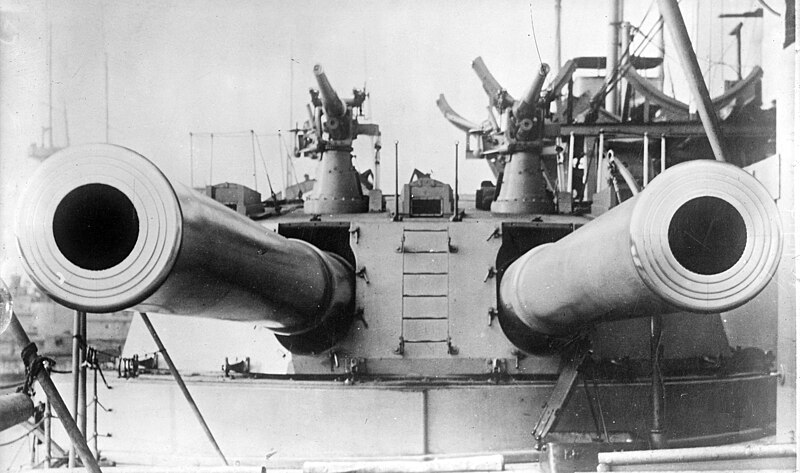
One of Dreadnought’s turrets with twin 12-inch Mk X guns. Plus two top-mounted 12-pounder guns for defence against torpedo boats.
Included with the medals in the Museum’s artefact collection is a copy of the Gunnery Prize given to my grandfather – a Postal Draft to the sum of four shillings and a penny – and a Bosun’s Pipe awarded to him during his service aboard HMS Dreadnought.
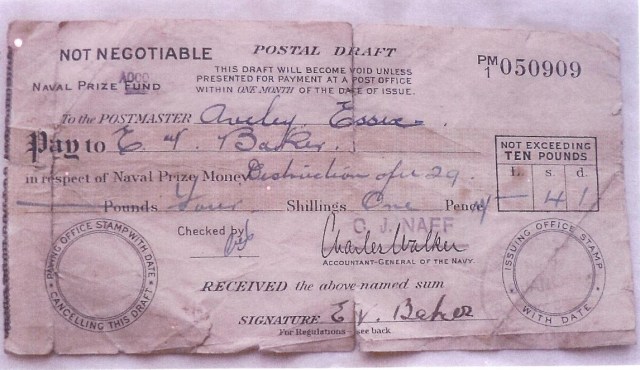
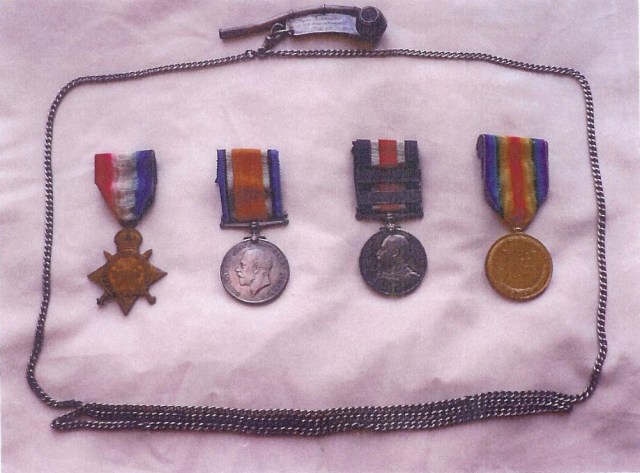
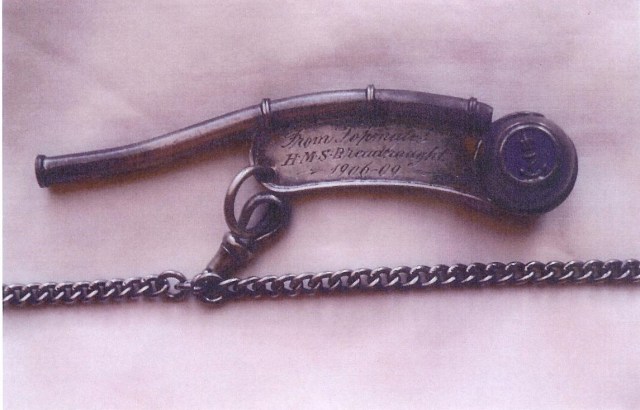
As his long and distinguished career in the Royal Navy was drawing to a close, Edward Victor Baker married. His marriage to Minnie Catherine Annie Collis, was held in Cheriton, Hampshire on 5th April, 1920.
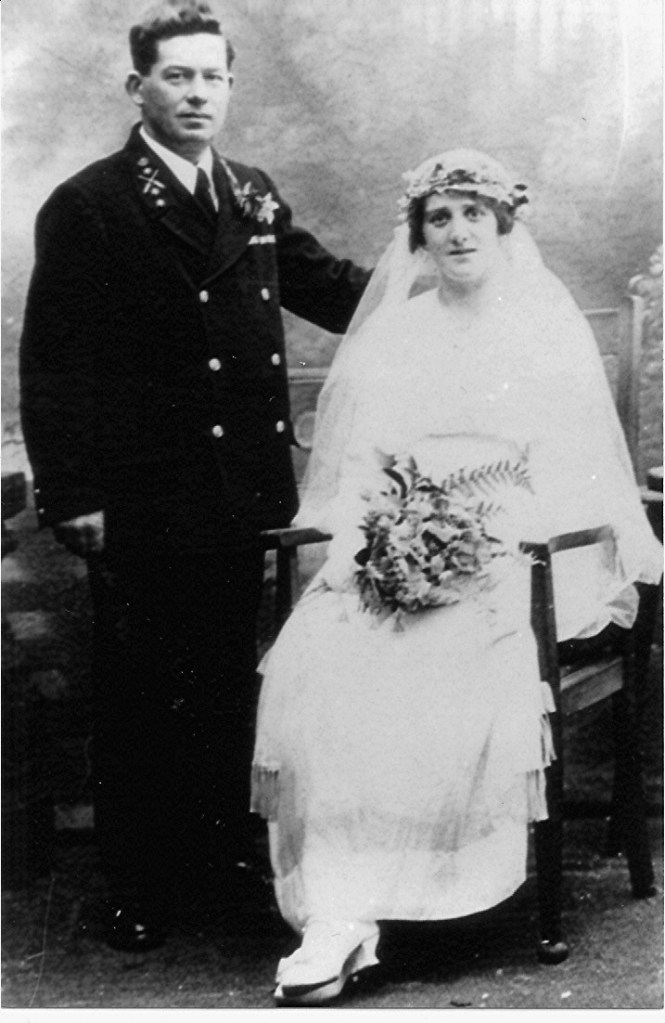
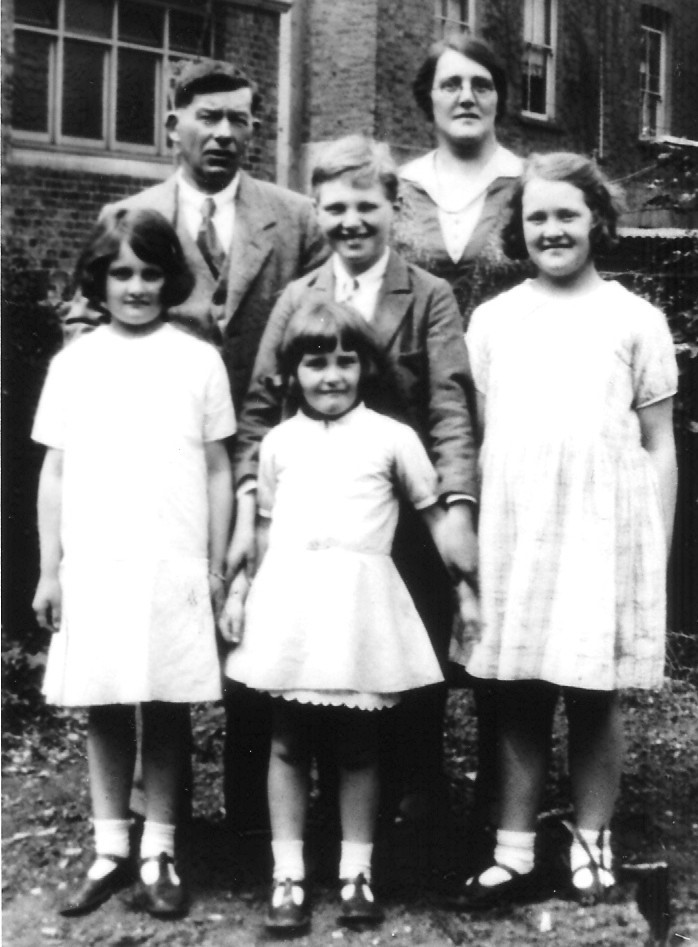
Edward and Minnie were to have four children: Arthur, Catherine Jeanette, (my mother, who was born June 14, 1922, centre right), Doris Gwendolyn and Eileen Betty.
I don’t know exactly when my grandfather relocated with his family to Essex. I do know that, following his military service, he was employed at Belhus House, an imposing manor house and estate at Aveley. There, he and his family occupied a separate residence in the manor’s grounds.
I can only presume that the move from Hampshire came about following his successful application for the role of gardener, a position which he held for the rest of his working life.
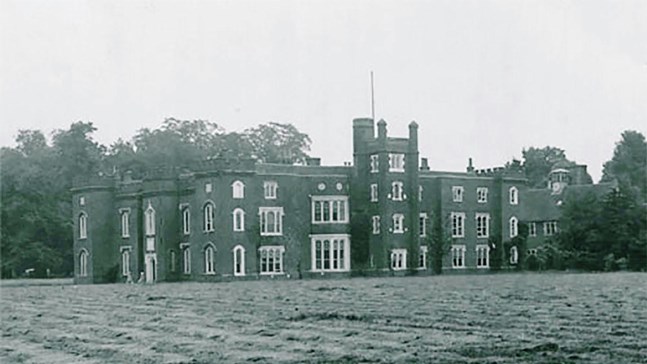
At the outbreak of World War Two in 1939, my grandfather longed to serve his country once more and applied to rejoin the Royal Navy. His application was turned down, rather unsurprisingly, due to his age. This long remained a disappointment to him.
He died in Aveley on January 21, 1947.
The Service Record of Edward Victor Baker
 RAVEN MOON